
The Art of Castle Preservation: How Japan Maintains Its Feudal Heritage


Welcome to Feudal Japan History, where we invite you to embark on a captivating journey through the rich tapestry of Japan’s feudal era. Here, you will discover the intricate Japanese castle preservation techniques that not only safeguard these architectural marvels but also protect the stories and legacies they embody.
As we delve into "The Art of Castle Preservation: How Japan Maintains Its Feudal Heritage," prepare to be inspired by the dedication and artistry that goes into keeping this remarkable heritage alive. Join us as we unravel the secrets behind these historic fortresses, igniting your curiosity to explore even deeper into the fascinating world of feudal Japan!
In the heart of Japan's rich historical narrative lies a remarkable commitment to preserving its architectural treasures, particularly the feudal castles that stand as enduring symbols of the nation’s past. This article delves into the various Japanese castle preservation techniques that have been employed to maintain these magnificent structures, ensuring that they continue to tell the story of Japan's feudal era. From meticulous restoration efforts to innovative conservation methods, Japan showcases an exemplary model of cultural heritage preservation that balances historical authenticity with modern needs.
As we explore this topic, we will uncover the significance of these castles not only as historical landmarks but also as vital components of Japan's identity. Understanding the strategies behind their preservation is essential for anyone interested in the intersection of history, architecture, and culture. Join us as we embark on a comprehensive exploration of how Japan maintains its feudal heritage through its castles, many of which attract tourists from around the globe.
Introduction to Japanese Castle Preservation Techniques
Japanese castles, known as "shiro," are not just mere relics of the past; they embody the artistry, engineering prowess, and cultural narratives of their time. The preservation of these structures involves a multifaceted approach that combines traditional craftsmanship with contemporary techniques. Here are some key aspects of Japanese castle preservation:
- Traditional Restoration:
- Utilizes original materials and techniques.
- Skilled artisans often handcraft components, such as wooden beams and roofing tiles, to match historical standards.
- Modern Conservation Methods:
- Incorporates advanced technology for structural assessments.
- Uses non-invasive techniques to monitor the health of the castle's materials.
- Community Involvement:
- Local volunteers and organizations play a crucial role in maintenance efforts.
- Education programs and workshops help raise awareness about the importance of preservation.
These techniques ensure that the castles not only endure through the centuries but also remain accessible for future generations to appreciate.
The Significance of Japanese Castles in Cultural Heritage
Japanese castles serve as pivotal reminders of the nation's feudal history, representing the political power, social structures, and artistic values of their era. Each castle is unique, reflecting the regional characteristics and the specific historical context in which it was built. Here are some key points highlighting their significance:
- Historical Importance:
- Many castles were constructed during the turbulent Sengoku period, symbolizing the power struggles of the time.
- They are often associated with notable figures in Japanese history, such as samurai lords and shoguns.
- Cultural Symbolism:
- Castles like Himeji and Matsumoto are not only architectural marvels but also embody the aesthetic philosophies of their time, including harmony with nature.
- They are often featured in literature, art, and folklore, enhancing their cultural resonance.
- Tourism and Economy:
- Japanese castles attract millions of visitors each year, contributing to local economies.
- They have become centers for cultural festivals and events, fostering a connection between the past and present.
Through understanding the significance of these castles, we can better appreciate the efforts made to preserve them and recognize their role in Japan's national identity.
Key Techniques in Japanese Castle Preservation
Japanese castle preservation techniques are a blend of historical craftsmanship and modern innovation, ensuring these iconic structures remain intact for future generations. The meticulous care and attention to detail in preserving these castles reflect Japan's deep cultural appreciation for its heritage. Key techniques employed in this preservation process include:
- Historical Research: Before any restoration work begins, extensive research is conducted to understand the original architectural designs and materials used. This involves studying historical documents, photographs, and architectural plans.
- Traditional Craftsmanship: Skilled artisans, often trained in traditional methods, are employed to replicate original construction techniques. This includes the use of hand tools and age-old methods to maintain authenticity.
- Material Sourcing: Preserving the integrity of a castle often requires sourcing materials that match the original ones. This can include specific types of wood or stone, which might be sourced from the same regions as the originals.
- Preventive Maintenance: Regular inspections and maintenance are conducted to prevent decay. This includes repairing roofs, reinforcing walls, and ensuring proper drainage to avoid water damage.
These techniques work synergistically to maintain not only the physical structure of the castles but also their historical significance.
Traditional Restoration Methods
Traditional restoration methods are essential in maintaining the authenticity of Japanese castles. These methods are deeply rooted in the cultural practices of the feudal era and reflect a philosophy of preservation that emphasizes authenticity over modernization. Some notable traditional methods include:
- Kintsugi: This philosophy, which involves repairing broken pottery with gold lacquer, reflects a broader approach to restoration. While not directly applicable to castles, it embodies the spirit of valuing history and imperfection in restoration.
- Shakkei (Borrowed Scenery): This technique involves integrating the castle’s surroundings into its design. When restoring a castle, consideration is given to how the landscape complements the structure, enhancing its visual appeal.
- Structural Reinforcements: In traditional practices, wooden beams and thatched roofs are often restored using the same materials as originally used. This not only preserves the castle’s aesthetic but also maintains its historical integrity.
These methods highlight the importance of craftsmanship and traditional values in the preservation of Japan's feudal heritage.
Modern Technology in Preservation
While traditional methods play a crucial role, modern technology also significantly enhances Japanese castle preservation techniques. Innovations in technology ensure that restorations are not only effective but also sustainable. Key advancements include:
- 3D Scanning and Modeling: This technology allows for precise measurements and plans for restoration, ensuring that any work done closely matches the original structure. It also aids in documenting the castle’s condition over time.
- Materials Science: Advances in materials science have led to the development of new materials that can replicate the properties of traditional materials while providing better resistance to environmental factors.
- Climate Monitoring Systems: These systems are employed to track environmental conditions within and around the castle, allowing for timely interventions to mitigate damage from humidity, temperature fluctuations, and other factors.
The integration of modern technology with traditional methods exemplifies a comprehensive approach to preservation that respects the past while embracing the future.
Challenges Faced in Castle Preservation
Despite the commitment to preserving Japan's feudal castles, several challenges complicate these efforts. Understanding these obstacles is essential for developing effective preservation strategies.
Environmental Factors
Environmental factors pose a significant threat to castle preservation. Japan’s diverse climate includes heavy rainfall, typhoons, and earthquakes, which can cause structural damage. Key concerns include:
- Moisture and Mold: High humidity levels can lead to mold growth and rot, particularly in wooden structures. Preservation efforts must include moisture control strategies to combat these issues.
- Natural Disasters: Earthquakes are common in Japan, and many historic castles were not built with modern seismic standards in mind. This necessitates the reinforcement of structures to withstand such events.
- Pest Infestation: Insects and rodents can damage wooden components of castles. Regular inspections and pest control measures are vital in preserving these structures.
Addressing these environmental factors requires a multi-faceted approach, combining traditional wisdom with modern science.
Financial and Resource Limitations
Financial constraints represent a significant hurdle in castle preservation efforts. Many castles require extensive restoration work, which can be costly and time-consuming. Challenges include:
- Limited Funding: Preservation projects often rely on government grants, donations, and tourism revenues, which can fluctuate. This unpredictability can hinder long-term planning and maintenance efforts.
- Resource Allocation: With numerous castles across the country, prioritizing which structures to restore can be challenging. Limited resources often mean that smaller or less popular castles may not receive the attention they need.
- Skilled Labor Shortage: As traditional craftsmanship skills decline, finding artisans trained in these methods becomes increasingly difficult. This shortage can delay restoration projects and affect the quality of the work done.
Navigating these financial and resource limitations is crucial for ensuring the ongoing preservation of Japan’s feudal castles, requiring innovative funding solutions and community engagement.
Notable Examples of Successful Preservation Projects
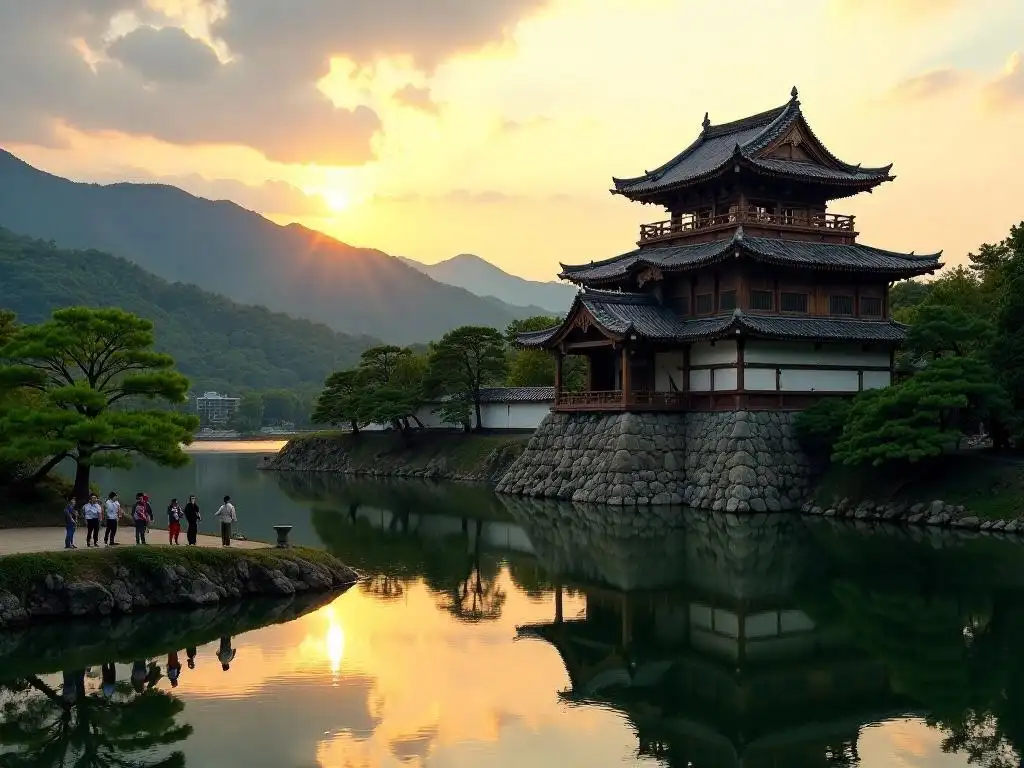
Japan is renowned for its remarkable efforts in preserving its feudal heritage, with a specific focus on its iconic castles. These structures not only represent architectural ingenuity but also serve as tangible links to the past. Several successful preservation projects exemplify the dedication to maintaining these historical sites, showcasing various techniques and community involvement.
Himeji Castle: A Model of Excellence
Himeji Castle, often referred to as the "White Heron Castle" due to its elegant white exterior, is a prime example of successful castle preservation in Japan. Constructed in the early 17th century, it is designated as a UNESCO World Heritage site and is celebrated for its stunning architecture and intricate defensive systems.
The preservation of Himeji Castle has involved extensive restoration efforts, particularly after the castle underwent significant renovations between 2009 and 2015. During this period, the castle's wooden structures, roofs, and walls were meticulously restored using traditional materials and techniques, such as shirasu (volcanic ash) plaster. The restoration was guided by principles that prioritize authenticity, ensuring that the castle retains its historical integrity while providing a safe and engaging experience for visitors.
The project also emphasized maintaining the surrounding landscape, which is integral to the castle's aesthetic and historical context. By incorporating both rigorous preservation practices and educational initiatives, Himeji Castle serves as a model for other preservation projects throughout Japan.
Matsumoto Castle: Combining Tradition and Innovation
Matsumoto Castle, known as the "Crow Castle" for its black exterior, is another exemplary site of castle preservation. This structure is unique due to its combination of traditional design and modern preservation techniques. Built during the late 16th century, it stands out for its picturesque beauty and strategic design, featuring a five-story keep that offers breathtaking views of the surrounding landscape.
The preservation strategy for Matsumoto Castle incorporates advanced techniques alongside traditional methods, ensuring the castle's longevity while respecting its historical significance. Recent restoration efforts have included the use of non-invasive technologies to assess the structure's integrity, allowing for targeted repairs without compromising the original materials.
Additionally, the preservation team has focused on enhancing visitor experience through interactive exhibits and educational programs, which highlight the castle's history and architectural features. This approach not only fosters appreciation among tourists but also strengthens community ties, as local artisans often contribute to restoration efforts, thereby keeping traditional skills alive.
The Role of Community and Tourism in Preservation
The preservation of Japanese castles is not solely a government initiative; it is deeply intertwined with community involvement and tourism. Both elements play a crucial role in ensuring that these historical treasures are maintained for future generations.
Engaging Local Communities
Community engagement is vital for the successful preservation of castles in Japan. Local residents often play an active role in both the preservation efforts and the promotion of their historical sites. Collaborative projects between local governments, preservation societies, and community members have proven effective in raising awareness about the importance of maintaining these cultural landmarks.
Through volunteer programs and educational workshops, locals are encouraged to participate in restoration activities, fostering a sense of ownership and pride in their heritage. This grassroots involvement not only enhances the preservation process but also helps preserve traditional crafts and skills that are essential to maintaining the authenticity of these castles.
Tourism as a Catalyst for Preservation
Tourism serves as a powerful catalyst for the preservation of Japanese castles. As these historical sites attract millions of visitors each year, the revenue generated can significantly contribute to ongoing restoration and maintenance projects. The economic benefits derived from tourism create incentives for local governments to invest in the conservation of these castles.
Moreover, tourism initiatives often include educational components that inform visitors about the historical significance and preservation techniques employed. By raising awareness and appreciation for these cultural assets, tourism can lead to increased public support for preservation efforts. In this way, the interaction between tourism and preservation creates a sustainable model that benefits both the castles and the communities that cherish them.
Future of Japanese Castle Preservation
As Japan continues to embrace its rich cultural heritage, the future of Japanese castle preservation looks promising yet challenging. With the increasing impacts of climate change, urbanization, and tourism, the need for innovative preservation techniques becomes more pressing. The balance between maintaining historical integrity and adapting to modern needs is crucial for the longevity of these iconic structures. Experts are exploring a variety of strategies to ensure these castles remain not only standing but also relevant in contemporary society.
Innovations on the Horizon
The landscape of castle preservation is evolving with technological advancements. Here are some key innovations currently on the horizon:
- Digital Preservation Techniques: Sophisticated 3D scanning and modeling technologies can create detailed digital representations of castles. This allows historians and conservators to study and analyze structures without physical interference, making it possible to plan restoration projects more effectively.
- Sustainable Materials and Practices: The use of eco-friendly materials is gaining traction in preservation efforts. Research into traditional Japanese building techniques is being paired with modern sustainable practices to enhance durability while respecting historical authenticity.
- Augmented Reality (AR) and Virtual Tours: To engage the public and promote awareness, many castles are implementing AR technology that allows visitors to experience historical reconstructions or overlays of the castle’s past. This not only educates but also fosters a deeper appreciation for these cultural treasures.
- Community Involvement Programs: Many organizations are developing programs that encourage locals and tourists alike to participate in preservation activities. These initiatives not only help maintain the castles but also build a sense of community and responsibility towards cultural heritage.
Advocacy and Awareness
Raising awareness about the importance of preserving Japanese castles is vital for their future. Advocacy efforts focus on several key areas:
- Educational Initiatives: Schools and universities are increasingly incorporating the study of feudal Japanese history and architecture into their curricula. Educational trips to castles foster appreciation and understanding among younger generations, ensuring that the value of these sites is recognized.
- Public Campaigns: Various non-profit organizations and government bodies are launching campaigns to highlight the historical and cultural significance of Japanese castles. These campaigns often emphasize the need for funding and support to maintain and restore these structures.
- International Collaboration: Japan is forging partnerships with international heritage organizations to share best practices in preservation. This collaboration fosters a global dialogue about safeguarding historical sites, ensuring that techniques and knowledge are continuously updated and improved.
Conclusion: The Importance of Preserving Japan's Feudal Heritage
Preserving Japan's feudal heritage, particularly its castles, is not merely an act of maintaining old structures; it is about safeguarding the stories, culture, and identity of a nation. These castles serve as tangible links to the past, offering insights into Japan's historical socio-political landscape and architectural ingenuity.
By investing in preservation techniques and fostering advocacy, Japan can protect these vital pieces of its history for future generations to explore and appreciate. The commitment to preserving these castles not only honors the past but also enriches the present and future, making them invaluable treasures for both locals and international visitors alike.
- Introduction to Japanese Castle Preservation Techniques
- The Significance of Japanese Castles in Cultural Heritage
- Key Techniques in Japanese Castle Preservation
- Challenges Faced in Castle Preservation
- Notable Examples of Successful Preservation Projects
- The Role of Community and Tourism in Preservation
- Future of Japanese Castle Preservation
- Conclusion: The Importance of Preserving Japan's Feudal Heritage
Frequently Asked Questions
What are Japanese castle preservation techniques?
Japanese castle preservation techniques involve methods such as restoration, maintenance, and adaptation to protect these historical structures against the elements and modern challenges.
Why are Japanese castles important to the culture?
Japanese castles are significant as they represent historical power, architectural ingenuity, and the cultural identity of the feudal era, showcasing the aesthetic values of that period.
How do preservation techniques impact tourism?
The preservation of castles enhances tourism by attracting visitors interested in history and culture, which in turn supports local economies and raises awareness of Japan's heritage.
Are there any modern challenges to castle preservation?
Yes, modern challenges include natural disasters, urban development, and the need for funding and expertise in historical conservation to ensure the survival of these structures.
How can individuals support castle preservation efforts?
Individuals can support castle preservation by visiting these sites, participating in educational programs, donating to preservation funds, and advocating for heritage protection policies.
Final Reflection: Preserving Heritage for Future Generations
In an era where rapid modernization often overshadows historical significance, the preservation of Japanese castles stands as a testament to the importance of safeguarding cultural heritage. These magnificent structures not only tell the story of Japan's feudal past but also serve as a reminder of the values and traditions that have shaped the nation. As we navigate the complexities of contemporary life, the techniques employed in Japanese castle preservation resonate deeply, illustrating how history can coexist harmoniously with progress.
The influence of Japanese castle preservation techniques extends beyond mere architecture; it is a reflection of the cultural identity and collective memory of the Japanese people. These castles are not just relics of the past; they are living symbols of resilience and continuity. As we witness the ongoing efforts to maintain these historical sites, we are reminded of the words of historian William Faulkner: The past is never dead. It's not even past.
This sentiment encapsulates the essence of preservation, highlighting how the lessons and stories of our ancestors continue to inform our present and shape our future.
As we conclude our exploration of Japanese castle preservation, I invite you to reflect on the significance of heritage in your own life. Consider how you can contribute to the preservation of your cultural identity, whether through supporting local historical sites, engaging in community initiatives, or simply taking the time to learn about your own history. Let us honor the past while embracing the future, ensuring that the stories of our ancestors remain alive for generations to come.
Join the Journey to Preserve Japan's Treasures!
Thank you for exploring the rich history of Japanese castle preservation! You've gained insight into the meticulous efforts that keep these cultural wonders alive for future generations. Now, let’s take the next step together to ensure that these remarkable structures continue to inspire.
- Explore your local heritage: Visit and support historical sites in your area—every small effort contributes to preservation!
- Share your knowledge: Discuss what you've learned about Japanese castles with friends and family, inspiring them to appreciate our cultural heritage.
- Engage with the community: Follow organizations dedicated to heritage conservation and consider volunteering or donating to their efforts.
What unique traditions or historical sites have you discovered in your community that deserve protection and recognition?