
How Class Influenced Marriage and Family Structures in Feudal Japan

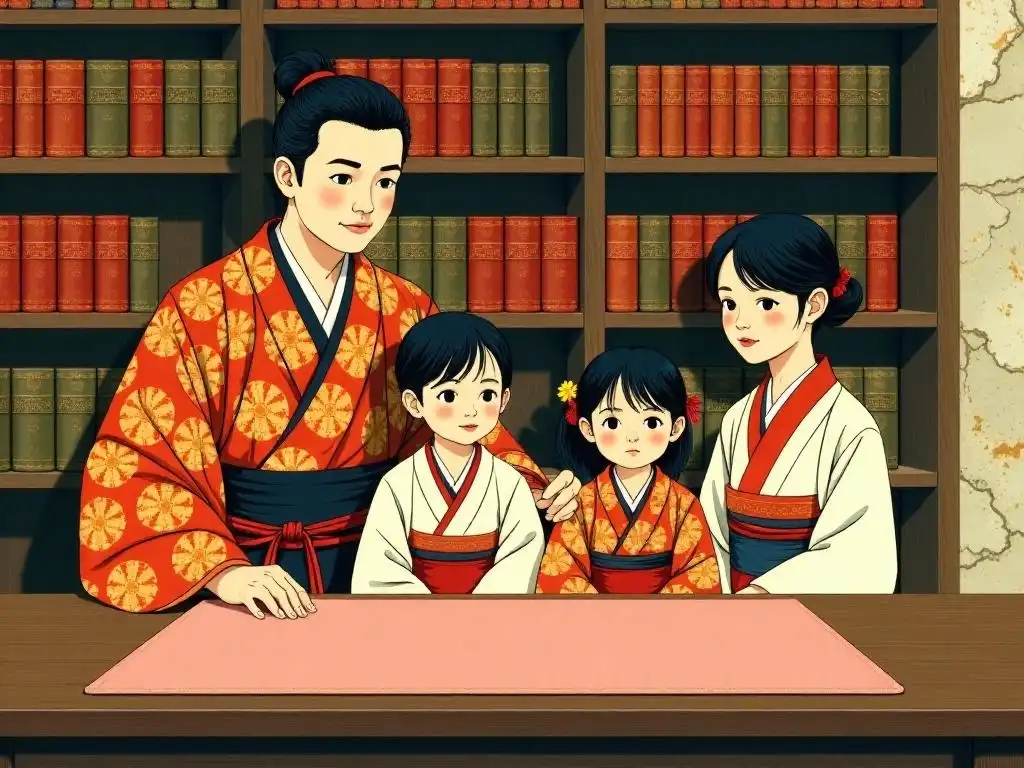
Welcome to Feudal Japan History, where we embark on a captivating journey through the intricate tapestry of Japan’s feudal era. In our latest article, "How Class Influenced Marriage and Family Structures in Feudal Japan," we delve into the profound impact of social hierarchy on familial bonds and marital practices. Discover the fascinating dynamics that shaped relationships in a time defined by status and tradition. Are you ready to unravel the complexities of love and family in a world where class dictated destiny? Join us as we explore these compelling narratives and much more!
Introduction to Marriage and Family in Feudal Japan
Marriage and family structures in feudal Japan were deeply intertwined with the rigid class system that defined the era. From the noble ranks to the peasantry, the influence of social hierarchy permeated every aspect of life, including how families were formed, the roles individuals played within them, and the expectations placed upon them by society.
Understanding these dynamics is crucial for comprehending the cultural fabric of feudal Japan, where alliances, loyalty, and survival were paramount. In this article, we will explore how class influenced marriage and family structures during this complex period of Japanese history, considering the practices and beliefs that shaped these relationships.
Feudal Japan was characterized by a strict social hierarchy that categorized individuals into distinct classes. At the top were the Emperor and the Nobility, followed by the Samurai, and then the Peasant class. This stratification dictated not only the roles individuals played in society but also their opportunities for marriage and family life.
- Emperor and Nobility: Controlled vast lands and wielded significant power, forming alliances through strategic marriages.
- Samurai: Served the nobility, upholding ideals of loyalty and honor, which were reflected in their familial structures.
- Peasants: Made up the majority of the population, focused on agricultural production, and often entered practical marriages for survival.
This hierarchy significantly influenced marriage customs, expectations, and familial roles, shaping the societal landscape of feudal Japan.
Importance of Marriage in Japanese Society
Marriage in feudal Japan was not merely a personal union; it was a social contract with implications that extended beyond the couple. It served several critical purposes:
- Alliances and Diplomacy: Marriages among the nobility often aimed to solidify alliances, enhance power, and secure land.
- Family Legacy: Ensuring the continuation of family lineage was vital, with marriages strategically arranged to produce heirs.
- Social Status: Marrying into a higher class could elevate an individual's status, while marrying down could have detrimental effects on a family's reputation.
This understanding of marriage as a vital societal institution reflects the broader cultural values of feudal Japan, where duty and loyalty often superseded personal choice.
The Role of Class in Shaping Marriage Practices
The influence of class on marriage practices in feudal Japan is evident in the distinct customs and expectations that evolved within each social stratum.
Nobility and Aristocracy: Marriage Alliances
Among the nobility, marriage was often a means to forge alliances and secure political power. Marriages were arranged with careful consideration of family lineage and wealth. The Kuge (court nobles) and Daimyo (feudal lords) often engaged in elaborate ceremonies that reflected their status. Notable practices included:
- Oshi-dori (bride price): Wealthy families provided a dowry to ensure a favorable match.
- Kizuna (bonds): Marriages were seen as connections between families, strengthening political ties.
These alliances often dictated the course of political events, showcasing the significant role of marriage in shaping feudal Japan's power dynamics.
Samurai Class: Loyalty and Honor in Family Structures
The Samurai class held marriage in high regard, viewing it as a reflection of loyalty and honor. Samurai were expected to marry within their social class to maintain their status and uphold family honor. Key aspects included:
- Seppuku (ritual suicide): In cases of dishonor, samurai were obligated to protect their family’s reputation, even at the cost of their lives.
- Patriarchal Structures: Families were often led by the male head, who was responsible for upholding the family's honor and legacy.
The intertwining of marriage practices with notions of loyalty and honor reflects the cultural values that defined the samurai's way of life.
Peasantry: Practical Marriages and Survival
In contrast, marriages among the peasantry were primarily driven by practicality and survival. Economic considerations often took precedence over romantic ideals. Notable characteristics included:
- Shared Responsibilities: Marriages were partnerships where both spouses contributed to agricultural labor, ensuring family survival.
- Community Ties: Marriages often occurred within the local community, reinforcing social bonds and support networks.
This practical approach to marriage highlights the adaptability of the peasant class in navigating the challenges of feudal life, prioritizing cooperation and resourcefulness.
Class significantly influenced marriage and family structures in feudal Japan, shaping practices, expectations, and societal roles across different social strata. Through an examination of these dynamics, we gain valuable insights into the historical, cultural, and social landscapes of this fascinating period.
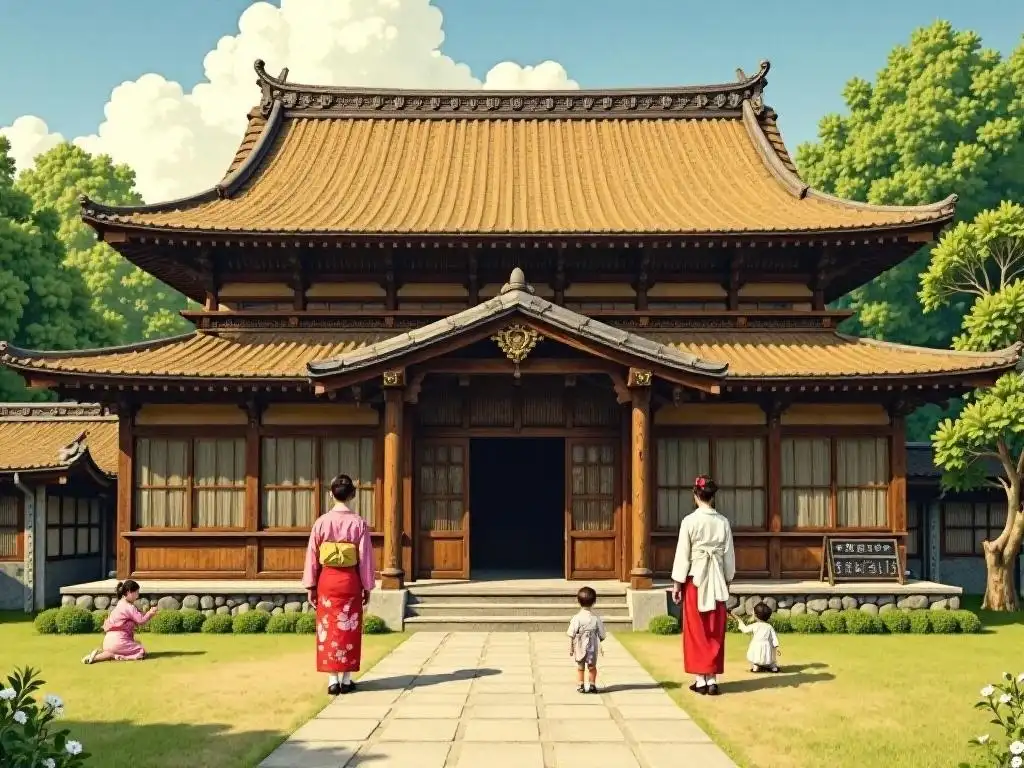
In feudal Japan, family structures varied significantly across the different social classes, reflecting the values, norms, and economic realities of each stratum. Understanding these variances is crucial for comprehending how class influenced marriage and family dynamics during this period.
Extended Families in the Nobility
Noble families in feudal Japan often operated within extended family structures, where multiple generations lived together under one roof. This arrangement was not only a practical necessity for managing large estates but also a strategic method for consolidating power and influence. The presence of grandparents, uncles, aunts, and cousins facilitated a network of alliances through marriage, which was a common practice to strengthen political ties.
In these households, the eldest male typically held authority, making decisions that affected the entire family unit. The roles of women, while often more restricted than in other classes, could include significant influence behind the scenes, especially in managing domestic affairs and educating children. Nobility also emphasized the importance of lineage and ancestry, which reinforced the extended family structure as a means of perpetuating their status.
Nuclear Families among Samurai
The samurai class, while still valuing family connections, tended to lean towards a nuclear family structure. This shift was largely influenced by the samurai's obligations to their lords and the need for mobility in warfare. Typically, a samurai family would consist of parents and their children living together in a household, which allowed for a more focused upbringing that emphasized martial training and discipline.
In samurai families, the roles were defined yet fluid. While the father often served as the primary authority figure, the mother played an essential role in instilling values of loyalty, honor, and respect for the bushido code in her children. The emphasis on a nuclear family unit helped strengthen individual family identities within the larger samurai class, while still adhering to the broader social hierarchy.
Peasant Families: Roles and Responsibilities
Peasant families in feudal Japan represented the base of the social structure and were characterized by their close-knit nuclear families. Each family unit worked together to cultivate their land, with roles typically divided by gender and age. Men often took on the physically demanding tasks of farming, while women were responsible for household chores, child-rearing, and managing small-scale textile production.
Children were expected to contribute to the family’s labor from a young age, learning skills and responsibilities that would prepare them for adult life. The harsh realities of peasant life meant that family cohesion was vital for survival; thus, the family unit was not only a source of emotional support but also a critical economic unit. Marriages were often arranged, emphasizing the importance of familial alliances and agricultural prosperity over romantic love.
Marriage Customs and Traditions Across Classes
Marriage customs in feudal Japan differed significantly between social classes, shaped by cultural practices, economic considerations, and the overarching class hierarchy. Each class maintained its own rituals and expectations, reflecting their societal values.
Rituals and Ceremonies among the Upper Class
In the upper echelons of feudal society, marriage ceremonies were grand affairs steeped in tradition, reflecting the family's status. These events often included elaborate rituals such as the san-san-kudo ceremony, where the bride and groom would sip sake from three different cups, symbolizing the union of their families.
The upper class also placed great emphasis on the auspicious timing of marriages, consulting calendars and astrological signs to determine the most favorable dates. Gifts exchanged between families and meticulous attention to detail in planning highlighted the importance of these unions as both personal commitments and strategic alliances.
Samurai Wedding Traditions: Codes of Conduct
For samurai, marriage was a reflection of duty and honor rather than mere personal choice. The samurai wedding ceremony was typically marked by a formal exchange of vows and the san-san-kudo ritual similar to that of the nobility. However, samurai marriages were closely tied to the concept of loyalty and allegiance, often serving as a means to solidify political alliances.
Expectations regarding conduct were stringent; both partners were expected to uphold the values of bushido, with fidelity being paramount. Marriages among samurai were often arranged by parents, emphasizing the importance of family honor and the continuation of lineage over individual desires.
Everyday Marriage Practices of the Peasantry
In contrast to the elaborate ceremonies of the upper classes, marriages among peasants were more straightforward and pragmatic. Peasant weddings were generally modest affairs, focused on communal participation rather than extravagance. Rituals included offerings to local deities for blessings, as well as community feasts to celebrate the union.
Arranged marriages were the norm, with families often selecting partners based on economic needs and social compatibility. Love was not always a central consideration; rather, the stability of the family unit and agricultural productivity were prioritized. After marriage, couples worked together to build their households, emphasizing partnership in both familial and economic responsibilities.
The Influence of Class on Gender Roles in Marriage
Class significantly shaped gender roles in marriage during feudal Japan, dictating expectations, responsibilities, and social standing. The stratification of society into distinct classes—nobility, samurai, merchants, and peasants—led to varying experiences and obligations for men and women within each class. This hierarchical structure influenced not only personal relationships but also broader societal dynamics.
In noble and samurai families, marriages were often strategic arrangements aimed at strengthening alliances and consolidating power. These unions were less about romantic love and more about fulfilling family obligations and enhancing social status. Conversely, in peasant families, marriages were typically more about economic necessity and survival, with love and companionship playing a more prominent role in the union.
Thus, the influence of class on gender roles in marriage reflected broader societal norms, where the expectations placed on individuals varied greatly across different social strata, deeply embedding gender roles into the fabric of family life.
Gender Expectations in Noble Families
In noble families, the expectations for women were largely centered around household management and the production of heirs. Women were often seen as pivotal in maintaining family lineage and were expected to fulfill roles as dutiful wives and mothers, ensuring the continuation of family prestige.
Noble marriages were typically arranged by the heads of the family, emphasizing the importance of strategic alliances over personal choice. Women were educated in the arts and literature, which allowed them to engage in cultural activities, but their primary duty remained within the domestic sphere.
The delicate balance of power within these families often dictated that while women had some influence, particularly in managing household affairs, their autonomy was limited. The concept of "marriage as a duty" was prevalent, with familial honor often taking precedence over individual desires.
Samurai Women: Duty and Agency
Samurai women occupied a unique space in feudal Japan, balancing duty with a degree of agency not found in other classes. While they were also expected to prioritize family and household responsibilities, samurai women were educated and trained to manage estates, especially during times when their husbands were away at war.
Their roles extended beyond mere domesticity; they were often involved in the administration of their husband's lands and had the authority to make decisions regarding their household and retainers. This level of involvement granted them a degree of power that was atypical for women in other classes.
However, the overriding expectation remained that their loyalty and duty to their husbands and families took precedence. Samurai women were often depicted as strong figures, embodying the virtues of loyalty and resilience, and their agency was often exercised within the confines of their expected roles.
Peasant Women's Roles and Family Dynamics
In peasant families, women's roles were crucial for the survival and economic stability of the household. Peasant women worked alongside their husbands in the fields, contributing significantly to agricultural productivity. Their contributions were vital, as the labor of both spouses was necessary for the family's sustenance.
Marriage among peasants was typically based on mutual support and partnership, where love and companionship often played a more significant role compared to the marriages of the nobility. Women were involved in various tasks, from farming to weaving and childcare, creating a dynamic where their labor was essential to the family's success.
Family structures among peasants often included extended family members, with grandparents and other relatives living together, fostering a sense of community and shared responsibility. The dynamics within these families reflected a more egalitarian approach, where both men and women worked collaboratively to navigate the challenges of rural life.
Case Studies: Notable Marriages in Feudal Japan
Political Marriages among the Daimyo
Political marriages were a cornerstone of aristocratic life among the daimyo, the powerful feudal lords of Japan. These unions were often forged to secure alliances, enhance territorial claims, and strengthen political power. The strategic nature of these marriages meant that personal feelings were frequently sidelined in favor of familial and political gain.
For instance, the marriage between Tokugawa Ieyasu and the daughter of a rival clan was instrumental in consolidating power and reducing hostilities. Such marriages were carefully negotiated, and the roles of the women involved were primarily defined by their ability to produce heirs and strengthen alliances, emphasizing the political motivations behind such unions.
These marriages often came with significant expectations, as the women were tasked with ensuring loyalty and compliance from their husbands' vassals. The impact of these alliances on the political landscape of feudal Japan was profound, shaping the course of history through strategic marital ties.
Famous Samurai Couples and Their Legacies
Notable samurai couples, such as Minamoto no Yoshitsune and his wife, often exemplified the complex interplay of love, duty, and honor within their marriages. While samurai marriages were frequently arranged, some couples, like Yoshitsune and his wife, are celebrated for their romantic narratives, which have transcended time through folklore.
These couples often embodied the ideals of loyalty and bravery, with their stories reflecting the cultural values of the samurai class. Their legacies are preserved in literature, art, and theater, illustrating the significant cultural impact of their unions. The narratives surrounding these couples provide insight into the expectations of samurai marriages, as well as the potential for personal agency within a structured society.
The Impact of Class on Peasant Marriages
Peasant marriages were primarily influenced by economic factors and communal ties. Unlike the noble class, where marriages were arranged for political gain, peasant unions often emerged from mutual choice and necessity. The partnership between spouses was vital for managing labor demands and ensuring family survival.
The dynamics of peasant marriages reflected a cooperative model, where both partners contributed equally to household tasks and childcare. This collaboration not only strengthened family bonds but also fostered a sense of community among neighboring families.
Additionally, the impact of class on peasant marriages can be observed in how social norms shaped their family structures. With a focus on communal living and support, these marriages cultivated resilience against the hardships of rural life, allowing families to adapt and thrive despite societal limitations.
The influence of class on marriage and family structures in feudal Japan was profound, shaping gender roles, expectations, and family dynamics across different social strata.
Changes Over Time: The Evolution of Marriage and Family Structures
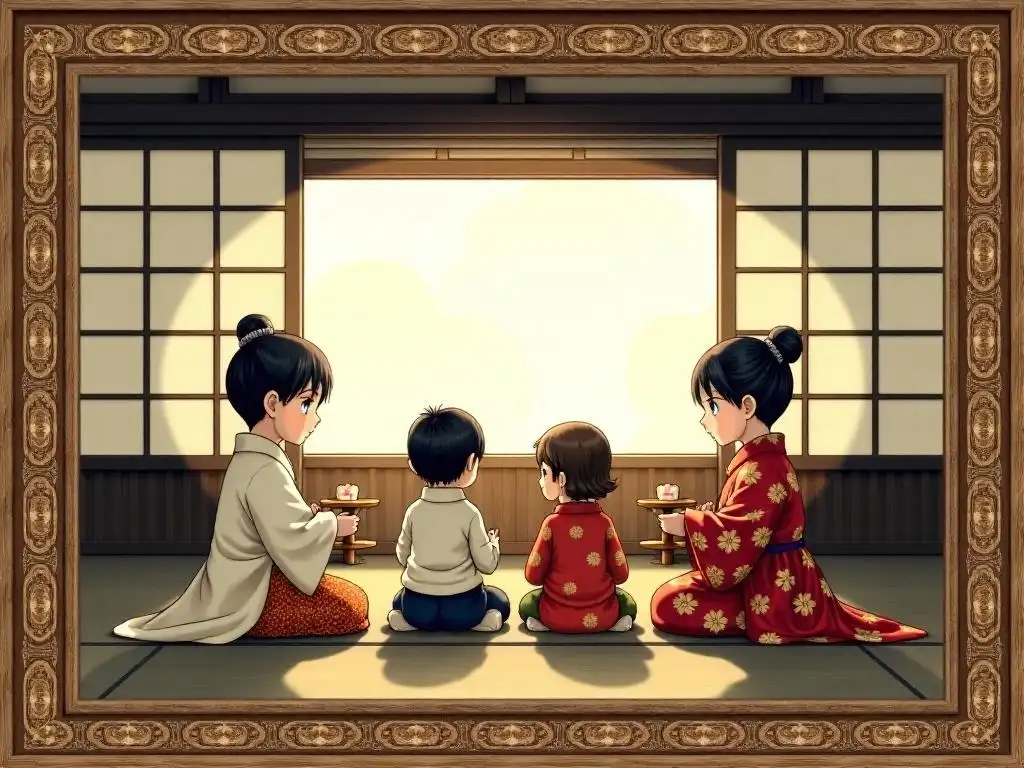
Marriage and family structures in feudal Japan underwent significant changes over the centuries, reflecting the shifting dynamics of social class and cultural values. During the early feudal period, family units were typically patriarchal, with authority concentrated in the hands of the male head of the household. Marriages were often arranged to strengthen alliances between families, particularly among the samurai class, where political and military considerations took precedence over personal choice.
As the feudal system matured, particularly during the Edo period (1603-1868), the concept of ie (家) emerged, which referred to the family as a social unit with a focus on lineage and inheritance. This system emphasized the continuity of the family name and property, leading to the practice of adopting heirs if biological sons were not available. The ie structure reinforced the importance of maintaining status and wealth within the family, thereby influencing marriage choices and family dynamics.
The role of women in marriage also evolved during this time. While women from higher classes had limited autonomy and were often seen as pawns in political negotiations, those from lower classes sometimes had more agency in choosing their partners. This duality in experiences highlights the complexity of marriage and family life in feudal Japan, which varied significantly across different social strata.
Shifts in Class Dynamics and Their Impact on Family
The class dynamics in feudal Japan had a profound impact on marriage and family structures. The samurai class, as the ruling elite, had rigid expectations for marriage, often requiring unions that would enhance their political power and social standing. Marriages among samurai families were typically arranged to ensure loyalty and support among clans, with love often considered secondary to duty and strategic alliances. The practice of mukōzuke (向こう付け), where a bride would move to her husband's family, exemplified the transfer of loyalty and resources.
In contrast, the peasant class experienced greater fluidity in marriage practices. With fewer resources and social constraints, peasant families often made more pragmatic marriage decisions based on economic needs and personal compatibility. These unions were sometimes characterized by mutual consent, as economic survival necessitated partnerships built on collaboration and shared responsibilities.
As Japan moved towards the end of the feudal era, the rise of the merchant class introduced new perspectives on marriage. Merchants, often wealthier than samurai, began to challenge traditional class structures, leading to marriages based on love and financial compatibility rather than solely on social standing. This shift contributed to a gradual transformation in the perception of marriage, which began to incorporate notions of personal happiness and partnership.
The Decline of Feudalism and Changes in Marriage Norms
The decline of feudalism in the late 19th century catalyzed significant changes in marriage norms across Japan. The Meiji Restoration in 1868 marked a shift towards modernization, leading to the abolition of the rigid class system that had dictated marriage practices. With the introduction of civil law, individuals gained more freedom to choose their partners, diminishing the influence of family and class on marital decisions.
This newfound autonomy allowed for greater emphasis on romantic love within marriages, diverging from the traditional practices that prioritized familial alliances. The concept of shuudan (集団), or community, also began to shift, as individuals sought personal fulfillment rather than merely conforming to societal expectations.
Furthermore, the move towards nuclear family structures became more prevalent as urbanization took hold, leading to a decline in the extended family model that had dominated feudal society. This transformation reflected broader societal changes where personal desires and individual rights began to take precedence over collective family obligations.
Conclusion: The Lasting Legacy of Class on Marriage and Family in Feudal Japan
Summary of Key Influences
The interplay between class structure and marriage in feudal Japan reveals a complex legacy that shaped familial relationships and societal norms. From the rigid expectations of the samurai class to the more flexible arrangements among peasants, each class's dynamics influenced marriage practices and family structures. The eventual decline of feudalism and the adoption of modern values further transformed these relationships, allowing for personal choice and romantic love to emerge.
Understanding these historical influences provides valuable insights into the ways that class has shaped not only the past but also the evolving nature of marriage and family in Japan. The legacy of feudal class structures continues to resonate in contemporary society, where traditional and modern values often coexist in nuanced forms.
Reflections on the Relevance to Modern Japan
The historical evolution of marriage and family structures in feudal Japan offers a lens through which to examine present-day dynamics in Japanese society. While the rigid class distinctions of the past have largely dissipated, remnants of these influences can still be seen in modern marriage practices and family roles. The importance placed on familial obligations, especially in rural areas, reflects the enduring impact of feudal traditions.
Moreover, contemporary discussions around marriage, gender roles, and individual rights in Japan often echo the historical tensions between tradition and modernity. As society continues to evolve, reflecting on the past provides essential context for understanding current trends in marriage and family life, highlighting the ongoing dialogue between individual desires and societal expectations in a rapidly changing world.
References for Further Reading on Marriage and Family in Feudal Japan
To deepen your understanding of how class influenced marriage and family structures in Feudal Japan, a variety of resources are available. These include books, articles, and academic journals that provide comprehensive insights into the social, cultural, and historical contexts of the era. Below, we highlight some recommended materials that will enrich your knowledge of this fascinating subject.
Recommended Books and Articles
- "The World of the Shining Prince: Court Life in Ancient Japan" by Ivan Morris
- This book offers a detailed examination of the Heian period, focusing on court life, including marriage customs and family structures among the aristocracy. It sheds light on the intricacies of relationships within the upper classes.
- "Women and Family in Medieval Japan" by Hitomi Tonomura, Anne Walthall, and Yuiko Matsukawa
- This collection of essays explores the roles and statuses of women in various classes, detailing how their positions affected family dynamics and marriage practices throughout different periods of feudal Japan.
- "Marriage and the Family in East Asia" edited by David Y. H. Wu
- This anthology provides comparative insights into marriage and family structures across East Asia, including Japan. It discusses how class and societal expectations shaped familial roles and relationships.
- "The Culture of the Samurai: A History of the Japanese Martial Arts" by William Scott Wilson
- While primarily focused on the samurai class, this book discusses the familial obligations and marriage customs that underpinned the samurai's role in society, reflecting the broader class influences on family life.
- "Tokugawa Japan: The Cultural Roots of Modern Japan" by John W. Hall
- This work explores the Tokugawa period's social structure, including marriage norms and family organization across different classes, providing a historical perspective on long-standing traditions.
Academic Journals on Social History in Feudal Japan
- Journal of Japanese Studies
- A leading publication that features articles on various aspects of Japanese history, including family structures and marriage practices. It often includes studies that analyze the role of class in shaping social dynamics.
- Asian Studies Review
- This journal publishes research on Asian history and culture, with occasional articles focusing on feudal Japan's social history, particularly in relation to marriage and family life.
- Japan Review
- A scholarly journal that covers diverse topics related to Japanese history and culture. It frequently includes discussions on societal structures and familial roles during the feudal period.
- Social Science Japan Journal
- This journal offers insights into Japanese society, with articles that often delve into historical perspectives of family and class dynamics, emphasizing the interplay between social stratification and family life.
By exploring these resources, readers can gain a more nuanced understanding of how class shaped marriage and family structures in Feudal Japan, providing a comprehensive lens through which to view the era's social history.
- Introduction to Marriage and Family in Feudal Japan
- Overview of Feudal Japan's Social Hierarchy
- Importance of Marriage in Japanese Society
- The Role of Class in Shaping Marriage Practices
- Family Structures in Different Social Classes
- Marriage Customs and Traditions Across Classes
- The Influence of Class on Gender Roles in Marriage
- Case Studies: Notable Marriages in Feudal Japan
- Changes Over Time: The Evolution of Marriage and Family Structures
- Conclusion: The Lasting Legacy of Class on Marriage and Family in Feudal Japan
- References for Further Reading on Marriage and Family in Feudal Japan
- What was the role of class in marriage during feudal Japan?
- How did family structures differ among the samurai, peasants, and merchants?
- Were marriages in feudal Japan typically based on love or arrangement?
- How did inheritance practices impact family dynamics in feudal Japan?
- What cultural factors influenced marriage customs in feudal Japan?
Frequently Asked Questions
What was the role of class in marriage during feudal Japan?
In feudal Japan, class significantly influenced marriage arrangements, often prioritizing social status and family alliances over romantic love.
How did family structures differ among the samurai, peasants, and merchants?
Each class had distinct family structures: samurai families focused on loyalty and honor, while peasant families emphasized hard work and community, and merchant families often sought wealth and status.
Were marriages in feudal Japan typically based on love or arrangement?
Most marriages were arranged for political or economic reasons, with love often being a secondary consideration, especially among the upper classes.
How did inheritance practices impact family dynamics in feudal Japan?
Inheritance practices were largely influenced by gender and social class, often favoring male heirs, which shaped the roles and expectations within families.
What cultural factors influenced marriage customs in feudal Japan?
Cultural factors such as Buddhism, Shinto beliefs, and Confucian ideals strongly influenced marriage customs, affecting everything from rituals to the roles of spouses in family life.
Final Reflection: The Enduring Legacy of Class in Marriage and Family Structures
The intricate relationship between class and marriage in feudal Japan continues to resonate today, reminding us that societal structures profoundly shape personal relationships. As we explore the historical context of marriage and family in feudal Japan, we uncover the ways in which social hierarchies dictated not only the choice of partners but also the very fabric of family life. This legacy prompts us to consider how class dynamics still influence our contemporary views on relationships and family structures, urging us to reflect on the ongoing implications of these historical patterns.
The influence of class on marriage and family structures in feudal Japan has left an indelible mark on our cultural consciousness, shaping our understanding of family dynamics even in modern times. The rigid class system dictated not just who could marry whom, but also the roles and expectations within those unions. As we navigate our own relationships today, we can see echoes of these historical patterns. The past is never dead. It's not even past.
— William Faulkner. This quote serves as a reminder that the legacies of our ancestors continue to inform our present, urging us to critically examine how class still plays a role in our personal lives and societal norms.
As we conclude this exploration, I invite you to reflect on your own experiences with marriage and family. Consider how class, whether overt or subtle, has influenced your relationships and those around you. By acknowledging the historical context of these dynamics, we can foster a deeper understanding of our own familial structures and challenge the norms that may no longer serve us. Let us carry forward the lessons from feudal Japan, striving for relationships that honor individuality and equality, while remaining mindful of the societal influences that shape our lives.
Unveil the Stories of Feudal Japan’s Marriages!
Thank you for taking the time to explore the complex world of marriage and family structures in Feudal Japan. Your interest in understanding how class influenced these relationships is crucial in appreciating this fascinating period of history. Now, let’s take your newfound knowledge a step further!
Here are a few actions you can take to deepen your understanding and share what you’ve learned:
- Explore more: Delve into additional articles on our site to uncover the impact of societal norms on family dynamics throughout Japan’s history.
- Join the conversation: Share this article with friends and family or discuss it in online forums to inspire insightful discussions about how social structures shape relationships today.
- Experience history: Consider visiting museums or cultural sites dedicated to Japanese history to visualize the social classes and their influence on family structures.
What aspect of marriage in Feudal Japan do you find most surprising, and how do you think those arrangements resonate with modern family dynamics?