
How the 1853 Black Ships Altered Edo's Urban Landscape

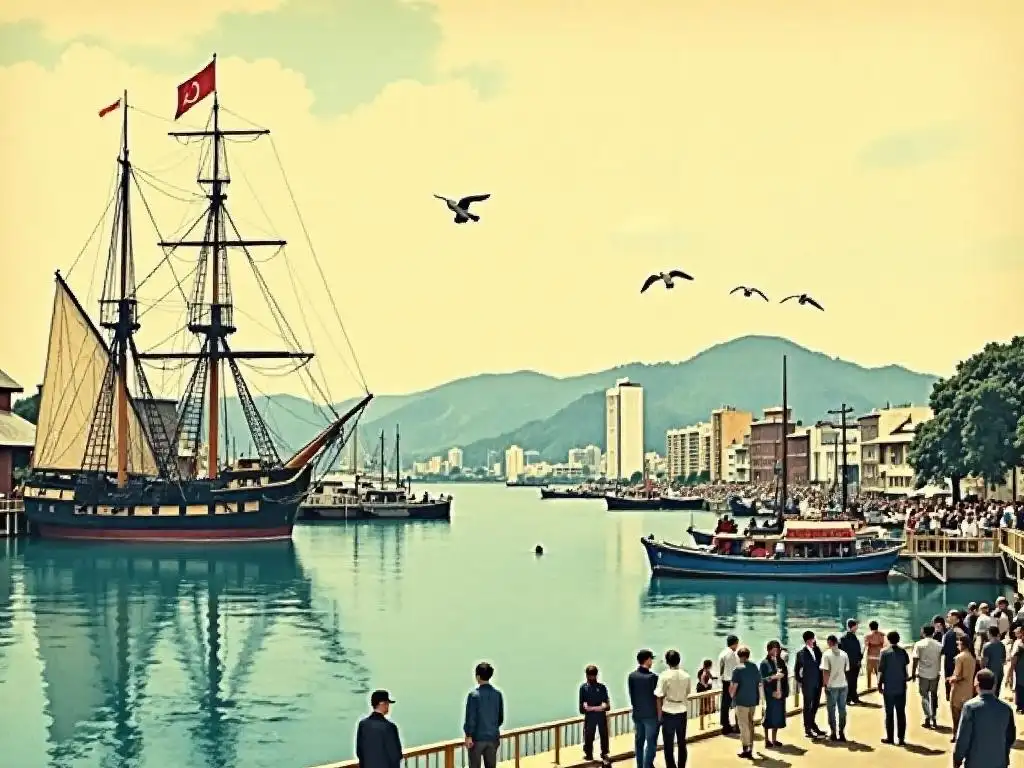
Welcome to Feudal Japan History, where we embark on a captivating journey through the intricate tapestry of Japan’s feudal era. Here, we delve into the profound shifts that shaped society, culture, and economy during this fascinating period. In our featured article, "How the 1853 Black Ships Altered Edo's Urban Landscape," we explore the impact of the Black Ships on Edo, unraveling the transformations that forever changed the city and its people. Get ready to uncover the secrets of a pivotal moment in history that reshaped Japan as you know it—stay curious, and let the exploration begin!
- Introduction to the Impact of Black Ships on Edo's Urban Landscape
- Historical Context of Edo Before the Black Ships
- The Arrival of the Black Ships and Immediate Reactions
- Transformative Effects of the Black Ships on Edo's Urban Landscape
- Economic Implications of the Black Ships on Edo
- Cultural Shifts Resulting from the Black Ships’ Impact
- Long-term Consequences of the Black Ships on Edo’s Urbanization
- Conclusion: The Enduring Impact of the Black Ships on Edo's Urban Landscape
- References and Further Reading on the Impact of Black Ships on Edo
- Frequently Asked Questions
- Final Reflection: The Lasting Impact of the Black Ships on Edo's Urban Landscape
- Unveil the Legacy of the Black Ships Today!
Introduction to the Impact of Black Ships on Edo's Urban Landscape
The arrival of the Black Ships in 1853 marked a pivotal moment in Japan's history, particularly impacting the urban landscape of Edo, the country's capital at the time. These ships, led by the American Commodore Matthew Perry, were not merely vessels of trade; they symbolized a significant shift in international relations and economic practices.
The Impact of Black Ships on Edo was profound, as it catalyzed a series of transformations that reshaped the city’s infrastructure, architecture, and social dynamics. This article delves into the historical context of the Black Ships' arrival, examines the year 1853's significance, and explores how these events paved the way for modernization and urbanization in Edo, ultimately leading to the Meiji Restoration.
Overview of the Black Ships' Arrival in Japan
In July 1853, the Black Ships, so named for their dark hulls, arrived in the bay of Uraga near Edo. This event was orchestrated by Commodore Matthew Perry, who sought to establish trade relations between the United States and Japan, which had been largely isolated due to its sakoku (closed country) policy.
- Key Features of the Arrival:
- Composition of the Fleet: Perry commanded four steam-powered warships, showcasing advanced technology that Japan had never encountered.
- Diplomatic Intent: The expedition aimed to open Japan to American trade and to secure better treatment for shipwrecked sailors.
- Cultural Shock: The sight of these massive, smoke-belching vessels was a stark contrast to Japan's traditional maritime practices, leading to a mixture of awe and fear among the Japanese.
The Black Ships' visit initiated a series of diplomatic negotiations and ultimately led to the signing of the Treaty of Kanagawa in 1854, which ended Japan's isolation and opened several ports to foreign trade.
Significance of the Year 1853 in Japanese History
The year 1853 is considered a turning point in Japanese history for several reasons:
- End of Isolation:
- The arrival of the Black Ships signaled the beginning of the end for Japan's isolationist policies, leading to increased foreign influence in the region.
- Urban Transformation:
- Edo began to experience rapid urbanization as foreign trade and influence prompted changes in its urban infrastructure, commerce, and social fabric.
- New architectural styles, influenced by Western designs, began to emerge, altering the skyline of Edo.
- Socioeconomic Changes:
- The opening of trade routes brought an influx of goods, ideas, and cultural exchanges, which transformed the everyday lives of Edo's citizens.
- The economy began shifting from feudal practices to a more market-oriented approach, laying the groundwork for future economic developments.
The Impact of Black Ships on Edo extends beyond mere trade; it represents a profound transformation in Japan's urban and economic landscape, setting the stage for the modern nation it would eventually become.
Historical Context of Edo Before the Black Ships
The Urban Structure of Edo in the Early 19th Century
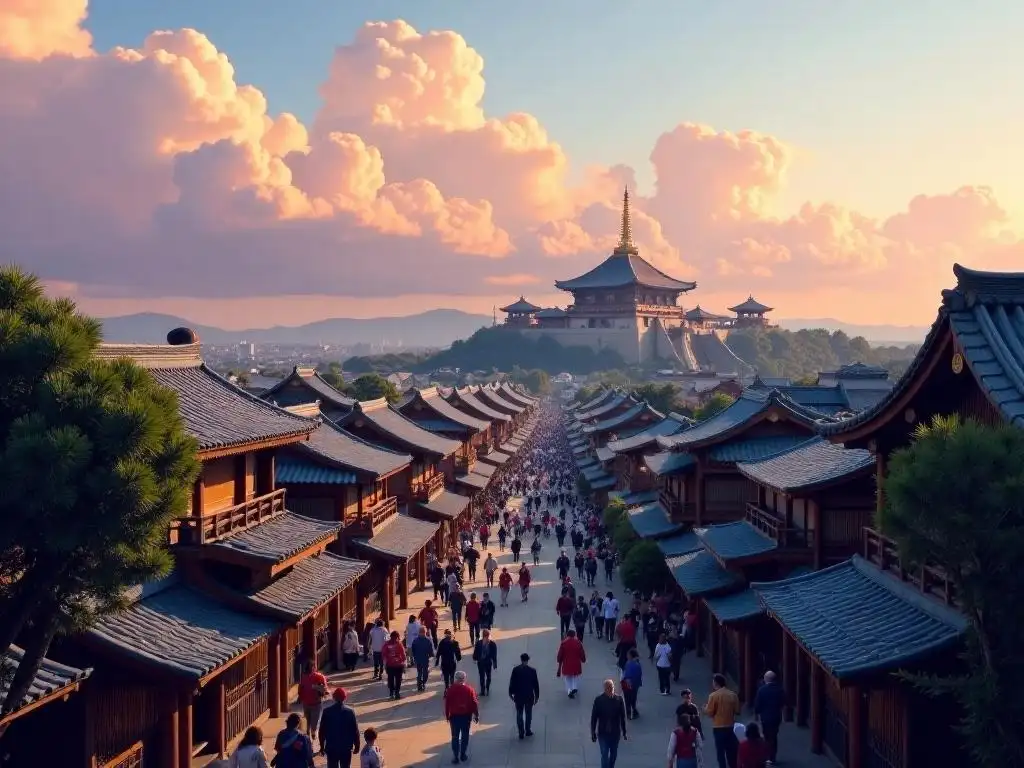
Edo, the capital of Japan during the Tokugawa shogunate, was one of the largest cities in the world by the early 19th century. With a population estimated at over a million residents, its urban structure was a complex amalgamation of districts, each serving specific functions. The city was meticulously planned and organized, reflecting the shogunate's control and the societal order of the time.
The layout of Edo was characterized by:
- Castles and Fortifications: The Edo Castle, situated in the center, served as the political heart of the shogunate. Its imposing structure was surrounded by moats and walls, symbolizing power and defense.
- Residential Areas: Distinct districts like Yamanote (the upper class) and Shitamachi (the commoners) showcased the social stratification. Wealthy merchants and samurai inhabited Yamanote, while artisans and laborers lived in Shitamachi, creating a vibrant yet divided urban landscape.
- Transportation Networks: Edo boasted an intricate network of roads and canals that facilitated movement and trade. The Nihonbashi bridge served as a central hub for travelers and merchants, linking the city with the rest of Japan.
This urban structure was not merely functional; it also played a pivotal role in the cultural life of Edo, with theaters, temples, and shops dotting the landscape, reflecting the rich tapestry of daily life before the arrival of the Black Ships.
Economic Activities and Trade in Pre-Black Ship Edo
Before the arrival of Commodore Perry and his Black Ships in 1853, Edo was a bustling center of economic activity. The economy was primarily driven by a mix of agriculture, handicrafts, and commerce, which together shaped the daily lives of its residents.
- Agriculture: The surrounding regions supplied rice, which was the staple of the economy. Edo’s population relied heavily on the agricultural output of nearby provinces, creating a vital supply chain that sustained the city.
- Commerce and Marketplaces: Edo was home to numerous marketplaces like Nihonbashi, where merchants traded goods such as textiles, ceramics, and food. This vibrant economic activity fostered a burgeoning merchant class, which began to challenge the traditional power of the samurai.
- Cultural Exchange: As a hub of trade, Edo engaged in both domestic and limited international commerce, particularly with the Dutch through the port of Dejima. This contact, albeit restricted, introduced foreign ideas, goods, and technologies that began to permeate Edo society.
The economic landscape of Edo was characterized by its vitality and dynamism, yet it was also a system deeply rooted in the traditions of the Tokugawa period, which would soon face unprecedented challenges with the onset of foreign influence.
The social structure of Edo was sharply hierarchical, shaped by the rigid class divisions established during the Tokugawa shogunate. This stratification influenced not only the governance but also the cultural life of the city.
- Class Structure: The society was primarily divided into four classes: samurai, peasants, artisans, and merchants, each with distinct roles and societal expectations. Samurai held the highest status, followed by farmers, craftsmen, and lastly, merchants, who, despite their economic power, were often viewed with suspicion by the ruling elite.
- Cultural Flourishing: Edo was a cultural powerhouse, known for its art forms like Ukiyo-e (woodblock prints) and Kabuki theater. These art forms reflected the lives and aspirations of the common people, providing a window into the cultural identity of Edo.
- Festivals and Community Life: The city’s calendar was filled with festivals that brought communities together, celebrating everything from seasonal changes to religious events. These gatherings fostered a sense of belonging and cultural pride among the inhabitants.
As the Black Ships approached, this intricate social structure and rich cultural life would soon confront the tides of change, leading to significant transformations in Edo's urban landscape. The arrival of foreign powers would introduce new ideas, challenges, and opportunities that would reshape the very fabric of the city.
The Arrival of the Black Ships and Immediate Reactions
The arrival of the Black Ships in 1853 marked a pivotal moment in Japan's history, particularly for the city of Edo (modern-day Tokyo). This event not only signified the end of Japan's isolationist policies but also initiated a series of profound changes within the urban landscape and societal structure of Edo. The Black Ships, led by Commodore Matthew Perry, were emblematic of Western imperialism and forced Japan to confront its place in a rapidly modernizing world.
Commodore Perry's Expedition and Foreign Relations
Commodore Perry's expedition was primarily aimed at establishing diplomatic relations between the United States and Japan. In July 1853, Perry arrived in Edo Bay with four warships, known as the "Black Ships" due to their dark hulls. This show of military might was intended to pressure the Tokugawa shogunate into opening Japan to foreign trade and influence.
The immediate reaction from the Tokugawa government was one of alarm and confusion. The shogunate, which had maintained a policy of sakoku (isolation) for over two centuries, was unprepared for the scale and intensity of Perry's demands. The arrival of the Black Ships prompted urgent discussions among the shogunate officials regarding Japan's foreign policy.
- Key Outcomes of Perry's Expedition:
- Established a direct confrontation with Western powers.
- Led to the signing of the Treaty of Kanagawa in 1854, which opened select ports to American ships.
- Initiated a series of unequal treaties with other Western nations, fundamentally altering Japan's trade policies.
This expedition not only reshaped Japan's diplomatic landscape but also triggered a ripple effect of modernization that would influence the urban development of Edo.
Initial Impact on Edo's Political Landscape
The arrival of the Black Ships had significant implications for the political landscape of Edo. The Tokugawa shogunate, already facing domestic pressures from various factions, found its authority challenged by the need to respond effectively to foreign demands.
As Japan opened itself to the West, the power dynamics shifted dramatically:
- Rise of Anti-Shogunate Sentiment:
- Many samurai and nationalist groups began to rally against the shogunate, blaming it for Japan's vulnerability.
- The slogan "Sonno Joi" (Revere the Emperor, Expel the Barbarians) gained popularity, leading to increased political unrest.
- Formation of New Political Alliances:
- Discontented factions began to form alliances, uniting under the goal of restoring imperial rule.
- The political upheaval eventually culminated in the Meiji Restoration of 1868, which saw the restoration of power to the Emperor and the dismantling of the shogunate.
This transformation not only altered the governance of Edo but also paved the way for rapid urbanization and modernization, as new ideas and foreign influences began to permeate Japanese society.
Public Sentiment and Cultural Responses to the Black Ships
The presence of the Black Ships elicited a complex array of public sentiments among the people of Edo. While the shogunate faced internal dissent, the general populace reacted with a mix of curiosity, fear, and fascination.
- Curiosity about Foreign Culture:
- Edo citizens were intrigued by the technology and customs of the foreigners, leading to a surge in interest regarding Western knowledge and culture.
- This curiosity was reflected in the burgeoning art scene, where ukiyo-e (woodblock prints) began to depict the Black Ships and Western figures.
- Fear and Xenophobia:
- Simultaneously, there was a palpable fear of foreign influence, leading to xenophobic sentiments among certain segments of the population.
- Some groups advocated for a return to isolationism, fearing that foreign interactions would corrupt Japanese culture and traditions.
- Cultural Adaptation:
- As Edo began to face the reality of foreign presence, cultural exchanges started to take place, leading to the introduction of Western ideas in areas such as education, military organization, and architecture.
- This period laid the groundwork for a significant cultural transformation that would continue into the Meiji era.
The diverse reactions to the Black Ships illustrate the complex interplay between foreign influence and traditional Japanese society, setting the stage for Edo's evolution into a modern metropolis.
Transformative Effects of the Black Ships on Edo's Urban Landscape
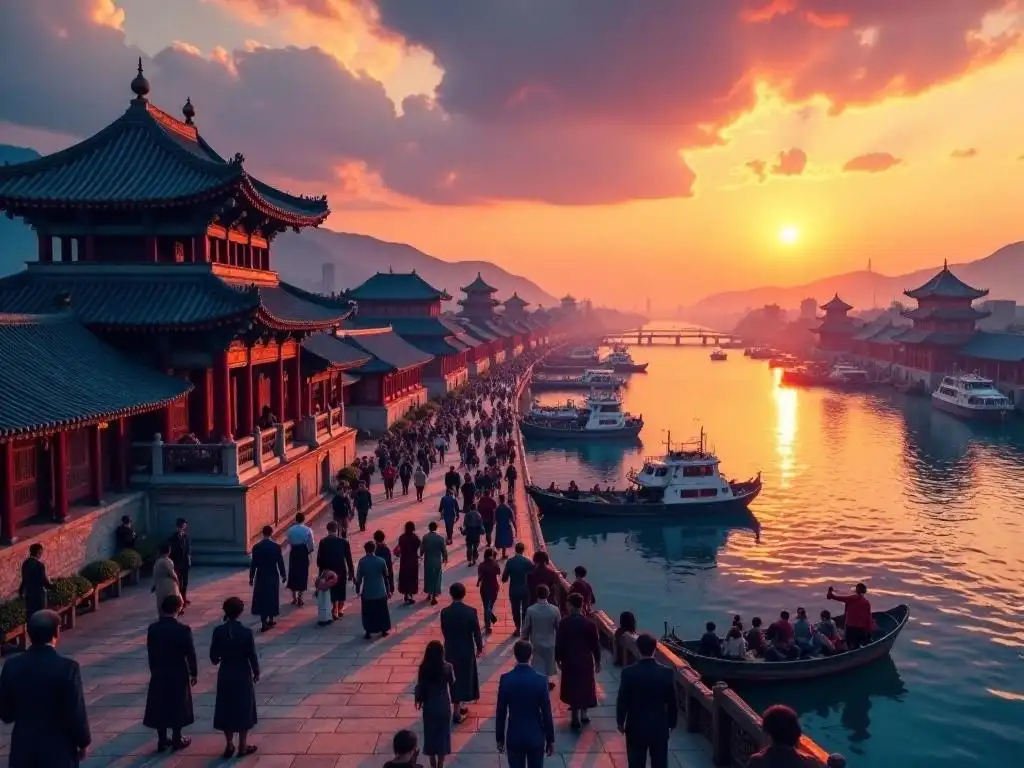
The arrival of the Black Ships in 1853 marked a turning point in the history of Edo (modern-day Tokyo), triggering a series of transformative effects on the urban landscape that would reshape the city for generations. This pivotal event heralded the end of Japan's isolationist policies and opened the nation to foreign influence, which significantly impacted the socio-economic and cultural fabric of Edo.
Edo, which had been a bustling center of the Tokugawa shogunate, experienced a profound transition as it adapted to the new realities brought about by the arrival of Commodore Matthew Perry and his fleet. The Impact of Black Ships on Edo can be observed in various dimensions, including urban planning, infrastructure development, and architectural styles.
Urban Planning Changes Post-1853
Following the arrival of the Black Ships, Edo underwent significant urban planning changes to accommodate the influx of foreign influence and trade. The city's layout was adjusted to facilitate new economic activities and improve accessibility to both domestic and international markets.
- Expansion of Urban Areas: To manage the growing population and increased commerce, Edo expanded beyond its traditional boundaries. This led to the establishment of new districts that catered to foreign traders and Japanese merchants alike.
- Mixed Use Zones: Edo's urban planners began to create mixed-use zones where residential, commercial, and industrial spaces coexisted. This shift encouraged a dynamic environment where various activities could flourish in close proximity.
- Public Spaces and Parks: The need for recreational areas became apparent as the city adapted to its new role. Parks and public spaces were developed to provide citizens with leisure areas, which also served as venues for cultural exchange between Japanese and Western visitors.
Infrastructure Development: Roads, Ports, and Facilities
The infrastructural developments initiated in the aftermath of the Black Ships' arrival were crucial in modernizing Edo. This period saw the implementation of numerous projects aimed at enhancing transportation and trade.
- Road Improvements: The existing road networks were upgraded to handle increased traffic. New roads were constructed, connecting Edo with other regions of Japan, facilitating not just trade but also the movement of people and ideas.
- Port Facilities: The significance of ports grew dramatically as international trade increased. Edo's port facilities were expanded and modernized, allowing for larger ships and more efficient cargo handling. This transformation positioned Edo as a major hub for maritime commerce.
- Public Utilities: The need for improved public utilities became evident. Water supply systems were established to provide clean water to the population, and waste management systems were initiated to keep the city clean, reflecting a shift towards modern urban living standards.
Introduction of Western Architectural Styles in Edo
The influence of Western culture, propelled by the arrival of the Black Ships, also led to a significant transformation in Edo's architectural landscape.
- Adoption of Western Techniques: Japanese builders began to incorporate Western construction techniques and materials, resulting in the emergence of hybrid architectural styles. Traditional wooden structures were complemented by brick and stone buildings, leading to a distinctive aesthetic.
- Iconic Structures: The introduction of Western-style buildings, such as warehouses and government offices, became prominent in Edo's skyline. Notable examples include the Yokohama Customs House and other administrative buildings that showcased the new architectural trends.
- Cultural Fusion: As Western architecture permeated Edo, it also fostered a cultural fusion. Traditional Japanese aesthetics began to merge with Western designs, creating unique spaces that reflected both cultural heritages and symbolized Japan's journey towards modernization.
The Impact of Black Ships on Edo extended far beyond the immediate effects of foreign engagement. The subsequent urban planning changes, infrastructure development, and architectural evolution illustrate how deeply the arrival of the Black Ships altered the urban landscape of Edo, setting the stage for the modern Tokyo we know today.
Changes in Transportation and Communication Networks
The arrival of the Black Ships in 1853 had profound implications for the transportation and communication networks in Edo. As Commodore Matthew Perry’s fleet docked, it marked not only a pivotal moment in foreign relations but also initiated significant transformations within the urban infrastructure of Edo, which was already a bustling metropolis known for its intricate roads and waterways.
Expansion of Port Facilities
One of the most immediate changes was the expansion and modernization of port facilities. The need to accommodate foreign ships prompted the Tokugawa shogunate to invest in enhancing the waterfront. This included the construction of larger docks and improved storage facilities, enabling Edo to serve as a gateway for international trade. The influx of goods and people necessitated a redesign of the harbor area, leading to a bustling hub of activity that changed the face of Edo's coastal landscape.
- New Dockyards: Establishment of advanced dockyards for ship repairs and maintenance.
- Enhanced Logistics: Introduction of organized supply chains for importing and exporting goods.
Introduction of Western Technologies
The arrival of the Black Ships also heralded the introduction of Western technologies, which had a lasting impact on transportation. The shogunate took note of the superior naval capabilities of the American ships and began to adopt Western maritime technologies and practices.
- Steamships: The eventual integration of steamships into Edo's transportation system marked a shift from traditional sailing vessels, allowing for faster and more reliable transport of goods and people.
- Railroads: Although the railroad system would not fully develop until later, the initial discussions and plans for rail lines began during this period, laying the groundwork for future advancements in land transportation.
Overhaul of Communication Systems
The need for rapid communication became evident as Japan opened up to the West. The Tokugawa government recognized that efficient information exchange was essential for managing foreign relations and domestic affairs.
- Telegraph Systems: The introduction of telegraph lines allowed for quicker communication between Edo and other regions, facilitating not only governmental operations but also commercial activities. This technological advancement significantly reduced the time required to relay messages, enhancing coordination and response times.
- Postal Services: Improvements in postal services were also initiated, with increased frequency and reliability in mail delivery, which connected Edo more effectively with other parts of Japan and the growing international community.
Urban Mobility and Infrastructure Development
The changes in transportation also prompted broader urban mobility improvements. The urban layout of Edo had to adapt to the new dynamics introduced by the Black Ships.
- Road Improvements: Existing roads were widened, and new routes were constructed to accommodate the increased movement of goods and people. This urban planning allowed for better connectivity within the metropolis, linking commercial districts with residential areas.
- Public Transport Systems: The seeds of public transport systems began to be sown, which would evolve in the years following the Black Ships’ arrival, eventually leading to more organized transit options for Edo’s populace.
The Black Ships catalyzed a series of changes that redefined Edo's transportation and communication networks. This transformation not only facilitated foreign trade and diplomatic relations but also laid the groundwork for Japan's modernization in the late 19th century, marking a significant shift in the urban landscape of Edo.
Economic Implications of the Black Ships on Edo
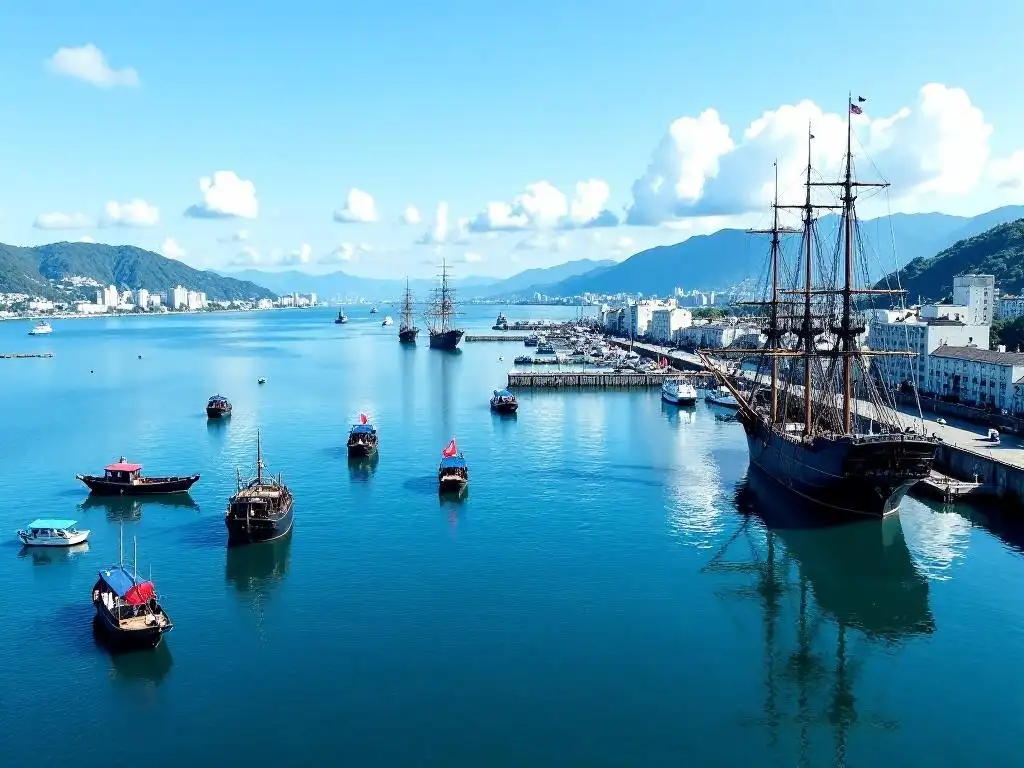
The arrival of Commodore Matthew Perry's Black Ships in 1853 marked a pivotal moment in Edo's economic landscape. This event not only signified the end of Japan's isolationist policies but also initiated a series of economic transformations that reshaped the urban fabric of Edo. Understanding the economic implications of the Black Ships illuminates how these changes influenced trade practices, the emergence of new industries, and the role of foreign trade in Edo's evolution.
Shift in Trade Practices and Economic Strategies
The Black Ships prompted a significant shift in Edo's trade practices. Prior to Perry's arrival, Japan had maintained a strict isolationist policy under the Tokugawa shogunate, limiting foreign interactions primarily to select Dutch and Chinese traders. However, the presence of American naval power and the subsequent Treaty of Kanagawa in 1854 opened the floodgates to broader commercial engagement.
- Increased Maritime Trade: With the lifting of restrictions, Edo became a central hub for international trade. Ports such as Yokohama and Kanagawa expanded rapidly, accommodating foreign vessels and facilitating the exchange of goods. This transition marked a departure from solely domestic trade to a more globalized economic system.
- Introduction of Western Goods: The influx of Western goods and technologies transformed consumer habits and business practices. Items such as textiles, machinery, and luxury goods became staples in Edo's markets, leading to a diversification of available products and catering to a growing middle class interested in foreign wares.
- Regulatory Changes: The shift towards an open market necessitated new regulatory frameworks to manage foreign trade. The Tokugawa shogunate had to adapt its governance to accommodate the complexities of international commerce, leading to new taxation strategies and trade agreements.
Emergence of New Industries and Commercial Opportunities
The economic landscape of Edo experienced a profound transformation with the advent of new industries and commercial opportunities, largely driven by the demands of international trade.
- Manufacturing Growth: The demand for Western commodities spurred the growth of local manufacturing industries. Artisans and entrepreneurs began to produce goods that catered to both domestic and foreign markets. For instance, the production of silk and textiles saw significant advancements in quality and quantity, allowing Edo to compete on a global scale.
- Service Sector Expansion: Accompanying the increase in trade were developments in the service sector, including banking, insurance, and transportation. The establishment of modern banking institutions facilitated the flow of capital, while new insurance products helped mitigate the risks associated with international trade.
- Urban Development: As businesses flourished, the urban landscape of Edo was reshaped. New commercial districts emerged, and existing areas underwent significant redevelopment. This urbanization was characterized by the construction of warehouses, shops, and accommodations catering to foreign traders and local entrepreneurs alike.
The Role of Foreign Trade in Edo's Economic Evolution
Foreign trade became a cornerstone of Edo's economic evolution following the arrival of the Black Ships, fundamentally altering the city's economic trajectory.
- Integration into Global Markets: Edo's economy began to integrate into global markets, leading to shifts in supply and demand dynamics. The city became not only a domestic trade hub but also a focal point for international commerce, allowing local producers to access broader markets.
- Cultural Exchanges and Economic Ideas: The influx of foreign traders also brought about cultural exchanges that influenced economic ideas and practices. Concepts such as free trade, competition, and consumerism gradually permeated Edo society, altering traditional business practices and societal norms.
- Long-term Economic Impact: The legacy of the Black Ships extended well beyond their initial arrival. The economic changes initiated during this period laid the groundwork for Japan's rapid modernization in the Meiji era. Edo's transformation into a bustling commercial center set the stage for Japan's emergence as a significant player in the global economy.
The impact of the Black Ships on Edo was profound and multifaceted, reshaping not only the city's economic landscape but also its cultural and social fabric. This period of transition marked the beginning of Japan's integration into the global economy, fundamentally altering the course of Japanese history.
Cultural Shifts Resulting from the Black Ships’ Impact
Influence on Edo's Arts and Literature
The arrival of the Black Ships in 1853 marked a significant turning point in Edo's cultural landscape. As Japan opened its doors to foreign influence, the arts and literature began to reflect a blend of traditional Japanese aesthetics and Western styles. This fusion can be observed in various forms of artistic expression, including ukiyo-e (woodblock prints) and literature.
- Ukiyo-e Transformation: Artists like Katsushika Hokusai began to incorporate Western techniques such as perspective and shading, leading to innovative compositions that captivated audiences. The introduction of new materials and pigments also allowed for brighter colors and more intricate designs.
- Literature Evolution: The narrative styles shifted as authors started to explore themes influenced by Western literature. Writers like Natsume Sōseki began to experiment with realism and psychological depth, moving away from the classical themes that dominated earlier works.
This cultural exchange not only enriched Edo's artistic scene but also laid the groundwork for modern Japanese art and literature, reflecting a society in transition.
The impact of the Black Ships extended beyond art and literature, significantly altering the social fabric of Edo. As Japan engaged with the West, several social norms and daily practices underwent transformations:
- Emergence of New Social Classes: The influx of foreign goods and ideas led to the rise of a merchant class that gained wealth and influence. This challenged the traditional samurai and aristocratic hierarchies, fostering a more fluid social structure.
- Changes in Fashion and Consumerism: Western clothing and goods became symbols of status, leading to a shift in fashion trends. The once rigid clothing customs began to blend with Western styles, as Edo citizens embraced new materials and designs. This shift also spurred a burgeoning consumer culture, with an increased demand for imported goods.
- Culinary Influences: The presence of foreign ships introduced new food items and cooking methods. Dishes such as bread and Western-style pastries began to appear in Edo's markets, transforming the culinary landscape and expanding the palate of the local populace.
These changes contributed to a more cosmopolitan atmosphere in Edo, reflecting a society increasingly open to new ideas and lifestyles.
The Introduction of Western Education and Technologies
The arrival of the Black Ships not only initiated cultural changes but also ushered in a new era of education and technological advancement in Edo. The need to understand Western technologies and sciences prompted significant reforms in educational practices:
- Establishment of Schools: The government recognized the importance of Western knowledge, leading to the establishment of institutions such as the Kaisei School, which focused on Western sciences, engineering, and military studies. This marked a departure from the traditional Confucian curriculum that had dominated education.
- Technological Adoption: The introduction of Western technologies, including steam engines and telegraphs, revolutionized various sectors, from transportation to communication. These innovations facilitated urban development and improved the efficiency of trade and commerce.
- Cultural Exchange Programs: As part of the educational reform, programs encouraging the study of foreign languages and cultures emerged. This fostered a generation of Japanese intellectuals who would later contribute to the modernization of Japan.
The introduction of Western education and technologies significantly influenced Edo's urban landscape, positioning the city as a hub of modernization and cultural exchange. The lasting impact of these changes can still be felt in contemporary Japan, highlighting the transformative power of the Black Ships' arrival.
Long-term Consequences of the Black Ships on Edo’s Urbanization
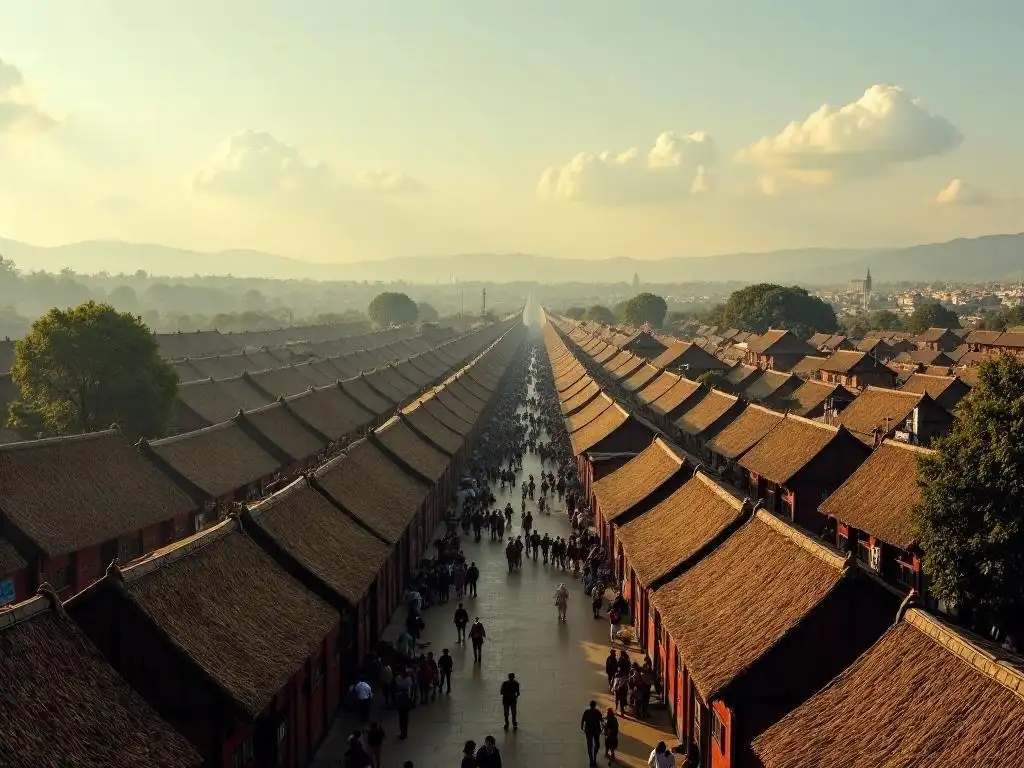
The arrival of Commodore Matthew Perry's Black Ships in 1853 marked a pivotal moment in Japan's history, particularly influencing the urbanization of Edo (now Tokyo). The implications of this encounter were profound and long-lasting, setting the stage for modernization and reshaping the city's urban landscape.
The Path to Modernization in Japan
The Black Ships catalyzed a series of events that propelled Japan toward modernization. The forced opening of Japan to foreign trade led to several key transformations:
- Introduction of Western Technology: With increased interaction with Western powers, Edo began adopting new technologies. This encompassed everything from transportation systems to communication methods, laying the groundwork for a more interconnected urban environment.
- Infrastructure Development: The influx of foreign goods and the necessity for improved logistics led to significant infrastructure projects. Roads, bridges, and ports were developed to accommodate trade and travel, fundamentally altering Edo's urban fabric. For instance, the establishment of railways and telegraph lines facilitated faster movement of goods and people.
- Cultural Exchange and Integration: The Black Ships also initiated a wave of cultural exchange. Western architectural styles began influencing Edo’s urban design, evident in the construction of new buildings that blended traditional Japanese aesthetics with Western designs. This cultural infusion led to a more cosmopolitan urban atmosphere.
- Economic Diversification: As Edo opened up to international trade, its economy diversified. The city transitioned from a feudal economy to one that embraced commerce and industry. This shift created new urban centers and commercial districts, such as the Nihonbashi, which became a hub for business and trade.
Legacy of the Black Ships in Edo’s Urban Development
The legacy of the Black Ships on Edo's urban development can be categorized into several lasting impacts:
- Urban Expansion: The increased economic activity necessitated the expansion of the city. New neighborhoods emerged, accommodating a growing population drawn by opportunities in trade and industry. This expansion blurred the lines of the traditional feudal city layout.
- Social Stratification: The arrival of the Black Ships also intensified social changes. The rise of a merchant class challenged the existing social order, leading to new dynamics in urban society. This change manifested in the construction of new homes and businesses catering to the emerging bourgeoisie.
- Public Spaces and Civic Infrastructure: The need for public spaces became apparent as urban life evolved. Parks, theaters, and public buildings reflected a shift toward civic engagement and leisure, marking a departure from the strictly hierarchical urban structure of the feudal era.
- Health and Sanitation: The growth of Edo necessitated improvements in public health and sanitation. The introduction of modern plumbing and waste management systems was crucial in addressing the challenges posed by a densely populated urban area.
Comparative Analysis: Edo Before and After the Black Ships
To fully appreciate the impact of the Black Ships, a comparative analysis of Edo before and after their arrival is essential:
| Aspect | Edo Before Black Ships | Edo After Black Ships |
|---|---|---|
| Urban Layout | Feudal, hierarchical | Expanded, mixed-use |
| Economic Structure | Primarily agrarian | Diverse, trade-oriented |
| Cultural Influence | Homogeneous | Cosmopolitan, hybrid |
| Infrastructure | Basic roads, limited access | Modern transportation systems |
| Social Classes | Rigidly defined | Emergence of a middle class |
The transformation of Edo following the arrival of the Black Ships underscores a critical juncture in Japanese history. The urban landscape evolved from a feudal stronghold into a dynamic metropolis, setting the foundation for Tokyo's future as a global city. This transition not only reflects the immediate changes brought about by external influences but also highlights the resilience and adaptability of Japanese society in the face of unprecedented challenges.
Conclusion: The Enduring Impact of the Black Ships on Edo's Urban Landscape
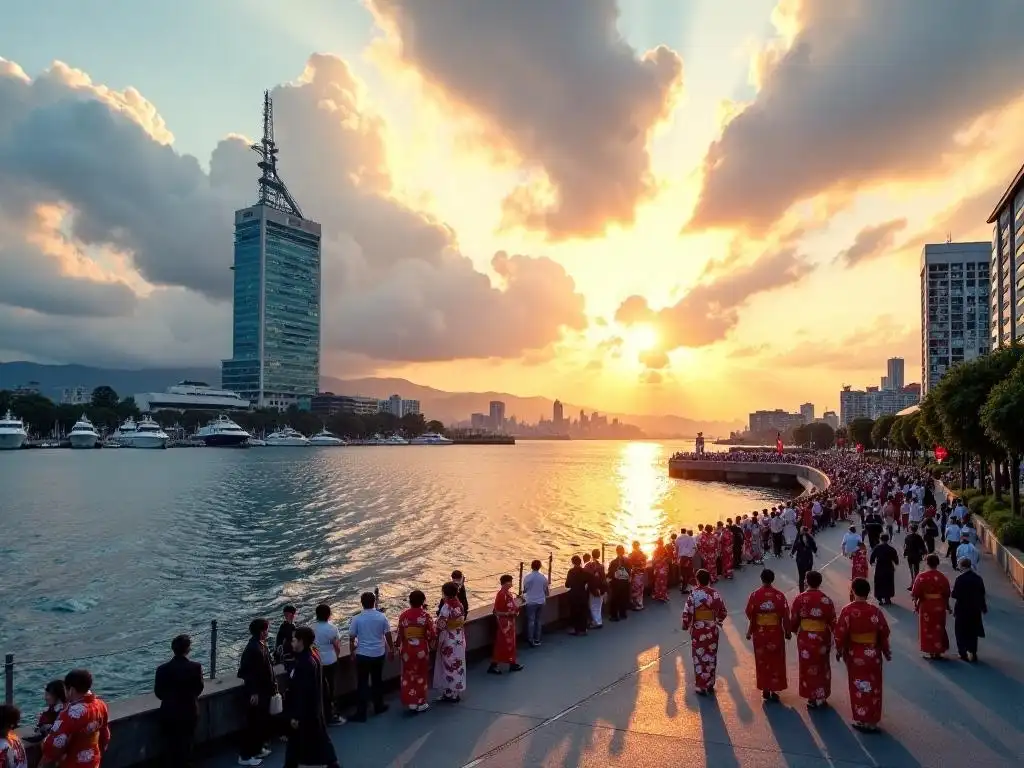
The arrival of Commodore Matthew Perry's Black Ships in 1853 marked a pivotal moment in Japan's history, especially for the city of Edo, which was the heart of the Tokugawa shogunate. This encounter with Western powers not only altered the geopolitical landscape of Japan but also instigated profound changes within Edo’s urban environment. The impact of the Black Ships on Edo can be seen through various transformations, affecting everything from architecture to trade, and even social dynamics.
Summary of Key Changes Influenced by the Black Ships
The Black Ships catalyzed a series of changes in Edo that were both immediate and long-lasting. Here are some of the most significant impacts:
- Architectural Transformation:
- The introduction of Western architectural styles began to emerge as a response to new technologies and aesthetics. Notable examples include the construction of brick buildings and the adaptation of Western-style public spaces.
- Urban Infrastructure Development:
- The need to accommodate foreign visitors and trade led to improvements in infrastructure. This included the development of better roads and transportation systems, which made Edo more accessible.
- Economic Shifts:
- The opening of trade routes resulted in an influx of foreign goods, altering local markets and consumer habits. Edo became a hub for international commerce, impacting local merchants and artisans.
- Cultural Exchange:
- The encounter with Western culture introduced new ideas, practices, and technologies, leading to a blend of traditional Japanese and Western influences in various aspects of life, from fashion to education.
- Population Growth:
- As Edo transformed into a center for international trade, it attracted a diverse population. This demographic shift contributed to a more vibrant, albeit complex, urban society.
Reflection on the Broader Implications for Japan’s Urbanization
The changes initiated by the arrival of the Black Ships extended beyond just the physical landscape of Edo and had broader implications for Japan's urbanization as a whole. Consider the following aspects:
- Shift Towards Modernization:
- The Black Ships symbolized the beginning of Japan’s transition from an isolated feudal society to a more modern, industrialized nation. This shift laid the groundwork for significant social and economic reforms in the Meiji era.
- Integration of Global Trade:
- The opening of Japan to international trade opened up new markets and economic opportunities. This integration into the global economy stimulated urban growth in other cities as well, leading to a nationwide trend in urbanization.
- Cultural Hybridization:
- The blending of Western and Japanese cultures fostered a unique urban identity that would influence art, literature, and social practices throughout Japan. This hybridization became a defining characteristic of modern Japanese cities.
- Urban Planning Innovations:
- The challenges of accommodating a rapidly growing urban population prompted innovations in urban planning. New systems for sanitation, public health, and housing emerged, which would shape urban design in Japan for generations.
The impact of the Black Ships on Edo's urban landscape was a catalyst for profound and lasting changes that not only transformed the city but also set the stage for Japan's evolution into a modern state. The legacy of this encounter continues to resonate in the urban fabric of contemporary Japan.
References and Further Reading on the Impact of Black Ships on Edo
Suggested Books and Articles
-
"The Black Ships: A History of the American Naval Expedition to Japan" by John M. Manley
This book provides a detailed account of Commodore Matthew Perry's expedition, examining its implications not only for Japan but for international relations in the 19th century. It explores how the arrival of the Black Ships catalyzed significant changes in Edo's urban landscape.
-
"Edo and Paris: Urban Life and the State in the Early Modern Era" by K. E. Henshall
This comparative study highlights the urban transformations in both Edo and Paris, offering insights into how the Black Ships influenced Edo’s development amidst emerging Western models of urbanization.
-
"The Making of Modern Japan" by Bruce C. Batten
Batten’s work delves into the socio-political changes that arose from the arrival of the Black Ships, providing context on how Edo adapted to new economic realities.
-
"Japan's Modern History, 1857-1937: A New Perspective" by David J. Lu
This book discusses the broader historical context of Japan’s modernization, including the shifts in Edo’s urban framework triggered by foreign influence and trade.
-
"Edo: The City That Became Tokyo" by Edward Seidensticker
Seidensticker's narrative traces the evolution of Edo into modern Tokyo, focusing on the pivotal role the Black Ships played in altering the city's infrastructure and social dynamics.
Online Resources for Deeper Understanding of Edo's Transformation
-
Japan National Tourism Organization (JNTO)
The JNTO website offers a wealth of resources about Edo and its historical significance, including articles and guides on urban development during the Tokugawa period.
-
The National Diet Library of Japan
This digital library provides access to a variety of historical documents, articles, and primary sources related to the Black Ships and their impact on Edo's urban landscape.
-
The Asia-Pacific Journal: Japan Focus
This online journal features scholarly articles on various aspects of Japanese history, including analyses of the Black Ships' arrival and its effects on urbanization.
-
The Japan Times Archives
A valuable resource for contemporary accounts and analyses of the time, the archives can provide insights into public perceptions of the Black Ships and their immediate impact on Edo.
-
YouTube Documentaries
Channels like "NHK World" often produce historical documentaries that explore the arrival of the Black Ships and its transformative effect on Edo, presenting engaging visual narratives.
By exploring these references and resources, readers can gain a more nuanced understanding of how the Black Ships altered the urban landscape of Edo, paving the way for modernization and the eventual transformation into Tokyo.
Frequently Asked Questions
What were the Black Ships, and why were they significant?
The Black Ships, commanded by Commodore Matthew Perry in 1853, were significant because they forced Japan to open its ports to American trade, ending centuries of isolation.
How did the arrival of the Black Ships affect Edo's urban landscape?
The arrival of the Black Ships led to rapid urban development in Edo, with increased foreign trade and the introduction of Western ideas, altering the city's infrastructure and economy.
What changes occurred in Edo's society due to the Black Ships?
The impact of the Black Ships resulted in societal changes, including the rise of a new merchant class and increased interactions with foreigners, which shifted traditional social structures.
Did the Black Ships influence Japanese culture?
Yes, the Black Ships significantly influenced Japanese culture by introducing Western technologies, customs, and ideas, which began to integrate into Japanese society, particularly in urban areas.
What was the long-term impact of the Black Ships on Japan?
The long-term impact included the end of the Tokugawa shogunate and the beginning of the Meiji Restoration, which transformed Japan into a modern nation-state, heavily influenced by Western practices.
Final Reflection: The Lasting Impact of the Black Ships on Edo's Urban Landscape
The arrival of the Black Ships in 1853 marked a pivotal moment in Japanese history, forever altering the urban landscape of Edo. This event not only opened Japan to the world but also set in motion a series of transformations that reshaped its society, economy, and culture. The impact of the Black Ships on Edo was profound, as it catalyzed modernization and interaction with foreign powers, illustrating how a single moment can redefine a city's trajectory.
The influence of the Black Ships continues to resonate in contemporary Japan, serving as a reminder of the delicate balance between tradition and modernity. The architectural and cultural shifts initiated by this encounter have laid the groundwork for Japan's evolution into a global powerhouse. As historian John Dower aptly stated, The Black Ships were not merely vessels; they were harbingers of change, signaling the end of isolation and the dawn of a new era.
This observation underscores the importance of understanding how historical events shape our present and future.
As we reflect on the lessons from the arrival of the Black Ships, let us consider how we can embrace change and foster connections in our own lives. Take a moment to think about the transformative events that have shaped your journey. Just as Edo adapted to the tides of change, we too can learn to navigate the complexities of our modern world, drawing inspiration from the past to build a brighter future. Embrace the unknown, and let it guide you toward growth and discovery.
Unveil the Legacy of the Black Ships Today!
Thank you for exploring the transformative impact of the 1853 Black Ships on Edo's urban landscape. Your curiosity about this pivotal time in history enriches our understanding of its enduring significance. Now, let’s keep that momentum going with some actionable steps!
- Dive deeper into the history of Edo by visiting your local library or exploring online databases for books and articles that expand on this fascinating period.
- Share your newfound knowledge with friends or family; you might inspire a lively discussion about Japan's rich history!
- Consider taking a virtual tour of historical sites in Japan associated with the Black Ships to immerse yourself in this remarkable journey.
What aspect of the Black Ships' influence do you find most fascinating and why? Let's spark a conversation!