
The Transformation of Urban Centers during Japan's Sakoku Period

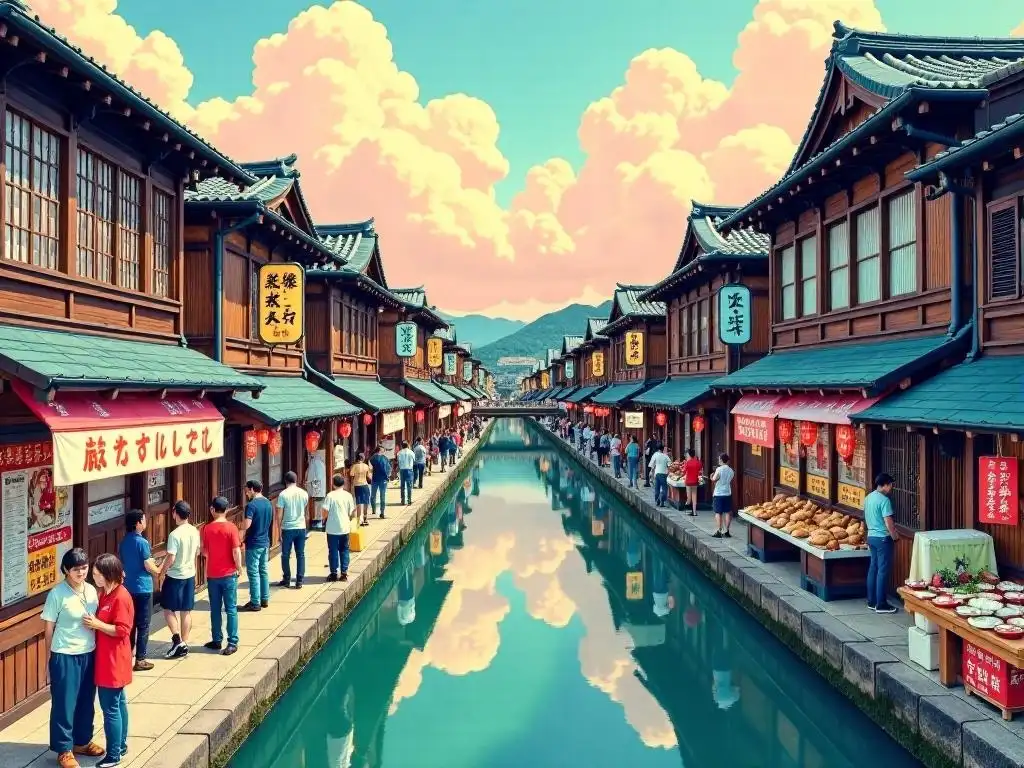
Welcome to Feudal Japan History, where we invite you to embark on a riveting journey through the intricate tapestry of Japan's feudal era. Here, you will uncover the mysteries of the Sakoku period urban transformation, a time when isolation shaped cities and society in profound ways. Our expertly curated articles delve deep into the historical, cultural, and societal nuances of this fascinating epoch. Ready to explore how urban centers evolved amidst the unique challenges of isolation? Join us as we unveil the remarkable stories that have shaped Japan’s past and continue to resonate today.
Introduction to the Sakoku Period
The Sakoku period, often referred to as Japan's "locked country" era, represents a significant chapter in the nation's history, spanning from the early 17th century until the mid-19th century. This era, characterized by stringent isolationist policies, not only reshaped Japan’s diplomatic relations but also profoundly influenced its urban centers. The term "Sakoku" itself encapsulates a complex system of prohibitions against foreign interaction, which aimed to protect Japan's cultural integrity and social order.
However, despite these restrictions, urban centers underwent remarkable transformations, evolving into vibrant hubs of local commerce and culture. Understanding the dynamics of urban transformation during this period is essential for comprehending the broader implications of isolationist policies on Japan’s economy and society.
Overview of the Sakoku Policy
The Sakoku policy was officially established under the Tokugawa shogunate in 1635, with the intent to curb the influence of foreign powers, particularly European missionaries and traders. This policy prohibited Japanese from traveling abroad and limited foreign access to specific ports, notably Nagasaki. In practice, this meant that while Japan was closed off from most international trade, it still engaged in limited exchanges with the Dutch and Chinese, which allowed for the exchange of goods and ideas.
Timeframe and Historical Context
The Sakoku period lasted from 1635 until 1853, marking over 200 years of relative stability and isolation. This era followed the tumultuous Sengoku period, a time marked by civil wars and political strife. The establishment of the Tokugawa shogunate provided a framework for peace and order, allowing urban centers to flourish. As cities like Edo (now Tokyo), Osaka, and Kyoto expanded, they became critical nodes for economic activity, cultural expression, and administrative governance.
Significance of Urban Transformation in Feudal Japan
The urban transformation during the Sakoku period holds significant importance in understanding Japan's history. Urban centers were not merely locales of trade; they became melting pots of culture, innovation, and social change. The interaction among different classes—samurai, farmers, and merchants—within these urban spaces led to the emergence of new cultural practices and economic models, setting the stage for Japan's eventual modernization. Furthermore, examining these transformations provides insights into how isolationist policies shaped local economies and societal structures.
Economic Changes in Urban Centers
As Japan navigated the complexities of the Sakoku period, urban centers experienced substantial economic shifts that were both a result of and a response to isolationist policies. The interplay between local markets and the limited foreign trade system created unique economic landscapes that defined the era.
Growth of Trade and Commerce
Despite the restrictions imposed by the Sakoku policy, urban centers thrived as centers of trade and commerce. With foreign trade limited to select ports, local merchants capitalized on the demand for goods within Japan. Cities like Osaka became known as the "nation's kitchen," thriving as major distribution points for rice and other commodities. The growth of commerce was also fueled by the development of transportation networks, including roads and rivers, which facilitated the movement of goods between urban and rural areas.
Impact of Isolationist Policies on Local Economies
Isolationist policies had a dual effect on local economies: while they restricted international trade, they also encouraged the self-sufficiency of urban centers. Local artisans, merchants, and farmers adapted to the new economic landscape by focusing on domestic production and consumption. The lack of foreign competition allowed for the flourishing of indigenous industries, leading to innovations in textiles, ceramics, and other crafts that became hallmarks of the period.
Role of Merchant Classes in Urban Development
The merchant class, known as "chonin," played a pivotal role in the development of urban centers during the Sakoku period. As commerce expanded, merchants gained wealth and influence, challenging the traditional feudal hierarchy. This newfound economic power allowed them to invest in local infrastructure, such as markets and theaters, which contributed to the cultural vibrancy of cities. The rise of the merchant class also facilitated the spread of new ideas and cultural practices, as they became patrons of arts and education, further enriching urban life.
The Sakoku period was a time of significant urban transformation in Japan, driven by isolationist policies that shaped the economic landscape. The evolution of urban centers during this era is crucial for understanding the complexities of Japan’s economic history and its societal changes leading up to modernization.
Cultural Shifts in Sakoku Era Cities
The Sakoku period (1635-1853) marked a significant transformation in Japan's urban centers, driven largely by the country's isolationist policies. During this time, cities evolved not only as economic centers but also as cultural bastions where traditional values and aesthetics flourished. The interplay of Confucian ideals, artistic developments, and the emergence of urban culture played key roles in shaping the identity of these cities.
Influence of Confucianism and Neo-Confucianism
Confucianism, alongside its later adaptation known as Neo-Confucianism, became a guiding philosophy during the Sakoku period. This ideology emphasized moral integrity, social harmony, and the importance of education, significantly influencing urban life. As cities grew, so did the emphasis on education and governance based on Confucian principles. Educational institutions emerged, focusing on classical texts and Confucian teachings, which in turn fostered a literate populace that valued scholarly pursuits.
The government promoted Confucian values as a means of maintaining social order, leading to a hierarchical society where loyalty and filial piety were paramount. This ideological framework not only shaped the governance of urban centers but also permeated everyday life, influencing family structures, community interactions, and even commercial practices. As a result, urban areas became synonymous with the promotion of ethical conduct and civic responsibility, creating a unique social fabric reflective of Confucian ideals.
Development of Arts and Crafts in Urban Areas
The Sakoku period also witnessed a flourishing of arts and crafts, driven by the stability and economic growth within urban centers. With limited foreign influence, artisans and craftsmen began to refine traditional techniques, leading to the development of distinctive Japanese art forms.
Cities like Edo (modern-day Tokyo), Kyoto, and Osaka became hubs for various crafts, including textiles, ceramics, and woodblock printing. The rise of ukiyo-e, a genre of woodblock prints, exemplifies this artistic renaissance, capturing the vibrancy of urban life and the beauty of nature. These artistic movements were not merely for aesthetic purposes; they served as a means of cultural expression and communication, reflecting the values and aspirations of the urban populace.
Moreover, the flourishing of these arts created a burgeoning market for goods, facilitating economic exchanges within cities and leading to the establishment of guilds that regulated craft production and trade. This environment fostered not only the preservation of traditional crafts but also the innovation of new styles and techniques, solidifying urban centers as a focal point for cultural production.
Urban Centers as Cultural Hubs
As urban centers evolved during the Sakoku period, they became vital cultural hubs that attracted merchants, artists, and scholars. The concentration of populations in cities fostered a vibrant cultural atmosphere where ideas and traditions intermingled. This urban culture was characterized by a rich tapestry of festivals, theatrical performances, and literary gatherings, which served to unite various social classes and promote a shared cultural identity.
Festivals such as the Gion Matsuri in Kyoto and the Sanja Matsuri in Edo highlighted the communal spirit and provided a platform for artistic expressions, including traditional music, dance, and drama. These events not only celebrated local deities but also reinforced community ties and cultural heritage.
The rise of the kabuki theater, characterized by its stylized performances and elaborate costumes, further exemplified the cultural dynamism of urban centers. Kabuki became immensely popular, attracting diverse audiences and reflecting societal themes, thus enabling the exploration of contemporary issues through performance art. As a result, urban areas became vital in preserving and innovating cultural practices, enhancing their significance in Japanese history.
The Sakoku period also brought about notable changes in the social structure and demographics of urban areas. As cities expanded, they became melting pots of various social classes, each contributing to the complex urban landscape.
Population Growth in Major Cities
During the Sakoku period, Japanese urban centers experienced significant population growth, driven by migration from rural areas and the stability of the Tokugawa shogunate. Cities like Edo emerged as one of the largest urban settlements in the world at the time, with estimates suggesting a population exceeding one million by the early 18th century.
This urban migration was largely influenced by the promise of economic opportunities, as cities offered more jobs in commerce, crafts, and services compared to rural settings. The influx of people contributed to the burgeoning economy, allowing for greater specialization in trades and services. This demographic shift not only transformed the urban landscape but also led to increased competition for resources and housing, creating unique challenges for city planners and local governments.
Changes in Social Hierarchies and Classes
The social hierarchies in urban areas underwent significant changes during the Sakoku period. While the feudal system remained largely intact, with samurai at the top of the social ladder, the growing merchant class began to gain influence and wealth, challenging traditional norms.
Merchants, previously viewed as lower in status, gradually acquired wealth through trade and commerce, allowing them to engage in patronage of the arts and cultural events. This shift led to a more fluid social structure where economic power began to dictate social status, rather than hereditary privileges alone.
Consequently, the urban environment fostered new social dynamics, where the traditional class distinctions were increasingly blurred. Artisans, merchants, and even some lower-ranked samurai began to interact more closely, leading to a more interconnected urban society. This evolution laid the groundwork for future social transformations in Japan.
Role of Women in Urban Society during the Sakoku Period
The role of women in urban society during the Sakoku period was multifaceted and complex. While traditional gender roles persisted, particularly in rural contexts, urban centers provided women with unique opportunities and challenges.
In cities, women often participated in the economic sphere, engaging in various trades and crafts. Many women worked alongside family members in artisanal businesses or managed household finances, contributing significantly to the economic stability of their families. Additionally, women played essential roles in the entertainment industry, particularly in the kabuki theater, where they could attain fame and influence, albeit within the constraints of their societal roles.
Despite these opportunities, women still faced limitations imposed by patriarchal structures. Their primary responsibilities remained centered around the household, and societal expectations often confined them to domestic roles. Nevertheless, the urban environment allowed women to navigate these constraints in ways that rural settings did not, contributing to a gradual evolution in women's roles in Japanese society.
Through these dynamics, the Sakoku period's urban transformation revealed a complex interplay of cultural, social, and economic factors that shaped the lives of individuals and communities, leaving a lasting impact on Japan's historical trajectory.
Architectural Evolution in Sakoku Period Cities
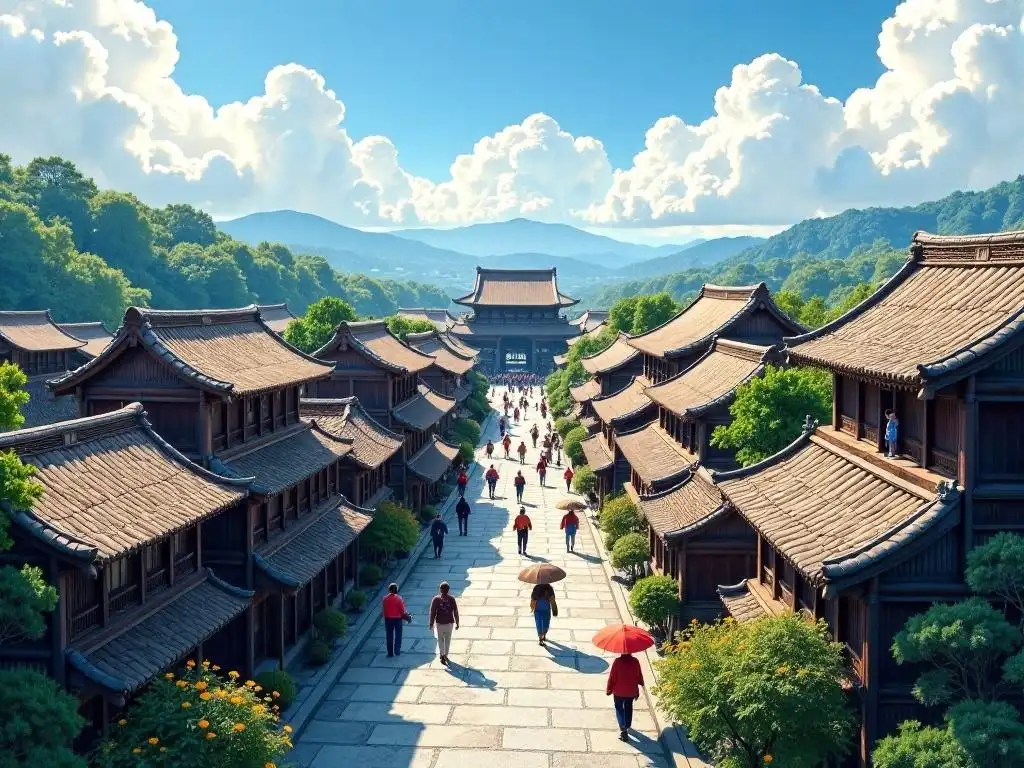
The Sakoku period, which lasted from 1635 to 1853, marked a significant transformation in Japan's urban centers, driven largely by the isolationist policies of the Tokugawa shogunate. During this time, cities evolved not only in structure but also in their social and economic functions. The architectural evolution reflected the need for fortified urban spaces that catered to both the samurai class and the burgeoning merchant populace. Traditional designs began to incorporate features that enhanced security and functionality, leading to the development of distinct urban landscapes across Japan.
As the economy shifted during the Sakoku period, so too did the architectural styles. The prevalence of wooden structures persisted, but urban planning began to emphasize wider streets and organized layouts. This was crucial for both defense and trade, as cities became bustling hubs of commerce. The introduction of fireproof materials and techniques also became more common, especially in larger urban centers where the risk of fire was high due to densely packed wooden buildings.
Traditional Japanese Architecture in Urban Centers
Traditional Japanese architecture during the Sakoku period was characterized by its wood-frame construction, thatched roofs, and tatami mat flooring. The aesthetic was rooted in harmony with nature, often incorporating sliding doors (fusuma) and large windows to connect indoor spaces with the surrounding environment. Urban centers saw the rise of chōnin (townspeople) houses, which adapted traditional designs for practical living and commerce.
The use of courtyards (naka-dōri) became common in urban houses, allowing for ventilation and light while also providing a communal space for family activities. Additionally, temples and shrines played a significant role in urban architecture, often serving as focal points in city layouts. Their intricate designs, featuring ornate carvings and colorful decorations, illustrated the importance of spirituality in everyday life.
Key Examples of Urban Design and Layout
Urban design in Sakoku period cities was heavily influenced by the socio-political structure of the time. Cities were often organized around a central castle or administrative area, with merchant districts and residential areas radiating outward. For example:
- Edo (modern-day Tokyo) featured a layout that prioritized the shogunate's administrative needs, with distinct areas for samurai and merchants.
- Osaka developed a grid pattern that facilitated trade, with broad streets designed to accommodate the flow of goods and people.
- Nagasaki, as a foreign trade port, was uniquely structured to support both Japanese and foreign merchants, with designated areas for each to coexist.
These layouts not only served practical purposes but also reflected the hierarchical nature of society, where residential areas were segregated based on class.
Influence of Chinese and Korean Architecture
During the Sakoku period, while Japan isolated itself from most foreign influences, the architectural styles of neighboring China and Korea continued to have a notable impact on Japanese urban centers. The influences can be seen in the following areas:
- Roof Design: The sweeping curves of traditional Chinese roofs were mirrored in some Japanese structures, particularly in temples and larger public buildings.
- Building Materials: The use of brick and stone in certain urban constructions was adopted from Chinese architectural practices, particularly in cities like Nagasaki, which housed foreign traders.
- Garden Design: The meticulous garden designs that characterized Chinese architecture also found their way into Japanese urban planning, encouraging the integration of nature within city spaces.
This blend of influences enriched the architectural diversity of the Sakoku period, creating a unique fusion that characterized the urban landscape.
Case Studies of Notable Urban Centers
Edo: The Heart of Japan’s Urban Transformation
Edo, the capital of the Tokugawa shogunate, epitomized the transformation of urban centers during the Sakoku period. With a population that swelled to over a million, Edo became one of the largest cities in the world at the time. The layout was meticulously planned, with the Edo Castle at its center, surrounded by various districts designated for samurai, merchants, and artisans.
The city's architectural features included wide, straight streets that facilitated movement and trade, alongside canals that enhanced transportation. Buildings were constructed using fire-resistant materials, reflecting the need for safety in a densely populated area. The flourishing of culture, as seen in the development of kabuki theater and ukiyo-e woodblock prints, also contributed to Edo's identity as a vibrant urban center.
Osaka: A Commercial Powerhouse
Osaka emerged as a major commercial hub during the Sakoku period, often referred to as the "nation's kitchen." Its urban design revolved around trade, with a network of canals and roads that supported the flow of goods. The city was known for its merchant houses, many of which featured distinct architectural styles that catered to commerce, including large storefronts and warehouses.
The influence of the kōbō, or merchant guilds, led to the establishment of lively marketplaces that became integral to Osaka's economy. This bustling trade environment fostered a unique urban culture, blending traditional Japanese aesthetics with the practical demands of commerce.
Nagasaki: A Gateway for Foreign Influence
Nagasaki played a crucial role as Japan's sole international trading port during the Sakoku period. The city's unique location and design facilitated foreign interaction, leading to a distinct architectural style that reflected both Japanese and Western influences. The presence of foreign traders introduced new building techniques and materials, leading to a diverse urban landscape.
Key features of Nagasaki included the Portuguese-influenced churches and Dutch-style warehouses, which coexisted alongside traditional Japanese architecture. This blend made Nagasaki a symbol of Japan's limited engagement with the outside world, serving as a cultural melting pot during a time of strict isolation. The urban fabric of Nagasaki remains a testament to the complexities of cultural exchange during the Sakoku period.
Challenges Faced by Urban Centers During Isolation
During Japan's Sakoku period (1635-1853), urban centers grappled with a myriad of challenges stemming from the isolationist policies imposed by the Tokugawa shogunate. These challenges not only influenced the economic landscape but also shaped the social and cultural dynamics of the time. The restrictions on foreign contact and trade significantly altered the structure of urban life, leading to resilience in some areas while creating new pressures in others.
Natural Disasters and Urban Resilience
Natural disasters were a persistent threat to urban centers during the Sakoku period. Earthquakes, floods, and fires frequently struck, demanding a robust response from city planners and inhabitants. The Great Genroku Earthquake of 1703, for instance, devastated Edo (modern-day Tokyo), leading to significant loss of life and property. However, these disasters also spurred innovations in urban resilience.
City officials implemented stricter building codes and created firebreaks to prevent the spread of flames. Edo, in particular, became a model for disaster preparedness, with its extensive water management systems and community-based response strategies. This resilience not only facilitated recovery but also fostered a sense of communal identity among residents, as they worked together to rebuild their neighborhoods.
Economic Strain from Isolationist Policies
The Sakoku period’s isolationist policies imposed significant economic strains on urban centers. The shogunate’s restrictions on foreign trade meant that cities like Nagasaki, the only port allowed to engage with foreign merchants, became economically isolated from the rest of the world. This isolation limited access to foreign goods and technologies that could have stimulated economic growth.
Moreover, as the period progressed, internal trade routes were disrupted, leading to inflation and scarcity of resources in urban areas. The reliance on a self-sustaining economy meant that cities had to innovate locally, often leading to a flourishing of domestic industries such as textiles and ceramics. Despite these challenges, urban centers adapted by developing unique markets, local crafts, and cultural practices that defined the Sakoku period.
Social Unrest and Its Impact on Urban Life
The socio-economic challenges during the Sakoku period often resulted in social unrest, which significantly impacted urban life. The rigid class structure established by the Tokugawa shogunate led to tensions between the ruling samurai class and the merchant class. As wealth concentrated among merchants, resentment grew, leading to protests and riots, particularly in urban centers like Osaka and Edo.
Additionally, the influx of population into cities created overcrowding, which exacerbated issues related to public health and crime. The shogunate’s attempts to control the populace through surveillance and strict regulations resulted in a complex relationship between urban residents and authorities. This dynamic contributed to a rich tapestry of urban culture, as social movements and artistic expressions emerged as forms of resistance against the prevailing socio-political order.
Conclusion: Legacy of the Sakoku Period Urban Transformation
The urban transformation during the Sakoku period left a lasting legacy that continues to influence modern Japanese cities. The period's unique challenges and adaptations fostered a distinct urban culture characterized by resilience, innovation, and a complex social fabric.
Lasting Effects on Modern Japanese Cities
Many of the urban planning principles developed during the Sakoku period can still be seen in contemporary Japanese cities. The emphasis on community engagement and disaster preparedness has informed modern urban policies, especially in disaster-prone areas. Furthermore, the cultural and artistic developments of this era laid the groundwork for Japan’s rich cultural heritage, which remains influential in today’s urban environments.
Reflection on the Balance of Isolation and Cultural Exchange
The Sakoku period serves as a poignant reminder of the balance between isolation and cultural exchange. While Japan turned inward, it simultaneously cultivated a rich internal culture that synthesized various influences. This duality has shaped a unique Japanese identity, one that values both tradition and modernity. The period's isolation allowed for the development of distinctive art forms, philosophies, and social structures that defined the Japanese experience well into the modern era.
Future Research Directions in Urban History of Japan
There remains a wealth of opportunities for future research in the urban history of Japan, particularly concerning the Sakoku period. Scholars can explore the intricate relationships between urban policies, economic changes, and social movements to deepen the understanding of urban transformation. Additionally, comparative studies with other isolationist societies could provide valuable insights into the global implications of urban resilience and cultural adaptation. The Sakoku period provides a fascinating case study for examining how urban centers respond to adversity and change, informing both historical scholarship and contemporary urban planning practices.
- Introduction to the Sakoku Period
- Economic Changes in Urban Centers
- Cultural Shifts in Sakoku Era Cities
- Social Structure and Demographics in Urban Areas
- Architectural Evolution in Sakoku Period Cities
- Case Studies of Notable Urban Centers
- Challenges Faced by Urban Centers During Isolation
- Conclusion: Legacy of the Sakoku Period Urban Transformation
Frequently Asked Questions
What was the Sakoku period in Japan?
The Sakoku period, lasting from the 17th to the mid-19th century, was characterized by Japan's self-imposed isolation from the rest of the world, limiting foreign influence and trade.
How did urban centers transform during the Sakoku period?
During the Sakoku period, urban centers like Edo (modern Tokyo) underwent significant development, becoming bustling hubs of commerce, culture, and political power due to the stability provided by the Tokugawa shogunate.
What role did trade play in urban transformation during this era?
Trade was crucial as it facilitated the exchange of goods, ideas, and culture within Japan, leading to the growth of merchant classes and the rise of urban lifestyles, particularly in Edo and Osaka.
How did the isolation policy affect Japanese society?
The isolation policy fostered a unique Japanese identity and culture, as it limited foreign influence, allowing traditional practices and local arts to flourish, which significantly shaped urban life during the period.
What were some cultural developments in urban centers during the Sakoku period?
Urban centers saw a rise in cultural activities, including theater, literature, and art, as the urban population sought entertainment and engagement, leading to the development of genres like Ukiyo-e and Kabuki theater.
Final Reflection: The Enduring Legacy of Sakoku Period Urban Transformation
The transformation of urban centers during Japan's Sakoku period is not merely a historical curiosity; it is a profound testament to the resilience and adaptability of societies in the face of isolation. As we navigate an increasingly interconnected world, the lessons learned from this unique era resonate more than ever. The Sakoku period, characterized by strict national seclusion, paradoxically fostered vibrant urban cultures that thrived despite external limitations. This duality reminds us that constraints can often lead to unexpected creativity and innovation.
Cultural and social landscapes are continuously shaped by historical events, and the Sakoku period is a prime example of this dynamic interplay. The urban centers of this time became melting pots of commerce, art, and social interaction, laying the groundwork for modern Japanese society. As historian John Dower noted, Isolation can breed a unique cultural identity, one that is both introspective and outward-looking.
This observation highlights how the Sakoku period's urban transformation not only influenced Japan's internal dynamics but also set the stage for its eventual re-engagement with the world.
As we reflect on the Sakoku period's urban transformation, I invite you to consider how the lessons from this era can be applied to our contemporary lives. In a world where globalization often overshadows local identities, let us embrace the richness that comes from our unique contexts. Take a moment to reflect on your own environment—how can you cultivate a sense of community and creativity amidst the challenges you face? By drawing inspiration from the past, we can foster resilience and innovation in our own urban landscapes, ensuring that they flourish in the face of change.
Unveil the Secrets of Japan's Urban Evolution!
Thank you for diving into the fascinating world of Japan's Sakoku period! You've just uncovered the remarkable transformations that shaped urban centers during this pivotal time. Now, it’s your turn to engage further with this vibrant history and explore its implications in contemporary society.
Here are a few ways you can continue your journey:
- Dive deeper into the topic by exploring our related articles on Japanese architecture and urban planning during the feudal era.
- Share your insights with friends or on social media — spark a conversation about how historical events influence our urban environments today.
- Join our community by subscribing to our newsletter for exciting updates and discussions on the legacy of feudal Japan.
What aspect of urban transformation during Japan's Sakoku period resonates most with you?