
The Impact of Technology on Martial Arts Evolution in Feudal Japan

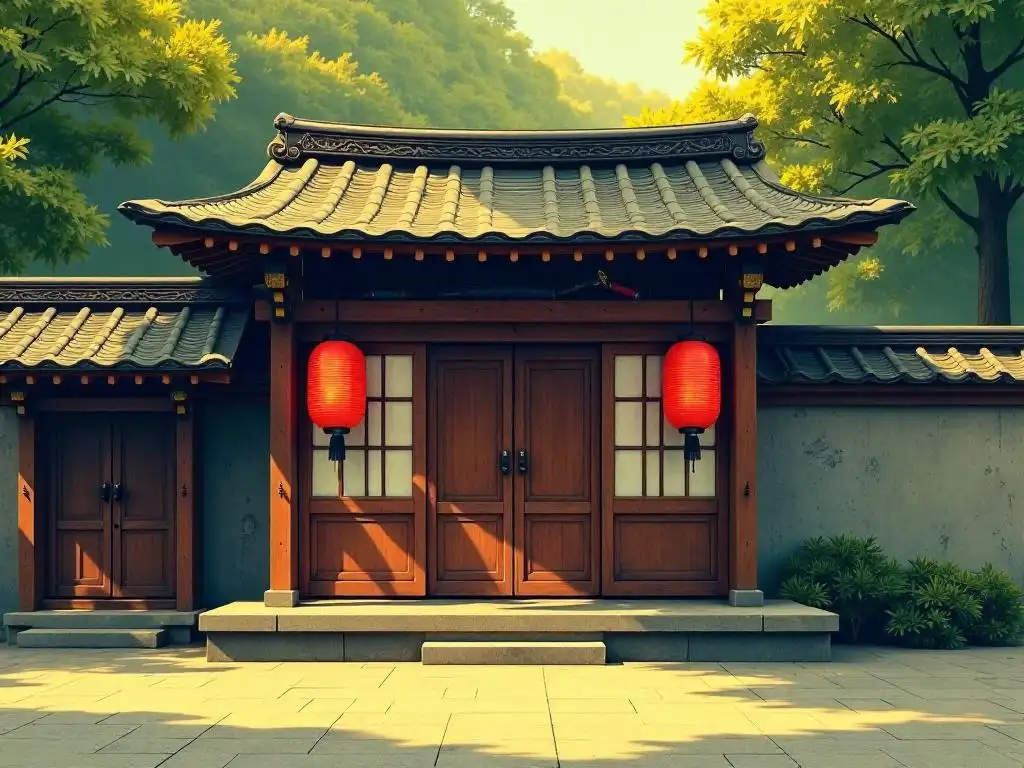
Welcome to Feudal Japan History, where we invite you to embark on a journey through the captivating tapestry of Japan’s feudal era. Prepare to delve into the intricate layers of Martial Arts Technology in Feudal Japan, a realm where innovation and tradition coalesced to shape the legendary warriors of the past. In our featured article, "The Impact of Technology on Martial Arts Evolution in Feudal Japan," we unravel the profound influences that technological advancements had on the martial practices of this era.
What secrets lie within these ancient techniques, and how did they transform the battlefield? Join us as we explore these questions and more, igniting your curiosity and deepening your understanding of this remarkable period in history.
Introduction to Martial Arts Technology in Feudal Japan
The feudal era of Japan, spanning from the late 12th century to the mid-19th century, was a period marked by profound transformation in various aspects of society, including the evolution of martial arts. This evolution was not merely a product of philosophical or cultural shifts; it was significantly influenced by technological advancements.
The intersection of martial arts technology and traditional combat practices played a pivotal role in shaping techniques, weaponry, and training methodologies. This article aims to explore how technological innovations impacted the evolution of martial arts during this dynamic historical period, providing insights into the ways in which these changes influenced not only combat effectiveness but also the cultural identity of Japan.
Overview of Martial Arts in Feudal Japan
Martial arts in feudal Japan were deeply intertwined with the samurai class, whose code of honor and duty defined the ethical framework of warrior culture. Various forms of combat were practiced, each with unique techniques and philosophies. Key martial arts included:
- Kenjutsu: The art of swordsmanship, focusing on the katana.
- Bojutsu: Techniques using the long staff.
- Ninjutsu: The covert practices of the ninja, incorporating espionage and guerrilla warfare.
- Jujutsu: A grappling art emphasizing joint locks and throws.
These martial arts were not just forms of combat; they were also a means of personal development and discipline, reflecting the spiritual and ethical values of the samurai.
Significance of Technology in Historical Context
The technological landscape of feudal Japan was characterized by advancements in metallurgy, weapon design, and training equipment. Innovations such as:
- The katana: Evolved through advanced forging techniques, producing a blade that was both resilient and sharp.
- Armor: Development of lighter and more protective armors allowed for greater mobility in battle.
- Training equipment: Tools like the bokken (wooden sword) and makiwara (striking post) facilitated safer and more effective training methods.
These advancements not only enhanced the physical capabilities of martial artists but also transformed the strategies and tactics employed in warfare. As technology progressed, martial arts adapted, fostering an environment of continuous evolution and refinement.
The Development of Martial Arts Techniques
Traditional Techniques and Their Origins
Traditional Japanese martial arts techniques often stemmed from the need for effective combat strategies against various enemies. Many techniques were developed through practical experiences in warfare, reflecting the realities of battle. For instance:
- Iaijutsu: The technique of drawing and cutting in one motion, evolved from the need for swift responses in combat.
- Tachiai: Stand-up fighting techniques that emerged to address the need for hand-to-hand combat in close quarters.
These traditional techniques were not static; they were living practices that absorbed influences over time, including those from other cultures and combat systems.
Influence of Technological Advancements on Techniques
The integration of technology into martial arts techniques significantly altered how combat was approached. Key influences included:
- Weapon Design: The introduction of firearms and cannon led to changes in battlefield tactics, necessitating new methods of engagement and defense.
- Training Methods: The development of more sophisticated training regimes, utilizing technology like dummies and obstacle courses, enhanced skills and preparedness.
As martial artists adapted to these technological changes, they not only preserved traditional practices but also innovated new techniques that reflected the realities of their time. This ongoing evolution illustrates the dynamic interplay between technology and martial arts, shaping a unique legacy that continues to influence modern martial arts today.
Key Technological Innovations in Feudal Japan
Feudal Japan was a period marked by significant technological innovations that influenced various aspects of society, particularly in the realm of martial arts. The evolution of technology during this time not only impacted the weapons and equipment used in combat but also transformed training methods and overall martial arts philosophy. From advancements in metallurgy to the introduction of new training tools, the technological landscape of feudal Japan played a crucial role in shaping the martial practices of the era.
The key innovations included improvements in weapon design, the development of robust protective gear, and the introduction of specialized training equipment. These advancements allowed martial artists to enhance their combat skills, adapt to changing battlefield conditions, and refine their techniques. Understanding these innovations provides valuable insight into how technology shaped the martial arts landscape of feudal Japan.
Weaponry Advancements: Swords and Blades
The sword, particularly the katana, is emblematic of Japanese martial arts and represents a pinnacle of weapon technology in feudal Japan. The craftsmanship involved in sword-making saw remarkable advancements due to the introduction of new forging techniques and materials. The development of tamahagane steel, produced from iron sand, allowed for the creation of blades that were not only incredibly sharp but also durable and resilient.
The techniques of folding steel, known as tamahagane, allowed smiths to create blades with layers that enhanced strength and flexibility. This process resulted in swords characterized by a distinctive curvature, enabling more effective slicing. The katana's design evolved to suit the needs of samurai, who required weapons that could be drawn swiftly and used effectively in close combat.
In addition to the katana, other weapons such as the tanto (dagger) and naginata (polearm) also saw technological improvements. The refinement of these weapons allowed martial artists to explore various combat styles and techniques, emphasizing the importance of weaponry in the evolution of martial arts during this period.
Armor and Protective Gear Technology
As martial arts evolved, so did the need for effective armor and protective gear. The samurai class, in particular, required armor that offered substantial protection while allowing for mobility. Innovations in armor design, including the use of layered materials and intricate lacing techniques, contributed to the development of iconic samurai armor, known as yoroi.
The introduction of lighter materials, such as leather and metal plates, helped balance protection with mobility, allowing samurai to maneuver effectively in battle. Additionally, advancements in helmet design, such as the kabuto, provided enhanced protection for the head without compromising visibility.
The evolution of protective gear also extended to training equipment. Protective gear such as men, do, and kote became essential in practice, allowing martial artists to train safely while engaging in sparring and combat drills. This integration of armor technology into training not only safeguarded practitioners but also influenced the techniques and strategies employed in martial arts.
Training Equipment and Its Evolution
The technological advancements in feudal Japan significantly impacted the development of training equipment. Traditional training methods often utilized basic tools, but over time, specialized equipment emerged to enhance the training experience.
One such innovation was the bokken, a wooden sword used in practice to simulate the weight and handling of a real katana without the associated risks. This allowed martial artists to practice techniques safely and develop muscle memory. The creation of the tachi and katana replicas further contributed to this evolution, enabling practitioners to hone their skills in a controlled environment.
Other training tools included shuriken (throwing stars) and nunchaku, which, although not originally from Japan, were adapted and integrated into various martial arts styles. The evolution of these tools reflects the broader trends in martial arts, emphasizing the importance of technology in refining skills and enhancing training methodologies.
The Role of Technology in Martial Arts Training
Technology played a pivotal role in shaping training practices in feudal Japan, transforming how martial artists developed their skills and techniques. The integration of technological advancements into training methods allowed practitioners to improve their efficiency and effectiveness in combat, leading to a more refined martial arts culture.
Training Methods and Technological Integration
With the advent of new training tools and techniques, martial arts training in feudal Japan became increasingly sophisticated. The incorporation of technological innovations allowed for more structured training methodologies. For instance, the use of the bokken not only facilitated safe practice but also enabled martial artists to engage in solo drills and partnered exercises that mimicked real combat scenarios.
Furthermore, schools and dojos began to adopt formalized training regimens that utilized technology to track progress and skill development. The introduction of timed sparring sessions and structured kata (forms) created a more systematic approach to training. This evolution laid the groundwork for the structured martial arts schools that would emerge later in Japanese history.
Impact of Tools on Skill Development
The impact of technological advancements on skill development in feudal Japan cannot be overstated. Tools such as the bokken and specialized training equipment allowed martial artists to practice techniques repetitively without the fear of injury, leading to mastery over time.
Moreover, the evolution of weapons and protective gear meant that martial artists could train in a manner that closely resembled actual combat situations. This increased realism in training enhanced skill acquisition, enabling practitioners to adapt their techniques to various combat situations effectively.
Technological advancements during feudal Japan significantly influenced the evolution of martial arts. From weaponry and armor to training methodologies, these innovations not only shaped the martial arts practices of the time but also laid the foundation for future developments in the field. Understanding this interplay between technology and martial arts provides a richer appreciation for the complexities of Japan's feudal era and its enduring legacy in martial traditions.
Cultural Implications of Martial Arts Technology
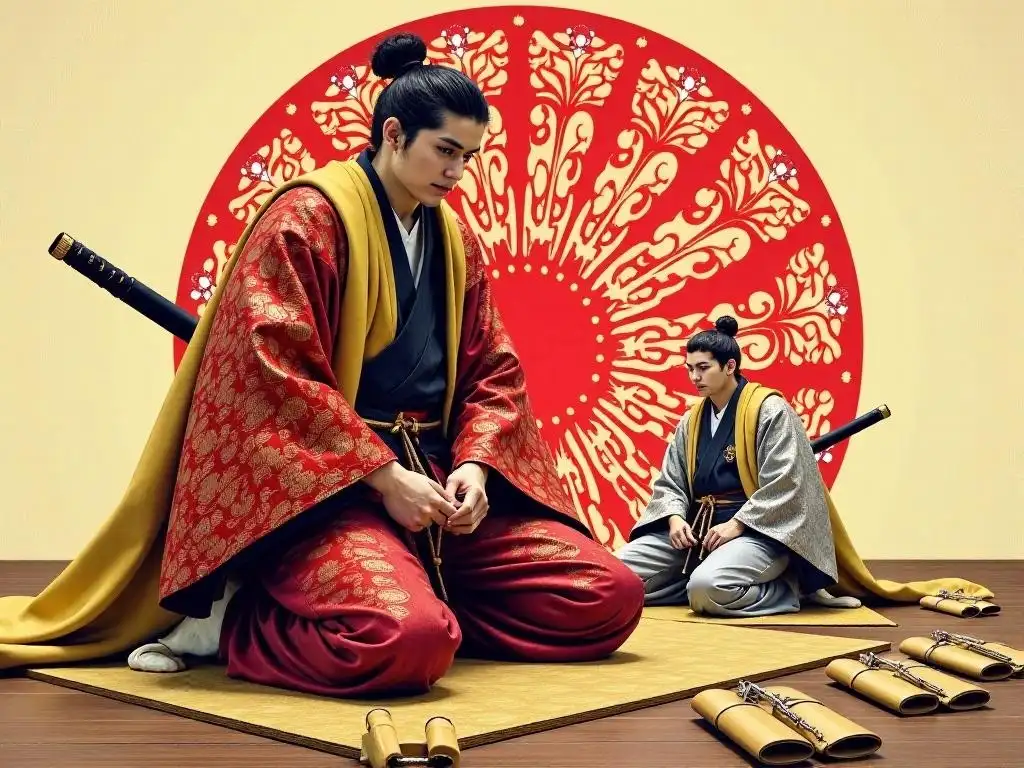
The evolution of martial arts in feudal Japan was deeply intertwined with technological advancements, shaping not only the techniques used but also the broader cultural landscape. The introduction of new weapons, armor, and training equipment transformed martial practices, leading to a shift in how martial arts were perceived and practiced. This transformation had profound cultural implications that rippled through Japanese society.
As martial arts became more sophisticated, they began to reflect the values and aesthetics of the samurai class. The adoption of advanced weaponry, such as the katana and yari, required not just physical skill but also a philosophical understanding of combat. This melding of technology and ideology fostered a culture that revered discipline, honor, and mastery. Schools of martial arts emerged, each emphasizing different aspects of these evolving techniques, contributing to a rich tapestry of cultural traditions that continue to influence modern martial arts.
Moreover, the technological advancements in training methods, such as the use of dummies and sparring partners, led to a more systematic approach to martial arts education. This shift allowed for the preservation and dissemination of techniques through structured lessons, ensuring that knowledge was passed down through generations. The cultural significance of martial arts grew, becoming a symbol of identity and resilience for the samurai and their communities.
Technology and Social Hierarchy in Feudal Japan
In feudal Japan, social hierarchy was rigidly defined, and technology played a significant role in reinforcing these social structures within the martial arts community. The samurai class, as the military nobility, had exclusive access to advanced martial technologies, which distinguished them from the peasantry. This access not only elevated their status but also created a divide in martial arts practice.
The elite samurai were able to afford superior weaponry and training facilities, which fostered a culture of exclusivity. Exceptional martial arts schools, often sponsored by feudal lords, developed advanced techniques that were generally unavailable to lower classes. Consequently, the technological advancements in martial arts served to consolidate power among the samurai, reinforcing their position as both warriors and governors in society.
Additionally, the integration of technology in martial arts training resulted in a stratification of skills among practitioners. Those who could afford the latest equipment and training methods would excel, while others remained limited to traditional practices. This dynamic further entrenched the social hierarchy, as martial prowess became a reflection of one’s societal standing and access to resources.
The Influence of Samurai Culture on Martial Arts Evolution
The samurai culture profoundly influenced the evolution of martial arts in feudal Japan, intertwining the concepts of honor, discipline, and loyalty with martial practices. As the samurai class rose to prominence, their code of conduct, known as Bushido, became an essential framework for martial training. This code emphasized not only physical skill but also moral integrity, shaping the way martial arts were taught and practiced.
The samurai's dedication to continuous self-improvement and mastery of their craft led to the development of sophisticated training regimens and the establishment of various martial arts schools. These institutions became centers of learning, where technology and philosophy coalesced. For instance, the integration of meditation and mental discipline into martial training underscored the importance of mental fortitude alongside physical prowess.
Moreover, the samurai's connection to technology, as seen in the development of specialized weapons and armor, directly influenced martial arts techniques. The design of the katana, for instance, not only enhanced cutting ability but also required practitioners to adapt their techniques accordingly. This symbiotic relationship between samurai culture and technological advancement facilitated the emergence of distinct martial arts styles, each reflecting the values and innovations of its time.
Case Studies of Martial Arts Schools and Their Technological Adaptations
The evolution of martial arts in feudal Japan is reflected in the practices of various schools, each adapting to technological changes and influencing the martial arts landscape. These schools not only integrated new technologies into their training but also innovated techniques that would become foundational in Japanese martial arts.
Notable Schools and Their Innovations
Several martial arts schools stand out for their technological adaptations and contributions to the evolution of martial arts in feudal Japan. One such school is the Tenshin Shoden Katori Shinto-ryu, one of the oldest and most traditional martial arts schools. It integrated various weaponry techniques, including the use of the naginata and bo staff, which were pivotal during the feudal era.
Another notable school is the Yagyu Shinkage-ryu, which is recognized for its strategic approach to swordsmanship. The school emphasized the use of the katana and incorporated innovations in footwork and positioning, allowing practitioners to exploit their opponents’ weaknesses effectively. Their teachings evolved alongside advancements in weapon technology, enhancing their techniques and ensuring their relevance in changing combat scenarios.
Furthermore, the Niten Ichi-ryu, founded by the legendary swordsman Miyamoto Musashi, exemplified the integration of technology in martial arts. Musashi's dual-wielding techniques, utilizing two swords simultaneously, represented a significant innovation that was influenced by the evolving nature of weaponry during his time. This adaptation showcased how martial arts were not static but rather dynamic, responding to technological advancements and battlefield requirements.
Comparative Analysis of Different Martial Arts Styles
The technological advancements in feudal Japan not only influenced individual schools but also led to the emergence of distinct martial arts styles, each characterized by specific techniques and philosophies. A comparative analysis reveals how these styles adapted to the technologies of their time.
For instance, the kenjutsu styles, which focused on the art of the sword, showcased a strong emphasis on precision and control, largely influenced by the development of the katana. In contrast, schools such as jujutsu emphasized grappling techniques, which were crucial in close combat scenarios, reflecting the practical needs of samurai warriors on the battlefield.
Moreover, the introduction of firearms during the late feudal period led to the rise of new martial arts styles, such as iaijutsu, which focused on drawing and cutting in one movement. This adaptation to the technological changes in warfare illustrates the responsiveness of martial arts to the shifting landscape of combat.
The evolution of martial arts in feudal Japan was a complex interplay of cultural, technological, and social factors, with schools adapting to innovations while shaping the identity and values of the samurai class. The legacy of these adaptations continues to influence martial arts practices today, underscoring the historical significance of technology in the martial arts evolution of feudal Japan.
Challenges and Limitations of Martial Arts Technology
The evolution of martial arts in feudal Japan was not solely a product of innovation; it faced numerous challenges and limitations that shaped its trajectory. These obstacles often stemmed from cultural norms, resistance to change, and the inherent nature of martial practices. While technology enabled new techniques and equipment, it also met skepticism and opposition from those who valued tradition over progress.
One significant challenge was the perception that technological advancements could dilute the essence of martial arts. Many practitioners believed that the true mastery of combat relied on rigorous training and discipline rather than relying on new tools or methods. This mindset often led to a reluctance to adopt innovations, as traditionalists feared that such changes would compromise the authenticity of their martial practice.
Additionally, the socio-political climate of feudal Japan played a role in limiting technological adoption. Various samurai clans operated under strict codes of conduct that emphasized honor and tradition. Any deviation from these established norms, including the embrace of new technology, could be viewed as dishonorable or reckless, further complicating the integration of martial arts technology into established practices.
Resistance to Change: Traditionalists vs. Innovators
The tension between traditionalists and innovators in martial arts during feudal Japan was palpable. Traditionalists, often elders or masters of established dojos, held a firm belief in the methods passed down through generations. They viewed martial arts as an art form steeped in historical context, and any technological advancement was seen as a threat to this legacy.
On the other hand, innovators recognized the potential of technology to enhance martial arts practices. They saw new weapons, armor, and training equipment as means to improve effectiveness and efficiency in combat. For instance, the introduction of improved forging techniques led to the creation of stronger blades, which could change the dynamics of swordsmanship. However, this innovation often faced backlash from traditionalists who believed that the essence of martial arts lay in mastering the fundamentals rather than relying on enhanced tools.
This ideological divide created a complex landscape for martial artists in feudal Japan. Many practitioners found themselves caught between the desire to honor tradition and the need to adapt to the evolving nature of warfare and combat. Ultimately, this struggle shaped the development of various martial arts styles, leading to a rich tapestry of practices that both honored the past and embraced the future.
The Balance Between Tradition and Modernization
Finding a balance between tradition and modernization was crucial in the evolution of martial arts in feudal Japan. As new technologies emerged, martial artists had to navigate the delicate interplay between respecting historical practices and integrating innovative techniques that could enhance their skills.
One approach that emerged was the concept of “kaizen”, a Japanese term meaning continuous improvement. Martial artists began to apply this philosophy by selectively adopting technological advancements that complemented traditional practices. For instance, while swordsmanship remained deeply rooted in historical techniques, the introduction of new training methods and equipment, such as padded armor for practice, allowed practitioners to refine their skills without compromising their foundational techniques.
Furthermore, the incorporation of technology did not mean abandoning the spiritual and philosophical aspects of martial arts. Many practitioners found ways to harmonize the two, ensuring that modernization did not erode the core values of discipline, respect, and honor that defined martial arts culture in feudal Japan. This balance allowed martial arts to evolve while still preserving the integrity of its historical roots, creating a dynamic practice that respected the past while preparing for the future.
Conclusion: The Lasting Legacy of Martial Arts Technology in Japan
The impact of technology on martial arts in feudal Japan is a testament to the adaptability and resilience of these practices. While challenges and limitations arose, the integration of technological advancements ultimately led to the evolution of martial arts, giving rise to new styles and techniques that continue to influence modern practices today.
Summary of Technology’s Impact on Martial Arts Evolution
Technology played a pivotal role in the evolution of martial arts throughout feudal Japan. Innovations in weaponry, training equipment, and techniques reshaped combat practices and influenced the way martial artists trained and fought. Despite the resistance from traditionalists, the successful integration of technology led to a richer, more diverse martial arts landscape that preserved core values while embracing progress.
Future Perspectives on Martial Arts and Technology
Looking ahead, the legacy of martial arts technology in feudal Japan continues to inform contemporary practices. As martial arts evolve in the modern era, the lessons learned from the past can guide practitioners in navigating the balance between tradition and innovation.
The future of martial arts will likely see further integration of technology, such as virtual training environments and advanced analytical tools, allowing martial artists to enhance their training experiences while still honoring the rich heritage of their discipline. The challenge will be to maintain the essence of martial arts while embracing the possibilities that technology presents, ensuring that the spirit of feudal Japan's martial arts remains alive and relevant for future generations.
- Introduction to Martial Arts Technology in Feudal Japan
- The Development of Martial Arts Techniques
- Key Technological Innovations in Feudal Japan
- The Role of Technology in Martial Arts Training
- Cultural Implications of Martial Arts Technology
- Case Studies of Martial Arts Schools and Their Technological Adaptations
- Challenges and Limitations of Martial Arts Technology
- Conclusion: The Lasting Legacy of Martial Arts Technology in Japan
- What role did technology play in the evolution of martial arts in feudal Japan?
- How did cultural aspects shape martial arts in feudal Japan?
- Were there specific technological advancements that changed martial arts in feudal Japan?
- How did the societal structure of feudal Japan affect martial arts development?
- What is the significance of martial arts technology in understanding feudal Japan?
Frequently Asked Questions
What role did technology play in the evolution of martial arts in feudal Japan?
Technology significantly influenced the development of martial arts by introducing new weapons and armor, enhancing combat techniques and strategies throughout the feudal era.
How did cultural aspects shape martial arts in feudal Japan?
The cultural context, including values such as honor and discipline, profoundly impacted martial arts practices, fostering a unique blend of spirituality and physicality.
Were there specific technological advancements that changed martial arts in feudal Japan?
Yes, advancements such as the katana and improvements in training equipment enabled more effective techniques and training methods, revolutionizing martial arts.
How did the societal structure of feudal Japan affect martial arts development?
The societal structure, with its emphasis on samurai status and military prowess, created a competitive environment where martial arts were essential for social mobility and prestige.
What is the significance of martial arts technology in understanding feudal Japan?
Studying martial arts technology provides insights into the military strategies, cultural values, and social dynamics of feudal Japan, highlighting its importance in both history and culture.
Final Reflection: Embracing the Legacy of Martial Arts Technology in Feudal Japan
The evolution of martial arts technology in feudal Japan is not just a historical narrative; it is a testament to the resilience and adaptability of human spirit. As we explore the intricate relationship between technology and martial arts, we uncover how these innovations shaped not only combat techniques but also the very culture of Japan. Today, this topic resonates deeply as we witness the ongoing integration of technology in various aspects of our lives, reminding us that progress is often rooted in the past.
The influence of martial arts technology extends far beyond the dojo; it has woven itself into the fabric of Japanese identity and cultural heritage. The innovations of feudal Japan laid the groundwork for modern martial arts, fostering a sense of discipline, respect, and community that continues to thrive today. As we reflect on this legacy, we are reminded of the words of Miyamoto Musashi: The ultimate aim of martial arts is not having to use them.
This encapsulates the essence of martial arts as a way of life, emphasizing the importance of wisdom and self-control over mere physical prowess.
As we move forward, I invite you to reflect on how the lessons from feudal Japan's martial arts technology can be applied in your own life. Consider how you can embrace innovation while honoring tradition, whether in your personal pursuits or professional endeavors. Let the spirit of adaptability and respect for heritage guide you as you navigate the complexities of the modern world, ensuring that the wisdom of the past informs your journey into the future.
Unveil the Future of Martial Arts in Feudal Japan!
Thank you for exploring the fascinating intersection of technology and martial arts in Feudal Japan! You’ve gained valuable insights into how innovation shaped these ancient practices and the warriors who practiced them. Now, let's take the next step together!
Here are some actions you can take to further enrich your understanding and involvement with this incredible history:
- Explore specific martial arts techniques that were influenced by technological advancements. Consider researching a particular style or weapon to see how it evolved over time.
- Share your newfound knowledge with friends or on social media. Engaging in discussions can spark deeper conversations and foster greater interest!
- Join a local martial arts class or connect with an online community focused on historical martial arts—experience the tradition firsthand!
What aspect of technology's influence on martial arts do you find most intriguing, and how do you think it continues to shape modern practices? We’d love to hear your thoughts!