
The Adaptation of Martial Arts During the Edo Period

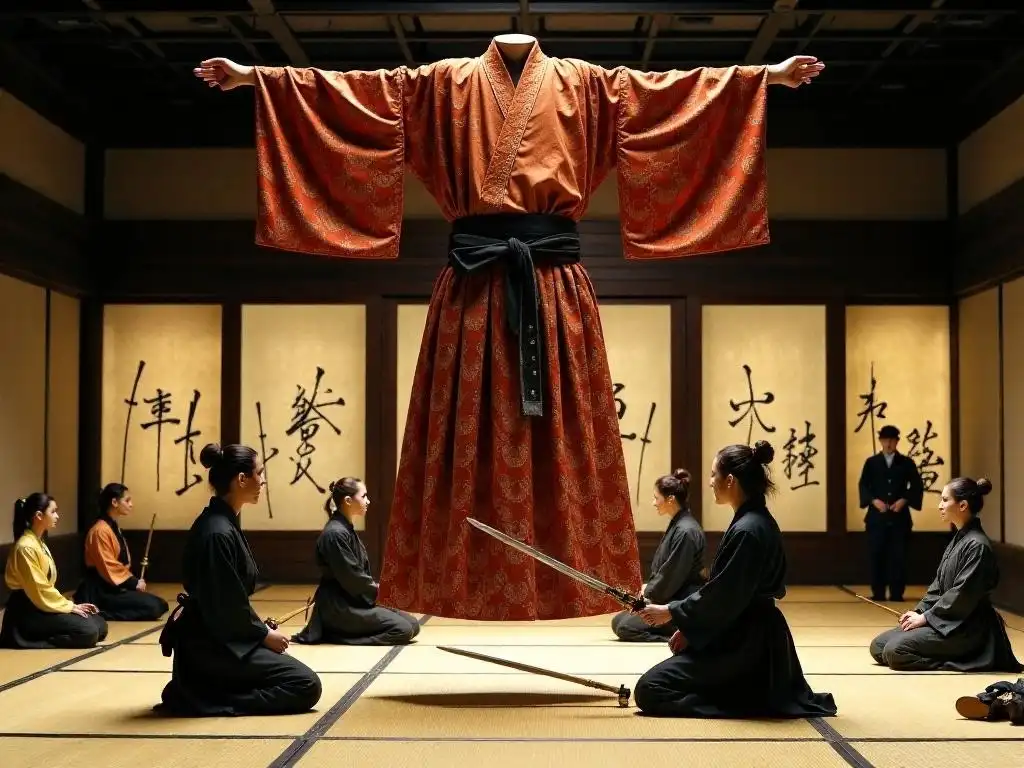
Welcome to Feudal Japan History, where we embark on a captivating journey through the intricate tapestry of Japan’s feudal era. Dive into the fascinating evolution of Edo period martial arts—a transformative chapter that not only shaped combat techniques but also influenced cultural identity and societal norms. Discover how these martial arts adapted to the shifting tides of peace and conflict, and uncover the stories of the masters who wielded them with unparalleled skill. Are you ready to explore the depths of history that forged a warrior's path in this unique period? Let the exploration begin!
Introduction to the Edo Period Martial Arts Evolution
The Edo period, which spanned from 1603 to 1868, marked a significant transformation in Japan's martial arts landscape. This era, characterized by a long-lasting peace under the Tokugawa Shogunate, saw a shift from martial practices primarily focused on warfare to those emphasizing discipline, technique, and cultural expression.
As samurai warriors transitioned from battlefield engagements to roles as bureaucrats and educators, the evolution of martial arts became a reflection of broader societal changes. The development of various schools and styles during this time not only preserved traditional techniques but also incorporated new philosophies and practices, laying the groundwork for modern martial arts.
Historical Context of Martial Arts in the Edo Period
Overview of the Edo Period (1603-1868)
The Edo period, named after the city of Edo (modern-day Tokyo), was a time of relative stability in Japan, following centuries of civil strife. Under the Tokugawa Shogunate, the country experienced a profound transformation in its political, social, and economic structures. The strict social hierarchy and peace fostered a unique environment for the arts and culture to flourish.
- Key features of the Edo period include:
- Political Stability: The Tokugawa Shogunate established a centralized government, reducing the power of regional daimyos.
- Cultural Flourishing: The period saw the rise of literature, theater, and visual arts, influencing the practice of martial arts.
- Urbanization: Growth of cities led to increased accessibility of martial arts training for the samurai and the common populace.
Significance of Martial Arts in Feudal Japan
In feudal Japan, martial arts were not merely combat skills; they served as vital elements of samurai culture and identity. The training in martial arts was seen as a way to cultivate virtues such as discipline, respect, and honor.
- Martial arts during this time contributed to:
- Warrior Code (Bushido): Emphasizing moral and ethical conduct among samurai.
- Physical Conditioning: Enhancing fitness and readiness for potential conflicts, even in peaceful times.
- Cultural Identity: Establishing a sense of community and tradition among practitioners.
Historical Context of Martial Arts in the Edo Period
Transition from Warfare to Peace
The shift from a militaristic society to one of peace drastically influenced the evolution of martial arts. As the necessity for battlefield skills diminished, martial arts began to focus more on self-discipline and personal development.
- Key changes during this transition included:
- Emphasis on Kata: Practicing predetermined forms became central to training, reflecting the need for precision and control rather than combat effectiveness.
- Philosophical Integration: The incorporation of Zen Buddhism and Confucian ideals into training, promoting mental focus and moral development.
Influence of the Tokugawa Shogunate on Martial Practices
The Tokugawa Shogunate played a crucial role in shaping martial arts during the Edo period. The shogunate's policies fostered a structured environment in which martial arts could develop in unique ways.
- Influential factors included:
- Regulation of Training: The government established guidelines for martial arts schools, ensuring a level of standardization and quality.
- Cultural Exchange: Increased interaction among different regions and schools led to the blending of techniques and philosophies, diversifying martial arts across Japan.
The Edo period was a time of profound change for martial arts in Japan. The adaptation from the battlefield to the dojo not only preserved these ancient practices but also enriched them, creating a legacy that continues to influence martial arts today.
Major Schools and Styles of Martial Arts During the Edo Period
The Edo period (1603-1868) marked a significant transformation in Japanese martial arts, characterized by the establishment of various schools and styles. This era, dominated by the Tokugawa shogunate, fostered a relatively peaceful environment, which shifted the focus from battlefield techniques to personal development, discipline, and the perfection of form. As a result, martial arts became more than just methods of combat; they evolved into a comprehensive system of training that emphasized mental and spiritual growth alongside physical prowess. Some of the most prominent martial arts styles that emerged or flourished during this period include Kenjutsu, Iaijutsu, Sojutsu, and Naginatajutsu.
Kenjutsu: The Way of the Sword
Kenjutsu, the art of the sword, was perhaps the most iconic martial art of the Edo period. It encompasses the techniques and philosophies of swordsmanship, primarily using the katana. Various schools emerged, each promoting its own interpretation of techniques and strategies. The most notable among these schools include the Katori Shinto-ryu, Itto-ryu, and Yagyu Shinkage-ryu.
Training in Kenjutsu often included kata (pre-arranged forms) to teach practitioners the fundamentals of movement, timing, and distance. The practice was not only about physical skills but also about cultivating the mind. Samurai engaged in rigorous training to prepare themselves for potential duels, which were a common occurrence during this period. The art of Kenjutsu was instrumental in shaping the samurai's identity and served as a means of self-discipline and moral development.
Iaijutsu: The Art of Quick Drawing
Iaijutsu, the art of drawing the sword, is a specialized form of Kenjutsu focused on the quick draw and cut from a sheathed position. This martial art became increasingly relevant during the Edo period, where sudden confrontations were common, and the ability to respond swiftly was essential.
Practitioners of Iaijutsu trained to develop speed, precision, and awareness. The training often involved solo practice through kata, where students would learn to draw and cut effectively in one fluid motion. Various schools, such as the Niten Ichi-ryu founded by the legendary swordsman Miyamoto Musashi, contributed to the evolution of Iaijutsu, emphasizing the importance of timing and mental readiness. As the Edo period progressed, Iaijutsu also laid the groundwork for the more modern practice of Iaido, which focuses on the meditative aspects of drawing the sword.
Sojutsu: The Spear Techniques
Sojutsu, or the art of the spear, played a vital role in the martial arts landscape of the Edo period. Though the spear was less commonly used in samurai combat compared to the sword, it remained an essential weapon in the arsenal of the warrior. Various schools of Sojutsu emerged, emphasizing different techniques and strategies for using this versatile weapon.
Training in Sojutsu involved mastering thrusting, sweeping, and defensive maneuvers. The lengthy reach of the spear allowed practitioners to maintain distance from opponents, making it a valuable skill for battlefield engagements and dueling scenarios. Schools such as the Hokushin Itto-ryu were notable for their contributions to spear techniques, often integrating them with other martial art forms. The evolution of Sojutsu during the Edo period reflects the adaptability of samurai martial arts to changing combat scenarios.
Naginatajutsu: The Art of the Naginata
Naginatajutsu, the art of wielding the naginata, a traditional Japanese weapon resembling a polearm with a curved blade, gained prominence during the Edo period. This martial art was initially developed for use by foot soldiers and women, but it evolved into a sophisticated discipline practiced by samurai and martial artists alike.
Training in naginatjutsu emphasized fluid motion, footwork, and the combination of sweeping and thrusting techniques. Practitioners learned to harness the weapon's reach and leverage, making it effective against armored opponents. Notable schools such as the Tenshin Shoden Katori Shinto-ryu incorporated naginata techniques into their broader curriculum. Naginatajutsu not only served as a means of physical training but also played a role in shaping cultural identity, especially among women, as it provided a means of empowerment and self-defense.
Cultural Factors Influencing Martial Arts Evolution
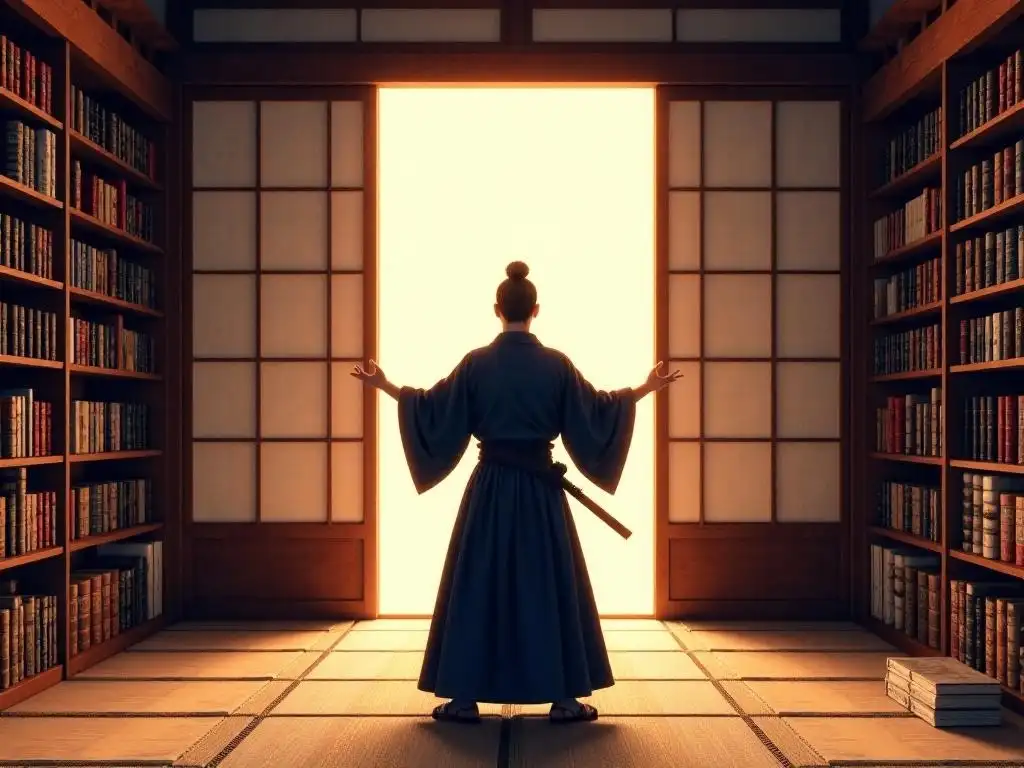
The evolution of martial arts during the Edo period was not solely influenced by combat needs but was deeply intertwined with cultural factors that shaped society at large. The role of the samurai, the principles of Bushido, and the impact of Zen Buddhism all contributed to the martial arts landscape, fostering an environment of discipline, respect, and personal growth.
The Role of Samurai in Society
During the Edo period, samurai held a unique position in Japanese society, serving as the ruling military class and embodying the ideals of honor, loyalty, and discipline. As peace reigned, the samurai adapted their martial practices to fit a society where warfare was less frequent. This shift allowed them to focus on self-cultivation, education, and the arts, including poetry, calligraphy, and tea ceremonies.
Martial arts training became a crucial component of a samurai's education, blending physical skills with ethical and philosophical teachings. The samurai's dual role as both warriors and scholars influenced the development of martial arts, leading to a focus on the mental aspects of training, such as concentration, strategy, and the mastery of one's emotions.
Bushido: The Code of the Warrior
Bushido, often referred to as the "Way of the Warrior," encapsulated the ethical framework and moral code that guided the samurai class during the Edo period. This code emphasized virtues such as honor, courage, loyalty, and self-discipline, directly influencing martial arts training and philosophy.
Practitioners of martial arts were expected to embody the principles of Bushido, integrating them into their training and daily lives. This connection between martial arts and ethical conduct fostered a sense of purpose and responsibility among samurai. As a result, martial arts became a means of not only physical development but also moral and spiritual growth, reinforcing the idea that true mastery is achieved through a harmonious balance of body and mind.
Zen Buddhism and Its Impact on Martial Arts Training
The influence of Zen Buddhism on martial arts during the Edo period is profound and multifaceted. Zen principles, such as mindfulness, meditation, and the pursuit of inner peace, permeated martial arts training, emphasizing the importance of mental clarity and focus.
Martial artists began to incorporate Zen practices into their routines, using meditation to cultivate awareness and calmness in the face of adversity. This integration of Zen philosophy led to a deeper understanding of the self and the development of a more profound connection between the practitioner and their martial art. Schools that embraced Zen teachings often focused on kata as a form of meditative practice, allowing students to refine their techniques while fostering a state of tranquility.
The influence of Zen Buddhism on martial arts during the Edo period ultimately contributed to the evolution of martial arts into a holistic discipline, where physical skills were inextricably linked to mental and spiritual development.
Changes in Training and Techniques
The Edo period (1603-1868) marked a significant transformation in martial arts, characterized by a shift from battlefield combat to more structured forms of training. This era saw a focus on formalized techniques and methodologies, largely due to the relative peace established by the Tokugawa shogunate. Consequently, martial arts evolved from being purely practical applications of warfare to more systematic schools of thought and practice.
Formalization of Martial Arts Schools (Koryu)
During the Edo period, many martial arts schools, known as koryu, emerged, each with its own distinct style and philosophy. These schools codified techniques, created comprehensive curricula, and often established formal dojos, where students could learn and practice. The establishment of koryu allowed for the preservation of various martial arts forms, which were often influenced by the samurai class's need to maintain their skills in a time of peace. Prominent examples include the Yagyu Shinkage-ryu and Kashima Shinto-ryu, which not only taught physical techniques but also integrated elements of strategy and ethics.
Development of Sparring and Kata
Training during the Edo period placed a strong emphasis on kata, which are pre-arranged forms or patterns of movement that simulate combat scenarios. These kata allowed practitioners to refine their techniques in a controlled environment. Sparring, or jiyu kumite, became more prevalent as a method to apply kata in a more dynamic setting, fostering adaptability and reflexes. The structured nature of kata and sparring not only enhanced physical skills but also encouraged mental discipline, as practitioners had to focus on precision and timing.
Integration of Philosophy and Ethics in Training
The Edo period also witnessed the integration of philosophical and ethical teachings into martial arts training. Influenced by Zen Buddhism and Confucian ideals, martial arts practitioners began to explore concepts such as self-discipline, respect, and the moral implications of using martial skills. This philosophical approach encouraged students to view martial arts not merely as a means of combat but as a path to personal development and enlightenment. The training environment became a space for cultivating virtues like humility, patience, and honor, which were essential for the samurai ethos.
The Role of Martial Arts in Edo Period Society
Martial arts played a multifaceted role in Edo period society, transcending their original military purposes to become integral to cultural and social life.
Martial Arts as a Means of Self-Defense
As the threat of warfare diminished, many citizens turned to martial arts as a means of self-defense and personal empowerment. Training in martial arts provided individuals with the skills necessary to protect themselves and their families in an increasingly urbanized society. With the rise of crime in cities, knowledge of martial arts became a valuable asset, leading to a greater acceptance of martial arts training among the general populace, not just the samurai class.
Martial Arts and Entertainment: Festivals and Competitions
Martial arts also became a source of entertainment during the Edo period, with festivals and competitions drawing large crowds. Events like sumo wrestling and kenjutsu tournaments offered a platform for practitioners to showcase their skills, fostering a sense of community and camaraderie among spectators and competitors alike. These events were often imbued with a festive atmosphere, celebrating the artistry and athleticism of martial artists. This shift towards public performance helped to popularize martial arts and solidify their place in Japanese culture.
The Preservation of Martial Arts as Cultural Heritage
As the Edo period progressed, the formalization and popularization of martial arts contributed to their preservation as a vital aspect of Japanese cultural heritage. The establishment of schools, written texts, and transmission of techniques from master to student ensured that martial arts were not lost to the passage of time.
This cultural significance was recognized even beyond the samurai class, as martial arts became intertwined with Japanese identity, influencing not only military practices but also art, literature, and philosophy. The legacy of this period laid the groundwork for the modern martial arts we see today, underscoring the importance of preserving these traditions for future generations.
Conclusion: The Legacy of Edo Period Martial Arts Evolution
The Edo period, spanning from 1603 to 1868, was a transformative era for martial arts in Japan. It marked a significant shift where the focus transitioned from battlefield combat to self-discipline, personal development, and the preservation of cultural heritage. The evolution of martial arts during this time established a framework that influenced not only the techniques and philosophies of various fighting styles but also the social fabric of Japanese society.
As the samurai class adapted to a time of peace, martial arts became a means of cultivating virtues such as respect, honor, and perseverance. This adaptation ensured that martial arts were not merely tools for warfare but also avenues for personal growth and community engagement. The schools and styles that emerged during the Edo period laid the groundwork for modern practices, emphasizing not just physical prowess but also mental discipline and ethical conduct.
Lasting Impact on Modern Japanese Martial Arts
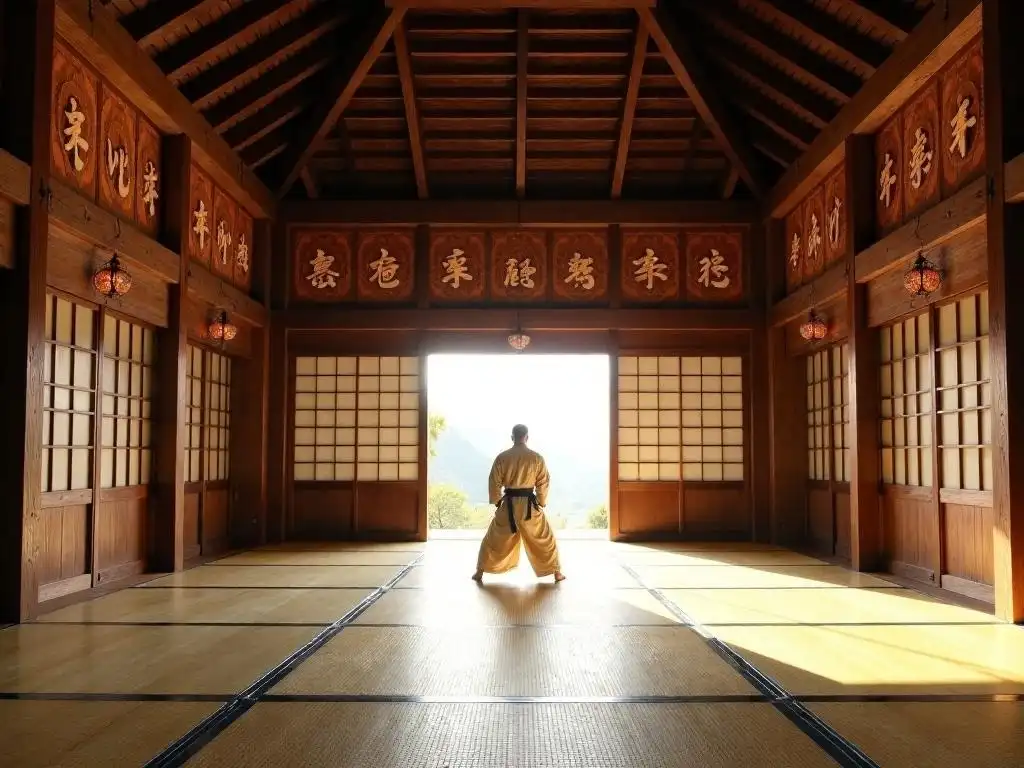
The influence of the Edo period on contemporary Japanese martial arts is profound. Many of the traditional schools, or "koryu," that were established during this time still exist today, continuing to pass down techniques and philosophies. For instance, styles such as Kendo, Aikido, and Judo can trace their roots back to the principles developed during the Edo period.
- Techniques and Philosophy: The techniques honed during the Edo period have been preserved and adapted to fit modern contexts. The philosophical underpinnings, emphasizing respect for opponents and the importance of discipline, are fundamental to training in modern martial arts.
- Cultural Integration: Martial arts have become an integral part of Japanese culture, often incorporated into education and community activities. The legacy of the Edo period has ensured that martial arts maintain their significance in Japanese society, promoting health, discipline, and cultural pride.
- Global Influence: The evolution of martial arts during this era has also had a substantial influence on international practices. As Japanese martial arts gained popularity worldwide, they brought with them the values and techniques developed during the Edo period, contributing to a global appreciation for these art forms.
Reflection on the Edo Period's Influence on Global Martial Arts
The adaptation of martial arts during the Edo period has not only shaped Japan's internal practices but also significantly impacted the global martial arts community. As Japanese martial arts spread across the world, they introduced unique philosophies and techniques that have influenced a wide range of disciplines.
- Cultural Exchange: The dissemination of martial arts from Japan to other countries has led to a rich exchange of ideas, resulting in the fusion of Eastern and Western techniques. This cross-cultural dialogue has enriched the practice of martial arts globally.
- Modern Sports and Self-Defense: Many modern sports, including mixed martial arts (MMA), have been influenced by the principles and techniques derived from Edo period martial arts. The focus on strategy, agility, and mental fortitude can be traced back to the training methodologies of this era.
- Philosophical Teachings: The ethical teachings and philosophies originating from the Edo period continue to resonate with practitioners worldwide. Concepts such as "bu" (martial spirit) and "wa" (harmony) are not only applicable to martial arts but also to personal development and conflict resolution in various aspects of life.
References and Further Reading on Edo Period Martial Arts Evolution
Suggested Books on Japanese Martial Arts
-
"The Art of Japanese Swordsmanship" by Donn F. Draeger
This book explores the techniques and philosophies of traditional Japanese swordsmanship, tracing its evolution through various historical periods, including the Edo period.
-
"A History of Japanese Martial Arts: From the Samurai to the Modern Day" by David A. Hall
This comprehensive guide provides an overview of the development of martial arts in Japan, highlighting key figures, schools, and philosophies that emerged during the Edo period.
-
"The Mind of the Martial Artist" by Tetsuzan Kuroda
This book delves into the mental aspects of martial arts, reflecting on how the teachings from the Edo period influence modern practitioners.
Online Resources for Martial Arts History
-
Japan Martial Arts History
A dedicated website offering articles, timelines, and resources detailing the history and evolution of martial arts in Japan, with a focus on the Edo period's contributions.
-
Martial Arts Studies
An online journal that publishes scholarly articles and research findings related to the history and cultural significance of martial arts, including studies focusing on the Edo period.
-
YouTube Channels
Many martial arts experts and historians share insights on the evolution of martial arts through video content, providing demonstrations and discussions on techniques rooted in the Edo period. Searching for channels dedicated to historical martial arts can yield valuable visual resources.
- Introduction to the Edo Period Martial Arts Evolution
- Historical Context of Martial Arts in the Edo Period
- Historical Context of Martial Arts in the Edo Period
- Major Schools and Styles of Martial Arts During the Edo Period
- Cultural Factors Influencing Martial Arts Evolution
- Changes in Training and Techniques
- The Role of Martial Arts in Edo Period Society
- Conclusion: The Legacy of Edo Period Martial Arts Evolution
- Lasting Impact on Modern Japanese Martial Arts
- Reflection on the Edo Period's Influence on Global Martial Arts
- References and Further Reading on Edo Period Martial Arts Evolution
- What was the Edo period known for in terms of martial arts?
- How did martial arts adapt during the Edo period?
- What are some popular martial arts styles that emerged during the Edo period?
- Did the Edo period influence modern martial arts in Japan?
- How did societal changes impact the evolution of martial arts during this time?
Frequently Asked Questions
What was the Edo period known for in terms of martial arts?
The Edo period (1603-1868) was a time of peace and stability in Japan, which allowed martial arts to evolve from battlefield techniques to forms of self-discipline and sport.
How did martial arts adapt during the Edo period?
Martial arts adapted by focusing on kata practice, emphasizing technique and form over actual combat, and incorporating elements of philosophy and art into training.
What are some popular martial arts styles that emerged during the Edo period?
Styles such as Kendo, Judo, and Iaido gained prominence, each reflecting the cultural values of the time, including discipline, respect, and self-improvement.
Did the Edo period influence modern martial arts in Japan?
Yes, the Edo period laid the groundwork for modern martial arts, establishing practices and philosophies that are still prevalent in today's training methods and competitions.
How did societal changes impact the evolution of martial arts during this time?
The social structure of the Edo period encouraged the development of martial arts as a means of cultural expression and personal growth, rather than solely for warfare, shaping its future trajectory.
Final Reflection: The Evolution of Edo Period Martial Arts and Its Lasting Legacy
The evolution of martial arts during the Edo period is not merely a historical curiosity; it serves as a profound reminder of how cultural practices adapt and thrive in response to societal changes. The intricate transformations that martial arts underwent during this era reflect the resilience and creativity of practitioners who navigated a landscape of peace and stability, ultimately shaping the martial arts we know today. This evolution is a testament to the enduring spirit of human innovation in the face of shifting circumstances.
The influence of Edo period martial arts extends far beyond its historical context, permeating modern culture and shaping contemporary martial arts practices. Today, we see the echoes of this evolution in various forms, from traditional dojo practices to competitive sports. The adaptability and philosophical depth of these martial arts continue to inspire practitioners worldwide. Martial arts are not just about fighting; they are about self-discovery and personal growth.
This sentiment encapsulates the ongoing relevance of the lessons learned during the Edo period, reminding us that martial arts are as much about the journey within as they are about physical prowess.
As we reflect on the rich legacy of Edo period martial arts, I invite you to consider how these lessons of adaptability and resilience can be applied in your own life. Embrace the challenges you face, and let them shape you into a stronger, more versatile individual. Whether through martial arts or any other endeavor, remember that growth often comes from navigating change. Take a moment to reflect on your own journey and how you can embody the spirit of evolution that defined this remarkable period in history.
Unveil the Legacy of Edo Martial Arts!
Thank you for diving into the fascinating world of martial arts during the Edo Period! Your interest in this rich history reveals the resilience and creativity of martial traditions that shape today's practices. Now, it’s time to take that curiosity further and connect with this legacy in practical ways.
Here are some empowering actions you can take:
- Join a local martial arts dojo that specializes in styles rooted in the Edo Period. Engage with instructors who can share authentic techniques and philosophies.
- Explore historical texts and documentaries that delve into the techniques and stories from this era. Discover more about the evolution of martial arts through various perspectives.
- Share your insights! Initiate a conversation in forums or social media groups dedicated to martial arts or Japanese history.
Which aspect of Edo martial arts inspires you the most to explore further?