
How Feudal Conflicts Influenced Martial Arts Techniques

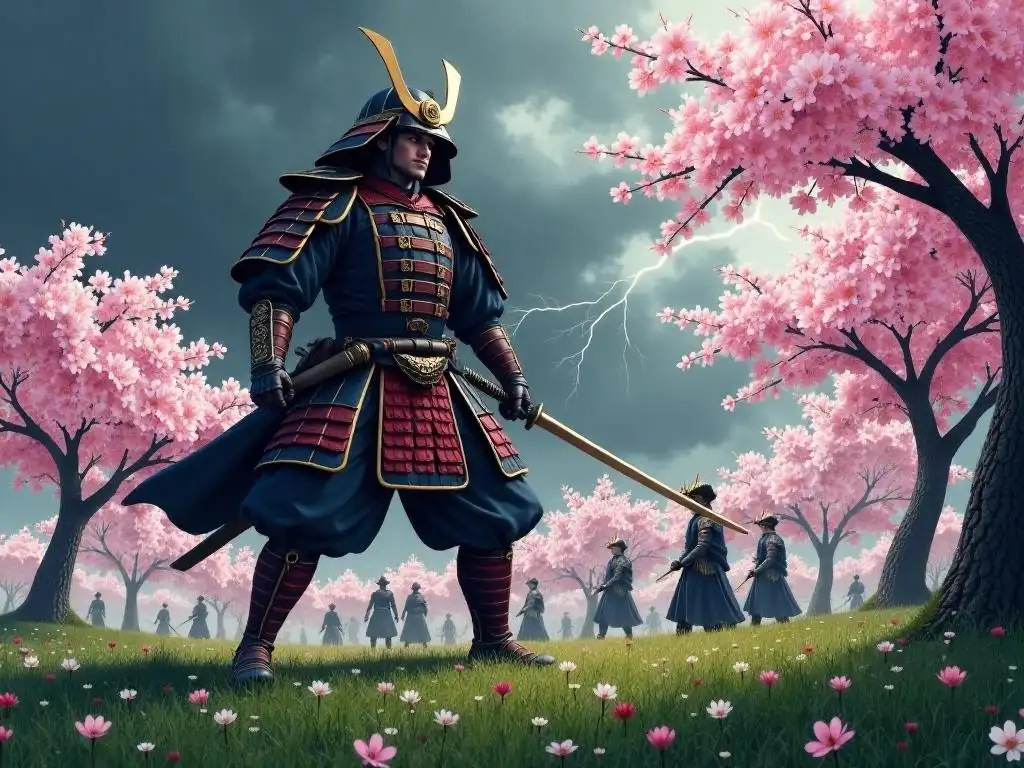
Welcome to Feudal Japan History, where we embark on a captivating journey through the intricate tapestry of Japan’s feudal era. Here, we delve into the feudal conflicts that shaped martial arts techniques, revealing how historical battles influenced the evolution of these ancient practices. As you explore our expert-driven articles, you'll uncover the rich cultural and societal nuances that defined a pivotal time in Japan's past. Get ready to ignite your curiosity and deepen your understanding of this fascinating period—your adventure into the heart of feudal Japan begins now!
- Introduction to Feudal Conflicts and Martial Arts Techniques
- The Nature of Feudal Conflicts in Japan
- Evolution of Martial Arts Techniques During Feudal Conflicts
- Major Martial Arts Schools Emerging from Feudal Conflicts
- The Influence of Strategy and Tactics on Martial Arts Techniques
- Case Studies of Notable Feudal Conflicts and Their Impact on Martial Arts
- The Legacy of Feudal Conflicts in Modern Martial Arts
- Conclusion: The Enduring Influence of Feudal Conflicts on Martial Arts Techniques
-
Frequently Asked Questions
- What were the primary feudal conflicts in Japan that influenced martial arts?
- How did martial arts evolve due to the societal changes in feudal Japan?
- Are there specific martial arts techniques that originated from these conflicts?
- How did the role of the samurai impact martial arts development?
- What is the significance of training in martial arts during the feudal era?
- Final Reflection: The Enduring Legacy of Feudal Conflicts in Martial Arts Techniques
- Unleash Your Inner Warrior: Dive Deeper into Martial Arts!
Introduction to Feudal Conflicts and Martial Arts Techniques
The feudal era of Japan, spanning from the late 12th century to the mid-19th century, was a transformative period marked by social hierarchies, territorial disputes, and the rise of the samurai class. This complex historical backdrop laid the foundation for various martial arts techniques that evolved in response to the conflicts and challenges of the time.
Understanding how these feudal conflicts shaped martial arts is essential for appreciating the depth of Japan's military history and the cultural significance of its fighting styles. In this article, we will explore the interplay between feudal conflicts and martial arts techniques, examining how historical events influenced the development of combat strategies and practices that are still revered today.
Overview of Feudal Japan's Historical Context
Feudal Japan was characterized by a decentralized political structure where power was held by regional lords known as daimyōs. These lords maintained their authority through a system of vassalage, where samurai warriors pledged loyalty in exchange for land and protection. The period was rife with conflict, from the Genpei War (1180-1185) that established the Kamakura shogunate to the internal struggles of the Sengoku period (1467-1603), often referred to as the "Warring States" period.
- Key events influencing martial arts:
- Genpei War: This conflict not only determined the ruling shogunate but also led to the development of new military tactics.
- Sengoku Period: The constant warfare during this time necessitated innovations in weaponry and combat techniques, significantly influencing martial arts.
The evolution of martial arts during this era was not a mere reflection of physical combat; it was deeply intertwined with the social, political, and cultural fabric of feudal Japan. As samurai sought to refine their skills, various schools of martial arts emerged, each with distinct philosophies and techniques tailored to meet the demands of their times.
Importance of Martial Arts in Feudal Society
Martial arts in feudal Japan transcended mere fighting techniques; they were integral to the samurai's identity and code of conduct. The principles of bushidō, or "the way of the warrior," emphasized honor, discipline, and mastery of combat skills. As such, martial arts training was seen not only as preparation for battle but also as a means of personal development and spiritual growth.
- Cultural significance of martial arts:
- Training as a rite of passage: For many samurai, mastering martial arts was essential to gaining respect and recognition within their clans.
- Philosophical teachings: Many martial arts schools incorporated Zen Buddhist principles, promoting mindfulness and meditation alongside physical training.
The intricate relationship between feudal conflicts and martial arts techniques highlights how the challenges of warfare shaped the practices that are now cherished traditions. By understanding this dynamic, we gain insight into the evolution of martial arts and their lasting impact on Japanese culture and society.
The Nature of Feudal Conflicts in Japan
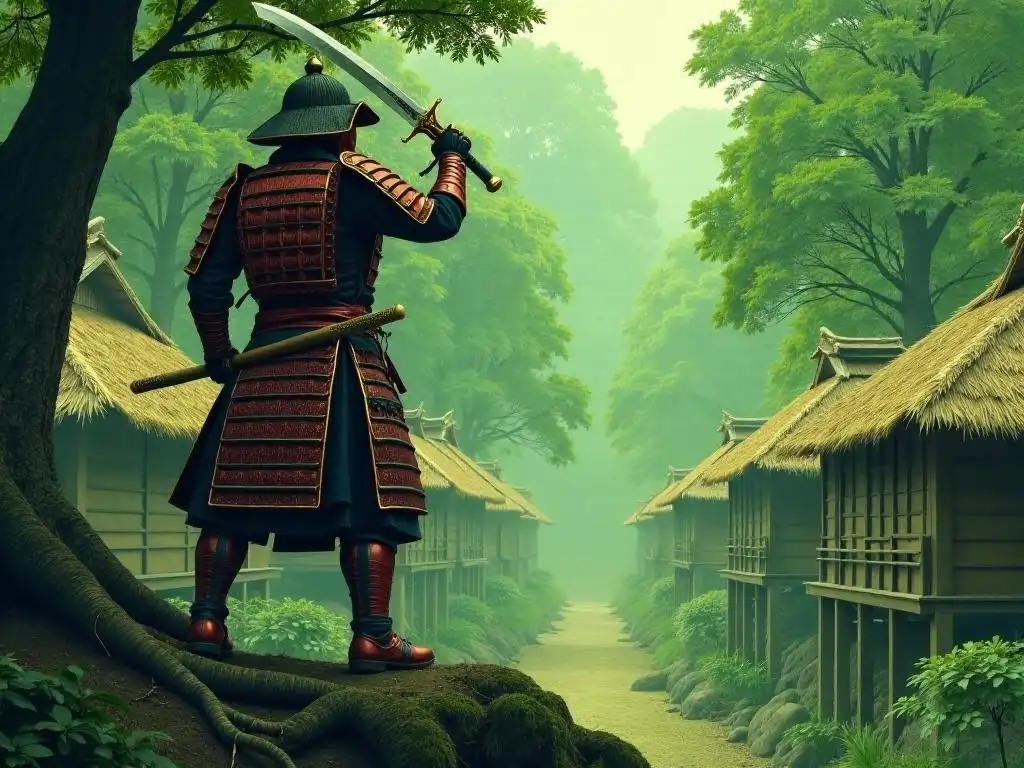
The feudal era in Japan, spanning from the late 12th century to the early 17th century, was marked by a series of conflicts that fundamentally shaped the nation’s martial arts techniques. These feudal conflicts were not just mere skirmishes; they were complex battles driven by power struggles among samurai clans, shifting allegiances, and the quest for territorial control. The intricate relationship between warfare and martial arts is deeply rooted in this tumultuous period, as each conflict necessitated the evolution of combat techniques to adapt to new challenges posed by rival factions.
Martial arts during feudal Japan were heavily influenced by the need for effective techniques in real combat scenarios. The samurai, as the warrior class, developed various fighting styles that were not only practical but also reflected their social and cultural identities. The pressures of feudal conflicts led to innovations in weaponry and tactics, which were then incorporated into martial arts training, creating a dynamic interplay between conflict and technique.
Key Feudal Wars and Their Impact
The feudal conflicts that defined this era included significant wars such as the Genpei War (1180-1185), the Nanboku-chō Wars (1336-1392), and the Sengoku period (1467-1603). Each of these wars brought distinct changes to martial arts techniques and philosophies.
- Genpei War: This conflict between the Taira and Minamoto clans marked the rise of the samurai class and led to the establishment of the Kamakura shogunate. The need for strategy and tactics during this war gave rise to the development of Kenjutsu, the art of swordsmanship, which became integral to samurai training.
- Nanboku-chō Wars: The struggle between the Northern and Southern courts highlighted the importance of archery and mounted combat. Techniques such as Kyujutsu (archery) gained prominence, as warriors needed to be proficient in swift, responsive combat on horseback.
- Sengoku Period: Known as the "Warring States" period, this time saw the proliferation of various martial arts schools as clans vied for control. The chaos prompted innovations in Naginatajutsu (the art of the naginata) and Sojutsu (spear fighting), reflecting the need for flexible techniques that could adapt to changing battlefield conditions.
Each of these conflicts not only shaped military strategies but also influenced the philosophical underpinnings of martial arts, embedding principles of discipline, honor, and strategy into their core teachings.
The social hierarchy of feudal Japan played a crucial role in the dynamics of warfare and the evolution of martial arts. At the top were the shoguns and daimyos, who commanded large armies of samurai, followed by the lower-ranking samurai and ashigaru (foot soldiers). This stratified society dictated the training and techniques utilized in combat.
- Samurai Training: The samurai were trained from a young age in various martial arts, which were adapted to their roles on the battlefield. Their training emphasized not just physical prowess, but also mental discipline and strategy, as they were expected to embody the bushido code.
- Role of Ashigaru: The ashigaru, who were often conscripted peasants, had different martial training focused on mass infantry tactics, including the use of weapons like spears and pikes. This shift necessitated the development of techniques that could be utilized effectively by less trained soldiers.
- Influence of Zen Buddhism: The philosophical underpinnings of martial arts were also shaped by Zen Buddhism, which became increasingly influential among the samurai. Techniques of mindfulness and concentration found their way into martial arts practices, emphasizing the mental aspects of combat.
The feudal conflicts of Japan were instrumental in shaping martial arts techniques, as each war brought about changes in strategy, weaponry, and training. The social hierarchy further influenced these developments, creating a complex interplay between society, warfare, and the evolution of martial arts that continues to resonate in modern practices today.
Evolution of Martial Arts Techniques During Feudal Conflicts
Early Martial Arts Forms Influenced by Warfare
The evolution of martial arts in Japan can be traced back to the early practices of self-defense and combat techniques that were heavily influenced by the feudal conflicts of the time. As samurai warriors emerged as the ruling class, the need for effective combat techniques became paramount.
Key Influences on Early Martial Arts
- Military Necessity: The constant warfare during the Heian (794-1185) and Kamakura (1185-1333) periods led to the development of various martial arts forms that were practical and efficient.
- Bujutsu: This term refers to the various martial arts practiced by warriors, encompassing techniques for armed and unarmed combat. The focus was on effectiveness in battle rather than sport.
- Integration of Techniques: As different clans and factions engaged in battles, they often adopted and adapted techniques from one another. This cross-pollination of techniques was crucial in shaping early martial arts.
Martial arts during this period were characterized by their utilitarian nature, designed for real combat scenarios rather than competition. The techniques were often harsh and brutal, reflecting the realities of feudal warfare.
Development of Kenjutsu and Its Relation to Feudal Battles
Kenjutsu, the art of swordsmanship, became one of the most significant martial arts forms during Japan's feudal era. Its development was directly tied to the nature of feudal conflicts, specifically the tactics and strategies employed in battle.
Historical Context of Kenjutsu
- The Rise of the Samurai: As the samurai class gained power, their role as warriors necessitated the refinement of sword techniques. Kenjutsu evolved as a response to the need for effective swordsmanship in battle.
- Influence of Battle Tactics: The techniques of Kenjutsu were shaped by the specific demands of feudal battles, including the importance of quick draw techniques and powerful strikes.
Key Developments in Kenjutsu
- Techniques and Styles: Various schools (koryu) of Kenjutsu emerged, each with unique techniques that reflected the combat needs of their time. For instance, the Mugai-ryu emphasized simplicity and speed, while the Tenshin Shoden Katori Shinto-ryu incorporated a broader range of weapons and tactics.
- Philosophical Aspects: Kenjutsu was not merely about technique; it also encompassed a philosophical approach to combat, influenced by Zen Buddhism. This spiritual aspect added depth to the training, emphasizing mental discipline alongside physical prowess.
The evolution of Kenjutsu during the feudal conflicts illustrates how martial arts techniques were not static but continuously adapted to the ever-changing dynamics of warfare in Japan.
The feudal conflicts in Japan significantly influenced the development of martial arts techniques, with Kenjutsu standing out as a prime example of how the demands of battle shaped training and combat philosophies. The legacy of these techniques continues to resonate in modern martial arts practices, emphasizing the enduring impact of Japan's feudal era on martial culture.
Major Martial Arts Schools Emerging from Feudal Conflicts
The tumultuous landscape of feudal Japan was not only marked by power struggles and territorial disputes but also served as a crucible for the evolution of martial arts. During this era, various conflicts among samurai clans significantly influenced the development of distinct martial arts schools. The constant warfare and the need for effective combat techniques led to the refinement of existing practices and the establishment of new ones, which were often tailored to the unique strengths and philosophies of different clans.
The Role of Samurai Clans in Martial Arts Evolution
The samurai, as the warrior class, played a pivotal role in shaping martial arts during the feudal period. Each samurai clan had its own martial tradition, which was often developed in response to specific conflicts or battles they faced. This resulted in a diverse array of techniques and philosophies that emphasized different combat styles.
- Clan-Specific Techniques: Many clans developed signature techniques that reflected their martial philosophy. For instance, the Minamoto clan was known for its focus on archery and cavalry tactics, while the Taira clan excelled in foot combat and swordsmanship.
- Training and Rituals: The samurai were not just warriors but also adhered to a strict code of conduct known as Bushido, which emphasized discipline, honor, and loyalty. Training in martial arts was often ritualized, with emphasis on mastering both physical techniques and mental fortitude.
- Integration of Arts: As conflicts evolved, so did the styles of martial arts. Techniques were often integrated from various disciplines, leading to hybrid forms of combat that incorporated elements of swordsmanship, archery, and grappling.
The significance of samurai clans in the evolution of martial arts cannot be overstated, as they not only influenced martial techniques but also contributed to the cultural identity of the warrior class.
Notable Schools and Their Unique Techniques
The feudal conflicts in Japan led to the rise of several notable martial arts schools, each with its unique approach and techniques. Here are a few prominent schools that emerged during this period:
| Martial Arts School | Founding Clan | Unique Techniques |
|---|---|---|
| Kashima Shinto-ryu | Kashima Clan | Focus on swordsmanship and strategic combat techniques, emphasizing timing and precision. |
| Tenshin Shoden Katori Shinto-ryu | Katori Clan | One of the oldest martial arts schools, integrating kenjutsu (sword techniques), iaijutsu (quick-draw techniques), and bo (staff) techniques. |
| Yagyu Shinkage-ryu | Yagyu Clan | Known for its philosophical approach to combat, focusing on mental clarity and the concept of 'kage' (shadow) in swordplay. |
| Muso Jikiden Eishin-ryu | Muso Clan | Specializes in iaijutsu, emphasizing the quick-draw techniques that are crucial in one-on-one combat scenarios. |
These schools not only reflect the martial needs of their respective clans but also embody the broader cultural and philosophical trends of feudal Japan. As conflicts shaped their techniques, these schools laid the groundwork for modern martial arts, making a lasting impact on Japan's martial heritage.
The influence of feudal conflicts on martial arts techniques is profound, as the needs of warfare prompted innovation and adaptation within the martial arts landscape of Japan. The legacy of these schools continues to resonate in contemporary martial arts practices, underscoring their historical significance.
The Influence of Strategy and Tactics on Martial Arts Techniques
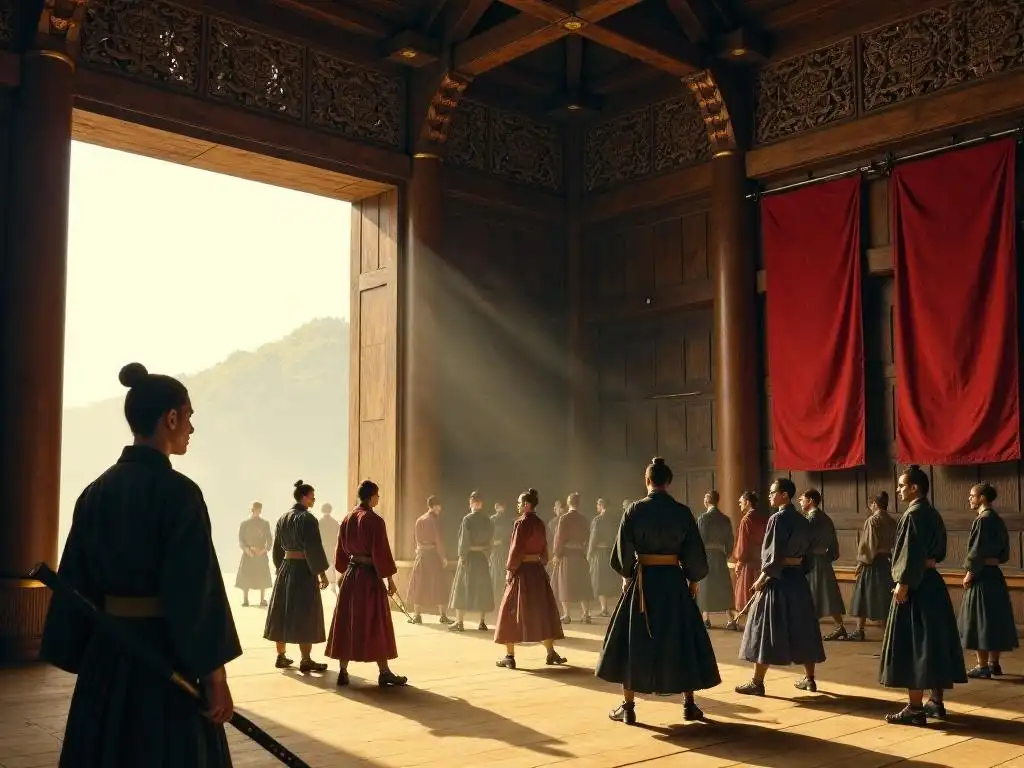
The feudal conflicts in Japan, particularly during the Sengoku period (1467-1603), significantly shaped the evolution of martial arts techniques. The continuous warfare demanded that warriors adapt their combat styles to diverse battlefield scenarios, leading to a rich tapestry of martial practices that reflected the strategic and tactical needs of the time.
Adaptation of Techniques to Different Combat Scenarios
The chaotic nature of feudal warfare necessitated an evolution in martial arts techniques to address various combat scenarios. As clans vied for power and territory, the following adaptations emerged:
- Infantry Versus Cavalry: Techniques had to differentiate between fighting on foot (infantry) and on horseback (cavalry).
- Foot soldiers developed skills in close-quarter combat, utilizing weapons like the naginata and yari (polearm).
- Cavalry units, on the other hand, emphasized techniques for mounted combat, leading to the refinement of archery and the use of the katana in swift, slashing motions.
- Urban Warfare: As conflicts spilled into cities, warriors adapted their techniques for confined spaces, leading to an emphasis on grappling and short-blade techniques.
- The introduction of tanto (dagger) fighting became prevalent, as it allowed for more subtle and immediate responses in close quarters.
- Siege Warfare: Techniques also evolved to address siege scenarios, where fortifications and surprise attacks were common.
- The use of explosive devices and strategies like kido (the art of surprise) became crucial, influencing the development of stealth techniques in various martial arts.
Through these adaptations, martial arts techniques were not static but rather a dynamic response to the demands of feudal conflicts. This evolution reflects a deep understanding of strategy and the necessity for warriors to become versatile in their combat skills.
The Role of Zen and Philosophy in Martial Arts Development
The philosophical underpinnings of martial arts during Japan's feudal era cannot be overstated. The influence of Zen Buddhism and samurai ethics played a crucial role in shaping the mental and spiritual aspects of martial arts training.
- Zen Meditation and Focus: Practicing Zen allowed warriors to cultivate a sense of calm and clarity, essential for combat.
- This meditative practice influenced techniques that required intense focus, enhancing performance in battle situations.
- The concept of mushin, or "no mind," became integral, allowing practitioners to react instinctively rather than through conscious thought, thereby improving their martial effectiveness.
- Bushido and Ethical Conduct: The code of Bushido, which emphasized honor, loyalty, and discipline, shaped not only the behavior of samurai but also their martial arts techniques.
- Techniques were often taught with a moral framework, ensuring that practitioners understood the importance of using their skills responsibly.
- This ethical dimension reinforced the notion that martial arts were not solely for combat but also for personal development and societal harmony.
- Integration of Philosophy into Training: The blending of martial techniques with philosophical teachings resulted in a holistic approach to martial arts.
- Training sessions often included discussions on strategy, ethics, and the role of the warrior in society, further deepening the connection between combat techniques and philosophical thought.
The interplay between feudal conflicts and the philosophical nuances of martial arts resulted in a rich legacy of techniques that were both practical for battle and reflective of deeper ethical and spiritual values. This dual focus not only enhanced the effectiveness of warriors but also contributed to the enduring cultural significance of martial arts in Japan.
Case Studies of Notable Feudal Conflicts and Their Impact on Martial Arts
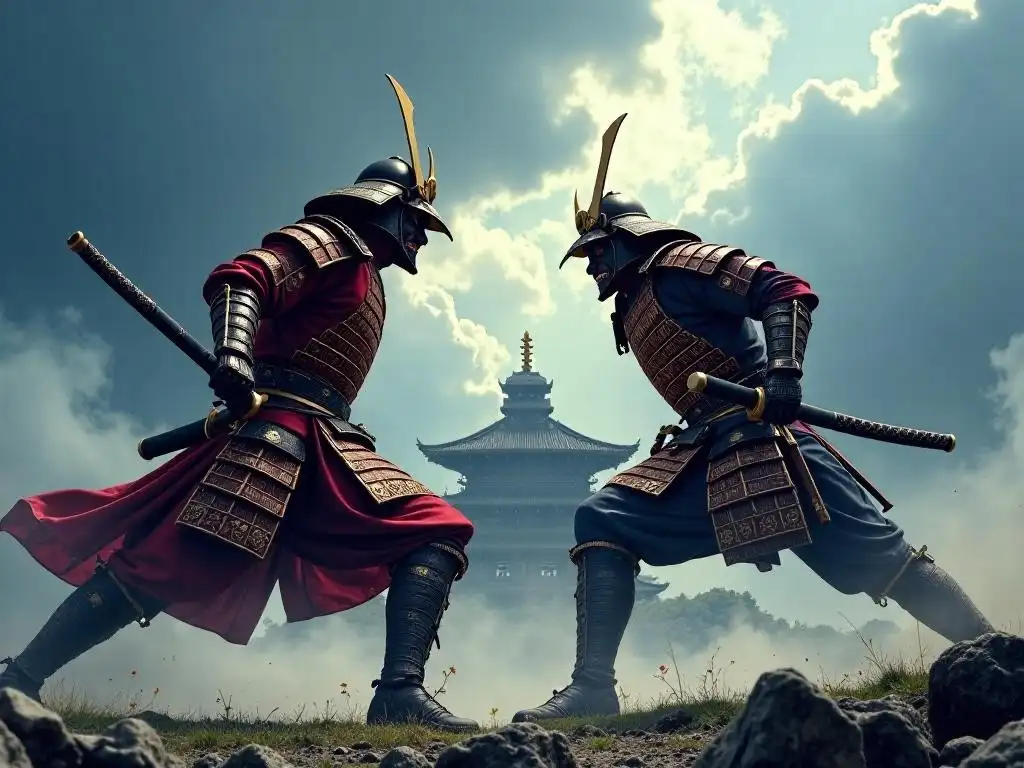
Feudal Japan was marked by numerous conflicts that not only shaped the political landscape but also significantly influenced the development of martial arts techniques. The evolution of these fighting styles can be traced back to the lessons learned on the battlefield, where survival depended on mastering combat skills. This section delves into two key historical events: The Genpei War and the Sengoku Period, analyzing their profound impacts on martial arts.
The Genpei War and Its Lasting Influence on Techniques
The Genpei War (1180-1185) was a monumental conflict between the Taira and Minamoto clans, leading to the establishment of the Kamakura shogunate. This war was pivotal not only in shaping Japan's political structure but also in cultivating martial arts practices.
- Origins of Kenjutsu:
- The Genpei War saw the rise of kenjutsu, the art of swordsmanship, as warriors sought effective techniques for combat. The use of the katana became central to battle strategies, promoting the need for specialized training in sword techniques.
- The famous Taira and Minamoto warriors, notorious for their unique fighting styles, contributed to the codification of techniques that would influence future generations of martial artists.
- Development of Tactics:
- As battles evolved, so did strategies. The Minamoto clan, for instance, utilized formations and troop movements that emphasized agility and adaptability. These tactics were later integrated into martial arts training, emphasizing the importance of situational awareness in combat.
- Techniques such as "tachi-waza" (standing techniques) became prevalent as warriors learned to engage in direct combat while on foot.
- Cultural Legacy:
- The cultural narratives surrounding the Genpei War, including tales of valor and honor, became embedded in martial arts philosophy, inspiring future practitioners to prioritize discipline and respect.
- The Heike Monogatari, an epic account of the war, not only preserves historical events but also serves as a spiritual guide for martial artists, illustrating the virtues of courage and loyalty.
The Sengoku Period: A Crucible for Martial Arts Innovation
The Sengoku Period (1467-1603), characterized by near-constant military conflict among various daimyos, served as a fertile ground for the evolution of martial arts. With political instability and the emergence of new warfare techniques, this era dramatically reshaped the landscape of combat training.
- Diversification of Martial Arts:
- The chaos of the Sengoku Period led to the emergence of various martial arts schools, each with its own techniques and philosophies. Schools such as Kashima Shinto-ryu and Yagyu Shinkage-ryu developed unique approaches to combat, integrating elements from both swordsmanship and unarmed techniques.
- The concept of "bujutsu"—the art of war—gained prominence, emphasizing the importance of mastering multiple forms of combat, including archery (kyujutsu) and spear fighting (sojutsu).
- Adaptation of Weapons:
- The introduction of firearms (tanegashima) during this period forced martial artists to adapt their techniques. Training included tactics for close combat and the integration of firearms in battlefield strategies, marking a significant shift in martial arts.
- The use of the naginata (polearm) saw a resurgence, as it provided a versatile weapon for both mounted and foot soldiers, leading to the development of specific techniques tailored for its use.
- Philosophical Underpinnings:
- The Sengoku Period also fostered a philosophical approach to martial arts, where practitioners began to explore the mental and spiritual aspects of combat. The idea of "musha shugyo", or warrior training, became integral as warriors sought enlightenment through their martial practices.
- Prominent figures like Miyamoto Musashi emerged during this time, emphasizing the importance of strategy and psychological warfare, which are foundational concepts in modern martial arts training.
Both the Genpei War and the Sengoku Period were crucial in shaping the martial arts techniques that flourished during and after feudal Japan. The conflicts fostered innovation, adaptation, and a deep philosophical understanding of combat, the effects of which resonate in today's martial arts practices.
The Legacy of Feudal Conflicts in Modern Martial Arts
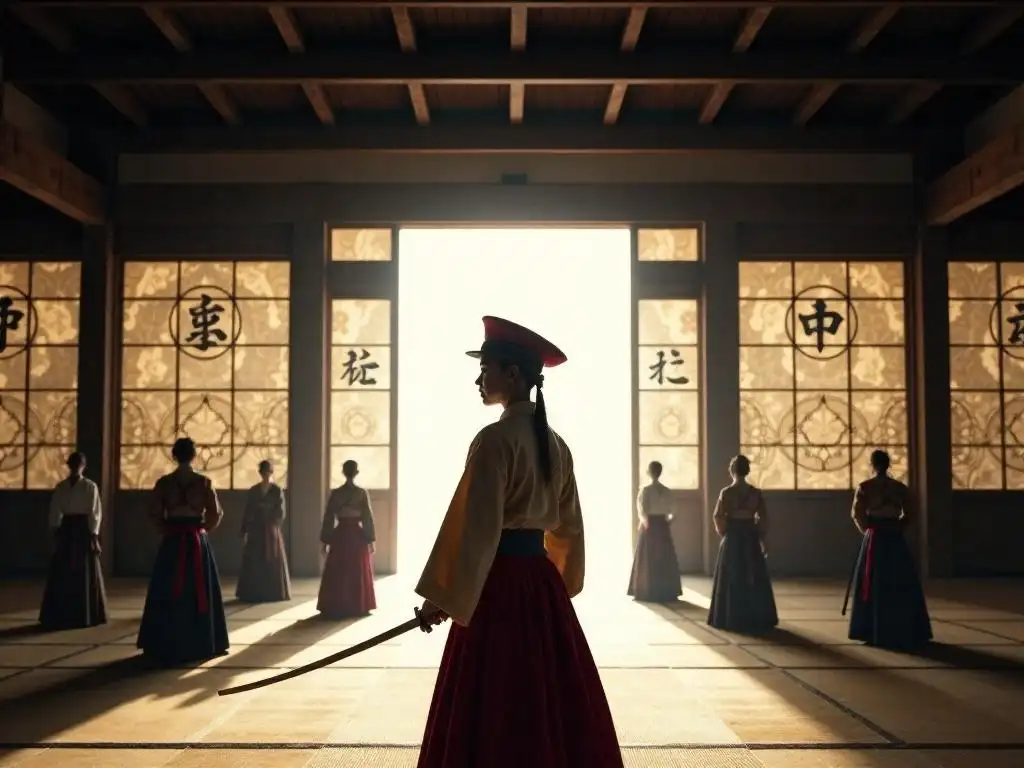
Feudal conflicts in Japan significantly influenced the development of martial arts, leaving a legacy that resonates in contemporary practices. The tumultuous period characterized by wars, power struggles, and the quest for dominance among samurai clans forged a unique environment that nurtured and refined various martial techniques. This legacy is not merely historical; it is embedded in the core principles and practices of modern martial arts, shaping the philosophies and training methodologies that are still prevalent today.
Preservation of Historical Techniques in Contemporary Practice
The preservation of historical techniques is evident in many modern martial arts schools, which often emphasize the importance of traditional practices. This preservation can be categorized into several key aspects:
- Kata: Many martial arts, such as Kendo, Aikido, and Karate, incorporate kata, which are formalized patterns of movements derived from historical combat techniques. These kata serve as a way to transmit knowledge of feudal combat methods to future generations.
- Historical Reenactments: Events like Bujinkan (the school of ninjutsu) and various kenjutsu (swordsmanship) competitions often reenact techniques from feudal times, allowing practitioners to connect with the past while honing their skills.
- Lineage and Traditions: Many martial arts styles today trace their lineage back to specific feudal clans or masters. For instance, styles like Muso Jikiden Eishin-ryu (a school of iaijutsu) directly reflect techniques developed for feudal warfare, preserving not only the techniques but also the philosophies behind them.
The commitment to preserving these historical techniques ensures that the martial arts community maintains a strong connection to its roots, honoring the legacy of those who fought in feudal Japan. This connection fosters a deeper understanding of the techniques, allowing practitioners to appreciate the context in which they were developed.
How Feudal Conflicts Shaped Modern Martial Arts Styles
Feudal conflicts did not just preserve martial techniques; they actively shaped the evolution of various martial arts styles. Here are some of the key influences:
- Combat Adaptations: The necessity for effective combat techniques during feudal conflicts led to the development of diverse martial arts styles tailored to specific scenarios. For example:
- Kenjutsu evolved as a primary sword-fighting style, influenced by the need for effective swordsmanship in battle.
- Sojutsu (spear techniques) emerged as warriors adapted to the changing dynamics of warfare, where distance and reach became crucial.
- Philosophical Foundations: The ethical and philosophical frameworks established by feudal conflicts have deeply influenced modern martial arts. The Bushido code, which encompasses principles such as honor, discipline, and loyalty, remains integral to many martial arts practices today.
- Integration of Techniques: Many modern martial arts styles incorporate techniques from various historical conflicts, resulting in hybrid styles. For instance:
- Jujutsu, which developed alongside the samurai's weaponry, includes grappling techniques that were essential in unarmed combat scenarios during the tumult of feudal battles.
- Cultural Exchange: The interactions between samurai clans and other cultures during periods of conflict facilitated the exchange of martial techniques. This cultural diffusion enriched the martial arts landscape, giving rise to unique styles that amalgamate influences from various sources.
The legacy of feudal conflicts is not merely a relic of the past but a dynamic force that continues to shape modern martial arts. The preservation of historical techniques and the adaptations resulting from feudal struggles provide a rich tapestry upon which contemporary practices are built. Understanding this legacy is crucial for martial artists who seek to deepen their connection with their art and its historical significance.
Conclusion: The Enduring Influence of Feudal Conflicts on Martial Arts Techniques
The intricate relationship between feudal conflicts and martial arts techniques is a testament to how warfare shapes the evolution of fighting styles. The tumultuous periods of feudal Japan, marked by constant strife among clans and rival samurai, created a fertile ground for martial arts to develop into both practical combat systems and spiritual disciplines. The necessity for effective combat strategies in the face of rivalries led to the refinement of techniques, the establishment of schools, and the codification of practices that would define martial arts for generations.
The direct influence of feudal conflicts can be seen in the emergence of various martial arts styles, each tailored to the specific needs of the time. For instance, the rise of the katana as a dominant weapon in the late feudal period necessitated the development of techniques that maximized its effectiveness in close combat. Schools such as Kendo and Kenjutsu arose to teach these techniques, integrating the principles of strategy and discipline that were essential for samurai warriors.
Moreover, the socio-political landscape influenced the philosophy behind martial arts. The bushido code, which emphasized honor, loyalty, and courage, became intertwined with martial practices, evolving them from mere combat techniques into a way of life. Thus, martial arts became not only a means of self-defense but also a method of cultivating character and discipline.
Reflection on the Interconnection of History and Martial Arts
The evolution of martial arts techniques is deeply rooted in the historical context of feudal Japan. The samurai class, with its unique social structure and warrior ethos, significantly shaped the development of martial arts. Through various feudal conflicts, martial arts practitioners often adapted techniques to counter new threats, leading to a dynamic evolution of styles.
For example, the introduction of firearms during the late Sengoku period prompted a reevaluation of traditional melee combat techniques. As samurai faced the challenges of engaging both enemy infantry armed with guns and rival samurai, martial arts began incorporating elements of strategy and distance management, which laid the groundwork for later styles such as Iaido, focusing on drawing the sword efficiently.
Furthermore, the impact of trade and cultural exchange during the feudal era contributed to the diversification of martial arts techniques. As different regions developed unique styles influenced by local customs and warfare tactics, the martial arts landscape became increasingly rich and varied. This interplay highlights how history is not just a backdrop but an active force shaping the practices that persist today.
Future Directions for Research and Exploration in Martial Arts Evolution
As we look to the future, the study of feudal conflicts and their impact on martial arts techniques presents numerous avenues for research. Scholars and practitioners alike can delve into the lesser-known schools of martial arts that emerged during the feudal era, exploring their unique techniques and philosophies.
Additionally, comparative studies between feudal Japanese martial arts and those of other cultures during similar historical periods could yield valuable insights into how different societies responded to warfare and conflict through their martial practices.
Furthermore, there is a growing interest in examining the psychological and cultural aspects of martial arts training in the context of feudal conflicts. Understanding how the experiences of warriors shaped their approach to combat and self-discipline can enrich both historical knowledge and contemporary practice.
The enduring influence of feudal conflicts on martial arts techniques is a rich field of study that continues to evolve. By exploring these connections, we not only gain a deeper appreciation for martial arts as a discipline but also recognize the intricate tapestry of history, culture, and philosophy that informs its development.
Frequently Asked Questions
What were the primary feudal conflicts in Japan that influenced martial arts?
The feudal conflicts in Japan, such as the Genpei War and the Onin War, significantly shaped martial arts by introducing new strategies and combat techniques that were essential for survival during battles.
How did martial arts evolve due to the societal changes in feudal Japan?
As societal changes occurred during the feudal era, martial arts developed to reflect the needs of samurai, incorporating techniques that emphasized discipline, honor, and tactics suited for warfare.
Are there specific martial arts techniques that originated from these conflicts?
Yes, many martial arts techniques, such as Kenjutsu and Ninjutsu, were directly influenced by the tactics and strategies employed during feudal conflicts, providing practitioners with skills tailored for battle scenarios.
How did the role of the samurai impact martial arts development?
The samurai played a pivotal role in the development of martial arts, as their warrior code and emphasis on combat proficiency led to the formalization and refinement of various techniques used in conflicts.
What is the significance of training in martial arts during the feudal era?
Training in martial arts during the feudal era was not just about combat; it instilled values of loyalty, discipline, and self-control, which were crucial for samurai as they navigated the complexities of feudal society.
Final Reflection: The Enduring Legacy of Feudal Conflicts in Martial Arts Techniques
The intricate relationship between feudal conflicts and martial arts techniques remains profoundly relevant today. As we navigate a world shaped by historical struggles, it becomes increasingly clear that the evolution of martial arts is not merely a reflection of physical combat but a testament to the resilience and adaptability of cultures. The techniques developed during these tumultuous times continue to influence modern practices, reminding us that history is not just a series of events but a living narrative that shapes our identities and skills.
The impact of feudal conflicts on martial arts is a vivid illustration of how necessity drives innovation. The techniques born from the need to survive and prevail in battle have transcended their original context, evolving into forms of self-expression, discipline, and community. As martial artists today, we carry forward the legacy of those who fought bravely in the past, embodying their spirit in our training and practice. Martial arts is not about fighting; it is about finding peace within oneself.
This quote encapsulates the journey from conflict to personal growth, highlighting the transformative power of martial arts.
As you reflect on the lessons drawn from the historical interplay between feudal conflicts and martial arts techniques, consider how these insights can enrich your own life. Embrace the challenges you face as opportunities for growth and transformation. Whether you practice martial arts or not, the principles of resilience, adaptability, and self-discipline are universal. Take a moment to ponder how you can apply these lessons in your daily life, fostering a deeper connection to your own journey and the rich tapestry of history that informs it.
Unleash Your Inner Warrior: Dive Deeper into Martial Arts!
Thank you for taking the time to explore the intricate connections between historical conflicts and martial arts techniques. Your curiosity not only enriches your understanding of history but also empowers you to appreciate the art and discipline behind martial combat. Now, let’s turn that knowledge into action!
Here are some engaging steps you can take to deepen your connection with the world of martial arts:
- Join a local martial arts class to experience firsthand the techniques inspired by historical conflicts—embrace the warrior spirit!
- Research a specific martial arts style that interests you, focusing on its origins and its development through various cultures. Discover the stories behind the movements.
- Share your newfound knowledge with friends or on social media by discussing how historical events have shaped the martial arts you admire.
As you embark on this journey, consider this: How can understanding the roots of martial arts enhance your appreciation for their practice today?