
Unraveling the Myths of Samurai Combat

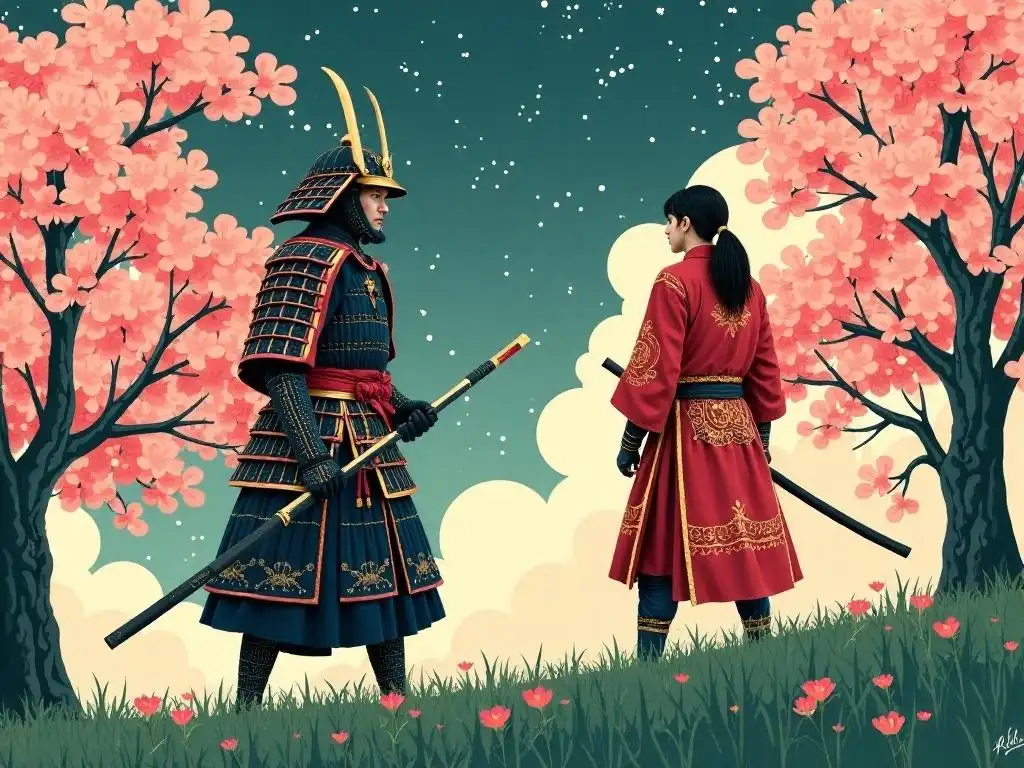
Welcome to Feudal Japan History, where we embark on a captivating journey through the intricate tapestry of Japan's feudal era. Prepare to delve into the compelling world of samurai combat myths explained as we unravel the truth behind legendary warriors and their epic battles. With expert-driven insights and in-depth articles, you’ll discover the rich historical, cultural, and societal layers that shaped this fascinating period. Curious about what really went on in the heat of battle? Join us as we challenge the myths and uncover the realities of samurai combat—your adventure awaits!
Introduction to Samurai Combat Myths
The samurai, iconic figures of Japan's feudal era, have long captivated the imagination of historians, martial artists, and enthusiasts alike. However, along with their legendary status comes a plethora of myths and misconceptions surrounding their combat techniques and philosophies. In this article, we aim to unravel the myths of samurai combat, providing a clear and detailed examination of what is fact and what is fiction. By delving into the historical context, cultural significance, and practical applications of samurai martial arts, we will clarify common misunderstandings and present a more nuanced view of these formidable warriors.
Understanding these myths is crucial not only for appreciating the samurai's role in Japanese history but also for recognizing their impact on modern martial arts. From the romanticized battles depicted in films to the exaggerated portrayals in popular culture, the truth about samurai combat often gets lost in translation. Therefore, we will explore the evolution of samurai techniques, the influences of various schools of thought, and the realities of combat during this tumultuous period.
Overview of Samurai Combat in Feudal Japan
Samurai combat during the feudal era of Japan was characterized by a unique blend of skill, strategy, and philosophy. Rooted in the principles of bushido, or "the way of the warrior," samurai engaged in combat not merely as a physical endeavor but as a representation of their honor and loyalty.
Key Elements of Samurai Combat
-
Weapons and Techniques
The samurai were primarily known for their mastery of the katana, but their arsenal included various weapons such as:
- Yari (spear): Essential for foot soldiers and cavalry.
- Naginata (polearm): Versatile and effective in both offensive and defensive maneuvers.
- Tanto (dagger): Used in close-quarter combat.
Each weapon required specific techniques and training, emphasizing the need for adaptability in battle.
-
Combat Philosophy
The mindset of a samurai was as important as their physical skills. They adhered to the bushido code, which emphasized virtues such as:
- Courage: Facing fear head-on.
- Loyalty: Devotion to one's lord and comrades.
- Honor: Upholding one's reputation and integrity.
This philosophical framework influenced their approach to combat, often leading to a focus on strategy over sheer brute force.
-
Training and Discipline
Samurai underwent rigorous training that included:
- Kata (forms): Predefined sequences of movements to perfect techniques.
- Sparring: Engaging in controlled combat scenarios to build reflexes and adaptability.
- Mental Conditioning: Developing focus and discipline through meditation and philosophical study.
By examining these elements, we can dismantle the myths surrounding samurai combat, revealing a complex and sophisticated martial tradition that has shaped not only Japan's history but also the evolution of martial arts worldwide. As we continue through this article, we will delve deeper into specific myths, providing clarity and context to the fascinating world of samurai combat.
- What are some common myths about samurai combat?
- How did samurai combat techniques evolve over time?
- What role did honor and code of conduct play in samurai combat?
- Are there any notable historical battles that illustrate samurai combat?
- How can one distinguish between fact and fiction in samurai narratives?
The Origin of Samurai Combat Myths
The myths surrounding samurai combat are deeply rooted in the historical and cultural narratives of Japan. These myths often romanticize the samurai image, portraying them as near-invincible warriors with almost supernatural abilities. Understanding the origins of these myths requires an examination of the historical context of samurai warfare and the cultural significance of samurai in Japanese society.
Historical Context of Samurai Warfare
Samurai warfare evolved significantly from the late Heian period (794-1185) through the Sengoku period (1467-1603). Initially, samurai served as retainers for powerful feudal lords (daimyō) and were primarily mounted warriors engaged in large-scale battles. However, as warfare tactics evolved, so did the role of the samurai.
- Early Samurai Tactics:
- The early samurai utilized a combination of mounted archery and swift cavalry charges.
- Battles were often fought in open fields, where skillful maneuvering and archery played critical roles.
- The Rise of Infantry:
- By the late 15th century, the rise of infantry units changed the dynamics of warfare.
- The introduction of firearms, particularly after the arrival of Portuguese traders in the 16th century, forced samurai to adapt their combat techniques.
- Myth vs. Reality:
- Many myths arose from the glorification of famous battles and legendary samurai. These tales often exaggerated individual prowess and downplayed the chaotic nature of actual combat.
- For instance, the popular image of a lone samurai defeating dozens of enemies single-handedly is a stark contrast to the reality of warfare, which often involved teamwork and strategic planning.
Cultural Significance of Samurai in Japanese Society
The samurai class held a prominent place in Japanese society, and their influence extended beyond the battlefield. The cultural significance of samurai can be observed in various aspects of Japanese life, including art, philosophy, and social structure.
- Bushido Code:
- The samurai adhered to the Bushido code, which emphasized virtues such as loyalty, honor, and discipline. This ethical framework contributed to the creation of numerous myths surrounding the samurai as noble and honorable warriors.
- Art and Literature:
- Samurai were often depicted in literature and art as heroic figures, further solidifying their legendary status. Epic tales, such as "The Tale of the Heike," showcased their valor and romanticized their conduct in battle.
- Legacy and Modern Perceptions:
- Today, the image of the samurai continues to influence Japanese culture and global perceptions of martial arts. Films, novels, and even video games perpetuate the myths of samurai combat, often blending historical facts with fantastical elements.
The origin of samurai combat myths is a complex interplay of historical realities and cultural narratives that continue to shape our understanding of these legendary warriors. The exploration of samurai warfare and their societal role reveals how myths can evolve and endure over time, often overshadowing the more nuanced truths of their existence.
Common Myths About Samurai Combat
The samurai, often romanticized in popular culture, have become emblematic of the martial prowess and honor of feudal Japan. However, many misconceptions about their combat practices persist. This section will clarify some of the most prevalent myths surrounding samurai combat, offering a nuanced perspective on their martial traditions.
Myth 1: Samurai Were Invincible Warriors
The belief that samurai were invincible warriors is a pervasive myth that overlooks the realities of warfare in feudal Japan. While samurai were indeed skilled fighters, they were not immune to defeat or death.
- Training and Skill: Samurai underwent rigorous training, mastering various martial arts such as Kenjutsu (swordsmanship) and Sojutsu (spear fighting). Despite their training, they were still vulnerable, and many experienced defeat in battle.
- Historical Context: The outcomes of battles were often influenced by numerous factors, including strategy, terrain, and sheer numbers. For instance, during the Battle of Nagashino in 1575, the samurai faced defeat against a larger force of gun-armed troops, illustrating that even the most skilled warriors could be bested.
- Fallen Heroes: Many famous samurai, such as Minamoto no Yoshitsune, met untimely ends, not due to a lack of skill but because of the intricate political dynamics of the time. This shows that samurai, while formidable, were not invincible.
Myth 2: Samurai Always Fought Honorably
Another common myth is that samurai always fought honorably, adhering strictly to a code of ethics, known as Bushido. However, the reality of samurai combat was more complex.
- Bushido’s Evolution: The concept of Bushido evolved over centuries and was interpreted differently across regions and periods. While some samurai adhered to a strict code of conduct, others engaged in guerrilla tactics, ambushes, and deception during warfare.
- Political Intrigue: Political motives often influenced samurai actions. For example, during the Genpei War, alliances could shift rapidly, and samurai might resort to underhanded tactics to gain an advantage over rivals, challenging the notion of constant honor.
- Survival Over Honor: In many instances, survival trumps honor on the battlefield. Samurai were not above retreating from unfavorable engagements or employing psychological warfare to undermine their opponents.
Myth 3: Samurai Only Used Swords in Battle
The idea that samurai exclusively wielded swords in combat is a misconception that simplifies their martial capabilities.
- Diverse Weaponry: Samurai were trained in a variety of weapons, including spears (yari), bows (yumi), and even firearms as they became prevalent. The yari was especially significant in large-scale battles, allowing for effective engagement at range.
- Tactics and Adaptation: Depending on the combat situation, samurai adapted their weaponry. During the Sengoku period, as firearms became more common, many samurai integrated gunpowder weapons into their tactics, demonstrating flexibility in combat.
- Close Quarters Combat: In addition to their primary weapons, samurai were trained in unarmed combat techniques (Jujutsu) for situations when they found themselves disarmed or in close quarters, showcasing their comprehensive martial skills.
By dispelling these myths, we gain a clearer understanding of the samurai's role in history and their martial practices. While they were undoubtedly skilled warriors, their experiences in combat were shaped by a multitude of factors that go beyond mere stereotypes.
The Reality of Samurai Combat Techniques
Samurai combat techniques are often shrouded in myth and romanticism, leading to a distorted understanding of their true nature. Many portrayals emphasize flashy swordplay and dramatic duels, but the reality of samurai combat is grounded in practicality, discipline, and a deep understanding of strategy and psychology.
The Art of Kenjutsu: More Than Just Sword Fighting
Kenjutsu, the traditional Japanese martial art of swordsmanship, is frequently misrepresented as merely a series of flashy moves. In reality, it encompasses a comprehensive system of techniques, principles, and philosophies that extend beyond the physical act of fighting.
- Fundamental Principles: Kenjutsu emphasizes timing, distance, and body mechanics. Practitioners learn to control their movements in relation to their opponent, making it essential to anticipate actions rather than merely reacting.
- Forms and Techniques: The practice consists of various kata (forms) that teach students to perform specific techniques in a controlled environment. Each kata serves as a lesson in strategy, encouraging practitioners to think critically about their movements and choices.
- Mental Discipline: Mental fortitude is as crucial as physical prowess in kenjutsu. Samurai trained to maintain focus and composure under pressure, recognizing that the psychological aspect of combat often determined victory or defeat.
Incorporating these elements into kenjutsu practices highlights that it is not just about the sword, but about the warrior's entire mindset and approach to conflict.
Use of Other Weapons in Samurai Combat
While the katana is the most iconic weapon associated with samurai, it is important to recognize the array of other weapons utilized during combat, each with its own techniques and applications.
- Bō (Staff): The long wooden staff was a common weapon for samurai. Its length allowed for range and versatility, enabling users to engage multiple opponents or defend against armed foes.
- Naginata (Polearm): This weapon combines the features of a sword and a spear. The naginata's reach made it effective against cavalry and in crowd control situations, showcasing the samurai's adaptability in various combat scenarios.
- Tanto (Dagger): Often overlooked, the tanto was a crucial tool for close-quarter combat and self-defense. Samurai trained in tanto techniques, recognizing that not all encounters would allow for the use of a katana.
These weapons, along with their respective combat styles, demonstrate the complexity and diversity of samurai martial arts. Rather than being limited to sword fighting, samurai combat incorporated a wide spectrum of weaponry and techniques tailored to different circumstances.
Strategies and Tactics Employed in Samurai Warfare
Understanding samurai combat requires an appreciation for the strategies and tactics employed during warfare. The samurai were not just skilled fighters; they were also strategic thinkers who carefully planned their engagements.
- Terrain Utilization: Samurai commanders often assessed the battlefield's geography, leveraging natural features to gain strategic advantages. High ground, cover, and choke points were critical factors in planning maneuvers.
- Formation and Unit Cohesion: Samurai warfare involved structured formations, such as the "kōkō" or "kakuyaku," which emphasized unit cohesion and coordination. These formations allowed for effective communication and collective action among warriors.
- Psychological Warfare: Samurai also employed psychological tactics to intimidate their opponents. The use of banners, war cries, and elaborate armor not only served practical purposes but also aimed to instill fear in the enemy.
Incorporating these strategies into their combat approach reveals the multifaceted nature of samurai warfare. It highlights that their success was not merely a product of individual skill but rather a result of well-thought-out tactics and teamwork.
The world of samurai combat is rich and complex, filled with nuanced techniques, diverse weaponry, and strategic depth. By dispelling the myths surrounding samurai combat, we gain a clearer understanding of what it truly meant to be a warrior during Japan's feudal era.
The Role of Bushido in Samurai Combat
Bushido, often translated as "the way of the warrior," is a foundational concept in the understanding of samurai combat. It embodies the ethical code that samurai lived by, shaping their behavior both on and off the battlefield. This intricate code not only dictated their martial practices but also influenced their worldview, social interactions, and even governance.
Understanding Bushido: The Way of the Warrior
Bushido comprises various virtues that samurai were expected to uphold, including loyalty, honor, courage, and respect. Its principles were deeply rooted in Zen Buddhism and Confucianism, which emphasized discipline and moral integrity.
- Loyalty: A samurai's loyalty to their lord was paramount, often placing it above their own life. This unwavering allegiance defined their actions in combat and personal life.
- Honor: The concept of honor was intertwined with a samurai's identity. Loss of honor could lead to the ultimate act of seppuku (ritual suicide) as a means of preserving dignity.
- Courage: A samurai was expected to face danger without fear. This valor was not merely physical but also moral, requiring strength in difficult decisions.
Bushido was not a rigid set of rules, but rather a flexible framework that allowed for personal interpretation while maintaining core values.
How Bushido Influenced Combat Practices
The principles of Bushido significantly influenced samurai combat practices and strategies. The focus on honor and loyalty shaped the way battles were fought and how samurai conducted themselves during warfare.
- Combat Ethics:
- Fairness in Battle: Samurai were expected to engage in combat honorably, which meant avoiding underhanded tactics. This ideal fostered a sense of respect among warriors, even among enemies.
- Duel Culture: The samurai often participated in duels, which were viewed as a test of skill and honor. These one-on-one confrontations were guided by the tenets of Bushido, emphasizing respect for opponents.
- Training and Discipline:
- Rigorous Training: Adherence to Bushido meant that samurai underwent extensive training in various martial arts, emphasizing technique, precision, and the mental fortitude to face adversaries.
- Mental Preparedness: The philosophical underpinnings of Bushido encouraged samurai to cultivate a calm mind, allowing them to remain focused and composed in the heat of battle.
- Tactics and Strategy:
- Strategic Warfare: Samurai were trained not only in individual combat but also in larger military strategies, reflecting the importance of loyalty to their lords and the need to protect their domain.
Myths vs. Reality: Bushido and Honor in Battle
While Bushido is often romanticized in modern portrayals of samurai combat, many myths cloud the reality of its influence. Understanding these discrepancies is crucial for grasping the true nature of samurai warfare.
-
Myth: Bushido Guarantees Invincibility
Reality: While Bushido instilled a sense of courage and resolve, it did not make samurai invincible. Many samurai fell in battle, and the harsh realities of warfare often contradicted the idealistic notions of honor.
-
Myth: All Samurai Followed Bushido Rigorously
Reality: Not all samurai adhered to the principles of Bushido equally. Social status, individual beliefs, and personal circumstances influenced how strictly these values were followed.
-
Myth: Honor Always Dictated Combat Choices
Reality: In the heat of battle, survival instincts often took precedence over the ideals of honor. While samurai aspired to uphold their code, the chaotic nature of warfare sometimes led to pragmatic decisions that contradicted Bushido.
While Bushido played a pivotal role in shaping samurai combat and culture, it is essential to separate the myths from the realities to understand the complexities of samurai warfare fully. The code provided a framework for ethical conduct, but the unpredictable nature of battle often led to outcomes that were far from the idealistic vision of a warrior's life.
The Evolution of Samurai Fighting Styles
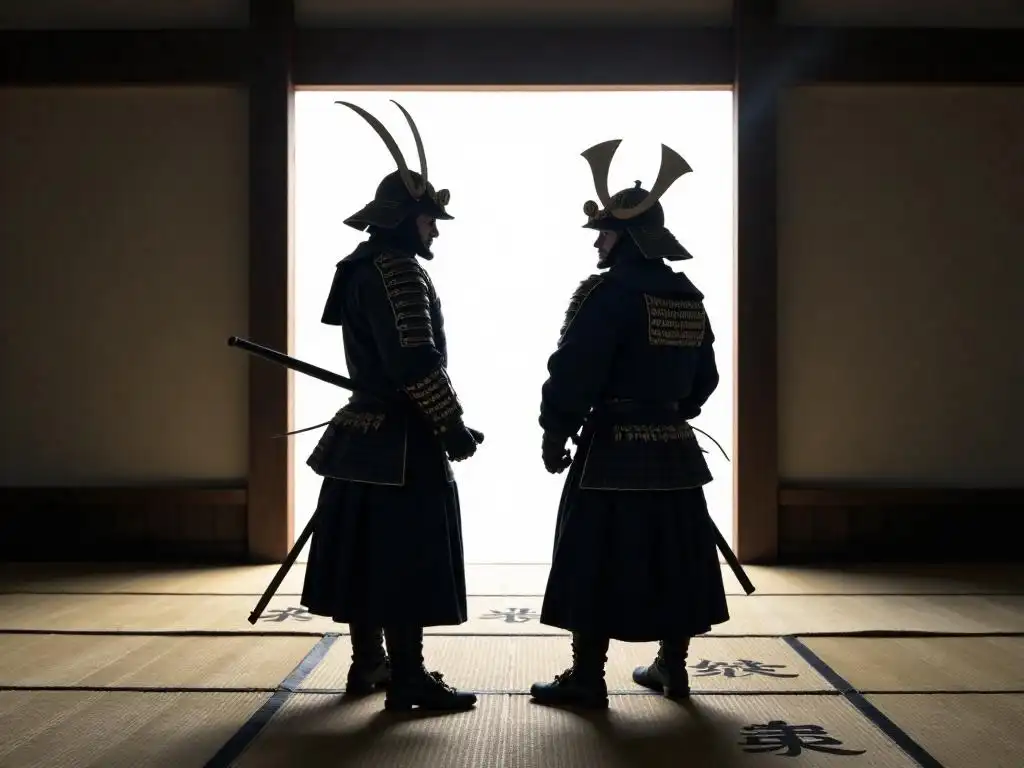
The evolution of samurai fighting styles is a testament to the adaptability and innovation that characterized the samurai class throughout Japan's feudal era. Initially, samurai combat techniques were deeply rooted in the battlefield tactics of the early medieval period. However, as warfare evolved, so too did the methods and philosophies behind samurai combat.
Transition from Classical to Modern Samurai Techniques
The transition from classical to modern samurai techniques can be traced through several key developments:
- Classical Techniques:
- Kenjutsu: The art of sword fighting was central to samurai combat and formed the basis of their martial training. Techniques were often focused on direct, powerful strikes and defensive maneuvers.
- Bojutsu: The use of the staff (bo) provided samurai with techniques that emphasized reach and control, crucial in hand-to-hand combat situations.
- Naginatajutsu: The naginata, a polearm weapon, allowed for sweeping attacks and defensive capabilities, showcasing the versatility of samurai fighting styles.
- Influence of Warfare Changes:
- As Japan transitioned from the chaotic Sengoku period to the more stable Edo period, the nature of conflict shifted from large-scale battles to personal duels and peacekeeping. This change led to the refinement of techniques, focusing more on precision and strategy rather than brute strength.
- Modernization and Western Influence:
- The Meiji Restoration in the late 19th century marked a significant shift in samurai combat practices. The introduction of Western martial arts and military training forced traditional samurai techniques to adapt. The incorporation of fencing styles such as French savate and German fencing influenced the evolution of kendo and other martial arts.
- Today, many of these classical techniques have been preserved in forms such as kendo, iaido, and kenjutsu, which continue to be practiced and celebrated worldwide.
This evolution reflects not only the changing nature of warfare but also the philosophical shifts within the samurai class as they transformed from warriors to cultural icons.
Influence of Other Martial Arts on Samurai Combat
The influence of other martial arts on samurai combat is a fascinating aspect of the martial arts evolution in Japan. While samurai combat was primarily centered around their own techniques, several external influences shaped and refined their skills over time:
- Chinese Martial Arts: The introduction of Chinese martial arts to Japan, particularly during the Tang dynasty, significantly impacted samurai combat. Styles such as Shaolin kung fu introduced concepts of fluid movement, agility, and various striking techniques, which samurai incorporated into their own training.
- Native Japanese Arts: Traditional Japanese fighting styles, such as jujutsu, played a crucial role in the development of unarmed combat techniques among the samurai. Jujutsu's focus on throws, joint locks, and grappling complemented the sword techniques, making samurai well-rounded fighters.
- Renaissance of Martial Arts: The post-Edo period saw a resurgence in interest in martial arts, leading to the establishment of various schools (koryu) that integrated elements from both traditional and foreign martial arts. This period resulted in the formation of hybrid styles that emphasized discipline and spiritual development alongside physical prowess.
- Modern Martial Arts: The globalization of martial arts has further influenced samurai techniques. Disciplines such as Brazilian jiu-jitsu and mixed martial arts have introduced new strategies and training methods, leading contemporary practitioners of kendo and other samurai arts to adapt and innovate.
The evolution of samurai fighting styles is a complex interplay of tradition and innovation, shaped by external influences and the dynamic nature of warfare. This rich history not only debunks many myths surrounding samurai combat but also highlights the resilience and adaptability of this iconic warrior class.
Debunking Samurai Combat Myths Through Historical Evidence
Analysis of Historical Texts and Records
Samurai combat has been shrouded in a myriad of myths and misconceptions, often romanticized in popular culture. To understand the reality of samurai combat, it is crucial to analyze historical texts and records that provide a clearer picture of their martial practices.
- Bujutsu and Budo:
- The terms bujutsu (martial arts) and budo (martial way) are often used interchangeably, but they represent different philosophies. Bujutsu refers to the practical techniques employed in combat, while budo encompasses a broader spiritual and philosophical approach to martial arts. Historical texts, such as the Miyamoto Musashi's Book of Five Rings, emphasize the importance of strategy and mindset over sheer force.
- Combat Manuals:
- Several historical manuals, like the Heiké Monogatari and The Book of the Samurai, provide detailed accounts of samurai combat techniques. These texts often highlight the significance of adaptability and the use of various weapons, including swords, spears, and even naginatas. Contrary to the myth of the all-powerful sword, samurai were trained in multiple weapon forms, illustrating a more pragmatic approach to warfare.
- Tactical Insights:
- Analyzing battle reports and accounts, such as those from the Battle of Sekigahara, reveals that samurai engaged in complex tactics rather than merely showcasing individual prowess. Commanders like Tokugawa Ieyasu employed strategic formations and psychological warfare, proving that samurai combat was as much about strategy as it was about skill.
Case Studies of Famous Samurai Battles
Understanding samurai combat requires examining specific battles that illustrate the realities of their martial capabilities. Here are two significant case studies:
- The Battle of Sekigahara (1600):
- This pivotal battle marked the end of the Sengoku period and the rise of the Tokugawa shogunate. Over 160,000 troops clashed, with samurai from both sides employing various tactics.
- Key Takeaways:
- Strategy Over Individual Bravery: The victory of Tokugawa Ieyasu was not solely due to the bravery of his samurai but rather his strategic planning, including the formation of alliances and psychological tactics to demoralize the opposing forces.
- Formation and Mobility: Samurai units were organized into specific formations, showcasing the importance of teamwork and coordination rather than individual combat skills.
- The Siege of Osaka (1614-1615):
- Another significant conflict that pits samurai against one another was the Siege of Osaka. Tokugawa forces laid siege to the Toyotomi clan's stronghold, leading to a protracted conflict filled with skirmishes and tactical maneuvers.
- Key Takeaways:
- Siege Warfare Techniques: Historical accounts reveal that samurai engaged in various siege tactics, such as constructing fortifications and employing artillery, which contrasts with the myth of traditional one-on-one duels.
- Role of Intelligence: Information gathering and espionage played critical roles in the samurai's approach to combat. This highlights how samurai were not just warriors but also strategists who relied on intelligence to outmaneuver their opponents.
A thorough analysis of historical texts and case studies reveals a more nuanced understanding of samurai combat than the myths suggest. Samurai were not merely skilled swordsmen; they were also tacticians who adapted their strategies to the realities of warfare. This understanding dispels the glorified notions surrounding samurai combat and highlights the complexity of their martial practices.
Conclusion: Understanding the Truth Behind Samurai Combat Myths
The myths surrounding samurai combat have significantly shaped modern perceptions of these iconic warriors. While popular culture often glorifies samurai as invincible fighters skilled in mystical techniques, the reality is far more nuanced. Understanding the truth behind these myths allows us to appreciate the samurai's legacy more deeply, revealing the complexities of their martial practices and the socio-political context in which they operated.
The Impact of Myths on Modern Perceptions of Samurai
The romanticized portrayal of samurai in films, literature, and video games has led to widespread misconceptions about their combat abilities and philosophies. For instance, many people envision samurai engaged in fierce, one-on-one duels characterized by elaborate techniques and swift kills. In truth, samurai combat was often dictated by strategic considerations, battlefield dynamics, and the socio-political structures of feudal Japan.
Key Misconceptions Include:
- Myth: Samurai were invincible fighters.
- Reality: Samurai were skilled warriors, but they were also human. They faced injuries, death, and defeat like any other soldier.
- Myth: All samurai were masters of swordsmanship.
- Reality: While swordsmanship was vital, samurai were trained in various weapons and techniques, including archery, spear fighting, and grappling.
- Myth: Samurai always fought honorably.
- Reality: The concept of honor was complex and could vary significantly based on the circumstances of battle and the individual warrior's values.
The proliferation of these myths can lead to unrealistic expectations and misunderstandings about martial arts in general and samurai practices specifically. By debunking these myths, we can foster a more accurate appreciation of samurai history, their martial arts evolution, and their lasting impact on Japanese culture.
Encouraging Further Exploration of Samurai History and Culture
To gain a more comprehensive understanding of samurai combat and the culture surrounding it, further exploration into various aspects of samurai history is essential. Here are some avenues to consider:
- Historical Texts: Studying primary sources such as "The Book of Five Rings" by Miyamoto Musashi or "Hagakure" by Yamamoto Tsunetomo can provide invaluable insights into samurai philosophy and combat strategies.
- Martial Arts Schools: Engaging with traditional martial arts schools that teach koryu (classical martial arts) can offer practical experiences and a deeper appreciation of samurai techniques.
- Cultural Exhibits: Visiting museums with exhibits on feudal Japan and samurai artifacts can bring history to life and enhance understanding of the samurai's role in society.
- Documentaries and Lectures: Watching documentaries or attending lectures by historians specializing in feudal Japan can illuminate lesser-known facts and dispel common myths.
By encouraging a deeper inquiry into samurai history, we can appreciate the cultural significance of these warriors and their martial arts, moving beyond the myths to uncover the true essence of samurai combat and its impact on Japanese society. Through education and exploration, the legacy of the samurai can be celebrated in a way that honors their real achievements and contributions.
Frequently Asked Questions
What are some common myths about samurai combat?
Many myths suggest that samurai were invincible warriors or that they solely relied on swordsmanship. In reality, strategic combat and teamwork were crucial to their success.
How did samurai combat techniques evolve over time?
Samurai combat techniques evolved through various influences, including Chinese martial arts and battlefield experiences, adapting to changing warfare strategies and technologies.
What role did honor and code of conduct play in samurai combat?
The Bushido code emphasized honor, loyalty, and discipline, which profoundly influenced samurai behavior in combat and their approach to warfare.
Are there any notable historical battles that illustrate samurai combat?
Yes, battles like the Battle of Sekigahara in 1600 highlight the strategic and tactical skills of samurai, showcasing their combat abilities and the importance of alliances.
How can one distinguish between fact and fiction in samurai narratives?
Researching historical records, consulting expert analyses, and understanding the cultural context can help differentiate between fact and fiction in samurai narratives.
Final Reflection: Understanding the Truth Behind Samurai Combat Myths
In exploring the intricate world of samurai combat myths, we uncover the vital importance of distinguishing fact from fiction in historical narratives. As we navigate through the romanticized portrayals of samurai warriors in popular culture, it becomes clear that these myths not only shape our understanding of history but also influence our perceptions of martial arts today. The allure of the samurai, with their honor and skill, continues to captivate audiences, reminding us that the truth is often more complex and fascinating than the myths we create.
The impact of these myths extends far beyond mere entertainment; they shape cultural identities and societal values. As we dissect these misconceptions, we gain a deeper appreciation for the rich history and philosophy that underpins samurai combat. The samurai were not just warriors; they were also philosophers, strategists, and artists. Their legacy teaches us about discipline, respect, and the pursuit of mastery. As the renowned martial artist Bruce Lee once said, Absorb what is useful, discard what is not, add what is uniquely your own.
This wisdom encourages us to embrace the essence of martial arts while recognizing the importance of historical accuracy.
As we reflect on the lessons learned from unraveling these myths, I invite you to consider how you can apply this understanding in your own life. Challenge the narratives you encounter, seek the truth behind the stories, and cultivate a mindset of continuous learning. Whether through martial arts or any other passion, let the spirit of the samurai inspire you to pursue knowledge with integrity and to honor the complexities of history. Embrace the journey of discovery, and remember that every myth unraveled brings us closer to the authentic essence of our shared human experience.
Rediscover the Power of Samurai Wisdom!
Thank you for diving into the intriguing world of Samurai combat myths! We hope you gained valuable insights that inspire a deeper appreciation for these legendary warriors. Now, it's time to channel that energy into action!
Here are a few steps you can take to further explore this fascinating topic:
- Join a local martial arts class that teaches traditional Japanese techniques to experience the discipline and philosophy of the Samurai firsthand.
- Share your newfound knowledge with fellow history enthusiasts! Start discussions on social media or forums to spark engaging conversations about Samurai combat and its impact on modern martial arts.
- Delve deeper into Samurai culture by visiting your nearest library or exploring online archives. Discover books or documentaries that reveal the true stories behind these remarkable warriors.
Which aspect of Samurai combat has captured your interest the most, and how do you plan to further your exploration of this historical journey?