
The Battle of TobaFushimi: The Catalyst for the Meiji Restoration
The Toba Fushimi battle significance marks a pivotal moment in Japan’s transition from feudalism to modernization. This clash not only ignited the…
Read article
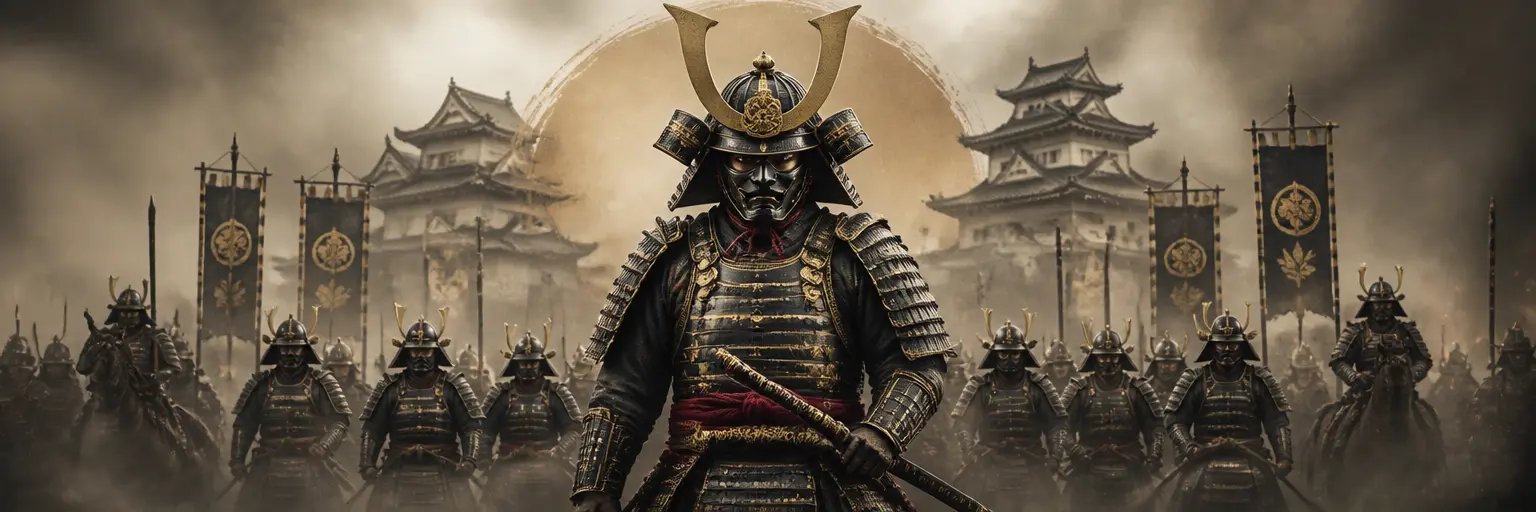
Explore Military History in Feudal Japan ⚔️—an in-depth journey through the strategies, warriors, weapons, and conflicts that shaped Japan’s turbulent feudal era. Discover how samurai, ashigaru, commanders, and naval forces transformed warfare through innovative tactics, battlefield discipline, evolving martial traditions, and legendary campaigns. 🏯 Gain expert insights into the military foundations of Japan’s clans and the battles that changed its history.
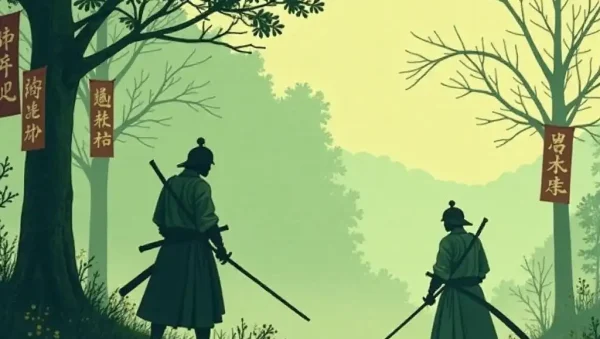
The Toba Fushimi battle significance marks a pivotal moment in Japan’s transition from feudalism to modernization. This clash not only ignited the…
Read article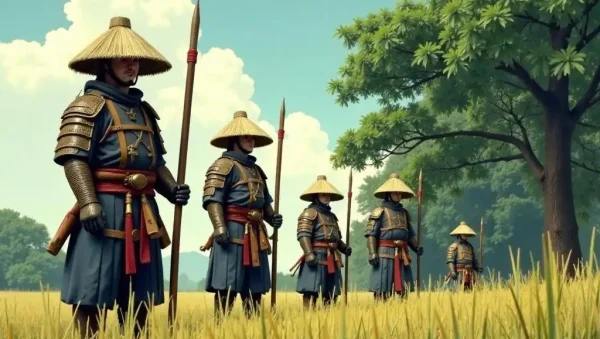
In feudal Japan, the social status of Ashigaru transcended mere foot soldiers, reflecting a complex interplay of loyalty, economic shifts, and cultural…
Read article
The Samurai mentality and warfare tactics were deeply intertwined, reflecting a unique blend of honor, discipline, and strategy. This article delves into…
Read article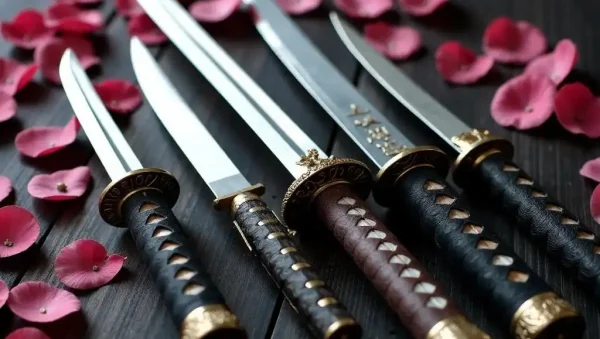
The intricate beauty of samurai weaponry and armor artistry reveals a profound connection between functionality and aesthetics, showcasing the skill and spirit…
Read article
In "Armaments of the Common Soldier," we delve into the lives of peasant warriors in feudal Japan, exploring their essential role in…
Read article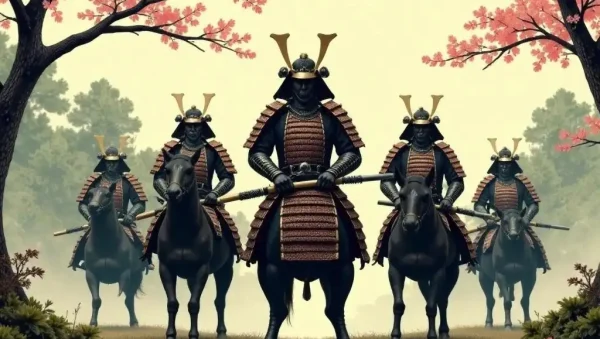
The Ashigaru, humble foot soldiers of feudal Japan, exemplified loyalty and duty, embodying the values that shaped samurai culture. Their unwavering commitment…
Read article
The intricate designs and materials of samurai armor not only served as protection but also embodied the cultural significance of status and…
Read article
Uncover the intriguing world of martial arts secret societies in Japan, where clandestine groups shaped combat techniques and philosophies during feudal times.…
Read article
In Japan’s feudal era, lords employed cunning deception as a central element of their warfare strategies, manipulating perceptions and exploiting psychological tactics…
Read article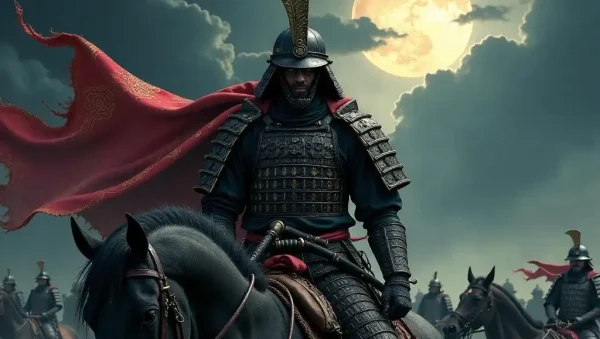
The Battle of Uedahara highlights the complex web of feudal loyalties in Japan, revealing how shifting allegiances and deep-seated betrayals shaped the…
Read article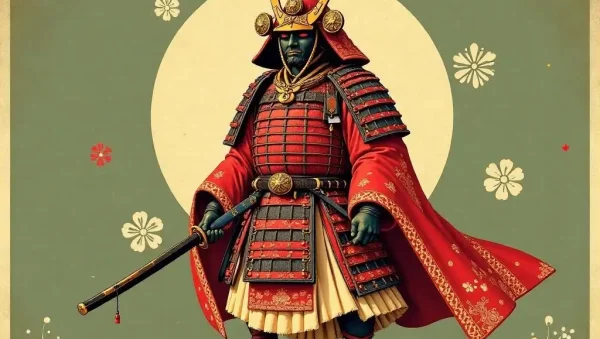
Discover how Samurai armor influenced combat styles in Japan's feudal era, blending functionality with artistry. This exploration reveals the profound impact of…
Read article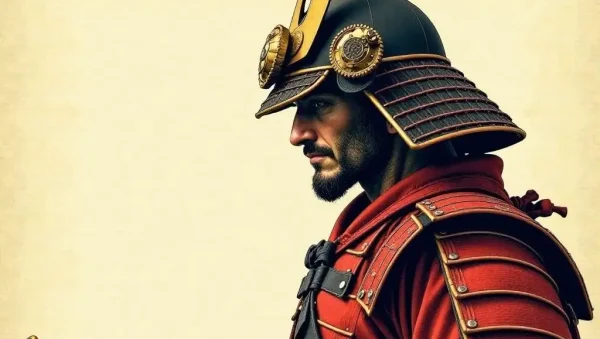
Discover how samurai training shaped battle tactics during Japan's feudal era. This exploration delves into the rigorous discipline and strategic skills developed…
Read articleMilitary History of Feudal Japan offers an in-depth exploration of warfare during Japan’s feudal era, from the rise of the samurai and regional warlords to the decisive campaigns that reshaped the country. Discover how military strategy, battlefield technology, social organization, and warrior culture influenced Japanese history across the Kamakura, Muromachi, Sengoku, and early Edo periods.
This category examines samurai warfare, naval battles, castle sieges, battlefield tactics, weapons, armor, martial arts, and the role of ashigaru infantry. Each article combines historical context with detailed analysis, helping readers understand how armies were organized, how battles were fought, and why certain commanders and technologies transformed feudal Japan. Whether you are researching Japanese military history or exploring the world of the samurai, these resources provide authoritative and accessible insights.
Explore the development of naval warfare in feudal Japan, including coastal defense, inland-waterway campaigns, pirate fleets, and maritime conflicts between rival clans. Articles examine the ships, weapons, naval commanders, and strategic objectives that shaped warfare across Japan’s seas and rivers.
Readers can learn how naval power supported sieges, protected trade routes, and enabled military transport. Special attention is given to Japanese warships, boarding tactics, arquebus use at sea, naval fortifications, and the influence of geography on military planning.
Discover how the samurai evolved from mounted archers into heavily organized warriors serving powerful military houses. This subcategory explores samurai battlefield traditions, loyalty, command structures, cavalry, archery, swordsmanship, and clan warfare throughout Japan’s feudal period.
Articles also place samurai combat within its wider social and political context. Readers will see how warfare influenced status, land ownership, military service, and the changing relationship between daimyo, retainers, and local communities.
Learn about the strategies and battlefield techniques used by Japanese commanders, including ambushes, feigned retreats, encirclements, defensive formations, castle sieges, and coordinated infantry attacks. These articles explain how commanders adapted tactics to terrain, troop numbers, weather, and available technology.
The section highlights Japanese military strategy through clear explanations of formations, reconnaissance, logistics, communication, and battlefield psychology. Readers can compare traditional samurai methods with innovations introduced during the Sengoku period, including massed arquebus fire and disciplined ashigaru formations.
Examine the major battles and campaigns that defined feudal Japan, from conflicts between regional clans to the national wars that led to political unification. Each account explains the causes, commanders, troop movements, turning points, and consequences of important engagements.
Expect detailed coverage of decisive Japanese battles, castle sieges, civil wars, strategic alliances, and military victories. These narratives connect individual battles to broader developments such as the rise of the shogunate, the Sengoku daimyo system, and the eventual consolidation of power under national leaders.
Explore the weapons and protective equipment used by warriors in feudal Japan, including the katana, tachi, yari, naginata, yumi, teppo, shields, helmets, and layered armor. Articles explain how these tools were designed, produced, carried, and used in different combat situations.
This subcategory also examines the evolution of Japanese samurai armor and battlefield weapons in response to changing tactics and technology. Readers can learn about armor construction, clan symbols, weapon specialization, gunpowder warfare, and the practical differences between equipment used by samurai and ashigaru.
Trace the development of Japanese martial arts from battlefield skills to formalized disciplines. This section explores swordsmanship, archery, spear fighting, mounted combat, grappling, and the training traditions that later influenced kenjutsu, kyujutsu, jujutsu, and other martial arts.
Readers will discover how samurai training, warrior schools, military instruction, and philosophical ideas changed over time. The articles distinguish practical combat techniques from later systems shaped by peace, ritual, education, and the cultural ideals of the Edo period.
Learn about the ashigaru, the foot soldiers who became an essential part of feudal Japanese armies. Articles examine their recruitment, weapons, training, battlefield duties, and gradual transformation from lightly equipped levies into organized infantry units.
This subcategory demonstrates why ashigaru were crucial to Sengoku warfare. Readers can explore their use of spears, bows, firearms, defensive formations, castle operations, and massed tactics, as well as the changing social status of common soldiers within Japan’s military hierarchy.
Military history in feudal Japan examines the armies, battles, commanders, weapons, tactics, political conflicts, and warrior institutions that shaped Japan from the rise of the samurai through the Sengoku period and early Edo era.
The samurai were members of Japan’s warrior class who served military lords and regional rulers. Their roles included mounted combat, administration, policing, castle defense, and military command, although their responsibilities changed considerably over time.
Ashigaru provided large numbers of organized infantry for feudal armies. Their use of spears, bows, and firearms helped commanders create disciplined formations and made warfare less dependent on elite mounted samurai alone.
Common weapons included the katana, tachi, yari, naginata, yumi, and matchlock firearm. Weapon choice depended on a warrior’s role, period, training, social status, and the tactical demands of a particular battle.
Sengoku warfare became more organized and technologically diverse, with larger armies, extensive castle construction, improved logistics, coordinated infantry formations, and widespread use of firearms alongside traditional archery and spear combat.