
The Samurai Spirit: How Mentality Influenced Warfare Tactics

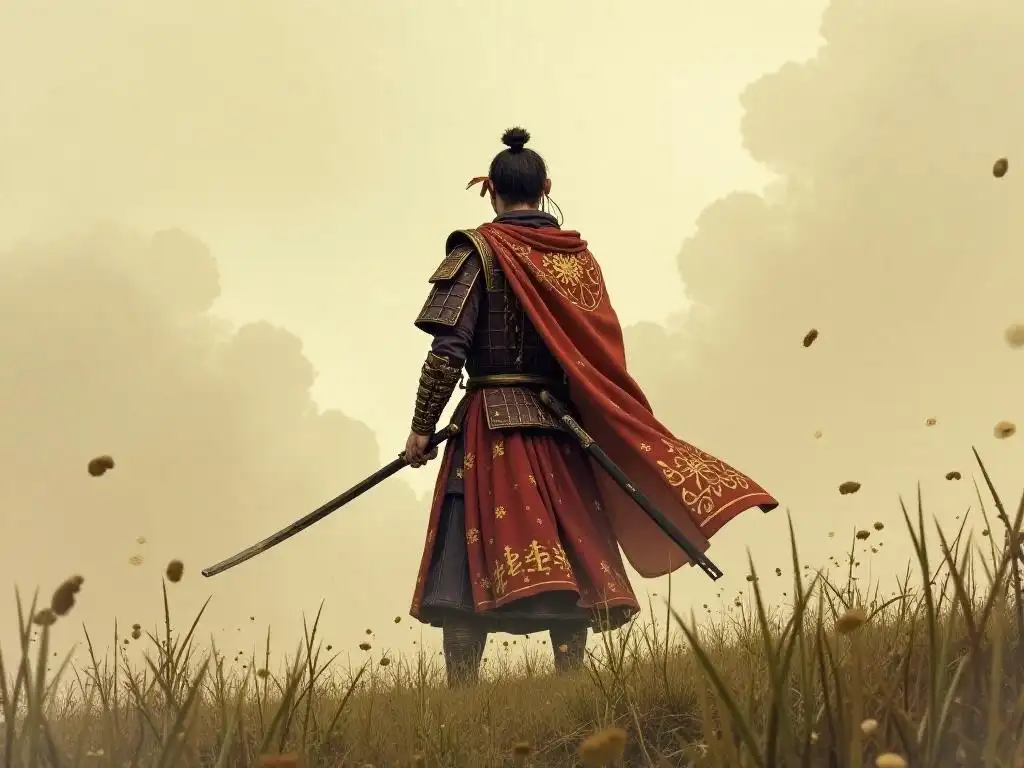
Welcome to Feudal Japan History, where we embark on a captivating journey through the intricate tapestry of Japan's feudal era. Here, we delve deep into the Samurai mentality and warfare tactics, uncovering how the very spirit of the samurai shaped their approach to combat and honor. As you explore our expert-driven articles, prepare to be fascinated by the profound connection between mindset and strategy in the samurai way of life.
What drove these warriors to greatness? Discover the answers that lie within as we unfold the layers of history, culture, and society that defined an era. Your adventure into the heart of military history begins now!
Introduction to Samurai Mentality and Warfare Tactics
The concept of Samurai mentality—a profound blend of discipline, honor, and strategic thinking—has played a pivotal role in shaping the warfare tactics of feudal Japan. Understanding how this unique mindset influenced the methods of combat and military strategy during this era is essential for comprehending the complexities of Japanese military history.
The samurai were not merely warriors; they were also philosophers, embodying the principles of bushido, or "the way of the warrior." This article aims to delve into the intricate relationship between the samurai spirit and their warfare tactics, illustrating how their psychological and cultural elements contributed to their effectiveness on the battlefield.
Understanding the Concept of Samurai Spirit
The samurai spirit, or bushido, revolves around a code of conduct that emphasizes loyalty, courage, and honor. This ethical framework not only guided the samurai in their personal lives but also deeply influenced their approach to warfare. The samurai believed that their martial prowess was a reflection of their inner strength and moral integrity. Key aspects of this mentality include:
- Loyalty: Unwavering allegiance to one's lord and clan, often prioritizing their interests above personal safety.
- Courage: A commitment to face fear and adversity head-on, which was essential in battle.
- Honor: The notion that a samurai's worth was tied to their reputation, leading to a culture where maintaining honor was paramount.
This mindset shaped not only individual samurai but also military units, as a collective adherence to these principles fostered a sense of unity and purpose during conflicts.
The Role of Mentality in Feudal Japan
In the context of feudal Japan, the samurai mentality was instrumental in the formulation of military strategies and tactics. The psychological aspects of warfare, including morale and emotional resilience, were just as crucial as physical training and weaponry. Samurai were trained to control their emotions, remain calm under pressure, and make rational decisions, allowing them to adapt quickly to the chaos of battle. Some notable influences of samurai mentality on warfare include:
- Strategic Planning: Samurai often approached battles with a philosophical mindset, meticulously planning their tactics based on the principles of strategy and deception.
- Ritual and Ceremony: The incorporation of ritual into warfare, such as pre-battle prayers and post-battle ceremonies, highlighted the spiritual aspect of combat, reinforcing their mental fortitude.
- Psychological Warfare: The samurai understood the importance of instilling fear in their enemies, often using intimidation tactics to gain the upper hand before the first blow was struck.
Historical Context of Samurai Warfare
The historical backdrop of samurai warfare reveals a dynamic evolution influenced by various factors, including political changes, technological advancements, and cultural shifts. Understanding this context is vital to appreciating how samurai mentality intertwined with warfare tactics.
The Evolution of Warfare in Feudal Japan
Warfare in feudal Japan underwent significant transformations from the Kamakura period (1185-1333) through the Edo period (1603-1868). Initially characterized by chaotic clan battles and skirmishes, the introduction of new weaponry, such as the katana and the yari (spear), revolutionized combat practices. As military strategies evolved, so did the tactics employed by samurai, who incorporated lessons learned from earlier conflicts. Key developments included:
- Increased Organization: The rise of centralized power led to more organized military forces, allowing for coordinated tactics and formations.
- Siege Warfare: As fortifications became common, the samurai adapted their strategies to include siege tactics, utilizing both brute force and cunning.
- Use of Archery and Cavalry: The integration of archery skills and cavalry units into battle plans reflected the adaptability of samurai tactics to changing warfare landscapes.
Key Battles and Their Influence on Samurai Tactics
Several pivotal battles in feudal Japan exemplify how samurai mentality influenced tactical decisions and outcomes. These battles not only shaped the course of history but also highlighted the importance of the samurai spirit in warfare. Noteworthy examples include:
- The Battle of Dan-no-ura (1185): A naval battle that underscored the significance of strategy and deception, where Minamoto no Yoshitsune's tactics led to a decisive victory.
- The Battle of Sekigahara (1600): This battle marked the beginning of the Tokugawa shogunate and showcased the interplay of loyalty and strategy, as allegiances shifted the tide of war.
- The Siege of Osaka (1614-1615): A critical conflict that demonstrated the importance of psychological tactics, as the Tokugawa forces used intimidation and misinformation against the defenders.
By examining these battles, we gain insights into how the samurai mentality shaped not just individual warriors but the very fabric of Japanese military history.
Core Aspects of Samurai Mentality
The samurai mentality is characterized by a set of core values that shaped not only their identity but also their approach to warfare. At the heart of this mentality lies a profound sense of duty, loyalty, and honor, which dictated their actions both on and off the battlefield. This mindset was cultivated through rigorous training and discipline, reflecting a way of life that emphasized personal growth and societal responsibility.
The samurai were not merely warriors; they were also scholars and artists, embodying a holistic approach to life that reinforced their mental fortitude. This multifaceted perspective allowed them to develop a keen understanding of their adversaries, making them formidable opponents. By embracing philosophical teachings, such as Zen Buddhism, samurai cultivated a calm and focused mind, which became essential in the heat of battle.
In essence, the samurai mentality was rooted in the pursuit of perfection, both as warriors and as individuals. This relentless dedication to self-improvement influenced every aspect of their lives, ultimately shaping their warfare tactics and strategies.
Bushido: The Way of the Warrior
Bushido, often translated as "the way of the warrior," is the ethical code that guided the samurai's conduct. This code emphasized virtues such as loyalty, honor, and courage, establishing a framework for samurai behavior in all circumstances. Adherence to Bushido required samurai to uphold their commitments, even at the cost of their lives, which instilled a deep sense of purpose and resolve.
The principles of Bushido influenced warfare tactics significantly. For instance, the concept of seppuku (ritual suicide) was a means to restore honor in the face of failure or dishonor, reinforcing the idea that a samurai's life was inextricably linked to their honor. This belief motivated samurai to fight fiercely, knowing that retreat or surrender could lead to disgrace.
Moreover, Bushido encouraged samurai to be well-rounded individuals. They were expected to cultivate not only their martial skills but also intellectual and artistic pursuits, leading to a more strategic and thoughtful approach to warfare. This holistic development allowed samurai to adapt their tactics based on the moral and psychological dimensions of conflict.
Loyalty, Honor, and Discipline in Samurai Culture
Loyalty, honor, and discipline are the cornerstones of samurai culture and were integral to their mentality in warfare. Loyalty to one's lord, or daimyō, was paramount; samurai were expected to serve their masters unwaveringly, which extended to familial loyalty and allegiance to their clan. This loyalty fostered unity and camaraderie among samurai, enhancing their effectiveness in battle.
Honor played a crucial role in shaping the samurai's psyche. The desire to maintain honor influenced decision-making and tactical choices during combat. Samurai believed that their actions on the battlefield reflected their personal and familial honor, motivating them to engage in battle with the utmost bravery and integrity. The concept of 'Giri', or social obligation, further reinforced this commitment, as samurai felt compelled to fulfill their duties and protect their lord's interests.
Discipline was the bedrock of samurai training, instilling a rigorous work ethic and perseverance. The demanding physical and mental training that samurai underwent prepared them for the unpredictability of warfare, allowing them to maintain composure in the face of adversity. This discipline facilitated a strong sense of self-control, which was crucial in executing complex tactics during battle and adapting to changing circumstances.
The Psychological Edge: Fear and Respect in Warfare
The psychological aspect of samurai warfare cannot be understated. The samurai cultivated a reputation that evoked both fear and respect among their enemies, which played a significant role in their tactics. This psychological edge was built on their unwavering commitment to their values and their prowess in combat, fostering a sense of dread among adversaries.
Samurai warriors often employed psychological warfare tactics, such as intimidation and displays of strength, to demoralize opponents before battles even began. The mere sight of a samurai, adorned in armor and wielding a katana, could instill fear in their foes, leading to hesitance in engagement. This tactic allowed samurai to sometimes achieve victory without a fight, as opponents surrendered in fear of the samurai's legendary skills and unyielding spirit.
Furthermore, the samurai's own mental training allowed them to face fear head-on. By practicing techniques rooted in Zen philosophy, samurai learned to accept fear as a natural part of combat, using it to sharpen their focus rather than hinder their performance. This ability to maintain mental clarity in chaotic situations provided them with a significant advantage in warfare.
Influence of Samurai Mentality on Warfare Tactics
The samurai mentality profoundly influenced their warfare tactics, embedding philosophical principles into their strategies. This influence can be observed in various tactical approaches, from battlefield formations to individual combat techniques.
Strategic Thinking: Anticipating Enemy Moves
Samurai warriors were trained to think several steps ahead of their adversaries, emphasizing strategic thinking as a key component of their warfare tactics. This anticipation of enemy moves was rooted in a deep understanding of human behavior and battlefield dynamics. Samurai often studied their opponents, analyzing previous encounters and adjusting their strategies accordingly.
The use of deception was common, with samurai employing feints and misdirection to manipulate enemy movements. By understanding the psychological motivations of their foes, they could predict reactions and exploit weaknesses. This strategic foresight allowed samurai to control the flow of battle and dictate the terms of engagement.
Additionally, samurai often utilized intelligence-gathering techniques, sending scouts to gather information about enemy positions and strengths. This emphasis on knowledge and foresight enabled samurai to make informed tactical decisions, enhancing their effectiveness on the battlefield.
Adaptability: Evolving Tactics in Response to Change
Adaptability was a hallmark of the samurai approach to warfare, allowing them to respond effectively to changing circumstances. The ability to evolve tactics in response to new challenges was vital for survival in the unpredictable landscape of feudal Japan.
Samurai were trained to be versatile fighters, skilled in various weapons and combat styles. This versatility allowed them to switch tactics based on the situation, whether facing infantry, cavalry, or archers. For instance, during battles, they might transition from traditional combat formations to guerrilla tactics when necessary, effectively countering larger or more organized forces.
Moreover, samurai learned from their experiences, incorporating lessons from past battles into future strategies. This continuous learning process ensured that they remained effective in an ever-changing environment, adapting not only to enemy tactics but also to advancements in weaponry and technology.
The Importance of Terrain and Environment in Samurai Tactics
The terrain and environment played a crucial role in shaping samurai warfare tactics. Samurai were acutely aware of the physical surroundings and often used them to their advantage. From mountainous regions to rice paddies, the natural landscape influenced battle strategies, providing both opportunities and challenges.
Samurai would carefully choose the battlefield to maximize their strengths while exploiting the weaknesses of their opponents. For instance, they might lure enemies into narrow valleys where their numbers would count for less, allowing for more effective use of their superior training and individual skill.
Additionally, environmental factors, such as weather and visibility, were taken into account when planning engagements. Samurai were known to adjust their tactics based on seasonal changes and the effects of rain or fog, using these conditions strategically to obscure their movements and surprise their enemies.
The samurai mentality intricately shaped their warfare tactics, emphasizing the importance of psychological factors, adaptability, and environmental awareness. This multifaceted approach to combat made them one of the most formidable warrior classes in history.
Case Studies of Samurai Warfare Tactics
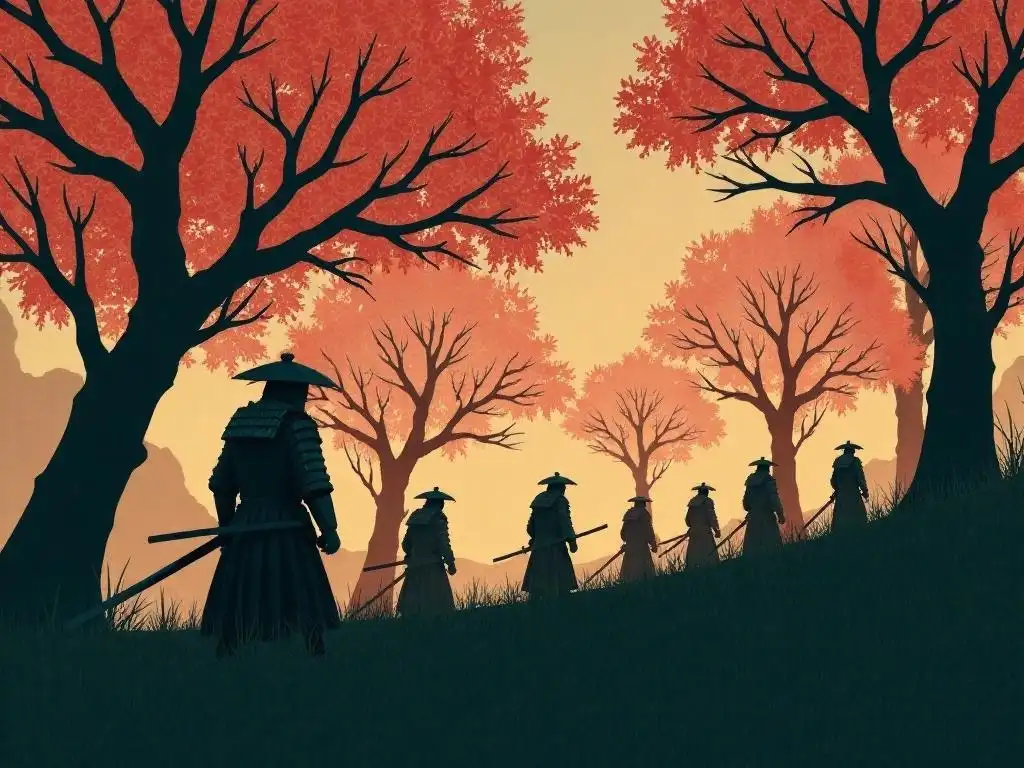
The samurai, as elite warriors of feudal Japan, were not just defined by their martial prowess but also by their distinctive mentality, which deeply influenced their warfare tactics. This section explores pivotal moments in samurai history, illustrating how their mindset shaped their strategies and outcomes in battle. By examining specific case studies, we can gain insight into the complex interplay between samurai mentality and tactical execution.
The Battle of Sekigahara: A Test of Samurai Mentality
The Battle of Sekigahara, fought in 1600, stands as a watershed moment in Japanese history, marking the beginning of the Tokugawa shogunate. This battle showcased the samurai's strategic thinking and mental resilience, as two major factions—the Eastern Army led by Tokugawa Ieyasu and the Western Army under Ishida Mitsunari—clashed in a struggle for dominance.
The samurai mentality emphasized loyalty, honor, and a sense of duty, which played a crucial role in the battle's outcome. Many samurai were driven by a personal code of ethics, known as bushido, which dictated their actions. This code inspired them to fight valiantly, even in the face of overwhelming odds. The Eastern Army's strategic advantage came from their ability to form alliances and manipulate the terrain, reflecting a calculated approach rooted in samurai culture.
Additionally, the battle's psychological warfare aspects cannot be overlooked. The Eastern Army engaged in tactics that instilled fear and uncertainty among their opponents, disrupting the cohesion of the Western Army. Ultimately, the victory at Sekigahara demonstrated how the samurai spirit influenced not only individual tactics but also broader strategic choices in warfare.
The Siege of Osaka: Strategy and Mental Resilience
The Siege of Osaka (1614-1615) further illustrates the strategic mindset of the samurai during prolonged conflict. This siege comprised two major battles: the Winter Siege and the Summer Siege, where Tokugawa forces faced off against the Toyotomi clan, who still held significant power.
Leading up to the siege, the Toyotomi samurai relied heavily on their mental resilience and strategic fortifications, believing that their well-prepared defenses could withstand the Tokugawa onslaught. However, the Tokugawa's strategic use of deception and psychological tactics played a critical role in breaching the defenses. They employed diversions, misinformation, and surprise attacks, showcasing a deep understanding of both the battlefield and the enemy’s mentality.
The mental fortitude displayed by the Toyotomi samurai during the siege is also noteworthy. Despite facing a formidable adversary, they fought with unwavering dedication, reflecting their commitment to honor and legacy. This battle ultimately culminated in the fall of the Toyotomi stronghold and solidified the Tokugawa shogunate’s power, highlighting how mentality and tactics intertwine in warfare.
Analysis of Individual Samurai and Their Tactical Approaches
Individual samurai often exhibited unique tactical approaches based on their personal philosophies and experiences. For instance, figures like Miyamoto Musashi and Takeda Shingen contributed significantly to the evolution of samurai tactics.
Miyamoto Musashi, renowned for his dual-wielding technique and strategic prowess, wrote "The Book of Five Rings," a treatise on martial arts and strategy. Musashi’s approach emphasized adaptability and psychological warfare, encouraging warriors to anticipate their opponent’s moves and exploit weaknesses. His mentality fostered a fluidity in combat, allowing for innovation in tactics that often caught opponents off guard.
Conversely, Takeda Shingen was known for his effective use of cavalry and battlefield formations. His principles of warfare were deeply influenced by his samurai mentality of honor and respect for the enemy. Shingen’s strategic acumen and ability to inspire loyalty among his troops allowed him to execute complex maneuvers, establishing his reputation as one of Japan’s most formidable warlords.
These individual cases illustrate that the samurai mentality was not monolithic; rather, it encompassed a spectrum of beliefs and approaches that enriched the tactical landscape of samurai warfare.
Comparison of Samurai Tactics with Other Warriors
The samurai’s distinctive warfare tactics can be closely compared to those of other warrior cultures, revealing both similarities and differences in mentality and strategies. By examining these contrasts, we can better understand the unique characteristics of samurai warfare.
Samurai vs. European Knights: A Study in Mentality and Strategy
The samurai and European knights were both elite warrior classes, yet their mentalities and tactics reflected their respective cultures' values. Samurai emphasized bushido, focusing on honor, loyalty, and the spiritual aspects of warfare. This code influenced their approach to combat, often prioritizing individual skill and the psychological dimension of battle.
In contrast, European knights operated under the chivalric code, which also valued honor but placed a stronger emphasis on feudal loyalty and the role of the knight as a nobleman. European tactics often relied on heavy cavalry charges and linear formations, showcasing a more structured approach to warfare.
The differences in training also played a role in their tactical execution. Samurai trained in a variety of weapons and martial arts, allowing for versatile combat styles, while knights primarily focused on mounted combat and the use of heavy armor. This diversity in training led to different battlefield tactics, with samurai favoring mobility and adaptability, whereas knights relied on the strength of their cavalry and the protection offered by their armor.
The Differences in Warfare Approaches Across Cultures
Warfare approaches among different cultures reveal profound insights into how mentality shapes tactics. For example, the Mongols employed highly mobile cavalry tactics focused on speed and surprise, reflecting a mentality of adaptability and aggression. Their success lay in their ability to quickly outmaneuver enemies, contrasting sharply with the samurai’s more measured and honor-bound approach.
Similarly, the Roman military adopted a disciplined and organized structure, emphasizing formations and collective strategy over individual heroism. Their mentality revolved around the strength of the legion and the importance of cohesive tactics over personal valor, differing fundamentally from the samurai ethos.
These contrasting approaches underscore the influence of cultural values on warfare strategies. The samurai mentality, characterized by individual honor and spiritual discipline, resulted in unique tactics that distinguished them from other warrior classes throughout history. Each culture’s warfare approach reflects its societal values, revealing how mentality can shape military history in profound ways.
Conclusion: The Lasting Impact of Samurai Mentality on Warfare
The samurai mentality has left an indelible mark on the history of warfare, extending beyond the battlefield into various facets of Japanese culture and society. Central to this mentality is the code of bushido, which emphasizes loyalty, honor, and discipline. These principles not only shaped the strategies and tactics employed by samurai warriors but also fostered a sense of collective identity and purpose among them. The samurai's unique approach to combat—highlighted by their adaptability, focus on individual skill, and psychological resilience—continues to influence contemporary military strategies and leadership philosophies.
Moreover, the samurai's holistic view of warfare, which intertwined physical prowess with spiritual and moral considerations, has paved the way for modern interpretations of combat ethics. The legacy of the samurai spirit manifests in the respect for the warrior class and the values they embodied, which still resonate in Japan today. As we reflect on the samurai's contributions to warfare, it is essential to recognize their enduring influence on both historical and modern contexts, illustrating that the samurai spirit transcends time and remains relevant in discussions of military tactics and ethics.
Lessons Learned from Samurai Tactics in Modern Warfare
Modern military leaders can glean valuable insights from the tactical approaches of samurai warriors, particularly their emphasis on adaptability and strategic foresight. Samurai were known for their ability to assess battlefield dynamics rapidly and adjust their tactics accordingly, a principle that remains crucial in today’s fast-paced military environments. The concept of "kuzushi," or breaking the balance of an opponent, exemplifies the strategic thinking that can be applied to disrupt enemy forces effectively and gain a tactical advantage.
Another lesson is the importance of training and discipline. The rigorous training regimens of samurai not only developed their combat skills but also instilled a mindset of perseverance and resilience. Modern militaries can benefit from incorporating these principles into their training programs, fostering a culture that values continuous improvement and mental fortitude.
Finally, the samurai's commitment to ethical conduct, even in warfare, underscores the significance of maintaining moral standards. This approach resonates with contemporary military ethics, emphasizing that the principles of honor and justice should guide actions in conflict, ensuring that the lessons of the past inform the strategies of the future.
The Legacy of Samurai Spirit in Contemporary Japanese Culture
The samurai spirit continues to permeate contemporary Japanese culture, influencing various aspects from martial arts to literature and even business practices. In martial arts, disciplines such as kendo and iaido reflect the samurai's focus on technique, discipline, and respect for opponents. Practitioners often embody the bushido code, emphasizing mental clarity and ethical conduct in their training.
Moreover, the samurai's ethos has found its way into modern Japanese literature, film, and anime, where themes of honor, sacrifice, and the warrior's journey resonate with audiences. Works such as "The Last Samurai" and Akira Kurosawa's films often explore the complexities of the samurai spirit, highlighting its relevance in contemporary narratives.
In the business realm, the principles of loyalty and dedication that characterized samurai culture are echoed in the Japanese work ethic. Companies often foster a sense of collective identity and commitment to shared goals, reminiscent of the samurai's loyalty to their lords. Thus, the samurai spirit continues to shape not only the historical understanding of Japan but also its modern identity.
Further Reading on Samurai Mentality and Warfare Tactics
For those interested in exploring the intricate connections between samurai mentality and warfare tactics, a wealth of literature and resources is available that delve into this fascinating subject. These readings provide deeper insights into the historical context, philosophies, and practices of samurai warfare, enriching the understanding of their lasting impact.
Recommended Books and Articles
- "Bushido: The Soul of Japan" by Inazo Nitobe: This seminal work offers a comprehensive overview of the samurai code and its influence on Japanese culture and ethics.
- "The Book of Five Rings" by Miyamoto Musashi: Written by one of Japan's most famous samurai, this text explores strategies and philosophies that are applicable to both martial arts and broader life challenges.
- "Samurai Warfare" by Stephen Turnbull: A detailed examination of samurai tactics, weaponry, and combat strategies throughout Japan's feudal era.
- "The Samurai: A Military History" by David A. McMullen: This book provides an in-depth analysis of the role samurai played in shaping Japan's military history.
Documentaries and Visual Media on Samurai Warfare
- "Samurai: The Last Warrior": This documentary explores the decline of the samurai class and their enduring legacy in Japan.
- "The Samurai: A History": A series that delves into the lives, battles, and philosophies of samurai warriors, providing a visual representation of their impact on Japanese history.
- "Secrets of the Samurai Sword": This documentary investigates the craftsmanship and significance of the katana, the iconic weapon of the samurai, along with its role in warfare.
- "Kurosawa's Samurai Cinema": An exploration of how Akira Kurosawa’s films depict the samurai ethos and its influence on global cinema.
These resources offer an engaging way to deepen one's understanding of the samurai mentality and its profound influence on warfare tactics and Japanese culture.
- Introduction to Samurai Mentality and Warfare Tactics
- Historical Context of Samurai Warfare
- Core Aspects of Samurai Mentality
- Influence of Samurai Mentality on Warfare Tactics
- Case Studies of Samurai Warfare Tactics
- Comparison of Samurai Tactics with Other Warriors
- Conclusion: The Lasting Impact of Samurai Mentality on Warfare
- Further Reading on Samurai Mentality and Warfare Tactics
Frequently Asked Questions
What is the Samurai mentality?
The Samurai mentality emphasizes honor, loyalty, and discipline. It shaped the way samurai approached both their personal lives and their roles in warfare, driving them to uphold a strict code of ethics.
How did the Samurai spirit influence their warfare tactics?
The Samurai spirit guided their strategies and combat techniques, encouraging them to focus on bravery, skill, and tactical adaptability in battle. This mindset often led to innovative approaches in warfare.
What role did cultural beliefs play in samurai warfare?
Cultural beliefs, such as Bushido, instilled a sense of purpose and commitment in samurai. These beliefs influenced their strategies, making them not just fighters but also guardians of societal values.
How did the feudal system affect samurai tactics?
The feudal system created a hierarchy that defined allegiances and responsibilities among samurai. This structure impacted their tactical decisions, often prioritizing the interests of their lords and domains during conflicts.
Are there modern influences of the samurai mentality in warfare today?
Yes, elements of the samurai mentality can still be seen in modern military practices, such as the emphasis on honor, teamwork, and strategic planning. Many military organizations study samurai tactics for insights into leadership and discipline.
Final Reflection: The Enduring Legacy of Samurai Mentality in Warfare Tactics
The exploration of the samurai spirit reveals how deeply rooted mentalities shape not only individual behavior but also broader strategies in warfare. In today's world, where conflict still permeates various aspects of society, understanding the samurai mentality offers profound insights into resilience, discipline, and the art of strategy. The lessons drawn from this historical perspective are not merely relics of the past; they resonate powerfully in contemporary discussions about leadership and conflict resolution.
Culture is a living entity, continuously influenced by the values and philosophies of its predecessors. The samurai's unwavering commitment to honor and discipline has left an indelible mark on modern military tactics and leadership styles. As we witness ongoing global conflicts, the principles derived from the samurai spirit remind us that warfare is not solely about physical prowess but also about mental fortitude and ethical considerations. The ultimate aim of the martial arts is not having to use them.
This quote encapsulates the essence of the samurai mentality, emphasizing the importance of preparedness and moral integrity over mere aggression.
As we reflect on the teachings of the samurai, I invite you to consider how these principles can be applied in your own life. How can the samurai mentality inspire you to approach challenges with resilience and strategic thinking?
Embrace the spirit of the samurai, not just in times of conflict but in everyday decisions, and let it guide you toward a path of honor, discipline, and thoughtful action. The legacy of the samurai is not confined to the pages of history; it is a call to cultivate a mindset that transcends time and continues to shape our world today.
Harness Your Inner Samurai: Take Action Today!
Thank you for diving into the fascinating world of the Samurai spirit and its profound impact on warfare tactics. Through this exploration, you've gained insights that can transform your perspective on strategy and resilience. Now, it's time to put that knowledge into action!
- Embrace the Samurai Mindset: Reflect on your own challenges and consider how you can apply perseverance and discipline in your daily life. Start with small steps and gradually build your way up!
- Explore More: Delve deeper into the philosophy of the Samurai by reading influential works on their code, such as Bushido: The Soul of Japan by Inazo Nitobe.
- Share Your Insights: Engage with others by sharing this article on social media or initiating a conversation about what you’ve learned in history groups or forums.
Are you ready to embody the principles of the Samurai and unlock your full potential? How will you apply the spirit of the Samurai to overcome your next challenge?