
What the Ashigaru Taught Us About Loyalty and Duty in Feudal Japan

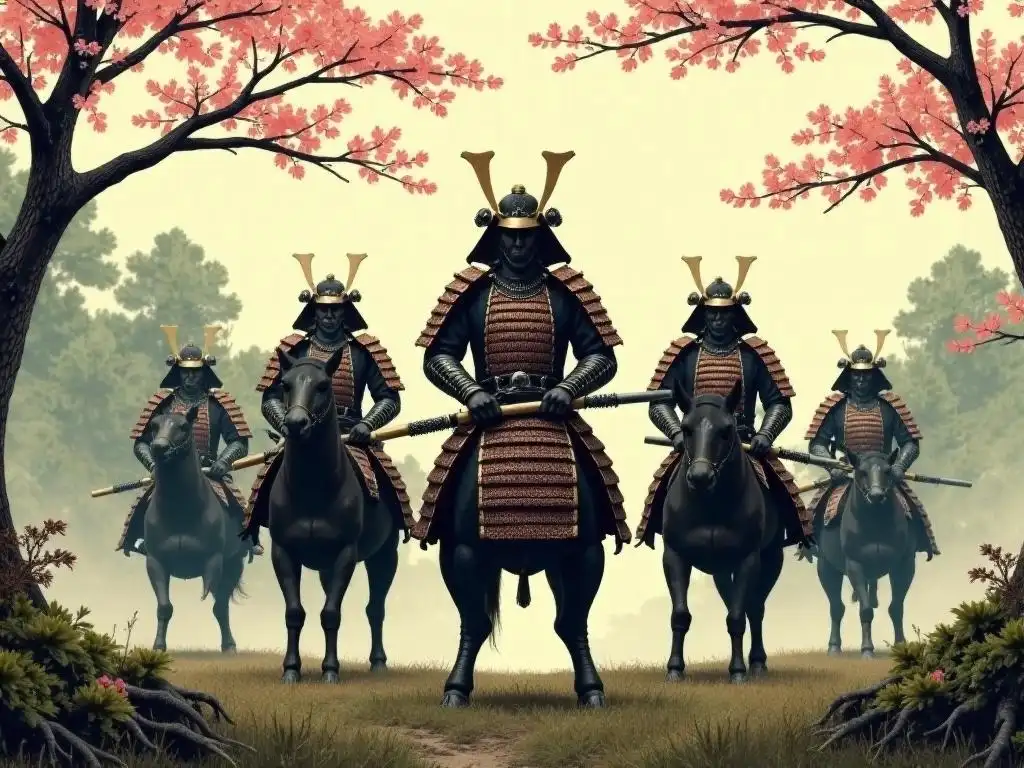
Welcome to Feudal Japan History, where the echoes of the past come alive! Dive into our comprehensive exploration of Japan’s feudal era and uncover the intricate fabric of loyalty and duty as exemplified by the Ashigaru. In our featured article, “What the Ashigaru Taught Us About Loyalty and Duty in Feudal Japan,” we unravel the fascinating dynamics of these foot soldiers and their unwavering commitment amidst the tumult of war. Prepare to be intrigued as we delve into the lessons that resonate through time, beckoning you to explore further the rich tapestry of military history in this captivating period.
The Ashigaru, the foot soldiers of feudal Japan, represent a fascinating intersection of military prowess and social dynamics during a transformative period in Japanese history. Emerging in the 15th century, these common soldiers were not only instrumental on the battlefield but also embodied the values of loyalty and duty that permeated the samurai code of conduct.
Their evolution from mere peasant conscripts to respected warriors provides valuable insights into the societal structures of the time and the significance of fidelity within the feudal hierarchy. This article delves into the intricate roles that Ashigaru played in shaping concepts of loyalty and duty during feudal Japan, examining their contributions to military strategy, the cultural implications of their service, and the lessons they imparted that resonate even today.
The Role of Ashigaru in Feudal Warfare
The Ashigaru were essential in forming the backbone of the military forces during feudal Japan. Originally serving as foot soldiers for the samurai, they gradually developed into a more organized and vital element of the army. Their training, though rudimentary compared to that of the samurai, was focused on practical skills necessary for combat.
- Training and Equipment
- Ashigaru were typically armed with spears, swords, and bows.
- Many were equipped with armor made from cheaper materials, making them more accessible to the lower classes.
- Tactics and Strategy
- They played a crucial role in large-scale battles, often serving as infantry to support the more elite samurai.
- Their use of formations and group tactics helped shape military strategies during the Sengoku period.
Loyalty and Duty Among the Ashigaru
The concepts of loyalty and duty were deeply ingrained in the culture of feudal Japan, and the Ashigaru were no exception. Despite their lower social status, many Ashigaru displayed remarkable fidelity to their lords, often fighting bravely in defense of their daimyō (feudal lord).
- Social Mobility
- Service in the military offered Ashigaru opportunities for social advancement, allowing them to gain land and status.
- Their loyalty to their lord was often reciprocated with rewards, enhancing their sense of duty.
- Cultural Significance
- The loyalty displayed by Ashigaru reflected the broader societal values of feudal Japan, emphasizing the importance of allegiance in both military and civilian life.
- Stories and folklore from this era often celebrated the bravery and dedication of these soldiers, reinforcing their role in the cultural narrative.
Lessons from Ashigaru Loyalty and Duty
The legacy of the Ashigaru extends beyond the battlefield, offering contemporary society lessons in loyalty and duty. Their experiences and the values they embodied can inspire modern discussions about commitment and service in various aspects of life.
- Modern Parallels
- Concepts of loyalty in the workplace or community can draw parallels to the Ashigaru's dedication to their lords.
- Understanding the historical context of these values can enrich current discussions on leadership and responsibility.
In exploring the multifaceted roles of the Ashigaru in feudal Japan, we uncover not only a rich historical narrative but also enduring lessons that continue to resonate in today's world. Through their loyalty and sense of duty, these foot soldiers provide a unique lens through which we can examine the complexities of feudal society and the values that shaped it.
- The Role of Ashigaru in Feudal Warfare
- Loyalty and Duty Among the Ashigaru
- Lessons from Ashigaru Loyalty and Duty
Introduction to Ashigaru in Feudal Japan
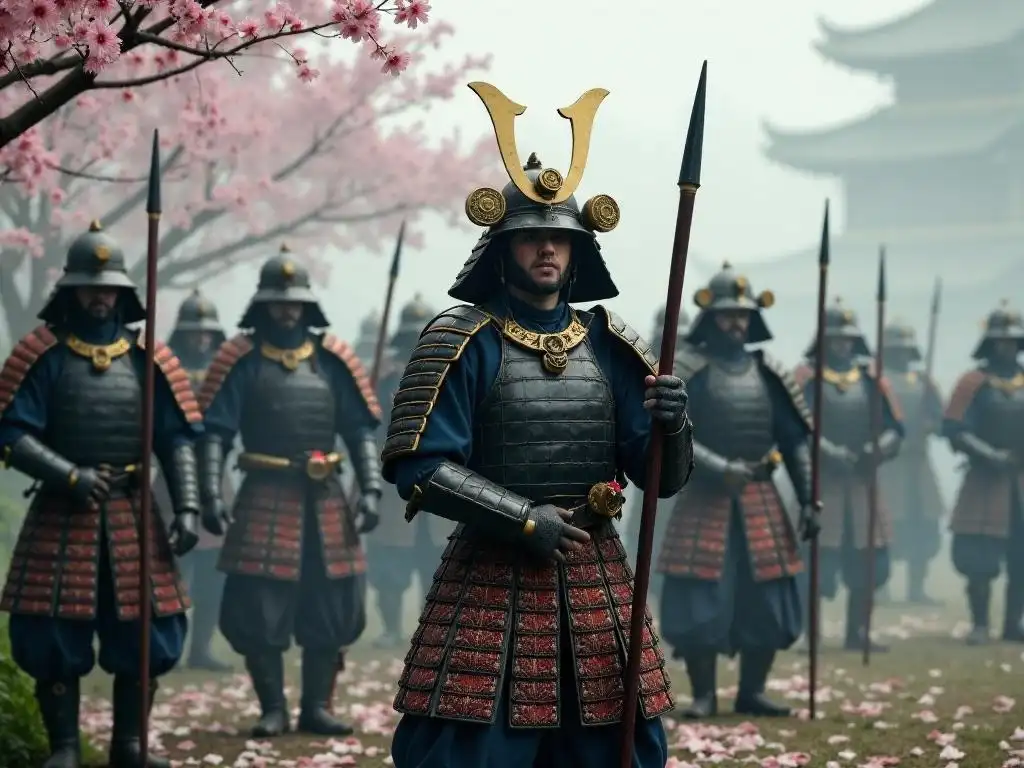
The Ashigaru were a crucial component of the military structure in feudal Japan, especially from the 15th century onwards. Originally, they were foot soldiers drawn from the peasantry and lower classes, reflecting a significant shift from the nobility-dominated samurai armies. The term "Ashigaru" translates to "light foot," indicative of their primary role as infantry who were often equipped with basic weapons such as spears, bows, and later, firearms. Their evolution from mere support troops to key frontline fighters illustrates the complexities of loyalty and duty that defined their existence during this tumultuous era.
Overview of the Ashigaru Role
The Ashigaru played a multifaceted role in the military hierarchy of feudal Japan. Initially, these soldiers were used primarily for skirmishing and as a supplementary force to the more esteemed samurai. However, as warfare evolved, so did their significance:
- Infantry Backbone: The Ashigaru formed the backbone of many armies, providing mass infantry that could engage in direct combat.
- Support Units: In addition to combat roles, they often served as support for samurai forces, performing tasks such as carrying supplies and maintaining siege equipment.
- Versatile Fighters: Equipped with a range of weaponry, including the yari (spear) and teppo (firearm), Ashigaru adapted to various combat scenarios, proving their versatility on the battlefield.
Their loyalty and commitment to their lords became crucial, especially as battles became more frequent and intense. The Ashigaru's ability to adapt and fight alongside samurai solidified their role in the military framework of Japan.
Historical Context of the Ashigaru
The rise of the Ashigaru coincided with significant historical changes in Japan, particularly during the Sengoku period (1467-1615). This era was characterized by widespread conflict among regional warlords, known as daimyōs, who sought to expand their territories. Several factors contributed to the prominence of the Ashigaru during this time:
- Economic Shifts: As agricultural productivity increased, more peasants could afford to equip themselves for battle, leading to a larger pool of potential soldiers.
- Military Innovations: The introduction of gunpowder and firearms revolutionized warfare, allowing Ashigaru to engage effectively in combat, which previously relied heavily on the samurai's martial prowess.
- Social Mobility: The chaotic nature of the Sengoku period allowed for some degree of social mobility, where Ashigaru could earn titles and land through acts of valor and loyalty, further intertwining their fates with those of the samurai.
This historical backdrop fostered an environment where loyalty and duty became paramount, as the Ashigaru often fought not just for their lords, but for their own survival and status.
Importance of Loyalty and Duty in Feudal Society
In the feudal hierarchy of Japan, loyalty and duty were foundational principles that governed relationships between lords and vassals. The Ashigaru, despite their lower social standing, embodied these values in several profound ways:
- Loyalty to the Daimyō: The Ashigaru were expected to demonstrate unwavering loyalty to their lords. This loyalty was often rewarded with promotions, land grants, and opportunities for social advancement. Their commitment was not merely a matter of obedience but a vital part of their identity.
- Sacrifice in Battle: During conflicts, Ashigaru faced the same risks as samurai, often leading to acts of bravery and sacrifice. Their willingness to fight and die for their lord contributed significantly to the outcomes of battles and the stability of feudal domains.
- Cultural Representation: The loyalty of the Ashigaru has been romanticized in various forms of Japanese culture, including literature and theater, showcasing their vital role in the narrative of feudal Japan. Their actions exemplified the bushidō code, which emphasized honor, loyalty, and duty.
The Ashigaru were not just foot soldiers; they were a symbol of loyalty and duty that resonated through the layers of feudal society in Japan. Their contributions to military efforts and the ideals they embodied continue to be studied as a vital part of Japan's rich historical tapestry.
The Concept of Loyalty in Feudal Japan

Definition of Loyalty in the Context of the Samurai Code
In feudal Japan, loyalty was not merely a personal virtue; it was a foundational element of the societal structure, particularly within the context of the samurai code, known as Bushido. This code emphasized loyalty to one's lord (daimyo) above all else, often at the expense of personal interests and even life itself. The samurai were expected to uphold their lord’s honor and the clan's reputation, showcasing a profound sense of duty that was ingrained in their identity.
Loyalty in this context can be defined as fidelity to one's master, encompassing not only military allegiance but also moral and ethical commitments. It was seen as a sacred bond, often compared to familial ties. Betrayal of this loyalty was viewed as one of the gravest offenses, leading to severe repercussions, including dishonor and death. This deep-rooted sense of duty was reinforced through various narratives and rituals, elevating loyalty to a near-religious status within samurai culture.
The Role of Ashigaru in Demonstrating Loyalty
The Ashigaru, initially foot soldiers of lower status compared to the samurai, played a crucial role in the feudal military system. Their loyalty was just as significant, albeit expressed differently. While samurai loyalty was often tied to noble lineage and honor, the Ashigaru's loyalty stemmed from their personal circumstances and relationships with their lords.
- Social Mobility: Many Ashigaru were former peasants or commoners who were granted the opportunity to serve as soldiers. Their loyalty was motivated by the hope for social advancement, land grants, or better living conditions for their families. This personal stake in their lord’s success fostered a strong sense of duty.
- Pragmatic Loyalty: Unlike the samurai, whose loyalty was often idealistic, Ashigaru loyalty was pragmatic. They fought not only for the honor of their lord but also for tangible rewards. This loyalty was often demonstrated in battle, where Ashigaru showed courage and commitment, proving their worth as essential components of the military force.
- Collective Identity: The Ashigaru developed a collective identity that emphasized loyalty to each other as well. This camaraderie was vital in fostering a sense of belonging and mutual dependence, which was crucial during battles where they faced overwhelming odds.
Comparing Ashigaru Loyalty to Samurai Loyalty
While both the Ashigaru and samurai exhibited loyalty, their expressions and motivations differed significantly.
| Aspect | Samurai Loyalty | Ashigaru Loyalty |
|---|---|---|
| Motivation | Honor, tradition, and familial ties | Social mobility, personal gain |
| Expression in Battle | Idealistic, often leading charges | Tactical, focused on survival and duty |
| Outcome of Betrayal | Death or severe dishonor | Loss of livelihood and societal status |
| Relationship with Lords | Feudal loyalty tied to lineage and honor | Practical loyalty based on service and reward |
The samurai's loyalty was often romanticized, steeped in ideals and noble sacrifice, whereas the Ashigaru's loyalty reflected a more complex reality driven by personal ambitions and the need for survival. Despite these differences, both groups contributed to the feudal system's stability, demonstrating that loyalty could be manifested in various ways, shaped by social context and individual circumstances.
The dynamic between Ashigaru and samurai loyalty illustrates the multifaceted nature of duty in feudal Japan, underscoring how social status and personal motivations influenced expressions of loyalty in this era.
Duty and Responsibilities of Ashigaru
Military Duties: The Ashigaru's Role in Battles
The Ashigaru, as the foot soldiers of feudal Japan, played a crucial role in the military structure of samurai clans. Their primary military duties involved direct participation in battles, where they were often deployed in large numbers to support the samurai elite. Unlike the highly trained samurai, Ashigaru were typically less experienced but compensated with sheer numbers and dedication.
- Formation and Tactics:
- Ashigaru were organized into various formations, often fighting in close ranks to maximize their collective strength.
- Their primary weaponry included spears (yari) and bows (yumi), which allowed them to engage effectively at both close and long range.
- Support Roles:
- In addition to frontline combat, Ashigaru also served vital support roles, including:
- Logistics: Carrying supplies, ammunition, and equipment.
- Siege Warfare: Assisting in the construction of siege engines and fortifications.
- In addition to frontline combat, Ashigaru also served vital support roles, including:
- Loyalty and Duty in Combat:
- Ashigaru were bound by a strong sense of loyalty to their lords. This loyalty often translated into a fierce commitment during battles, with many Ashigaru displaying remarkable bravery despite the risks involved.
- They were often motivated by the promise of land or rewards post-battle, emphasizing a sense of duty not only to their immediate commanders but also to their family and community.
Beyond their military responsibilities, Ashigaru also had significant social duties within their communities. Their roles were not solely confined to warfare; they were key players in the socio-economic structures of their respective domains.
- Agricultural Contributions:
- Many Ashigaru came from peasant backgrounds and were expected to return to their agricultural duties during peacetime. They contributed to the local economy by working the land and ensuring food production.
- This dual role reinforced their connection to the land and community, highlighting the importance of duty beyond the battlefield.
- Community Defense:
- Ashigaru were often called upon to defend their localities against external threats, acting as a first line of defense for their villages.
- They participated in local militias, further solidifying their role as protectors of their communities, which fostered a strong sense of loyalty not only to their lords but also to their fellow villagers.
- Cultural Preservation:
- They played a part in the preservation and transmission of local customs and traditions, participating in festivals and rituals that reinforced community bonds.
- Their involvement in these social activities showcased their loyalty to the cultural heritage of their region, blending military duty with community engagement.
The concept of duty profoundly influenced the social standing of Ashigaru within the feudal hierarchy. While they were often seen as lower-class soldiers compared to the samurai, their duties shaped their identities and allowed for certain social mobility.
- Recognition through Service:
- Loyalty and exemplary service in battle could lead to recognition from higher-ranking samurai. Successful Ashigaru might be rewarded with land or titles, elevating their social status.
- This potential for upward mobility encouraged a strong sense of duty, as it was not uncommon for Ashigaru to aspire to become samurai themselves.
- Community Respect:
- Within their local communities, Ashigaru often gained respect for their dedication and bravery. Those who distinguished themselves in battle earned the admiration of their peers, fostering a sense of pride in their dual role as both soldiers and community members.
- Their contributions to local defense and agriculture further solidified their status as essential members of society.
- Legacy of Loyalty:
- The loyalty exhibited by Ashigaru left a lasting legacy in Japanese history, where their commitment to duty became a cultural ideal. Their actions and sacrifices contributed to the broader narrative of loyalty in samurai culture, emphasizing the integral role that these foot soldiers played in shaping feudal Japan.
The Ashigaru exemplified a complex interplay of duty and social responsibility that shaped their identities within the feudal system. Their loyalty was not just to their lords but extended to their communities, and their multifaceted roles contributed significantly to the socio-political landscape of feudal Japan.
Lessons from Ashigaru Loyalty and Duty

How Ashigaru Loyalty Shaped Military Strategies
The Ashigaru, who were primarily foot soldiers in feudal Japan, played a pivotal role in the military strategies of their time. Their loyalty was not just a personal trait but a strategic asset that influenced the outcomes of many battles. The dedication of the Ashigaru to their samurai leaders fostered a sense of unity and purpose within the ranks. This allegiance was often cultivated through training, shared hardships, and communal living, which reinforced their commitment to the cause.
- Training Regimens: Ashigaru were trained in various martial arts, weaponry, and tactics. This preparation not only honed their skills but also instilled a deep sense of loyalty to their commanders. The more proficient they became, the more they felt a responsibility to protect their leaders and comrades.
- Shared Hardships: The life of an Ashigaru was often fraught with difficulties, from harsh living conditions to the dangers of battle. Overcoming these challenges together fostered a strong bond among the soldiers. Their loyalty was, therefore, not merely to their samurai but to their fellow fighters as well.
- Tactical Innovations: The loyalty of the Ashigaru allowed commanders to implement innovative tactics that leveraged their numbers effectively. For instance, during the Sengoku period, Ashigaru units were often used to create diversions or to flank enemy positions, demonstrating how their steadfastness was crucial in executing complex military strategies.
In essence, the loyalty of the Ashigaru was a cornerstone of the military framework in feudal Japan. It shaped not only individual conduct on the battlefield but also broader strategic decisions that determined the success of various clans.
The Legacy of Ashigaru Duty in Modern Japan
The concept of duty exhibited by the Ashigaru has left an indelible mark on the cultural fabric of modern Japan. Their unwavering commitment to their lords reflects a broader societal emphasis on loyalty and responsibility that persists today. This legacy manifests itself in several ways:
- Corporate Culture: In contemporary Japanese businesses, the spirit of duty seen in the Ashigaru can be observed in the strong loyalty employees often show towards their companies. This loyalty is fostered through long-term employment practices and an expectation of dedication, mirroring the Ashigaru's commitment to their samurai lords.
- National Service and Civic Responsibility: The sense of duty to one's community and nation, as exemplified by the Ashigaru, resonates in Japan's approach to civic responsibility. Volunteering, participating in community events, and serving in national defense are viewed as extensions of the loyalty that characterized the Ashigaru.
- Cultural Values: Concepts such as wa (harmony) and giri (duty) that were pivotal to the Ashigaru ethos continue to inform Japanese social interactions and ethical frameworks. These values encourage individuals to prioritize community and interpersonal relationships, reflecting the same loyalty and duty that the Ashigaru exemplified.
The legacy of Ashigaru duty serves as a reminder of the importance of loyalty in both personal and societal contexts, influencing the modern Japanese ethos significantly.
Cultural Representations of Ashigaru Loyalty in Literature and Art
The loyalty of the Ashigaru has been immortalized in various forms of literature and art throughout Japanese history. These representations highlight not only their martial prowess but also their steadfast commitment to duty, providing insights into how their loyalty was perceived culturally.
- Historical Texts: Chronicles and historical records, such as the "Taiheiki", depict the Ashigaru as loyal soldiers who would follow their lords into battle without hesitation. These narratives often illustrate their valor and sacrifices, reinforcing the ideal of loyalty in the face of adversity.
- Kabuki and Noh Theatre: Traditional Japanese theatre has also explored the theme of Ashigaru loyalty. Plays often showcase the conflict between personal desires and the duty to one's lord, emphasizing the tragic dimensions of loyalty. These performances serve to dramatize the deeply ingrained cultural values surrounding loyalty and duty.
- Artistic Representations: Woodblock prints and paintings from the Edo period often depicted Ashigaru in battle scenes, showcasing their dedication and courage. These artworks not only celebrate their contributions but also serve as cultural artifacts that reflect societal values of loyalty and duty.
The cultural representations of Ashigaru loyalty in literature and art provide a rich tapestry of how their dedication has been interpreted and celebrated throughout Japanese history. This enduring legacy continues to resonate within modern cultural expressions, keeping the ideals of loyalty and duty alive in the collective consciousness of Japan.
The Evolution of Ashigaru Loyalty and Duty Over Time
Changes in the Role of Ashigaru During Different Periods
The role of the Ashigaru in feudal Japan evolved significantly from the Kamakura period (1185–1333) through the Sengoku period (1467–1603) and into the early Edo period (1603–1868). Initially, Ashigaru were primarily foot soldiers, often recruited from the lower classes of society and lacking formal military training. Their loyalty and duty were largely driven by economic necessity and the promise of land or monetary reward.
During the Kamakura period, Ashigaru served mainly as auxiliary troops to the samurai, participating in campaigns primarily for their lords. Their duties were often limited to basic infantry roles, and loyalty was built through the patron-client relationship that characterized Japanese feudalism. As the Sengoku period unfolded, however, the demand for soldiers surged due to constant warfare among rival clans. This led to a transformation in the Ashigaru's role; they began to receive more training, and their status gradually improved as they became integral to the military strategies of warring daimyō (feudal lords).
The Edo period marked a further shift, as the introduction of a more centralized government reduced the need for large standing armies. The Ashigaru transitioned from combat roles to those of peacekeepers and local enforcers, reflecting a shift in societal values towards stability and order. Their loyalty was now more aligned with the state rather than individual lords, highlighting a significant change in the concept of duty.
The Influence of Political Changes on Ashigaru Loyalty
Political changes throughout Japan's history had a profound impact on the loyalty of Ashigaru. The transition from the fragmented power of the Sengoku period to the unification under Tokugawa Ieyasu created a new framework for loyalty and duty. In the Sengoku era, Ashigaru loyalty was often tied to their immediate lords, leading to fluctuating allegiances as power dynamics shifted. This environment fostered a culture where loyalty could be bought or lost, depending on the fortunes of their leaders.
With the establishment of the Tokugawa shogunate, there was a concerted effort to instill a sense of duty that transcended individual loyalty to lords. The Tokugawa regime sought to unify Japan under a single governance, promoting loyalty to the state as a whole. This was reflected in the creation of a structured hierarchy and a codified set of expectations for Ashigaru conduct. The emphasis on loyalty to the shogunate was reinforced through education, rituals, and societal norms, which ultimately shaped the Ashigaru's understanding of their place in society.
Furthermore, the introduction of the "bushi" code, emphasizing loyalty and honor, began to permeate the ranks of the Ashigaru. While they were not samurai, the ideals of loyalty and duty began to influence their behavior, leading to a more cohesive and disciplined force that was committed to the greater good of the nation rather than just individual lords.
Case Studies: Significant Battles and Ashigaru Contributions
The Ashigaru's contributions to significant battles throughout Japanese history provide insight into their loyalty and duty. One notable example is the Battle of Nagashino (1575), where Ashigaru played a crucial role in the victory for Tokugawa Ieyasu against the Takeda clan. The battle showcased the effectiveness of Ashigaru armed with matchlock firearms, a relatively new weapon in warfare at the time. Their disciplined formation and loyalty to Ieyasu were pivotal in overcoming the formidable cavalry of the Takeda, illustrating how Ashigaru loyalty could turn the tide of a battle.
Another significant instance is the Siege of Osaka (1614-1615), where Ashigaru units were vital in the Tokugawa's efforts to consolidate power. While fighting alongside samurai, the Ashigaru displayed remarkable bravery and loyalty, often taking on frontline roles despite being outnumbered. Their contributions during the siege reaffirmed their importance and dedication to the Tokugawa shogunate, showcasing how duty could manifest even in dire circumstances.
These case studies highlight that Ashigaru loyalty and duty were not merely abstract concepts; they were demonstrated through valor and commitment on the battlefield. Their evolution from mere foot soldiers to reputable contributors to military success underscores the changing perceptions of loyalty in feudal Japan and the integral role Ashigaru played in shaping the country's military history.
Conclusion: The Enduring Legacy of Ashigaru Loyalty and Duty

The Ashigaru, as foot soldiers in feudal Japan, embody a profound sense of loyalty and duty that has resonated through the ages. Their unwavering commitment to their lords during the tumultuous periods of Japan’s history is not merely a reflection of military obligation but also a deep cultural tenet that has shaped societal norms. The loyalty displayed by these soldiers, often arising from a blend of personal honor and feudal duty, has left an indelible mark on Japanese culture and values.
In examining the lessons derived from Ashigaru loyalty, we recognize that this dedication was not always rewarded with high status or substantial wealth. Instead, it stemmed from a sense of purpose and a collective identity that transcended individual ambitions. This phenomenon illustrates a broader theme within Japanese history: the importance of community, hierarchy, and the sacrifices made for the greater good.
The Relevance of Ashigaru Lessons in Today's Society
The principles of loyalty and duty exemplified by the Ashigaru remain relevant in contemporary society, transcending cultural boundaries. In modern contexts, these values can be observed in various sectors, including corporate environments, military organizations, and community service.
- Corporate Loyalty:
- Employees who exhibit loyalty to their organizations often contribute to a cohesive work environment. The Ashigaru's example of commitment can inspire modern workers to foster teamwork and prioritize organizational goals over personal interests.
- Military Service:
- The dedication of soldiers today can be likened to that of the Ashigaru. Their willingness to serve and protect resonates with the historical narratives of loyalty and duty, emphasizing the importance of camaraderie and sacrifice.
- Community Engagement:
- Volunteerism and community service reflect the Ashigaru ethos of duty to one’s community. Individuals who commit their time and resources to help others uphold the spirit of loyalty that was central to the Ashigaru's identity.
The lessons learned from the Ashigaru can serve as a guiding framework for individuals seeking to navigate the complexities of modern life while maintaining a sense of duty and loyalty to their communities and organizations.
Final Thoughts on Ashigaru's Impact on Japanese Culture
The legacy of the Ashigaru is intricately woven into the fabric of Japanese culture. Their embodiment of loyalty and duty has influenced not only military strategies but also social hierarchies and cultural expressions. The values of loyalty and duty are evident in various aspects of contemporary Japanese life, from business practices to interpersonal relationships.
- Cultural Representation:
- The Ashigaru have been immortalized in literature, art, and popular media, serving as symbols of unwavering loyalty. These representations continue to inspire new generations, reinforcing the values they stood for.
- Educational Reflection:
- In educational settings, the stories of Ashigaru loyalty are often used to teach the importance of commitment and responsibility, highlighting how these values can lead to success and harmony in society.
- Social Norms:
- The cultural emphasis on group harmony and collective responsibility in Japan can be traced back to the principles embodied by the Ashigaru. This historical understanding fosters a sense of identity and belonging among modern Japanese citizens.
The Ashigaru's lessons on loyalty and duty not only shaped the feudal era of Japan but also continue to resonate today, influencing societal values and norms. Their impact is a testament to the enduring nature of these principles, reminding us of the importance of commitment to our duties and loyalty to our communities.
References
Understanding the role of Ashigaru in Feudal Japan requires a dive into various historical texts and scholarly works that illuminate their significance, particularly in terms of loyalty and duty. Below are some key texts and recommended readings that provide valuable insights into this fascinating subject.
Key Texts on Ashigaru History
-
"The Samurai and the Ashigaru: The Role of the Common Soldier in Feudal Japan"
This book details the evolution of the Ashigaru from mere foot soldiers to integral parts of samurai armies. It emphasizes their unique position and loyalty within the feudal hierarchy.
-
"Warriors of Japan: The Ashigaru Experience"
A comprehensive examination of the Ashigaru’s experiences on the battlefield, this text provides firsthand accounts and analyses of their duties, revealing how loyalty shaped their actions and decisions.
-
"The Ashigaru: A Study of the Common Soldier in Medieval Japan"
This scholarly work delves into the social structure of Feudal Japan, focusing on the Ashigaru’s role and the concept of duty that governed their lives. It highlights their loyalty to their lords and how it influenced Japanese military strategy.
-
"The Art of War in Japan: From the Ashigaru to the Samurai"
This text offers a broader view of Japanese military tactics, including the Ashigaru’s contributions. It explores the themes of loyalty and duty in the context of the larger military culture of Feudal Japan.
-
"Ashigaru: The Foot Soldiers of the Samurai"
This book provides a detailed account of the day-to-day lives of Ashigaru, their training, responsibilities, and the expectations placed upon them by their samurai lords, emphasizing the importance of loyalty and duty in their roles.
Recommended Readings on Feudal Japan and Loyalty
-
"Samurai and the Culture of Japan’s Feudal Era"
An exploration of the samurai ethos and the societal structures that defined loyalty during the feudal period, providing important context to the Ashigaru's role.
-
"Loyalty and Duty in Japanese History"
This work discusses the broader implications of loyalty and duty in Japanese culture, using historical examples, including the Ashigaru, to illustrate its significance.
-
"Echoes of Loyalty: The Samurais' Legacy in Japanese Society"
This text investigates how the values of loyalty and duty have transcended the feudal era, impacting modern Japanese society, while reflecting on the precedence set by the Ashigaru and samurai.
-
"The Role of Common Soldiers in Feudal Japan"
A detailed analysis that highlights the contributions of Ashigaru, focusing on their loyalty to their lords and the crucial duties they undertook, shaping the military landscape of Japan.
These texts provide a foundational understanding of Ashigaru loyalty and duty in Japan, making them essential for anyone interested in the military history and cultural dynamics of Feudal Japan.
Frequently Asked Questions
What were the Ashigaru in Feudal Japan?
The Ashigaru were foot soldiers who served the samurai class. They played a crucial role in military campaigns and were known for their loyalty and dedication to their lords.
How did Ashigaru demonstrate loyalty?
Ashigaru showed loyalty through their commitment to their lords, often fighting bravely in battles and following orders without question. Their sense of duty was deeply ingrained in the warrior culture of the time.
What was the significance of duty among the Ashigaru?
The concept of duty was paramount for the Ashigaru, as they were expected to uphold the honor of their lord and the samurai class. Their sense of responsibility shaped their actions on and off the battlefield.
How did Ashigaru differ from samurai in terms of loyalty?
While both Ashigaru and samurai valued loyalty, the Ashigaru were typically lower-ranking and had more practical motivations, such as earning a living and gaining social mobility through service.
What lessons can modern society learn from the Ashigaru's loyalty and duty?
The Ashigaru's loyalty and sense of duty can teach modern society about the importance of commitment to responsibilities and the value of teamwork in achieving common goals.
Final Reflection: The Enduring Legacy of Ashigaru Loyalty and Duty in Japan
The lessons of loyalty and duty exemplified by the Ashigaru resonate profoundly in today's world, reminding us that commitment to a cause or community can shape not only individual lives but also the fabric of society. In an era where personal interests often overshadow collective responsibility, the Ashigaru's unwavering dedication to their lords and fellow warriors serves as a poignant reminder of the power of loyalty. Their sacrifices and steadfastness in the face of adversity highlight a timeless principle: that true strength lies in the bonds we forge with others.
Cultural narratives surrounding the Ashigaru continue to influence our understanding of loyalty and duty in contemporary society. Their legacy is not merely a relic of feudal Japan; it is a living testament to the values that underpin teamwork, resilience, and honor in various aspects of life today. As we navigate our own challenges, we can draw inspiration from the Ashigaru's commitment to their duties. Loyalty is not just a word; it is a way of life that shapes our actions and defines our character.
This quote encapsulates the essence of what it means to be dedicated, reminding us that loyalty is a choice we make every day.
As you reflect on the teachings of the Ashigaru, consider how you can embody their spirit of loyalty and duty in your own life. What commitments are you willing to uphold, and how can you contribute to the greater good of your community? Let the legacy of the Ashigaru inspire you to forge deeper connections, stand firm in your responsibilities, and embrace the values that can lead to a more harmonious society. The lessons of the past are not just historical anecdotes; they are guiding principles that can illuminate our paths forward.
Embrace the Spirit of Ashigaru: Take Action Today!
Thank you for exploring the fascinating lessons of loyalty and duty through the story of the Ashigaru in Feudal Japan! Your engagement with this rich topic enhances our understanding of historical values that continue to resonate today. Now, let’s channel that inspiration into meaningful actions.
Here are a few steps you can take to deepen your journey:
- Reflect on your own commitments: Take a moment to journal about what loyalty and duty mean in your life. Consider how these principles guide your decisions and relationships.
- Share the wisdom: Discuss the lessons from the Ashigaru with friends or on social media. You might inspire others to reflect on their values too— share a quote or insight that resonated with you!
- Explore further: Dive deeper into the history of Feudal Japan. Choose an aspect that piques your interest and commit to learning something new about it this week.
As you move forward, think about the insights regarding loyalty and duty that you can incorporate into your daily life.