
The Evolution of Weaponry in Feudal Japan: Key Battles that Changed Everything

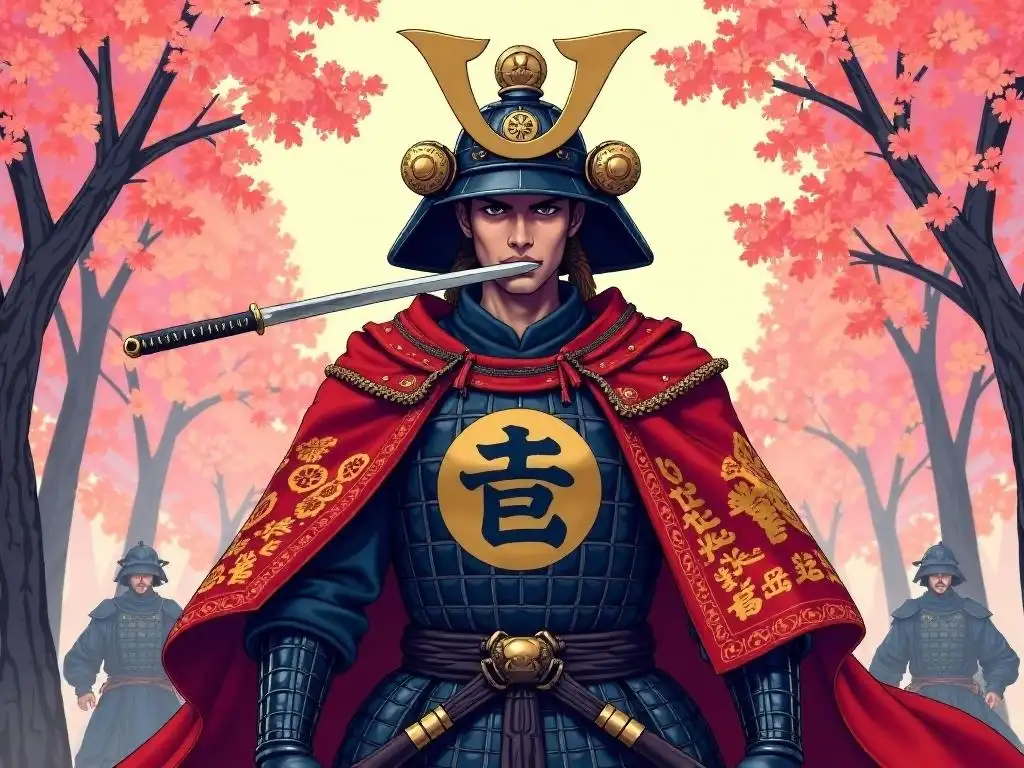
Welcome to Feudal Japan History, where the echoes of swords and the whispers of strategy come alive! Dive deep into the captivating saga of feudal Japan, a time marked by fierce battles and remarkable innovations. In our featured article, "The Evolution of Weaponry in Feudal Japan: Key Battles that Changed Everything," we unravel the intricate transformation of weaponry that not only shaped the battlefield but also influenced the very fabric of Japanese society.
What were the pivotal moments that defined this evolution? Join us on this journey through time and discover the secrets behind the weapons that forged a nation!
Introduction to Feudal Japan Weaponry Evolution
The evolution of weaponry in feudal Japan is a fascinating journey that reflects the complexities of the era's military conflicts, societal changes, and cultural developments. Spanning from the Heian period (794-1185) to the end of the Edo period (1603-1868), this evolution was driven by the needs of samurai warriors and the constant struggle for power among clans.
The weaponry not only played a crucial role in shaping the outcomes of key battles but also influenced the broader cultural landscape of Japan. Understanding this evolution provides insight into how weaponry was not only a tool of war but also a symbol of status, tradition, and technological advancement.
Overview of Weaponry in Feudal Japan
In feudal Japan, the arsenal of weapons was diverse, each designed for specific combat scenarios and reflecting the martial traditions of the time. Notable weapons included:
- Katana: The iconic curved sword, revered not just for its effectiveness in battle but also for its craftsmanship.
- Tanto: A small blade used for close combat, often carried as a secondary weapon.
- Yari: A spear that became increasingly popular for its reach and effectiveness in both infantry and cavalry formations.
- Naginata: A polearm that combined a sword's cutting ability with a long reach, making it a favored weapon among warrior monks.
- Bows: Used extensively in early battles, the yumi (longbow) was crucial for ranged combat.
The evolution of these weapons was influenced by technological innovations, such as the introduction of iron and metalworking techniques, which led to stronger and more reliable weaponry.
Importance of Weaponry in Key Battles
Weaponry played a pivotal role in the key battles that defined feudal Japan's history. Each significant conflict brought about advancements in weapon design and strategy, which in turn influenced subsequent battles. The transition from individual combat to organized warfare necessitated the development of new tactics and the evolution of existing weapons. As clans vied for supremacy, the effectiveness of their weaponry often determined their success or failure on the battlefield.
The Early Period: Weapons of the Heian Era
The Heian period marked a time of relative peace and cultural flourishing, but it was also a crucial phase for the development of weaponry that would shape future conflicts.
Characteristics of Heian Era Weaponry
During the Heian era, weaponry was characterized by a blend of traditional craftsmanship and evolving military needs. Key characteristics included:
- Artistry: Weapons were often intricately designed, reflecting the aesthetic values of the time.
- Materials: The use of high-quality steel and the development of new forging techniques led to stronger and more durable weapons.
- Functionality: Weapons were designed not only for battle but also for ceremonial purposes, showcasing the samurai's status and skill.
Key Battles and Their Influence on Weapon Development
Several key battles during the Heian era had a profound impact on the evolution of weaponry:
- The Genpei War (1180-1185): This conflict between the Taira and Minamoto clans highlighted the effectiveness of the katana and the use of cavalry tactics. The battles fought during this war accelerated the transition from traditional to more innovative weapon designs.
- The Battle of Dan-no-ura (1185): A pivotal naval battle that showcased the integration of military strategy and weaponry, influencing future naval engagements and the need for specialized arms.
The developments in weaponry during these battles not only changed the course of conflicts but also laid the groundwork for the martial culture that would define Japan for centuries to come. By examining these historical contexts, we can better understand the significance of feudal Japan's weaponry evolution and its lasting impact on Japanese history.
The Rise of the Samurai: Weaponry in the Kamakura Period
The Kamakura period (1185–1333) marked a significant transformation in Japanese society, particularly with the rise of the samurai class and their unique weaponry. This era saw the consolidation of power by the samurai, who became the primary military force in Japan. As feudal lords or daimyōs established their dominion, the samurai relied heavily on their weapons not just for battle, but as symbols of their status and honor.
During this period, the development of the katana became emblematic of the samurai warrior. The katana, with its distinctive curved blade and superior craftsmanship, was designed for slashing rather than thrusting. The techniques employed in combat evolved as well, with a focus on quick-draw methods that capitalized on the katana's design. The samurai's connection to their weapon was profound; it represented their identity, loyalty, and fighting spirit.
Introduction of the Katana and Its Significance
The katana emerged as the quintessential weapon of the samurai during the Kamakura period. Its design allowed for superior performance in battle, combining elegance with lethality. The blade's curvature facilitated swift, powerful cuts, making it effective against armored opponents.
The katana also carried deep cultural significance. It was often considered an extension of the samurai’s spirit, symbolizing honor, discipline, and martial prowess. The process of forging a katana was steeped in tradition, involving the melding of high and low carbon steel to create a blade that was both resilient and sharp. The ritualistic aspects of sword-making, including the spiritual blessings performed by artisans, added to the katana's esteemed status.
Beyond its physical attributes, the katana played a crucial role in the samurai's code of conduct, known as Bushidō. This ethos emphasized loyalty, bravery, and honor, all of which were embodied in the relationship between a samurai and his sword.
Notable Battles that Shaped Samurai Arms
Several key battles during the Kamakura period showcased the evolution of samurai weaponry, particularly the katana.
- The Gempei War (1180–1185): This conflict between the Taira and Minamoto clans was pivotal in establishing the samurai class. The battles of Dan-no-ura and Ichi-no-Tani highlighted the effectiveness of the katana in naval and land engagements, respectively, underscoring its superiority over previous weaponry.
- The Mongol Invasions (1274, 1281): The attempted invasions by Kublai Khan tested the resilience of the samurai and their arms. Though ultimately repelled, the confrontations led to innovations in armor and tactics, enhancing the effectiveness of the katana in combat scenarios against foreign invaders.
These battles not only demonstrated the prowess of the samurai and their weaponry but also solidified the katana's place as a cultural icon and vital tool in feudal Japan.
The Muromachi Period: Advancements in Weaponry
The Muromachi period (1336–1573) was marked by significant advancements in weaponry, particularly with the integration of firearms into samurai warfare. This era saw the emergence of new military strategies and technologies that would redefine combat in Japan.
As political instability increased, the demand for more effective weapons grew. During this period, the samurai began to adapt and adopt new technologies, including the introduction of the matchlock gun (tanegashima), which would change the face of warfare. The use of firearms allowed for different tactics in battle, leading to a shift in the samurai's approach to combat.
Introduction of Firearms: The Matchlock Gun
The matchlock gun was introduced to Japan by Portuguese traders in the mid-16th century. This firearm operated using a simple mechanism that ignited gunpowder via a burning wick, allowing for more accurate long-range shooting compared to traditional weapons. The introduction of matchlocks not only provided the samurai with a new tool for warfare but also necessitated changes in tactics and formations.
The matchlock gun's effectiveness was quickly recognized, and it was soon integrated into the samurai's arsenal. It provided a significant advantage in battles, allowing warriors to engage enemies from a distance, reducing the risks associated with close combat. As a result, the samurai began training in the use of firearms alongside their traditional skills, indicating a shift in military doctrine.
Key Battles that Integrated Firearms into Warfare
Several notable battles during the Muromachi period illustrated the integration of firearms into samurai warfare:
- The Battle of Nagashino (1575): This battle is often cited as a turning point in Japanese warfare. The forces of Takeda Shingen faced off against the Oda and Tokugawa clans, who effectively utilized matchlock guns in a defensive formation. The decisive victory showcased the strategic advantages of firearms, leading to their increased adoption by samurai forces.
- The Siege of Osaka (1614–1615): This conflict saw extensive use of firearms, marking one of the last major engagements of the samurai era. The Tokugawa shogunate's forces utilized matchlocks to great effect, demonstrating the evolution of combat strategies in response to new technology.
These battles not only emphasized the changing landscape of feudal Japanese warfare but also signaled the decline of traditional weaponry as firearms became a staple of the samurai’s arsenal, ultimately shaping the future of military engagements in Japan.
The Sengoku Period: The Age of Warring States
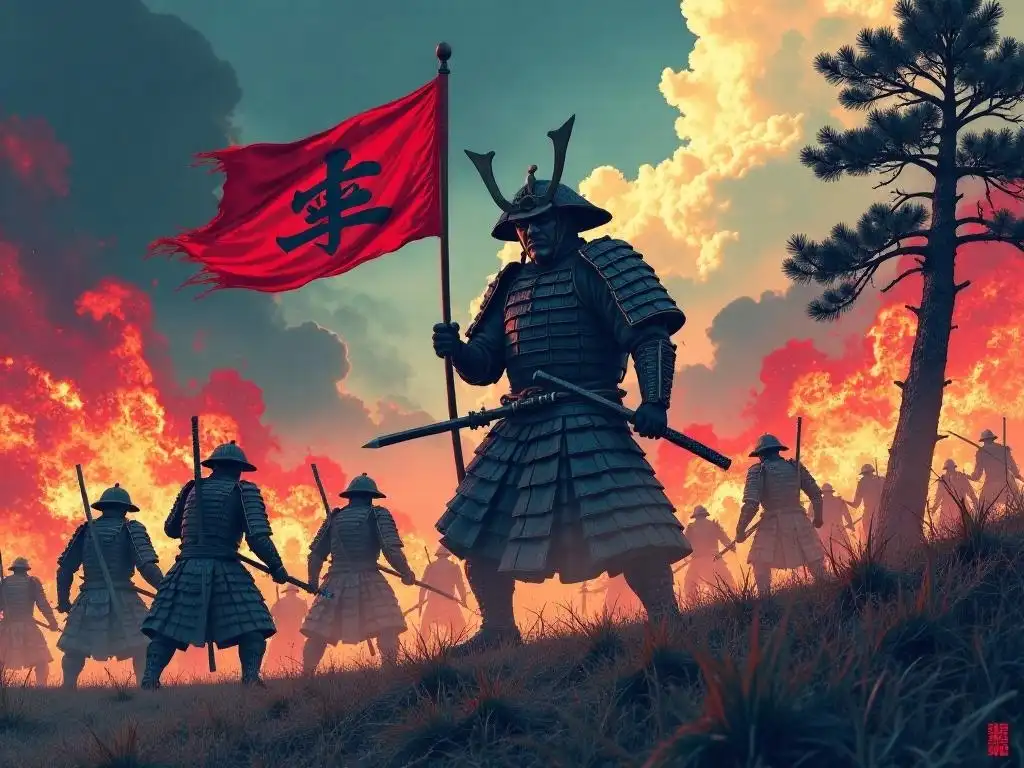
The Sengoku Period, which spanned from the mid-15th century to the early 17th century, was a time of intense social upheaval and military conflict in Japan. This era, often referred to as the "Age of Warring States," saw the fragmentation of power among numerous feudal lords, or daimyōs, each vying for control over territory and influence. The chaos of the Sengoku Period significantly influenced the evolution of weaponry, as warfare became a means of survival and dominance.
During this time, the need for more effective and versatile weapons led to rapid advancements in military technology and tactics. The introduction of firearms, particularly after the Portuguese brought matchlocks to Japan in the mid-16th century, revolutionized combat. Samurai, traditionally skilled in close combat with swords and spears, began to integrate these new weapons into their arsenals. The use of firearms changed battlefield dynamics, leading to the development of infantry formations, such as the famous ashigaru, who were primarily foot soldiers equipped with guns.
Moreover, the Sengoku Period saw the refinement of existing weaponry, particularly the katana, which became synonymous with the samurai ethos. The demand for high-quality swords increased, resulting in a golden age of swordsmithing, where artisans honed their skills to produce blades that were not only functional but also artistic masterpieces.
The Evolution of the Katana and Other Blades
The katana, a curved, single-edged sword, emerged as the iconic weapon of the samurai during the Sengoku Period. Its design evolved from earlier straight swords, incorporating features that enhanced its effectiveness in combat. The katana's distinctive curve allowed for more efficient slicing motions, making it particularly lethal in close quarters.
The process of crafting a katana is intricate and involves multiple stages. High-quality steel, known as tamahagane, is folded repeatedly to remove impurities and create a strong, resilient blade. This labor-intensive method of production not only improved the katana's durability but also contributed to its unique aesthetic qualities, with intricate hamon (temper lines) visible along the blade.
In addition to the katana, other bladed weapons flourished during this period. The tachi, an earlier form of the katana, remained popular among the elite, while the tanto, a small dagger, became a favored weapon for close encounters. The development of the naginata, a polearm with a curved blade, allowed for versatility on the battlefield, enabling warriors to strike from a distance while maintaining mobility.
Tactical Innovations in Warfare
The Sengoku Period not only witnessed advancements in weaponry but also significant tactical innovations in warfare. The introduction of firearms necessitated new strategies that emphasized coordination and formation. Traditional samurai tactics, which focused on individual combat prowess, gradually adapted to incorporate gunpowder weapons.
One notable innovation was the use of volley fire, where soldiers would fire their matchlock guns in coordinated bursts to maximize impact. This approach required training and discipline, leading to the establishment of specialized infantry units. The ashigaru played a crucial role in these formations, as they were often armed with firearms and trained to support samurai cavalry charges.
Moreover, the fortifications of castles evolved during this time, with designs that incorporated defensive features to withstand both siege warfare and direct assaults. Castles like Himeji and Matsumoto exemplify this evolution, showcasing high walls, moats, and strategic layouts that provided significant advantages in battle.
The Edo Period: Consolidation and Change in Weaponry
Following the tumultuous Sengoku Period, the Edo Period (1603-1868) marked a time of relative peace and stability under the Tokugawa shogunate. This era brought about significant changes in weaponry, as the focus shifted from warfare to governance and cultural development. The consolidation of power led to the decline of large-scale military conflicts, fundamentally altering the role and function of weapons in society.
During this period, the production of weapons, particularly swords, became increasingly regulated. The Tokugawa regime instituted laws that restricted the ownership of weapons, leading to the potential decline in the martial skills of the samurai class. This change resulted in a greater emphasis on ceremonial and decorative aspects of weaponry, with swords being crafted not just for combat but also as symbols of status and identity.
The Decline of Warfare and Changes in Weapon Use
As the Edo Period progressed, warfare became less prevalent, and the samurai class transitioned into a more bureaucratic role within society. This shift led to changes in the way weapons were perceived and utilized. While the katana remained a vital part of a samurai's identity, its practical use in combat diminished significantly.
The decline of military engagements prompted the development of various martial arts and training schools that focused on the philosophical and spiritual aspects of weapon mastery rather than practical battlefield applications. Techniques such as iaijutsu, which emphasizes drawing and cutting in a single motion, became more about personal discipline and art than survival.
Additionally, the rise of the merchant class and the flourishing of trade introduced a new segment of society that sought to acquire samurai weapons as status symbols. This trend further distanced the katana and other traditional weapons from their original martial purposes, transforming them into prized possessions rather than essential tools of war.
Cultural Significance of Traditional Weapons
The cultural significance of weapons in Japan extends beyond their practical applications. Throughout the Edo Period, traditional weapons became deeply intertwined with Japanese identity, spirituality, and artistry. The katana, in particular, transcended its role as a weapon to become a symbol of the samurai's honor, discipline, and loyalty.
Artisans began to view the creation of weapons as a form of artistic expression. The intricate designs, craftsmanship, and adornments on swords reflected the skill and creativity of the smiths, elevating the katana to a revered status in Japanese culture. Ceremonies and rituals surrounding the crafting and presentation of swords further solidified their place in society.
Moreover, traditional weapons began to influence various aspects of Japanese culture, including literature, film, and modern martial arts. The stories of legendary swordsmen and the philosophy behind bushido (the way of the warrior) continue to resonate, shaping contemporary perceptions of honor and skill. The legacy of feudal Japan weaponry evolution is not only evident in historical studies but also in the ongoing appreciation for the artistry and cultural heritage associated with these traditional weapons.
Conclusion: The Legacy of Feudal Japan Weaponry Evolution
The evolution of weaponry in feudal Japan is a testament to the ingenuity and adaptability of its warriors and craftsmen. Over centuries, the transformation from primitive tools to sophisticated arms marked significant milestones in Japan's military history. The interplay between technology, culture, and warfare not only shaped the battlefield tactics but also influenced the sociopolitical landscape of the era. As Japan transitioned from a feudal society to a modern nation, the legacy of these weapons persisted, manifesting in various aspects of contemporary Japanese culture.
The weapons developed during feudal Japan, such as the katana and the yumi (longbow), symbolize more than mere tools of war; they represent the artistry and philosophy of the samurai class. The craftsmanship involved in creating these weapons has been revered and continues to inspire modern artisans. Furthermore, the strategic principles derived from the key battles of this era have been studied and implemented in modern military doctrines, showcasing the enduring influence of feudal Japan's weaponry evolution.
Influence on Modern Japanese Culture and Military
The impact of feudal Japan's weaponry evolution can be observed in various facets of modern Japanese culture. The katana, often referred to as the soul of the samurai, remains a potent symbol of honor and discipline. It is not only a subject of admiration in martial arts but also a revered artifact in Japanese art and cinema. The cultural significance of these weapons extends beyond their historical context, influencing contemporary literature, film, and even fashion, where samurai aesthetics are celebrated.
In the realm of the military, while Japan has undergone significant modernization since the Meiji Restoration, the strategic lessons learned from feudal warfare still resonate. Concepts such as battlefield maneuvering, the importance of morale, and the integration of technology in warfare have their roots in the tactics developed during key battles of the feudal era. The Japanese Self-Defense Forces today draw inspiration from this historical context, ensuring that the legacy of feudal Japan's weaponry continues to inform military practices.
Final Thoughts on Key Battles and Their Impact on Weaponry
The key battles of feudal Japan serve as critical inflection points in the development of weaponry and military strategy. Each conflict not only showcased the evolution of arms but also highlighted the shifting dynamics of power and control among rival clans. The rise of the samurai class and their emphasis on honor and skill transformed warfare into an art form, where weaponry was as much about individual prowess as it was about technological advancement.
While the weapons have evolved and the nature of warfare has changed, the essence of these battles continues to shape Japan's identity. Understanding the historical context of these key battles provides invaluable insights into how weaponry evolved and how these transformations influenced the broader scope of Japanese society and culture.
References and Further Reading on Feudal Japan Weaponry Evolution
Suggested Books and Articles
- Samurai Weapons: A Collector's Guide by Stephen Turnbull: A comprehensive guide to the various weapons used by samurai, detailing their evolution and significance in feudal Japan.
- The Samurai: A Military History by David A. E. Pelzer: An exploration of the military strategies and weaponry that defined the samurai era.
- Warriors of Japan: From Sumo to Samurai by John D. McFarlane: This book provides a detailed overview of the martial culture in Japan, including the evolution of weapons and combat techniques.
Online Resources for Deeper Exploration
- The National Museum of Japanese History: Offers a wealth of online resources and exhibitions related to feudal Japan, including weaponry and military artifacts.
- Samurai Archives: A comprehensive website dedicated to the study of samurai history, featuring articles, forums, and bibliographies on various aspects of feudal Japan, including weaponry evolution.
- The Japan Times: Regularly publishes articles and features on historical topics, including the evolution of military technology throughout Japan's history.
- Introduction to Feudal Japan Weaponry Evolution
- The Early Period: Weapons of the Heian Era
- The Rise of the Samurai: Weaponry in the Kamakura Period
- The Muromachi Period: Advancements in Weaponry
- The Sengoku Period: The Age of Warring States
- The Evolution of the Katana and Other Blades
- Tactical Innovations in Warfare
- The Edo Period: Consolidation and Change in Weaponry
- The Decline of Warfare and Changes in Weapon Use
- Cultural Significance of Traditional Weapons
- Conclusion: The Legacy of Feudal Japan Weaponry Evolution
- References and Further Reading on Feudal Japan Weaponry Evolution
Frequently Asked Questions
What is the significance of weaponry evolution in Feudal Japan?
The evolution of weaponry in Feudal Japan played a crucial role in shaping military tactics and societal structures, influencing key battles that defined the era.
Which weapons were most prominent during Feudal Japan?
Weapons such as the katana, naginata, and yari were essential in Feudal Japan, reflecting the cultural values and martial traditions of the time.
How did key battles influence weaponry development?
Key battles necessitated advancements in weapon design and tactics, leading to innovations that improved performance and effectiveness on the battlefield.
What role did samurai play in weaponry evolution?
The samurai were instrumental in the evolution of weaponry, as their status and skills drove demand for more sophisticated and effective weapons.
How did foreign influences affect Japanese weaponry?
Foreign trade and contact introduced new technologies and weapons, leading to a unique blend of traditional and foreign designs in Japanese armament.
Final Reflection: The Enduring Legacy of Feudal Japan's Weaponry Evolution
The evolution of weaponry in feudal Japan is not merely a historical account; it is a testament to the ingenuity and adaptability of a society shaped by conflict and honor. Today, as we navigate a world rife with technological advancements and shifting power dynamics, the lessons learned from the weaponry evolution of feudal Japan resonate profoundly. The intricate designs and strategic innovations of the past remind us that the tools of war are often reflections of cultural values and societal needs.
Culture and society are inextricably linked to the evolution of weaponry, shaping not only the battlefield but also the very identity of a nation. The impact of these advancements can still be felt today, influencing martial arts, modern weapon design, and even our understanding of conflict resolution. As the renowned historian John Keegan once said, "> The art of war is not a science; it is a craft, and like all crafts, it must be learned." This underscores the importance of understanding the historical context of weaponry, as it informs our current practices and philosophies regarding conflict and peace.
As we reflect on the lessons of feudal Japan's weaponry evolution, I invite you to consider how these insights can be applied to your own life. What can we learn from the past about innovation, resilience, and the consequences of conflict? Embrace the opportunity to reflect on how the evolution of tools—whether in warfare or daily life—can lead to profound changes in our society. Let us carry forward the wisdom of history, applying it to foster understanding and progress in our contemporary world.
Unveil the Legacy: Take Action Now!
Thank you for diving into the fascinating evolution of weaponry in feudal Japan! By exploring the critical battles that shaped history, you've gained insights that connect the past to our understanding of resilience and innovation today. Now it's time to turn that knowledge into action!
Here are some powerful steps you can take:
- Join a historical reenactment group to experience these battles firsthand and connect with fellow enthusiasts!
- Share this article with friends and fellow history buffs to spark rich discussions about the impact of these events on modern warfare.
- Explore related topics on our website, such as the art of samurai sword-making, to deepen your understanding of this intriguing era.
What aspect of feudal Japan’s weaponry fascinates you the most, and how do you think it continues to influence our lives today? We invite you to share your thoughts in the comments!