
The Role of Women in Feudal Battles: Unsung Warriors of the Samurai Era

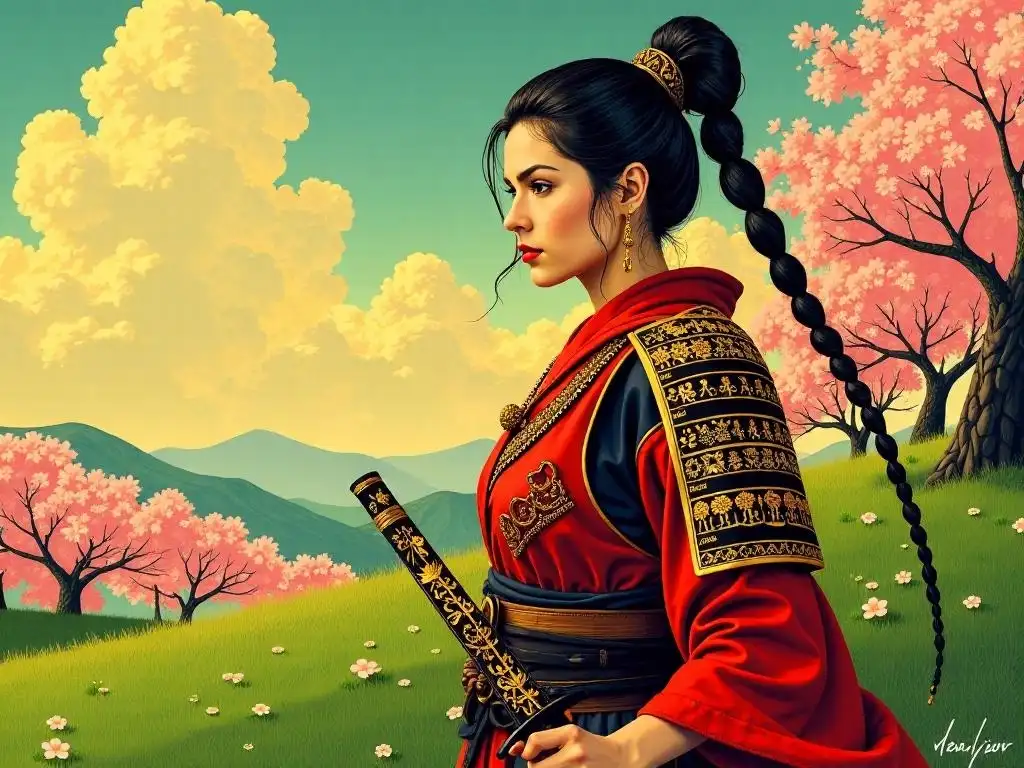
Welcome to Feudal Japan History, where we embark on a captivating journey through the intricate tapestry of Japan’s feudal era. Dive deep into the narratives that shaped this remarkable time, as we unveil the untold stories of women in samurai battles—the unsung warriors who defied the odds and carved their names into history.
In our featured article, "The Role of Women in Feudal Battles: Unsung Warriors of the Samurai Era," prepare to challenge your perceptions and discover the vital contributions of these fierce fighters. Join us as we explore the hidden legacies that continue to resonate through the ages, inviting you to unravel the rich complexities of military history.
Introduction
The feudal era of Japan, often romanticized for its valiant samurai warriors and epic battles, has long been viewed through a predominantly male lens. However, a closer examination reveals that women played a crucial and often overlooked role in the conflicts that shaped the nation.
This article, titled "The Role of Women in Feudal Battles: Unsung Warriors of the Samurai Era," seeks to illuminate the significant contributions of women in samurai battles, exploring the various ways they participated in warfare, from direct combat to strategic roles. By shedding light on their experiences and valor, we aim to provide a more comprehensive understanding of the military history of feudal Japan, emphasizing that the legacy of these women deserves recognition alongside their male counterparts.
Overview of Women in Samurai Battles
Women in feudal Japan were not merely passive figures relegated to the domestic sphere; many actively engaged in battles, defending their homes and families when needed. While the stereotype of the samurai as a male warrior persists, historical accounts reveal that women, known as Onna-bugeisha, trained in martial arts and wielded weapons such as the naginata and katana. These skilled fighters took part in crucial moments of Japan's military history, defending castles and participating in sieges. Notable figures, such as Tomoe Gozen and Hojo Masako, exemplify the bravery and combat prowess of women during this era.
Importance of Acknowledging Women's Contributions in Feudal Japan
Recognizing the role of women in samurai battles is essential for a holistic understanding of Japan's feudal history. Their contributions challenge the traditional narratives that often marginalize female figures in historical accounts. By acknowledging the active participation of women, we gain insights into the complexities of gender dynamics during this period. Furthermore, understanding their roles can inspire modern discussions around women's empowerment and representation in history, emphasizing that the fight for recognition transcends time and culture.
Historical Context of Women in Feudal Japan
To fully appreciate the role of women in feudal battles, it is essential to understand the historical context in which they lived. This era, characterized by a strict social hierarchy and a warrior class, shaped the opportunities and limitations for women in society.
The Social Structure of Feudal Japan
Feudal Japan operated under a rigid social structure, often referred to as the shiki system, which classified individuals based on their status. At the top were the daimyōs (feudal lords) and samurai, followed by farmers, artisans, and merchants. Women generally held a lower status than men; however, the roles they played varied significantly depending on their class. Samurai women had unique responsibilities, including managing household affairs and ensuring the family’s honor. In times of conflict, these women were expected to take up arms, especially when men were away at war, showcasing their resilience and capability.
Cultural Perceptions of Women in Samurai Society
Cultural attitudes towards women in samurai society were complex. While Confucian principles often emphasized women's subservience and domestic roles, there were also ideologies that celebrated female warriors. The Yamato and Heian periods saw the emergence of literature and art that depicted women as strong figures capable of defending their kin. This duality in perception allowed for a space where women could emerge as warriors, albeit within the constraints of a male-dominated society. The recognition of their valor in battles not only reflects their individual strength but also highlights the evolving cultural narrative surrounding women in Japan's historical landscape.
Through this exploration, we hope to provide a deeper understanding of the multifaceted roles women played during the samurai era, unraveling the layers of their contributions to Japan's feudal battles.
Women as Warriors: The Female Samurai
The term female samurai, or onna-bugeisha, refers to women who were trained in the art of warfare in feudal Japan. These women were not merely passive figures in society; they played active and significant roles during various conflicts, often stepping into the battlefield alongside their male counterparts. The onna-bugeisha were adept at using traditional weapons such as the naginata (a polearm) and the katana, and their training was rigorous, emphasizing not only combat skills but also discipline and honor.
While samurai culture is predominantly associated with men, historical records indicate that women could attain the status of samurai and partake in battles, particularly during times of conflict when the defense of the home and family became paramount. They were seen as protectors of their households, contributing to the broader fabric of samurai society. Their involvement in warfare is a significant aspect of understanding the complexities of gender roles during the feudal period.
Definition and Role of Onna-bugeisha
Onna-bugeisha translates to "women warriors," and these formidable figures emerged during the Heian period (794-1185) and continued to gain prominence through the Muromachi period (1336-1573). As the samurai class solidified its power, so too did the responsibilities of women within this class evolve.
The primary role of the onna-bugeisha was to defend their homes and families against invaders, especially in the absence of their male relatives, who were often away at war. In addition to combat, these women were also trained in strategy and tactics, allowing them to lead troops or coordinate defenses effectively. Their participation in battles was not just a matter of physical prowess but also a testament to their loyalty and commitment to their clan's honor.
Notable Female Samurai in History
Several remarkable female samurai have etched their names into the annals of history, showcasing the diverse contributions of women in warfare. One of the most notable figures is Tomoe Gozen, a legendary warrior during the Genpei War (1180-1185). Renowned for her exceptional skill with the sword and her bravery, she fought valiantly alongside her lord, Minamoto no Yoshinaka.
Another significant figure is Nakano Takeko, who led a group of female warriors known as Jōshitai during the Boshin War (1868-1869). She fought fiercely at the Battle of Aizu, where she ultimately lost her life, embodying the spirit of the samurai. These women, among others, not only contributed to their clans' military efforts but also inspired future generations to recognize the capabilities and valor of women in the context of samurai culture.
Women in Feudal Battles: Strategies and Responsibilities
In the context of feudal battles, women played crucial roles that extended beyond mere participation in combat. Their involvement was strategic and multifaceted, addressing both the immediate needs of warfare and the long-term stability of their households and clans.
Combat Roles of Women in Samurai Battles
Women warriors often took on active combat roles, particularly during periods of intense conflict. They were trained to fight alongside men, wielding weapons with skill and tenacity. In addition to direct combat, women also employed guerrilla tactics, utilizing their knowledge of the terrain and the element of surprise to their advantage.
Their presence on the battlefield not only bolstered the morale of their troops but also served as a powerful symbol of resistance against invaders. The stories of women like Tomoe Gozen illustrate how these warriors could influence the outcome of battles through their combat prowess and leadership.
Support Roles: Logistics and Morale
Beyond the battlefield, women were instrumental in logistics and maintaining morale. They often managed the supply chains, ensuring that troops were well-equipped and fed. Their organizational skills were vital in preparing for battles, as they coordinated the necessary resources and communication among clans.
Moreover, women played a significant role in boosting morale. They often acted as caregivers, providing emotional support to soldiers and reinforcing the values of honor and duty. Their efforts in maintaining the home front allowed male warriors to focus on combat, ensuring that the societal structure remained intact even amidst the chaos of war. The contributions of women in these support roles were essential in sustaining the fighting spirit of the samurai during turbulent times.
Case Studies of Women's Involvement in Key Battles
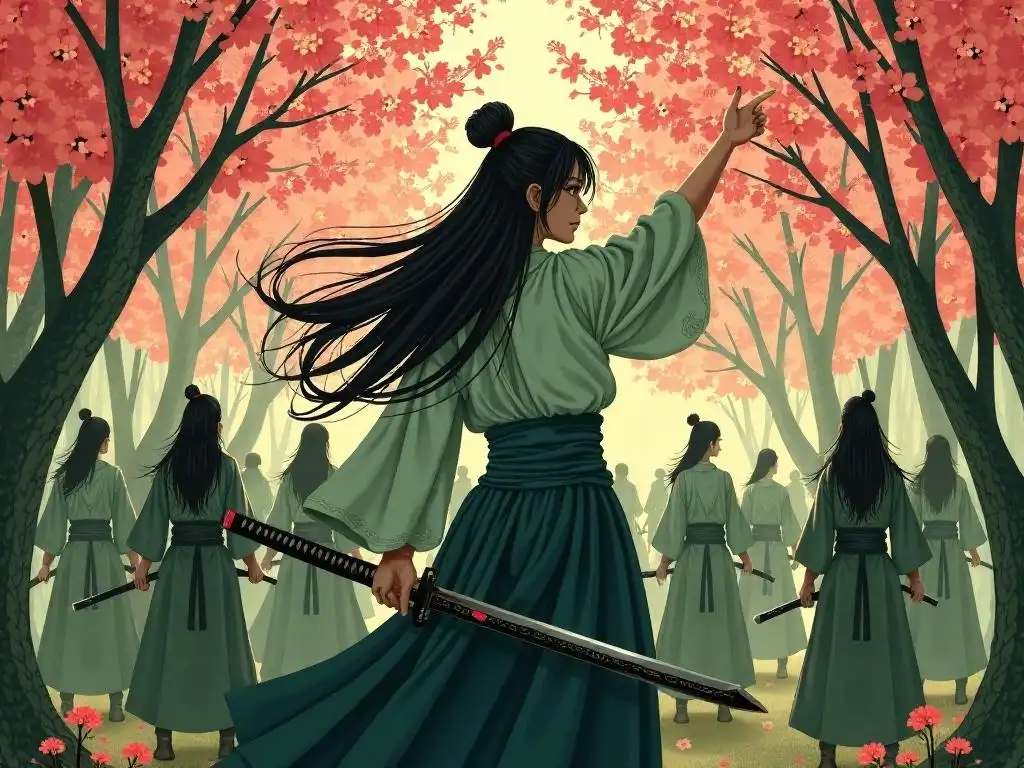
Throughout the feudal era in Japan, women played a pivotal yet often overlooked role in battles. While many historical narratives focus primarily on male warriors, numerous case studies reveal that women were not only present but also actively participated in combat and strategic planning. These examples illustrate their resilience, tactical acumen, and contributions to the samurai culture, challenging the traditional gender roles of the time.
The Battle of Sekigahara: Women's Contributions
The Battle of Sekigahara in 1600 is one of the most significant conflicts in Japanese history, marking the end of the Sengoku period and the beginning of the Tokugawa shogunate. While predominantly a male-dominated affair, women were involved in various capacities. Notably, the wives and daughters of samurai would often manage estates and rally support for their husbands during conflicts.
One prominent figure is Tadakatsu Honda's wife, who is said to have helped in organizing supplies and strategy for her husband's forces. Women would also engage in emotional support, providing morale-boosting messages and ensuring that the home front remained stable. Some accounts suggest that women even took up arms when their homes were threatened, showcasing their fierce loyalty and courage amidst the chaos of battle.
The Siege of Osaka: Female Warriors in Action
The Siege of Osaka, which occurred in the early 17th century, further highlights the role of women in warfare. During this conflict, which pitted the Tokugawa shogunate against the Toyotomi clan, several female warriors emerged as notable figures.
One such warrior was Yamamoto Yaeko, who is reputed to have fought alongside her husband during the siege. Accounts document her bravery as she donned armor and wielded a naginata, standing shoulder to shoulder with her male counterparts. Moreover, women from the Toyotomi side, including the daughters of the clan leaders, were known to have taken part in defending the castle, demonstrating their commitment to their family's honor and legacy.
These instances illustrate that women's involvement in battles was not merely supportive; they actively participated and sometimes led efforts to defend their homes and communities, thereby rewriting the narrative of female roles in samurai battles.
Myths and Realities of Women in Samurai Battles
Despite the evidence of women's involvement in battles, misconceptions about their roles persist. Understanding these myths and the reality of women's participation in warfare is crucial to appreciating their contributions fully.
Common Misconceptions About Female Combatants
One prevalent myth is that women were entirely absent from the battlefield, relegated solely to domestic roles. This stereotype overlooks the various ways women contributed to military efforts, both directly and indirectly. Many believe that female samurai, or Onna-bugeisha, were rare and only existed in folklore. However, documented cases show that women trained in martial arts and participated in battles, challenging the notion that they were passive figures in history.
Another misconception is that women fought solely for their families or homes, suggesting a lack of agency or strategic importance. In reality, these women often had significant influence over military decisions, acting as leaders and strategists in their own right.
The Reality of Women's Participation in Warfare
The reality of women's participation in samurai battles is far more complex than often portrayed. Historical records reveal that women engaged in combat roles, took part in military strategy, and even led troops in battle. Accounts from the Heian and Kamakura periods indicate that women wielded weapons and defended their territories with valor.
Moreover, the existence of the Onna-bugeisha highlights that women were not only warriors but also held social status within the samurai class. Their training in martial arts was not merely for defense but part of a broader cultural expectation of women to be prepared for any threat.
The acknowledgment of women in samurai battles enriches our understanding of feudal Japan, revealing a society where gender roles were more fluid than traditionally believed and where women's contributions were vital to the fabric of warfare and society.
The Legacy of Women in Samurai Battles
The legacy of women in samurai battles is a multifaceted narrative that intertwines valor, resilience, and cultural significance. While often overshadowed by their male counterparts, women played crucial roles in various conflicts throughout the feudal era of Japan. From fighting alongside men to managing households and supplies during warfare, their contributions were essential to the samurai's military endeavors. Historical accounts reveal that women, such as Tomoe Gozen, not only fought bravely on the battlefield but also embodied the samurai virtues of loyalty and honor.
The legacy of these women extends beyond the battles themselves. Their stories have inspired countless narratives in literature, art, and modern media, helping to shape perceptions of female agency within a traditionally patriarchal society. This rich history highlights the dual roles women occupied—both as warriors and caretakers—reflecting the complexities of their lives during feudal Japan. The reverberations of their legacy continue to inspire discussions about gender roles in military history, urging a re-examination of the narratives that have long excluded them.
Influence on Future Generations
The influence of women who participated in samurai battles resonates through generations, impacting how modern society views women's roles in history. By challenging prevailing stereotypes, these women opened pathways for future generations to explore their identities beyond traditional expectations. Their involvement in battles forged a narrative that women could embody strength and skill, not merely in domestic spheres but also in the martial realm.
This recognition has had lasting effects, encouraging women in contemporary Japan and beyond to reclaim and celebrate their historical contributions. Educational initiatives and cultural representations have begun to acknowledge these unsung warriors, promoting awareness of their vital roles. As a result, stories of female warriors not only enrich our understanding of Japan's military past but also empower today's women to embrace their multifaceted identities and pursue careers in various fields, including those traditionally dominated by men.
Modern Perspectives on Women in Japanese Military History
Modern perspectives on women in Japanese military history are gradually evolving, with historians and scholars increasingly recognizing the significance of female figures in the samurai era. This shift is marked by a growing body of research that aims to uncover the complexities of women's experiences during periods of warfare. Scholars are now delving into various sources, including diaries, letters, and folklore, to shed light on the lives of women who fought or supported the samurai.
In contemporary discussions, there is a conscious effort to highlight the contributions of women like the renowned warrior Kunoichi, female ninjas trained in espionage and combat. This reevaluation is essential, as it not only acknowledges the bravery of these women but also challenges the male-centric narratives that have dominated historical accounts. As society becomes more inclusive, understanding the roles of women in military history serves to inspire future generations to appreciate the depth of human experience in times of conflict.
Conclusion
Summary of Women's Roles in Feudal Battles
Women's roles in feudal battles during Japan's samurai era were diverse and significant. From battlefield warriors to critical support figures, women navigated the complexities of war with courage and resourcefulness. Their involvement ranged from direct combat to logistical support, ensuring that their families and clans remained resilient amidst the chaos of battle. Historical figures like Tomoe Gozen serve as poignant reminders of the strength and determination these women exhibited.
The acknowledgment of these roles is crucial in understanding the broader context of Japanese military history. Recognizing women's contributions allows for a more comprehensive view of feudal society, illustrating how intertwined their fates were with those of their male counterparts.
The Importance of Recognizing Unsung Warriors in Samurai History
Recognizing unsung warriors in samurai history is vital for a holistic understanding of the era. By illuminating the contributions of women, we not only honor their sacrifices but also enrich our historical narrative. This recognition challenges conventional perceptions of warfare, revealing that battles were not solely arenas for male heroism but also spaces where women displayed resilience and valor.
Moreover, acknowledging these female warriors fosters a greater appreciation for the diverse roles women have played throughout history. It encourages a more inclusive approach to historical scholarship, paving the way for future research that honors the contributions of all individuals, regardless of gender. In doing so, we not only celebrate their legacy but also inspire future generations to recognize and value the multifaceted nature of human experiences in history.
- Introduction
- Historical Context of Women in Feudal Japan
- Women as Warriors: The Female Samurai
- Women in Feudal Battles: Strategies and Responsibilities
- Case Studies of Women's Involvement in Key Battles
- Myths and Realities of Women in Samurai Battles
- The Legacy of Women in Samurai Battles
- Conclusion
- What role did women play in samurai battles during feudal Japan?
- Were there any notable female samurai who participated in battles?
- How were women's contributions to battles perceived in feudal society?
- Did women receive any formal training in combat?
- What changes occurred regarding women's roles in society after the samurai era?
Frequently Asked Questions
What role did women play in samurai battles during feudal Japan?
Women in feudal Japan often took on crucial roles as warriors, defending their homes and families, especially in times of conflict when male samurai were away.
Were there any notable female samurai who participated in battles?
Yes, there were notable female samurai such as Tomoe Gozen, who was celebrated for her martial skills and bravery in battle, illustrating the significance of women during this era.
How were women's contributions to battles perceived in feudal society?
While women's contributions were often overlooked, they were vital to the defense of their clans and were respected for their courage and skill in battle.
Did women receive any formal training in combat?
Many women were trained in martial arts and weaponry, preparing them to defend their homes and participate in battles, showcasing their capabilities as warriors.
What changes occurred regarding women's roles in society after the samurai era?
After the samurai era, women's roles became more restricted, with a shift towards domestic responsibilities, leading to a decline in their visibility as warriors in society.
Final Reflection: Honoring the Unsung Warriors of the Samurai Era
The exploration of women in samurai battles reveals a profound and often overlooked aspect of history that resonates with contemporary discussions about gender roles and empowerment. As we delve into the narratives of these unsung warriors, we uncover not just their contributions to feudal conflicts, but also their enduring legacy in challenging societal norms. This recognition is crucial today, as we strive for a more inclusive understanding of history that honors all voices, especially those that have been silenced for far too long.
The influence of women in the samurai era extends beyond the battlefield; it permeates our cultural and social landscape, inspiring modern movements for gender equality and representation. These women were not merely passive figures; they were fierce protectors of their families and communities, embodying strength and resilience. Their stories remind us that courage knows no gender. As the historian Kiyoshi Tsuruoka aptly stated, The true spirit of the samurai is not found in the sword, but in the heart of those who fight for what they believe in.
This sentiment echoes today as we continue to advocate for the recognition of women's roles in all spheres of life.
As we reflect on the lessons from the past, let us carry forward the spirit of these remarkable women into our present and future. Consider how their bravery and determination can inspire you in your own battles, whether they be personal or societal. I invite you to explore the stories of women who have shaped history and to honor their legacy by advocating for equality and justice in your own life. Together, we can ensure that the contributions of all warriors—seen and unseen—are celebrated and remembered.
Thank you for diving into the remarkable world of women warriors in feudal Japan! Your journey through this article not only uncovered the unsung contributions of these incredible figures but also enriched your understanding of their vital role in Samurai history. Now, let’s take it a step further and explore how you can connect with this historical tapestry in meaningful ways.
- Share Your Thoughts: Join the conversation by commenting below! What surprised you most about the women warriors of the samurai era?
- Dive Deeper: Explore related articles on our site to discover their impact on feudal society and beyond.
- Spread the Word: Share this article with friends and family who appreciate history and may not be familiar with these extraordinary women!
What story or figure do you believe deserves more recognition regarding women in feudal Japan?