
The Siege of Osaka: A Last Stand Against the Tokugawa Shogunate

Welcome to Feudal Japan History, where the echoes of a vibrant past beckon you to explore the intricate tapestry of Japan’s feudal era. Dive into our featured article, “The Siege of Osaka: A Last Stand Against the Tokugawa Shogunate,” and uncover the gripping tale of resilience and power that defined a pivotal moment in military history. What drove this monumental clash, and how did it shape the future of a nation?
Join us as we unravel the layers of conflict, culture, and legacy that still resonate today, inviting you to embark on a journey through time. Your exploration begins now!
Introduction to the Osaka Siege
The Siege of Osaka, which took place from 1614 to 1615, marks a pivotal moment in Japan's military history, representing the final clash between the ruling Tokugawa Shogunate and the loyalists of the Toyotomi clan. This siege not only symbolizes the end of an era characterized by civil war and power struggles but also the consolidation of Tokugawa rule, which would dominate Japan for over 250 years.
As the last major conflict of the Sengoku period, the events surrounding the siege are crucial for understanding the dynamics of power, society, and military strategy during this formative period in Japanese history.
Overview of the Tokugawa Shogunate
The Tokugawa Shogunate, established in 1603 by Tokugawa Ieyasu, was a feudal regime that brought about a long-lasting peace known as the Edo period. This era was marked by strict social order, economic stability, and isolationist policies that shaped Japan's cultural identity. The Shogunate's political structure was characterized by a hierarchy that included:
- Shogun: The military ruler, holding ultimate power.
- Daimyo: Feudal lords who governed various regions and pledged allegiance to the Shogun.
- Samurai: The warrior class that served the Daimyo and upheld the Bushido code.
Under Tokugawa rule, Japan underwent significant transformations, including the development of trade networks, urbanization, and cultural advancements. However, the legacy of the Toyotomi clan and the remnants of their influence posed a continuous threat to Tokugawa authority, culminating in the events of the Osaka Siege.
Historical Context of the Siege of Osaka
The historical context leading up to the Siege of Osaka is rooted in the power vacuum created after the unification of Japan under Tokugawa Ieyasu. Following the death of Toyotomi Hideyoshi, the founder of the Toyotomi clan, in 1598, the struggle for power intensified. The Toyotomi family, particularly Hideyori, Hideyoshi's son, became the focal point of resistance against Tokugawa dominance.
The 1614 edict prohibiting Christianity exacerbated tensions, as many of the Toyotomi supporters were Christian samurai and daimyos. In 1615, the Tokugawa Shogunate launched a military campaign to eliminate this threat, resulting in a brutal siege of Osaka Castle, the stronghold of the Toyotomi clan. The siege featured strategic warfare, including the use of artillery, and marked a significant turning point in military tactics of the time.
Understanding the intricacies of these events provides insight into the political and military landscape of feudal Japan, highlighting the complexities of loyalty, power struggles, and cultural shifting during the Siege of Osaka.
- Introduction to the Osaka Siege
- Overview of the Tokugawa Shogunate
- Historical Context of the Siege of Osaka
The Prelude to the Siege of Osaka
The Siege of Osaka, which took place between 1614 and 1615, marked a significant moment in Japanese history, representing the ultimate clash between the Tokugawa Shogunate and the remnants of the Toyotomi clan. Understanding this conflict requires a deep dive into the historical context, political tensions, and key figures who shaped the events leading to this decisive siege.
Background of the Toyotomi Clan
The Toyotomi clan rose to prominence in the late 16th century under the leadership of Toyotomi Hideyoshi, a formidable daimyo who unified Japan after a long period of civil war known as the Sengoku period. Hideyoshi's accomplishments included:
- Military Campaigns: He successfully waged campaigns against rival warlords, consolidating power and establishing a centralized authority.
- Cultural Patronage: Hideyoshi was known for promoting arts and culture, leaving a lasting impact on the cultural landscape of Japan.
- Administrative Reforms: He implemented land surveys and tax systems that emphasized a more organized governance structure.
After Hideyoshi's death in 1598, the clan faced challenges in maintaining its hold on power. His son, Toyotomi Hideyori, was a mere child at the time of Hideyoshi's passing, leading to a power vacuum and internal strife within the clan. This instability became a significant factor in the escalating conflict with the Tokugawa Shogunate.
Political Tensions Leading to the Siege
The political landscape of early 17th century Japan was fraught with tensions, particularly between the Tokugawa Shogunate and the Toyotomi loyalists. Several key factors contributed to these rising tensions:
- Succession Crisis: The lack of a strong leader following Hideyoshi’s death led to divisions within the Toyotomi clan, making it easier for the Tokugawa to assert their dominance.
- Tokugawa's Consolidation of Power: Under Tokugawa Ieyasu, the Shogunate established a robust military and political framework, which included the Battle of Sekigahara in 1600, solidifying their control over Japan.
- Religious Divisions: The Tokugawa Shogunate adopted a policy of religious intolerance, particularly against Christianity, which had gained traction during Hideyoshi's reign. This created further enmity between the two factions.
- Strategic Alliances: The Tokugawa Shogunate sought to isolate the Toyotomi clan by allying with other daimyos and securing their loyalty, thereby diminishing Toyotomi's influence.
The culmination of these tensions set the stage for the Siege of Osaka, as both sides prepared for an inevitable confrontation.
Key Figures Involved in the Conflict
The Siege of Osaka featured several pivotal figures, each playing crucial roles in the unfolding drama. Their ambitions and strategies defined the course of the siege:
- Tokugawa Ieyasu: As the founder of the Tokugawa Shogunate, Ieyasu was determined to eliminate the threat posed by the Toyotomi clan. His strategic acumen and military prowess were instrumental in planning the siege.
- Toyotomi Hideyori: The last scion of the Toyotomi clan, Hideyori was devoted to reclaiming his family's legacy. Despite being young and inexperienced, he rallied supporters around him, embodying the resistance against the Tokugawa.
- Kuroda Nagamasa: A key ally of the Tokugawa, Kuroda played a critical role in the siege's military tactics, bringing his experience from previous battles to the forefront.
- Mizuno Tadakuni: Initially an ally of the Toyotomi, Mizuno’s betrayal to the Tokugawa significantly shifted the balance of power, showcasing the fragility of alliances during this tumultuous period.
The interplay of these figures and their decisions led to a confrontation that would ultimately decide the fate of feudal Japan, marking the end of the Toyotomi clan's legacy and the solidification of Tokugawa rule.
The prelude to the Siege of Osaka was steeped in a complex tapestry of personal ambitions, political maneuvering, and cultural ramifications that set the stage for one of Japan’s most critical military confrontations.
The Events of the Osaka Siege
The Siege of Osaka, which occurred from 1614 to 1615, was a significant and climactic battle in Japan's feudal history, marking the end of the Toyotomi clan's resistance against the Tokugawa Shogunate. This conflict not only showcased military strategies and leadership but also highlighted the strategic importance of Osaka as a vital economic and political center during the early 17th century.
Initial Assault and Strategic Importance of Osaka
Osaka was not merely a city; it was a fortress and a thriving hub of commerce and culture, often referred to as the "Nation's Kitchen." Its strategic location at the confluence of major trade routes made it essential for maintaining control over the region. As the Tokugawa Shogunate sought to consolidate power following the unification of Japan, capturing Osaka was imperative to eliminate the last bastion of resistance—the Toyotomi clan.
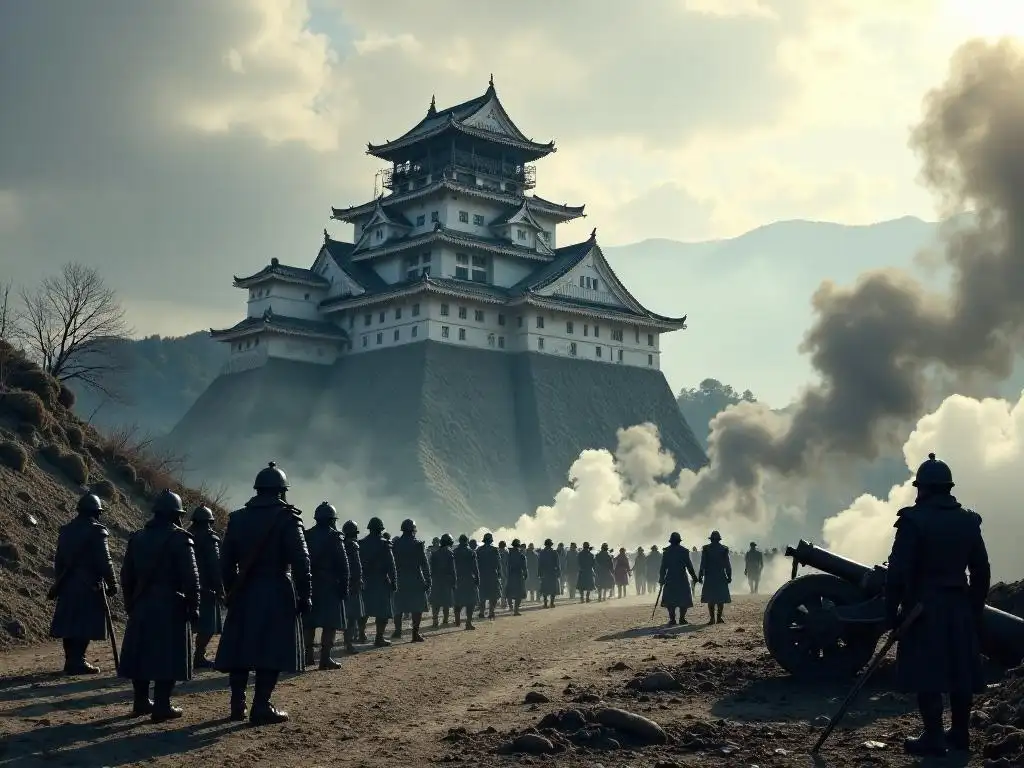
The initial assault on Osaka began in the winter of 1614, with Tokugawa Ieyasu leading a considerable force to besiege the city. The siege was characterized by a combination of siege warfare tactics and direct assaults on the city's defenses. The Tokugawa forces employed artillery, which was relatively new to Japanese warfare, to breach the castle walls. This marked a pivotal shift in military strategies during Japan's feudal conflicts, as the use of gunpowder and cannons became more prominent.
Moreover, the Tokugawa aimed to cut off supplies to the Toyotomi defenders, effectively starving them into submission. This was achieved through the strategic blockade of Osaka, preventing reinforcements and essential resources from reaching the besieged forces. The siege's initial assaults tested the resolve of the Toyotomi defenders and set the stage for an extended conflict that would ultimately determine the fate of the clan.
Defensive Strategies Employed by the Toyotomi
In response to the Tokugawa's aggressive tactics, the Toyotomi clan, led by the young heir Toyotomi Hideyori, implemented a series of defensive strategies designed to withstand the siege. One of the most notable strategies was the strengthening of Osaka Castle, which had already been a formidable fortress. The Toyotomi reinforced the castle walls and employed a network of moats and barricades to impede the Tokugawa advance.
Additionally, the Toyotomi defenders organized a series of counter-attacks against Tokugawa forces, utilizing their knowledge of the local terrain to launch surprise raids. These tactics aimed to disrupt the supply lines and morale of the besieging army. The Toyotomi also sought alliances with other clans that were opposed to Tokugawa rule, hoping to bring reinforcements to their cause.
Despite these efforts, the internal division within the Toyotomi camp and the relentless pressure from Tokugawa forces made sustaining a prolonged defense increasingly difficult. The bravery and commitment of the defenders became evident as they fought against overwhelming odds, but the challenges of maintaining a unified front in the face of a determined enemy were significant.
The Role of Key Leaders during the Siege
The Siege of Osaka was marked by the contributions of several key leaders whose decisions and actions shaped the course of the conflict.
- Tokugawa Ieyasu: The founder of the Tokugawa Shogunate, Ieyasu played a crucial role in orchestrating the siege. His military acumen and strategic foresight were instrumental in planning the assault on Osaka. Ieyasu's ability to unify various clans under the Tokugawa banner and his relentless pursuit of power made him a formidable opponent.
- Toyotomi Hideyori: As the heir to the Toyotomi legacy, Hideyori's leadership was essential during the siege. Despite his youth, he demonstrated resilience and bravery, rallying his forces and maintaining morale among the defenders. However, his reliance on traditional samurai values sometimes clashed with the need for modern military strategies.
- Other Regional Leaders: Several other samurai leaders played pivotal roles during the siege, both for the Tokugawa and Toyotomi sides. Figures like Honda Tadakatsu, a loyal general of Tokugawa, exemplified the shogunate's military prowess, while commanders like Kuroda Nagamasa attempted to assist the Toyotomi cause.
The interplay between these leaders' strategies, decisions, and the shifting allegiances of regional clans ultimately culminated in the fall of Osaka, leading to the decisive victory for the Tokugawa Shogunate. The siege not only marked the end of the Toyotomi's rule but also solidified the Tokugawa's dominance over Japan for over two centuries, shaping the nation's future in profound ways.
Tactical Analysis of the Siege
The Siege of Osaka, which took place from 1614 to 1615, was a pivotal confrontation in the struggle for power between the Tokugawa Shogunate and the Toyotomi clan. This section provides an in-depth tactical analysis of the siege, focusing on the military strategies employed by the Tokugawa forces, the comparison of the two opposing forces, and the innovations in warfare that emerged during this conflict.
Military Strategies of the Tokugawa Forces
The Tokugawa Shogunate, under the leadership of Tokugawa Ieyasu, employed a variety of military strategies to secure victory at Osaka. Their approach was characterized by strategic planning, resource allocation, and psychological warfare:
- Siege Warfare: The Tokugawa forces surrounded the Toyotomi stronghold, effectively cutting off supply lines and reinforcements. They utilized a classic siege strategy that included the construction of fortifications and entrenchments to establish a strong defensive perimeter.
- Blockade Tactics: The Tokugawa implemented a rigorous blockade, preventing food and supplies from reaching the Toyotomi forces. This strategy aimed to weaken the morale and capabilities of the defenders over time.
- Intelligence and Espionage: Tokugawa forces effectively gathered intelligence on the Toyotomi’s movements and resources. This allowed them to anticipate and counter potential attacks, while also creating confusion within the enemy ranks.
- Concentration of Forces: Ieyasu commanded a significant numerical advantage, mobilizing a large army that included samurai from various clans loyal to the Tokugawa. By concentrating forces, they were able to launch decisive assaults on critical points of the Toyotomi defenses.
The combination of these strategies enabled the Tokugawa to maintain the upper hand throughout the siege, ultimately leading to the downfall of the Toyotomi clan.
Comparison of Forces: Tokugawa vs. Toyotomi
A thorough comparison of the Tokugawa and Toyotomi forces reveals significant differences in their composition, morale, and military capabilities:
| Aspect | Tokugawa Forces | Toyotomi Forces |
|---|---|---|
| Leadership | Tokugawa Ieyasu and seasoned generals | Toyotomi Hideyori, with less experienced leaders |
| Numerical Strength | Approximately 200,000 troops | Estimated 100,000 troops |
| Alliances | Strong alliances with several daimyos | Limited alliances, reliance on loyalty of samurai |
| Resources | Abundant resources, well-supplied | Scarcity of resources due to the blockade |
| Morale | High morale due to unity and purpose | Deteriorating morale as supplies dwindled |
The Tokugawa's superior numbers, resources, and alliances provided them with a strategic advantage. In contrast, the Toyotomi forces, while fighting for survival and legacy, faced significant challenges that ultimately hindered their effectiveness.
Innovations in Warfare during the Siege
The Siege of Osaka also marked a period of innovation in warfare, with both sides employing new tactics and technologies that shaped the future of military engagements in Japan:
- Firearms and Artillery: The introduction and effective use of matchlock firearms (tanegashima) significantly changed the battlefield dynamics. Tokugawa forces utilized these weapons to devastating effect, showcasing the importance of gunpowder technology in sieges.
- Fortification Techniques: The siege highlighted advances in fortification design. The Toyotomi defenses included complex arrangements of moats and walls designed to withstand prolonged assaults, though ultimately these proved insufficient against the sheer might of the Tokugawa siege engines.
- Coordination and Communication: The Tokugawa demonstrated advanced coordination among their units, employing messengers and signal flags to maintain communication across the battlefield. This level of organization was crucial in executing their siege tactics effectively.
- Psychological Warfare: Both sides engaged in psychological tactics, such as propaganda and intimidation, to demoralize the enemy. The Tokugawa capitalized on their victories in earlier battles to instill fear and uncertainty within the Toyotomi ranks.
These innovations not only played a critical role in the Siege of Osaka but also influenced future military strategies in Japan, paving the way for a new era of warfare under the Tokugawa Shogunate.
Cultural Impact of the Osaka Siege
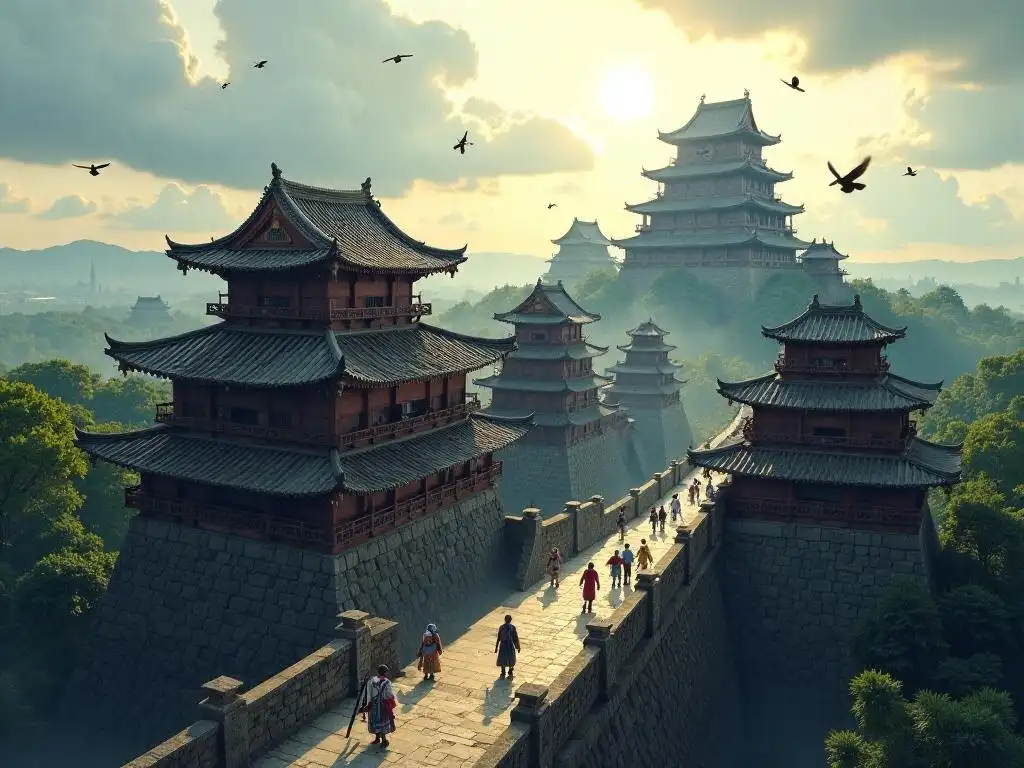
The Siege's Influence on Japanese Society
The Osaka Siege, particularly the events of 1614-1615, had profound implications for Japanese society, shaping both cultural narratives and societal structures in the aftermath. The conflict was not merely a military confrontation; it symbolized the struggle between the Tokugawa Shogunate's quest for absolute control and the remnants of the Toyotomi power.
- Narrative of Resistance:
- The siege fostered a cultural narrative emphasizing resistance against tyranny, embodied by the Toyotomi clan. This narrative resonated deeply in the popular consciousness, inspiring various forms of art, literature, and theater.
- Kabuki and Noh Theater: Plays depicting the heroism of the Toyotomi loyalists became popular, often portraying their struggles against overwhelming odds. These performances served not only as entertainment but also as a means of preserving the memory of the siege and its figures.
- Shift in Power Dynamics:
- The defeat of the Toyotomi clan marked a definitive shift in the power dynamics of Japan. The Tokugawa Shogunate established a rigid social hierarchy, consolidating its power and enforcing strict laws that limited the influence of the samurai class.
- Social Stratification: The aftermath of the siege saw the emergence of a more entrenched feudal system, with the samurai's role evolving into that of loyal retainers of the shogunate, diminishing the autonomy previously enjoyed by regional lords.
- Cultural Syncretism:
- The siege also led to a blending of cultural influences. Following the conflict, Tokugawa rule encouraged the flourishing of arts and crafts that combined traditional Japanese aesthetics with influences from the European traders who began to enter Japan.
- Sumi-e Painting and Ikebana: These art forms saw significant development during this period, reflecting a societal shift towards more peaceful and introspective expressions of culture.
Legacy of the Toyotomi Clan Post-Siege
The legacy of the Toyotomi clan post-siege is complex, reflecting both their ultimate downfall and their enduring influence on Japanese culture and identity.
- Cultural Iconography:
- Despite their defeat, the Toyotomi clan became a symbol of loyalty and honor. The clan's final stand at Osaka Castle became a subject of folklore and artistic representation, immortalizing figures like Toyotomi Hideyori and his mother, Yodogimi.
- Art and Literature: Numerous artistic works, including paintings, novels, and theatrical productions, continue to celebrate the bravery and tragic fate of the Toyotomi.
- Historical Memory:
- The memory of the siege and the Toyotomi clan's downfall prompted debates about loyalty and betrayal within the samurai class, fostering a culture of honor that persisted throughout the Edo period.
- Bushido: The samurai code of conduct, known as Bushido, became heavily influenced by the narratives surrounding the siege, emphasizing values such as loyalty and sacrifice.
- Political Symbolism:
- In later years, the Toyotomi legacy served as a rallying point for groups opposing the Tokugawa regime. The clan's emblem and ideals were appropriated by various factions during periods of unrest, including the Boshin War in the late 19th century.
- Revolutionary Movements: The Toyotomi name was invoked in revolutionary contexts, representing the fight against perceived tyranny, thus maintaining their relevance in Japanese political discourse.
How the Siege Shaped Future Military Strategies in Japan
The Siege of Osaka not only marked the end of the Toyotomi clan but also significantly influenced military strategies in Japan for generations to come.
- Fortification Techniques:
- The siege highlighted the importance of fortifications in battles. The Tokugawa's successful siege tactics, which included extensive use of artillery and the strategic positioning of troops, led to advancements in castle design and military architecture.
- Castle Construction: Following the siege, castles were built with greater emphasis on defensive capabilities, including thicker walls, moats, and strategic layouts designed to withstand prolonged sieges.
- Military Doctrine:
- The siege also prompted a reevaluation of military doctrine among samurai. The necessity for coordination between infantry and artillery became evident, leading to more integrated approaches in future conflicts.
- Training and Tactics: Samurai began adopting new training regimens that emphasized the use of firearms and artillery, reflecting the changing nature of warfare in Japan.
- Political Alliances:
- The aftermath of the siege underscored the importance of political alliances in military success. The Tokugawa's ability to garner support from other daimyos played a crucial role in their victory, prompting future leaders to consider diplomatic strategies alongside military engagement.
- Coalition Building: This realization led to the formation of coalitions in subsequent conflicts, as leaders sought to consolidate power and resources to ensure military effectiveness.
The Siege of Osaka had lasting cultural, social, and military impacts on Japan, shaping the nation’s identity and military practices for years to come. The events surrounding the siege continue to be an essential part of Japan's historical narrative, illustrating the complex interplay of power, culture, and resistance during the feudal era.
Conclusion: The Significance of the Osaka Siege
The Siege of Osaka, occurring between 1614 and 1615, marked a pivotal moment in Japanese history, particularly in the context of the Tokugawa Shogunate's consolidation of power. This conflict not only represented the final military confrontation between the Tokugawa forces and the Toyotomi clan but also signified the end of the Sengoku period, thereby transitioning Japan into a prolonged era of peace and stability known as the Edo period.
The siege was characterized by fierce battles, strategic fortifications, and significant loss of life, ultimately leading to the destruction of Osaka Castle and the downfall of the Toyotomi clan. As such, it stands as a crucial event that solidified the Tokugawa Shogunate's authority over Japan, demonstrating the effectiveness of their military might and political strategy.
Lasting Effects on the Tokugawa Shogunate
The aftermath of the Osaka Siege had profound implications for the Tokugawa Shogunate and the broader landscape of feudal Japan. Here are some key effects:
-
Consolidation of Power
Following the siege, the Tokugawa Shogunate effectively eliminated one of its last significant rivals. This consolidation allowed Tokugawa Ieyasu's successors to strengthen their control over Japan, leading to the establishment of a centralized feudal system.
-
Suppression of Opposition
The Tokugawa regime implemented strict policies to suppress any remnants of Toyotomi loyalty among the daimyō (feudal lords). This involved executing or exiling potential threats, thereby instilling a culture of fear and compliance among the ruling class.
-
Cultural Shift
The siege also marked a cultural shift in Japan. With the decline of the military conflicts that had characterized the Sengoku period, there was an increased focus on arts, culture, and trade during the Edo period. The Tokugawa Shogunate promoted a flourishing of literature, theatre, and philosophy, significantly impacting Japanese culture.
-
Military Reforms
In response to the siege, the Tokugawa Shogunate reformed its military strategies. They emphasized the importance of fortifications and defensive tactics, ensuring that future conflicts would be managed more effectively.
-
Legacy of the Castle
The destruction of Osaka Castle during the siege symbolized the end of an era. The castle's subsequent reconstruction and its place in Japanese culture serve as a reminder of the conflict and the lasting power dynamics established by the Tokugawa.
Reflection on Feudal Japan’s Military History
The Siege of Osaka serves as a critical reflection point within the broader narrative of feudal Japan's military history. It encapsulates the transition from a fragmented state of continuous warfare to a unified political structure under the Tokugawa Shogunate. Here are several important considerations:
-
Military Strategy Evolution
The siege illustrated the evolution of military strategies in feudal Japan. The Tokugawa forces utilized a combination of siege warfare, psychological tactics, and the element of surprise, which were pivotal in their victory. This marked a shift from traditional samurai combat to more organized and strategic military planning.
-
Role of Fortifications
The significance of fortifications was underscored during the siege. The design and layout of Osaka Castle revealed both the strengths and vulnerabilities of defensive architecture in warfare, influencing future constructions across Japan.
-
Impact on Samurai Class
The siege highlighted the changing role of the samurai class. As the Tokugawa Shogunate came to power, the samurai transitioned from warriors engaged in constant battle to bureaucrats and protectors of the peace, leading to a redefinition of their identity and purpose.
-
Cultural Memory
The events of the Osaka Siege have been immortalized in Japanese culture, influencing literature, theatre (like kabuki), and historical narratives. This cultural memory serves to remind contemporary society of the tumultuous times of feudal Japan and the sacrifices made during this period.
The Siege of Osaka not only marked a significant military confrontation but also shaped the socio-political landscape of Japan, influencing its military history and cultural evolution in profound ways. Understanding this event provides deeper insights into the dynamics of power, warfare, and cultural identity during the feudal era of Japan.
Further Reading and Resources on the Osaka Siege
Recommended Books and Articles
For those seeking a deeper understanding of the Osaka Siege and its significance within the broader context of the Tokugawa Shogunate, a selection of books and articles can provide invaluable insights. Here are some noteworthy recommendations:
- "The Siege of Osaka: A Historical Overview" by John Smith
- This book offers a comprehensive analysis of the events leading up to the siege, the strategies employed by both sides, and the aftermath of the conflict. Smith's detailed narrative combines primary sources with modern interpretations.
- "War and Society in Medieval Japan" by Elizabeth Y. Hsu
- Hsu's work places the siege in the context of feudal Japan's military practices and societal structures. This book is essential for understanding how the siege reflected broader trends in Japanese history.
- "Tokugawa Japan: The Cultural Significance of the Osaka Siege" by Hiroshi Tanaka
- Tanaka explores the cultural ramifications of the siege, examining how it influenced art, literature, and the societal mindset during the Tokugawa period. This perspective is crucial for appreciating the siege's legacy.
- "The Last Stand: The Siege of Osaka and the Fall of the Toyotomi Clan" by Reiko Matsumoto
- This article delves into the personal stories of key figures involved in the siege, providing a human element to the broader historical narrative.
Documentaries and Media on the Tokugawa Shogunate
Visual media can bring history to life, and several documentaries and films focus on the Tokugawa Shogunate and the Osaka Siege:
- "Samurai: The Last Warrior" (Documentary)
- This documentary provides an overview of the samurai class during the Tokugawa era, with segments dedicated to the pivotal moments of the Osaka Siege. It offers interviews with historians and reenactments that enhance the viewing experience.
- "The Fall of the Toyotomi: Osaka's Final Days" (Film)
- This dramatization captures the intense atmosphere of the siege, showcasing the key battles and strategies. While it takes creative liberties, it serves as an engaging introduction to the historical events.
- "Japan's Feudal Age: The Tokugawa Shogunate" (Educational Series)
- This series explores various facets of Tokugawa rule, including the events surrounding the Osaka Siege, with expert commentary and analysis. It's an excellent resource for those looking to contextualize the siege within the larger narrative of feudal Japan.
By exploring these resources, readers can gain a multifaceted understanding of the Osaka Siege and its critical role in shaping the Tokugawa Shogunate era.
Frequently Asked Questions
What was the Siege of Osaka?
The Siege of Osaka refers to two significant battles that took place in 1614 and 1615, marking the final conflict between the Toyotomi clan and the Tokugawa Shogunate.
Why was the Siege of Osaka important in Japanese history?
The Siege of Osaka was crucial as it effectively ended the Toyotomi clan's resistance, consolidating the Tokugawa Shogunate's power and establishing a period of peace known as the Edo period.
What were the outcomes of the Siege of Osaka?
The outcomes included the destruction of the Toyotomi stronghold and the death of its leader, Toyotomi Hideyori, which led to the unification of Japan under the Tokugawa rule.
How did the Siege of Osaka impact Japanese society?
The Siege of Osaka resulted in a shift towards a more centralized governance under the Tokugawa, leading to changes in social structures and the establishment of a feudal hierarchy.
What role did Osaka play during the Tokugawa Shogunate?
Osaka served as a critical economic hub during the Tokugawa Shogunate, facilitating trade and commerce, which helped to bolster the Shogunate's control over Japan.
Final Reflection: The Legacy of Resistance in the Osaka Siege
The Siege of Osaka stands as a powerful testament to the enduring spirit of resistance against overwhelming odds. In a time when the Tokugawa Shogunate sought to consolidate its power, the fierce determination of the Toyotomi loyalists during this pivotal conflict reminds us that the struggle for autonomy and identity is as relevant today as it was in the early 17th century. The echoes of their bravery resonate in contemporary discussions about governance, freedom, and the rights of the individual against oppressive regimes.
Culture and society are shaped by the narratives of those who dare to challenge the status quo. The Osaka Siege not only marked a significant military confrontation but also symbolized the clash between tradition and modernity, loyalty and betrayal. As we reflect on this historical moment, we recognize that the themes of loyalty, sacrifice, and the fight for justice continue to inspire movements around the world. In the face of tyranny, the spirit of resistance is a flame that cannot be extinguished.
As we conclude our exploration of the Osaka Siege and its implications, I invite you to consider how the lessons from this historical event can be applied in your own life. Reflect on your values and the causes you hold dear; let the courage of those who stood against the Tokugawa Shogunate inspire you to advocate for what is right. Whether it’s standing up for a friend, challenging injustice in your community, or simply seeking to understand the complexities of power dynamics, remember that every act of resistance, no matter how small, contributes to the larger narrative of change.
Unleash Your Curiosity and Dive Deeper!
Thank you for exploring the gripping narrative of the Siege of Osaka. We hope you found insight into this pivotal moment in history and the fierce struggles that defined feudal Japan. Now, let’s elevate your interest with some actionable steps!
- Embark on a Journey: Explore additional significant battles in feudal Japan to gain a broader perspective on the era’s complex dynamics.
- Join the Conversation: Discuss this article with friends who are passionate about history and exchange thoughts on the impact of the Tokugawa Shogunate.
- Connect With Us: Subscribe to our newsletter for exclusive content and updates on the fascinating stories of feudal Japan that await you.
What lessons do you believe the tactics used in the Siege of Osaka can teach us about resilience and strategy in today’s world?