
The Influence of Zen Buddhism on Samurai Tactics in Key Battles


Welcome to Feudal Japan History, where the echoes of the past resonate through the intricate tapestry of Japan's feudal era. Here, we invite you to embark on a captivating journey that delves deep into the profound impact of Zen Buddhism on Samurai tactics in key battles. Discover how the serene philosophies of Zen shaped the fierce strategies of the Samurai, intertwining spirituality with martial prowess.
As you explore our expert-driven articles, prepare to uncover the hidden connections between meditation and warfare, and how these elements forged a legacy that still captivates imaginations today. Your adventure into the heart of military history begins now—are you ready to uncover the secrets that lie within?
Introduction to Zen Buddhism and Samurai Culture
The intricate relationship between Zen Buddhism and the samurai class in feudal Japan is a fascinating narrative that intertwines spirituality, philosophy, and martial prowess. Zen Buddhism, with its emphasis on mindfulness, meditation, and the pursuit of enlightenment, played a pivotal role in shaping the ethical and tactical frameworks within which samurai operated. This article seeks to explore how Zen principles influenced samurai tactics during key battles, providing a comprehensive understanding of this unique intersection of culture and warfare.
Overview of Zen Buddhism in Japan
Zen Buddhism, known as "Zenshu" in Japanese, emerged as a significant spiritual movement during the Kamakura period (1185-1333). Rooted in Chinese Chan Buddhism, Zen emphasizes direct experience and meditation as pathways to enlightenment, eschewing reliance on scriptures and dogma. The teachings of Zen masters encouraged practitioners to cultivate a deep awareness of the present moment, fostering a mental discipline that resonated profoundly with the samurai ethos.
- Key Concepts in Zen Buddhism:
- Zazen (Seated Meditation): A core practice that cultivates focus and inner peace.
- Satori (Enlightenment): A sudden realization of one's true nature, fostering clarity in thought and action.
- Mindfulness: The practice of being fully present, enhancing decision-making and responsiveness in battle.
The Role of Samurai in Feudal Japan
The samurai were not merely warriors; they were a distinct social class bound by a code of honor known as Bushido. This code emphasized loyalty, courage, and honor, reflecting the values instilled by Zen teachings. Samurai were trained not only in martial skills but also in the arts, philosophy, and spirituality, which contributed to their holistic development as both fighters and leaders.
- Key Attributes of Samurai Culture:
- Bushido: The ethical framework guiding samurai conduct.
- Skill in Combat: Mastery of various weapons and tactics.
- Cultural Appreciation: Engagement in poetry, calligraphy, and tea ceremonies, often influenced by Zen aesthetics.
Historical Context of Zen Buddhism and Samurai Tactics
Understanding the historical context in which Zen Buddhism and samurai tactics coalesced is essential for appreciating their mutual influence on Japanese warfare. The arrival of Zen Buddhism in Japan marked a transformative period that reshaped the samurai's approach to battle, strategy, and self-discipline.
The Arrival of Zen Buddhism in Japan
Zen Buddhism was introduced to Japan in the late 12th century, primarily through the efforts of Japanese monks who traveled to China. The Kamakura shogunate, recognizing the potential of Zen to foster discipline and loyalty among its warrior class, began to support its growth.
- Influential Figures:
- Eisai (1141-1215): A key figure in bringing Rinzai Zen to Japan, emphasizing the importance of meditation.
- Dogen (1200-1253): Founder of the Soto school, known for his teachings on the practice of zazen.
Integration of Zen Philosophy into Samurai Training
As Zen Buddhism gained traction, its philosophies began to permeate samurai training. The focus on mental clarity, emotional control, and the acceptance of impermanence directly influenced samurai tactics and decision-making in battle.
- Key Training Elements:
- Meditation Practices: Enhancing focus and reducing fear during combat.
- Philosophical Teachings: Encouraging acceptance of life and death, fostering fearlessness in the face of danger.
- Mind-Body Connection: Techniques to harmonize physical skill with mental discipline, leading to superior tactical execution.
The interplay between Zen Buddhism and samurai tactics is a profound aspect of Japan's feudal history, illustrating how philosophical teachings can shape military practices and the character of warriors. As we delve deeper into specific battles, we will see how these principles were applied in the heat of conflict, revealing the enduring legacy of this unique relationship.
Key Battles Influenced by Zen Buddhism
Zen Buddhism played a significant role in shaping the mindset and tactics of the samurai during key battles in Japan's feudal era. The influence of Zen can be seen in various aspects of samurai warfare, from their approach to combat to the mental discipline they cultivated, which ultimately affected the outcome of several pivotal confrontations.
Battle of Kurikara (1183)
The Battle of Kurikara, fought during the Genpei War, is often cited as an example of Zen influence on samurai tactics. Minamoto no Yoshinaka faced a formidable foe in the Taira clan. The samurai's reliance on Zen principles allowed them to maintain composure in the face of adversity.
As the battle unfolded, Yoshinaka's forces utilized strategic maneuvers that reflected the Zen emphasis on adaptability and fluidity. The ability to remain calm and focused under pressure enabled the Minamoto troops to exploit the weaknesses of their opponents, leading to a crucial victory that shifted the balance of power in favor of the Minamoto clan.
Battle of Sekigahara (1600)
The Battle of Sekigahara stands as one of the most decisive battles in Japanese history, marking the end of the Sengoku period and the rise of the Tokugawa shogunate. Zen Buddhism's impact was evident in the strategies employed by both sides. Tokugawa Ieyasu, who emerged victorious, demonstrated a deep understanding of Zen principles, particularly in terms of patience and timing.
His ability to remain centered and calm allowed him to make calculated decisions throughout the battle. The emphasis on clarity and focus helped Ieyasu's troops to execute complex maneuvers that outsmarted their opponents, showcasing how Zen meditation and philosophy shaped samurai tactics on the battlefield.
Battle of Nagashino (1575)
In the Battle of Nagashino, the samurai faced a new kind of warfare with the introduction of firearms. The Tokugawa and Takeda clans clashed in a battle that would change military tactics in Japan. The influence of Zen Buddhism was reflected in the disciplined formations and mental preparedness of Tokugawa's forces.
Under the command of Tokugawa Ieyasu and his strategist, the samurai employed a defensive stance that showcased their mastery of Zen principles. The use of coordinated volleys of gunfire highlighted the importance of mental clarity and synchronization, allowing the shogunate's forces to effectively counter the cavalry charges of the Takeda, ultimately leading to a decisive victory.
Zen Meditation and Samurai Combat Techniques
Zen meditation profoundly influenced the combat techniques of the samurai, shaping their approach to warfare and enhancing their effectiveness in battle. The integration of meditation into their training regimen fostered a unique mindset that became crucial in the heat of combat.
The Role of Meditation in Samurai Preparation
Meditation played a pivotal role in preparing samurai for battle. Before engaging in combat, samurai often participated in Zen meditation to cultivate inner peace and focus. This practice not only helped them to clear their minds of distractions but also allowed them to connect with their deeper sense of purpose. By centering themselves, samurai could approach battles with a sense of calm and confidence, reducing the likelihood of panic or fear that could lead to poor decision-making in critical moments.
Mental Clarity and Focus in Battle
The mental clarity achieved through Zen meditation translated directly into the battlefield. Samurai who practiced meditation were better equipped to maintain their composure amid chaos, allowing them to assess situations accurately and make strategic decisions rapidly. This heightened focus was crucial during intense encounters, where split-second judgments could determine victory or defeat. The ability to remain present and aware of their surroundings enabled samurai to anticipate their opponents' moves and respond with precision, showcasing the tactical advantages of Zen-influenced mental discipline.
Breathing Techniques and Their Tactical Applications
Breathing techniques, integral to Zen meditation, found practical applications in samurai combat. Controlled breathing helped samurai regulate their heart rates and maintain stamina during prolonged engagements. By focusing on their breath, warriors could calm their nervous systems, allowing for improved concentration and reaction times. This physiological control not only enhanced their performance in battle but also provided a tactical edge, as they were less likely to succumb to fatigue or stress. The synergy of breathing and movement became a hallmark of samurai combat, illustrating the profound impact of Zen practices on their martial techniques.
The Philosophical Underpinnings of Samurai Tactics
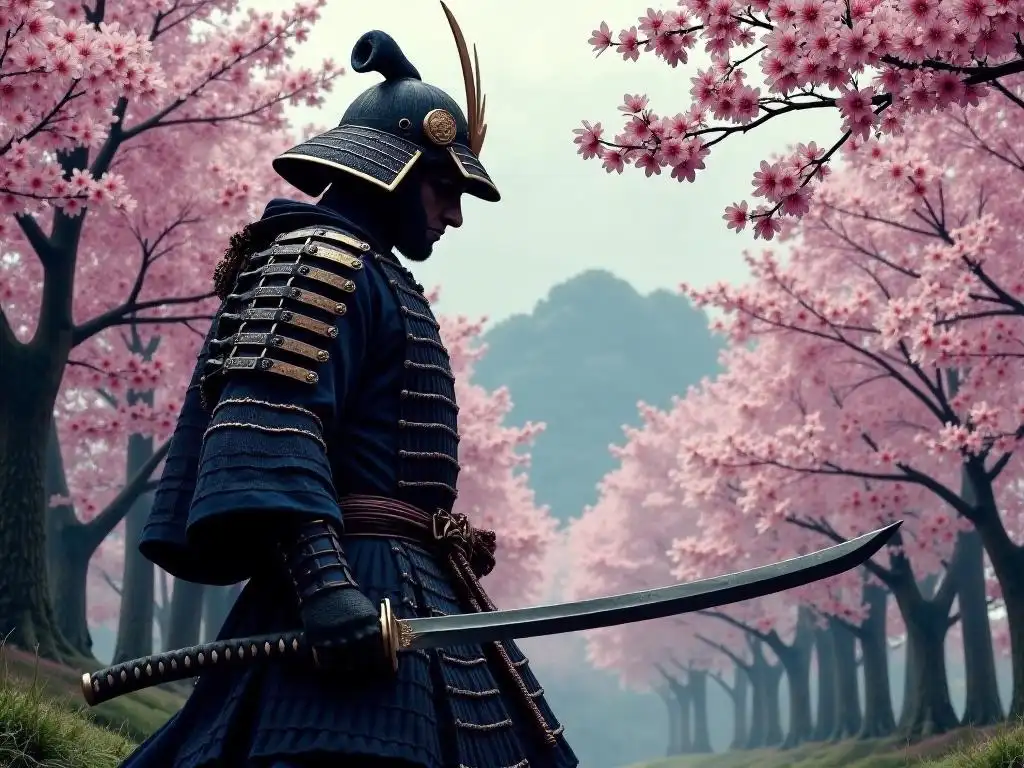
The samurai, as the warrior class of feudal Japan, were not merely skilled fighters; their approach to combat was deeply rooted in philosophical and spiritual traditions, particularly Zen Buddhism. This influence helped shape their tactics, decision-making processes, and overall conduct in battle. The samurai embraced Zen principles, allowing them to cultivate a mindset that facilitated heightened awareness, emotional control, and strategic thinking during warfare. These philosophical underpinnings created a unique blend of martial skill and spiritual discipline that defined the samurai ethos.
The Concept of Mushin (No Mind) in Combat
One of the central tenets of Zen Buddhism that significantly influenced samurai tactics is the concept of Mushin, often translated as "no mind" or "mind without disturbance." In combat, achieving Mushin allowed samurai to act instinctively and fluidly, free from the distractions of fear, anger, or hesitation. This state of mental clarity enabled them to react to their opponents' movements with precision and speed, enhancing their effectiveness in battle.
The practice of meditation and mindfulness was critical in achieving Mushin. Samurai would often engage in Zen meditation to clear their minds and focus their intentions, which proved invaluable in high-stress situations. During key battles, this mental state translated into a tactical advantage, allowing samurai to maintain composure while executing complex maneuvers and strategies.
The Influence of Zen on Samurai Ethics and Honor
Zen Buddhism profoundly impacted the ethical code of the samurai, known as Bushido, which emphasized virtues such as loyalty, honor, and self-discipline. This ethical framework not only guided samurai behavior in times of peace but also dictated their actions during warfare. The integration of Zen principles into Bushido fostered a sense of purpose and resilience among samurai, encouraging them to face death with dignity and honor.
In practice, this ethical influence meant that samurai would often strive for honorable combat, seeking to engage their enemies directly and fairly. The Zen-inspired notion of selflessness allowed them to prioritize the collective good over individual glory, fostering a sense of camaraderie among warriors. This ethical stance often shaped their tactical decisions, as they would avoid underhanded tactics that contradicted their moral code, even in the heat of battle.
Comparison of Zen-Inspired Tactics vs. Traditional Tactics
Zen-inspired tactics diverged notably from traditional approaches to warfare in feudal Japan. Traditional samurai tactics were often characterized by rigid formations, reliance on brute force, and a focus on honor through victory. In contrast, Zen-influenced tactics emphasized adaptability, fluidity, and psychological warfare.
- Adaptability: Zen teachings encouraged samurai to be flexible and responsive to changing circumstances on the battlefield. This adaptability allowed them to seize opportunities and exploit weaknesses in their enemy's strategy.
- Psychological Warfare: The mental discipline cultivated through Zen practices enabled samurai to maintain a psychological edge over their opponents. By projecting calmness and confidence, they could intimidate adversaries and disrupt their focus.
- Simplification of Tactics: Zen philosophy often favored simplicity over complexity. By stripping away unnecessary movements and focusing on essential techniques, samurai could execute their strategies with greater efficiency and effectiveness.
Case Studies: Zen Buddhism's Impact on Samurai Leaders
The influence of Zen Buddhism on samurai tactics is exemplified by various historical leaders who integrated these principles into their military strategies. Two notable figures, Miyamoto Musashi and Takeda Shingen, illustrate the profound impact of Zen on their leadership and combat styles.
Miyamoto Musashi – A Zen-Inspired Leader
Miyamoto Musashi, one of Japan's most renowned swordsmen, is a prime example of a samurai who embodied Zen principles in his approach to combat. Musashi's philosophy centered on the idea of "the way of the sword", which he articulated in his famous work, "The Book of Five Rings." His teachings emphasized the importance of mental discipline and the application of Zen concepts like Mushin.
Musashi's unique two-sword technique, known as Niten Ichi-ryū, exemplified his integration of Zen into martial practice. By fostering a state of mindfulness during battle, he was able to anticipate his opponents' moves and respond with fluidity. His success in numerous duels and battles can be attributed not only to his skill but also to his Zen-influenced mindset that prioritized adaptability and intuitive action.
Takeda Shingen – The Synthesis of Zen and Warfare
Takeda Shingen, a prominent warlord of the 16th century, is another exemplary figure who merged Zen principles with military tactics. Known for his innovative strategies and formidable battlefield presence, Shingen was deeply influenced by Zen Buddhism, which shaped his leadership style and approach to conflict.
Shingen implemented a system of decentralized command, allowing his generals to exercise autonomy while adhering to a shared strategic vision. This approach reflected Zen's emphasis on harmony and collective action. Additionally, he employed psychological tactics, such as feigned retreats and surprise attacks, to unsettle his enemies, illustrating the effectiveness of Zen-inspired strategies in warfare.
Both Musashi and Shingen demonstrate how Zen Buddhism profoundly influenced samurai tactics, leading to innovative approaches that prioritized mental discipline, ethical conduct, and adaptability in battle. Their legacies continue to resonate within the broader narrative of Japan's feudal era and the samurai's enduring impact on military history.
Conclusion: Legacy of Zen Buddhism in Samurai Warfare
The influence of Zen Buddhism on Samurai tactics during key battles has left a profound legacy that continues to resonate in modern military and martial arts practices. Zen principles, particularly the emphasis on mindfulness, discipline, and the impermanence of life, shaped not only the mental fortitude of Samurai warriors but also their strategic approaches in warfare. The integration of Zen philosophy into the Samurai code of conduct, known as Bushido, fostered a unique blend of combat prowess and spiritual depth, allowing them to navigate the chaos of battle with clarity and purpose.
As the centuries passed, the Samurai's reliance on Zen practices contributed to a more reflective approach to warfare, prioritizing not just victory but also the moral implications of their actions. This legacy is evident in contemporary martial arts, where Zen concepts continue to inform training methods and philosophical outlooks. The lessons learned from Zen meditation and the focus on achieving a state of flow have become integral to martial arts disciplines around the world, showcasing the enduring impact of this ancient philosophy.
Lasting Influence on Modern Martial Arts
The principles derived from Zen Buddhism have significantly influenced various forms of modern martial arts, creating a bridge between historical practices and contemporary techniques. Many martial artists today incorporate Zen meditation into their training regimens to enhance focus, improve mental clarity, and cultivate a sense of inner peace. This practice not only aids in physical training but also helps martial artists develop a deeper understanding of the psychological aspects of combat.
- Mindfulness in Training: Modern martial arts often emphasize mindfulness, a core aspect of Zen practice. This approach encourages practitioners to maintain awareness of their surroundings and their own movements, leading to more effective and responsive techniques.
- Flow State: Achieving a flow state—where a practitioner feels fully immersed in their activity—is a concept rooted in Zen that is highly sought after in martial arts. This state allows for fluid movement and spontaneous decision-making, reminiscent of the Samurai's adaptability on the battlefield.
- Philosophical Underpinnings: The moral and ethical teachings of Zen continue to resonate within martial arts communities, promoting values such as respect, humility, and discipline, which were vital to the Samurai ethos.
The Cultural Significance of Zen Samurai Tactics
Zen Buddhism's cultural significance in shaping Samurai tactics extends beyond the battlefield and into the broader societal fabric of Japan. The synthesis of martial skill and Zen philosophy fostered a unique cultural identity that emphasized resilience, honor, and spiritual enlightenment.
- Art and Aesthetics: The influence of Zen on the Samurai is also evident in various forms of Japanese art, including calligraphy, tea ceremonies, and garden design. These practices reflect the Zen ideals of simplicity, tranquility, and the appreciation of the transient nature of life, further intertwining the warrior class with cultural sophistication.
- Historical Narratives: The portrayal of Samurai in literature, theater, and film often highlights their Zen-inspired wisdom and composure. Stories of legendary battles frequently emphasize the inner struggles and philosophical dilemmas faced by Samurai, showcasing how Zen shaped their approach to conflict and resolution.
- Spiritual Legacy: The spiritual legacy of Zen Buddhism within the Samurai tradition has influenced modern Japanese culture, promoting a holistic view of life that values balance between physical prowess and mental serenity. This interplay continues to inspire individuals seeking personal growth through martial arts and meditation.
References
Recommended Books and Articles on Zen Buddhism and Samurai
- Zen and the Art of Archery by Eugen Herrigel: This classic text explores the connection between Zen principles and the practice of archery, offering insights into the mental discipline required for mastery.
- Hagakure: The Book of the Samurai by Yamamoto Tsunetomo: A foundational text on the Samurai code, providing a glimpse into the philosophical underpinnings that guided their actions in battle.
- Zen Mind, Beginner's Mind by Shunryu Suzuki: A profound exploration of Zen practice that is applicable not only to martial arts but to all aspects of life.
Further Reading on Feudal Japan's Key Battles
- The Samurai: A Military History by Stephen Turnbull: An in-depth analysis of the military strategies employed by Samurai during key conflicts in Japan's history.
- A History of Japan: 1334-1615 by John W. Hall: This book provides a comprehensive look at Japan's feudal era, including significant battles and the role of Zen Buddhism in shaping Samurai tactics.
- Bushido: The Soul of Japan by Inazo Nitobe: A crucial text that discusses the ethical framework of the Samurai, emphasizing the influence of Zen on their conduct in warfare and life.
- Introduction to Zen Buddhism and Samurai Culture
- Historical Context of Zen Buddhism and Samurai Tactics
- Key Battles Influenced by Zen Buddhism
- Zen Meditation and Samurai Combat Techniques
- The Philosophical Underpinnings of Samurai Tactics
- Case Studies: Zen Buddhism's Impact on Samurai Leaders
- Conclusion: Legacy of Zen Buddhism in Samurai Warfare
- References
- What is the relationship between Zen Buddhism and the samurai?
- How did Zen Buddhism shape samurai tactics in battles?
- Can you give an example of a battle where Zen Buddhism played a role?
- What are the core tenets of Zen Buddhism that influenced samurai?
- How did Zen Buddhism impact samurai culture beyond the battlefield?
Frequently Asked Questions
What is the relationship between Zen Buddhism and the samurai?
Zen Buddhism profoundly influenced the samurai by instilling principles of discipline, focus, and mental clarity that enhanced their performance in battles.
How did Zen Buddhism shape samurai tactics in battles?
The mindfulness and meditative practices of Zen helped samurai develop a calm demeanor, allowing them to make quick, strategic decisions during key battles.
Can you give an example of a battle where Zen Buddhism played a role?
One notable example is the Battle of Nagashino, where samurai employed Zen-influenced tactics of patience and precision, leveraging their training to outmaneuver opponents.
What are the core tenets of Zen Buddhism that influenced samurai?
The core tenets include mindfulness, simplicity, and the pursuit of enlightenment, which fostered a unique warrior code that prioritized self-control and inner peace.
How did Zen Buddhism impact samurai culture beyond the battlefield?
Beyond tactics, Zen Buddhism influenced samurai culture through art, poetry, and tea ceremonies, promoting a holistic lifestyle that blended warrior ethos with spiritual growth.
Final Reflection: The Enduring Legacy of Zen Buddhism in Samurai Tactics
The intricate relationship between Zen Buddhism and Samurai tactics remains profoundly relevant today, as it highlights the importance of mindfulness and discipline in achieving success. In a world often characterized by chaos and distraction, the principles derived from Zen teachings can guide individuals in navigating their own battles, whether they be personal, professional, or spiritual. The samurai's ability to remain calm and focused in the heat of battle serves as a powerful reminder of the strength that lies in mental clarity and composure.
The influence of Zen Buddhism on the samurai extends beyond historical battles; it has shaped cultural narratives and philosophies that resonate in contemporary society. The samurai's approach to life, rooted in Zen principles, emphasizes the significance of balance, respect, and inner peace. This legacy continues to inspire modern martial artists, leaders, and individuals seeking personal growth. As the renowned Zen master Thich Nhat Hanh once said, The mind is like water. When it's turbulent, it's difficult to see. When it's calm, everything becomes clear.
This clarity is essential not only in combat but in everyday life, reminding us of the power of a centered mind.
As we reflect on the teachings of Zen Buddhism and their application in samurai tactics, let us invite ourselves to cultivate mindfulness in our own lives. Consider how you can apply these principles of focus, discipline, and tranquility to your daily challenges. Whether you are facing a personal struggle or striving for excellence in your endeavors, remember that the path to mastery begins with a calm and clear mind. Embrace the lessons of the samurai, and let them guide you toward a more purposeful and balanced existence.
Unleash Your Inner Warrior: Embrace the Zen Way!
Thank you for diving into the fascinating world of Zen Buddhism and its profound influence on Samurai tactics! You’ve explored how calmness and mindfulness shaped some of the most remarkable battles in Feudal Japan. Now, it’s time to take that inspiration and apply it to your life!
Here are some powerful steps you can take to channel the wisdom of the Samurai:
- Practice Mindfulness: Dedicate just five minutes each day to meditation or mindful breathing. This practice can sharpen your focus and enhance your decision-making skills.
- Explore the Philosophy: Read a book on Zen principles or Samurai ethics to gain deeper insights into their strategies and mindset. A recommended title is
- Share Your Journey: Join an online community or social media group where you can discuss how Zen practices can foster resilience and cultivate inner strength.
Which aspect of Zen philosophy do you believe would most enhance your daily life or decision-making? We’d love to hear your thoughts!