
The Battle of Uedahara: The Unfolding of Feudal Loyalties and Betrayals

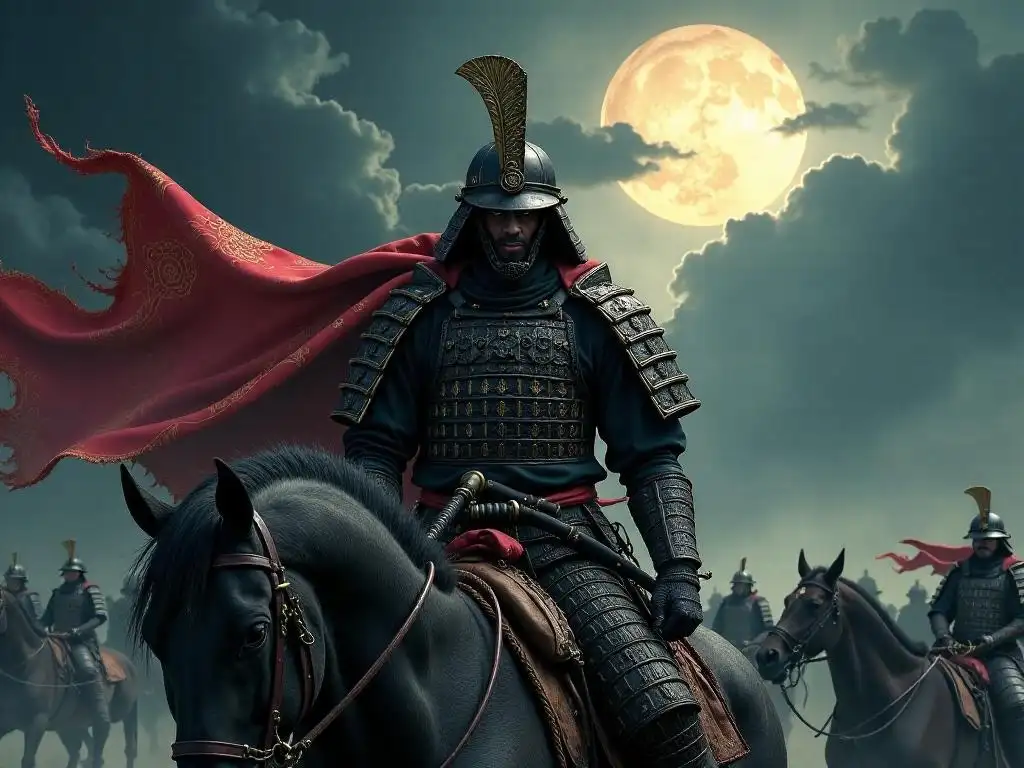
Welcome to Feudal Japan History, where we embark on a captivating journey through the intricate tapestry of Japan's feudal era. In our featured article, "The Battle of Uedahara: The Unfolding of Feudal Loyalties and Betrayals," we delve deep into the complex web of feudal loyalties in Japan, revealing how allegiances shaped the very course of history.
As we explore the tumultuous events of this pivotal battle, prepare to uncover tales of honor, betrayal, and the fierce dynamics of power that defined an era. Join us as we unlock the secrets of feudal Japan and invite you to explore the rich narratives that lie ahead!
-
The Battle of Uedahara: An Overview of Feudal Loyalties in Japan
- Historical Context of Feudal Japan
- The Battle of Uedahara: Prelude to Conflict
- The Course of the Battle
- The Aftermath of Uedahara
- Analysis of Feudal Loyalties in Japan
- Cultural Reflection: Feudal Loyalties in Literature and Art
- Conclusion: The Enduring Impact of the Battle of Uedahara
- Summary of Key Findings on Feudal Loyalties in Japan
- Lessons Learned from the Battle's Betrayals and Loyalties
- Further Reading and Resources
-
Frequently Asked Questions
- What was the significance of the Battle of Uedahara in feudal Japan?
- How did feudal loyalties influence samurai behavior during battles?
- What role did betrayal play in shaping political alliances during this period?
- How can one explore the cultural aspects of feudal Japan in relation to loyalty?
- What expert-driven resources are available for studying feudal Japan?
- Final Reflection: The Enduring Legacy of Feudal Loyalties in Japan
- Unveil the Lessons of Loyalties and Betrayals!
The Battle of Uedahara: An Overview of Feudal Loyalties in Japan
The Battle of Uedahara, fought in the early 16th century, serves as a vital chapter in the narrative of Japan's feudal era, underscoring the complex web of feudal loyalties and betrayals that defined this tumultuous period. As various clans vied for power, the allegiances of samurai and their lords often shifted, revealing the intricate dynamics of loyalty that could lead to both triumph and tragedy.
This article will provide a comprehensive exploration of the historical, cultural, and societal aspects surrounding the Battle of Uedahara, highlighting not only the events of the battle itself but also the underlying feudal loyalties in Japan that shaped its outcome.
Historical Context of Feudal Japan
The Rise of Feudalism in Japan
Feudalism in Japan emerged during the late Heian period (794-1185), evolving significantly in response to political instability, warfare, and social upheaval. As central authority weakened, local lords known as daimyō began to consolidate power, establishing their own territories and employing samurai for protection and governance. This system created a hierarchy based on land ownership and military service, where loyalty was paramount. The samurai adhered to a strict code of honor, known as bushido, which dictated their responsibilities to their lords and families.
Key Players in the Feudal System
In the feudal system, several key players shaped the landscape of loyalty and betrayal. The Emperor held a nominal position, while the shogun wielded real power, acting as the military dictator. Below them, the daimyō controlled vast lands and maintained their own armies of samurai. The samurai, skilled warriors, were bound by their loyalty to their daimyō, often placing personal honor above all else. This intricate social structure fostered both fierce loyalty and potential betrayal, as shifting allegiances could alter the balance of power.
Overview of the Political Landscape Prior to Uedahara
Leading up to the Battle of Uedahara, the political landscape of Japan was marked by regional rivalries and shifting loyalties. The Sengoku period (1467-1615) was characterized by constant warfare among various daimyō, each seeking to expand their influence. The power struggles between prominent clans, such as the Takeda and Uesugi, created a climate of distrust. As alliances formed and dissolved, the feudal loyalties of samurai were tested, setting the stage for the conflict that would unfold at Uedahara.
The Battle of Uedahara: Prelude to Conflict
Causes of the Battle: Loyalties and Betrayals
The Battle of Uedahara was precipitated by a complex mixture of personal grievances, shifting allegiances, and the quest for territorial control. The Takeda clan, led by Takeda Shingen, sought to assert dominance over the Uesugi clan, headed by Uesugi Kenshin. The rivalry was marked by previous conflicts and a history of betrayal, as samurai from both sides navigated their loyalties in a landscape rife with deception. The clash at Uedahara would ultimately be a manifestation of these feudal loyalties, testing the bonds between lords and their vassals.
Key Figures Involved in the Battle
Several prominent figures played crucial roles in the Battle of Uedahara, each embodying the complexities of feudal loyalties. Takeda Shingen, known for his strategic brilliance, was determined to expand his territory at the expense of Uesugi Kenshin. On the other hand, Uesugi Kenshin, revered for his martial skill and honor, was equally committed to defending his realm. Their samurai, loyal to their respective lords, faced impossible choices as the battle loomed, illustrating the profound impact of feudal loyalties in shaping the course of history during this era.
The Course of the Battle
The Battle of Uedahara, fought in 1548, marked a critical juncture in the complex web of feudal loyalties in Japan. This clash unfolded in the mountainous terrain of Uedahara, located in present-day Nagano Prefecture. It was characterized by a confrontation between the forces of Takeda Shingen and those of Uesugi Kenshin, two prominent daimyōs whose rivalry encapsulated the essence of the Sengoku period. The battle was not merely a contest of arms but a reflection of shifting allegiances and the intricate dynamics of power among feudal lords.
Initial Strategies and Tactics
Both Takeda Shingen and Uesugi Kenshin were known for their military acumen and devised intricate strategies to outmaneuver one another. Shingen, leveraging his superior cavalry, aimed to dominate the battlefield with swift, aggressive tactics. He positioned his troops strategically along the ridges of Uedahara, intending to use the terrain to his advantage.
On the other hand, Kenshin, renowned for his infantry tactics and defensive strategies, sought to exploit the weaknesses in Shingen's formations. His forces were well-prepared for a protracted engagement, utilizing the dense forests for cover and ambush opportunities. The initial phase of the battle saw both commanders testing each other's resolve, with skirmishes that set the stage for the larger confrontation to come.
Key Moments in the Battle
As the battle escalated, several pivotal moments defined its course. The first significant turning point occurred when Takeda's cavalry launched a bold charge, aiming to break through Kenshin's lines. However, Kenshin's forces, anticipating this move, executed a counter-offensive that momentarily halted Shingen's advance.
Another crucial moment came when Kenshin, recognizing the need to assert control, ordered a flanking maneuver that significantly disrupted Takeda's formations. This unexpected tactic shifted the momentum, forcing Shingen to adapt his strategy under pressure. The fierce fighting continued throughout the day, with both sides exhibiting remarkable tenacity and skill. Ultimately, the battle ended inconclusively, with heavy losses on both sides, further complicating the loyalties and alliances that defined this tumultuous period.
The Aftermath of Uedahara
The aftermath of the Battle of Uedahara reverberated throughout the feudal landscape of Japan, impacting the warring factions and altering the course of political alliances.
Consequences for the Warring Factions
The battle resulted in significant casualties, with both Takeda and Uesugi suffering losses that would hinder their military capabilities in the short term. While neither side could claim a definitive victory, the draw created a vacuum of power that sparked a re-evaluation of feudal loyalties among the samurai and their clans. Many warriors began to question their allegiances, fearing that continued conflict could lead to their own downfall.
The immediate consequence for Takeda Shingen was a temporary setback in his expansionist ambitions, while Uesugi Kenshin's forces faced the challenge of maintaining morale amidst the heavy toll of battle. The need for unity among their respective vassals became paramount, as the potential for defection loomed large.
Changes in Feudal Loyalties Post-Battle
The Battle of Uedahara catalyzed a transformation in feudal loyalties across the region. Many samurai began to reconsider their allegiances, weighing the benefits of loyalty against the risks of continued warfare. Some vassals of Takeda, witnessing the costly stalemate, sought refuge in the service of Uesugi, who appeared to offer a more stable command.
This shift in loyalties was emblematic of the broader trends in the Sengoku period, where personal honor and the desire for survival often took precedence over traditional feudal bonds. The battle not only tested the warriors' commitments but also reshaped the landscape of alliances, leading to a realignment of power among the daimyōs.
Impact on the Political Landscape of Japan
The broader implications of the Battle of Uedahara extended far beyond the immediate conflict. The struggle underscored the fragility of feudal loyalties in Japan, highlighting how conflicts could reshape allegiances and influence political dynamics. In the wake of the battle, both Takeda and Uesugi were compelled to reassess their strategies, leading to a temporary cessation of large-scale conflicts as they sought to consolidate their forces.
Moreover, the stalemate at Uedahara contributed to the emergence of new players in the feudal system, as minor clans and warriors seized opportunities to vie for power amid the chaos. The battle, therefore, served as a pivotal moment in the evolution of Japan’s feudal structure, illustrating how loyalties could be both a strength and a vulnerability in the relentless pursuit of power.
Analysis of Feudal Loyalties in Japan

Feudal loyalties in Japan played a pivotal role in shaping the political and military landscape during the feudal era, particularly in the context of samurai culture. This loyalty was not merely a personal bond but a complex web of relationships underpinned by social, economic, and martial obligations. The hierarchical nature of feudal society meant that loyalty was often to one’s lord, or daimyō, and was seen as a testament to one’s honor and duty. This loyalty could dictate a samurai's actions in battle, their alignment in conflicts, and their responses to shifting power dynamics.
Loyalty was also influenced by regional affiliations and the historical context of alliances. The intricacies of these loyalties were often tested during times of war, such as during the Battle of Uedahara, where allegiances were not only challenged but also profoundly transformed. The expectations of loyalty could lead to significant consequences, including betrayal, which was considered a grave dishonor. Ultimately, feudal loyalties were central to the identity and ethos of samurai warriors, influencing everything from personal relationships to large-scale military strategies.
The Role of Loyalty in Samurai Culture
In samurai culture, loyalty was viewed as a virtue of the highest order, deeply ingrained within the bushidō, or “way of the warrior.” This code emphasized unwavering loyalty to one’s lord, often at the expense of personal interest and safety. The samurai’s identity was intertwined with their loyalty; a warrior’s honor was directly linked to their fidelity. This loyalty was expressed not only through service in battle but also through daily acts of duty and respect towards their lord.
The samurai's loyalty was often reciprocated by their daimyō, who provided protection, land, and a sense of belonging. This bond fostered a sense of community and purpose, with loyalty acting as a stabilizing factor in a tumultuous era marked by constant warfare and shifting power dynamics. The importance placed on loyalty influenced various aspects of samurai life, from military tactics to the formulation of alliances, and ultimately shaped the course of Japan’s feudal history.
How Loyalties Shifted After Major Conflicts
The aftermath of major conflicts frequently led to shifts in feudal loyalties, altering alliances and power structures dramatically. For instance, after significant battles such as the Battle of Uedahara, the outcomes could result in former allies becoming enemies or vice versa. The chaos of war often exposed fractures in loyalty, where samurai might switch allegiances to secure their survival or gain favor with a more powerful lord.
Additionally, the rise and fall of prominent daimyōs influenced the loyalty landscape. Following a defeat, a samurai might reevaluate their allegiances, choosing to align with the winning side for personal gain or protection. This fluidity in loyalty was not just a survival tactic; it reflected the changing nature of power in feudal Japan, where loyalty could be both a weapon and a shield in the face of adversity.
Case Studies of Notable Betrayals in Feudal Japan
Betrayals during the feudal era are telling examples of how loyalties were tested and transformed. One of the most notorious cases was that of Akechi Mitsuhide, who betrayed his lord Oda Nobunaga in 1582. Mitsuhide’s betrayal not only led to Nobunaga’s death but also reshaped the political landscape of Japan, demonstrating how personal ambition could override established loyalty.
Another significant case involved the Takeda clan, where internal strife led to defections that weakened their position against rival clans. The shifting loyalties within the Takeda ranks illustrate how ambitions and personal grievances could lead to betrayal, impacting the outcomes of key battles and the relationships between clans.
These case studies underscore that while loyalty was a core tenet of samurai identity, the realities of power struggles often led to complex moral dilemmas, resulting in betrayals that could have far-reaching consequences for individuals and clans alike.
Cultural Reflection: Feudal Loyalties in Literature and Art
Feudal loyalties in Japan have been extensively reflected in its literature and art, serving as a rich source of inspiration that captures the complexities of loyalty and betrayal. These cultural expressions not only depict historical events but also explore the emotional and ethical dimensions of feudal relationships, offering insights into the samurai ethos and societal values of the time.
Depictions of Loyalty and Betrayal in Japanese Literature
Japanese literature is replete with stories that examine the themes of loyalty and betrayal. Classic works such as "The Tale of the Heike" delve into the tragic consequences of loyalty during the Genpei War, illustrating how personal and political loyalties can lead to both glory and ruin. Characters often face moral dilemmas that test their loyalties, reflecting the societal expectations placed upon them.
Moreover, the genre of Noh and Kabuki theater frequently dramatizes these themes, presenting narratives where loyalty is celebrated but also questioned. The emotional weight of these stories resonates with audiences, emphasizing the stakes involved in feudal loyalties and the often tragic outcomes of betrayal.
Artistic Representations of the Battle of Uedahara
The Battle of Uedahara has inspired numerous artistic representations throughout Japanese history, showcasing the conflict’s significance and its themes of loyalty. Ukiyo-e prints, for instance, depict the battle scenes, focusing on the valor and honor of warriors. These artworks not only serve as historical documentation but also convey the emotional and psychological struggles faced by samurai during the conflict.
Artists often emphasized the dramatic moments of betrayal and loyalty, capturing the essence of samurai culture. The visual narratives created through these artworks provide a window into the values and beliefs of feudal society, illustrating how loyalty was both revered and fraught with peril.
The Legacy of Feudal Loyalties in Japanese Culture
The legacy of feudal loyalties continues to resonate in contemporary Japanese culture, influencing modern literature, film, and even social behavior. The principles of loyalty and honor, deeply rooted in samurai tradition, still hold significance in Japanese society today. These ideals manifest in various forms, from corporate loyalty in business environments to the reverence for historical figures in popular culture.
Modern interpretations of feudal loyalties often revisit the themes of betrayal and allegiance, reflecting on their relevance in contemporary contexts. The enduring fascination with samurai culture and its values speaks to a collective memory that honors the complexities of loyalty, ensuring that the lessons learned from feudal Japan remain pertinent in today’s world.
Conclusion: The Enduring Impact of the Battle of Uedahara
The Battle of Uedahara serves as a poignant representation of the complex web of feudal loyalties in Japan during the late 16th century. It encapsulates the era's tumultuous political landscape, where allegiances could shift rapidly based on personal gain, strategic necessity, or longstanding ties. The aftermath of this battle not only influenced the immediate power dynamics but also left a lasting imprint on the cultural narratives surrounding loyalty and betrayal in Japanese history. Understanding these feudal loyalties is essential for grasping the broader themes of loyalty, honor, and betrayal that characterized the samurai ethos.
The battle also underscores how personal relationships among warlords and samurai shaped the larger conflicts of the time. The betrayals that occurred during Uedahara exemplified how fragile alliances could become when ambition overshadowed loyalty. Consequently, the battle became a cautionary tale that resonated through subsequent generations, influencing the way loyalty was perceived and enacted in both military and civilian life.
Summary of Key Findings on Feudal Loyalties in Japan
The examination of the Battle of Uedahara reveals several key findings regarding feudal loyalties in Japan:
- Fluid Allegiances: Loyalties among samurai and warlords were often fluid and could change based on shifting circumstances, political maneuvering, and personal ambitions.
- Honor vs. Strategy: The conflict highlighted the tension between maintaining honor and making strategic decisions that could lead to temporary betrayals for long-term benefits.
- Cultural Narratives: The battle contributed to the cultural narratives surrounding loyalty and betrayal, influencing how these themes were depicted in literature, theater, and later historical accounts.
- Impact on Future Conflicts: The lessons learned from Uedahara shaped the strategies and alliances in subsequent battles, illustrating the importance of trust and betrayal in military campaigns.
Lessons Learned from the Battle's Betrayals and Loyalties
The Battle of Uedahara serves as a rich source of lessons regarding the nature of feudal loyalties:
- The Complexity of Loyalty: Loyalty in feudal Japan was not a simple matter of allegiance; it involved layers of personal relationships, honor codes, and expectations that could complicate decisions.
- The Consequences of Betrayal: Betrayals, while sometimes seen as necessary for survival, often led to long-term consequences, including loss of trust and the potential for retribution.
- Strategic Alliances: The battle illustrates the importance of forming strategic alliances and the risks involved when those alliances are tested. The shifting loyalties among samurai could turn the tide of battle and redefine power structures.
- Cultural Reflection: The narratives surrounding the battle have influenced how loyalty is perceived in modern Japan, reflecting the enduring significance of historical events on contemporary values.
Further Reading and Resources
Recommended Books on Feudal Japan
-
"Samurai, Warfare and the State in Early Medieval Japan" by Karl F. Friday
This book provides an in-depth analysis of the military structure and the role of samurai in the feudal system, offering insights into the loyalties that defined the era.
-
"The Rise of the Samurai" by David Curtis Wright
A comprehensive examination of the development of the samurai class and their loyalty dynamics within the feudal hierarchy.
Articles on Key Battles in Japanese History
-
"Turning Points in Japanese Military History"
This article reviews pivotal battles, including Uedahara, that shaped feudal Japan and examines the loyalties that influenced these conflicts.
-
"Betrayal and Loyalty in the Sengoku Period"
An analysis of how personal and political loyalties affected the outcomes of major battles during the Sengoku period, with specific reference to Uedahara.
Online Resources for Understanding Feudal Loyalties
-
The Samurai Archives
A rich resource for articles and discussions on feudal Japanese history, including topics on loyalty, betrayal, and key battles.
-
Japan's Feudal Era: A Multimedia Experience
An interactive platform offering maps, timelines, and detailed accounts of feudal loyalties and important battles, including Uedahara.
By exploring these resources, readers can gain a deeper understanding of the intricate feudal loyalties that defined the Battle of Uedahara and the broader context of Japanese military history.
Frequently Asked Questions
What was the significance of the Battle of Uedahara in feudal Japan?
The Battle of Uedahara marked a pivotal moment in the shifting feudal loyalties among clans, demonstrating how betrayals could alter power dynamics in Japan's feudal era.
How did feudal loyalties influence samurai behavior during battles?
Feudal loyalties dictated samurai actions, compelling them to fight for their lords even in the face of personal risk, often prioritizing honor and duty over individual survival.
What role did betrayal play in shaping political alliances during this period?
Betrayal was a common occurrence that could swiftly change political alliances, leading to downfalls of clans and the rise of others, as seen in the aftermath of the Battle of Uedahara.
How can one explore the cultural aspects of feudal Japan in relation to loyalty?
To delve into cultural aspects, one can examine literature, art, and historical accounts that reflect the complex nature of feudal loyalties and the consequences of betrayal in society.
What expert-driven resources are available for studying feudal Japan?
There are numerous expert-driven articles and historical analyses available online, including those on feudal loyalties in Japan, which provide in-depth insights into the era's societal and political complexities.
Final Reflection: The Enduring Legacy of Feudal Loyalties in Japan
The intricate web of feudal loyalties and betrayals that defined the Battle of Uedahara resonates profoundly in today's society. As we navigate our own complex relationships and allegiances, the lessons from this historical conflict remind us that loyalty can be both a source of strength and a catalyst for betrayal. The dynamics of feudal Japan serve as a mirror to our contemporary struggles with trust, power, and the consequences of our choices.
Cultural narratives surrounding loyalty and betrayal continue to shape our understanding of relationships and governance. The Battle of Uedahara exemplifies how personal allegiances can sway the tides of history, influencing not only the lives of those directly involved but also the broader social fabric. As historian John W. Hall once said, The bonds of loyalty are the threads that weave the tapestry of society.
This observation underscores the ongoing relevance of feudal loyalties, as they remind us that our connections to one another can either fortify or fracture our communities.
As you reflect on the themes presented in this article, consider how the lessons of the past can inform your own life. What allegiances do you hold dear, and how do they shape your decisions and relationships? Embrace the opportunity to cultivate loyalty that fosters trust and integrity, while remaining vigilant against the potential for betrayal. By understanding the complexities of feudal loyalties, we can strive to build a future where our connections empower us rather than divide us.
Unveil the Lessons of Loyalties and Betrayals!
Thank you for diving into the intriguing world of the Battle of Uedahara! We hope you gained valuable insights into the complexities of feudal loyalties and the fascinating narratives of betrayal that shaped history. Now, let’s transform this knowledge into action!
- Explore deeper into the lives of key figures from the battle—read biographies or historical fiction that bring their stories to life.
- Share your thoughts on social media using the hashtag #UedaharaHeroes and connect with fellow history enthusiasts.
- Consider starting or joining a local history discussion group, where you can unravel and debate the intricate themes of loyalty and betrayal across various periods.
How do you think the lessons from Uedahara can apply to our modern-day understandings of trust and loyalty?