
The Cultural Impact of Major Battles: How Feudal Warfare Shaped Japanese Identity

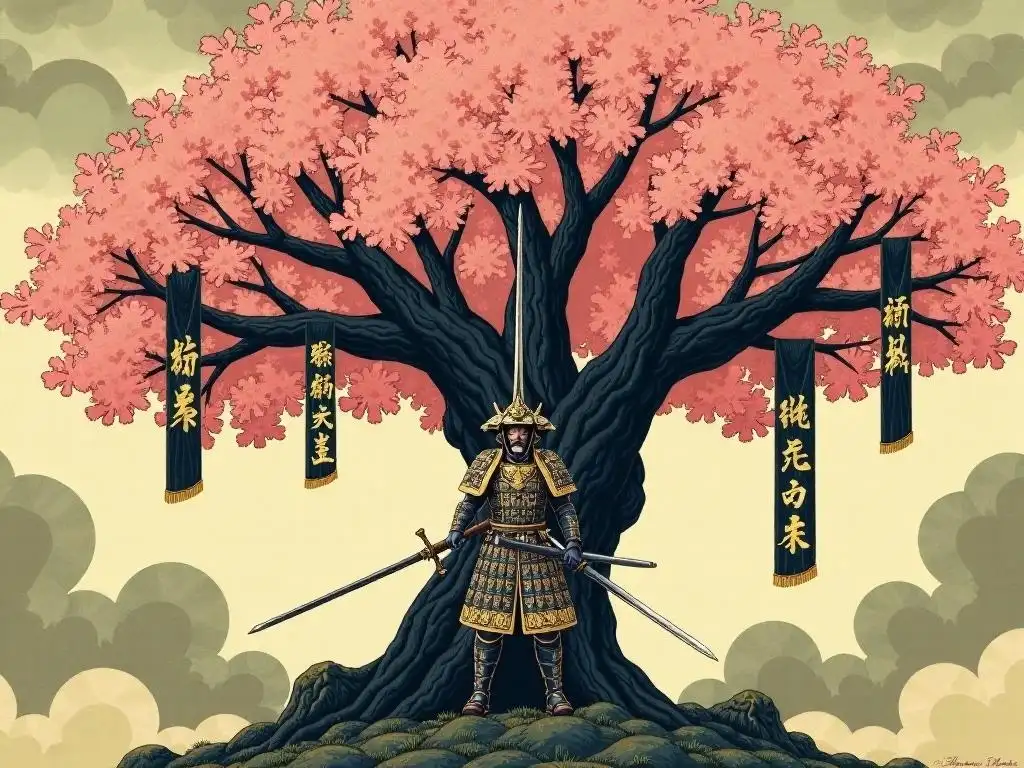
Welcome to Feudal Japan History, where we embark on a captivating journey through the intricate tapestry of Japan’s feudal era. In our featured article, “The Cultural Impact of Major Battles: How Feudal Warfare Shaped Japanese Identity,” we delve into the profound ways in which the tumult of feudal warfare has influenced the very essence of Japanese culture and identity. Prepare to uncover the compelling stories behind iconic battles and their lasting legacies, as we invite you to explore how these historical conflicts have woven themselves into the fabric of Japanese society.
Are you ready to discover the untold effects of warfare on culture? Let’s dive in!
Introduction to Feudal Warfare and Its Cultural Significance
Feudal warfare in Japan was not merely a series of conflicts but a defining force that molded the cultural and social identity of the nation. Spanning from the late 12th century to the early 17th century, this tumultuous period saw the rise and fall of powerful clans, shifting alliances, and the emergence of iconic samurai warriors.
The battles fought during this era were pivotal, not only in determining political power but also in influencing the cultural fabric of Japanese society. From the valorous tales of warriors to the strategic innovations that emerged on the battlefield, the cultural impact of feudal warfare in Japan is profound and enduring.
Defining Feudal Warfare in Japan
Feudal warfare in Japan is characterized by a unique blend of military strategy, social hierarchy, and cultural significance. It was marked by the rise of the samurai class, who were bound by a code of honor known as bushido. This code emphasized loyalty, bravery, and honor, shaping the moral framework of Japanese society. The conflicts were often fueled by power struggles among feudal lords, or daimyōs, who sought to expand their territories and influence.
The battles were not only physical confrontations but also involved intricate political maneuvers and alliances, often leading to shifts in power dynamics. The tactics employed on the battlefield were deeply influenced by the cultural values of the time, where strategy and personal honor played as crucial roles as weaponry and numbers.
Overview of Japan's Feudal Era
Japan's feudal era is traditionally recognized as beginning with the rise of the Kamakura shogunate in 1185, following the Genpei War, and lasting until the unification of Japan under the Tokugawa shogunate in 1603. This period was marked by significant political fragmentation, with various clans vying for supremacy across the archipelago.
Throughout the feudal era, the country experienced profound social changes, including the establishment of a warrior class that gained both political power and cultural prestige. The samurai became symbols of loyalty and bravery, and their actions on the battlefield were celebrated in literature, art, and folklore. As battles raged, they not only determined the fate of clans but also instilled a sense of national identity that resonated through generations.
Importance of Major Battles in Shaping Identity
The major battles of the feudal era were instrumental in forging a collective identity among the Japanese people. Each battle carried with it stories of heroism, sacrifice, and loyalty, which became foundational narratives in Japanese culture. The outcomes of these conflicts influenced alliances and rivalries that shaped regional identities, while also contributing to the overarching narrative of Japan as a unified nation.
As these battles were chronicled in historical texts and artistic representations, they served to elevate the status of certain clans and heroes, embedding their legacy into the cultural consciousness. The rich tapestry of folklore, theater, and literature that emerged from these events continues to influence Japanese culture today, illustrating the enduring legacy of feudal warfare on Japan's identity.
Key Battles of the Feudal Era and Their Cultural Impact
The Genpei War: A Turning Point in Japanese History
The Genpei War (1180-1185) stands as a significant turning point in Japanese history, marking the transition from the Heian period to the Kamakura period. This conflict between the Taira and Minamoto clans was not only a battle for control but also a clash of cultural ideals. The narratives that arose from this war celebrated the virtues of the samurai and laid the groundwork for the samurai ethos that would dominate Japanese culture.
The Battle of Nagashino: Technological Advancements and Identity
The Battle of Nagashino in 1575 is often remembered for its innovative use of firearms by the forces of Tokugawa Ieyasu against the cavalry of the Takeda clan. This battle illustrated a pivotal moment in military strategy and technology that influenced the conduct of warfare in Japan. The successful integration of gunpowder weapons shifted the perception of warfare and contributed to the evolving identity of the samurai, who adapted to new methods of combat while still adhering to traditional values of honor and bravery.
The Siege of Osaka: The End of the Sengoku Period
The Siege of Osaka (1614-1615) marked the conclusion of the Sengoku period, a time characterized by constant warfare and upheaval. This monumental conflict solidified the Tokugawa shogunate's power and ushered in a new era of peace known as the Edo period. The siege not only ended the feudal conflicts but also served as a cultural watershed, as the narratives surrounding the last stand of the Toyotomi clan became emblematic of loyalty and resistance, themes that continue to resonate in Japanese culture.
Themes in Feudal Warfare and Japanese Identity Formation
Feudal warfare in Japan was not merely a series of military conflicts; it was deeply intertwined with the cultural and social fabric of the nation. The themes emerging from these battles played a crucial role in shaping the Japanese identity. Central to this identity was the concept of honor, the samurai ethos, and the intricate dynamics of loyalty and betrayal.
The narratives of conflict fostered a collective memory that influenced how future generations would view their history, values, and even their place in the world. As battles raged across the archipelago, they not only determined the political landscape but also helped forge a national identity rooted in shared experiences and cultural themes.
Honor and Bushido: The Samurai Code
At the heart of feudal warfare was the samurai code known as Bushido, which translates to "the way of the warrior." This code emphasized values such as loyalty, honor, courage, and self-discipline. Samurai were expected to live by these principles, which governed their actions both on and off the battlefield. The notion of dying with honor rather than living in shame became a powerful motivator for samurai warriors, influencing their decisions during battles and their interactions with others.
The impact of Bushido extended beyond the battlefield, infiltrating various aspects of Japanese culture, including literature, arts, and philosophy. Stories of legendary samurai, who upheld these values even in the face of certain death, became ingrained in the national psyche. Such tales, exemplifying the ideal warrior, contributed significantly to the cultural narrative and reinforced the importance of honor as a defining characteristic of Japanese identity.
The Concept of Loyalty and Betrayal
Loyalty and betrayal were central themes within the feudal warfare era that significantly impacted Japanese identity. Samurai were often bound by oaths of loyalty to their lords, which led to a complex web of allegiances. These relationships dictated the actions of warriors and influenced the outcomes of battles. Betrayal could have devastating consequences, not only for individuals but also for entire clans, as seen in the infamous Kanto Incident and the Genpei War.
The cultural repercussions of loyalty and betrayal reached far beyond the battles themselves; they shaped social expectations and norms. Loyalty became a cornerstone of relationships, influencing both personal and political spheres. This theme also permeated Japan’s literary and artistic expressions, with countless tales exploring the tragic consequences of betrayal, thus embedding these concepts within the broader narrative of Japanese history and identity.
The Evolution of Japanese Identity Through Warfare
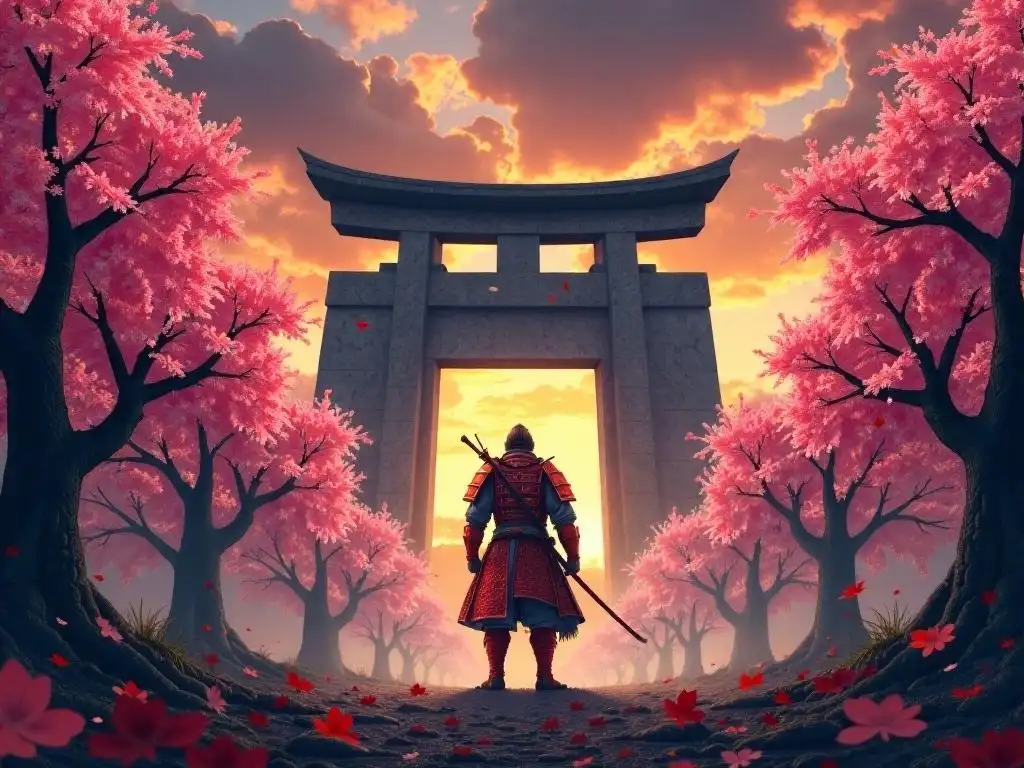
As feudal conflicts unfolded over centuries, they played a significant role in the evolution of Japanese identity. Each major battle contributed to a shifting understanding of what it meant to be Japanese, shaping cultural narratives that would resonate through time. The experiences of warriors, the honor of their deeds, and the collective memory of battles fought and won or lost helped to cultivate a sense of national unity and pride.
Influence of Major Battles on National Identity
Major battles, such as the Battle of Sekigahara and the Gempei War, were pivotal in defining the trajectory of Japanese national identity. The outcomes of these conflicts not only determined political power but also influenced societal structures and cultural norms. The unification of Japan under the Tokugawa shogunate after Sekigahara marked a significant shift, fostering a sense of stability that allowed a distinct Japanese identity to flourish.
The narratives surrounding these battles became embedded in the collective memory, often romanticized in folklore and historical accounts. They served as touchstones for national pride and identity, shaping how future generations perceived their history and their role within it. These battles provided a foundation for Japan's sense of self, reinforcing the idea of resilience and strength in the face of adversity.
How Feudal Warfare Shaped Modern Japanese Culture
The cultural impact of feudal warfare extends into modern Japanese society, influencing contemporary values, traditions, and even aesthetics. Elements of Bushido continue to resonate within modern Japanese culture, where concepts of honor and loyalty are still celebrated. The samurai's legacy is evident in various cultural expressions, including film, literature, and art, which often explore themes of honor, sacrifice, and the complexities of human relationships.
Moreover, the historical narratives of feudal warfare have shaped Japan's national character, fostering a sense of unity and pride that persists today. The memory of battles fought has been harnessed as a means of promoting cultural identity, especially in times of change or external challenge. In essence, the impact of feudal warfare can be seen as a cornerstone of modern Japanese culture, providing a rich tapestry of historical context that continues to influence how Japanese people view themselves and their place in the world.
The Role of Literature and Art in Reflecting Cultural Impact
The cultural impact of feudal warfare in Japan is vividly captured through various forms of literature and art. During the feudal era, artistic and written expressions not only documented events but also interpreted them, influencing how society understood and internalized the consequences of warfare. The narratives surrounding major battles often served as a means of shaping national identity, heroism, and moral values within the fabric of Japanese culture.
Literature and art from this period reflect deep-seated themes such as honor, loyalty, and the transient nature of life — concepts that resonate through the tales of samurai and their exploits. The portrayal of these themes in various artistic mediums helped forge a collective memory that continues to influence Japanese identity even in contemporary times.
Historical Texts Documenting Feudal Warfare
Historical texts from the feudal period play a crucial role in documenting the events and societal changes prompted by warfare. Works such as the "Chronicles of Japan" (Nihon Shoki) and the "Tale of the Heike" provide detailed accounts of battles, strategies, and the lives of warriors. These texts are not merely historical records; they serve as cultural artifacts that reflect the values and ethos of the time.
The "Tale of the Heike," for instance, chronicles the rise and fall of the Taira clan, encapsulating the tragic elements of loss and the notion of fate. Such narratives contributed to a collective understanding of heroism and sacrifice, emphasizing the samurai's role as both a warrior and a cultural icon. These historical accounts have been essential in shaping the Japanese perception of honor and loyalty, themes that remain significant in modern Japanese society.
Art and Literature as a Reflection of Identity
Art and literature from the feudal era also serve as mirrors of Japanese identity, capturing the complexities of human experience during times of conflict. Notable artistic expressions include ukiyo-e (woodblock prints) that depicted samurai, battles, and significant events, allowing for a visual representation of the cultural impact of warfare. Artists like Katsushika Hokusai and Utagawa Hiroshige created works that immortalized the samurai's valor, transforming them into cultural icons.
Literary works, including poetry and plays, often focused on the emotional and philosophical dimensions of warfare. For example, the haiku form became a vehicle for expressing the fleeting nature of life and the beauty found even in moments of despair. This intertwining of art and literature with themes of war helped to solidify a unique Japanese identity, one that balances the glorification of martial valor with an understanding of the fragility of existence.
Conclusion: The Lasting Legacy of Feudal Warfare on Japanese Culture
The legacy of feudal warfare has left an indelible mark on Japanese culture, shaping its literature, art, and societal values. The experiences and narratives born from this turbulent period continue to resonate, influencing modern interpretations of identity and cultural heritage.
Summary of Key Points
- Feudal warfare significantly influenced Japanese literature and art, reflecting the values of honor, loyalty, and the transient nature of life.
- Historical texts provide detailed accounts of battles and the societal changes they prompted, shaping the collective memory of the Japanese people.
- Artistic expressions, such as ukiyo-e, and literary works, including the "Tale of the Heike," serve as cultural artifacts that mirror the complexities of identity formed during the feudal era.
Final Thoughts on the Cultural Impact of Feudal Warfare in Japan
The cultural impact of feudal warfare in Japan is profound and enduring. Through literature and art, the narratives of battles and the lives of warriors have become integral to the Japanese identity. As society continues to evolve, the reflections of this tumultuous past serve as reminders of the values that shaped the nation. Understanding these cultural impacts not only enriches our appreciation of Japanese history but also highlights the interconnectedness of war and identity in shaping societal values across time.
- Introduction to Feudal Warfare and Its Cultural Significance
- Key Battles of the Feudal Era and Their Cultural Impact
- Themes in Feudal Warfare and Japanese Identity Formation
- The Evolution of Japanese Identity Through Warfare
- The Role of Literature and Art in Reflecting Cultural Impact
- Conclusion: The Lasting Legacy of Feudal Warfare on Japanese Culture
- What is the main focus of the article "The Cultural Impact of Major Battles: How Feudal Warfare Shaped Japanese Identity"?
- How did feudal warfare influence Japanese culture?
- What are some key battles discussed in the article?
- How did the outcomes of these battles affect Japanese society?
- Why is understanding feudal warfare important for studying Japanese history?
Frequently Asked Questions
What is the main focus of the article "The Cultural Impact of Major Battles: How Feudal Warfare Shaped Japanese Identity"?
The article explores the significant battles of feudal Japan and their cultural impact on the formation of Japanese identity through historical narratives, art, and social structures.
How did feudal warfare influence Japanese culture?
Feudal warfare played a crucial role in shaping Japanese culture by fostering a sense of national identity, inspiring literature, and influencing artistic expressions such as painting and theater.
What are some key battles discussed in the article?
The article highlights several key battles, including the Battle of Sekigahara and the Genpei War, which were pivotal in defining the political landscape and cultural ethos of feudal Japan.
How did the outcomes of these battles affect Japanese society?
The outcomes of major battles resulted in shifts in power dynamics, leading to the rise of samurai culture and the establishment of a centralized government, influencing societal norms and values.
Why is understanding feudal warfare important for studying Japanese history?
Understanding feudal warfare is essential as it provides insight into the political, cultural, and social developments that shaped modern Japan, revealing how historical conflicts continue to influence contemporary society.
Final Reflection: The Enduring Legacy of Feudal Warfare in Shaping Japanese Identity
The cultural impact of feudal warfare in Japan is not merely a relic of the past; it continues to resonate deeply within contemporary society. The battles that once defined the landscape of Japan have left an indelible mark on its national identity, influencing everything from art and literature to social structures and values. As we navigate the complexities of modern Japan, it is essential to recognize how these historical conflicts have shaped the collective consciousness of its people, reminding us that the echoes of the past still inform our present.
The influence of feudal warfare extends beyond historical significance; it permeates the very fabric of Japanese culture. The stories of valor, honor, and sacrifice from these battles have been immortalized in countless forms of expression, fostering a sense of unity and pride among the Japanese people. As noted by historian John W. Hall, The samurai ethos, born from the fires of conflict, continues to inspire and guide the moral compass of Japanese society.
This enduring legacy serves as a testament to the resilience of cultural identity, reminding us that the lessons learned from history can shape our values and aspirations.
As we reflect on the profound impact of feudal warfare on Japanese identity, I invite you to consider how these themes resonate in your own life. What battles, whether personal or collective, have shaped your identity? Embrace the opportunity to learn from history, allowing its lessons to guide your actions and decisions.
By acknowledging the past and its influence on our present, we can forge a future that honors our heritage while striving for growth and understanding. Let us carry forward the spirit of resilience and unity that has defined Japan, applying these insights to build a more harmonious and culturally rich world.
Unveil the Legacy of Feudal Warfare in Your Life!
Thank you for exploring the cultural impact of major battles in Feudal Japan! Your interest has provided you with valuable insights into how these conflicts shaped national identity. Now, it’s time to translate that knowledge into action.
Here’s how you can further explore and engage with this fascinating topic:
- Dive deeper into Japanese history by starting a personal reading list focused on feudal warfare and its cultural implications. Consider delving into themes like samurai ethics or the influence of Shintoism on warfare.
- Join an online forum or a local history group to share your thoughts and learn from others who share your passion. Participate in discussions about how these historical events resonate in contemporary society.
- Share your insights! Write a reflective post on social media about what you've learned, or discuss with friends how these battles might shape modern identity narratives.
What aspect of Feudal Japan's legacy do you find most relevant to today’s world, and how does it inspire your own identity or beliefs?