
The Role of Religion in Feudal Japanese Warfare: A Case Study of Key Battles

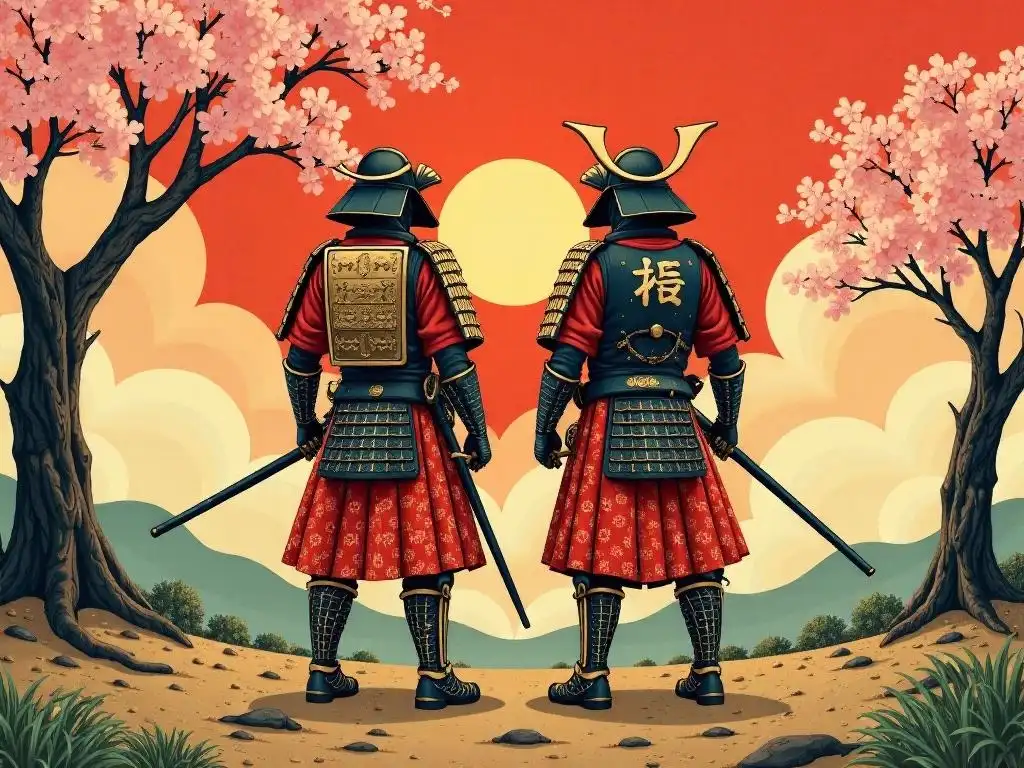
Welcome to Feudal Japan History, where we embark on a captivating journey through the intricate tapestry of Japan’s feudal era. Here, we delve into the profound connections between culture, society, and warfare, revealing how religion shaped the very fabric of feudal Japanese battles. In our featured article, "The Role of Religion in Feudal Japanese Warfare: A Case Study of Key Battles," we invite you to uncover the spiritual forces that influenced the strategies and outcomes of significant conflicts.
Prepare to explore the unseen dimensions of history that not only defined an era but continue to resonate today. Your adventure into the past starts now—dare to discover more!
Introduction to Religion in Feudal Japanese Warfare
The interplay between religion and warfare in feudal Japan is a profound and intricate subject that merits extensive exploration. As samurai warriors clashed on the battlefield, their actions were often influenced by deep-rooted spiritual beliefs and rituals that shaped their identities and motivations.
This article delves into the significant role that religion played in shaping the outcomes of key battles during Japan's feudal era, highlighting how various religious practices intertwined with military strategies and decisions. By examining specific case studies, we aim to uncover the nuanced ways in which beliefs in divine intervention, ancestor worship, and ethical codes influenced the conduct of warfare.
Overview of Feudal Japan and its Military Context
Feudal Japan, spanning from the late 12th century to the mid-19th century, was marked by a decentralized political structure dominated by warlords and samurai. The constant power struggles among clans led to a series of conflicts, shaping a unique military culture where the samurai code, known as bushido, dictated not just the art of war, but also the moral and ethical frameworks within which these warriors operated.
In this context, religion emerged as a vital element, serving both as a source of inspiration and justification for warfare. The battlefield was not merely a physical space of conflict; it was also viewed as a sacred ground where divine forces were believed to influence the outcomes of battles. Consequently, understanding how religion interwoven with military endeavors provides critical insights into the mindset of feudal Japanese warriors.
Importance of Religion in Japanese Society
Religion in Japan, particularly during the feudal era, was deeply ingrained in daily life and societal norms. The coexistence of Shinto and Buddhism, along with folk beliefs, created a rich tapestry of spiritual practices that permeated various aspects of existence, including warfare.
- Shinto, the indigenous faith of Japan, emphasized the worship of kami (spirits) and the sanctity of the land.
- Buddhism, introduced from China and Korea, brought with it concepts of karma and ethics that influenced samurai behavior.
These religious systems not only shaped personal beliefs but also provided frameworks for understanding life, death, and honor in the context of battle. The significance of rituals, prayers, and offerings to deities before and during conflicts cannot be overstated, as they were believed to invoke divine favor and protection.
Historical Background of Religion and Warfare in Japan
Shinto Beliefs and Practices in Military Culture
Shinto beliefs played a crucial role in shaping the military culture of feudal Japan. The veneration of kami, particularly those associated with war and agriculture, was pivotal in reinforcing the idea that the success of military campaigns was directly linked to divine favor.
- Rituals such as purification ceremonies and offerings to shrines were commonplace before battles.
- The practice of enshrining weapons and armor as sacred objects further exemplified the intertwining of religion and warfare.
These practices fostered a sense of moral duty among warriors, compelling them to fight not only for their lords but also for the honor of the kami they worshipped.
The Influence of Buddhism on Samurai Ethics
Buddhism introduced a moral dimension to samurai warfare, emphasizing concepts such as compassion, detachment, and the impermanence of life.
- The teachings of Zen Buddhism, in particular, influenced the samurai's approach to combat, encouraging mindfulness and emotional control.
- This philosophical framework helped shape the ethical considerations that samurai grappled with on the battlefield, often leading them to view their actions through a lens of spiritual significance.
The duality of life and death, as presented in Buddhist teachings, also prompted samurai to embrace their mortality, which, paradoxically, could instill a fierce determination to fight valiantly.
The Role of Ancestor Worship in Warfare Decisions
Ancestor worship was another vital aspect of Japanese spirituality that permeated feudal warfare. The belief that ancestors could influence the living through their spirits fostered a sense of duty among samurai to honor their lineage.
- Decisions made on the battlefield were often framed within the context of familial honor, with warriors seeking to uphold the legacy of their forebears.
- Rituals to appease ancestors before significant military engagements were commonplace, as warriors sought to gain their blessings and guidance.
This connection to ancestry added a profound layer of meaning to warfare, intertwining personal honor with spiritual obligations.
The intricate relationship between religion and warfare in feudal Japan is a multifaceted phenomenon that played a pivotal role in shaping the samurai ethos and military strategies. By examining the historical context and specific religious beliefs, we can gain a deeper understanding of how the spiritual landscape influenced key battles and the broader societal dynamics of feudal Japan.
Key Battles of Feudal Japan
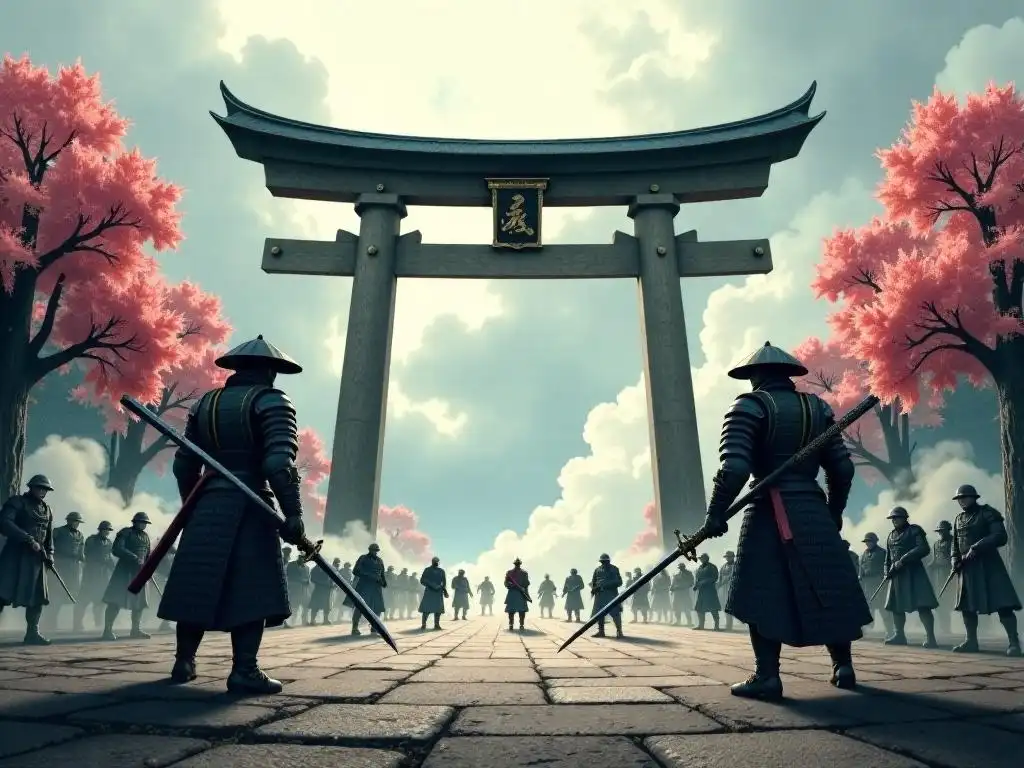
Feudal Japan was marked by numerous key battles that not only shaped the political landscape of the era but also reflected the intertwining of religion and warfare. These battles often showcased how religious beliefs influenced military strategies, morale, and the outcomes of conflicts. The spiritual dimensions of warfare in feudal Japan were significant, with various religious practices and leaders playing crucial roles in guiding and motivating warriors.
Battle of Sempach
The Battle of Sempach, fought in 1386, is notable not only for its military significance but also for its connection to the religious fervor of the time. Although this battle occurred in Switzerland, it had relevance for samurai fighting styles and strategies, influencing engagements in Japan. The Japanese samurai were keen observers of foreign military tactics, often adapting lessons learned from such battles into their combat philosophy.
In this battle, the Swiss forces demonstrated the effectiveness of disciplined formations and the use of pikes, which resonated with the samurai's own emphasis on disciplined warfare. The spiritual component was evident as the Swiss soldiers invoked their faith to bolster morale, highlighting the universal role of religion in warfare.
Battle of Nagashino
The Battle of Nagashino, fought in 1575, is a quintessential example of how religion influenced military tactics in feudal Japan. This battle pitted the forces of Oda Nobunaga against the Takeda clan, and it showcased the use of firearms, which was relatively new to Japanese warfare. Nobunaga, a unifier of Japan, was known for his innovative strategies that incorporated modern technology.
During this battle, the involvement of Buddhist monks was significant. They not only provided spiritual support but also participated in the logistics of the war effort, helping to mobilize resources and men. The fervor and dedication of these monks were critical in motivating troops, demonstrating that religious beliefs were a pivotal aspect of the samurai ethos during warfare.
Battle of Sekigahara
The Battle of Sekigahara, fought in 1600, is one of the most consequential battles in Japanese history, marking the beginning of the Tokugawa shogunate. Religion played a vital role in this battle, with both sides seeking divine favor. The Tokugawa clan employed Shinto rituals to invoke blessings from the kami (spirits) to secure victory.
Moreover, religious leaders were often consulted for their insights into the battle's spiritual implications. The outcome of Sekigahara greatly influenced the political landscape, leading to over 250 years of peace under Tokugawa rule, during which the role of religion in governance and military affairs remained prominent.
Case Studies of Religious Leaders in Warfare
The influence of religious leaders in feudal Japanese warfare cannot be overstated. They acted as spiritual guides, political advisors, and moral compasses for samurai warriors. Their roles often transcended mere spiritual leadership, intertwining with the very fabric of military strategies and outcomes.
Role of Shinto Priests in Military Affairs
Shinto priests held a significant position within the military hierarchy, often serving as intermediaries between the divine and the warriors. They conducted rituals to purify the battlefield, ensuring it was a sacred space for combat. The involvement of Shinto priests was crucial in promoting the idea that the samurai were divinely chosen to uphold the honor and integrity of their clans.
These priests would bless weapons and armor, infusing them with spiritual power, and thus enhancing the morale of the soldiers. Their presence at battles was not merely ceremonial; they played an active role in rallying troops and providing spiritual support, which was essential for maintaining the fighting spirit of the samurai.
Influence of Buddhist Monks on Samurai Ideals
Buddhist monks significantly impacted the samurai's ethical and moral framework during feudal Japan. They were not just spiritual leaders but also educators, imparting ideals of loyalty, honor, and self-discipline that became central to the samurai code known as Bushido. The teachings of Zen Buddhism, in particular, emphasized mental clarity and focus, essential traits for a warrior.
Monks often participated in military campaigns, serving as both advisors and warriors. Their presence was seen as a source of inspiration; they encouraged samurai to reflect on the nature of life and death, which was crucial during battles. This spiritual aspect provided a deeper meaning to the act of warfare, transforming it into a sacred duty rather than mere violence.
The role of religion in feudal Japanese warfare was multifaceted, influencing battles and shaping the ideologies of the time. The interplay between military strategy and spiritual beliefs created a unique context that defined the samurai experience during this era.
The Intersection of Religion and Politics in Feudal Warfare
In feudal Japan, the interplay between religion and politics was a pivotal factor in shaping the landscape of warfare. The various religious traditions, including Shinto, Buddhism, and the syncretic practices that arose from them, were not merely personal beliefs but were intricately woven into the fabric of political life. The ruling class, particularly the samurai, often utilized religious tenets to legitimize their authority and decisions.
This relationship was evident in how leaders would seek the blessing of religious figures or institutions before embarking on military campaigns. Temples and shrines served as centers of power, where political leaders would forge alliances with religious authorities to bolster their legitimacy. The use of religious symbols and rituals in military contexts reinforced the idea that warfare was not only a political endeavor but also a spiritual one, with the divine sanctioning military actions.
How Religious Beliefs Shaped Political Alliances
Religious beliefs played a critical role in shaping political alliances during feudal Japan. The samurai class often aligned themselves with specific religious factions, which could significantly influence their political affiliations and military actions. For example, the Tendai and Shingon sects of Buddhism had considerable followings, and their leaders could mobilize large groups of warriors to fight for a cause.
Furthermore, the alignment with a particular religious group could offer protection and legitimacy. Warlords would often seek the support of powerful temples, such as the Tōdai-ji or the Kōfuku-ji, to gain not just spiritual backing but also military assistance. These alliances were pivotal in determining the outcomes of key battles, as they could provide resources, manpower, and even strategic advice based on religious teachings and beliefs.
The Use of Divine Mandates in Justifying War
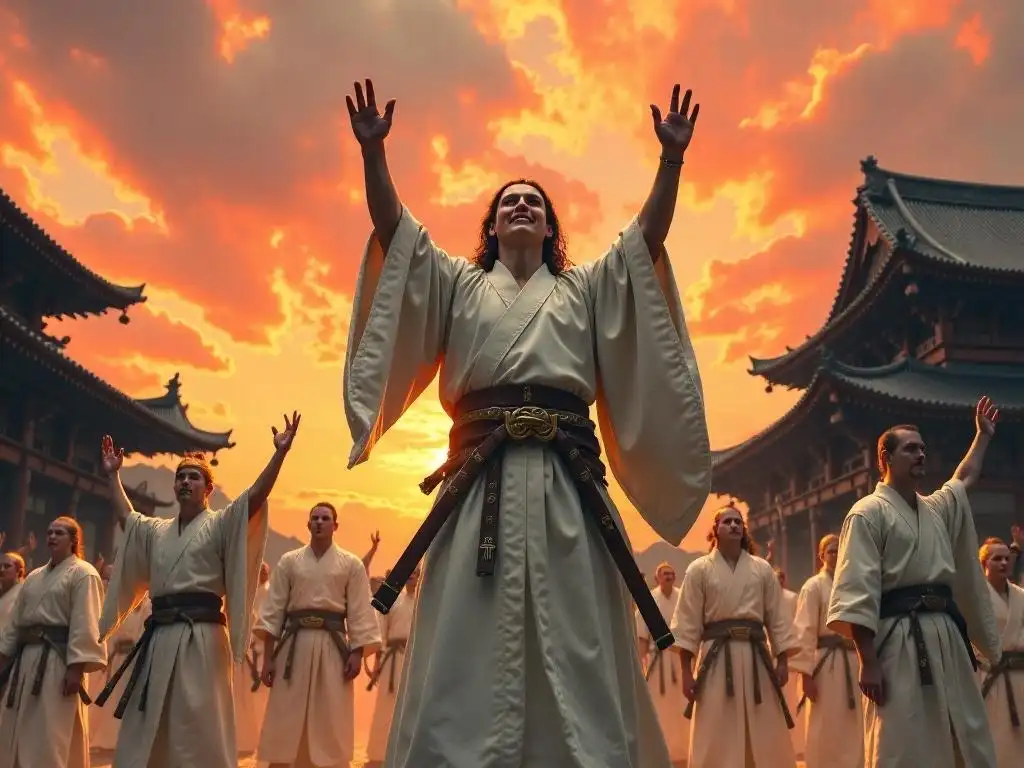
The concept of divine mandate was central to justifying warfare in feudal Japan. Leaders often claimed that their actions were sanctioned by the gods or the spirits of their ancestors, thereby framing their military campaigns as not only legitimate but also righteous. This divine endorsement served to rally troops and bolster morale, as soldiers believed they were fighting for a sacred cause.
For instance, the Ashikaga shogunate justified their military actions by invoking the will of the gods, suggesting that their victories were preordained and that they were fulfilling a divine destiny. Such narratives were crucial in maintaining the loyalty of samurai, who were bound by a code that intertwined honor with spiritual duty. The invocation of divine approval thus became a powerful tool in both rallying troops and legitimizing the actions of leaders.
Analysis of the Impact of Religion on Feudal Japanese Warfare
The impact of religion on feudal Japanese warfare can be seen through its influence on samurai culture and the evolution of warfare tactics. The intertwining of spiritual and martial practices shaped not only the motivations of warriors but also the strategies employed in battle.
Long-term Effects on Samurai Culture
The long-term effects of religious beliefs on samurai culture are profound and multifaceted. Samurai were not merely warriors; they were also practitioners of a code that emphasized loyalty, honor, and spiritual discipline. The integration of Zen Buddhism, for instance, promoted a mindset that valued meditation and self-discipline, which influenced how samurai approached combat and decision-making.
Furthermore, the concept of bushidō, or the "way of the warrior," was heavily infused with religious ideologies, emphasizing virtues such as loyalty to one's lord, courage in battle, and the pursuit of enlightenment. This cultural framework persisted beyond the feudal era and continues to inform Japanese cultural identity today.
Changes in Warfare Tactics Due to Religious Beliefs
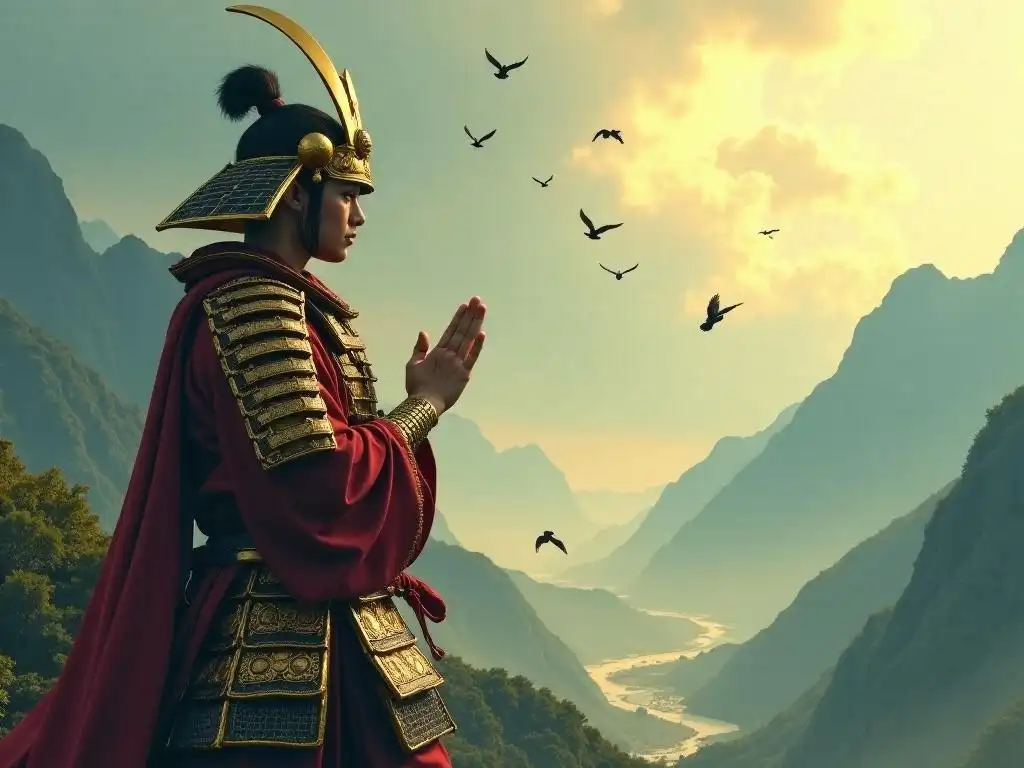
Religious beliefs also led to significant changes in warfare tactics throughout the feudal period. For example, the practice of invoking divine protection before battles often resulted in elaborate rituals and ceremonies that could influence the timing and methods of attack.
Moreover, the belief in the spiritual significance of certain locations led to strategic decisions about where battles would be fought. Sacred sites were often respected or avoided, while the presence of religious figures on the battlefield could bolster troop morale and provide psychological advantages. The blending of spiritual considerations with military strategy showcases how deeply intertwined religion was with the conduct of warfare in feudal Japan, shaping not only the motivations behind battles but also the very ways in which they were fought.
Conclusion: The Lasting Legacy of Religion in Feudal Japanese Warfare
The interplay between religion and warfare during Japan's feudal era is a profound narrative that has shaped not only historical military strategies but also cultural and social frameworks that persist to this day. The role of Shinto and Buddhism, particularly in legitimizing military actions and influencing the morale of combatants, demonstrates how deeply entrenched religious beliefs were in the psyche of samurai and their lords.
Through key battles such as the Genpei War and the battles of the Sengoku period, we observe that religious rituals and divine mandates were not merely superstitions; they were vital components of military planning and execution.
Moreover, the invocation of religious ideologies served to unify troops, instill fear in the enemy, and justify warfare as a righteous endeavor. The legacy of these practices can be seen in the way modern Japanese society continues to reverberate with echoes of the past, where Shinto shrines and Buddhist temples still play significant roles in cultural identity and collective memory. As we reflect on this historical narrative, it becomes evident that the intertwining of religion with warfare has left an indelible mark that continues to influence contemporary Japan.
Summary of Key Findings
The investigation into the role of religion in feudal Japanese warfare reveals several critical insights:
- Religious Justification of Warfare: Religious beliefs provided a divine rationale for battle, with leaders often claiming divine support for their military campaigns.
- Rituals and Ceremonies: Before battles, samurai engaged in various religious rituals to seek blessings and protection from deities, reflecting the deep spiritual connection to their actions.
- Influence on Morale and Unity: Religion served as a unifying force among troops, fostering a sense of purpose and camaraderie that was crucial for effective military engagement.
- Cultural Integration: The integration of religious practices within military strategy highlights the broader cultural significance of religion in shaping societal norms and values during the feudal period.
These findings underscore the importance of understanding the historical context of religion in shaping military endeavors, revealing how these beliefs were as influential as the sword in the battles fought.
Reflection on the Role of Religion in Modern Japanese Society
Today, the remnants of religion in the context of warfare can still be seen in Japan's cultural practices and societal values. Although Japan has modernized significantly, traditional beliefs remain interwoven into the fabric of daily life. Many Japanese people continue to participate in Shinto and Buddhist rituals, especially during significant life events such as births, weddings, and funerals.
The acknowledgment of ancestors and the veneration of spirits, rooted in feudal beliefs, persist as a vital part of Japanese identity. Additionally, the concept of Bushido, or the way of the warrior, continues to resonate in contemporary Japanese culture, emphasizing values such as loyalty, honor, and respect—principles that were heavily influenced by the religious ideologies of the samurai era.
In essence, the legacy of religion in feudal Japanese warfare is not just a historical curiosity but a living tradition that informs modern Japanese society, illustrating how deeply historical narratives continue to shape contemporary life.
Further Reading and Resources on Religion in Japanese Military History
Suggested Books and Articles
- "Warriors of Japan: The Samurai": by John M. S. McGowan - A comprehensive examination of the samurai class, including their religious influences.
- "The Religion of Japan: Shinto and Buddhism": by Joseph Mitsuo Kitagawa - This book explores the impact of Shinto and Buddhism on Japanese culture and warfare.
- "Samurai, Warfare and the State in Early Medieval Japan" by Paul Varley - A detailed study of the relationships between military leadership and religious beliefs in feudal Japan.
- "Divine Warriors: The Samurai and the Shinto": by David E. Smith - An analysis of how Shinto beliefs shaped samurai ideals and military conduct.
Online Resources for In-depth Exploration
- The Japan Society: Offers a variety of resources related to Japanese history and culture, including articles on the role of religion in warfare.
- The National Diet Library of Japan: Provides access to a wealth of historical documents and texts related to feudal Japan and its religious practices.
- The Asia-Pacific Journal: Japan Focus: A platform for scholarly articles that often discuss military history, including the interplay of religion and warfare.
- YouTube Channels: Various educational channels like "The History Guy" and "Japanology" feature episodes focused on the samurai and the religious contexts of their actions.
These resources provide a deeper understanding of the complex relationship between religion and warfare in Japan's feudal era, enabling a richer exploration of how this history informs contemporary society.
- Introduction to Religion in Feudal Japanese Warfare
- Overview of Feudal Japan and its Military Context
- Importance of Religion in Japanese Society
- Historical Background of Religion and Warfare in Japan
- Key Battles of Feudal Japan
- Case Studies of Religious Leaders in Warfare
- The Intersection of Religion and Politics in Feudal Warfare
- How Religious Beliefs Shaped Political Alliances
- The Use of Divine Mandates in Justifying War
- Analysis of the Impact of Religion on Feudal Japanese Warfare
- Long-term Effects on Samurai Culture
- Changes in Warfare Tactics Due to Religious Beliefs
- Conclusion: The Lasting Legacy of Religion in Feudal Japanese Warfare
- Further Reading and Resources on Religion in Japanese Military History
- What was the significance of religion in feudal Japanese warfare?
- How did Shinto beliefs influence samurai conduct in warfare?
- Were there any prominent religious figures involved in feudal Japanese warfare?
- Did religious practices affect the strategies employed in warfare?
- How did the outcome of key battles reflect the influence of religion?
Frequently Asked Questions
What was the significance of religion in feudal Japanese warfare?
Religion played a crucial role in shaping the motivations and actions of warriors, often viewed as a source of divine favor and moral justification for battles.
How did Shinto beliefs influence samurai conduct in warfare?
Shinto beliefs emphasized the importance of spiritual purity, rituals, and offerings, which were often performed to seek the gods' protection during battles.
Were there any prominent religious figures involved in feudal Japanese warfare?
Yes, Buddhist monks and Shinto priests often participated in warfare, providing spiritual support and sometimes taking up arms to defend their beliefs and communities.
Did religious practices affect the strategies employed in warfare?
Absolutely, religious rituals were integral to strategy, with leaders often performing ceremonies to gain divine guidance before major confrontations, believing it would lead to victory.
How did the outcome of key battles reflect the influence of religion?
The outcomes were often interpreted as signs of divine will, where victorious leaders were seen as having heavenly approval, reinforcing the intertwining of religion and power in feudal society.
Final Reflection: The Enduring Legacy of Religion in Feudal Japanese Warfare
The intricate relationship between religion and warfare in feudal Japan remains profoundly relevant today, as it reveals how belief systems can shape not only individual motivations but also the broader societal dynamics of conflict. The exploration of key battles through the lens of religious influence highlights the powerful role that faith played in guiding warriors and legitimizing their actions, ultimately shaping the course of history. This connection between spirituality and martial endeavors serves as a reminder of how deeply intertwined our beliefs can be with our actions, even in the most tumultuous of times.
The impact of religion on feudal Japanese warfare continues to resonate in contemporary discussions about the role of ideology in conflict. As we witness ongoing global conflicts often fueled by religious or ideological fervor, it becomes clear that understanding the historical context of such influences is crucial. War is not merely a matter of arms; it is a matter of faith.
This perspective invites us to consider how the lessons learned from the past can inform our understanding of present-day conflicts and the motivations behind them.
As we reflect on the themes presented in this article, I encourage you to consider how the interplay of belief and action manifests in your own life and society. What role does your belief system play in your decisions and interactions? By acknowledging the profound influence of religion in shaping our histories and futures, we can foster a deeper understanding of ourselves and the world around us. Let us strive to engage with these lessons, promoting dialogue and empathy in our communities, and recognizing the power of belief in both uniting and dividing us.
Unveil the Spiritual Forces Behind Feudal Warfare!
Thank you for exploring the fascinating intersection of religion and warfare in feudal Japan. We hope you gained valuable insights into how spiritual beliefs shaped critical battles and strategies during this intriguing period. Now, it’s time to take action and deepen your exploration of this captivating subject!
- Dive deeper into a specific battle discussed in the article—research its spiritual significance and share your findings in our comments section!
- Join our community by subscribing to our newsletter for more enlightening articles about feudal Japan and to connect with fellow history enthusiasts.
- Explore further: Visit our other resources to discover how religion influenced not just warfare but also the daily lives and culture of feudal Japan.
What aspect of religion's influence on warfare do you find most surprising or impactful? Share your thoughts below!