
The Battle of Ichinotani: A Study of Strategy and Terrain in Feudal Japan

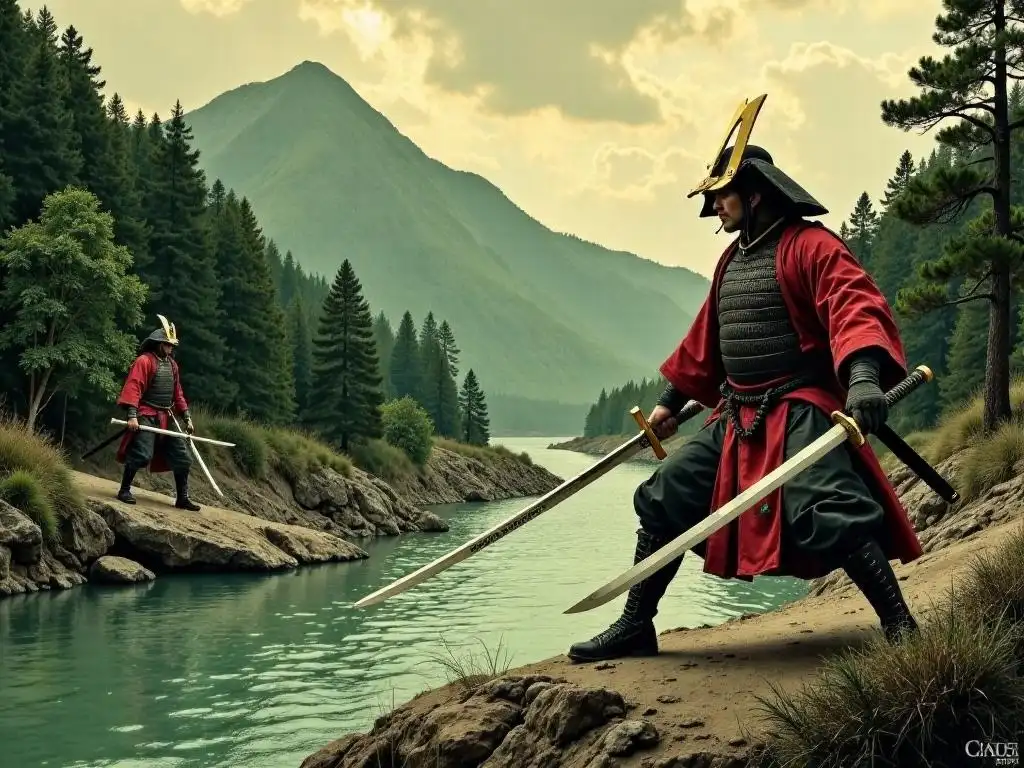
Welcome to Feudal Japan History, where we embark on a captivating journey through the intricate tapestry of Japan's feudal era. Prepare to delve into the pivotal events that shaped this remarkable period, starting with our featured article on the Battle of Ichinotani strategy. What secrets lie within the strategies and terrain that defined this legendary conflict? Join us as we uncover the military genius and cultural nuances that not only influenced the battle but also left an indelible mark on Japan's history. Your adventure into the past begins now—let's explore together!
The Battle of Ichinotani, fought in 1184, stands as a pivotal moment in Japan's feudal history, illustrating the intricate interplay of military strategy and the challenging terrain of the era. This battle not only showcased the tactical ingenuity of the Minamoto and Taira clans but also highlighted the broader socio-political landscape of feudal Japan, where allegiances were fragile, and the stakes of warfare were life-altering.
Understanding the dynamics of this battle provides crucial insights into the strategies employed by both sides, the significance of the terrain, and how these elements shaped the outcome of the conflict. By delving into the details of the Battle of Ichinotani, we can appreciate its lasting impact on Japanese history and military strategy.
Introduction to the Battle of Ichinotani
Overview of the Feudal Era in Japan
The feudal era in Japan, spanning from the late 12th century to the early 19th century, was characterized by a decentralized political structure where power was held by local lords known as daimyōs. Society was stratified, with the samurai warrior class at the top, followed by farmers, artisans, and merchants. This period saw the rise of clans such as the Minamoto and Taira, whose power struggles culminated in significant battles, including Ichinotani.
- Key features of the feudal era:
- Decentralization of power: Local lords wielded significant authority.
- Samurai code: Emphasis on honor and loyalty.
- Land as currency: Control over land determined wealth and power.
Significance of the Battle in Japanese History
The Battle of Ichinotani was not merely a clash of arms; it was a decisive encounter in the Genpei War, which ultimately led to the establishment of the Kamakura shogunate. The Minamoto's victory at Ichinotani marked a turning point in their campaign against the Taira clan and set the stage for the rise of samurai governance in Japan.
- Major impacts of the battle:
- Shift in power dynamics: The Minamoto clan gained a strategic advantage.
- Cultural legacy: The battle has been romanticized in literature and folklore, symbolizing the heroism of the samurai.
- Foundation for future governance: Established precedents for military rule in Japan.
Key Players in the Battle of Ichinotani
The Minamoto Clan: Leaders and Strategies
The Minamoto clan, led by notable figures such as Minamoto no Yoshitsune, played a crucial role in the strategies employed during the Battle of Ichinotani. Their approach combined tactical brilliance with a deep understanding of the terrain, allowing them to exploit the advantages of their position.
- Strategic advantages of the Minamoto:
- Superior mobility: Utilizing cavalry effectively.
- Terrain knowledge: Leveraging the mountains and the narrow passes.
- Alliances: Forming strategic partnerships with other clans.
The Taira Clan: Tactical Approaches and Resources
In contrast, the Taira clan, under the command of Taira no Kiyomori's descendants, relied on their resources and established tactics to defend their position. Despite their strengths, they faced challenges posed by the terrain and the Minamoto's strategic maneuvers.
- Taira's tactical strengths:
- Numerical superiority: Larger forces initially gave them an edge.
- Defensive strategies: Attempting to fortify positions against the Minamoto.
- Naval power: Leveraging their naval fleet in earlier battles, which was less effective in Ichinotani's mountainous terrain.
In exploring these key players and their strategies, we gain a deeper understanding of how the Battle of Ichinotani not only shaped the course of the Genpei War but also influenced the future of military strategy in feudal Japan.
The Geographical Context of Ichinotani
The Battle of Ichinotani, fought in 1184, was set against a backdrop of complex geographical features that significantly influenced the unfolding of the conflict. Located in the region of present-day Kobe, Ichinotani is characterized by its steep cliffs and narrow valleys, which played a crucial role in the strategies employed by both the Minamoto and Taira clans. The area's topography not only shaped the battlefield but also determined the movements and decisions of the troops involved.
Description of the Terrain and Its Importance
Ichinotani is flanked by rugged hills and cliffs, providing a natural defensive advantage. The terrain is marked by narrow paths that restrict troop movement, making it challenging for large armies to maneuver effectively. The cliffs overlook the battlefield, allowing for strategic positioning of archers and infantry who could rain down arrows on advancing foes. This unique landscape compelled commanders to devise strategies that maximized the terrain's defensive capabilities while exploiting the weaknesses of their opponents.
The importance of the terrain cannot be overstated. It not only dictated where forces could engage but also influenced the morale of the troops. Troops that were able to secure higher ground often enjoyed a psychological edge, as they could view the battlefield and control the flow of combat. In a period where information and visibility were paramount, the cliffs of Ichinotani served as both a tactical advantage and a psychological weapon.
How Terrain Influenced Battle Strategy
The rugged terrain of Ichinotani forced both sides to consider their strategies carefully. For the Minamoto, who were on the offensive, the challenge was to navigate the narrow paths and cliffs without becoming vulnerable. They capitalized on surprise attacks and rapid movement, utilizing the terrain to launch assaults from unexpected angles. The steep cliffs provided opportunities for ambushes, enabling the Minamoto to leverage their smaller numbers effectively.
Conversely, the Taira, who were defending their position, created fortified positions along the cliffs and narrow passes. They understood the advantages of the terrain and sought to utilize it to their benefit. The Taira forces implemented a strategy that relied on holding key positions and repelling the Minamoto advances, using the cliffs not only as a barrier but also as a strategic stronghold.
Strategies Employed in the Battle of Ichinotani
The Battle of Ichinotani showcased a clash of strategies that reflected the differing military philosophies of the Minamoto and Taira clans. Each side adapted its approach to the unique challenges presented by the terrain, leading to a dramatic confrontation that would be studied for generations.
Analysis of Minamoto Strategy and Tactics
The Minamoto clan, led by Minamoto no Yoshinaka, adopted an aggressive strategy that emphasized mobility and surprise. Understanding that the Taira had fortified positions, the Minamoto sought to leverage their knowledge of the terrain to their advantage. They employed small, highly mobile units that could navigate the difficult landscape effectively, allowing them to strike quickly and retreat before the Taira could mount a counteroffensive.
One of the key tactics used by the Minamoto was the flanking maneuver. By sending troops around the Taira's defensive positions, they were able to create confusion and disrupt the Taira's lines. The Minamoto also made effective use of archers positioned on the cliffs, who could fire down upon the enemy, adding pressure to the Taira forces and aiding in the overall assault.
Examination of Taira Defensive Strategies
In contrast, the Taira clan, led by Taira no Kiyomori, focused on defense and attrition. With their forces entrenched along the cliffs of Ichinotani, they utilized the terrain to create a nearly impenetrable position. The Taira strategy involved holding key points and utilizing their knowledge of the landscape to anticipate Minamoto movements.
The Taira forces employed a well-organized defense, using archers and infantry positioned on the high ground to repel assaults. They constructed barricades and utilized the natural features of the terrain to their advantage, making it difficult for the Minamoto to launch a direct attack. However, their reliance on static defense also left them vulnerable to the Minamoto's agile tactics, leading to a critical turning point in the battle.
The Role of Terrain in Strategic Planning
The terrain at Ichinotani was not merely a backdrop for the battle; it was integral to the strategic planning of both clans. Each commander had to account for the steep cliffs, narrow pathways, and the limited visibility that characterized the landscape. The Minamoto's adaptability allowed them to exploit the terrain's potential for rapid movement, while the Taira's defensive strategies capitalized on the natural barriers.
Ultimately, the battle's outcome was profoundly shaped by how each side interpreted the geographical context. The Minamoto's success can be attributed to their innovative use of the terrain, while the Taira's failure to adapt quickly enough to the Minamoto's tactics underscored the critical importance of terrain in military strategy. The Battle of Ichinotani serves as an enduring example of how geography can dictate the course of conflict in feudal Japan.
The Outcome of the Battle: A Tactical Breakdown

The Battle of Ichinotani, fought in 1184, marked a pivotal moment in the Genpei War, showcasing the strategic genius of the Minamoto clan against the formidable Taira forces. The outcome of this battle can be analyzed through its immediate tactical maneuvers, the battlefield terrain, and the overall strategy employed by both sides.
The Minamoto forces, led by Minamoto no Yoshitsune, utilized their superior knowledge of the rugged terrain to their advantage. The battle took place at a narrow valley near Ichinotani, which favored the Minamoto's agile troops, particularly their cavalry. By employing hit-and-run tactics, the Minamoto were able to outmaneuver the more heavily armored Taira soldiers, who struggled in the confined space. The decisive moment came when Yoshitsune executed a surprise attack from the flanks, decimating the Taira forces and leading to a significant Minamoto victory.
Immediate Consequences for the Minamoto Clan
The immediate aftermath of the Battle of Ichinotani had profound effects on the Minamoto clan. This victory not only bolstered their military reputation but also significantly weakened the Taira's grip on power. The Minamoto's successful tactics validated their leadership under Yoshitsune, enhancing his status as a military commander and rallying support from other clans.
Additionally, the defeat at Ichinotani forced the Taira to retreat, leading to further Minamoto advances in the region. The victory instigated a wave of defections from the Taira side, as many warriors and clans began to align themselves with the Minamoto, sensing a shift in the balance of power. This surge in support was crucial for the Minamoto as they continued their campaign, ultimately leading to the fall of the Taira clan.
Long-term Implications for the Taira Clan
The long-term implications for the Taira clan following their defeat at Ichinotani were dire. The loss marked a turning point in the Genpei War, as it signified the beginning of a series of defeats that would culminate in the complete downfall of the Taira. The battle exposed the vulnerabilities within their military strategy and revealed the limitations of their forces in adapting to the dynamic battlefield conditions.
In the years following Ichinotani, the Taira faced increasing pressure from the Minamoto, who capitalized on their momentum. The loss also led to the erosion of their political alliances, as many former allies began to abandon the Taira in favor of the Minamoto. Ultimately, the battle set in motion a chain of events that would lead to the Taira's defeat at the Battle of Dan-no-ura in 1185, marking the end of their dominance in feudal Japan.
Lessons Learned from the Battle of Ichinotani
The Battle of Ichinotani provided crucial lessons in military strategy and the importance of terrain in warfare. One of the primary takeaways was the effectiveness of utilizing the landscape to one’s advantage. The Minamoto's ability to exploit the narrow valley demonstrated how knowledge of local geography can influence battle outcomes.
Moreover, the battle highlighted the significance of adaptability in strategy. The Minamoto forces, led by Yoshitsune, showcased their ability to adjust tactics in response to the Taira's movements, emphasizing the need for flexibility in military planning. This adaptability became a hallmark of later samurai warfare, influencing future generations of military leaders.
Lastly, Ichinotani underscored the psychological aspects of battle. The swift and decisive Minamoto victory not only demoralized the Taira troops but also inspired the Minamoto and their allies. This psychological impact proved as significant as the physical defeat, further cementing the Minamoto's ascendancy in the ongoing conflict.
The Cultural Impact of the Battle of Ichinotani
The Battle of Ichinotani was not just a military engagement; it also had profound cultural implications that resonated throughout Japanese history. The events of the battle, particularly the heroic narratives surrounding Yoshitsune and the Minamoto clan, became embedded in the cultural consciousness of Japan, influencing various aspects of society.
How the Battle Shaped Feudal Japanese Warfare
The tactical innovations displayed at Ichinotani laid the groundwork for future feudal Japanese warfare. The focus on agility, strategic use of terrain, and the importance of surprise attacks became central tenets of samurai warfare. Subsequent battles saw the adoption of similar tactics, emphasizing mobility over the traditional reliance on heavy armor and large formations.
Moreover, the battle contributed to the evolution of military hierarchy and the samurai code of conduct. The valor and strategies exhibited by the Minamoto became exemplars for samurai warriors, influencing their training and approaches to combat. This shift ultimately shaped the character and conduct of feudal warfare in Japan, marking a transition towards a more dynamic and adaptable form of military engagement.
Influence on Literature and Art in Japan
The cultural impact of the Battle of Ichinotani extended into literature and art, inspiring countless works that depicted the valor, tragedy, and drama of the conflict. Epic tales such as the "Heike Monogatari" chronicled the events of the Genpei War, including Ichinotani, capturing the heroism of the Minamoto and the tragic downfall of the Taira. These narratives became foundational texts in Japanese literature, shaping the cultural memory of the era.
In the realm of art, the battle inspired numerous paintings, woodblock prints, and theatrical performances, particularly in the Noh and Kabuki traditions. Artists portrayed the dramatic moments of the battle, emphasizing themes of honor, loyalty, and the fleeting nature of life—qualities that resonated deeply in the samurai ethos. The cultural artifacts stemming from the Battle of Ichinotani continue to be celebrated today, reflecting the enduring legacy of this significant event in Japanese history.
Conclusion: The Legacy of the Battle of Ichinotani
The Battle of Ichinotani, fought in 1184 during the Genpei War, stands as a pivotal moment in Japan's feudal history. Not only did this clash showcase the military prowess of the Taira and Minamoto clans, but it also laid the groundwork for future strategies in warfare. The battle is remembered not just for its immediate outcomes but for the enduring lessons it offers on the importance of terrain, troop morale, and innovative tactics. The strategies employed at Ichinotani continue to resonate in military studies, reflecting a deep understanding of how geographical features can influence the tide of battle.
Moreover, the legacy of Ichinotani extends beyond the battlefield. It has become a symbol of the broader conflicts and cultural shifts within Japan's feudal society, illustrating the dynamic interplay between power, loyalty, and the ever-changing landscape of political alliances. Ultimately, the Battle of Ichinotani serves as a testament to the complexities of feudal warfare and the lasting impact such conflicts can have on national identity.
Reflection on Military Strategies in Feudal Japan
Examining the military strategies of the Battle of Ichinotani reveals a sophisticated understanding of combat that characterized feudal Japan. The Taira forces, initially confident due to their numerical superiority, underestimated the strategic advantage held by the Minamoto clan, who skillfully utilized the rugged terrain of Ichinotani to their benefit. The battle highlighted several key strategies:
- Terrain Utilization: The Minamoto's positioning in the rocky landscape allowed them to launch surprise attacks while minimizing their visibility to the enemy.
- Psychological Warfare: The Minamoto's ability to instill fear and confusion among Taira troops played a crucial role in their eventual victory.
- Adaptation and Flexibility: The ability of commanders to adapt their tactics in response to changing battlefield conditions was critical, showcasing the importance of agility in military strategy.
These elements not only determined the outcome of Ichinotani but also shaped future military engagements in Japan, emphasizing the need for adaptability and tactical innovation in the face of adversity.
The Continuing Relevance of Ichinotani's Lessons in Modern Warfare
The strategies and lessons derived from the Battle of Ichinotani remain relevant in contemporary military thought. Modern warfare, while technologically advanced, still echoes the fundamental principles observed at Ichinotani. Key takeaways include:
- Environmental Awareness: Just as the Minamoto exploited the terrain, modern military operations continue to emphasize the importance of understanding and utilizing geographic advantages.
- Morale and Cohesion: The psychological aspects of warfare, including troop morale and unit cohesion, are as critical today as they were in feudal Japan. Leaders who can inspire and maintain troop confidence are often more successful.
- Strategic Flexibility: The ability to adapt strategies in real-time remains a cornerstone of effective military leadership, highlighting the importance of training and preparation for unforeseen circumstances.
By examining historical battles like Ichinotani, military strategists can glean insights that transcend time, reinforcing the idea that certain principles of warfare are universal and timeless.
Further Reading and Resources
For those interested in delving deeper into the Battle of Ichinotani and its historical context, a variety of books and online resources provide valuable insights.
Recommended Books on the Battle of Ichinotani
-
"The Genpei War: The Fight for Japan" by John M. Hurst
This comprehensive work covers the entire Genpei War, including detailed accounts of key battles like Ichinotani, providing context and analysis.
-
"Samurai Warfare: The Battle of Ichinotani" by David A. Tazumi
This book focuses specifically on the tactics and strategies employed during the Battle of Ichinotani, offering a detailed examination of the military aspects.
-
"Feudal Japan: The History and Legacy of the Samurai Era" by Charles River Editors
This volume provides an overview of the feudal period in Japan, situating the Battle of Ichinotani within the broader context of samurai culture and warfare.
Online Resources for Feudal Japan History
- The Samurai Archives: A comprehensive online resource dedicated to the history of the samurai, featuring articles and discussions on key battles, including Ichinotani.
- The Japanese Historical Society: Offers digital archives and educational materials focused on significant events in Japan's history, with specific sections dedicated to military history.
- YouTube Documentaries: There are numerous documentaries available that explore the Genpei War and the Battle of Ichinotani, providing visual and narrative insights into this critical period in Japan's past.
These resources serve as excellent starting points for anyone looking to explore the intricate details of the Battle of Ichinotani and its significance in the larger tapestry of feudal Japan's military history.
- Introduction to the Battle of Ichinotani
- Key Players in the Battle of Ichinotani
- The Geographical Context of Ichinotani
- Strategies Employed in the Battle of Ichinotani
- The Outcome of the Battle: A Tactical Breakdown
- The Cultural Impact of the Battle of Ichinotani
- Conclusion: The Legacy of the Battle of Ichinotani
- Further Reading and Resources
Frequently Asked Questions
What was the Battle of Ichinotani?
The Battle of Ichinotani was a significant conflict during the Genpei War (1180-1185) in Feudal Japan, where the Taira clan faced the Minamoto clan. This battle is notable for its strategic maneuvers and the impact of terrain on the outcome.
Why is the strategy important in the context of the Battle of Ichinotani?
The strategy employed during the Battle of Ichinotani highlighted the importance of terrain in warfare. The Minamoto forces utilized their knowledge of the landscape to gain a tactical advantage over the larger Taira army.
How did terrain influence the battle's outcome?
The terrain at Ichinotani played a crucial role, as it allowed the Minamoto forces to execute ambushes and flanking maneuvers. The steep cliffs and narrow paths favored the defenders, showcasing how environmental factors can dictate battle strategies.
What lessons can be learned from the Battle of Ichinotani?
The Battle of Ichinotani teaches the importance of adaptability in military strategy and the need to understand local geography. Effective use of terrain can turn the tide of battle, regardless of the size of the forces involved.
How does the Battle of Ichinotani fit into the broader context of Feudal Japan?
This battle is a pivotal moment in the Genpei War, representing the clash between the Taira and Minamoto clans. It exemplifies the political and military dynamics of Feudal Japan, marking the beginning of the rise of the Minamoto clan to power.
Final Reflection: The Enduring Lessons of the Battle of Ichinotani Strategy
The Battle of Ichinotani serves as a powerful reminder of how strategy and terrain can shape the outcomes of conflicts, not just in feudal Japan but in our modern world as well. As we navigate complex challenges today, the lessons drawn from this historical event resonate deeply, illustrating that understanding one's environment and employing strategic thinking are crucial for success.
The impact of the Battle of Ichinotani extends beyond the battlefield; it has influenced military tactics, leadership principles, and even corporate strategies in contemporary society. In war, the moral is to the physical as three is to one.
This quote by Napoleon Bonaparte encapsulates the essence of strategy, emphasizing that the psychological and intellectual aspects often outweigh sheer numbers and brute force. The battle's intricate dynamics remind us that the interplay of strategy and environment can lead to unexpected victories, a lesson that continues to inspire leaders across various fields today.
As we reflect on the insights gained from the Battle of Ichinotani, I invite you to consider how these principles apply to your own life. What strategies can you employ to navigate your unique challenges? How can you better understand the terrain of your personal and professional landscapes? Embrace the wisdom of history and let it guide you in crafting your own path forward, armed with the knowledge that thoughtful strategy and an awareness of your surroundings can lead to triumph, even in the face of adversity.
Unveil the Strategies of Ichinotani!
Thank you for diving into our exploration of the Battle of Ichinotani! We hope you gained valuable insights into the complex interplay of strategy and terrain in this remarkable event of Feudal Japan. Now, it’s time to take what you’ve learned and put it into action!
- Join a local history group or an online forum to discuss your thoughts and insights about feudal strategies and battles like Ichinotani.
- Share this article with friends or on social media to spark interest in Japan's rich history and initiate conversations about strategy in various contexts!
- Explore beyond Ichinotani by researching another historic battle and drawing comparisons in the tactics used—who knows what new insights you may uncover?
What aspect of the battle strategy fascinated you the most? We invite you to share your thoughts in the comments below!