
The Battle of Sanchoku: Loyalty Tested in the Fires of War

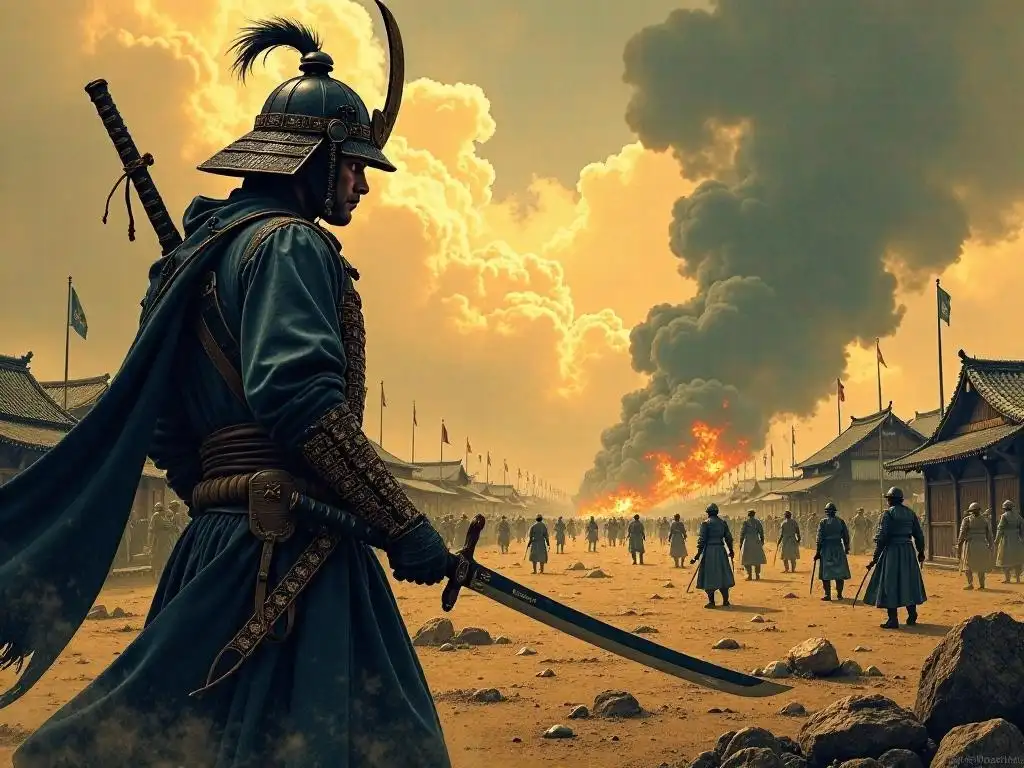
Welcome to Feudal Japan History, where we invite you to embark on an intriguing journey through the tumultuous yet fascinating world of Japan's feudal era. In our featured article, “The Battle of Sanchoku: Loyalty Tested in the Fires of War,” we delve into the gripping conflicts that shaped a nation, examining the strategies, loyalties, and betrayals that defined these legendary battles. Prepare to uncover the rich tapestry of military history that not only tells the tale of warriors but also reflects the profound cultural and societal shifts of a bygone era.
Ready to explore the battlefields where loyalty was tested and destinies forged? Your adventure begins now!
The Battle of Sanchoku stands as a poignant example of the fierce loyalty and tumultuous conflicts that characterized the Japan feudal era. This significant military engagement not only reflects the strategies and combat techniques of the time but also the intricate web of allegiances and rivalries among powerful clans.
As we delve into the details of this battle, we will uncover the layers of political intrigue, cultural implications, and the societal structures that governed the lives of samurai and their lords during this turbulent period. Understanding the Battle of Sanchoku provides valuable insights into the broader narrative of Japan’s feudal history, marked by honor, betrayal, and the relentless pursuit of power.
Introduction to the Battle of Sanchoku
The Battle of Sanchoku, fought in [specific year pending], is often remembered as a turning point in the ongoing conflicts of the feudal era in Japan. This engagement was not merely a clash of swords; it symbolized the deep-rooted values of loyalty and honor that defined the samurai code. The battle's outcome would reverberate through the political landscape, shaping alliances and rivalries for years to come.
Overview of Japan's Feudal Era Battles
During the Japan feudal era, numerous battles were fought as samurai clans vied for power and territory. Key characteristics of these conflicts include:
- Clan Rivalries: Battles often stemmed from longstanding grudges or territorial disputes between powerful families.
- Samurai Code (Bushido): The principles of loyalty, honor, and bravery dictated the conduct of warriors, influencing battle strategies and decisions.
- Use of Strategy and Deception: Leaders often employed intricate strategies, including ambushes and psychological warfare, to outmaneuver their opponents.
Understanding these elements helps to frame the significance of the Battle of Sanchoku within the larger tapestry of Japan's military history.
Significance of the Battle in Feudal Japan History
The Battle of Sanchoku is particularly significant for several reasons:
- Loyalty Tested: The battle put the loyalty of warriors to the ultimate test, as allegiances were challenged by the realities of war.
- Political Ramifications: The outcome influenced the balance of power among the feudal lords, altering the landscape of future conflicts.
- Cultural Legacy: The stories and legends surrounding the battle continue to resonate in Japanese culture, exemplifying the samurai spirit and the complexities of feudal loyalty.
Historical Context of the Battle of Sanchoku
To fully appreciate the Battle of Sanchoku, it is essential to understand the historical context in which it occurred. This includes the socio-political environment and the key players involved.
The Political Landscape of Feudal Japan
The political landscape of feudal Japan was marked by a decentralized system of governance, where power was held by local lords (daimyō) rather than a central authority. Key aspects include:
- Feudal Hierarchies: Society was structured in a strict hierarchy, with the emperor at the top, followed by shōguns, daimyōs, samurai, and peasants.
- Continuous Warfare: The absence of a strong central government led to frequent conflicts as clans battled for dominance.
- Shifting Alliances: Political alliances were often unstable, leading to betrayals that could change the course of history overnight.
Key Players in the Battle
The dynamics of the Battle of Sanchoku were influenced by several key figures, including:
- [Leader A]: A prominent general known for his tactical brilliance and fierce loyalty to his clan.
- [Leader B]: The rival daimyō whose ambition drove him to challenge the established order, leading to the clash at Sanchoku.
- Supporting Clans: Various other clans that either supported or opposed the main factions played critical roles in the unfolding events.
Understanding these players and their motivations provides clarity on the intricate web of relationships that defined the feudal era battles in Japan.
Prelude to the Battle of Sanchoku
The Battle of Sanchoku, fought in the late 16th century, served as a crucial turning point in the tumultuous landscape of feudal Japan. This conflict arose during a period marked by intense rivalry among powerful clans vying for control over the archipelago. The lead-up to the battle was characterized by shifting allegiances, territorial disputes, and the unyielding quest for power, which set the stage for the fierce confrontations that would follow.
Causes of the Conflict
Several factors contributed to the outbreak of hostilities at Sanchoku. One significant cause was the long-standing feud between two dominant clans: the Takeda and the Uesugi. The Takeda clan, led by Takeda Shingen, was known for its military prowess and ambition to expand its territory, while the Uesugi clan, under the command of Uesugi Kenshin, sought to defend its lands and assert its own influence.
The immediate trigger for the battle was a series of provocations, including skirmishes over resource-rich territories and strategic positions in the region. Additionally, the role of personal honor and loyalty played a significant part; both leaders were keen to demonstrate their strength and resolve to their retainers and allies. This intense rivalry, coupled with the desire to establish supremacy, ultimately ignited the flames of war at Sanchoku.
Strategic Importance of the Sanchoku Region
The Sanchoku region held immense strategic value due to its geographical features and its position as a crossroads for trade and military movements. Nestled between key territories controlled by the Takeda and Uesugi clans, the region served as a vital link for supply routes and troop deployments. Control over Sanchoku would not only provide a tactical advantage but also ensure the ability to influence neighboring areas.
Moreover, the terrain of Sanchoku, characterized by its mountainous landscape and narrow passes, presented unique challenges and opportunities for both armies. Mastery of the region would allow for effective ambushes and flanking maneuvers, making it a coveted prize for any clan seeking to dominate Japan during the feudal era. This strategic importance heightened the stakes of the impending conflict, as both sides recognized that victory at Sanchoku could lead to broader territorial gains and military dominance.
The Course of the Battle
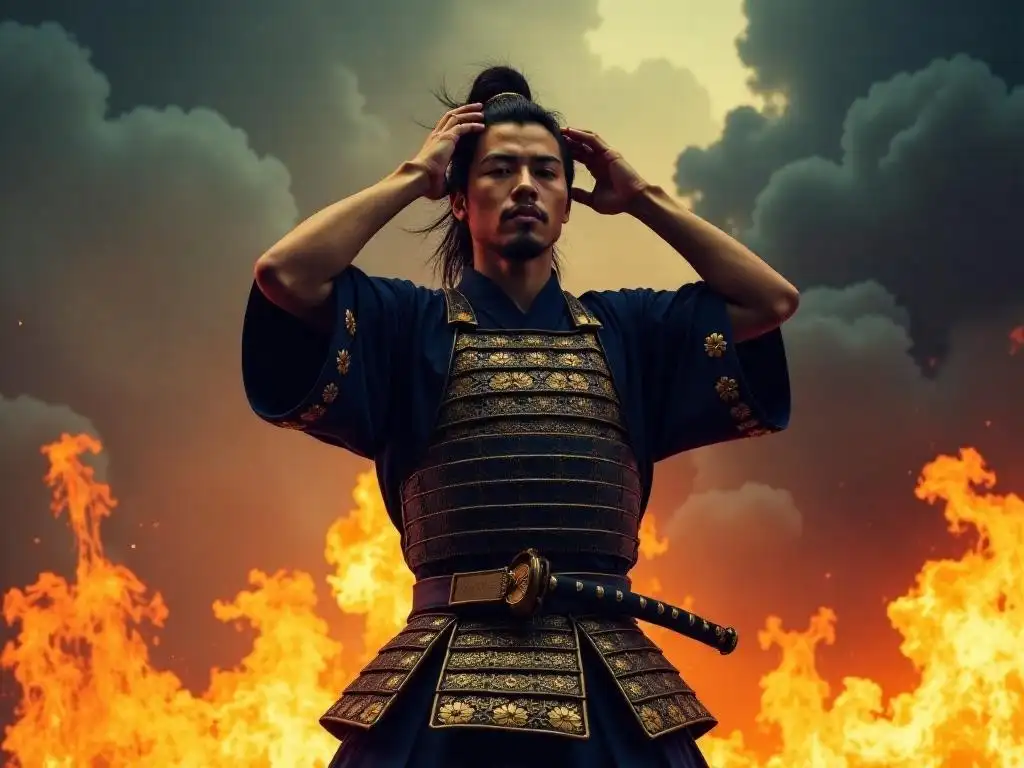
As the battle commenced, both clans approached the conflict with well-defined strategies that reflected their military philosophies and the lessons learned from previous encounters. The unfolding events would soon reveal the capabilities and limitations of each side's approach to warfare.
Initial Strategies and Tactics Employed
In the early stages of the Battle of Sanchoku, the Takeda clan employed a strategy centered around their renowned cavalry. Takeda Shingen, a master tactician, sought to leverage the speed and mobility of his horsemen to outmaneuver the Uesugi forces. His plan involved a series of rapid strikes aimed at disrupting the enemy's formations and seizing key terrain features.
Conversely, Uesugi Kenshin, known for his disciplined infantry and defensive tactics, focused on holding the high ground and utilizing the natural terrain to his advantage. The Uesugi forces formed a strong defensive line, prepared to absorb the initial onslaught while gradually countering with coordinated attacks. This clash of strategies set the stage for a dramatic confrontation, with each leader confident in their approach.
Key Events During the Battle
The Battle of Sanchoku was marked by a series of pivotal moments that would shape its outcome. Early on, the Takeda cavalry launched a fierce assault, successfully breaching the Uesugi's front lines. However, the Uesugi forces, leveraging their defensive positions, managed to regroup and mount a counterattack, pushing back against the Takeda advance.
One of the most notable events was the legendary duel between Takeda Shingen and Uesugi Kenshin, which has since become a symbol of valor and honor in Japanese history. This fierce confrontation not only highlighted the personal stakes involved but also galvanized the soldiers on both sides, intensifying the battle's momentum.
As the day progressed, the tide of battle ebbed and flowed, with neither side gaining a decisive advantage. The fierce clashes, combined with the challenging terrain, led to heavy casualties. Ultimately, the battle concluded without a clear victor, illustrating the complexity of loyalty, honor, and military prowess in the feudal era of Japan. The aftermath of the battle would leave lasting implications for both clans, affecting their strategies and alliances in the years to come.
Aftermath of the Battle of Sanchoku
The Battle of Sanchoku, fought in the late 16th century, was not merely a clash of swords; it was a pivotal event that reshaped allegiances and power dynamics within feudal Japan. The aftermath of this battle had far-reaching consequences that not only affected the immediate victors and vanquished but also echoed through the societal and cultural fabric of Japan.
Immediate Consequences for the Warring Clans
In the wake of the battle, the victorious clan experienced a surge in power and influence, consolidating their territories and resources. The defeat, however, brought about significant turmoil for the losing side. Many warriors were either killed or captured, leading to a drastic reduction in military strength. The loss of key leaders created a power vacuum, resulting in internal strife and the potential for rebellion among the remaining clan members.
Additionally, the battle's outcome shifted alliances. Former allies of the defeated clan began to reassess their loyalties, seeking to align themselves with the victorious side to ensure their own survival and prosperity. This realignment of power not only affected military strategies but also influenced trade routes and local governance, as the victors sought to establish their dominance over the newly acquired territories.
Long-term Impacts on Feudal Japan Society
The ramifications of the Battle of Sanchoku extended beyond the immediate clans involved. It set a precedent for the importance of loyalty and the repercussions of betrayal within the broader context of feudal society. As clans vied for power, the battle served as a reminder of the volatile nature of alliances, leading to increased militarization among the remaining clans.
Moreover, the battle contributed to the evolution of samurai culture, where the ideals of honor, loyalty, and sacrifice became deeply ingrained in the societal psyche. The fear of defeat and the desire to uphold one’s clan’s reputation fostered a culture of intense loyalty, leading to future conflicts that often mirrored the stakes experienced at Sanchoku.
Cultural and Societal Reflections
Loyalty and Honor in the Context of Feudal Japan
The Battle of Sanchoku epitomized the feudal ethos of loyalty and honor, central tenets that governed the lives of samurai and their lords. In the aftermath, these concepts were not just abstract ideals; they became the guiding principles for behavior, shaping both personal and collective identities.
The notion of "Bushido," or the way of the warrior, gained prominence as samurai sought to embody the virtues of loyalty to their lord, courage in battle, and honor in life. The outcomes of battles like Sanchoku served to reinforce these ideals, as warriors who demonstrated exceptional loyalty were often rewarded, while those who faltered faced disgrace and punishment.
The Battle of Sanchoku in Literature and Art
The significance of the Battle of Sanchoku permeated Japanese literature and art, becoming a subject of reflection and interpretation. Literary works began to portray the battle as a symbol of the struggles between loyalty and ambition, often dramatizing the lives of warriors who faced moral dilemmas in their pursuit of honor.
In art, the battle inspired numerous paintings and woodblock prints, capturing the ferocity of combat and the valor of the samurai. These artistic representations served not only as historical documentation but also as cultural touchstones that celebrated the ideals of bravery and loyalty that defined the feudal era. Over time, the narrative of Sanchoku became woven into the larger tapestry of Japan’s military history, influencing subsequent generations and their understanding of feudal loyalty and conflict.
Lessons from the Battle of Sanchoku
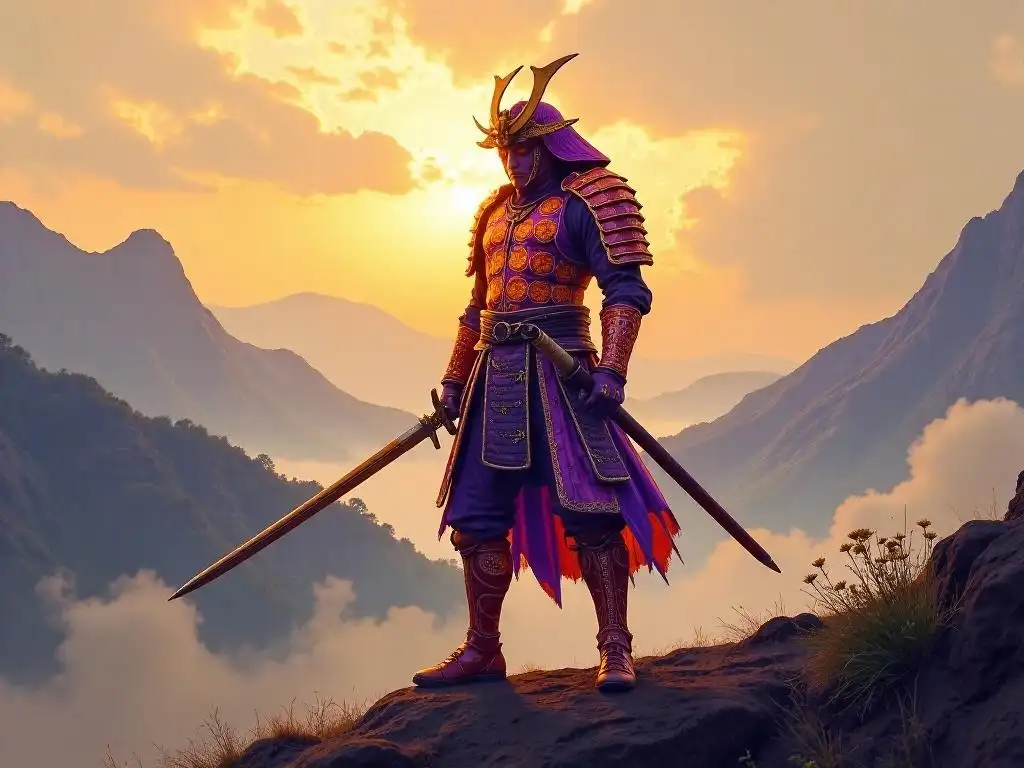
The Battle of Sanchoku serves as a significant case study in the complexities of loyalty, strategy, and the brutal realities of warfare during the Japan feudal era. One of the critical lessons drawn from this conflict is the importance of understanding the motivations of allies and enemies alike. The battle highlighted how shifting allegiances and the personal ambitions of key figures could influence the outcome of military engagements. Leaders must not only strategize in terms of troop movements and armaments but also consider the emotional and psychological factors that drive their warriors.
Additionally, the terrain played a pivotal role in the battle's dynamics. The landscape of Sanchoku provided both challenges and opportunities, emphasizing the need for commanders to adapt their strategies to the environment. This lesson remains relevant in military considerations, where geography can dictate the tactical advantages of an army.
Strategic Insights from Japan Feudal Era Battles
Japan's feudal era battles were not merely contests of strength; they were intricate chess games involving deception, alliances, and resource management. The Battle of Sanchoku exemplifies the significance of intelligence-gathering and reconnaissance. Understanding the enemy's movements, strengths, and weaknesses could turn the tide in favor of one side or another.
Moreover, the art of negotiation and diplomacy often preceded and followed battles. Leaders frequently engaged in dialogue to form temporary alliances, which could later dissolve into conflict as loyalties shifted. This interplay between diplomacy and warfare illustrates that battles were as much about relationships as they were about combat.
The Role of Loyalty in Warfare
Loyalty was a double-edged sword in the context of feudal Japan. On one hand, unwavering loyalty could bolster morale and strengthen an army's resolve; on the other, misplaced loyalty could lead to disastrous consequences. The loyalties of samurai were often tested during battles, as personal honor and duty to their lord clashed with the harsh realities of survival and strategic retreat.
During the Battle of Sanchoku, the loyalty of the samurai was crucial in determining the outcome. Some warriors chose to forsake their lords for the promise of more favorable terms from the enemy, while others remained steadfast, driven by a sense of honor and duty. This phenomenon sheds light on the broader implications of loyalty in warfare, where personal and feudal obligations can lead to both unity and division.
Conclusion
The Battle of Sanchoku not only reflects the fierce military engagements typical of the Japan feudal era but also serves as a microcosm of the broader themes of loyalty, strategy, and the complexities of human relationships in times of conflict. Understanding these factors is crucial for grasping the nuances of feudal warfare.
The Legacy of the Battle of Sanchoku in Military History
The legacy of the Battle of Sanchoku endures in the annals of Japanese military history, serving as a reference point for both military strategists and historians alike. The lessons gleaned from this battle continue to inform contemporary discussions on loyalty, strategy, and the ethical considerations surrounding warfare. It stands as a testament to how personal motivations and societal structures can profoundly shape the course of history.
Final Thoughts on Feudal Japan and its Key Battles
Feudal Japan, characterized by its intricate social hierarchies and martial traditions, offers a rich tapestry of military history. Key battles like Sanchoku not only illustrate the ferocity of combat but also the profound psychological and emotional dimensions that underpinned these conflicts. As we reflect on these events, it becomes clear that the study of feudal Japan's battles is essential for understanding the broader human experience of war, loyalty, and the quest for power.
- Introduction to the Battle of Sanchoku
- Historical Context of the Battle of Sanchoku
- Prelude to the Battle of Sanchoku
- The Course of the Battle
- Aftermath of the Battle of Sanchoku
- Cultural and Societal Reflections
- Lessons from the Battle of Sanchoku
- Strategic Insights from Japan Feudal Era Battles
- Conclusion
- What was the significance of the Battle of Sanchoku in the Japan feudal era?
- How did the outcomes of battles like Sanchoku influence feudal Japan?
- What role did samurai play in the Battle of Sanchoku?
- How did the Battle of Sanchoku reflect the culture of feudal Japan?
- What were the broader implications of the Japan feudal era battles on Japanese society?
Frequently Asked Questions
What was the significance of the Battle of Sanchoku in the Japan feudal era?
The Battle of Sanchoku was pivotal as it tested loyalties among samurai clans, illustrating the complex political alliances during the feudal period.
How did the outcomes of battles like Sanchoku influence feudal Japan?
The outcomes of battles such as Sanchoku often led to shifts in power, changing the balance of control among feudal lords and impacting the social structure of Japan.
What role did samurai play in the Battle of Sanchoku?
The samurai were instrumental in the Battle of Sanchoku, showcasing their skills in combat and their unwavering dedication to their lords, which was central to the feudal system.
How did the Battle of Sanchoku reflect the culture of feudal Japan?
The battle reflected the cultural values of feudal Japan, emphasizing honor, loyalty, and the warrior ethos that defined the samurai class during this era.
What were the broader implications of the Japan feudal era battles on Japanese society?
Battles in the Japan feudal era, like Sanchoku, shaped social hierarchies, influenced economic systems, and ultimately paved the way for the unification of Japan under powerful shoguns.
Final Reflection: Loyalty and Valor in the Face of Adversity
The tale of the Battle of Sanchoku serves as a poignant reminder of the complex interplay between loyalty and duty during Japan's feudal era battles. In an age marked by conflict and shifting allegiances, the decisions made by warriors not only shaped their destinies but also the very fabric of their society. Today, as we navigate our own tumultuous times, the lessons from this historical conflict resonate deeply, urging us to reflect on our own commitments and the values we uphold in the face of adversity.
The legacy of the Battle of Sanchoku extends beyond its immediate historical context, influencing contemporary discussions about honor, loyalty, and the consequences of war. This battle exemplifies how personal convictions can clash with societal expectations, a theme that remains relevant in our modern world.
As we witness ongoing conflicts and the struggles for loyalty in various spheres of life, we are reminded of the words of the samurai, “The true way of the warrior is to be in harmony with the world.” > This quote encapsulates the essence of navigating loyalty amidst chaos, urging us to seek balance in our own lives.
As you reflect on the themes presented in the Battle of Sanchoku, consider how the principles of loyalty and courage can guide your own journey. What battles do you face in your life, and how do your values shape your decisions? Embrace the lessons of the past, allowing them to inspire you to act with integrity and purpose in your own life. The spirit of the samurai lives on in each of us, urging us to stand firm in our beliefs and to navigate the complexities of loyalty with wisdom and grace.
Embrace the Legacy of Loyalty: Take Action Now!
Thank you for exploring the rich history of the Battle of Sanchoku with us! Your interest in loyalty and the sacrifices made during this critical moment in Feudal Japan underscores the significance of these values even today. Now, it's time to transform your newfound knowledge into meaningful action.
Here are a few impactful steps you can take:
- Join a local history group or an online forum to discuss and gain further insights into the pivotal battles of Feudal Japan.
- Engage with a book or documentary that explores the themes of loyalty and honor within Japanese history in greater depth.
- Share this article with friends and family who might be inspired by the courage displayed during the Battle of Sanchoku, and initiate a discussion about the relevance of loyalty in today’s world.
Which aspects of loyalty from the Battle of Sanchoku resonate with you the most, and how do you see these values reflected in your own relationships today?