
Exploring the Tactics of the Battle of Kawanakajima: The Samurai's Greatest Rivalry

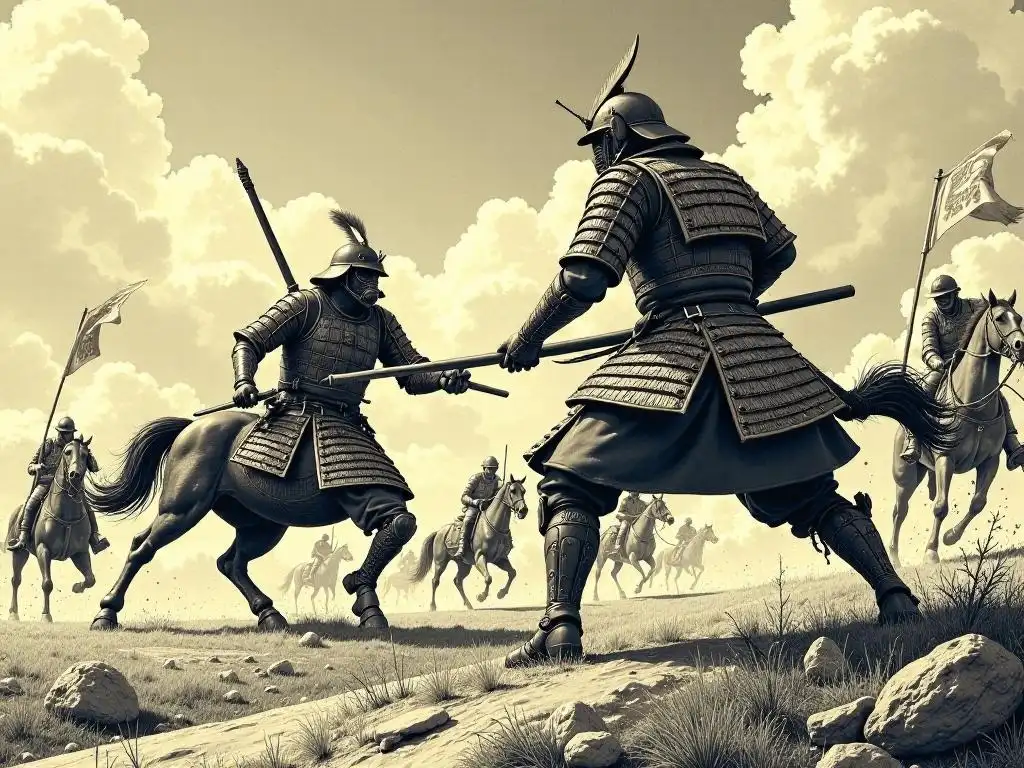
Welcome to Feudal Japan History, your gateway to the captivating world of Japan’s feudal era! Here, we delve deep into the rich tapestry of historical, cultural, and societal aspects that defined this remarkable period. In our featured article, Exploring the Tactics of the Battle of Kawanakajima: The Samurai's Greatest Rivalry, we uncover the intricate strategies that shaped one of history's most legendary confrontations.
What drove these formidable warriors into fierce competition? Join us as we unravel the tactics and rivalries that not only defined battles but also forged the very essence of the samurai spirit. Prepare to embark on a journey that promises to enlighten and inspire your understanding of this complex and intriguing era!
- Introduction to the Battle of Kawanakajima Tactics
- Historical Context of the Battle of Kawanakajima
- Breakdown of the Battle of Kawanakajima Tactics
- Analysis of Key Engagements during the Battle
- The Legacy of the Battle of Kawanakajima Tactics
- Conclusion: The Enduring Relevance of Kawanakajima Tactics
-
Frequently Asked Questions
- What was the Battle of Kawanakajima?
- Why is the Battle of Kawanakajima significant in feudal Japan?
- What were some key tactics used in the battle?
- How did the rivalry between Takeda Shingen and Uesugi Kenshin shape the battle's tactics?
- Where can I learn more about the cultural and historical context of the Battle of Kawanakajima?
- Final Reflection: The Enduring Legacy of Kawanakajima Tactics
- Unveil the Legacy of Samurai Tactics!
Introduction to the Battle of Kawanakajima Tactics
The Battle of Kawanakajima stands as one of the most significant military confrontations during Japan's feudal era, encapsulating the fierce rivalry between two of the most renowned samurai leaders: Takeda Shingen and Uesugi Kenshin. Fought between 1553 and 1564, this series of battles not only showcased the tactical ingenuity of the samurai but also reflected the broader societal and cultural dynamics of the time.
In this article, we will delve into the various tactics employed during the Battle of Kawanakajima, exploring how these strategies not only influenced the outcome of the battles but also shaped the legacy of samurai warfare in Japan. Understanding these tactics provides valuable insights into the military history of feudal Japan, illustrating the complexities of combat that go beyond mere strength and valor.
Overview of the Samurai Era
The samurai era, spanning from the late 12th century to the 19th century, marked a period of profound transformation in Japan. Characterized by a warrior class that adhered to a strict code of conduct known as Bushido, samurai were not only skilled fighters but also held significant political power. This era witnessed the rise of feudalism, where local lords (daimyos) wielded authority over their territories, often leading to conflicts that would define the landscape of Japan.
- Key Features of the Samurai Era:
- Feudal Structure: Power was decentralized, with daimyos controlling land and samurai serving as their military retainers.
- Military Innovation: The adoption of new tactics, including the use of cavalry, archers, and strategic formations.
- Cultural Developments: The samurai class contributed to the arts, literature, and philosophy, blending martial prowess with cultural refinement.
Significance of the Battle of Kawanakajima in Feudal Japan
The Battle of Kawanakajima represents a pivotal moment in the military history of feudal Japan, symbolizing the intense rivalry between Takeda Shingen and Uesugi Kenshin. Each battle in this series was marked by innovative tactics and strategies that would come to define samurai warfare.
- Key Significance:
- Tactical Evolution: The battles illustrated the evolution of military strategies, with both commanders employing unique tactics to outmaneuver each other.
- Cultural Impact: The legendary status of Shingen and Kenshin contributed to the romanticized image of the samurai and their code of honor.
- Political Ramifications: The outcomes of these battles influenced the power dynamics of the region, shaping the future of Japan's unification process.
In the following sections, we will explore the detailed tactics used during the battles, examining how these strategies played a crucial role in the rivalry between these two formidable samurai leaders.
Historical Context of the Battle of Kawanakajima
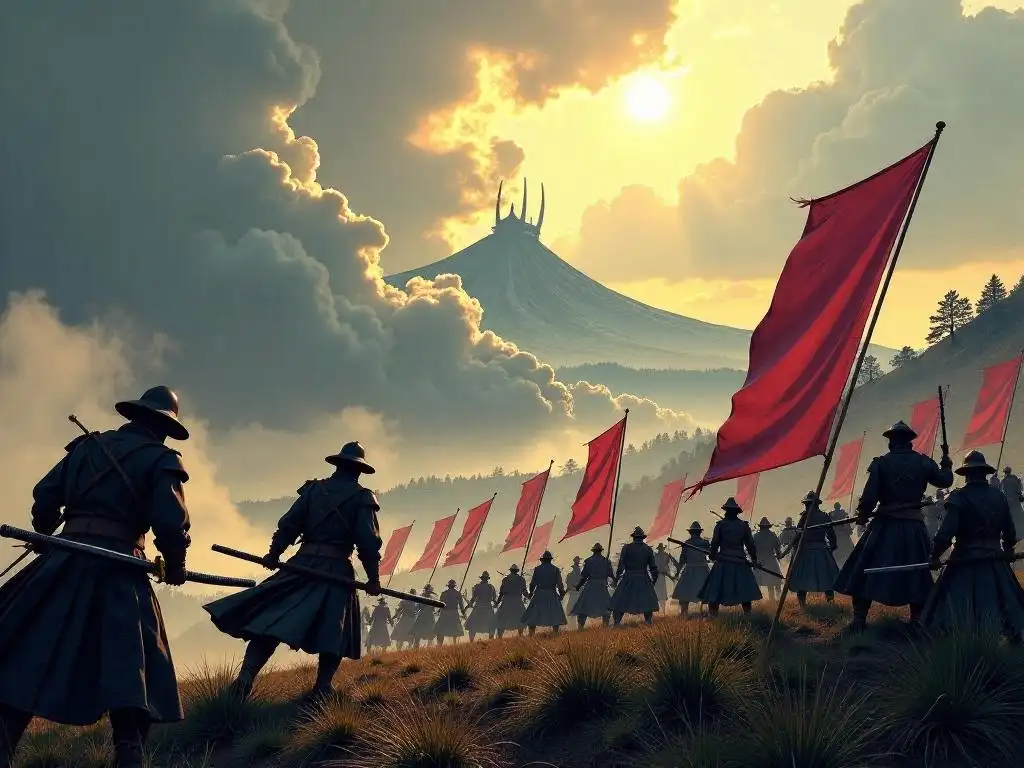
The Battle of Kawanakajima, fought during the tumultuous Sengoku period of Japan, is a significant event that showcases the military tactics and rivalries that defined this era. This battle, particularly the five encounters between Takeda Shingen and Uesugi Kenshin, reflects the intricate web of relationships, warfare, and strategy that characterized feudal Japan. Understanding this context is essential to appreciate the complexities of the tactics employed during these confrontations.
Key Figures in the Rivalry
Takeda Shingen: The Tiger of Kai
Takeda Shingen, known as the "Tiger of Kai," was one of the most formidable warlords of the Sengoku period. Born in 1521, he rose to prominence as the leader of the Takeda clan, renowned for his military prowess and innovative strategies. Shingen’s aggressive tactics were characterized by rapid mobility and the effective use of cavalry, specifically his famed cavalry charges, which often turned the tide of battle in his favor.
Shingen implemented strict discipline within his ranks and was known for his strategic use of terrain, often choosing battle sites that favored his forces. His famous "The Book of the Five Rings" outlines his military philosophy, emphasizing the importance of knowledge, timing, and adaptability on the battlefield. Shingen’s reputation was not solely based on his battlefield successes but also on his ability to inspire loyalty among his samurai, fostering a sense of unity and purpose.
Uesugi Kenshin: The Dragon of Echigo
In contrast, Uesugi Kenshin, dubbed the "Dragon of Echigo," was a master tactician and one of Shingen's greatest rivals. Born in 1530, Kenshin was known for his brilliant strategies and his deep commitment to the samurai code of honor. His forces were characterized by their disciplined infantry and effective use of formations, which often countered Shingen’s cavalry dominance.
Kenshin's tactical innovations included the use of feigned retreats and ambushes, which he executed with remarkable precision. His leadership style emphasized the importance of strategy over brute strength, and his ability to anticipate enemy movements made him a formidable opponent. The rivalry between Kenshin and Shingen was not merely one of military confrontation but also a clash of philosophies, as both leaders sought dominance in the region.
Political Landscape Leading to the Battle
The Role of Alliances and Betrayals
The political landscape before the Battle of Kawanakajima was rife with shifting alliances and betrayals that significantly influenced the tactics employed. Both Takeda and Uesugi sought to consolidate power by forming alliances with other clans, which could provide crucial military support or resources. However, these alliances were often fragile and subject to betrayal, as loyalty could shift with the tides of war.
For instance, the Takeda clan’s alliance with the Hōjō clan was critical in securing resources and manpower against the Uesugi. However, rival clans frequently engaged in espionage and treachery, leading to unexpected shifts in power dynamics. This volatile environment necessitated a high level of adaptability in military tactics, as leaders had to anticipate the potential for betrayal and the need to respond swiftly to changing alliances.
The Impact of Previous Conflicts
Previous conflicts played a crucial role in shaping the strategies that would be employed at Kawanakajima. The experience gained from earlier battles, such as the engagements against the Uesugi at Kawanakajima in 1550, provided invaluable lessons for both commanders. Shingen and Kenshin learned from their past encounters, analyzing their successes and failures to refine their tactics.
The outcomes of earlier skirmishes also influenced troop morale and the psychological aspects of warfare. For example, Shingen’s victories bolstered his reputation and the confidence of his samurai, while Kenshin’s resilience in the face of adversity galvanized his forces. This ongoing cycle of conflict and adaptation created a rich tapestry of military strategies that would culminate in the famous battles at Kawanakajima, marking a pivotal moment in the history of feudal Japan.
Breakdown of the Battle of Kawanakajima Tactics
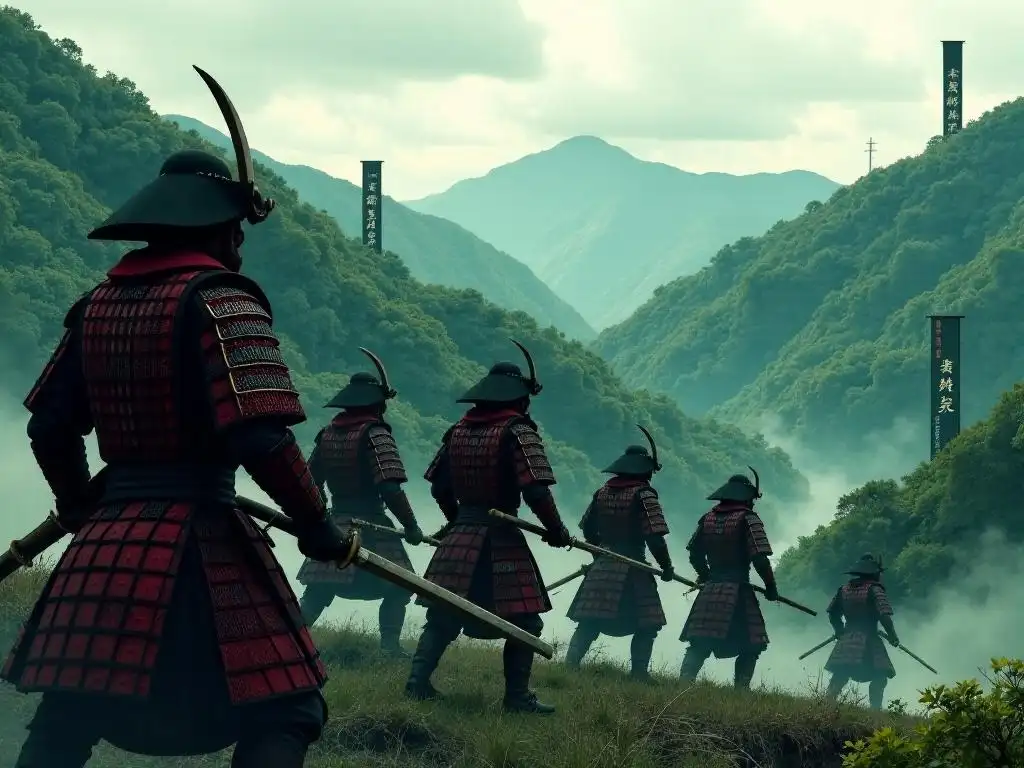
The Battle of Kawanakajima, fought between 1553 and 1564, stands as a testament to the tactical genius of its key figures, Takeda Shingen and Uesugi Kenshin. This rivalry not only shaped the course of Japanese history but also showcased innovative military strategies that would influence warfare in the region. Below, we delve into the specific tactics employed by both warlords during their confrontations.
Tactical Innovations by Takeda Shingen
Takeda Shingen, known as the "Tiger of Kai," was an adept military strategist whose tactics during the battles at Kawanakajima were pivotal in his approach to combat.
Use of Cavalry in Warfare
One of Shingen's most notable contributions to the Battle of Kawanakajima tactics was his effective use of cavalry. His forces were renowned for their speed and mobility, allowing them to execute rapid assaults. The Takeda cavalry, often numbering in the thousands, operated in formations that maximized their impact on the battlefield. Key aspects include:
- Heavy Cavalry Charges: Shingen’s cavalry was heavily armored and trained to perform devastating charges against enemy lines, creating chaos and disruption.
- Rapid Maneuverability: The ability to quickly reposition units allowed Shingen to respond to Uesugi's strategies, maintaining the initiative during engagements.
- Combined Arms Approach: Cavalry units would work in concert with infantry and archers, creating a multifaceted attack strategy that overwhelmed opposing forces.
Flanking Maneuvers and Deception Tactics
Shingen was masterful in employing flanking maneuvers that exploited weak points in the enemy's defenses. His tactics included:
- Feigned Retreats: By deliberately withdrawing in certain areas, Shingen could lure Uesugi's forces into traps, exposing them to counterattacks from his hidden units.
- Concealing Movements: Shingen often masked the true location of his forces, employing terrain features to hide troop movements and create unexpected attacks from the sides or rear.
- Simultaneous Assaults: Coordinating multiple flanking attacks at once not only disoriented the enemy but also allowed for concentrated force against critical points in Uesugi's formations.
Strategies Employed by Uesugi Kenshin
Uesugi Kenshin, known as the "Dragon of Echigo," countered Shingen's tactics with his own strategic innovations that played to his strengths.
Defensive Positions and Terrain Utilization
Kenshin was adept at utilizing the battlefield's terrain to his advantage. His strategies included:
- Natural Barriers: Positioning his troops behind rivers and hills made it difficult for Shingen’s cavalry to launch effective charges, forcing them into disadvantageous positions.
- Fortified Camps: Kenshin often established fortified camps that could withstand assaults, giving his troops a psychological edge and reducing the impact of enemy cavalry.
- Adaptation to Environment: Kenshin’s forces were trained to adapt their tactics based on weather and terrain, such as using fog or rain to obscure movements and confuse the enemy.
Psychological Warfare and Morale Boosting
Kenshin recognized the importance of morale in battle and employed various psychological strategies to bolster his troops:
- Rituals and Religious Practices: Conducting ceremonies before battle helped instill a sense of purpose and determination among his soldiers.
- Personal Leadership: Kenshin often led charges himself, inspiring his men through his bravery, which fostered loyalty and courage in the face of adversity.
- Propaganda and Reputation: The stories of Kenshin's valor and honor spread among his troops, enhancing their resolve to fight fiercely against Takeda’s forces.
The Battle of Kawanakajima exemplifies the sophisticated military tactics of the samurai era, as both Takeda Shingen and Uesugi Kenshin brought their unique strategies to bear in one of Japan's most famous rivalries. Each tactical innovation not only defined their confrontations but also left a lasting legacy in the annals of military history.
Analysis of Key Engagements during the Battle
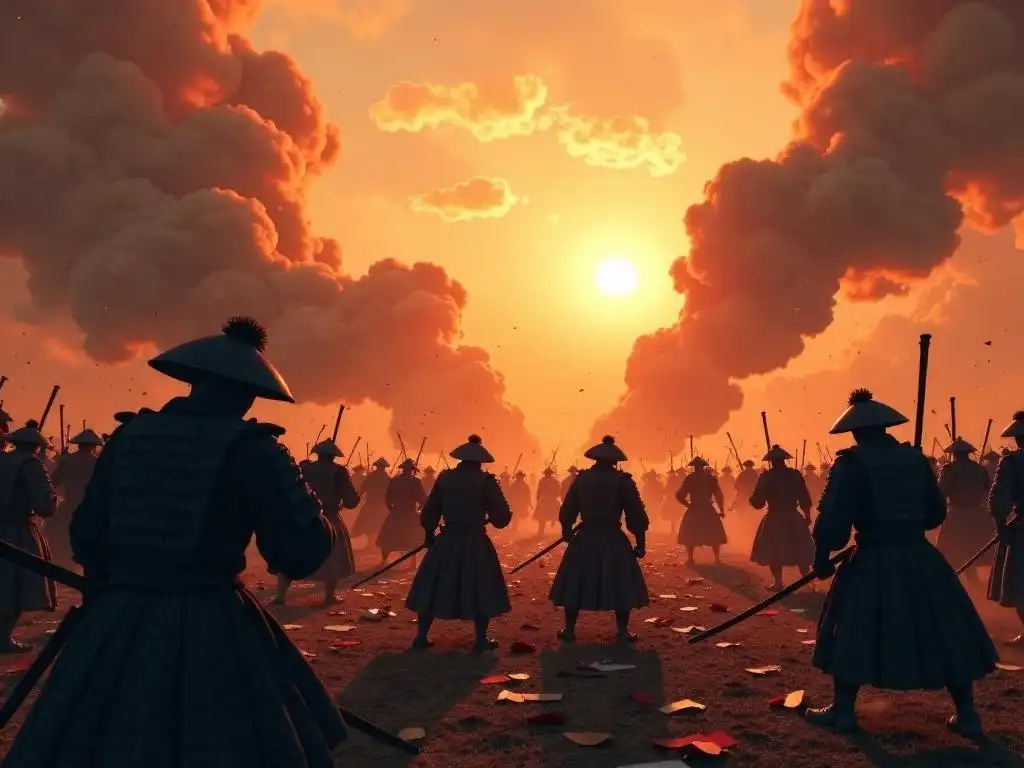
The Battle of Kawanakajima stands as a hallmark of samurai warfare and military strategy during Japan's feudal era. This series of confrontations between the powerful clans of Takeda and Uesugi showcases the evolution of tactics, the significance of terrain, and the importance of psychological warfare. Understanding the tactics employed in these battles provides insight into the broader context of samurai culture and warfare.
First Battle of Kawanakajima: Tactical Overview
Initial Strategies and Outcomes
The First Battle of Kawanakajima occurred in 1553 and served as a preliminary clash in the rivalry between Takeda Shingen and Uesugi Kenshin. Shingen's forces, known for their cavalry and aggressive tactics, sought to seize control of the region. Uesugi Kenshin, on the other hand, opted for a defensive posture, using the terrain to his advantage.
- Takeda Shingen's Tactics:
- Cavalry Charges: Shingen relied heavily on cavalry units, aiming to quickly overwhelm Uesugi's positions.
- Flanking Maneuvers: Utilizing the element of surprise, Shingen attempted to execute flanking maneuvers to disrupt Uesugi's formations.
- Uesugi Kenshin's Tactics:
- Defensive Positioning: Kenshin fortified his troops in a natural defensive position, leveraging the mountainous terrain to minimize the impact of Takeda's cavalry.
- Counterattacks: Kenshin’s strategy focused on absorbing the initial assault and launching counterattacks at key moments.
The battle resulted in a tactical stalemate, with both sides suffering heavy casualties but neither achieving a decisive victory. The outcome highlighted the resilience of Uesugi's forces against Takeda's aggressive tactics.
Lessons Learned from the First Encounter
The first engagement between these two formidable leaders offered valuable lessons for both sides:
- Terrain Utilization: The importance of terrain became evident, underscoring the need for commanders to adapt their strategies based on geographical features.
- Cavalry Limitations: The limitations of cavalry against well-prepared infantry were apparent, prompting a reevaluation of cavalry tactics in future battles.
- Psychological Warfare: The psychological impact of engaging in a drawn-out battle served to strengthen the resolve of both sides, laying the groundwork for future encounters.
Second Battle of Kawanakajima: Tactical Developments
New Approaches and Tactical Adjustments
The Second Battle of Kawanakajima took place in 1555, with both Takeda and Uesugi implementing new tactics learned from their previous encounter. This battle saw a more evolved approach to warfare, incorporating lessons from the first encounter.
- Increased Use of Infantry: Both sides recognized the necessity of integrating infantry to support their cavalry, facilitating a more balanced approach to combat.
- Deception Tactics: Shingen employed misdirection, using decoy forces to draw Uesugi’s troops into vulnerable positions.
- Uesugi's Countermeasures:
- Counter-Cavalry Tactics: Kenshin developed tactics specifically designed to counter cavalry charges, such as forming tight infantry formations.
- Ambush Strategies: Uesugi utilized ambush techniques to exploit gaps in Takeda's formation during the heat of battle.
The Second Battle resulted in a more dynamic engagement, with both sides exchanging blows in a fierce contest that reflected their respective tactical evolutions.
Resulting Impact on Samurai Warfare
The outcomes of both battles had a lasting impact on samurai warfare:
- Evolution of Tactics: The lessons learned from Kawanakajima influenced samurai tactics across the region, leading to a more integrated approach combining cavalry and infantry.
- Reputation and Leadership: The battles solidified the reputations of both Takeda Shingen and Uesugi Kenshin as tactical innovators and formidable leaders, inspiring future generations of samurai.
- Cultural Significance: The rivalry itself became a cultural touchstone, celebrated in literature and folklore, reflecting the ideals of honor and bravery associated with the samurai.
The tactics employed during the Battle of Kawanakajima significantly shaped the landscape of samurai warfare, emphasizing the importance of adaptability, strategic planning, and the effective use of terrain. These engagements not only defined the historical rivalry between two legendary figures but also left an indelible mark on the evolution of military strategy in Japan.
The Legacy of the Battle of Kawanakajima Tactics
Influence on Future Samurai Warfare
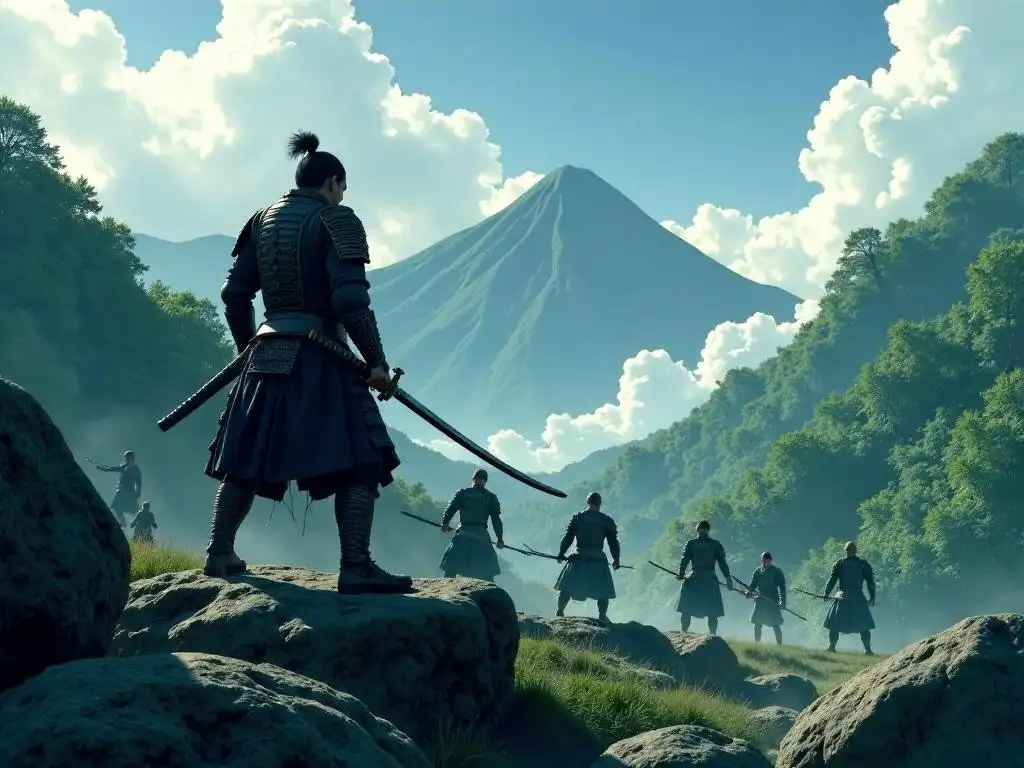
The tactics employed during the Battle of Kawanakajima not only shaped the outcome of this pivotal conflict but also significantly influenced future samurai warfare. The tactical innovations introduced by both Takeda Shingen and Uesugi Kenshin during their five encounters laid the groundwork for subsequent military strategies in Japan.
- Combined Arms Approach: One of the key tactics observed at Kawanakajima was the effective use of a combined arms approach, integrating infantry, cavalry, and archers. This methodology became a staple in samurai warfare, allowing for coordinated attacks that maximized the strengths of each unit type.
- Terrain Utilization: Both commanders demonstrated exceptional skill in utilizing the terrain to their advantage. Takeda often took advantage of the mountainous landscape, employing ambush tactics that capitalized on natural cover. This emphasis on terrain awareness influenced later samurai leaders to consider geographical features in their battle plans.
- Psychological Warfare: The psychological tactics used, such as feigned retreats and the strategic use of banners and signals, highlighted the importance of morale and deception in warfare. This understanding of psychological elements in combat would be pivotal in future conflicts, as leaders sought to break the enemy's will to fight.
These innovations not only changed immediate combat outcomes but also set precedents that guided samurai tactics throughout the Sengoku period and beyond.
Cultural Representations in Literature and Art
The Battle of Kawanakajima has left an indelible mark on Japanese culture, inspiring countless works of literature and art that reflect its significance. These representations serve not only to commemorate the battle but also to convey the values and ideals of the samurai ethos.
- Historical Texts: Literature from the era, such as the “Chronicles of the Takeda,” chronicles the events of Kawanakajima, providing insights into the strategies employed and the personalities involved. These texts often romanticize the bravery and chivalry of samurai, reinforcing the cultural ideal of honor in battle.
- Nihonmatsu: The famous Japanese painter Kanō Eitoku depicted scenes from the battle in his works, capturing the intensity and drama of the confrontations. Such paintings have contributed to the visual legacy of Kawanakajima, immortalizing the fierce rivalry between Takeda and Uesugi.
- Modern Adaptations: Contemporary literature and film frequently revisit the themes from Kawanakajima, exploring the complexities of loyalty, rivalry, and honor. Novels like “Tales of the Samurai” and films such as “Kagemusha” have brought the battle back into public consciousness, highlighting its enduring relevance in Japanese culture.
These cultural representations not only honor the historical event but also reflect the values that have shaped Japanese identity over centuries.
The Enduring Rivalry: Takeda vs. Uesugi in Popular Culture
The rivalry between Takeda Shingen and Uesugi Kenshin, epitomized in the Battle of Kawanakajima, continues to resonate in popular culture today. Their legendary status as military leaders has transformed them into iconic figures, inspiring various forms of media.
- Video Games: The "Total War" series and "Samurai Warriors" feature characters based on Takeda and Uesugi, allowing players to engage in battles reminiscent of Kawanakajima. This interactive representation provides a modern lens through which audiences can explore the tactics and strategies of the era.
- Anime and Manga: Series such as "Sengoku Basara" dramatize the battles and personalities of the time, often exaggerating events for entertainment. These stories contribute to the mythos surrounding the two samurai, emphasizing their rivalry as a central theme in the narrative.
- Historical Dramas: Japanese television dramas often revisit the events of the Sengoku period, with prominent portrayals of Takeda and Uesugi. Such dramas not only entertain but also educate audiences about the historical significance of their conflict, ensuring that the legacy of Kawanakajima endures.
The ongoing interest in the rivalry between Takeda and Uesugi underscores the lasting impact of the Battle of Kawanakajima tactics on both military history and Japanese culture, demonstrating how history continues to shape contemporary narratives.
Conclusion: The Enduring Relevance of Kawanakajima Tactics
The Battle of Kawanakajima, fought between the powerful warlords Uesugi Kenshin and Takeda Shingen during the mid-16th century, serves as a pivotal moment in the history of samurai warfare. The tactical innovations and strategies employed in this conflict not only shaped the course of the battle itself but also left a lasting impact on Japanese military history. Understanding the tactics of Kawanakajima reveals insights into the complexities of samurai warfare and its evolution.
Summary of Tactical Lessons Learned
The various encounters at Kawanakajima provide numerous tactical lessons that remain relevant even in contemporary military studies. Here are some key takeaways:
- Terrain Utilization: Both generals displayed remarkable skill in leveraging the terrain to their advantage. Uesugi Kenshin's forces capitalized on the high ground and forest cover, while Takeda Shingen maneuvered his troops to exploit open fields for cavalry charges. This emphasizes the importance of terrain in battle planning.
- Cavalry Charges: The aggressive use of cavalry by Takeda Shingen, particularly during the fourth battle, showcased the effectiveness of quick, decisive assaults. His famous "Ten Thousand Horse Charge" highlighted the impact of speed and surprise in warfare. Modern military strategies still draw from this principle of rapid mobility.
- Psychological Warfare: The psychological dimension of warfare was evident in the tactics employed by both sides. Uesugi Kenshin, known for his fierce reputation, often employed feigned retreats to lure Takeda's forces into traps. This tactic underlines the importance of morale and perception in battle.
- Adaptability: The ability to adapt to changing circumstances was critical in Kawanakajima. Both commanders adjusted their strategies based on the evolving battlefield dynamics, emphasizing the necessity for flexibility in military operations.
- Intelligence and Deception: Gathering intelligence on enemy movements and intentions was crucial. Uesugi's use of scouts to gather information, as well as the deceptive maneuvers employed, reflects the significance of espionage in achieving strategic advantages.
Reflection on Samurai Warfare and Its Historical Importance
The Battle of Kawanakajima stands as a testament to the intricate nature of samurai warfare, illustrating the blend of martial skill, strategy, and psychological tactics that characterized the feudal era in Japan. The rivalry between Uesugi Kenshin and Takeda Shingen was not merely a struggle for territorial dominance; it represented the clash of ideologies and warrior ethics.
- Cultural Significance: Samurai warfare was deeply interwoven with the cultural fabric of Japan. The honor and code of bushido shaped not only military tactics but also societal values. The battles fought during this period, including Kawanakajima, were reflections of the samurai's commitment to loyalty, honor, and personal valor.
- Legacy of Leadership: The leadership styles of both Uesugi and Takeda have been studied extensively, providing insights into effective command and the cultivation of loyalty among troops. Their ability to inspire and maintain morale amidst the chaos of battle remains relevant in modern leadership studies.
- Influence on Future Conflicts: The tactical innovations born from the Kawanakajima battles influenced subsequent military engagements in Japan, serving as a foundation for future strategies. The evolution of warfare techniques during this period contributed to the eventual unification of Japan under Tokugawa Ieyasu.
The tactics of the Battle of Kawanakajima not only shaped the outcomes of the conflicts between Uesugi Kenshin and Takeda Shingen but also enriched the broader narrative of samurai warfare. The lessons drawn from this epic struggle continue to resonate in military studies and cultural reflections on the samurai legacy.
Frequently Asked Questions
What was the Battle of Kawanakajima?
The Battle of Kawanakajima refers to a series of five battles fought between Takeda Shingen and Uesugi Kenshin during the 15th century, known for their intense strategic maneuvers.
Why is the Battle of Kawanakajima significant in feudal Japan?
This battle is significant because it showcased the tactical brilliance of the samurai and the fierce rivalry between two of the most powerful clans in feudal Japan, influencing military strategies for generations.
What were some key tactics used in the battle?
Key tactics included flanking maneuvers, deception, and the use of terrain to gain advantages, highlighting the importance of strategy in samurai warfare.
How did the rivalry between Takeda Shingen and Uesugi Kenshin shape the battle's tactics?
The rivalry led both leaders to adopt innovative and sometimes unorthodox tactics, as they sought to outsmart each other, making the Battle of Kawanakajima a critical study in military strategy.
Where can I learn more about the cultural and historical context of the Battle of Kawanakajima?
For a deeper understanding, visit resources like Feudal Japan History, which offers expert-driven articles that explore the historical, cultural, and societal aspects of Japan’s feudal era.
Final Reflection: The Enduring Legacy of Kawanakajima Tactics
The tactics employed in the Battle of Kawanakajima resonate profoundly in today's world, illustrating the timeless nature of strategic warfare and rivalry. As we dissect the intricate maneuvers of samurai warriors, we uncover not just historical battles, but lessons in leadership, resilience, and the art of strategy that remain relevant in contemporary conflicts, both on and off the battlefield. The rivalry between Takeda Shingen and Uesugi Kenshin serves as a powerful reminder that the essence of competition transcends time, shaping the narratives of honor and valor that continue to inspire us.
Culture and society are deeply influenced by the stories of our past, and the Battle of Kawanakajima stands as a testament to the complexities of human ambition and rivalry. The strategies employed by these legendary samurai not only determined the outcome of their battles but also left an indelible mark on Japanese culture and the way we perceive conflict today. As historian John W. Hall once said, The past is never dead. It's not even past.
This sentiment rings true as we reflect on how the tactics of Kawanakajima continue to inform modern strategic thinking, leadership styles, and even personal rivalries in various aspects of life.
As we conclude this exploration of the Battle of Kawanakajima, I invite you to reflect on the lessons learned from these historic tactics and consider how they can be applied in your own life. Whether in personal challenges, professional rivalries, or broader societal conflicts, the spirit of the samurai teaches us to approach our struggles with strategy, honor, and resilience. Let the legacy of Kawanakajima inspire you to navigate your battles with wisdom and courage, forging your path in the ever-evolving landscape of life.
Unveil the Legacy of Samurai Tactics!
Thank you for exploring the riveting tactics of the Battle of Kawanakajima! Your interest in this legendary rivalry not only enhances your understanding of feudal Japan but also connects you to the captivating culture of the samurai. Now, let’s elevate your newfound insights to the next level!
Here’s how you can deepen your journey:
- Join a Historical Reenactment Group: Engage with fellow enthusiasts who share your passion for samurai history and experience the battle tactics firsthand!
- Explore More: Read our additional articles on the strategic brilliance of other significant battles in feudal Japan and broaden your knowledge.
- Share Your Thoughts: Comment below with your favorite tactics from the Battle of Kawanakajima or what you found most surprising!
Which aspect of the samurai’s strategies at Kawanakajima do you believe had the most profound impact on their legacy? Share your insights!