
Unraveling the Secrets of the Battle of Sekigahara: The Clash that Shaped Japan

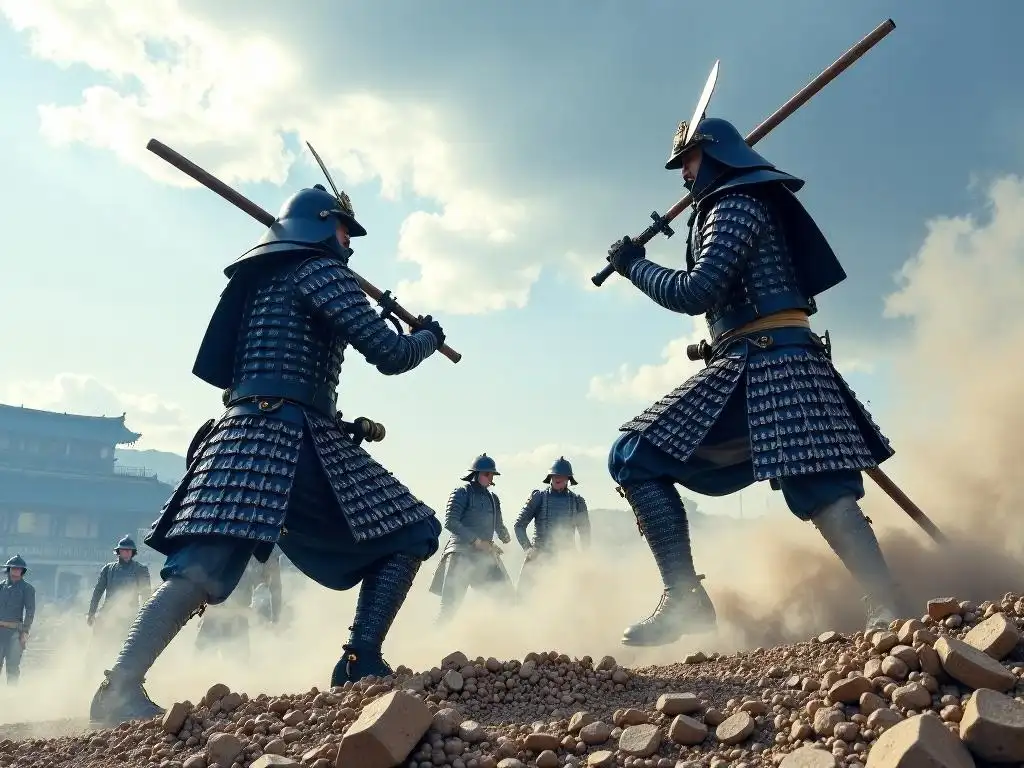
Welcome to Feudal Japan History, where we embark on an intriguing journey through the captivating tapestry of Japan’s feudal era. Here, we dive deep into the Battle of Sekigahara history, an epic clash that not only defined the fate of a nation but also etched its legacy into the annals of military history. What secrets lie within this pivotal battle?
As you explore our expert-driven articles, prepare to uncover the rich cultural and societal influences that shaped Japan during this tumultuous time. Join us as we unravel the layers of history and ignite your curiosity about one of the most significant events in Japanese history!
The Battle of Sekigahara, fought on October 21, 1600, stands as one of the most pivotal confrontations in Japanese history. This monumental clash not only determined the fate of Japan but also laid the groundwork for the Edo period, a time characterized by peace and stability under the Tokugawa shogunate.
In this article, we will delve into the intricate details surrounding the battle, exploring its historical context, the key figures involved, the strategies employed, and its lasting impact on Japanese society and culture. Understanding the nuances of the Battle of Sekigahara is crucial for anyone interested in the broader narrative of Japan's military history and the feudal era's complex dynamics.
Through a comprehensive exploration of the events leading up to the battle, the tactical maneuvers on the battlefield, and the aftermath that shaped Japan for centuries, we aim to provide an in-depth perspective on why this battle is often regarded as a decisive turning point in the nation's history. Join us as we unravel the secrets of this clash that not only reshaped the political landscape but also influenced cultural developments and societal structures in feudal Japan.
- Introduction to the Battle of Sekigahara History
- Context Leading to the Battle of Sekigahara
- The Build-Up to the Battle of Sekigahara
- The Day of the Battle: September 15, 1600
- Aftermath of the Battle of Sekigahara
- Cultural Significance of the Battle of Sekigahara
- Myths and Realities Surrounding the Battle of Sekigahara
- Conclusion: Legacy of the Battle of Sekigahara in Japanese History
- Further Reading and Resources on the Battle of Sekigahara
- Frequently Asked Questions
- Final Reflection: The Enduring Legacy of the Battle of Sekigahara
- Unveil the Legacy of Sekigahara – Take Action Today!
Introduction to the Battle of Sekigahara History
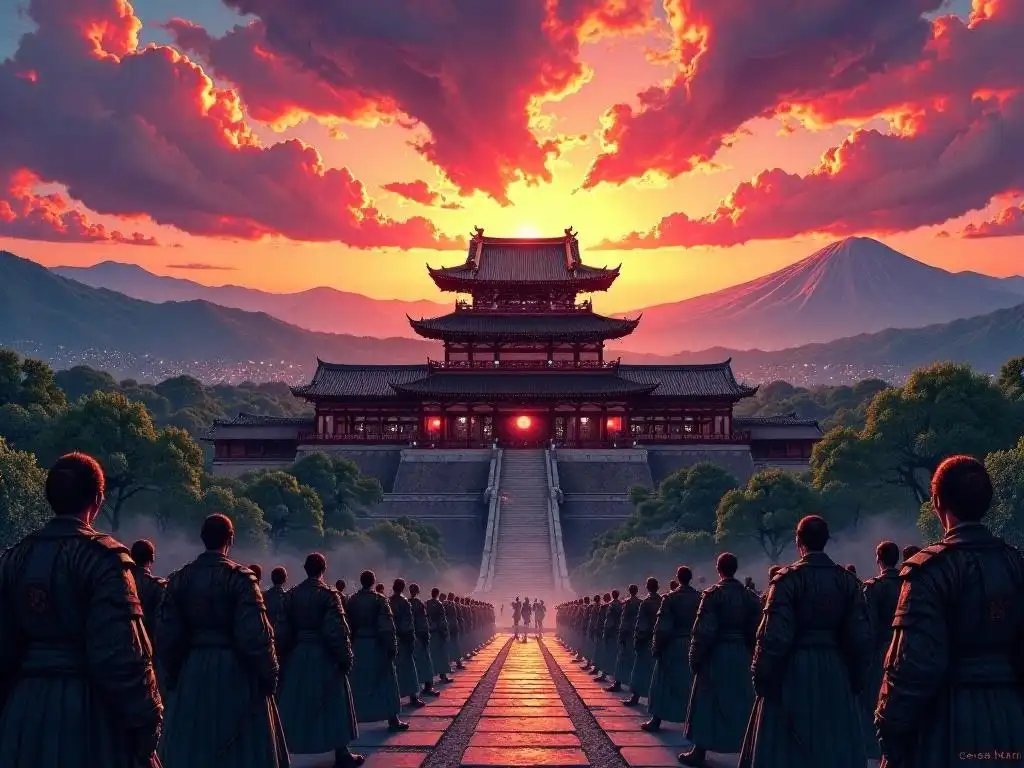
The Battle of Sekigahara, fought on October 21, 1600, stands as a pivotal event in Japan's feudal era, marking the transition from the tumultuous Sengoku period to a more centralized government under the Tokugawa shogunate. This battle not only determined the political landscape of Japan but also shaped the cultural and social dynamics of the nation for centuries. The conflict was a culmination of power struggles among the daimyō (feudal lords) and their samurai followers, establishing the framework for the Tokugawa era that followed.
Overview of the Feudal Era in Japan
The feudal era in Japan, spanning from the 12th to the 19th centuries, was characterized by a decentralized political structure where power was held by local lords. During this period:
- Shōgunates: The establishment of the shōgunate system allowed military leaders to exercise control over the emperor and his court. The Kamakura shōgunate (1185–1333) and later the Ashikaga (1336–1573) are notable examples.
- Daimyō and Samurai: Feudal lords, known as daimyō, governed their domains with the aid of samurai warriors, who adhered to the code of bushidō. This code emphasized loyalty, honor, and martial prowess.
- Social Hierarchy: Society was stratified into classes, with the emperor at the top, followed by the shōgun, daimyō, samurai, farmers, artisans, and merchants. This hierarchy influenced governance and cultural practices.
- Warfare and Alliances: Continuous warfare among daimyō led to shifting alliances and betrayals, contributing to an era marked by instability and conflict. The Battle of Sekigahara was a defining confrontation that encapsulated these dynamics.
The Battle of Sekigahara emerged from this context of feudal strife, representing a critical juncture in Japan's military history.
Significance of the Battle of Sekigahara in Japanese History
The Battle of Sekigahara is significant for several reasons:
- End of the Sengoku Period: The battle effectively marked the conclusion of the Sengoku period, a time characterized by constant military conflict and political fragmentation. The victory of Tokugawa Ieyasu over rival factions led to the establishment of a unified Japan under a centralized shōgunate.
- Foundation of the Tokugawa Shogunate: Following the battle, Tokugawa Ieyasu was granted the title of shōgun, solidifying his power and initiating the Tokugawa shogunate (1603–1868). This regime would dominate Japan for over 250 years, promoting stability, economic growth, and cultural development.
- Cultural Impact: The Tokugawa era ushered in a period of relative peace known as "Pax Tokugawa." This allowed for the flourishing of arts, literature, and trade, influencing Japanese culture profoundly. The battle's outcome also established the samurai as prominent figures within society.
- Legacy of Military Strategy: The tactics employed during the Battle of Sekigahara have been studied extensively in military history. Ieyasu's strategic use of terrain, intelligence, and alliances serves as a case study for military leaders.
- Historical Memory: The battle remains a focal point in Japanese historiography and popular culture. It is often depicted in literature, film, and theater, symbolizing the struggles for power in feudal Japan.
The Battle of Sekigahara is not only a key military event but also a cornerstone in understanding Japan's transition from feudal chaos to a unified state, shaping the trajectory of Japanese history for generations to come.
Context Leading to the Battle of Sekigahara
Political Landscape in Japan Before 1600
Before the pivotal Battle of Sekigahara in 1600, Japan was engulfed in a complex political landscape characterized by fragmentation and civil strife. The late 16th century marked the end of the Sengoku period, a time of near-constant military conflict among various feudal lords (daimyōs) vying for control. The weakening of the central authority, which had been established during the Ashikaga shogunate, allowed regional powers to assert their dominance.
- Decline of the Ashikaga Shogunate: The Ashikaga shogunate, which ruled from 1336 to 1573, became increasingly ineffective in governing Japan due to internal conflicts and the rise of powerful daimyōs. The overthrow of the Ashikaga by Oda Nobunaga was a critical turning point, as it disrupted the existing feudal order.
- Rise of Oda Nobunaga and Toyotomi Hideyoshi: Oda Nobunaga emerged as a dominant figure by employing innovative military strategies and unifying various provinces. Following Nobunaga's assassination in 1582, his general Toyotomi Hideyoshi continued the unification efforts, establishing a fragile peace and laying the groundwork for a centralized government.
- Fragmentation of Loyalties: Despite Hideyoshi’s achievements, the political landscape remained volatile. Various daimyōs held conflicting loyalties, and the power vacuum left after Hideyoshi's death in 1598 exacerbated tensions. This environment set the stage for the imminent conflict at Sekigahara, as factions began to align with competing leaders.
Key Figures Involved in the Battle of Sekigahara
The Battle of Sekigahara was not just a military confrontation; it was a clash of ideologies and ambitions embodied by key figures who played pivotal roles in shaping Japan's future.
Ieyasu Tokugawa: The Future Shogun
Ieyasu Tokugawa was a formidable strategist and the architect of the Tokugawa shogunate, which would govern Japan for over 250 years. His rise to power was marked by a blend of political acumen and military prowess.
- Early Life and Alliances: Born in 1543, Ieyasu was initially a hostage of the Imagawa clan. After escaping, he allied himself with Oda Nobunaga and later Toyotomi Hideyoshi, securing his position among the elite daimyōs. His tactical marriages and alliances bolstered his influence and territorial control.
- Strategic Planning for Sekigahara: In the lead-up to the battle, Ieyasu meticulously gathered intelligence and secured alliances with key daimyōs. His strategic foresight enabled him to plan for a decisive confrontation against the opposing coalition led by Ishida Mitsunari.
- Post-Battle Legacy: Following his victory at Sekigahara, Ieyasu was appointed shogun in 1603, establishing the Tokugawa shogunate and ushering in a period of relative peace and stability known as the Edo period.
Ishida Mitsunari: The Opposition Leader
Ishida Mitsunari was a prominent figure aligned against Ieyasu Tokugawa, representing the interests of the Toyotomi clan and the coalition of daimyōs opposed to Tokugawa's ascendancy.
- Background and Ambitions: Born in 1560, Mitsunari was a loyal retainer of Toyotomi Hideyoshi. After Hideyoshi's death, he sought to protect the Toyotomi legacy and maintain the political order established by Hideyoshi.
- Leadership of the Opposition: Mitsunari emerged as the leader of the anti-Tokugawa coalition, rallying support from various daimyōs. His vision was to preserve the unified Japan that Hideyoshi had strived for, positioning himself as a defender of the established order against Ieyasu's ambitions.
- Downfall at Sekigahara: Despite his efforts to unify the coalition, Mitsunari's lack of battlefield experience and his underestimation of Ieyasu’s strategic capabilities ultimately led to his defeat at Sekigahara. This loss marked the end of Toyotomi influence and solidified Tokugawa power.
The Battle of Sekigahara was not merely a clash of arms; it was a culmination of political intrigue, personal ambitions, and the quest for power that would forever alter the course of Japanese history. The interplay between influential figures like Ieyasu Tokugawa and Ishida Mitsunari highlights the complexities of this transformative period.
The Build-Up to the Battle of Sekigahara
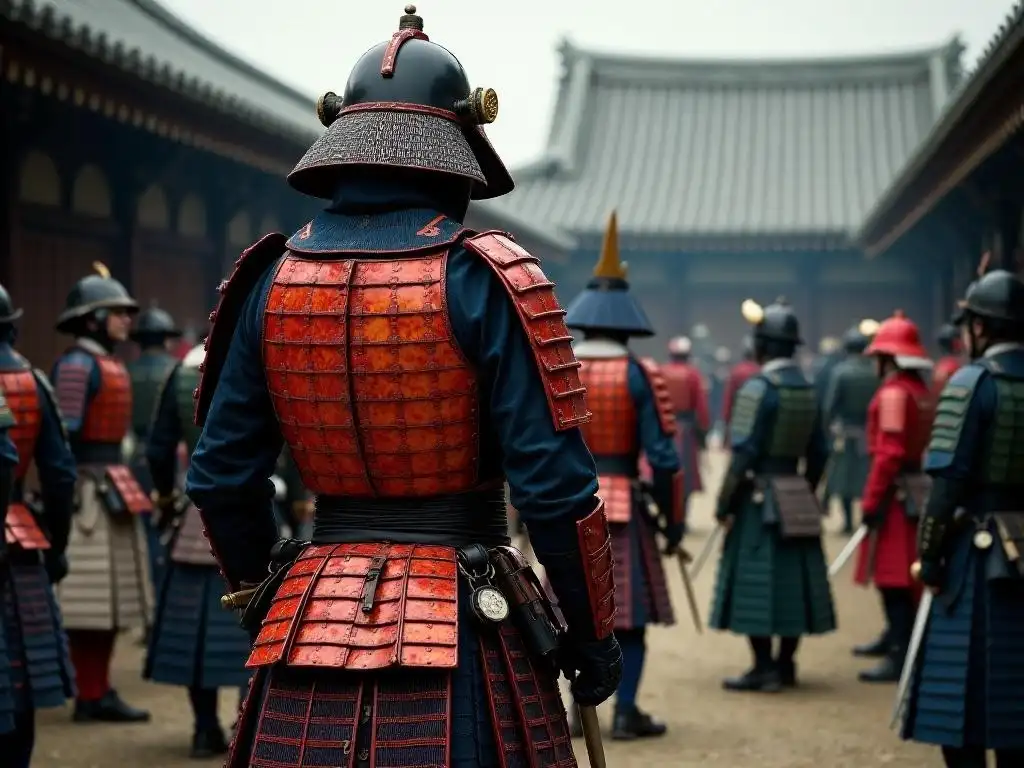
The Battle of Sekigahara, fought on October 21, 1600, was not merely a spontaneous conflict; it was the culmination of decades of political intrigue, shifting alliances, and deep-seated rivalries among Japan's feudal lords. Understanding the build-up to this pivotal battle requires a closer examination of the alliances formed and the strategic significance of the Sekigahara region.
Alliances and Rivalries in the Lead-Up to the Conflict
In the late 16th century, Japan was embroiled in the Sengoku period, characterized by continuous military conflict and the struggle for dominance among powerful daimyōs (feudal lords). The key players in the lead-up to the Battle of Sekigahara were:
- Tokugawa Ieyasu: Emerged as a prominent figure following the death of Oda Nobunaga and the subsequent rise of Toyotomi Hideyoshi. As a skilled strategist, Ieyasu built a network of alliances, solidifying his power in the Kanto region.
- Toyotomi Hideyori: The son of Hideyoshi, he was a significant rival to Ieyasu's ambitions. After Hideyoshi's death in 1598, a power vacuum emerged, leading to a struggle for control of Japan. Hideyori was backed by a coalition of daimyōs who remained loyal to the Toyotomi legacy.
- The Western Alliance: This coalition included powerful daimyōs such as Ishida Mitsunari and Mōri Terumoto, who aimed to preserve the Toyotomi rule against Ieyasu's growing influence. Their unity was a response to the fear of Tokugawa hegemony, which threatened their territorial and political autonomy.
- The Eastern Forces: Comprising Ieyasu’s loyal supporters, this faction included notable figures like Uesugi Kagekatsu and Honda Tadakatsu. Their allegiance to Ieyasu was pivotal in gathering military strength for the impending confrontation.
These alliances were fluid, shifting based on political needs and personal ambitions. The conflicts were not only military but also ideological, as many daimyōs were motivated by loyalty to their former leaders or the desire for power and land.
Strategic Importance of Sekigahara Location
The geographical positioning of Sekigahara significantly contributed to its strategic importance in the conflict. Located in Gifu Prefecture, Sekigahara served as a critical junction connecting various regions of Japan. Here are some key factors regarding its strategic significance:
- Geographical Advantage: Sekigahara is situated between the Kanto and Kansai regions, making it a vital pathway for troop movements. Control of this area enabled the Tokugawa forces to secure routes to the west and south, facilitating the movement of reinforcements and supplies.
- Terrain and Fortifications: The surrounding hills and mountains provided natural defensive positions. Both factions recognized the importance of these topographical features, leading to intense skirmishes over advantageous high ground.
- Proximity to Key Cities: Sekigahara's location was close to major cities like Kyoto, the imperial capital, and Osaka, which was a critical economic hub. Control of Sekigahara allowed for strategic dominance over these key urban centers.
- Timing of the Battle: The timing in October was also strategic, as it coincided with the end of the harvest season, allowing both sides to mobilize large armies. However, late autumn weather posed risks, particularly for those unprepared for the change in conditions.
The combination of alliances, rivalries, and the strategic location of Sekigahara set the stage for what would become one of the most significant battles in Japanese history. Understanding these elements provides critical insight into the complex political landscape that characterized the era leading up to the Battle of Sekigahara.
The Day of the Battle: September 15, 1600
The Battle of Sekigahara, fought on September 15, 1600, was a pivotal moment in Japanese history that led to the establishment of the Tokugawa shogunate. This clash not only determined the fate of the warring factions but also set the stage for over two centuries of peace known as the Edo period. On this day, two primary factions faced off: the Eastern Army, led by Tokugawa Ieyasu, and the Western Army, commanded by Ishida Mitsunari.
The stakes were immensely high, as both leaders aimed to consolidate power in a fragmented Japan following the death of Toyotomi Hideyoshi. With approximately 160,000 troops engaged, the battle unfolded across a landscape that would become legendary in Japanese lore. The meticulous planning and strategic maneuvering of both sides highlight the complexities of warfare during this tumultuous era.
Troop Strengths and Strategies of Both Sides
The troop strengths at Sekigahara were significant, with each side deploying unique strategies that reflected their respective military philosophies.
- Eastern Army (Tokugawa Ieyasu):
- Troop Strength: Approximately 75,000 soldiers.
- Key Allies: Included powerful clans such as the Date, Uesugi, and the Matsudaira.
- Strategy: Tokugawa aimed for a decisive, swift victory. Utilizing the element of surprise, he positioned his forces to take advantage of the terrain and employed a strategy of encirclement.
- Western Army (Ishida Mitsunari):
- Troop Strength: Around 80,000 soldiers, bolstered by regional lords who pledged their loyalty.
- Key Allies: Notable clans included the Mōri, Uesugi, and the Shimazu.
- Strategy: Ishida's approach was more defensive. He relied on the loyalty of his diverse coalition and prepared to hold key positions, anticipating a prolonged engagement.
Both sides were aware that the outcome of this battle would not only determine regional supremacy but also reshape the political landscape of Japan for generations.
Key Events and Turning Points During the Battle
The Battle of Sekigahara was marked by several key events that collectively influenced its outcome.
Initial Engagements and Skirmishes
The battle commenced early in the morning, with skirmishes erupting as both sides tested each other's defenses. Notable initial engagements included:
- The Attack on the Western Vanguard: Tokugawa’s forces launched an assault on the Western Army's advance guard, aiming to disrupt their formations. This initial engagement set the tone for the day's fierce combat.
- The Betrayal of Kobayakawa Hideaki: A crucial turning point occurred when Kobayakawa, initially aligned with the Western Army, switched sides at a critical moment during the battle. His defection led to confusion among Ishida Mitsunari's troops and significantly tilted the balance of power toward Tokugawa.
The chaos that ensued from these early clashes made it evident that the battle would be decided by more than sheer numbers; loyalty and strategy would play vital roles.
The Role of Terrain in the Battle of Sekigahara
The geographic features of Sekigahara profoundly influenced the battle's dynamics. The terrain included hills, valleys, and rivers, which dictated troop movements and tactical decisions.
- Hills and Elevation: The high ground provided significant advantages for archers and infantry. Tokugawa’s forces took strategic positions on hills, allowing them to gain a superior vantage point over the battlefield.
- Natural Barriers: Rivers and dense foliage created natural obstacles that affected troop deployments and supply lines. The Western Army struggled to maintain cohesion as they maneuvered through the challenging landscape.
- Weather Conditions: Rainy weather on the day of the battle further complicated visibility and mobility for both factions, impacting their tactical plans.
Understanding the terrain was crucial for both commanders, and those who effectively leveraged these features could manipulate the flow of battle to their advantage. Ultimately, the agile strategies employed by Tokugawa Ieyasu in conjunction with his superior understanding of the battlefield terrain contributed significantly to his victory at Sekigahara.
Aftermath of the Battle of Sekigahara
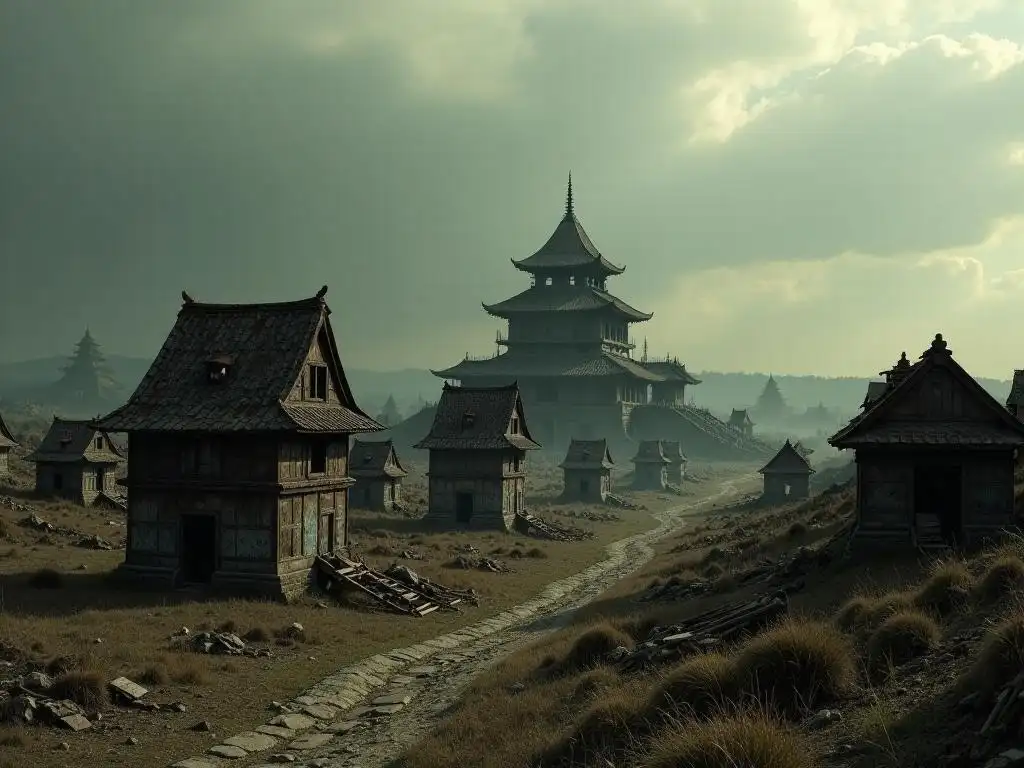
The Battle of Sekigahara, fought on October 21, 1600, marked a pivotal moment in Japanese history, leading to profound changes in the political landscape and societal structure of Japan. The aftermath of this decisive conflict set the stage for over two centuries of peace under the Tokugawa Shogunate, fundamentally altering the trajectory of Japanese society and culture.
Immediate Consequences for the Warring Factions
The immediate aftermath of the Battle of Sekigahara saw a significant realignment of power among the samurai clans. The victory of Tokugawa Ieyasu and his forces over the Western army, led by Ishida Mitsunari, resulted in the following key consequences:
- Loss of Power for the Western Army: The defeat led to the swift dissolution of the Western coalition. Key figures such as Ishida Mitsunari were executed, while many of their allies faced severe reprisals, including land confiscations and forced seppuku (ritual suicide).
- Shifts in Loyalty: The battle caused many daimyōs (feudal lords) to reassess their allegiances. Those who had remained neutral or opposed to Tokugawa Ieyasu were pressured to pledge loyalty to the new regime, often through marriages or promises of loyalty.
- Territorial Realignments: Following Sekigahara, Ieyasu redistributed land to ensure that loyal allies held strategic territories, thus reinforcing his power and consolidating control over Japan. The Tokugawa Shogunate emerged with a detailed system for managing these lands, known as the han system, where each domain was ruled by a daimyō loyal to Ieyasu.
Establishment of the Tokugawa Shogunate
The Battle of Sekigahara was instrumental in the establishment of the Tokugawa Shogunate, which lasted from 1603 to 1868. This period is often referred to as the Edo Period, named after the shogunate's capital, Edo (modern-day Tokyo). Key developments during this time included:
- Formalization of Power: In 1603, Tokugawa Ieyasu was appointed shōgun by the emperor, legitimizing his control over Japan. This marked the beginning of a centralized feudal government that would bring unprecedented stability to the nation.
- Enforcement of Peace: The Tokugawa regime implemented a strict class hierarchy and a code of conduct (the Bushido code) that emphasized loyalty, honor, and discipline. These measures significantly reduced internal conflicts and established a long-lasting peace, known as the Pax Tokugawa.
- Control of the Samurai Class: The shogunate closely monitored the samurai class, limiting their military power and preventing the rise of any potential rival leaders. This was achieved through policies such as the Sankin-kōtai system, which required daimyōs to spend alternating years in Edo, effectively keeping them under Tokugawa control.
Long-Term Impacts on Japanese Society and Culture
The long-term impacts of the Battle of Sekigahara and the subsequent Tokugawa Shogunate were profound, affecting various aspects of Japanese society and culture:
- Cultural Flourishing: The Edo Period witnessed a flourishing of culture and arts, including the development of ukiyo-e (woodblock prints), kabuki theater, and literature. The relative peace allowed for a rich cultural exchange and the growth of urban centers.
- Isolationist Policies: The Tokugawa Shogunate adopted a policy of sakoku (national isolation), limiting foreign influence and trade. This isolation lasted for over two centuries, shaping Japan's unique cultural identity and preserving traditional practices.
- Social Structure: The rigid class system established during this period classified society into four main classes: samurai, farmers, artisans, and merchants. This stratification had lasting effects on social dynamics, economic structures, and the role of each class in society.
The aftermath of the Battle of Sekigahara was a transformative period that not only established the Tokugawa Shogunate but also laid the foundation for Japan's societal norms and cultural identity that would last well into the modern era. The battle itself remains a critical event in the Battle of Sekigahara history, emblematic of the struggle for power and the shaping of a nation.
Cultural Significance of the Battle of Sekigahara
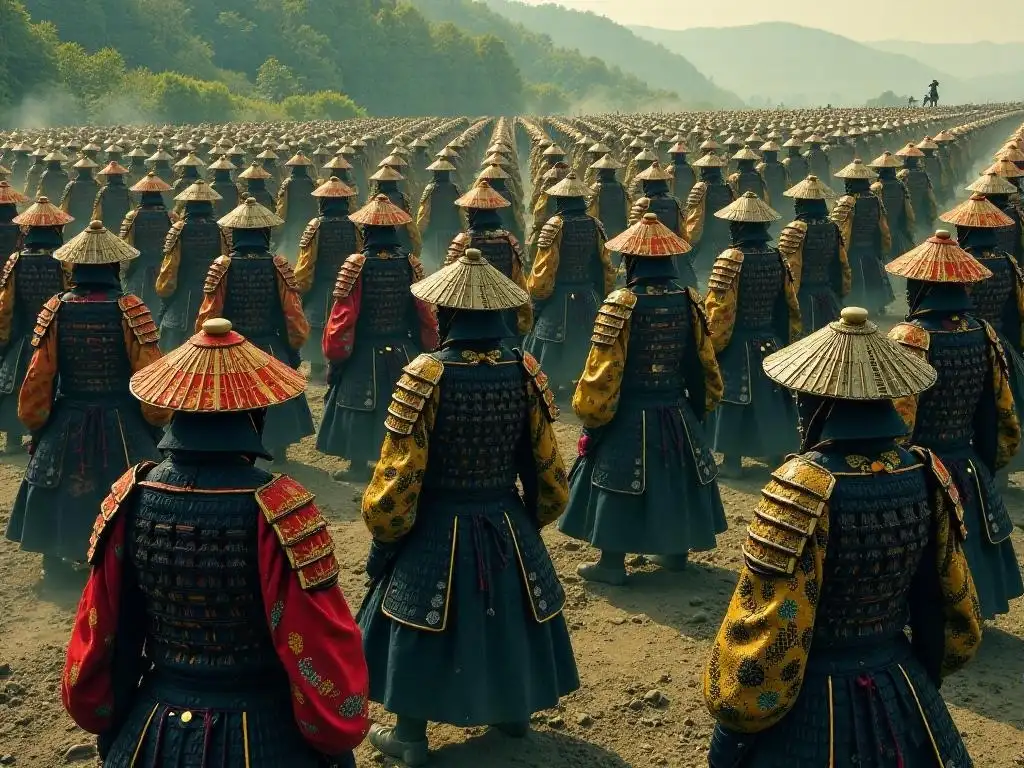
The Battle of Sekigahara, fought on October 21, 1600, is not only a pivotal moment in Japan’s military history but also a profound cultural touchstone that has influenced various aspects of Japanese society. Its repercussions extended far beyond the battlefield, shaping the national identity, artistic expression, and historical memory of Japan.
Representation in Japanese Literature and Arts
The Battle of Sekigahara has been immortalized in numerous works of literature and the arts, reflecting its significance in the Japanese psyche.
- Literature: The battle is often depicted in historical novels, poetry, and folklore. Notable works include:
- "Taiko" by Eiji Yoshikawa, which narrates the life of Toyotomi Hideyoshi and the events leading up to Sekigahara, framing it as a moral and strategic turning point.
- "The Tale of the Heike", while primarily focused on the Genpei War, echoes themes of loyalty and tragedy that resonate with the aftermath of Sekigahara.
- Theater: Kabuki and Noh dramas frequently draw on the themes of loyalty, betrayal, and the samurai code that were exemplified during the battle. Performances often highlight the dramatic moments leading up to the conflict and its profound consequences.
- Visual Arts: Ukiyo-e woodblock prints depicting the battle capture the valor and chaos of combat. Artists like Utagawa Kuniyoshi created striking images that romanticize the samurai and their exploits, ensuring that the story of Sekigahara remains vivid in the collective memory.
This representation in literature and arts not only captures the events of the battle but also reflects the values and emotions of the time, such as honor, loyalty, and the tragic nature of warfare.
Memorialization and Commemoration of the Battle
The memory of the Battle of Sekigahara is preserved through various forms of commemoration, demonstrating its enduring impact on Japanese culture.
- Monuments and Shrines: Numerous monuments and shrines have been erected to honor those who fought in the battle. For instance, the Sekigahara Battlefield Memorial Park serves as a site of remembrance, where visitors can learn about the battle's significance and its key figures.
- Annual Festivals: The Sekigahara Battle Festival is held annually in the town of Sekigahara, attracting visitors who participate in reenactments, parades, and educational events. This festival not only commemorates the battle but also fosters a sense of community and historical awareness among participants.
- Historical Education: The battle is a focal point in Japan's history curriculum, ensuring that future generations understand its significance. Schools often organize trips to historical sites related to Sekigahara, fostering a deeper connection with this pivotal moment in Japanese history.
The cultural significance of the Battle of Sekigahara extends beyond its military implications, influencing literature, arts, and ongoing commemorative practices. Its legacy continues to shape Japan's cultural landscape, making it a vital subject of study for anyone interested in the complex tapestry of feudal Japan’s history.
Myths and Realities Surrounding the Battle of Sekigahara
Common Misconceptions About the Battle
The Battle of Sekigahara, fought on October 21, 1600, is often cloaked in myths that have distorted its historical significance. One prevalent misconception is that the battle was a straightforward military engagement primarily defined by the number of troops involved. While troop strength played a role, the battle was heavily influenced by political maneuvering, alliances, and betrayals that shaped its outcome.
Another myth suggests that the battle was a simple clash between the forces of Tokugawa Ieyasu and his rival, Ishida Mitsunari. In reality, the battle was a culmination of decades of political intrigue and shifting loyalties among the samurai class. The complexity of feudal allegiances meant that many daimyos were not simply aligned with one side or the other, leading to a battlefield that was as much about strategy and deception as it was about direct confrontation.
Additionally, the aftermath of Sekigahara is often romanticized as a decisive victory that instantly brought peace to Japan. While it did lead to the establishment of the Tokugawa shogunate, the political landscape remained tumultuous for years afterward, with lingering conflicts and uprisings that challenged Tokugawa authority.
Historical Truths and Clarifications
To better understand the Battle of Sekigahara history, it is crucial to clarify some of these misconceptions with historical truths.
- Political Context: The battle occurred in a context of deep-seated political instability following the death of Toyotomi Hideyoshi. His death left a power vacuum that various factions sought to fill, setting the stage for the clash at Sekigahara.
- Strategic Alliances: The Tokugawa Ieyasu camp was not solely comprised of loyalists; it included daimyos who were driven by self-interest and the desire for power. Some allied with Ieyasu in anticipation of his likely victory, while others were coerced or persuaded through promises of land and influence.
- Tactical Innovations: Ieyasu's victory was not merely due to superior numbers; it was also a testament to his strategic genius. He employed tactical innovations such as the use of terrain and surprise tactics that capitalized on the weaknesses of his opponents.
- Role of Espionage: Intelligence played a pivotal role in the battle. Ieyasu’s spies provided critical information about the movements and plans of Mitsunari's forces, allowing him to outmaneuver his opponents effectively. This highlights the importance of information and deception in feudal warfare.
- Consequences of the Battle: The aftermath of Sekigahara solidified Tokugawa rule, but it also set a precedent for future conflicts and civil unrest. The Tokugawa shogunate faced numerous challenges, including the Shimabara Rebellion and the Matsukura Rebellion, which illustrated that peace was not fully realized until decades later.
Understanding the Battle of Sekigahara involves peeling back the layers of myth and exploring the intricate realities that defined this pivotal moment in Japanese history. The battle not only shaped the future of Japan but also reflects the complexities of feudal society, where loyalty, strategy, and power dynamics continuously evolved.
Conclusion: Legacy of the Battle of Sekigahara in Japanese History
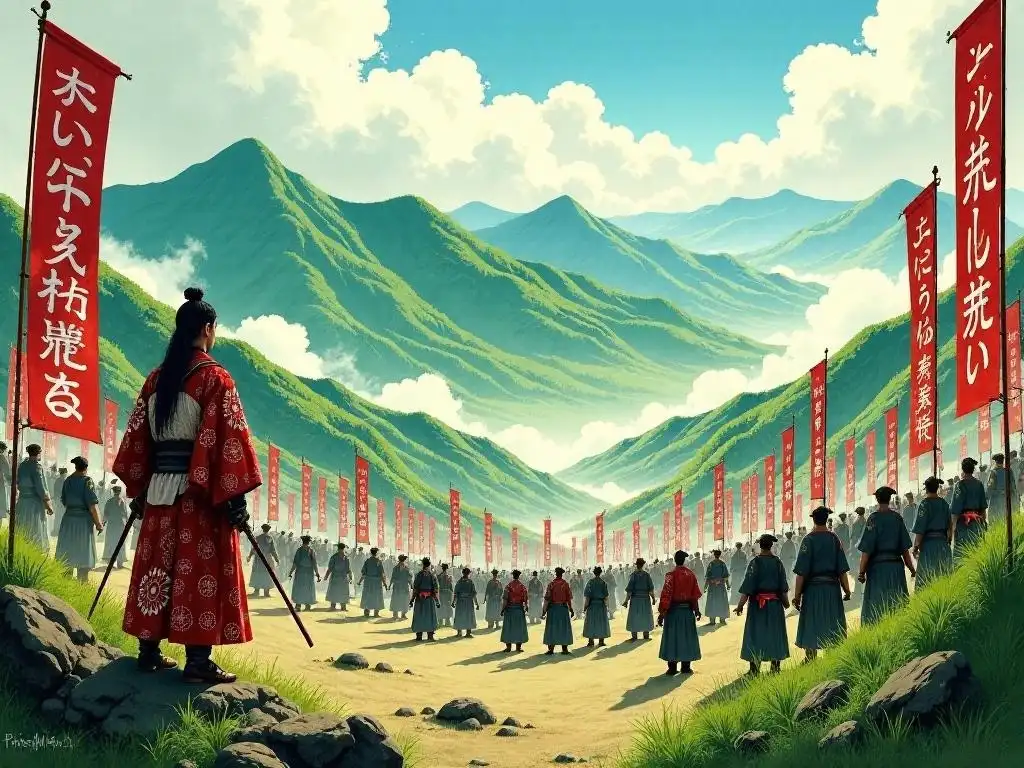
The Battle of Sekigahara, fought on October 21, 1600, stands as a pivotal moment in Japanese history, marking the transition from the tumultuous Sengoku period to the more stable Edo period. This battle not only determined the fate of the Tokugawa clan but also laid down the foundations for a centralized feudal government that would dominate Japan for over 250 years. The implications of this conflict reverberate through the subsequent political, cultural, and social landscapes of Japan, shaping the nation into what it is today.
Reflections on the Battle's Role in Shaping Modern Japan
The battle's outcome solidified Tokugawa Ieyasu's power and led to the establishment of the Tokugawa shogunate. This regime implemented a strict social hierarchy and policies that fostered peace and economic stability, allowing culture and arts to flourish. The Tokugawa period is often referred to as the "Edo period," named after the capital city, Edo (now Tokyo).
- Political Structure: The shogunate centralized power, reducing the influence of regional daimyōs (feudal lords). This shift not only altered governance but also laid the groundwork for modern Japanese political systems.
- Cultural Development: The relative peace of the Edo period allowed for a renaissance in Japanese culture, including literature, theater, and art. Notable cultural developments include the rise of Ukiyo-e (woodblock prints) and the Kabuki theatre.
- Social Order: The rigid class structure that emerged during this time influenced social dynamics that would persist into modern Japan.
This battle remains a crucial reflection point for understanding Japan’s evolution—from feudal strife to a predominantly peaceful society.
Continuing Relevance of the Battle of Sekigahara Today
The legacy of the Battle of Sekigahara continues to resonate in contemporary Japan. Its historical significance is commemorated in various forms and serves as a profound reminder of the nation's tumultuous past.
- Educational Importance: The battle is frequently studied in schools as a key event that shaped Japan's history, making it an integral part of the national curriculum.
- Cultural References: The narrative of the battle has permeated various aspects of Japanese culture, from literature and film to festivals commemorating the event. Works such as historical novels and period dramas often depict the battle and its aftermath, keeping the memory alive.
- Tourism and Commemoration: The Sekigahara site has become a significant tourist attraction, with memorials and museums dedicated to the battle. Events are held annually to honor the historical figures involved, attracting history enthusiasts and tourists alike.
The Battle of Sekigahara not only changed the course of Japanese history but also continues to shape the cultural and societal narratives in modern Japan. Its legacy serves as a testament to the profound impact of this watershed moment, providing essential insights into the evolution of Japanese identity and governance.
Further Reading and Resources on the Battle of Sekigahara
Recommended Books and Articles
To gain a deeper understanding of the Battle of Sekigahara history, numerous books and academic articles provide insightful perspectives and detailed analyses. Here are some highly recommended titles:
- "Sekigahara 1600: The Final Struggle for Power" by Stephen Turnbull
- This book offers a comprehensive overview of the battle, including tactical details and the political climate leading up to the conflict. Turnbull’s expertise in military history shines through, making it an essential read for enthusiasts.
- "The Battle of Sekigahara" by David A. Anderson
- Anderson’s work delves into the strategic elements of the battle, examining the key figures involved and their motivations. The book also discusses the aftermath and its lasting impact on Japan’s feudal structure.
- "Japan's Last Shogun: The Life and Times of Tokugawa Yoshinobu" by John A. B. Palmer
- While primarily focused on Tokugawa Yoshinobu, this book places significant emphasis on the Battle of Sekigahara, exploring how the conflict effectively ended the Sengoku period and set the stage for the Tokugawa shogunate.
- "Warriors of Japan: The Story of the Samurai" by William Scott Wilson
- This title contextualizes the battle within the larger narrative of samurai culture and warfare, providing a broader understanding of the social and military structures at play during the feudal era.
- Academic Articles
- Various scholarly articles can be found in journals dedicated to Japanese history and military studies. Titles like "The Role of Loyalty in the Battle of Sekigahara" or "Strategic Decisions in the Sekigahara Conflict" offer critical insights into the motivations and decisions that shaped the battle.
Documentaries and Historical Reenactments
Visual resources can provide a vivid portrayal of the Battle of Sekigahara history, enhancing the understanding of its significance through engaging storytelling and dramatic reenactments. Here are some notable recommendations:
- "Sekigahara: The Battle for Japan" (Documentary)
- This documentary presents a detailed overview of the battle, featuring expert interviews, battlefield tours, and animated maps that illustrate troop movements and strategies used during the conflict.
- "The Samurai: Warriors of Japan" (Series)
- A documentary series that covers the history of the samurai, with episodes dedicated to pivotal battles, including Sekigahara. It blends historical facts with reenactments, providing viewers with a rich narrative experience.
- Historical Reenactments
- Various historical societies and organizations in Japan host annual reenactments of the Battle of Sekigahara. These events often feature authentic costumes, traditional weaponry, and meticulously recreated battle scenarios, offering participants and spectators an immersive experience of this critical moment in Japanese history.
- YouTube Channels
- Channels dedicated to military history often feature in-depth analyses and reenactments of the Battle of Sekigahara. Videos may include discussions on the tactics employed and the cultural ramifications of the battle, making them valuable resources for both casual viewers and serious historians.
In exploring these resources, readers can gain a multifaceted understanding of the Battle of Sekigahara and its profound impact on Japan’s historical landscape.
Frequently Asked Questions
What was the Battle of Sekigahara?
The Battle of Sekigahara was a decisive conflict that took place in 1600, marking the end of the Sengoku period and leading to the establishment of the Tokugawa shogunate.
Why is the Battle of Sekigahara significant in Japanese history?
This battle is significant because it determined the political landscape of Japan for over 250 years, solidifying the power of the Tokugawa clan and ushering in a long era of peace and stability known as the Edo period.
Who were the main figures involved in the Battle of Sekigahara?
Key figures included Ieyasu Tokugawa, who led the victorious forces, and Ishida Mitsunari, who commanded the opposing side. Their rivalry and strategies played a crucial role in the battle's outcome.
What were the outcomes of the Battle of Sekigahara?
The battle resulted in the defeat of Mitsunari's forces, leading to the consolidation of power under Tokugawa Ieyasu and the subsequent establishment of a centralized feudal system in Japan.
How did the Battle of Sekigahara impact Japanese culture?
The battle's outcome influenced Japanese culture by promoting Confucian values, establishing a rigid social hierarchy, and fostering a sense of national identity that persisted throughout the Edo period.
Final Reflection: The Enduring Legacy of the Battle of Sekigahara
The Battle of Sekigahara stands as a pivotal moment in Japanese history, marking the transition from a fragmented feudal society to a unified nation under the Tokugawa shogunate. This clash not only determined the political landscape of Japan but also set the stage for centuries of peace and stability. Today, as we reflect on the implications of this battle, we recognize its profound influence on Japan's cultural identity and governance. The echoes of Sekigahara remind us that history is not merely a collection of dates and events, but a tapestry that shapes our present and future.
The impact of the Battle of Sekigahara extends far beyond the battlefield; it has woven itself into the very fabric of Japanese culture and society. The lessons learned from this conflict resonate in contemporary discussions about leadership, loyalty, and the consequences of ambition. As historian John W. Hall aptly stated, “The past is never dead.
It’s not even past.” > This quote encapsulates the ongoing relevance of Sekigahara, as its themes of power struggles and alliances continue to inform our understanding of political dynamics today. The battle serves as a reminder of the complexities of human nature and the intricate dance of history that shapes our lives.
As we conclude our exploration of the Battle of Sekigahara, I invite you to reflect on the lessons it imparts. Consider how the decisions made in the past resonate in your own life and the world around you. Let the story of Sekigahara inspire you to think critically about the choices you face and the legacies you wish to leave behind. Embrace the opportunity to learn from history, for it is in understanding our past that we can forge a brighter future.
Unveil the Legacy of Sekigahara – Take Action Today!
Thank you for exploring the fascinating insights into the Battle of Sekigahara! Your interest not only deepens your understanding of Japan's rich history but also empowers you to connect with this transformative period. Now, let's take the next steps in uncovering the impact of this critical event.
- Dive deeper into the personal stories of the warriors who fought in the battle—research and share an inspiring biography or account with friends!
- Join a community of history enthusiasts—find or create a discussion group focused on feudal Japan to exchange thoughts and insights.
- Explore related events by visiting historical sites or museums that feature exhibitions on battles from the Sengoku period and their significance.
What aspect of the Battle of Sekigahara intrigues you the most, and how will it reshape your perception of Japan's history?