
The Significance of the Battle of the 47 Ronin: Honor, Revenge, and Loyalty

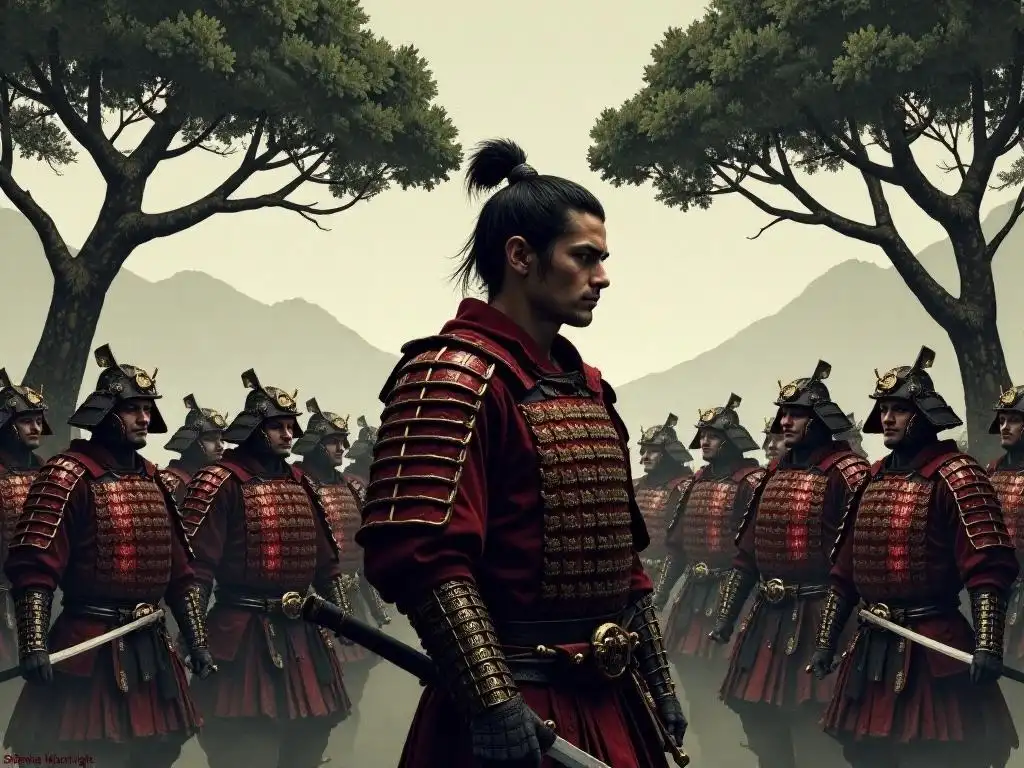
Welcome to Feudal Japan History, where the echoes of the past resonate through the pages of history. Immerse yourself in the captivating tale of the Battle of the 47 Ronin, a legendary episode that encapsulates the essence of honor, revenge, and loyalty within Japan's feudal society. Discover how this dramatic confrontation not only shaped the landscape of military history but also left an indelible mark on Japanese culture and values.
Prepare to delve deeper into the significance of this pivotal moment that continues to inspire and intrigue. Join us as we unravel the layers of this extraordinary story and invite you to explore the rich tapestry of Japan’s feudal era.
- Introduction to the Battle of the 47 Ronin Significance
- Historical Context of the Battle of the 47 Ronin
- The Significance of the Battle of the 47 Ronin
- The Aftermath of the Battle of the 47 Ronin
- Lessons Learned from the Battle of the 47 Ronin
- Conclusion: The Lasting Impact of the Battle of the 47 Ronin
-
Frequently Asked Questions
- What was the Battle of the 47 Ronin about?
- Why is the Battle of the 47 Ronin significant in Japanese history?
- How does the Battle of the 47 Ronin reflect Japanese culture?
- What are the broader implications of the Battle of the 47 Ronin on Japanese society?
- How is the Battle of the 47 Ronin portrayed in modern media?
- Final Reflection: The Enduring Legacy of Honor and Loyalty
- Unveil the Legacy of Honor: Take Action Now!
Introduction to the Battle of the 47 Ronin Significance
The Battle of the 47 Ronin stands as one of the most poignant events in Japanese history, encapsulating the intricate interplay of honor, revenge, and loyalty that defined the samurai ethos during the feudal era. This legendary tale, originating in the early 18th century, revolves around a group of masterless samurai (ronin) who sought to avenge the wrongful death of their lord, Asano Naganori.
Their actions resonate deeply within the cultural fabric of Japan, symbolizing the ultimate sacrifice for loyalty and honor. Through this comprehensive exploration, we will delve into the significance of the Battle of the 47 Ronin, examining its historical context, cultural implications, and the enduring legacy that continues to inspire discussions about honor and duty in both historical and contemporary societies.
Overview of the 47 Ronin and Their Story
The saga of the 47 Ronin begins in 1701 when Lord Asano of the Ako Domain was provoked into drawing his sword against Kira Yoshinaka, a powerful court official. Asano's rash action led to his forced seppuku (ritual suicide), leaving his samurai without a master, thus branding them as ronin.
The remaining samurai, driven by a profound sense of loyalty to their fallen lord, plotted a carefully orchestrated revenge against Kira. Over the course of two years, they meticulously planned their attack while maintaining a facade of normalcy, showcasing their strategic acumen and dedication. On the night of their assault in 1703, the 47 Ronin attacked Kira's mansion, ultimately killing him and avenging their lord's disgrace.
This remarkable tale is not just a story of revenge; it is a testament to the samurai values of honor, loyalty, and bravery. The 47 Ronin's commitment to their cause has made their story a vital part of Japan's national identity, celebrated in various forms of literature, theater, and film.
Importance of Honor, Revenge, and Loyalty in Feudal Japan
In feudal Japan, the concepts of honor, revenge, and loyalty were paramount to the samurai code known as Bushido. This ethical framework dictated the behavior and responsibilities of samurai warriors, emphasizing the importance of loyalty to one's lord (daimyo) and the obligation to seek retribution for any dishonor inflicted upon their family or master.
- Honor: For the samurai, honor was everything. The act of seppuku, as demonstrated by Lord Asano, was seen as a noble way to atone for one's mistakes. The 47 Ronin's quest for vengeance was not merely an act of violence; it was a way to restore their honor and that of their fallen lord.
- Revenge: The pursuit of revenge was often sanctioned within samurai culture, viewed as a necessary duty. The 47 Ronin's careful planning and execution of their mission exemplify the idea that vengeance must be executed with precision and honor, reinforcing their commitment to the samurai way.
- Loyalty: The unwavering loyalty of the 47 Ronin highlights the profound bonds that existed between samurai and their lords. This loyalty transcended life and death, as evidenced by their willingness to sacrifice their own lives for the honor of avenging their lord.
The significance of the Battle of the 47 Ronin extends far beyond the battlefield. It serves as a reflection of the enduring values that shaped feudal Japanese society, offering insights into the cultural principles that continue to resonate in modern Japan. The story of the 47 Ronin remains a powerful reminder of the complexities of honor, revenge, and loyalty that lie at the heart of Japan's rich historical narrative.
Historical Context of the Battle of the 47 Ronin
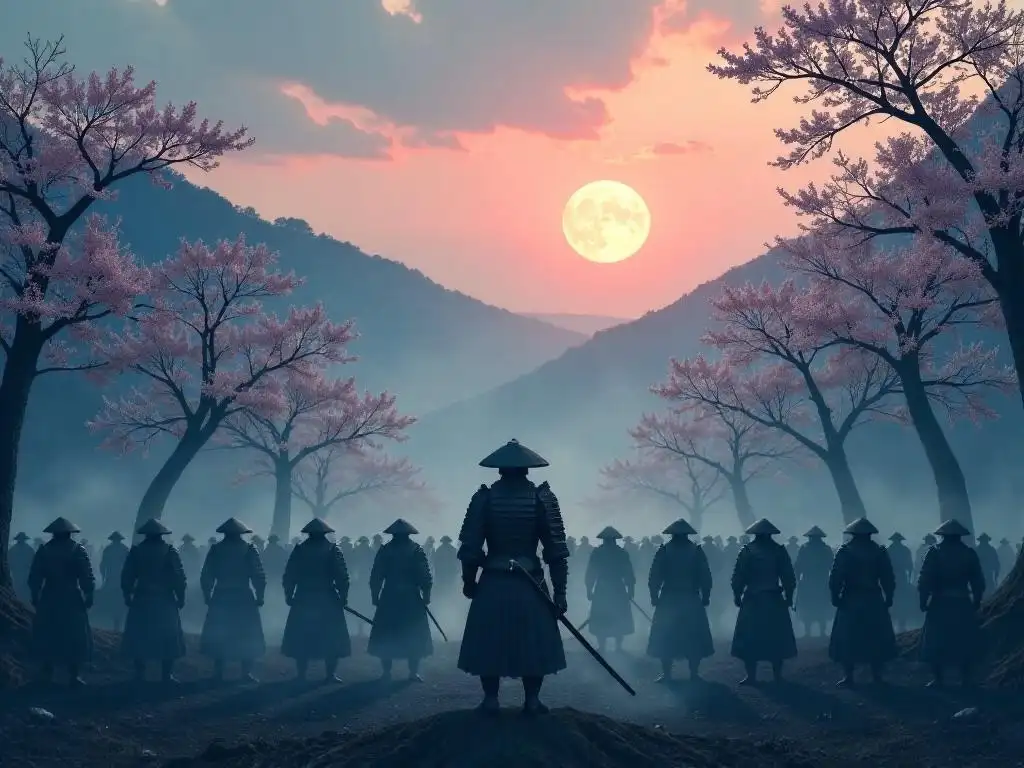
The Political Landscape of Feudal Japan
The Battle of the 47 Ronin, a pivotal moment in Japanese history, took place against a backdrop of a highly stratified feudal system. The political landscape of feudal Japan during the early 18th century was characterized by a rigid hierarchy, where power was concentrated in the hands of the shōgun and the daimyōs, regional lords who governed vast territories.
- Shōgunate System: The Tokugawa shogunate, established in 1603, maintained a strict central authority while allowing daimyōs to control their domains. This equilibrium was crucial for maintaining peace during the Edo period, but it also bred discontent among samurai, particularly regarding honor and loyalty.
- Samurai Code (Bushidō): The samurai adhered to a strict code of conduct known as Bushidō, which emphasized loyalty, honor, and personal sacrifice. This code dictated that a samurai's actions must align with their lord's wishes, and failure to uphold these principles could result in disgrace, often leading to acts of revenge or ritual suicide (seppuku).
- Social Tensions: The era was marked by social tensions between the ruling class and the lower classes, as well as among samurai themselves. The rigid social structure left many warriors, particularly those without lords (ronin), feeling marginalized and without purpose.
This political milieu set the stage for the events surrounding the Battle of the 47 Ronin, where notions of honor and vengeance would collide in a dramatic confrontation.
Key Figures Involved in the Battle
Several key figures played crucial roles in the events leading up to and during the Battle of the 47 Ronin. Each character contributed to the narrative of honor, loyalty, and revenge that defined this pivotal conflict.
- Asano Naganori: The daimyō of the Ako Domain, Asano was the catalyst for the conflict. His unprovoked attack on the court official Kira Yoshinaka stemmed from perceived insults and a violation of samurai honor. This act not only led to Asano's forced seppuku but also set his loyal retainers on the path of revenge.
- Kira Yoshinaka: A court official and the antagonist in this story, Kira was known for his ruthless ambition and disdain for the samurai class. His actions towards Asano and subsequent role in the latter's demise ignited the desire for vengeance among the 47 ronin.
- Oishi Yoshio: The leader of the 47 ronin, Oishi was instrumental in formulating the plan for revenge. Under his leadership, the group exemplified the samurai virtues of patience and strategy, waiting for the opportune moment to strike while maintaining a façade of normalcy.
These figures are not merely historical personalities; they embody the values and conflicts of feudal Japan, making their stories integral to understanding the significance of the Battle of the 47 Ronin.
The Events Leading Up to the Battle
The events leading up to the Battle of the 47 Ronin are steeped in intrigue and tragedy, forming a narrative that underscores the complexities of honor and loyalty in feudal Japan.
- Initial Conflict: In 1701, Asano Naganori was summoned to the shogun's court in Edo to receive instructions on how to host envoys from the emperor. During this time, he encountered Kira Yoshinaka, who insulted and demeaned him. Unable to tolerate Kira's behavior, Asano attacked him with a dagger, resulting in Kira's injury.
- Punishment of Asano: Asano's violent outburst was met with severe consequences. The shōgun ordered him to commit seppuku, thereby stripping him of his honor and leading to the disbandment of his samurai retainers, who became ronin, or masterless warriors.
- The Call for Revenge: Following Asano's death, Oishi Yoshio and the other ronin, driven by loyalty to their fallen lord, vowed to avenge him. They meticulously planned their revenge over the course of two years, portraying themselves as disillusioned and broken men to avoid suspicion.
- Climactic Confrontation: On the night of December 14, 1702, the 47 ronin launched their attack on Kira’s mansion. The battle was not merely a fight for revenge; it was a demonstration of loyalty and the samurai code. They successfully killed Kira, fulfilling their promise to their lord.
This series of events highlights the intertwining of honor, loyalty, and revenge, underscoring the significance of the Battle of the 47 Ronin in the broader context of Japan's feudal era. The tale resonates even today, symbolizing the enduring values of loyalty and dedication in Japanese culture.
The Significance of the Battle of the 47 Ronin
The Battle of the 47 Ronin stands as a monumental event in Japanese history, symbolizing the deep-rooted values of honor, loyalty, and revenge that permeated the feudal era. This pivotal confrontation not only reflects the societal norms of the time but also serves as a lens through which we can understand the complex interplay between personal and societal obligations among the samurai class. Understanding its significance requires delving into the themes of honor and revenge that were central to the motivations of the ronin, or masterless samurai, involved in this legendary saga.
Honor as a Central Theme
Definition of Honor in Feudal Japanese Society
In feudal Japan, honor was an intrinsic value that guided the actions and decisions of samurai. It was not merely a personal trait but a societal expectation that dictated the behavior of individuals within the warrior class. The concept of honor encompassed several key aspects, including:
- Reputation: A samurai's standing in society was heavily influenced by their reputation. Actions taken to uphold or restore honor could elevate one’s status or, conversely, lead to disgrace.
- Dutifulness: Loyalty to one’s lord (daimyo) was paramount. Failure to act in accordance with this loyalty could result in severe consequences, including loss of honor and status.
- Sacrifice: The willingness to sacrifice one’s life for the sake of honor epitomized the samurai ethos. This principle was vividly illustrated in the actions of the 47 Ronin, who were prepared to die to avenge their lord.
The 47 Ronin's quest for vengeance was closely tied to their sense of honor. Their actions were not motivated solely by personal grief but by the larger obligation to restore the honor of their deceased lord, Asano Takumi-no-kami Naganori.
The Role of Bushido in the 47 Ronin's Actions
Bushido, often translated as "the way of the warrior," was the ethical code that governed the samurai class. It emphasized virtues such as loyalty, courage, and honor. In the context of the Battle of the 47 Ronin, bushido played a crucial role in shaping the samurai's motivations:
- Loyalty: The ronin exemplified unwavering loyalty to their fallen lord. Their commitment to avenging Asano's death was a direct reflection of the bushido principle of loyalty.
- Courage and Resolve: Facing overwhelming odds and certain death, the ronin displayed remarkable courage, adhering to bushido's call for bravery in the face of adversity.
- Ritual Suicide (Seppuku): The concept of seppuku, or ritual disembowelment, was a means to restore honor. The ronin's initial decision to commit seppuku rather than live as masterless warriors underscores the profound connection between honor and bushido.
Through their actions, the 47 Ronin not only sought vengeance but also aimed to uphold the very tenets of bushido that defined their existence.
Revenge: A Cultural Imperative
The Concept of Revenge in Samurai Culture
Revenge, particularly in samurai culture, was regarded as an essential duty rather than a mere act of personal grievance. The following points illustrate its cultural significance:
- Restoration of Balance: Revenge served as a mechanism to restore balance in the world. The samurai believed that failing to avenge a wrong would result in a perpetual state of dishonor.
- Collective Responsibility: The concept of revenge was often collective among samurai. The actions of the 47 Ronin were not solely personal; they were seen as a unified effort to right a wrong committed against their lord.
- Cultural Narratives: Stories of revenge permeated Japanese literature and theater, reinforcing the idea that vengeance was noble. The tale of the 47 Ronin became a symbol of righteous revenge and was immortalized in various cultural forms, including kabuki theater and literature.
This cultural imperative positioned revenge as a crucial component of the samurai identity, making the actions of the 47 Ronin resonate deeply within the societal consciousness.
How Revenge Motivated the 47 Ronin
The motivation for revenge among the 47 Ronin was both personal and collective, deeply intertwined with their sense of duty:
- Betrayal and Injustice: The wrongful death of Asano Takumi-no-kami, instigated by the corrupt courtier Kira Yoshinaka, ignited a burning desire for revenge among the ronin. They perceived Kira's actions as a betrayal not just to their lord but to the samurai code itself.
- Preparation and Strategy: The ronin meticulously plotted their revenge over the course of nearly two years, demonstrating their resolve and commitment to avenging their lord. This planning speaks volumes about their dedication to the samurai values of loyalty and honor.
- The Final Assault: The culmination of their efforts was the assault on Kira's mansion, which was executed with precision and valor. Their actions not only avenged Asano but also served as a demonstration of their unwavering commitment to the samurai way.
The Battle of the 47 Ronin thus encapsulates the themes of honor and revenge, highlighting their significance in shaping the actions of these samurai. Through their quest, they became more than just avengers; they became enduring symbols of loyalty and the samurai spirit.
Loyalty and Its Implications
Loyalty in the context of the Battle of the 47 Ronin transcends mere allegiance; it embodies a profound commitment to a code of honor known as bushido, which was central to samurai culture. This battle exemplifies the extreme lengths to which samurai would go to uphold their loyalty, demonstrating that their honor was tied not just to personal integrity but also to the memory of their lord.
In feudal Japan, loyalty was often seen as a virtue that defined one’s identity and social standing, making the actions of the 47 Ronin a significant case study in the exploration of loyalty's implications.
The story of the 47 Ronin highlights that loyalty could lead to both noble sacrifice and tragic consequences. Their decision to avenge their master, Asano Naganori, after his forced seppuku (ritual suicide), was not merely an act of vengeance; it was a significant cultural statement that emphasized the sanctity of loyalty and honor. This act resonated deeply within Japanese society, leading to a reevaluation of loyalty's role in ethical conduct among samurai and the broader populace.
Moreover, the implications of their loyalty extend beyond their immediate actions. The events surrounding the battle have become a poignant symbol in Japanese culture, representing the eternal struggle between duty and personal conflict. The 47 Ronin's commitment to their fallen master has been memorialized in literature, theater, and art, reflecting the enduring legacy of their actions and the concept of loyalty in Japanese history.
The Bond Among the 47 Ronin
The bond among the 47 Ronin was characterized by unwavering camaraderie and shared purpose. United by a common goal—avenging the death of their lord—the Ronin exemplified a collective loyalty that was rare and admirable. This bond was not simply forged by circumstance; it was cultivated through a shared adherence to the bushido code, which emphasized loyalty, bravery, and honor among samurai.
As they plotted their revenge against Kira Yoshinaka, the man responsible for their lord's disgrace and death, the Ronin demonstrated remarkable unity and strategic cooperation. They meticulously planned their attack over several months, showcasing their commitment to each other and to their cause. Their bond was further strengthened by the sacrifices they willingly made, including the abandonment of their own safety and well-being.
This collective loyalty is illustrated in various accounts of their actions leading up to the battle. The Ronin shared resources, coordinated training, and maintained secrecy, all of which were vital for their success. Their bond illustrated that loyalty among samurai was not just about allegiance to a leader, but also about mutual respect and shared sacrifices among comrades-in-arms.
Loyalty to a Fallen Master: A Case Study
The case of the 47 Ronin serves as a poignant example of loyalty to a fallen master, encapsulating the essence of samurai ethos. After Asano Naganori was compelled to commit seppuku, his loyal retainers were left in a harrowing predicament. Faced with the dishonor of their master’s demise and the indignity imposed by Kira Yoshinaka, the Ronin chose to honor their fallen lord by seeking revenge.
This decision was not taken lightly; the Ronin understood the potential repercussions of their actions. They were aware that attacking Kira would result in their own death, as such an act was illegal and would be viewed as a rebellion against the ruling authorities. Nevertheless, their loyalty compelled them to act, leading to a profound commitment that transcended their own lives. Their actions were steeped in a deep sense of duty, reflecting the samurai belief that revenge for one’s master was the ultimate form of loyalty.
The aftermath of the battle further highlights the significance of their loyalty. Upon successfully avenging Asano, the Ronin chose to commit seppuku rather than face the consequences of their actions. This final act illustrated the profound nature of their loyalty; they were willing to sacrifice everything, including their lives, to uphold their master’s honor. The story of the 47 Ronin remains a powerful testament to the ideals of loyalty and honor in Japanese culture, influencing generations to view loyalty not just as a duty, but as a sacred bond that defines one's very existence.
The Aftermath of the Battle of the 47 Ronin
Consequences for the 47 Ronin
The aftermath of the Battle of the 47 Ronin was profound, directly impacting the samurai involved and the broader societal context of feudal Japan. The immediate consequences revolved around the ultimate fate of the ronin. After successfully avenging their lord, Asano Naganori, the 47 ronin were faced with a moral dilemma and the rigid codes governing samurai honor.
- Seppuku: Following their act of vengeance, the ronin were ordered to commit seppuku, a form of ritual suicide, as a means of restoring their honor. This act was seen as a necessary sacrifice, demonstrating their commitment to bushido—the way of the warrior.
- Public Perception: The act of vengeance garnered significant public support. The ronin were viewed as heroic figures who exemplified loyalty and honor, which resonated deeply with the samurai class and commoners alike.
The Samurai's Fate and Historical Impact
The 47 ronin's fate became a symbol of loyalty and sacrifice, leading to their immortalization in Japanese culture. The story of the ronin's loyalty to their deceased lord became a defining tale of the samurai ethos.
- Legacy of Honor: Their actions were seen as a testament to the samurai code, reinforcing the values of loyalty and honor within the warrior class.
- Cultural Repercussions: The narrative sparked a wave of artistic expressions across various mediums, ensuring that the legacy of the ronin would endure through centuries.
Cultural Legacy of the Battle
The cultural legacy of the Battle of the 47 Ronin extends beyond mere historical events; it has permeated various aspects of Japanese culture, influencing literature, theater, and national identity.
Influence on Literature and Arts
The story of the 47 Ronin has inspired a plethora of artistic works, solidifying its place in the cultural consciousness of Japan.
- Kabuki and Noh Theater: The tale has been adapted into numerous kabuki and noh plays, where the themes of loyalty, vengeance, and honor are explored in dramatic fashion. The most famous adaptation is the play "Chūshingura," which dramatizes the events surrounding the ronin's quest for revenge.
- Literature: Various novels and historical accounts have chronicled the events leading up to and following the battle. These works often reflect the philosophical underpinnings of samurai culture and the implications of loyalty and sacrifice.
The Battle’s Role in Shaping Japanese National Identity
The Battle of the 47 Ronin has played a significant role in shaping Japanese national identity, particularly in its portrayal of loyalty and sacrifice.
- Symbol of Resistance: The ronin are often viewed as symbols of resistance against injustice, reflecting the desire for honor in a rapidly changing society.
- Modern Implications: Their story continues to resonate in contemporary Japan, influencing modern notions of loyalty not only in military contexts but also in business and personal relationships.
In sum, the significance of the Battle of the 47 Ronin extends far beyond its historical context, embedding itself in the cultural and national identity of Japan. The themes of honor, loyalty, and sacrifice continue to inspire and influence Japanese society today.
Lessons Learned from the Battle of the 47 Ronin
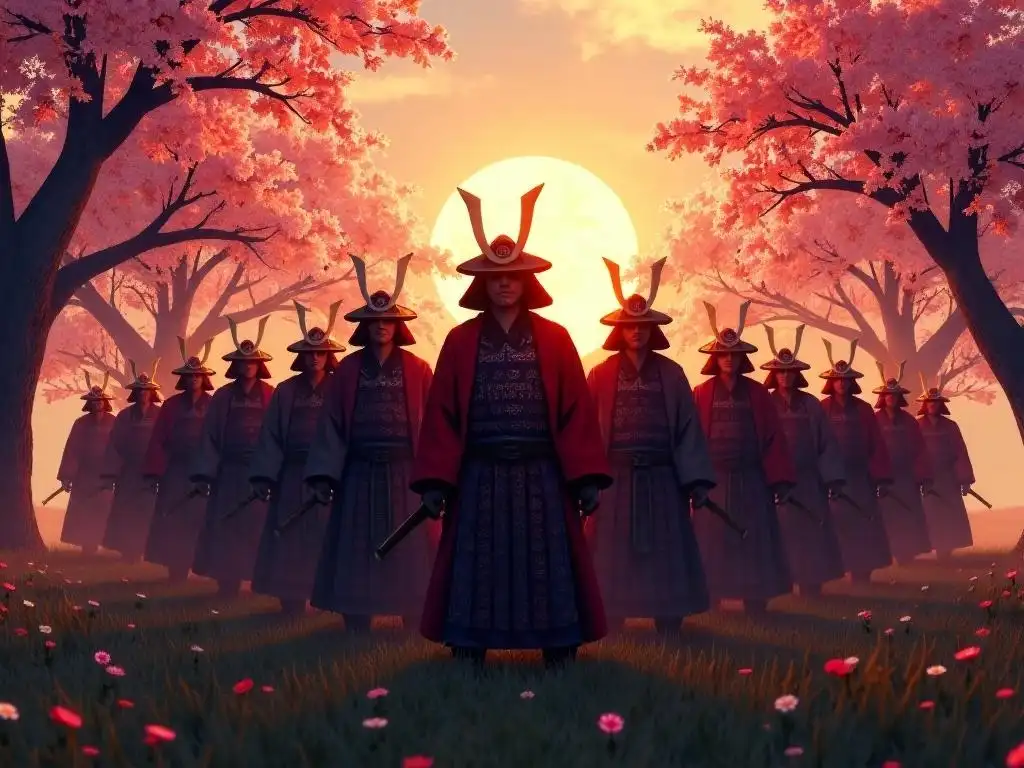
The Battle of the 47 Ronin is not just a tale of revenge; it encapsulates profound lessons that resonate through Japanese culture and beyond. This pivotal event serves as a mirror reflecting the values of honor, loyalty, and the consequences of revenge. Understanding these lessons provides deeper insight into the significance of the battle and its enduring impact on society.
The Enduring Values of Honor and Loyalty
At the heart of the Battle of the 47 Ronin lies the unwavering commitment to honor and loyalty. The ronin, former samurai who became masterless after their lord, Asano Naganori, was wronged and compelled to commit seppuku (ritual suicide), exemplified these virtues.
- Honor: The samurai code, known as Bushido, emphasizes honor as a fundamental principle. The 47 Ronin believed that avenging their lord's death was a matter of restoring his honor, which had been tarnished by the wrongful actions of Kira Yoshinaka. Their mission was not just personal but a sacred duty to uphold the values they lived by.
- Loyalty: Loyalty in the samurai tradition goes beyond mere allegiance; it is a deep-seated obligation. The 47 Ronin demonstrated remarkable loyalty, as they coordinated a plan over two years to avenge their master, illustrating their dedication to both their deceased lord and their shared principles.
The impact of these values extends beyond the battlefield. They have shaped cultural narratives in Japan, influencing literature, art, and even modern business ethics, where loyalty to one's company and integrity in actions are still highly regarded.
Reflections on Revenge in Modern Context
The concept of revenge, as portrayed in the Battle of the 47 Ronin, prompts critical reflections, especially in contemporary society. While the story celebrates the ronin's quest for retribution, it also raises questions about the morality and consequences of revenge.
- Moral Ambiguity: The act of avenging Asano’s death can be seen as both heroic and morally complex. In modern contexts, revenge can lead to a cycle of violence that perpetuates conflict rather than resolving it. This duality serves as a cautionary tale about the potential ramifications of seeking vengeance.
- Cultural Interpretations: In Japan, the narrative of the 47 Ronin has been romanticized, often viewed as noble and just. However, in other cultures, such acts of revenge might be critiqued for their potential to escalate into broader conflicts. This discrepancy illustrates how cultural perspectives shape the interpretation of revenge.
- Relevance in Conflict Resolution: The lessons learned from the Battle of the 47 Ronin can inform modern conflict resolution strategies. Rather than resorting to revenge, societies can benefit from fostering dialogue and understanding. This pivot from retribution to reconciliation is essential in addressing grievances without perpetuating cycles of violence.
The Battle of the 47 Ronin teaches us enduring values of honor and loyalty while simultaneously prompting critical reflections on the complexities of revenge. These lessons continue to resonate, encouraging individuals and societies to consider the implications of their actions in the pursuit of justice and retribution.
Conclusion: The Lasting Impact of the Battle of the 47 Ronin
Summary of the Battle’s Significance
The Battle of the 47 Ronin stands as a profound marker in Japan's feudal history, symbolizing the complex interplay of honor, revenge, and loyalty. This event encapsulates the values that were paramount in samurai culture, serving as a vivid illustration of the lengths to which samurai would go to uphold their principles. The 47 Ronin's quest for vengeance against Kira Yoshinaka was not merely an act of retribution; it represented a societal expectation that demanded loyalty to one's master, even after death.
The significance of the battle extends beyond the immediate historical context. It has become a cultural touchstone, inspiring countless works of art, literature, and performance. The narrative of the 47 Ronin has been immortalized in kabuki theater, films, and novels, reinforcing its relevance in Japanese culture. This tale continues to resonate with modern audiences, who see it as a testament to the enduring values of loyalty and honor.
From a military perspective, the battle highlights the strategic prowess of the Ronin, who meticulously planned their revenge over the course of nearly two years. Their success in executing such a complex operation against a more powerful adversary underscores the tactical acumen that characterized many feudal battles in Japan. This event serves as a case study in guerrilla warfare, showcasing how smaller, determined forces can prevail through strategic planning and unwavering commitment.
Final Thoughts on Honor, Revenge, and Loyalty in Japanese History
The themes of honor, revenge, and loyalty encapsulated in the Battle of the 47 Ronin are not only pivotal to understanding this specific event but also key to grasping the broader narrative of Japanese history. These principles shaped the samurai code, known as Bushido, which emphasized the importance of integrity, courage, and devotion to one’s lord. The code has had a lasting influence on Japanese culture, extending its reach into contemporary society.
In today's context, the legacy of the 47 Ronin serves as a reminder of the complexities surrounding justice and retribution. While the Ronin's actions were celebrated in their time, they also raise questions about the morality of vengeance and the cost of loyalty. As Japan continues to evolve, the story of the 47 Ronin remains a powerful reflection on the values that have historically defined its people, making it a significant point of reference for both historical and cultural discussions.
Ultimately, the Battle of the 47 Ronin is more than just a historical incident; it is a lens through which we can examine the values that have shaped Japanese society over centuries. The enduring significance of this battle underscores its role as a crucial chapter in the broader narrative of Japan's feudal era, one that continues to captivate and inspire.
Frequently Asked Questions
What was the Battle of the 47 Ronin about?
The Battle of the 47 Ronin refers to the revenge taken by a group of samurai in the early 18th century against the corrupt official responsible for their lord's death, embodying the values of honor and loyalty.
Why is the Battle of the 47 Ronin significant in Japanese history?
This battle is significant as it illustrates the samurai code of bushido, emphasizing honor, revenge, and loyalty. It has become a symbol of sacrifice and dedication in Japanese culture.
How does the Battle of the 47 Ronin reflect Japanese culture?
The battle reflects Japanese culture through its themes of honor and loyalty, which are deeply rooted in the samurai tradition. It highlights the importance of personal sacrifice for the greater good.
What are the broader implications of the Battle of the 47 Ronin on Japanese society?
The broader implications include a reinforced sense of community and responsibility among samurai, influencing social values and ultimately shaping Japanese identity and national pride.
How is the Battle of the 47 Ronin portrayed in modern media?
The battle has been depicted in various forms of modern media, including films, literature, and theater, often highlighting its themes of honor, revenge, and sacrifice, making it a timeless tale of loyalty.
Final Reflection: The Enduring Legacy of Honor and Loyalty
The significance of the Battle of the 47 Ronin resonates profoundly in today's society, reminding us of the timeless values of honor, revenge, and loyalty. In a world where personal integrity and commitment are often overshadowed by fleeting interests, the story of the 47 Ronin serves as a powerful reminder of the sacrifices made in the name of these virtues. Their unwavering dedication to their fallen leader and their quest for justice not only shaped their destiny but also left an indelible mark on Japanese culture and beyond.
The cultural impact of the 47 Ronin story continues to inspire countless narratives in literature, film, and art, reflecting our collective yearning for justice and loyalty. The tale transcends its historical context, inviting us to examine our own values and the lengths we would go to uphold them. As the renowned author Yukio Mishima once stated, The true essence of the samurai spirit lies in the unwavering loyalty to one's master.
This sentiment echoes through generations, reminding us that loyalty and honor are not merely relics of the past but essential principles that can guide our actions today.
As we reflect on the lessons of the 47 Ronin, I invite you to consider how these themes of honor, revenge, and loyalty manifest in your own life. What does loyalty mean to you, and how far would you go to defend it? Embrace the opportunity to embody these values in your daily interactions, fostering a sense of integrity and commitment in your relationships. By doing so, we not only honor the legacy of the 47 Ronin but also contribute to a culture that values and upholds these timeless principles for future generations.
Unveil the Legacy of Honor: Take Action Now!
Thank you for diving into the rich tapestry of the Battle of the 47 Ronin with us! Your interest in this powerful story of honor, revenge, and loyalty reflects a deep appreciation for Japan's historic values. Now, it’s time to transform your newfound knowledge into action.
Here are a few steps you can take to further explore and engage with this captivating part of feudal history:
- Immerse yourself in the legend: Read various interpretations of the story, including books, films, and documentaries dedicated to the 47 Ronin, to see how their legacy has evolved through the ages.
- Join the conversation: Share your thoughts and insights about the 47 Ronin in our community forums or on social media. Consider how their code of honor resonates with contemporary values.
- Attend a local historical event: Look for exhibits, lectures, or reenactments in your area that focus on samurai culture or Japanese history to deepen your understanding and appreciation.
Which aspect of the 47 Ronin resonates with you the most— their unwavering loyalty, their quest for revenge, or their embodiment of honor? We invite you to share your reflections below!