
The Siege of Fukuyama: A Forgotten Chapter in Japanese Military History


Welcome to Feudal Japan History, where we embark on a captivating journey through the intricate tapestry of Japan's feudal era. Here, you'll uncover the historical significance of the Fukuyama siege, a remarkable yet often overlooked chapter in Japanese military history. What led to this fierce conflict, and how did it shape the very fabric of society at the time? Prepare to delve deep into the past as we unravel the complexities of feudal Japan, igniting your curiosity and inviting you to explore the rich narratives that await. Your adventure through history begins now!
The Siege of Fukuyama stands as a remarkable yet often overlooked event in the tapestry of Japanese military history. Nestled within the broader narrative of feudal Japan, this siege not only reflects the intricate dynamics of power struggles during the era but also highlights the strategic importance of Fukuyama Castle itself.
By delving into this event, we uncover layers of historical significance that resonate beyond the battlefield, offering insights into the societal and cultural contexts of the time. This article aims to explore the details surrounding the Fukuyama Siege, examining its historical significance, the context in which it occurred, and the architectural and strategic features of Fukuyama Castle that contributed to its pivotal role in the military landscape of feudal Japan.
Introduction to the Fukuyama Siege
The Fukuyama Siege, which unfolded during the turbulent years of the late Sengoku period, encapsulates the fierce rivalries and military strategies that defined the era. With powerful clans vying for supremacy, the siege became a microcosm of the larger power struggles that characterized feudal Japan. This introduction sets the stage for a deeper exploration of the events leading up to the siege, the key figures involved, and the eventual outcomes that shaped the region.
Overview of the Fukuyama Siege Historical Significance
The historical significance of the Fukuyama Siege cannot be understated. It serves as a critical example of how military tactics evolved during the Sengoku period, showcasing the use of siege warfare that was becoming increasingly sophisticated. The siege also highlights the socio-political ramifications of such conflicts, affecting alliances and shifting the balance of power among various clans.
- Key Points of Historical Significance:
- Demonstration of evolving military tactics
- Impact on clan alliances and rivalries
- Influence on the regional power dynamics
Context of the Siege in Japanese Military History
To fully appreciate the significance of the Fukuyama Siege, it is essential to understand its context within Japanese military history. The late Sengoku period was marked by constant warfare and political fragmentation, where regional lords (daimyō) fought for control over territories. The siege illustrates how local conflicts could have broader implications, influencing the trajectory of Japan toward unification.
Historical Background of Fukuyama Castle
Fukuyama Castle, the focal point of the siege, boasts a rich historical background that dates back to its construction in the early 16th century. Built by the powerful Asano clan, the castle was not merely a military stronghold; it was also a symbol of authority and governance in the region. Understanding its historical context is crucial to comprehending its strategic value during the siege.
Architectural Features of Fukuyama Castle
The architectural design of Fukuyama Castle reflects the military innovations of the time. Characterized by its imposing stone walls and carefully designed bastions, the castle was built to withstand prolonged sieges.
- Architectural Highlights:
- Stone walls that enhanced defensive capabilities
- Strategic placement of watchtowers
- Design elements that facilitated troop movements
Strategic Importance of Fukuyama in Feudal Japan
Fukuyama's strategic importance was underscored by its location, which allowed it to control key trade routes and serve as a pivotal point for military operations. Its position made it a target for rival clans seeking to expand their influence.
- Factors Contributing to Its Strategic Importance:
- Control over trade routes
- Proximity to enemy territories
- Role as a military staging ground
In exploring the Siege of Fukuyama, we not only uncover a specific military engagement but also gain insight into the broader narrative of Japan's feudal history, revealing how such events shaped the nation’s path.
Key Players in the Siege
The Siege of Fukuyama was marked by a clash of powerful clans, each vying for dominance in the feudal landscape of Japan. Understanding the key players involved provides insight into the dynamics of this historical conflict.
The Warring Clans Involved in the Fukuyama Siege
Two prominent clans played crucial roles in the Fukuyama Siege: the Mōri clan and the Uesugi clan.
- Mōri Clan: A formidable force in the western part of Honshu, the Mōri clan was known for its naval power and strategic prowess. They aimed to expand their territory and influence by capturing Fukuyama Castle, which was a strategic stronghold.
- Uesugi Clan: Renowned for their military strategies and leadership, the Uesugi clan opposed the Mōri's advances. Their commitment to defending Fukuyama Castle showcased their dedication to maintaining their territorial integrity and resisting encroachment from rival clans.
The rivalry between these clans set the stage for a protracted conflict that would have lasting implications for the region.
Leadership and Key Figures during the Siege
Leadership during the Siege of Fukuyama was characterized by notable figures whose strategic decisions shaped the course of events.
- Mōri Motonari: The Mōri clan's leader, Motonari was known for his tactical brilliance and ability to unify his forces. His strategic initiatives during the siege aimed to leverage the clan’s strengths in warfare and logistics.
- Uesugi Kenshin: A legendary warrior and leader of the Uesugi clan, Kenshin was celebrated for his combat skills and tactical acumen. His involvement in the defense of Fukuyama Castle galvanized the Uesugi forces and inspired resilience among his troops.
These leaders not only influenced the military strategies employed during the siege but also represented the broader conflicts and alliances of the feudal era.
Timeline of Events during the Fukuyama Siege
The timeline of the Siege of Fukuyama reflects a series of escalating confrontations, strategic maneuvers, and pivotal moments that ultimately defined the conflict.
Pre-Siege Preparations and Initial Attacks
Before the siege officially commenced, both clans engaged in extensive preparations.
- Mōri Preparations: The Mōri clan amassed troops, weapons, and supplies, focusing on establishing a blockade around Fukuyama. They sought to cut off Uesugi resources and demoralize their defenders.
- Initial Assaults: The siege began with a series of initial assaults by the Mōri forces, aiming to breach the castle's defenses. These early attacks were met with fierce resistance from the Uesugi defenders, who utilized the castle’s fortifications effectively.
This phase set the tone for a prolonged struggle characterized by tactical ingenuity and fierce resolve from both sides.
Major Battles and Turning Points within the Siege
As the siege progressed, several key battles and turning points emerged that would alter the dynamics of the conflict.
- Battle of Fukuyama Castle: One of the most significant confrontations, this battle saw intense fighting as the Mōri forces launched a concentrated assault on the castle walls. Despite their initial advantages, the Mōri faced unexpected resistance from Uesugi troops, resulting in heavy casualties on both sides.
- Turning Point: A crucial turning point occurred when Uesugi Kenshin devised a daring counteroffensive. By leveraging the terrain and conducting surprise attacks, the Uesugi clan managed to push back the Mōri forces, temporarily shifting the momentum of the siege.
These battles highlighted the tactical ingenuity and resilience of both clans, underscoring the complexities of feudal warfare in Japan.
Conclusion of the Siege: Outcomes and Aftermath
The conclusion of the Siege of Fukuyama marked a significant moment in Japanese military history, with far-reaching consequences for the clans involved.
- Outcomes: Ultimately, the siege ended with the Uesugi clan successfully defending Fukuyama Castle. The Mōri forces were forced to retreat, suffering significant losses that would hinder their ambitions for territorial expansion.
- Aftermath: The aftermath of the siege solidified the Uesugi clan's reputation as formidable defenders, while the Mōri were compelled to reassess their strategies. This conflict highlighted the fragility of alliances and the ever-shifting balance of power during the feudal era, paving the way for future confrontations in the region.
The Siege of Fukuyama, while often overshadowed by other historical events, serves as a reminder of the intense rivalries and strategic complexities that defined Japan's feudal past.
Cultural Impact of the Fukuyama Siege
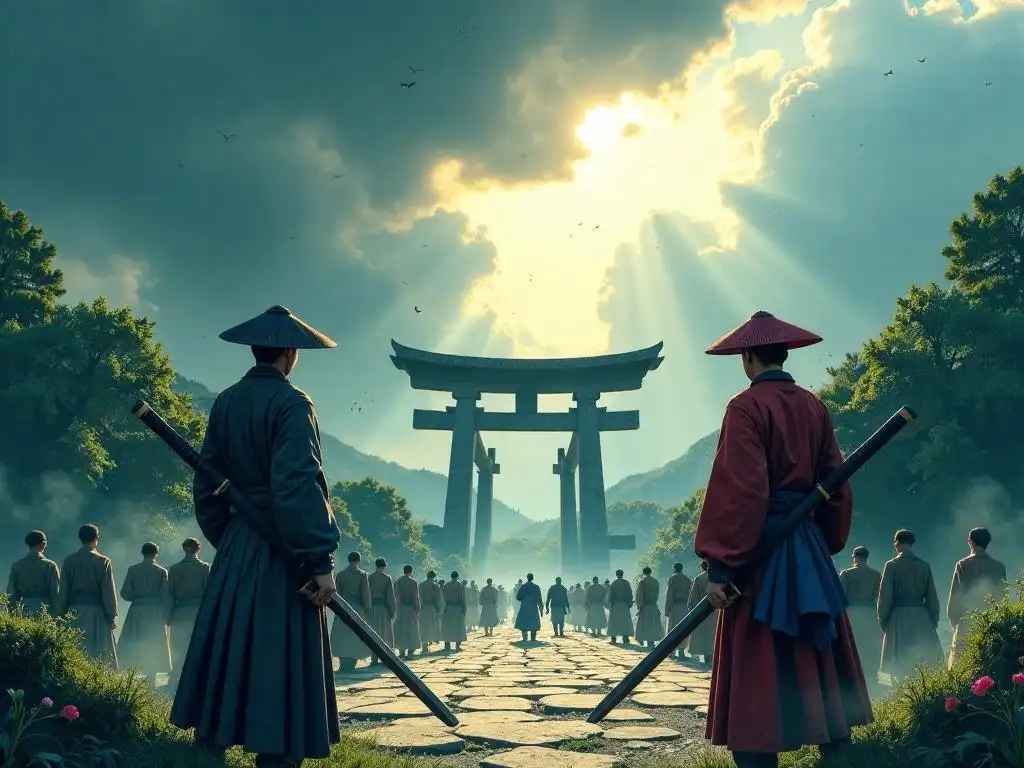
The Siege of Fukuyama, while often overshadowed by more prominent conflicts in Japanese history, has left a lasting cultural imprint on various aspects of Japanese society. This siege, which took place in the late 16th century during the Sengoku period, not only shaped military strategies but also influenced art, literature, and local traditions. The resonance of the siege can still be seen today in the way it is remembered and commemorated within Japanese culture.
One significant aspect of the cultural impact is how the siege is reflected in local folklore. Many stories and legends surrounding the siege have been passed down through generations, shaping the narrative of heroism and sacrifice associated with the conflict. These tales often glorify the valiant efforts of the samurai and the common people who defended Fukuyama Castle, weaving a rich tapestry of local pride and historical consciousness.
Additionally, the siege has inspired various artistic expressions, including paintings, theater, and even modern media. The themes of loyalty, honor, and the tragic nature of war depicted in these works serve to keep the memory of the siege alive in contemporary culture.
Legacy of the Siege in Japanese Folklore and Literature
The legacy of the Siege of Fukuyama in Japanese folklore and literature is profound. Local storytellers and authors have crafted narratives that celebrate the bravery of the defenders and the strategic prowess of the attackers. These stories often highlight key figures from the siege, portraying them as larger-than-life heroes or tragic figures caught in the turmoil of war.
One of the most enduring themes is the moral lesson derived from the siege, which often emphasizes the values of loyalty and sacrifice. These narratives have become integral to the identity of the Fukuyama region, fostering a sense of community and historical continuity. The siege's representation in literature serves not only as a historical account but also as a means of cultural expression, reflecting the values and beliefs of the time.
In modern literature, references to the Fukuyama siege can be found in historical novels and academic studies that explore the broader implications of the Sengoku period. Authors often draw parallels between the events of the siege and the ongoing struggles for power, which resonate with contemporary audiences.
Commemoration and Historical Memory of Fukuyama
The commemoration of the Siege of Fukuyama is evident in various forms, from annual festivals to memorials dedicated to those who fought in the conflict. These events play a crucial role in preserving the historical memory of the siege and ensuring that future generations recognize its significance.
Local festivals often feature reenactments of key events from the siege, allowing participants to engage with history in a tangible way. These reenactments not only serve as entertainment but also educate attendees about the historical context and the importance of the siege in shaping the region's identity.
Moreover, historical markers and monuments have been established to honor the defenders of Fukuyama Castle. These sites serve as places for reflection and remembrance, ensuring that the lessons and sacrifices of the past are not forgotten. Educational programs in schools also emphasize the siege's historical relevance, fostering a sense of pride and awareness among young people about their local heritage.
Lessons Learned from the Fukuyama Siege
The Siege of Fukuyama offers a wealth of lessons that extend beyond the immediate military context, providing insights into the nature of conflict, strategy, and the human experience of war. The complexities of the siege highlight the multifaceted nature of warfare during the Sengoku period and the importance of adaptability in military tactics.
Military Strategies and Tactics Observed
One of the key military strategies observed during the Siege of Fukuyama was the use of fortifications and defensive positioning by the besieged forces. The defenders of Fukuyama Castle implemented effective defensive tactics, utilizing the castle's natural landscape and architecture to their advantage. This included the strategic placement of archers and the creation of barriers to slow the advance of enemy forces.
The siege also showcased the importance of supply lines and logistics in warfare. The attackers faced challenges in maintaining their supply chain, which ultimately affected their ability to sustain a prolonged siege. This lesson underscores the necessity for military planners to consider not just the battlefield strategies but also the logistical support required for extended campaigns.
Additionally, the siege illustrated the role of psychological warfare. The defenders employed tactics aimed at demoralizing the attackers, which played a crucial role in the eventual outcome. The ability to maintain morale among troops during a siege is an essential lesson that has been observed in subsequent military conflicts.
Influence on Future Conflicts in Japan
The lessons learned from the Siege of Fukuyama had significant implications for future conflicts in Japan. The strategies and tactics that emerged from this siege influenced military leaders in subsequent battles, shaping their approaches to both offense and defense in the evolving landscape of Japanese warfare.
In particular, the emphasis on fortification and the effective use of terrain became standard practices in later sieges. Military leaders began to recognize the importance of preparing for prolonged engagements and the need to establish robust supply lines to support their forces.
The psychological aspects of warfare, particularly the impact of morale on troop performance, were also taken to heart in later conflicts. Leaders learned the value of maintaining the spirits of their soldiers, understanding that a well-motivated army is often more effective than one that is merely well-equipped.
Overall, the Siege of Fukuyama serves as a crucial case study in the annals of Japanese military history, offering insights that resonate through the centuries and continue to inform military strategy to this day.
Conclusion: Reflecting on the Fukuyama Siege Historical Significance
The Siege of Fukuyama represents a pivotal, yet often overlooked, moment in Japan's military history. Understanding its historical significance is crucial, as it not only highlights the tactical innovations of the time but also sheds light on the socio-political dynamics of feudal Japan. The siege encapsulates the struggles for power among feudal lords, the impact of military strategy on territorial control, and the shifting alliances that characterized the era. By examining the events surrounding the siege, we gain valuable insights into how these battles influenced the broader narrative of Japanese history.
Moreover, the legacy of the Fukuyama Siege extends beyond mere military tactics; it reflects the resilience and tenacity of those involved. The siege serves as a reminder of how individual battles can alter the course of history, reinforcing the notion that even lesser-known events can have profound implications for future generations. By delving into the details of the Fukuyama Siege, historians and enthusiasts alike can appreciate the complexities of feudal warfare and its enduring impact on Japan.
The Importance of Remembering Forgotten Battles in Military History
Remembering forgotten battles like the Siege of Fukuyama is essential for a comprehensive understanding of military history. These events, often overshadowed by more famous conflicts, offer rich lessons in strategy, leadership, and the human experience during wartime. They remind us that history is not solely defined by grand victories and defeats but is also shaped by the myriad smaller engagements that play crucial roles in larger conflicts.
Moreover, forgotten battles can help illuminate the cultural and societal contexts of their time. They often reveal the motivations and struggles of ordinary soldiers and civilians, providing a more nuanced view of history. By studying these lesser-known events, historians can piece together a more complete picture of societal values, military innovations, and political machinations that influenced the course of history.
In addition, recognizing the importance of these battles fosters a deeper appreciation for the complexities of military endeavors. It allows for a more inclusive narrative that honors the sacrifices made by countless individuals whose stories may otherwise remain untold.
Final Thoughts on the Legacy of the Fukuyama Siege in Japan
The legacy of the Fukuyama Siege continues to resonate in contemporary discussions about military strategy and Japanese history. As scholars and military enthusiasts explore this event, they uncover layers of significance that contribute to our understanding of Japan's feudal era. The siege exemplifies the intricate interplay of power, loyalty, and conflict that defined the relationships between feudal lords and their vassals.
Furthermore, the siege serves as a testament to the evolving nature of warfare in Japan, highlighting how tactical shifts and the use of technology influenced the outcomes of battles. The lessons learned from the Fukuyama Siege continue to inform modern military studies, emphasizing the need for adaptability and strategic foresight in the face of adversity.
Ultimately, the Fukuyama Siege, though often relegated to the sidelines of history, holds a vital place within the tapestry of Japan's past. Its significance lies not just in its immediate outcomes but also in the broader themes it represents—resilience, innovation, and the enduring human spirit in the face of conflict. By acknowledging and studying such battles, we ensure that their lessons endure and inform future generations.
- Introduction to the Fukuyama Siege
- Historical Background of Fukuyama Castle
- Key Players in the Siege
- Timeline of Events during the Fukuyama Siege
- Cultural Impact of the Fukuyama Siege
- Lessons Learned from the Fukuyama Siege
- Conclusion: Reflecting on the Fukuyama Siege Historical Significance
Frequently Asked Questions
What was the Fukuyama Siege?
The Fukuyama Siege refers to a significant military engagement during Japan's feudal era, where forces clashed over control of the Fukuyama Castle, highlighting the strategic importance of the region.
Why is the Fukuyama Siege considered historically significant?
The historical significance of the Fukuyama Siege lies in its impact on the power dynamics of feudal Japan, showcasing military tactics and alliances that shaped the political landscape of the time.
What were the main outcomes of the Fukuyama Siege?
The siege resulted in a shift in territorial control and demonstrated the strength of local warlords, influencing subsequent military strategies and feudal relationships in Japan.
How did the Fukuyama Siege impact Japanese culture?
The Fukuyama Siege contributed to the cultural narrative of samurai valor and loyalty, as well as inspiring literature and folklore that celebrate the era's warriors.
Where can I find more information about the Fukuyama Siege?
For a comprehensive understanding, explore detailed articles on Feudal Japan History, which covers various aspects of the Fukuyama Siege and its historical context.
Final Reflection: Rediscovering the Historical Significance of the Fukuyama Siege
The Fukuyama Siege stands as a testament to the complexities of military history and its enduring relevance in contemporary discussions about conflict and strategy. As we navigate a world increasingly shaped by geopolitical tensions, understanding the intricacies of past military engagements like the Fukuyama Siege can provide invaluable insights into the patterns of warfare and the human experience within it. This forgotten chapter serves as a reminder that history is not merely a collection of dates and events but a living narrative that continues to influence our present.
The impact of the Fukuyama Siege resonates beyond its immediate historical context, shaping cultural narratives and national identity in Japan. This siege, often overshadowed by more prominent events, reflects the struggles and resilience of those who lived through it.
The lessons learned from such conflicts continue to inform military strategy and public consciousness today. As historian John Keegan once said, “War is a very old and terrible thing, but it is also a very human thing.” > This quote encapsulates the duality of warfare—its brutality and its reflection of human nature—underscoring the importance of remembering even the lesser-known battles that have shaped our world.
As we conclude our exploration of the Fukuyama Siege, I invite you to reflect on the significance of history in your own life. Consider how the lessons learned from past conflicts can guide our actions and decisions today.
Whether it’s fostering understanding in our communities or advocating for peace in a world often fraught with division, we all have a role to play in shaping a future informed by the lessons of history. Let us honor the stories of those who came before us by ensuring that their experiences are not forgotten, but rather serve as a foundation for a more compassionate and informed society.
Uncover the Lost Stories of Japanese History!
Thank you for diving into the intriguing tale of the Siege of Fukuyama! Your exploration of this forgotten chapter sheds light on the complexities of Japanese military history and its lasting impact. Now, it's time to take your interest further and engage with the rich heritage of feudal Japan.
Here are some exciting steps you can take next:
- Dive Deeper: Read articles on pivotal battles in Japanese history to enhance your understanding of this fascinating era.
- Join the Conversation: Subscribe to our newsletter for more insights and share your thoughts or questions in the comments below—let's connect!
- Explore Local History: Visit a nearby museum that features Japanese artifacts or historical exhibits to witness these captivating stories come to life in your community.
What unexpected insights from Japanese military history would you love to discover next?