
The Role of Cavalry in Feudal Battles: Lessons from the Battle of Taira

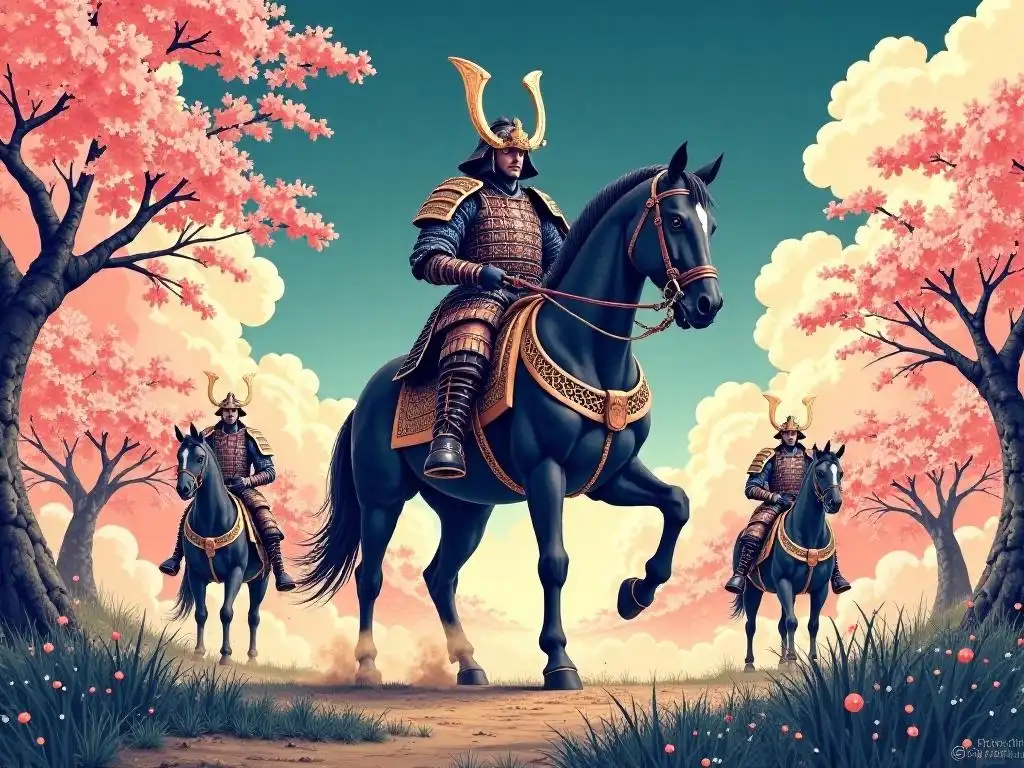
Welcome to Feudal Japan History, where we delve into the rich tapestry of Japan’s feudal era! Prepare to embark on an enlightening journey as we unravel the intricate world of cavalry tactics in feudal Japan. In our featured article, "The Role of Cavalry in Feudal Battles: Lessons from the Battle of Taira," we uncover the strategic maneuvers and decisive moments that shaped warfare during this captivating period.
What drove these warriors into battle, and how did their tactics evolve? Join us as we explore the echoes of history that continue to resonate today, and discover the lessons that lie within the annals of military prowess. Your adventure through the past begins now!
Cavalry played a pivotal role in shaping the outcomes of battles during Japan's feudal era, influencing not only military strategy but also the sociopolitical landscape of the time. This article delves into the intricacies of cavalry tactics in feudal Japan, using the Battle of Taira as a focal point to explore the tactical and operational significance of mounted warriors in pivotal conflicts. By examining the structure of feudal military forces and the historical context surrounding the Battle of Taira, we uncover the lessons learned and the enduring legacy of cavalry in Japanese warfare.
Introduction to Cavalry Tactics in Feudal Japan
Cavalry tactics in feudal Japan were characterized by mobility, speed, and the ability to execute flanking maneuvers. The use of horses allowed for greater flexibility on the battlefield, enabling commanders to adapt quickly to the changing dynamics of combat. This section discusses the foundational elements of cavalry tactics that defined their effectiveness in feudal battles.
Overview of Feudal Japan's Military Structure
The military structure of feudal Japan was hierarchical, primarily organized around clans and their respective samurai warriors. Key elements included:
- Samurai: The elite warrior class, trained in various forms of combat, including mounted warfare.
- Ashigaru: Foot soldiers who supported samurai, often armed with basic weapons.
- Clans: Powerful families that controlled land and resources, mobilizing their forces during conflicts.
The integration of cavalry within this structure was crucial, allowing for coordinated assaults and the ability to seize strategic objectives.
Importance of Cavalry in Feudal Warfare
Cavalry units were significant for several reasons:
- Mobility: Cavalry could traverse difficult terrain and strike swiftly at enemy positions.
- Psychological Impact: The sight of an approaching cavalry charge often instilled fear in enemy ranks.
- Tactical Versatility: Cavalry could perform various roles, including reconnaissance, flanking, and direct assaults.
The effectiveness of cavalry in these roles contributed to their prominence in feudal battles, making them indispensable in the military strategies of the time.
Historical Context of the Battle of Taira
Understanding the Battle of Taira requires a look into the historical backdrop, particularly the factions involved and the events that led to this significant confrontation.
Background of the Taira Clan
The Taira clan emerged as a powerful noble family during the Heian period, known for their wealth and military prowess. Key points include:
- Influence: The Taira wielded significant power, often clashing with rival clans, particularly the Minamoto.
- Leadership: Figures like Taira no Kiyomori rose to prominence, solidifying the clan's status through strategic marriages and military campaigns.
The clan's ambition set the stage for conflict, fueling rivalries that would culminate in battles such as the one at Taira.
Key Events Leading to the Battle of Taira
Several crucial events paved the way for the Battle of Taira, including:
- Clan Rivalries: Ongoing tensions between the Taira and Minamoto clans created a volatile political landscape.
- Strategic Alliances: Shifting allegiances among other clans influenced the balance of power.
- Preceding Conflicts: Earlier skirmishes and battles laid the groundwork for larger confrontations, highlighting the tactical importance of cavalry in these engagements.
These elements shaped the trajectory of the battle, emphasizing the role of cavalry tactics in the unfolding events.
Through this exploration, we aim to provide a comprehensive understanding of the significance of cavalry in feudal Japan, particularly as illustrated by the Battle of Taira.
Analysis of Cavalry Tactics in the Battle of Taira
The Battle of Taira, a significant conflict during the late Heian period, serves as a critical case study for understanding the cavalry tactics employed in feudal Japan. The Taira clan, known for their formidable cavalry units, utilized various strategies that reflected their military philosophy and the socio-political context of the time. Analyzing these tactics reveals both the strengths and limitations of cavalry in battle, particularly in the context of the terrain and the evolving nature of warfare during this period.
Cavalry units played a pivotal role in the Taira’s military strategy, as they were essential for rapid movement, flanking maneuvers, and hit-and-run tactics. The ability to cover vast distances quickly allowed the Taira forces to exploit weaknesses in enemy formations. Moreover, the integration of archers on horseback highlighted a tactical evolution that combined mobility with ranged capabilities, allowing for greater flexibility on the battlefield.
However, the effectiveness of Taira cavalry tactics was also contingent upon the terrain. The battle took place in a landscape that favored infantry formations, thus challenging the cavalry’s traditional advantages. The interplay between cavalry and infantry forces in this context underscores the importance of adapting tactics to environmental conditions, a lesson that remains relevant in military strategy today.
Composition of Cavalry Forces in the Battle
The cavalry forces in the Battle of Taira were primarily composed of mounted samurai, who were elite warriors equipped with armor and weaponry suited for both close-quarters combat and ranged engagements. These cavalry units typically consisted of:
- Heavy Cavalry: Heavily armored samurai who focused on shock tactics, aiming to break enemy lines with direct charges.
- Light Cavalry: More mobile forces that could execute reconnaissance, skirmishing, and rapid flanking movements, often armed with bows and lighter armor.
- Archers on Horseback: A critical component of the Taira cavalry, enabling them to launch projectiles while maintaining mobility, thus creating a dual-threat strategy against enemy infantry.
The composition of these forces was significant in determining the tactical decisions made during the battle. While heavy cavalry provided strength and resilience, the inclusion of lighter forces offered versatility, allowing the Taira to adapt to various combat scenarios.
Strategic Roles of Cavalry Units
In the Battle of Taira, cavalry units were assigned several strategic roles that enhanced their impact on the battlefield:
- Flanking Manuevers: Cavalry units were utilized to encircle enemy formations, disrupting their cohesion and morale.
- Shock Troops: Heavily armored cavalry charged into enemy lines to create openings for infantry forces, leveraging their weight and momentum.
- Pursuit Forces: After initial engagements, cavalry was tasked with pursuing retreating enemies, preventing them from regrouping and reinforcing.
- Reconnaissance: Light cavalry played a vital role in gathering intelligence on enemy movements and positions, allowing the Taira to make informed tactical decisions.
These roles underscore the multifaceted nature of cavalry in feudal battles, revealing how they could be employed for both offensive and defensive strategies.
Key Tactics Employed by the Taira Cavalry
The Taira cavalry employed several key tactics during the battle, showcasing their adaptability and strategic thinking:
- Combined Arms Tactics: Integrating cavalry with infantry and archers allowed for coordinated attacks that maximized the strengths of each unit.
- Ambush Strategies: Utilizing natural terrain features, Taira cavalry executed surprise attacks on enemy forces, catching them off guard and disorienting them.
- Rapid Maneuvering: The ability to quickly reposition cavalry units enabled the Taira to exploit gaps in the enemy's formation and maintain the initiative throughout the battle.
- Psychological Warfare: The sheer presence of cavalry units, especially during charges, could instill fear in enemy troops, leading to potential routs even before engaging in direct combat.
These tactics not only highlight the effectiveness of the Taira cavalry but also reflect a sophisticated understanding of battlefield dynamics.
Comparison of Cavalry Tactics: Taira vs. Rival Clans
The comparative analysis of cavalry tactics between the Taira and their rival clans, notably the Minamoto, provides insights into the evolution of military strategies during feudal Japan's turbulent period.
The Taira Clan's Approach to Cavalry Warfare
The Taira clan’s approach to cavalry warfare was characterized by a commitment to mobility and flexibility. Their cavalry was often deployed in a manner that emphasized rapid strikes and the ability to adapt to changing circumstances on the battlefield. The integration of archers on horseback was a notable innovation, allowing for ranged support during engagements. This tactic enabled the Taira to maintain pressure on the enemy while reducing the risk of direct confrontation until they were ready to charge.
Moreover, the Taira emphasized the importance of maintaining supply lines for their cavalry units, ensuring they could sustain prolonged engagements without suffering from fatigue or resource shortages. This logistical foresight allowed them to capitalize on their mobility and keep their cavalry forces operating effectively.
Contrasting Cavalry Tactics of the Minamoto Clan
In contrast, the Minamoto clan adopted a more rigid approach to cavalry tactics, often relying on traditional heavy cavalry charges to break enemy lines. While they recognized the importance of mobility, their tactics tended to center around direct engagements rather than the fluid maneuvers favored by the Taira. The Minamoto were known for their discipline and structured formations, which provided stability but sometimes limited their tactical flexibility.
The Minamoto also focused heavily on infantry support, employing foot soldiers to hold the line while cavalry units executed flanking maneuvers. This combination was effective in maintaining control over the battlefield, yet it often lacked the dynamic response that characterized Taira tactics.
Lessons Learned from Tactical Differences
The differences in cavalry tactics between the Taira and Minamoto clans offer several key lessons for military strategy:
- Adaptability is Crucial: The Taira's success illustrates the importance of adapting tactics to the battlefield environment and enemy behavior.
- Integration of Forces: Coordinating cavalry with infantry and archers can create more effective combat scenarios, allowing for comprehensive battlefield control.
- Psychological Factors Matter: The psychological impact of cavalry charges can influence enemy morale, demonstrating that warfare is not just about physical might but also about mental dominance.
- Logistics and Supply: Maintaining effective supply lines for cavalry units is essential for sustaining their operational capacity during extended conflicts.
These lessons highlight how tactical flexibility and awareness of the broader context can significantly influence the outcomes of feudal battles in Japan.
The Impact of Cavalry on the Outcome of the Battle
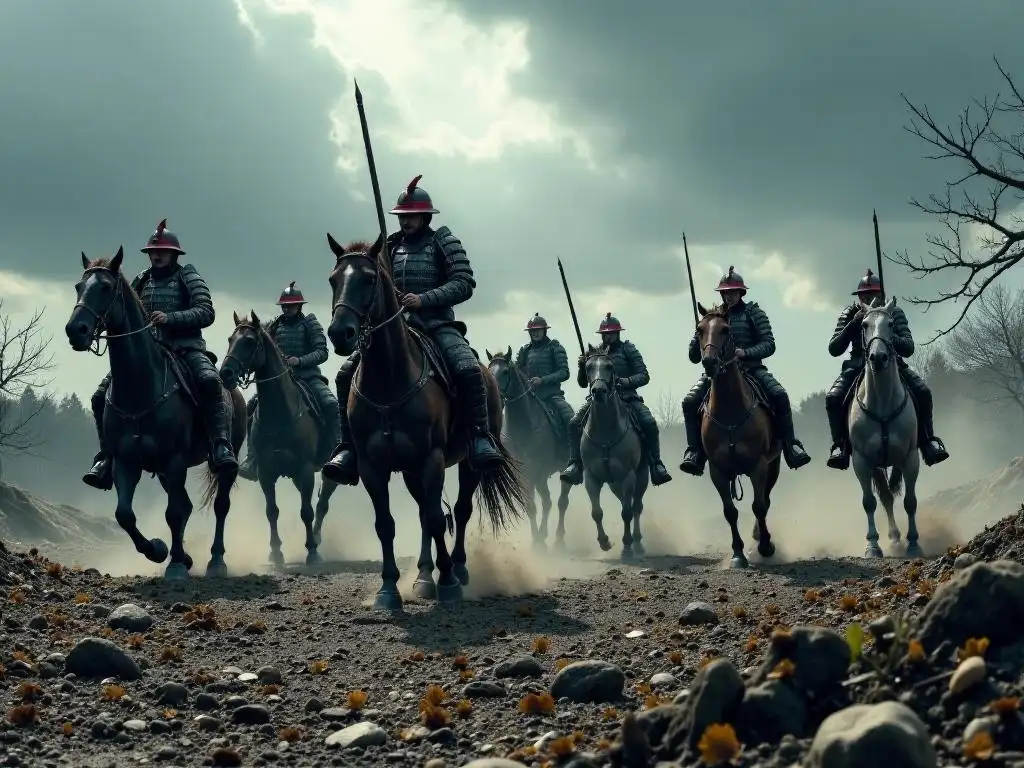
The cavalry played a pivotal role in the outcome of the Battle of Taira, which was fought in 1180 during the Genpei War. This conflict marked a significant moment in Japanese history, as it was not just a struggle for power between two prominent clans, the Taira and the Minamoto, but also a showcase of innovative military tactics. The use of cavalry units by the Minamoto proved to be a game-changer, as their speed and mobility allowed them to outmaneuver the Taira forces.
The cavalry's ability to engage in rapid flanking maneuvers disrupted the Taira's formation, creating chaos and confusion within their ranks. This disruption was crucial in determining the battle's outcome, as it allowed the Minamoto to exploit vulnerabilities in the Taira's defenses. As the Taira struggled to adapt to the swift assaults, the Minamoto cavalry capitalized on their momentum, leading to a decisive victory that shifted the balance of power in favor of the Minamoto clan.
Role of Cavalry in Shaping Battle Dynamics
Cavalry units were essential in shaping the dynamics of feudal battles, particularly during the Battle of Taira. The incorporation of mounted warriors allowed for a more versatile battlefield strategy, enabling commanders to adapt quickly to changing circumstances. The speed at which cavalry could advance or retreat provided tactical advantages, such as harassing enemy lines or quickly reinforcing vulnerable positions.
During the battle, the Minamoto cavalry frequently engaged in hit-and-run tactics, which not only inflicted damage on the Taira but also demoralized their troops. This psychological aspect of cavalry warfare cannot be understated; the sight of galloping horses and armored soldiers could instill fear in the enemy, leading to a breakdown in morale. Furthermore, the cavalry's ability to scout and gather intelligence contributed to the Minamoto's strategic planning, allowing them to make informed decisions that capitalized on the Taira's weaknesses.
Key Moments Where Cavalry Tactics Influenced Victory or Defeat
Several key moments during the Battle of Taira illustrate the decisive influence of cavalry tactics. One notable instance was the initial charge by the Minamoto cavalry, which caught the Taira forces off-guard. This surprise attack disrupted the Taira's formation, leading to a cascading effect where their lines broke and confusion ensued.
Another moment occurred when the Minamoto cavalry executed a strategic retreat, drawing the Taira into a vulnerable position. As the Taira advanced, believing they had gained the upper hand, the Minamoto cavalry turned and counter-attacked, inflicting significant casualties. This maneuver showcased the effectiveness of cavalry in both offensive and defensive operations, highlighting their role as a force multiplier on the battlefield.
The culmination of these moments demonstrated that cavalry was not merely an auxiliary force but a core component of military strategy during this period. The successful application of these tactics by the Minamoto was instrumental in their victory at the Battle of Taira and set a precedent for future engagements in feudal Japan.
Legacy of Cavalry in Feudal Japan
The legacy of cavalry in feudal Japan is marked by its profound impact on military strategy and the evolution of warfare. Following the Battle of Taira, the effectiveness of cavalry units became widely recognized, leading to their increased integration into samurai armies. The lessons learned from this battle influenced how future conflicts were approached, with an emphasis on mobility and rapid engagement.
Evolution of Cavalry Tactics Post-Battle of Taira
In the aftermath of the Battle of Taira, cavalry tactics underwent significant evolution. Military leaders began to experiment with different formations and strategies that leveraged the strengths of mounted units. For instance, the adoption of wedge formations allowed cavalry to penetrate enemy lines more effectively, while the use of archers mounted on horseback provided a ranged attack capability that complemented traditional melee combat.
Moreover, the importance of training and discipline among cavalry units was emphasized, leading to more organized and coordinated assaults in subsequent battles. The tactical innovations from this period laid the groundwork for the sophisticated cavalry maneuvers seen in later conflicts, such as the battles involving the Ashikaga and Oda clans.
Influence on Future Battles and Military Strategies
The influence of cavalry tactics from the Battle of Taira extended well beyond its immediate consequences, shaping the military strategies of subsequent generations. The successful integration of cavalry into samurai warfare became a defining characteristic of Japanese military doctrine. Future battles, such as those during the Sengoku period, witnessed the continued emphasis on mounted troops, demonstrating the enduring legacy of the tactics established during the Battle of Taira.
Furthermore, the principles of mobility and psychological warfare employed by the Minamoto cavalry were adopted by future warlords, influencing the development of feudal warfare across Japan. As a result, the lessons learned from the cavalry tactics at the Battle of Taira not only changed the course of the Genpei War but also left an indelible mark on the evolution of military strategies throughout feudal Japan.
Conclusion: Lessons from the Battle of Taira
The Battle of Taira stands as a crucial moment in the annals of feudal Japan, showcasing the pivotal role cavalry played in shaping outcomes in military engagements. This battle not only emphasizes the tactical significance of mounted warriors but also illustrates the complexities of warfare during this period. Cavalry units, when effectively utilized, could disrupt enemy formations, provide crucial reconnaissance, and execute swift flanking maneuvers. The lessons gleaned from this battle underscore the necessity of integrating cavalry tactics into broader military strategies, which would influence subsequent conflicts in Japan’s feudal history.
Summary of Key Takeaways on Cavalry Tactics in Feudal Japan
- Mobility and Speed: Cavalry units were instrumental in maintaining a rapid pace on the battlefield, allowing for swift attacks and retreats. Their ability to traverse different terrains quickly enhanced their strategic value.
- Flanking Maneuvers: The use of cavalry for flanking maneuvers proved effective in disrupting enemy lines. By attacking from the sides or rear, cavalry could create chaos among infantry formations.
- Psychological Impact: The mere presence of cavalry could instill fear in enemy ranks. Mounted soldiers often held a psychological advantage, influencing the morale of both their own troops and those of the opposition.
- Coordination with Infantry: Successful cavalry tactics were often reliant on effective coordination with infantry units. Understanding how to complement each other’s strengths was key to maximizing battlefield effectiveness.
- Terrain Awareness: Cavalry tactics were heavily influenced by the terrain. Effective cavalry commanders understood how to leverage the landscape to their advantage, choosing battlegrounds conducive to their mobility and strategy.
Reflection on the Importance of Understanding Historical Cavalry Strategies
Understanding historical cavalry strategies is paramount for comprehending the evolution of military tactics in feudal Japan. The successes and failures of cavalry units during battles like Taira serve as case studies for modern military scholars and enthusiasts alike. By analyzing these strategies, we gain insights into the broader cultural and societal impacts of warfare during this era. Furthermore, it allows for a deeper appreciation of how these tactics shaped not only military outcomes but also the political landscape of Japan, leading to shifts in power dynamics and the eventual rise and fall of clans.
Further Reading on Cavalry and Feudal Battles
To delve deeper into the intricacies of cavalry tactics and their significance in feudal battles, there are numerous resources available for further exploration.
Recommended Books and Articles on Feudal Japan Military History
-
"Samurai Warfare: The Methods of Warfare in Feudal Japan" by Stephen Turnbull
This book offers an in-depth analysis of the tactics employed by samurai, including a detailed look at cavalry units and their role in battles.
-
"The Rise and Fall of the Samurai" by Eiko Ikegami
A comprehensive exploration of the samurai class and their military strategies, including the evolution of cavalry tactics throughout the feudal era.
-
"Warriors of Japan: The Samurai" by John M. Smith
This work provides an overview of the samurai warriors, touching upon the importance of cavalry in their military operations.
Online Resources for In-Depth Exploration of Cavalry Tactics
- JSTOR: A digital library that houses numerous academic articles on military history, including studies focused on cavalry tactics in feudal Japan.
- The Samurai Archives: This online resource offers a wealth of information on various aspects of samurai history, including detailed discussions on military strategies and cavalry operations.
- YouTube Channels: Channels like "HistoryMarche" and "Kings and Generals" provide engaging visual content analyzing battles from Japanese history, often highlighting cavalry tactics and their effectiveness in various conflicts.
By exploring these resources, readers can gain a more comprehensive understanding of cavalry tactics and their critical role in the military history of feudal Japan.
- Introduction to Cavalry Tactics in Feudal Japan
- Historical Context of the Battle of Taira
- Analysis of Cavalry Tactics in the Battle of Taira
- Comparison of Cavalry Tactics: Taira vs. Rival Clans
- The Impact of Cavalry on the Outcome of the Battle
- Legacy of Cavalry in Feudal Japan
- Conclusion: Lessons from the Battle of Taira
- Further Reading on Cavalry and Feudal Battles
- What were the primary cavalry tactics used in feudal Japan?
- How did the Battle of Taira influence Japanese military strategies?
- What role did horseback archers play in feudal Japanese warfare?
- Were there any notable cavalry generals in feudal Japan?
- How did geographical factors influence cavalry tactics in feudal Japan?
Frequently Asked Questions
What were the primary cavalry tactics used in feudal Japan?
In feudal Japan, cavalry tactics included flanking maneuvers, hit-and-run attacks, and the use of archers on horseback to create a highly mobile fighting force.
How did the Battle of Taira influence Japanese military strategies?
The Battle of Taira highlighted the importance of cavalry mobility and coordination, leading to the evolution of more sophisticated battlefield strategies in subsequent conflicts.
What role did horseback archers play in feudal Japanese warfare?
Horseback archers were crucial for providing long-range support, allowing cavalry units to engage enemies while maintaining distance, which contributed to their tactical advantage.
Were there any notable cavalry generals in feudal Japan?
Yes, figures like Minamoto no Yoshitsune are celebrated for their innovative use of cavalry tactics, which greatly influenced the outcomes of several key battles.
How did geographical factors influence cavalry tactics in feudal Japan?
The terrain of Japan, often mountainous and forested, necessitated adaptations in cavalry tactics, focusing on quick strikes and the ability to navigate difficult landscapes effectively.
Final Reflection: The Enduring Legacy of Cavalry Tactics in Feudal Japan
The lessons drawn from the cavalry tactics employed during the feudal battles of Japan remain strikingly relevant today. As we examine the intricacies of the Battle of Taira, we uncover not just historical strategies but also the timeless principles of leadership, adaptability, and the importance of mobility in conflict. The effectiveness of cavalry in shaping the outcomes of battles during this era serves as a reminder that understanding the dynamics of warfare can provide invaluable insights into modern strategic thinking.
The influence of cavalry tactics extends beyond the battlefield, permeating our cultural narratives and inspiring contemporary military strategies. The stories of valor and innovation from feudal Japan resonate with us, illustrating how adaptability and strategic foresight can turn the tide in seemingly insurmountable situations. In the midst of chaos, there is also opportunity.
This quote encapsulates the essence of how the lessons from the past can guide us in navigating the complexities of our present and future.
As we reflect on the significance of cavalry in feudal Japan, I invite you to consider how these historical insights can inform your own life and decisions. What lessons can you draw from the adaptability and strategic thinking of those who fought in the Battle of Taira? Embrace the spirit of innovation and resilience, and let it inspire you to tackle your own challenges with the same courage and foresight that defined the cavalry of the past.
Unleash Your Inner Warrior: Embrace the Lessons of Feudal Battles!
Thank you for diving into the captivating world of feudal warfare with us! By exploring the pivotal role of cavalry in battles like that of the Taira clan, you've gained valuable insights into strategy, resilience, and the spirit of leadership in times of conflict. Now, let’s take these lessons and put them into action!
- Reflect on the strategies discussed and identify how you can apply these lessons to your own challenges.
- Join our community of history enthusiasts by sharing your insights on social media with the hashtag #FeudalWarriors.
- Delve deeper into the past! Explore other battles and their tactics to broaden your understanding of military strategy in feudal Japan.
As you contemplate these powerful lessons, we’d love to hear from you: Which cavalry strategy do you believe could be applied in modern-day leadership?