
The Battle of Dannoura: A Turning Point in the Genpei War

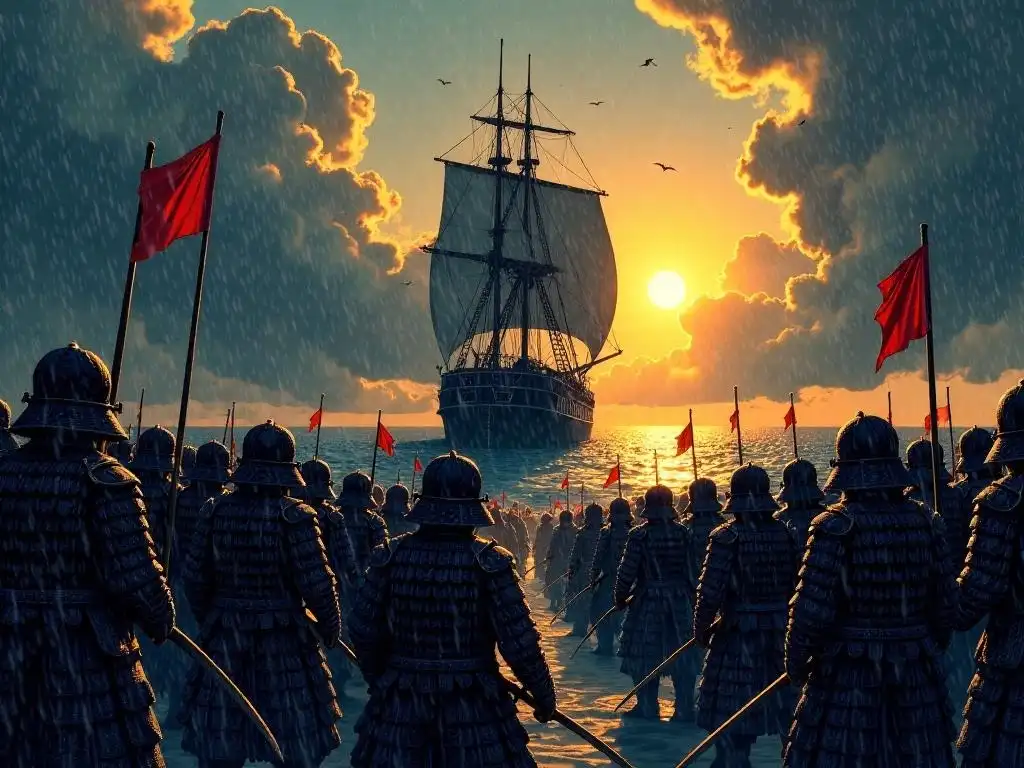
Welcome to Feudal Japan History, where we embark on a captivating journey through the intricate tapestry of Japan's feudal era. In our latest article, we delve into the historical significance of the Genpei War, focusing on the pivotal Battle of Dannoura—a moment that not only shaped the course of military history but also influenced the cultural landscape of Japan.
Prepare to uncover the layers of strategy, valor, and the profound impact this battle had on the rise and fall of clans. Join us as we explore this defining chapter of Japan’s past, and discover the echoes of history that resonate even today.
- Introduction to the Genpei War Historical Significance
- Background of the Genpei War
- The Battle of Dannoura: A Detailed Account
- The Course of the Battle
- Outcomes of the Battle of Dannoura
- Cultural and Societal Reflections Post-Battle
- Conclusion: The Lasting Impact of the Battle of Dannoura
- Further Reading and Resources on the Genpei War Historical Significance
- Frequently Asked Questions
- Final Reflection: The Enduring Legacy of the Genpei War
- Unveil the Legacy of Dannoura!
Introduction to the Genpei War Historical Significance
The Genpei War (1180-1185) marks a pivotal chapter in Japan's storied past, representing not just a conflict between two powerful clans but a transformative period that would shape the trajectory of Japanese society, politics, and culture. This civil war, fought primarily between the Taira and Minamoto clans, was fueled by deep-seated rivalries and power struggles, culminating in a series of battles that ultimately led to the establishment of the Kamakura Shogunate.
Understanding the historical significance of the Genpei War requires a close examination of its key battles, particularly the Battle of Dannoura, which served as a critical turning point in the conflict. This article will delve into the intricate details of the Genpei War, exploring the events that led to it, the major players involved, and the lasting impact it had on the future of Japan.
Overview of the Genpei War
The Genpei War was ignited by a combination of political ambitions, personal vendettas, and historical grievances between the Taira and Minamoto clans. It unfolded across several years, with numerous skirmishes and major battles that showcased the evolving nature of warfare during Japan’s feudal era. The conflict can be broken down into several key phases:
- Prelude to War: The power struggle intensified following the death of Kiyomori Taira, the influential leader of the Taira clan. The Minamoto clan, feeling marginalized, began to rally support against their adversaries.
- Major Battles: Key engagements such as the Battle of Uji and the Battle of Kurikara set the stage for the final confrontations. Each battle contributed to the shifting tides of power, showcasing the tactical prowess of both clans.
- The Fall of the Taira: The eventual decline of the Taira clan was marked by a series of defeats, leading to their retreat and the Minamoto's rise to dominance.
This conflict not only redefined the landscape of Japanese power but also ushered in significant cultural shifts, including the rise of the samurai class and changes in governance.
Importance of the Battle of Dannoura in the Context of the War
The Battle of Dannoura, fought in 1185, stands out as one of the most consequential confrontations of the Genpei War. This naval battle, taking place in the straits off the coast of Dannoura, was characterized by its dramatic stakes and the deep emotional resonance it held for both clans.
- Decisive Outcome: The Minamoto clan's victory at Dannoura marked the end of Taira resistance and effectively sealed the fate of the Taira clan. This defeat led to the capture of key figures, including the young Emperor Antoku, whose tragic death symbolized the end of an era.
- Strategic Significance: The battle illustrated the transition from traditional land warfare to naval engagements, reflecting the changes in military strategy during this period. Control of the sea routes was critical for the supply lines and troop movements, making Dannoura a focal point for both clans.
- Cultural Impact: The aftermath of the battle resonated deeply within the cultural memory of Japan. Tales of heroism, tragedy, and the fall of the Taira became immortalized in literature, influencing Japanese storytelling traditions for generations.
The Battle of Dannoura not only encapsulated the military prowess of the Minamoto clan but also served as a critical juncture that shaped the historical narrative of the Genpei War and its broader implications for the future of Japan. The significance of this battle continues to be a subject of interest for historians and enthusiasts alike, revealing the intricate connections between warfare, culture, and societal change in feudal Japan.
Background of the Genpei War

The Genpei War (1180-1185) stands as a critical conflict in Japanese history, marking the transition from the classical period to a feudal system dominated by warrior clans. This civil war primarily involved the two most powerful clans of the time, the Taira and the Minamoto, and culminated in the decisive Battle of Dannoura. Understanding the historical significance of the Genpei War requires an exploration of its background, causes, key players, and the broader feudal context in which it unfolded.
Causes of the Genpei War
The roots of the Genpei War can be traced back to a combination of political, social, and economic factors that unfolded over several decades:
- Power Struggles:
- The Taira clan had attained significant power and influence in the imperial court, particularly under Taira no Kiyomori. This dominance led to growing resentment among rival clans, especially the Minamoto.
- Succession Crisis:
- A succession crisis following the death of Emperor Takakura in 1181 exacerbated tensions. The Taira supported a child emperor, while the Minamoto backed another claimant, heightening the stakes of the conflict.
- Land and Resource Competition:
- Control over land and resources was a major catalyst. As Japan’s economy transitioned, the warrior class, including the Minamoto and Taira, sought to assert their authority over territories rich in resources. This competition was further fueled by local disputes and grievances.
- Cultural Shifts:
- The rise of the samurai class and the shift from courtly culture to military prowess played a fundamental role. The samurai began to view themselves not just as soldiers but as defenders of their clans, leading to an ethos of loyalty and honor that intensified the conflict.
Major Clans Involved: Taira vs. Minamoto
The Genpei War was characterized by the fierce rivalry between two clans:
- Taira Clan:
- Led by Taira no Kiyomori, the Taira were initially favored by the imperial court, enjoying wealth and influence. Their dominance in political affairs made them a formidable opponent, but their arrogance and overextension sowed discord among their allies and subjects.
- Minamoto Clan:
- The Minamoto, under leaders such as Minamoto no Yoritomo and his brother Minamoto no Yoshitsune, emerged as the primary challengers to Taira dominance. The Minamoto were adept at forging alliances and capitalizing on the Taira’s mistakes, rallying support from discontented factions within the samurai class.
The conflict between these clans shifted the balance of power in Japan, leading to the eventual establishment of the Kamakura shogunate, which marked the beginning of military rule in Japan.
The Role of Feudal Japan in the Conflict
The feudal structure of Japan played a pivotal role in shaping the Genpei War:
- Samurai Loyalty:
- The samurai class operated on principles of loyalty and honor, often pledging allegiance to their respective clans. This loyalty was critical in mobilizing fighters and resources for both the Taira and Minamoto, creating a network of allegiances that influenced the war's dynamics.
- Regional Power Dynamics:
- The decentralized nature of feudal Japan meant that local lords (daimyō) wielded significant power. These lords’ decisions to support either the Taira or Minamoto greatly impacted the war's progression, with shifting allegiances altering the battlefield landscape.
- Cultural Influence:
- The conflict also showcased the cultural shift from an aristocratic court society to one dominated by military leaders. This transition laid the groundwork for future governance and social structures in Japan, as the samurai would increasingly dictate the terms of power and politics.
The Genpei War was not merely a battle for supremacy between two clans; it was a transformative period that reshaped Japanese society, politics, and culture, marking the beginning of a new era in feudal Japan. Understanding its historical significance requires a nuanced view of the factors at play and the enduring impact of this epic conflict.
The Battle of Dannoura: A Detailed Account

The Battle of Dannoura, fought in 1185, stands as one of the most pivotal encounters of the Genpei War, ultimately shaping the course of Japanese history. This naval battle, which took place in the straits of the Shimonoseki, marked the climax of a prolonged conflict between the Taira and Minamoto clans. The significance of this battle lies not only in its military outcomes but also in its profound cultural and political ramifications for the nascent Kamakura shogunate.
The engagement at Dannoura was characterized by the use of innovative naval tactics along with the strategic deployment of forces. The contest was not merely a clash of arms but encompassed deep-rooted cultural values, loyalty, and the relentless pursuit of power. As the tides of war shifted, the battle would lead to the decline of the Taira clan and the ascendance of the Minamoto, setting the stage for a new era in Japanese governance.
Prelude to the Battle: Events Leading Up to Dannoura
Before the Battle of Dannoura, tensions between the Taira and Minamoto clans had been escalating for decades, rooted in a rivalry that was both political and personal. The Genpei War began in 1180, following the Taira clan's attempts to consolidate power, which alienated many of their former allies, including the Minamoto.
- The Rising Conflict: The Minamoto clan, led by Yoritomo, sought to reclaim their honor and lands, which had been usurped by the Taira. Early skirmishes, such as the Battle of Uji in 1180, highlighted the growing animosity and set the stage for larger confrontations.
- Strategic Alliances: As the war progressed, both clans sought alliances to bolster their military strengths. The Minamoto secured support from various provincial lords discontented with the Taira's rule, while the Taira relied on their naval prowess and existing power structures.
- Key Incidents: Several key incidents escalated the conflict, including the Taira's brutal tactics against Minamoto sympathizers and the Minamoto's retaliatory strikes. The psychological warfare employed, alongside military engagements, laid the groundwork for the inevitable clash at Dannoura.
- Mobilization for Battle: By mid-1185, both clans recognized the need for a decisive confrontation to end the ongoing stalemate. The Taira, confident in their naval superiority, gathered their forces at Dannoura, while the Minamoto prepared for a bold naval assault to shift the balance of power.
Key Players in the Battle of Dannoura
The Battle of Dannoura saw the involvement of key leaders from both the Taira and Minamoto clans, whose strategies and decisions would determine the outcome of this critical confrontation.
Taira Clan: Leadership and Strategy
The Taira clan, led by the formidable leader Taira no Kiyomori, had established themselves as a dominant force in the imperial court. Kiyomori's strategies were marked by:
- Naval Dominance: The Taira boasted a powerful navy, utilizing their ships to control vital waterways. They relied on their maritime skills to transport troops quickly and efficiently.
- Political Maneuvering: Kiyomori's influence extended into the imperial court, where he sought to legitimize Taira rule through strategic marriages and alliances. This political strength, however, began to wane as dissatisfaction grew among the imperial family and regional leaders.
- Underestimation of the Minamoto: The Taira's confidence in their naval prowess led to an underestimation of the Minamoto's resolve and tactical ingenuity, ultimately proving to be a critical miscalculation during the battle.
Minamoto Clan: Leadership and Strategy
In contrast, the Minamoto clan, under the leadership of Minamoto no Yoritomo and his half-brother Minamoto no Yoshitsune, showcased a different approach that contributed to their success at Dannoura:
- Innovative Tactics: The Minamoto employed unconventional tactics, including surprise attacks and the use of smaller, more maneuverable ships. This agility allowed them to exploit weaknesses in the Taira's formations.
- Strong Alliances: Yoritomo's ability to forge alliances with various regional powers provided the Minamoto with a diverse pool of resources, warriors, and intelligence, enhancing their operational capabilities.
- Resilience and Determination: The Minamoto were driven by a strong sense of purpose and a desire to reclaim their honor, which galvanized their forces and fostered a relentless fighting spirit during the battle.
The strategic decisions made by both clans during the Battle of Dannoura would prove crucial, shaping not only the outcome of the Genpei War but also the future political landscape of Japan. The narrative of this battle is a testament to the complex interplay of military strategy, leadership, and cultural values in feudal Japan.
The Course of the Battle
The Battle of Dannoura, fought in 1185, was a critical confrontation in the Genpei War that ultimately determined the fate of the Taira clan and altered the course of Japanese history. This battle was not only significant for its military outcomes but also for the profound cultural and societal shifts it heralded. Understanding the intricacies of this battle provides valuable insights into the broader historical significance of the Genpei War.
Initial Engagements and Tactics Used
The initial engagements at Dannoura showcased the strategic prowess of both the Taira and Minamoto clans. The Taira, confident from previous victories, employed a defensive strategy, utilizing their naval superiority to control the waters around the Shimonoseki Strait. This strait was a crucial chokepoint for maritime supply routes, making it imperative for both sides to dominate the area.
- Taira Tactics:
- Naval Formation: The Taira fleet was organized into a crescent shape, maximizing their ability to repel attacks from the Minamoto forces.
- Use of Long-range Weapons: Taira ships were equipped with archers and ballistae, allowing them to inflict damage from a distance before engaging in close combat.
- Minamoto Tactics:
- Surprise Assaults: The Minamoto, led by Minamoto no Yoshitsune, executed bold surprise attacks, aiming to disrupt Taira formations.
- Combined Arms Approach: The Minamoto forces integrated both naval and land troops, allowing for coordinated assaults that capitalized on their strengths.
The early phases of the battle were characterized by a series of skirmishes and maneuvering, with both sides testing each other's defenses. However, the decisive moment was yet to come.
Turning Points During the Battle
As the battle unfolded, several key turning points emerged that dramatically shifted the momentum in favor of the Minamoto clan.
- Breach of Taira Lines:
- The Minamoto forces managed to exploit a gap in the Taira formation, leading to a successful boarding of Taira ships. This unexpected maneuver disrupted the Taira's defensive strategy and created chaos within their ranks.
- Taira Leadership Crisis:
- The death of Taira no Tomomori, a prominent leader during the battle, caused a significant morale drop among Taira troops. This moment of leadership crisis allowed the Minamoto to capitalize on the disarray.
- Weather Conditions:
- A sudden change in weather, including fog and wind, played a crucial role. The Minamoto fleet, utilizing their smaller, more agile ships, was able to navigate the conditions better than the larger Taira vessels, leading to strategic advantages.
These turning points not only marked the decline of Taira power but also emphasized the importance of adaptability and leadership in warfare.
Naval warfare was a defining feature of the Battle of Dannoura and the Genpei War as a whole. The strategic significance of controlling sea routes cannot be overstated, as it directly affected supply lines, troop movements, and morale.
- Naval Superiority:
- The Taira clan initially held a dominant naval position, but the Minamoto's innovative tactics and superior leadership enabled them to challenge this dominance.
- Impact on Logistics:
- Control of the seas allowed for the movement of troops and resources, which was critical in a conflict that spanned both land and water. The Minamoto's ability to disrupt Taira supply lines played a crucial role in their eventual victory.
- Cultural Significance:
- The naval battles during this conflict laid the groundwork for future maritime strategies in Japan. The techniques and tactics developed during the Battle of Dannoura would influence naval warfare for generations, highlighting the battle's enduring legacy.
The Battle of Dannoura stands as a pivotal moment in the Genpei War, showcasing the intricate interplay of tactics, leadership, and naval power. Its historical significance goes beyond mere military outcomes, shaping the cultural and societal landscape of feudal Japan.
Outcomes of the Battle of Dannoura
The Battle of Dannoura, fought in April 1185, not only marked a pivotal clash between the Taira and Minamoto clans but also set in motion a series of outcomes that would reshape the landscape of feudal Japan. Understanding these outcomes is crucial for grasping the broader implications of the Genpei War.
Immediate Consequences for the Taira and Minamoto Clans
The immediate aftermath of the Battle of Dannoura was devastating for the Taira clan. As a result of their defeat, many Taira warriors were killed, and the clan's power diminished significantly. The battle can be summarized through the following key points:
- Loss of Leadership: The Taira clan lost its leader, Taira no Tomomori, who drowned in the battle. His death symbolized the collapse of Taira leadership and morale.
- Displacement: The remnants of the Taira clan were forced into exile, fleeing to distant regions such as Kyushu and the Izu Peninsula. This displacement fragmented their previously cohesive forces.
- Minamoto Ascendancy: The Minamoto clan, under the leadership of Minamoto no Yoritomo, emerged victorious. This victory solidified their dominance over Japan, leading to the establishment of the Kamakura shogunate.
- Shift in Alliances: The defeat of the Taira prompted many of their former allies to switch allegiances to the Minamoto, further eroding Taira support.
These immediate consequences set the stage for a significant shift in power dynamics within feudal Japan.
Long-Term Implications for Feudal Japan
The repercussions of the Battle of Dannoura extended far beyond the immediate outcomes for the clans involved. Over the long term, the battle influenced Japan's political and cultural trajectory:
- Establishment of the Kamakura Shogunate: The victory at Dannoura facilitated the rise of the Kamakura shogunate, the first military government in Japan. This marked the beginning of a new era in Japanese governance, where military leaders held power over the emperor.
- Cultural Shifts: The transition from the Heian period to the Kamakura period brought about significant cultural changes, including the rise of samurai culture and the emergence of new religious practices such as Pure Land Buddhism.
- Military Reforms: The battle highlighted the need for military reforms and strategies. The Minamoto clan implemented new tactics that emphasized naval power, which would influence future conflicts in Japan.
- Enduring Legacy: The events of the Genpei War, particularly the Battle of Dannoura, became ingrained in Japanese folklore, literature, and theater, serving as a poignant reminder of the era's struggles and the eventual triumph of the Minamoto.
These long-term implications illustrate how the Battle of Dannoura was not merely a single event but a catalyst for transformation in Japanese society.
Evaluating the Genpei War Historical Significance
The Genpei War, culminating in the Battle of Dannoura, holds profound historical significance. Several aspects underline its importance:
- Demise of the Taira Clan: The war effectively eradicated the Taira clan’s influence, which had dominated the political landscape of Japan during the Heian period. Their fall marked the end of an era characterized by aristocratic rule.
- Military Governance: The establishment of the Kamakura shogunate created a precedent for military governance in Japan, paving the way for future shogunates and the samurai class's dominance in Japanese society.
- Socio-Political Changes: The conflict spurred changes in land ownership and the social structure, leading to a feudal system that prioritized loyalty and military service.
- Cultural Reflection: The Genpei War and its battles have been immortalized in various cultural forms, including the "Heike Monogatari," a classic epic that explores themes of loyalty, honor, and the transient nature of life, reflecting the values of the samurai ethos.
The historical significance of the Genpei War, particularly the outcomes of the Battle of Dannoura, is evident in its profound impact on the evolution of feudal Japan, shaping its political, cultural, and military landscape for centuries to come.
Cultural and Societal Reflections Post-Battle
The Battle of Dannoura, fought on April 25, 1185, not only marked a decisive military victory for the Minamoto clan but also instigated profound cultural and societal changes in feudal Japan. This battle, pivotal within the Genpei War, encapsulated the transition from the Heian period to a new era dominated by warrior governance. The ramifications of this battle extended far beyond the battlefield, influencing power dynamics, artistic expression, and the legacy of warfare in Japan.
Changes in Power Dynamics in Feudal Japan
The aftermath of the Battle of Dannoura heralded a significant realignment of power in feudal Japan. With the defeat of the Taira clan, the Minamoto clan ascended to unprecedented political authority, culminating in the establishment of the Kamakura shogunate. This shift marked a critical transition from imperial rule to military governance, laying the groundwork for the samurai's role as the new ruling class.
- Rise of the Samurai Class:
- The Minamoto victory reinforced the samurai's status as protectors and enforcers of law and order in Japan. With the Taira's fall, the samurai became the primary military and political force, shifting societal structures towards a more militarized and hierarchical system.
- Decentralization of Power:
- The Genpei War's conclusion led to a decentralized feudal system where local lords (daimyōs) gained more autonomy. They were empowered to govern their territories, collect taxes, and maintain private armies, which fostered regional rivalries and conflicts.
- Emergence of New Governance Structures:
- The establishment of the Kamakura shogunate introduced new governance frameworks, including the shōgun's military dictatorship, which was characterized by a blend of traditional aristocratic values and emerging samurai ethos. This new political landscape initiated a gradual shift towards feudalism, influencing Japan's governance for centuries.
Influence of the Battle on Japanese Literature and Art
The cultural landscape of Japan underwent a transformation following the Battle of Dannoura, with the conflict and its aftermath inspiring a myriad of artistic and literary works. The themes of loyalty, betrayal, heroism, and tragedy that emerged from the Genpei War were immortalized in various forms of expression.
- Literary Works:
- The tale of the Genpei War, particularly the events surrounding the Battle of Dannoura, was chronicled in works such as The Tale of the Heike ( Heike Monogatari). This epic narrative not only recounts the battles but also delves into the human emotions and ethical dilemmas faced by its characters.
- The works often reflect the Buddhist philosophy of impermanence, emphasizing the fleeting nature of power and glory, which resonated deeply with the societal shifts of the time.
- Artistic Expression:
- The battle and its dramatic outcomes inspired various art forms, including paintings, theater, and woodblock prints. Artists depicted the valor and tragedy of the samurai, capturing the essence of the conflict and its societal implications.
- Noh and Kabuki theater incorporated themes from the Genpei War, presenting the stories of warriors and their fateful struggles, thus influencing cultural memory and identity.
- Cultural Identity Formation:
- The reflections on the Genpei War in literature and art played a crucial role in shaping a collective cultural identity among the Japanese populace, instilling values such as honor, loyalty, and the warrior spirit that would define the samurai ethos for generations.
Legacy of the Genpei War in Modern Japan
The legacy of the Genpei War, particularly as crystallized in the Battle of Dannoura, continues to resonate in modern Japanese society. Its historical significance is evident in various aspects of contemporary culture and national identity.
- Historical Commemoration:
- Commemorations and reenactments of the battle are held annually, celebrating the valor of the samurai and the historical narrative of the Genpei War. These events serve not only as a reminder of the past but also as a means of fostering national pride.
- Cultural References in Media:
- The Genpei War's themes are prevalent in modern literature, films, and video games. Works often draw parallels between contemporary issues and the struggles depicted during the war, highlighting the enduring relevance of these historical narratives.
- Influence on National Identity:
- The samurai's legacy, rooted in the conflicts of the Genpei War, continues to shape Japan’s national identity. Values such as loyalty, courage, and honor are celebrated in modern Japan, echoing the warrior ethos that emerged from this pivotal period in history.
The Battle of Dannoura remains a defining moment in the history of feudal Japan, encapsulating the transformation of power dynamics, cultural expressions, and societal values. Its historical significance within the Genpei War is not merely a relic of the past but a living part of Japan's cultural and national identity.
Conclusion: The Lasting Impact of the Battle of Dannoura

Summary of Key Points
The Battle of Dannoura, fought in 1185, was not merely a conflict between the Taira and Minamoto clans; it served as a pivotal moment in the Genpei War, with profound consequences for the future of Japan. Key points regarding the battle's significance include:
- Decisive Victory: The Minamoto clan’s victory at Dannoura marked the decline of the Taira clan, shifting the power balance in Japan. This battle effectively ended the Taira’s dominance, leading to their eventual extinction as a political force.
- Shifting Loyalties: The aftermath of the battle saw a significant reconfiguration of loyalties among samurai and regional lords, which catalyzed the emergence of new political alliances that would shape the future of feudal Japan.
- Cultural Legacy: The battle and its heroes became legendary, influencing Japanese literature and theater, particularly through works like The Tale of the Heike, which immortalized the valor and tragedy of the conflict.
- Transition to Bakufu Rule: The aftermath laid the groundwork for the establishment of the Kamakura Bakufu, Japan's first shogunate, marking a significant shift from imperial rule to military governance.
The Battle of Dannoura as a Catalyst for Change in Japanese History
The Battle of Dannoura stands as a significant catalyst for change in the fabric of Japanese society and governance. The defeat of the Taira clan not only marked the end of their reign but also set in motion a series of events that would reshape the political landscape of Japan for centuries to come.
- Foundation of Feudalism: With the Minamoto clan's ascendancy, Japan transitioned towards a feudal system characterized by a decentralized power structure. The establishment of the Kamakura shogunate signified the shift from a court-centric polity to one where military leaders (shoguns) held the actual power. This transformation allowed for the rise of samurai as a distinct social class, deeply influencing Japanese culture and society.
- Impact on Warfare: The battle exemplified changes in military tactics and technologies of the era. The use of naval forces in the conflict highlighted the strategic importance of maritime power in Japan's regional conflicts. The Minamoto's innovative battle strategies would inform future military engagements throughout the feudal era.
- Cultural Reverberations: The events of Dannoura resonated through Japanese culture, becoming a symbol of loyalty, honor, and the tragic consequences of war. Literary interpretations and dramatizations of the battle fostered a rich cultural narrative that continued to influence Japanese art forms, including Noh and Kabuki theater, as well as modern interpretations in literature and film.
- Societal Changes: The aftermath of the battle precipitated significant social changes, including the redistribution of land and power among the samurai class. This restructuring reinforced loyalty bonds among feudal lords and their vassals and set the stage for the complex social hierarchies that characterized later periods of Japanese history.
The Battle of Dannoura was a watershed moment in the Genpei War, marking not just the end of one clan, but the beginning of a new era in Japan's historical narrative. Its significance extends beyond the battlefield, influencing the political, cultural, and social dynamics of feudal Japan for generations to come.
Further Reading and Resources on the Genpei War Historical Significance
Recommended Books on the Genpei War
-
"The Genpei War: The Fight for Japan" by Stephen Turnbull
This book offers a detailed account of the Genpei War, exploring the key battles, strategies, and figures that shaped this critical conflict. Turnbull's expertise in Japanese military history makes this a valuable resource for understanding the broader implications of the war.
-
"Warriors of Japan: The Story of the Samurai" by David O. Morgan
While focusing on the Samurai as a whole, this book provides essential context for the Genpei War within the evolution of Samurai culture. It highlights how the outcomes of the war influenced Samurai ethics and societal roles in feudal Japan.
-
"The Tale of the Heike" (Translated by Burton Watson)
This classic epic poem recounts the events of the Genpei War from a unique narrative perspective. Watson's translation captures the emotional and cultural significance of the conflict, offering insights into the societal impacts of the war.
-
"The Genpei War: A Historical Overview" by Paul Varley
In this thorough examination, Varley analyzes the political and social dynamics that led to the Genpei War, detailing how these factors contributed to its historical significance in shaping Japan's future.
-
"Samurai Warfare: The Age of the Samurai in Japan" by John M. McGowan
This book provides an overview of Samurai warfare, including the pivotal battles of the Genpei War, offering insights into military tactics and the evolution of combat strategies during this era.
Online Resources for Feudal Japan History
-
The Samurai Archives
This website hosts a wealth of articles, timelines, and primary sources related to the Samurai and the Genpei War. It serves as a comprehensive repository for anyone looking to deepen their understanding of this period in Japanese history.
-
The Internet History Sourcebooks Project
A collection of historical texts, including translations from "The Tale of the Heike" and other relevant materials, providing a primary source perspective on the Genpei War and its significance.
-
National Diet Library of Japan
This library offers access to various historical documents and resources that pertain to the Genpei War, including maps, battle accounts, and scholarly articles, ideal for researchers and enthusiasts alike.
-
Japan's Historical Archives
An online platform that aggregates historical documents and resources related to various periods in Japanese history, including the feudal era, with a specific focus on the Genpei War and its impact on Japanese society.
-
YouTube Channels on Japanese History
Several educational channels provide video content on the Genpei War, offering visual narratives and expert analysis that make complex historical concepts more accessible. Channels such as "History Time" and "Japanese History" present engaging summaries and in-depth discussions.
By exploring these books and online resources, readers can gain a comprehensive understanding of the Genpei War's historical significance and its lasting impact on Japanese culture and society.
Frequently Asked Questions
What was the Genpei War?
The Genpei War was a conflict between the Minamoto and Taira clans in late 12th century Japan, culminating in a struggle for power that shaped the future of the Japanese aristocracy.
Why is the Battle of Dannoura considered a turning point?
The Battle of Dannoura, fought in 1185, marked a decisive victory for the Minamoto clan, leading to the collapse of the Taira clan and establishing the Minamoto's dominance in Japan.
What was the historical significance of the Genpei War?
The Genpei War is significant as it led to the establishment of the Kamakura shogunate, transforming Japan's political landscape and influencing its feudal structure for centuries.
How did the cultural aspects of feudal Japan influence the Genpei War?
The cultural aspects, such as samurai values and warrior honor, played a critical role in the motivations and actions of the clans involved, reflecting the deep ties between culture and conflict in feudal Japan.
What sources provide further insights into the Battle of Dannoura?
For a deeper understanding, refer to historical texts like "The Tale of the Heike," which chronicles the events of the Genpei War and offers context on the cultural significance of the Battle of Dannoura.
Final Reflection: The Enduring Legacy of the Genpei War
The Battle of Dannoura stands as a pivotal moment in the Genpei War, illustrating the profound impact of this conflict on Japan's historical trajectory. The events that unfolded during this battle not only determined the fate of the Taira and Minamoto clans but also shaped the very foundations of Japanese governance and culture. Today, as we reflect on the Genpei War's historical significance, we recognize that its lessons resonate deeply within our contemporary society, reminding us of the complexities of power, loyalty, and the human spirit.
Culture and society have been indelibly influenced by the narratives and themes that emerged from the Genpei War. The stories of valor, betrayal, and the quest for justice continue to inspire literature, art, and even modern political discourse. As we engage with these narratives, we find ourselves connected to a rich tapestry of history that informs our understanding of conflict and resolution. History is not a burden on the memory but an illumination of the soul.
This quote encapsulates how the legacy of the Genpei War invites us to explore our own identities and the societal structures we inhabit today.
As we conclude our exploration of the Battle of Dannoura and the Genpei War, I invite you to reflect on how the lessons of this historical turning point can be applied in your own life. Consider the importance of understanding our past to navigate the complexities of our present and future. Let the stories of resilience and transformation inspire you to confront challenges with courage and to seek harmony in your own battles, both personal and communal. Together, we can honor the legacy of the Genpei War by fostering a deeper appreciation for the narratives that shape our world.
Unveil the Legacy of Dannoura!
Thank you for journeying through the pivotal encounter of the Battle of Dannoura with us! Understanding this turning point of the Genpei War enriches our perspective of feudal Japan and its enduring legacies. Now, it's time to take that insight further.
Here’s how you can immerse yourself deeper into this fascinating history:
- Dive into more: Explore other significant battles of the Genpei War on our site to uncover the rich tapestry of events that shaped this era.
- Share your insights: Engage in discussions about this battle with fellow history enthusiasts in our community forums—your opinion matters, and others would love to hear it!
- Discover the lives impacted: Research the influential figures from this period to understand how their decisions shaped the future of Japan.
What lasting lessons do you believe we can learn from the strategies and outcomes of the Battle of Dannoura? **We encourage you to share your thoughts below! **