
The Battle of Yagumo: The Intersection of Myth and Military Strategy

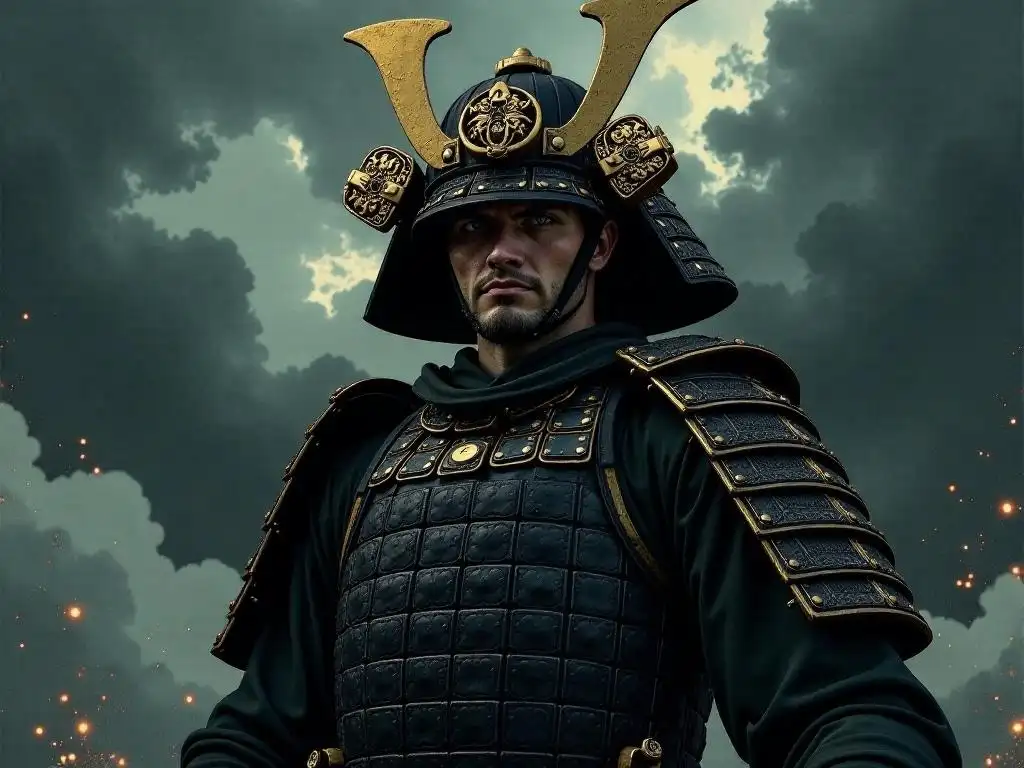
Welcome to Feudal Japan History! Prepare to embark on a captivating journey through the intricate tapestry of Japan’s feudal era, where history, culture, and society intertwine. In our featured article, “The Battle of Yagumo: The Intersection of Myth and Military Strategy,” we delve into the historical significance of the Yagumo battle—a moment that not only shaped military tactics but also left an indelible mark on Japanese folklore. What secrets lie within this pivotal clash? Join us as we uncover the layers of strategy and myth that define this extraordinary chapter in Japan’s past. Your exploration begins now!
Introduction to the Yagumo Battle
The Battle of Yagumo stands as a pivotal event in Japan's feudal history, intertwining military strategy with the rich tapestry of cultural narratives that define this era. This battle not only exemplifies the tactical ingenuity of its time but also serves as a lens through which we can examine the broader socio-political dynamics that shaped feudal Japan. By exploring the historical significance of the Yagumo battle, we gain insight into how myth and reality coalesce to influence military outcomes and the collective memory of a nation.
Overview of the Feudal Era in Japan
The feudal era in Japan, spanning from the late 12th century to the mid-19th century, was marked by a complex hierarchy of power and land ownership. At its core, this system revolved around the samurai, a warrior class that upheld the values of honor and loyalty. During this period, Japan was fragmented into various domains, each governed by powerful lords, known as daimyo. The interplay between these lords often resulted in conflicts, alliances, and shifts in power that directly impacted the lives of the common people.
Key characteristics of this era include:
- Decentralization of Power: The emperor remained a figurehead, while real power was wielded by the shoguns and daimyo.
- Bushido Code: The ethical code of the samurai emphasized loyalty, bravery, and honor, shaping the conduct of warfare.
- Cultural Flourishing: This period also saw the rise of distinct cultural practices, including the tea ceremony, Noh theatre, and traditional arts, which were often influenced by the tumultuous nature of warfare.
Brief Introduction to the Yagumo Battle
The Yagumo Battle, fought in the late 16th century, is often overshadowed by more prominent conflicts of its time, yet it holds a crucial place in the narrative of Japan's military history. This battle was not just a clash of swords but a significant turning point that reflected the shifting tides of power among feudal lords. The strategic decisions made during this battle would resonate through subsequent military engagements, illustrating the delicate interplay between myth and military strategy.
Historical Context of the Yagumo Battle
Understanding the Yagumo Battle requires a closer examination of the political landscape, key figures involved, and the cultural influences that shaped military strategy during this period.
Political Landscape Leading to the Battle of Yagumo
In the years leading up to the Yagumo Battle, Japan was embroiled in a series of power struggles among competing factions. The rise of influential daimyo, along with their ambitions for expansion, created a volatile environment. This atmosphere of rivalry and betrayal was further exacerbated by shifting alliances that often left territories vulnerable to invasion. The political landscape was marked by:
- Factional Rivalries: Competing clans vied for dominance, leading to frequent skirmishes and full-scale battles.
- Strategic Alliances: Temporary alliances formed to counterbalance powerful adversaries, often resulting in betrayal and shifting loyalties.
- Resource Control: Control over agricultural land and trade routes became a primary objective, fueling conflicts between rival factions.
Key Figures Involved in the Yagumo Conflict
The Yagumo Battle was defined by several prominent figures whose decisions and leadership played a crucial role in the conflict's outcome. Among them were:
- [Name of Key Daimyo 1]: A formidable leader known for his tactical prowess and ambition.
- [Name of Key Daimyo 2]: His rival, whose strategic mistakes would lead to significant losses.
- Military Advisors: Influential samurai and strategists who shaped the battlefield tactics and decisions.
Cultural Influences on Military Strategy
Cultural elements significantly influenced military strategy during the feudal era, intertwining the art of war with the prevailing philosophies of the time. Factors such as:
- Shinto Beliefs: The belief in divine favor played a role in motivating troops and justifying military actions.
- Literature and Mythology: Epic tales and historical narratives shaped perceptions of heroism and honor on the battlefield, often inspiring warriors to emulate legendary figures.
- Rituals and Ceremonies: Military engagements were often preceded by rituals that sought blessings from the gods, reflecting the integration of spirituality with martial endeavors.
The Yagumo Battle, therefore, emerges as a significant intersection of historical events, cultural narratives, and military strategy, warranting a deeper exploration of its complexities and implications.
The Yagumo Battle: Key Events and Strategies
The Battle of Yagumo, which occurred during the turbulent Sengoku period, is often regarded as a pivotal moment that shaped the military landscape of feudal Japan. The battle's significance lies not only in its tactical maneuvers but also in the cultural narratives that have evolved around it. Key events during the battle illustrate the intricate interplay of military strategy and the mythologization of samurai valor.
Chronology of the Yagumo Battle
The Yagumo Battle unfolded over a span of several days, with a series of critical engagements marking its progression:
- Day 1 - Initial Skirmishes: The battle commenced with minor skirmishes between scouting parties from both sides, revealing the strength and positioning of each army.
- Day 2 - Main Engagement: On this day, the main forces clashed, with initial advantages swinging back and forth, showcasing the strategic depth of both commanders.
- Day 3 - Tactical Shifts: The turning point occurred when one side executed a flanking maneuver, exploiting the terrain to gain the upper hand.
- Day 4 - The Decisive Strike: A final assault was launched, leading to a significant victory for the victorious faction, solidifying their control over the region.
This chronology highlights the dynamic nature of battlefield engagements, where adaptability and quick decision-making were crucial for success.
Tactical Approaches Used in the Yagumo Battle
The tactical approaches employed during the Yagumo Battle exemplify the sophistication of samurai warfare. Key strategies included:
- Terrain Utilization: Combatants leveraged the mountainous terrain of Yagumo, using natural cover for ambushes and surprise attacks.
- Flanking Maneuvers: One side executed a successful flanking maneuver, which disrupted the enemy’s formation and morale.
- Psychological Warfare: Fear tactics played a role, as both sides attempted to undermine the opponent’s resolve through displays of strength and deception.
These tactics reflect a blend of traditional samurai martial arts and innovative battlefield strategies, showcasing the evolving nature of military thought during this era.
Forces and Resources Mobilized
The forces involved in the Yagumo Battle were substantial, composed of various factions and their respective armies. Key elements included:
- Troop Strength: Estimates suggest that approximately 10,000 to 15,000 soldiers were mobilized, with a mix of infantry, cavalry, and archers.
- Logistical Support: Each side brought considerable resources, including food supplies, weaponry, and medical support, critical for sustaining prolonged combat.
- Alliances: The battle was influenced by pre-existing alliances, with neighboring clans providing reinforcements and strategic support for their allies.
The mobilization of such vast resources underscored the battle's importance in the broader context of feudal power struggles.
The Yagumo Battle: Myth vs. Reality
The Yagumo Battle is not only remembered for its military strategies but also for the myths that have arisen around it. These stories often elevate the heroism of certain figures and romanticize the conflict, creating a narrative that can overshadow the historical realities.
Common Myths Surrounding the Yagumo Battle
Several myths have emerged regarding the Yagumo Battle, including:
- The Underdog Victory: Many accounts suggest that a smaller force achieved an improbable victory against a larger army, emphasizing themes of bravery and skill.
- Superhuman Warriors: Stories have circulated about legendary samurai who performed extraordinary feats during the battle, leading to a glorification of individual heroism.
- Divine Intervention: Some narratives include elements of divine favor, suggesting that the victors were guided by celestial forces or ancestral spirits.
These myths serve to inspire and instill cultural pride but often distort the factual history of the battle.
Realities of the Yagumo Battle Strategy
Despite the alluring myths, the realities of the Yagumo Battle reveal a more complex picture:
- Strategic Planning: Both sides engaged in extensive planning, relying on intelligence and reconnaissance to inform their strategies.
- Resource Allocation: Success was heavily reliant on the effective allocation of resources, including troop formations and supply lines, rather than mere valor.
- Adapting to the Battlefield: The ability to adapt tactics in real-time was crucial, with commanders making adjustments based on the evolving dynamics of the fight.
Understanding these realities provides a clearer perspective on the battle's historical significance and the factors that led to its outcome.
The Role of Legend in Military History
The intersection of legend and history plays a significant role in understanding battles like Yagumo. Legends serve multiple purposes:
- Cultural Identity: They help forge a shared identity among people, fostering a sense of pride in their historical narrative.
- Moral Lessons: Many legends carry moral lessons, emphasizing virtues such as courage, loyalty, and sacrifice, which resonate within Japanese culture.
- Historical Interpretation: Legends allow historians to explore different interpretations of events, highlighting how cultural memory shapes our understanding of the past.
As such, the Yagumo Battle stands as a testament to the enduring power of myth in the landscape of military history, blending factual events with the rich tapestry of legend.
The Yagumo Battle’s Historical Significance

The Battle of Yagumo, fought in the late 12th century during Japan's Heian period, represents a pivotal moment in feudal Japan's military history. It not only showcased the tactical prowess of the samurai but also highlighted the intricate relationship between myth and military strategy. The battle is often viewed as a defining conflict that influenced subsequent feudal warfare and the development of samurai culture. The legacy of Yagumo extends beyond mere military tactics; it embodies the cultural and societal ethos of Japan during this transformative era.
The significance of the Yagumo battle is multifaceted. It serves as a case study in the evolution of military strategies employed by samurai clans, emphasizing the balance between honor and pragmatism. Moreover, the battle's narrative has been woven into the fabric of Japanese folklore, blending historical events with mythological interpretations that continue to resonate in modern Japan. This synthesis of myth and history reflects the broader cultural identity of Japan and underscores the battle's enduring impact on national consciousness.
Impact on Feudal Japan's Military Strategies
The Yagumo battle significantly influenced military strategies during the feudal era, as it exposed the strengths and weaknesses of various tactics employed by samurai warriors. One notable aspect was the use of terrain to advantage, where commanders demonstrated a keen understanding of the battlefield's geography. This awareness allowed for ambush tactics that were pivotal in securing victory against numerically superior forces.
Additionally, the battle prompted a shift in the organization of samurai units. The necessity for swift communication and coordination led to the development of more structured formations, which would later become foundational in samurai warfare. The lessons learned at Yagumo also contributed to the refinement of weaponry and armor, as combatants adapted to the evolving nature of battle. This evolution laid the groundwork for future conflicts, making Yagumo a significant reference point in the study of military tactics in Japan.
Lessons Learned from the Yagumo Battle
The Yagumo battle imparted several key lessons that would resonate through the ages. First, the importance of intelligence and reconnaissance became clear; knowing the enemy's movements and strategies was paramount to gaining the upper hand. This insight led to the establishment of dedicated scouts and intelligence networks within samurai clans, a practice that would endure throughout Japan's military history.
Second, the battle highlighted the value of adaptability in combat. Warriors who could adjust their tactics in response to emerging challenges were often the ones who secured victory. This principle of flexibility became ingrained in the samurai code, influencing not only military engagements but also the broader ethos of samurai culture. Lastly, the emotional and psychological aspects of warfare were underscored, as morale and the concept of honor played critical roles in the outcomes of battles.
The Battle of Yagumo in Modern Historical Discourse
In modern historical discourse, the Battle of Yagumo has garnered attention not only for its military implications but also for its cultural resonance. Scholars and historians examine the interplay between historical fact and myth, analyzing how narratives surrounding the battle have evolved over time. This examination includes exploring the ways in which the Yagumo battle has been romanticized in literature and art, contributing to its status as a cultural touchstone in Japan.
Furthermore, the battle is often referenced in discussions about samurai ethics and the warrior code of bushido. The principles derived from the Yagumo conflict continue to inform contemporary understandings of honor, loyalty, and sacrifice in Japanese society. As a result, the Yagumo battle serves as a vital link between Japan's past and present, enriching the narrative of the nation’s history and cultural identity.
Conclusion: The Legacy of the Yagumo Battle
The legacy of the Yagumo battle is a testament to its profound impact on Japan's military and cultural landscape. As one of the key conflicts of the feudal era, it shaped not only the tactics employed by samurai but also the moral framework that guided their actions on and off the battlefield. The lessons learned from Yagumo continue to resonate in modern discussions about military strategy and the ethical considerations of warfare.
Lasting Effects on Japanese Military Culture
The Yagumo battle's lasting effects on Japanese military culture are evident in the continued reverence for the samurai ethos. The principles of honor, loyalty, and strategic efficiency developed during this period remain integral to the identity of the Japanese armed forces today. Furthermore, the battle has become a symbol of resilience and adaptability, traits that are celebrated in both historical and contemporary contexts.
The narratives surrounding Yagumo have also influenced various aspects of Japanese arts, including literature, theater, and film, perpetuating the themes of conflict and virtue. As a result, the battle not only serves as a historical event but also as a cultural artifact that reflects the values and beliefs of Japanese society.
Reflections on the Intersection of Myth and Military Strategy
The intersection of myth and military strategy in the context of the Yagumo battle presents a fascinating lens through which to view Japan's feudal history. The blending of historical events with mythological elements has enriched the cultural discourse surrounding the battle, offering insights into the collective psyche of the Japanese people.
This synthesis allows for a deeper understanding of how historical narratives are shaped by cultural values and how these narratives, in turn, influence military practices and societal expectations. The Yagumo battle stands as a prime example of how history can be both a factual account and a source of inspiration, illustrating the enduring power of storytelling in shaping national identity and military culture.
Further Reading on Yagumo Battle Historical Significance
To delve deeper into the historical significance of the Yagumo battle, it is beneficial to explore a variety of sources that provide context, analysis, and interpretations of this pivotal event in feudal Japan. Engaging with these materials can enhance understanding and appreciation of the complex interplay between myth, culture, and military strategy during this era.
Suggested Books and Articles
Here are some recommended readings that illuminate the historical context and significance of the Yagumo battle:
-
"The Samurai and the Sacred" by Stephen Turnbull
This book offers insights into the spiritual and cultural dimensions of samurai warfare, including the impact of legendary battles like Yagumo on the samurai ethos.
-
"Warriors of Japan as Portrayed in the War Tales" by John S. Brownlee
Brownlee's work explores various war tales, including the Yagumo battle, revealing how these narratives shape historical memory and national identity.
-
"Feudal Japan: A History" by John D. McDonald
This comprehensive history provides a broader understanding of Japan's feudal era, situating the Yagumo battle within a larger narrative of conflict and change.
-
"The Tale of the Heike" (translated by Helen Craig McCullough)
This classic text offers a rich portrayal of samurai battles and their cultural significance, including references to the Yagumo battle and its legendary status in Japanese history.
-
"The Art of War in Japan" by Richard C. Hiyama
This analytical piece examines the military strategies employed during key battles, including Yagumo, highlighting the tactical innovations and their consequences.
Related Battles in Feudal Japan History
Understanding the significance of the Yagumo battle can also be enhanced by examining other notable battles from feudal Japan, which share thematic and strategic elements:
-
The Battle of Sekigahara (1600)
This decisive conflict marked the end of the Sengoku period and the rise of the Tokugawa shogunate. It serves as a crucial point of comparison for understanding shifting power dynamics.
-
The Battle of Okehazama (1560)
A smaller yet tactically brilliant battle where Oda Nobunaga defeated a much larger force, demonstrating the importance of strategy and surprise in warfare, much like the Yagumo battle.
-
The Battle of Nagashino (1575)
Known for the innovative use of firearms by Tokugawa Ieyasu, this battle illustrates the evolution of military tactics and the impact of technology on feudal conflicts.
-
The Siege of Osaka (1614-1615)
A significant confrontation that ultimately led to the consolidation of power by the Tokugawa shogunate, reflecting on the enduring consequences of prior battles, including Yagumo.
By engaging with these readings and related battles, one can gain a more nuanced understanding of the Yagumo battle's historical significance within the broader tapestry of feudal Japan’s military history.
- Introduction to the Yagumo Battle
- Historical Context of the Yagumo Battle
- The Yagumo Battle: Key Events and Strategies
- The Yagumo Battle: Myth vs. Reality
- The Yagumo Battle’s Historical Significance
- Conclusion: The Legacy of the Yagumo Battle
- Further Reading on Yagumo Battle Historical Significance
Frequently Asked Questions
What was the Battle of Yagumo?
The Battle of Yagumo was a significant conflict during Japan's feudal era, showcasing the interplay of mythology and military strategy.
Why is the historical significance of the Battle of Yagumo important?
The historical significance lies in its impact on feudal conflicts, shaping the political landscape and influencing cultural narratives in Japan.
How did mythology influence the Battle of Yagumo?
Mythology played a crucial role by intertwining legendary elements with actual military tactics, affecting both troop morale and public perception.
What lessons can be learned from the military strategies used in the battle?
The military strategies in the Battle of Yagumo illustrate the importance of adaptability and cultural context in military planning and execution.
How does the Battle of Yagumo relate to Japan's overall feudal history?
The Battle of Yagumo acts as a microcosm of Japan's feudal history, reflecting the power struggles, cultural beliefs, and the evolution of samurai warfare.
Final Reflection: The Enduring Legacy of Yagumo's Historical Significance
The Battle of Yagumo stands as a testament to the intricate dance between myth and military strategy, revealing how narratives shape our understanding of historical events. In today’s world, where information is abundant yet often fragmented, the significance of Yagumo reminds us that history is not merely a collection of dates and battles but a rich tapestry woven with cultural narratives that influence our identity and values. The lessons drawn from this battle continue to resonate, urging us to examine the stories we tell and the legacies we choose to honor.
Culturally, the Battle of Yagumo has transcended its immediate military implications, influencing art, literature, and national identity. The mythos surrounding this battle has inspired countless interpretations, fostering a sense of pride and reflection within communities. As we navigate our contemporary landscape, the echoes of Yagumo remind us of the power of storytelling in shaping collective memory. > “History is not a burden on the memory but an illumination of the soul.” This quote encapsulates how the narratives surrounding Yagumo serve not only as a reminder of past struggles but also as a beacon guiding future generations.
As we conclude our exploration of the Battle of Yagumo, I invite you to reflect on the stories that shape your own understanding of history. Consider how the lessons of this battle can inform your perspective on conflict, identity, and resilience. Let the significance of Yagumo inspire you to engage with history actively, recognizing that each narrative holds the potential to illuminate our paths forward. Embrace the power of myth and strategy in your own life, and strive to create a legacy that honors the complexities of our shared human experience.
Unveil the Strategies of Yagumo!
Thank you for diving into the fascinating world of the Battle of Yagumo with us! We hope you’ve gained valuable insights into how mythology intertwines with military tactics. Now, let’s take the next step in your exploration of Feudal Japan.
Here are some engaging actions you can take to further immerse yourself in this captivating history:
- Join our community: Engage with fellow history enthusiasts in our forums at feudaljapanhistory.com. Share your thoughts on the battle and discuss its impact on Japanese culture.
- Explore related articles: Delve deeper into the strategic decisions of other significant battles in Feudal Japan to see how mythology influenced their outcomes.
- Create your own narrative: Write a short story inspired by the myths surrounding the Battle of Yagumo and share it with us!
What aspect of the mythology behind military strategies do you find most intriguing, and how do you think it influences our understanding of history today?