
The Aftermath of the Battle of Takeda: Resilience and Revenge in Samurai Culture

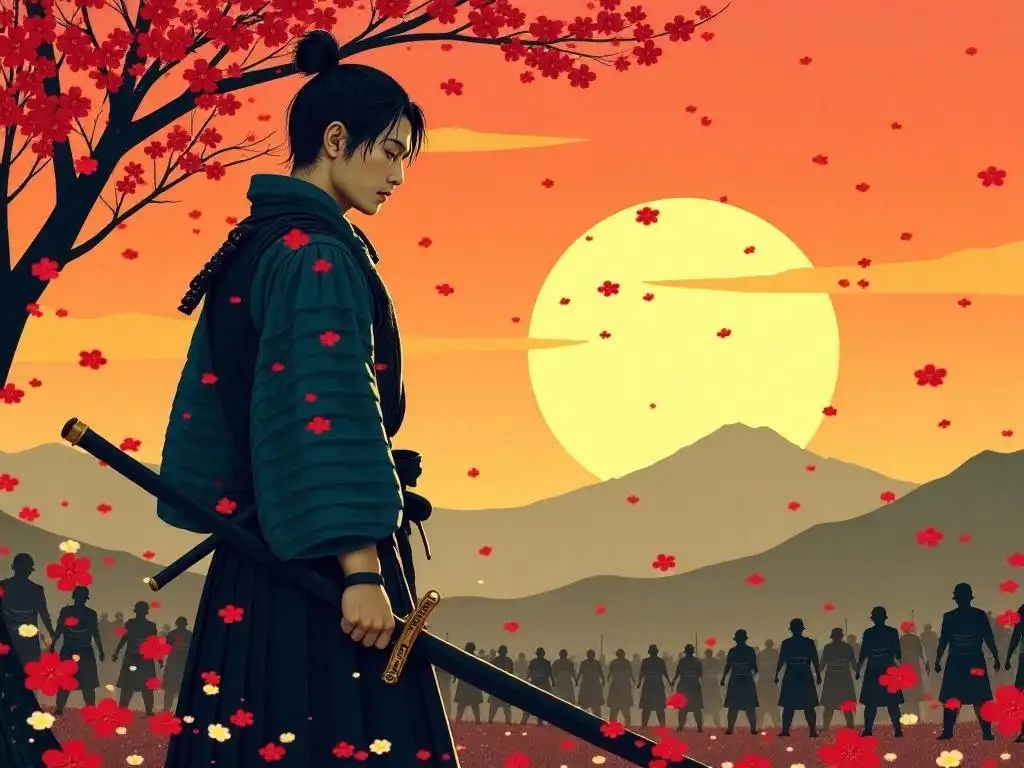
Welcome to Feudal Japan History, where we invite you to journey through the captivating tapestry of Japan’s feudal era. Dive into our latest exploration, "The Aftermath of the Battle of Takeda: Resilience and Revenge in Samurai Culture," as we unravel the intricate threads of samurai culture in the wake of this pivotal conflict. What shaped the warriors' unwavering spirit and unyielding loyalty during these tumultuous times?
Join us as we delve deeper into the historical, cultural, and societal nuances that defined an era and discover the fascinating legacies that continue to resonate today. Your adventure into the heart of military history begins here!
The aftermath of the Battle of Takeda marked a pivotal moment in the tapestry of Samurai culture, reflecting deep-rooted themes of resilience and revenge that would resonate throughout Japan's feudal era. This battle, fought in the late 16th century, not only shaped the military strategies of the time but also influenced the societal and cultural fabric of the samurai class.
Understanding the events that unfolded after this significant confrontation provides insight into how samurai warriors navigated their identity, loyalty, and the ever-shifting power dynamics among competing clans. In this article, we will explore the intricate layers of Samurai culture after the Battle of Takeda, shedding light on the enduring spirit that characterized these noble warriors amidst the chaos of conflict.
Introduction to the Battle of Takeda
The Battle of Takeda, fought in the year 1575, was a defining conflict in Japan’s Sengoku period, a time of incessant civil war and social upheaval. This encounter was part of the broader struggle for dominance among feudal lords, known as daimyōs, who vied for control over territories and resources. The battle witnessed the clash of formidable forces, including the renowned Takeda clan, led by the indomitable Takeda Shingen, and their adversaries, the Uesugi clan, commanded by Uesugi Kenshin.
Overview of the Battle's Significance in Samurai Culture
The significance of the Battle of Takeda extends beyond mere military tactics; it embodies core values of Samurai culture such as honor, loyalty, and bravery. The samurai were not only warriors but also custodians of a code known as Bushido, which emphasized ethical conduct, courage, and loyalty to one’s lord. The aftermath of the battle served to reinforce these ideals, as samurai sought to uphold their honor and avenge their fallen comrades. The narratives surrounding the battle became part of the samurai folklore, illustrating the enduring legacy of the warriors involved.
Key Players in the Battle of Takeda
The battle featured prominent figures whose legacies would shape the course of samurai history. Key players included:
- Takeda Shingen: The charismatic and strategic leader of the Takeda clan, known for his military innovations and fierce rivalry with Uesugi Kenshin.
- Uesugi Kenshin: A revered warrior and tactician, recognized for his chivalric ideals and formidable presence on the battlefield.
- Other notable samurai: Various other commanders and foot soldiers contributed to the conflict, each with their own stories of valor and sacrifice.
The Immediate Aftermath of the Battle
Following the Battle of Takeda, the landscape of samurai culture underwent notable transformations. The immediate aftermath was characterized by a mix of despair for losses suffered and a burning desire for revenge, which would fuel subsequent conflicts and personal vendettas among the samurai.
Impact on Samurai Morale and Identity
The morale of the samurai was profoundly affected by the events of the battle. While many warriors faced the grief of losing comrades, the battle also ignited a fierce determination to honor their legacy. This period marked a reaffirmation of samurai identity, as warriors rallied around their lords, driven by the desire to reclaim lost honor and avenge fallen brothers. The collective memory of the battle became a rallying point, reinforcing the ideals of loyalty and bravery that were hallmarks of the samurai ethos.
Changes in Power Dynamics among Samurai Clans
The power dynamics among rival clans shifted dramatically in the wake of the Battle of Takeda. With the Takeda clan's initial dominance challenged, other clans began to vie for influence and control in the region. The aftermath set the stage for new alliances, betrayals, and the inevitable rise and fall of clans, showcasing the ever-evolving nature of feudal Japan. This tumultuous period also gave rise to new leaders and factions within the samurai hierarchy, further complicating the landscape of loyalty and rivalry that defined the era.
The aftermath of the Battle of Takeda serves as a rich case study for understanding the resilience and revenge that permeated samurai culture during this tumultuous chapter in Japanese history. As we delve deeper into the specific impacts and transformations that followed, we will uncover the intricate connections between battle, identity, and the enduring legacy of the samurai warriors.
Resilience in Samurai Culture
The aftermath of the Battle of Takeda is a poignant reflection of the resilience inherent in samurai culture. After the devastating loss, samurai warriors and their clans were faced with the challenge of rebuilding their honor and strength. Resilience, deeply embedded in the samurai ethos, manifested itself through various aspects of their lives, including military strategies, personal conduct, and social structures. This cultural trait was not only crucial for survival but also played a significant role in shaping the future of the samurai and their legacy.
The Philosophy of Resilience in Bushido
Bushido, often translated as "the way of the warrior," is a code that emphasizes virtues such as loyalty, honor, and courage. Within this framework, resilience stands out as a vital attribute. Samurai were taught to embrace adversity and to view challenges as opportunities for growth. The philosophy of resilience is deeply rooted in the belief that true strength is not merely physical but also mental and spiritual.
In the wake of the Battle of Takeda, samurai embraced the idea of "kaizen," or continuous improvement, which encouraged them to learn from their failures and strive for excellence. This philosophy guided their training and combat strategies, allowing them to adapt and evolve in response to their circumstances. The narrative of resilience in Bushido reflects a broader cultural framework that prioritizes perseverance and the relentless pursuit of honor.
Case Studies of Resilient Samurai Post-Battle
Several notable samurai exemplified resilience following the Battle of Takeda. One prominent figure was Uesugi Kenshin, who, despite the loss of allies and territory, managed to regroup and fortify his forces. He focused on strategic alliances and revitalizing his troops through rigorous training and discipline.
Another example is Takeda Shingen's general, Katsuyori Takeda, who, although initially devastated by the defeat, rallied his remaining troops and sought to reclaim lost honor. His efforts to reorganize and re-strategize highlighted the samurai's ability to rebound from adversity.
These case studies illustrate how individual samurai and their leaders not only persisted through the aftermath but also sought to learn from the experience, fostering a culture of resilience that would influence future generations.
Cultural Practices that Fostered Resilience
Cultural practices within samurai society significantly contributed to the cultivation of resilience. Rituals such as seppuku (ritual suicide) exemplified how samurai maintained their honor in the face of defeat. This practice reinforced the notion that one's legacy could be preserved through honorable actions, even in death.
Additionally, the practice of kenjutsu, or swordsmanship, was central to developing both physical prowess and mental fortitude. Samurai engaged in rigorous training that emphasized discipline and focus, preparing them to face not only external challenges but also internal struggles.
Moreover, the communal aspect of samurai culture—where clans supported one another through shared resources and collective identity—further strengthened resilience. This interconnectedness allowed samurai to draw upon communal strength in times of crisis, fostering a culture that valued collective endurance and mutual support.
Revenge Motifs in Samurai Culture
Revenge is a recurring theme in samurai culture, intricately tied to the concepts of honor and loyalty. The aftermath of the Battle of Takeda ignited a fervent desire for vengeance among many samurai, reflecting a deep-seated belief that retribution was necessary to restore lost honor and status. This pursuit of revenge is not merely an emotional response but rather a calculated aspect of the samurai ethos.
Historical Context of Revenge in Japanese Feudal Society
Revenge, or "kataki", held significant importance in Japanese feudal society. The concept was intertwined with the samurai's code of honor, wherein avenging a wrong was seen as a moral duty. Historical accounts illustrate that failure to seek retribution could result in disgrace, both personally and for one's clan.
The culture of revenge was also influenced by the feudal system, where power dynamics and loyalty shaped relationships between lords and vassals. The aftermath of battles, such as Takeda, often resulted in shifts in power, leading to rivalries and a heightened need for revenge as a means of asserting dominance and reclaiming honor.
Key Figures Seeking Revenge after the Battle of Takeda
In the wake of the Battle of Takeda, several key figures emerged, driven by the need for revenge. One notable example is Uesugi Kenshin, who sought to avenge the defeat of his allies. His relentless pursuit of vengeance not only solidified his reputation as a formidable warrior but also served to galvanize his troops and allies.
Similarly, Katsuyori Takeda himself sought to reclaim lost territories and avenge his father's legacy. His actions were emblematic of the broader samurai ethos, where personal vendettas often intersected with clan honor and loyalty, driving warriors to pursue retribution at great personal risk.
The Role of Honor and Revenge in Samurai Culture
Honor and revenge are inextricably linked in samurai culture, forming a foundation upon which many actions were justified. The need to protect one’s honor often outweighed the consequences of revenge, leading to cycles of violence that defined feudal Japan's landscape.
The samurai's commitment to avenging wrongs was not only personal but also collective, reflecting the broader societal values. This connection between honor and revenge fostered a culture where the pursuit of retribution was not only accepted but expected, shaping the identities of warriors and their clans.
The aftermath of the Battle of Takeda illustrates how resilience and revenge were pivotal elements of samurai culture, influencing their actions and shaping their legacy in a tumultuous historical context.
Long-term Effects on Samurai Warfare
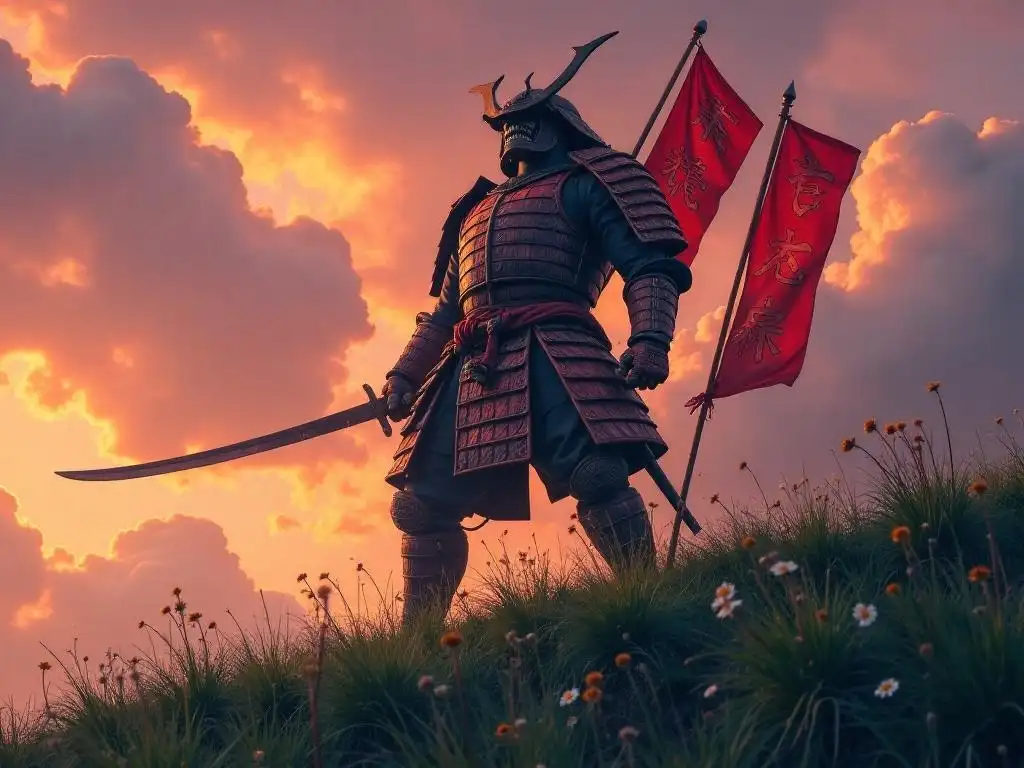
The Battle of Takeda, a pivotal event in the late 16th century, marked a significant turning point in the evolution of samurai warfare. The aftermath of this fierce confrontation catalyzed profound changes in military strategies, tactics, and the very nature of samurai identity. The defeat and the subsequent need for adaptation led to a re-evaluation of the traditional samurai roles, emphasizing mobility and tactical flexibility over sheer strength and honor.
One of the notable long-term effects was the shift toward more strategic alliances and the use of intelligence in warfare. Samurai clans began to recognize the importance of gathering information about enemy movements, leading to the establishment of more organized reconnaissance units. This change not only improved battlefield tactics but also fostered a culture of cooperation among samurai, as they formed alliances to counteract common threats.
Additionally, the lessons learned from the Battle of Takeda contributed to the standardization of weaponry and armor. The samurai began to adopt lighter armor for increased mobility, allowing them to engage in quicker skirmishes and surprise attacks. This strategic evolution laid the groundwork for the more modernized approach to warfare that would characterize the later periods of Japanese history.
Evolution of Samurai Tactics Post-Battle
Post-battle, samurai tactics underwent significant transformation as warriors adapted to the realities of changing warfare. The emphasis shifted from large, frontal assaults to smaller, coordinated strikes that utilized the element of surprise. This evolution was largely influenced by the lessons learned during the Battle of Takeda, where traditional formations proved less effective against agile and strategic opponents.
Incorporating guerrilla warfare tactics became increasingly popular among samurai. They began to utilize the terrain to their advantage, employing ambushes and hit-and-run tactics that allowed smaller units to defeat larger forces. This shift highlighted the importance of adaptability in combat situations, as samurai learned to leverage their surroundings for tactical advantages.
Furthermore, the integration of firearms, which were introduced to Japan during this period, prompted a reevaluation of samurai combat techniques. As gunpowder weapons became more prevalent, samurai had to learn new methods of engagement, blending traditional swordsmanship with the use of firearms. This melding of tactics marked a significant evolution in samurai warfare, reflecting the changing dynamics of battle in Japan.
Influence on Future Battles and Military Strategies
The ramifications of the Battle of Takeda extended far beyond its immediate context, influencing subsequent military engagements and strategies in feudal Japan. The strategies developed in the aftermath became foundational for later conflicts, as samurai leaders sought to improve their tactical approaches based on the lessons learned during this battle.
In particular, the emphasis on mobility and adaptability shaped the strategies of future samurai clans. Leaders like Toyotomi Hideyoshi and Tokugawa Ieyasu drew inspiration from the outcomes of the Battle of Takeda, implementing similar tactics that prioritized speed and clever maneuvering over brute force. This strategic foresight allowed them to consolidate power and achieve significant victories in subsequent conflicts.
Moreover, the evolving perceptions of honor and combat fostered by the battle set a new precedent for samurai conduct. The focus on survival and tactical success began to overshadow the traditional notions of honor, leading to a reinterpretation of samurai values that would resonate throughout future generations.
The Legacy of the Battle of Takeda in Samurai History
The legacy of the Battle of Takeda remains deeply embedded in the annals of samurai history. A defining moment, it not only illustrated the brutality of samurai warfare but also served as a catalyst for change in military practices and samurai culture. The battle’s outcomes influenced how samurai viewed honor, loyalty, and the very essence of their warrior identity.
In the broader context of Japanese history, the battle is often remembered as a cautionary tale of the consequences of overconfidence and the necessity of strategic innovation. The defeat experienced at Takeda became a rallying point for future samurai leaders, who aimed to learn from the mistakes of their predecessors. This legacy is reflected in the continuing emphasis on adaptability and strategic depth in samurai training and philosophy.
Additionally, the Battle of Takeda has become a symbol of resilience and revenge in samurai culture, inspiring countless tales of bravery and redemption. The narratives surrounding the battle have been immortalized in literature, art, and folklore, ensuring that its lessons continue to inform the samurai ethos.
Cultural Reflections in Literature and Art
The cultural reflections of the Battle of Takeda in literature and art reveal the deep impact this event had on the samurai ethos and broader Japanese society. The themes of resilience and revenge that emerged from the aftermath found fertile ground in various artistic expressions, contributing to a rich tapestry of cultural memory.
Depictions of the Battle of Takeda in Samurai Literature
Literature from the period following the Battle of Takeda often portrays the battle as a heroic struggle, emphasizing the valor and determination of the samurai. Renowned literary works, such as the Heike Monogatari, weave in narratives that echo the sentiments of the battle, illustrating the samurai's unwavering spirit in the face of adversity.
The battle is frequently depicted in the context of honor and sacrifice, serving as a narrative vehicle to explore the complexities of samurai identity. Characters embodying the ideals of bushido—loyalty, courage, and honor—are often central to these stories, reflecting the cultural values that were both challenged and reinforced by the battle.
Moreover, the literary references to the Battle of Takeda have evolved over time, adapting to contemporary interpretations of samurai culture. Modern authors continue to draw inspiration from this pivotal event, ensuring its relevance in the ongoing discourse surrounding samurai history.
Artworks Reflecting Resilience and Revenge Themes
Artworks inspired by the Battle of Takeda often delve into themes of resilience and revenge, providing a visual representation of the emotional and psychological aftermath of the conflict. Ukiyo-e prints, for instance, capture the dramatic essence of the battle, depicting heroic samurai in moments of valor and defiance.
These artistic representations not only serve as historical documentation but also as cultural reflections of the samurai spirit. Artists such as Utagawa Kuniyoshi portrayed the battle in a way that emphasized the nobility of the samurai, capturing their struggles and triumphs in vivid detail. The emotional weight of revenge and resilience resonates through these works, evoking a sense of pride and honor associated with samurai culture.
Additionally, contemporary artists continue to reinterpret the Battle of Takeda, using various mediums to explore its legacy. The ongoing fascination with this battle underscores its significance in shaping the cultural narrative surrounding samurai history.
The Impact of the Battle on Japanese Folklore
The Battle of Takeda has left an indelible mark on Japanese folklore, contributing to a rich tapestry of myths and legends that celebrate the samurai spirit. The narratives surrounding the battle have been passed down through generations, often embellished with fantastical elements that highlight the bravery and honor of the warriors involved.
Folklore often recounts tales of heroic samurai who fought valiantly during the battle, emphasizing themes of loyalty and sacrifice. These stories serve as moral lessons, reinforcing the bushido code and the ideals of samurai culture. They illustrate how the battle became a symbol of resilience in the face of overwhelming odds, inspiring future generations to uphold the virtues of honor and loyalty.
Moreover, the battle has influenced various traditional performances, such as Noh and Kabuki theatre, which incorporate its themes into their storytelling. These performances not only entertain but also educate audiences about the historical significance of the battle, ensuring that its legacy endures in the collective memory of Japanese culture.
Conclusion: The Enduring Legacy of the Battle of Takeda
The Battle of Takeda, fought in 1582, stands as a pivotal moment in Japanese history, marking not just a military engagement but an essential chapter in the narrative of samurai culture. The aftermath of this battle showcased the resilience and sense of honor that defined the samurai way of life.
Although the immediate consequences were dire for the Takeda clan, the enduring legacy of this battle can be seen in the cultural narratives and values that continue to resonate in contemporary Japanese society. The themes of loyalty, bravery, and the quest for revenge permeate folklore, literature, and even modern media, ensuring that the spirit of the samurai remains alive.
In the wake of the battle, samurai culture adapted and evolved, integrating the lessons learned from conflict into its foundational ethos. The resilience shown by the surviving warriors fostered a renewed sense of identity among samurai across Japan, encouraging them to uphold their traditional values while navigating the changing dynamics of power and warfare. The battle's legacy is not merely historical; it serves as an enduring symbol of the samurai's unwavering commitment to honor and duty, shaping how this warrior class is perceived and revered today.
Summary of Resilience and Revenge in Samurai Culture
The aftermath of the Battle of Takeda encapsulates the dual themes of resilience and revenge that are deeply woven into the fabric of samurai culture. Following the defeat, the samurai faced a critical juncture where their response would define their legacy. Many warriors chose resilience, banding together to uphold their clan’s honor and seeking ways to restore their status in a rapidly changing political landscape. This determination to recover and rebuild highlighted the samurai's commitment to their code of conduct, known as Bushido, which emphasizes loyalty, honor, and bravery.
Revenge also played a significant role in the cultural narrative following the battle. The desire to avenge fallen comrades and rectify the perceived dishonor of defeat spurred many samurai into action, leading to subsequent conflicts as they sought to restore their family's honor. This cycle of revenge became a vital aspect of samurai lore, influencing everything from historical accounts to fictional adaptations. The stories of revenge not only served to inspire future generations but also reinforced the moral complexity inherent in samurai culture, where the pursuit of honor could lead to both noble deeds and tragic outcomes.
The Battle's Influence on Modern Interpretations of Samurai Heritage
The Battle of Takeda has significantly shaped modern interpretations of samurai heritage, permeating contemporary literature, film, and popular culture. The narrative surrounding the battle, emphasizing themes of honor, loyalty, and the code of Bushido, continues to resonate with audiences today. Films such as "Kagemusha" and "Samurai Rebellion" draw upon the rich historical context of samurai culture, weaving in elements of the battle's aftermath to explore deeper philosophical questions about duty and personal sacrifice.
Moreover, the portrayal of samurai in modern media often romanticizes their values, framing them as noble warriors fighting for a greater cause. This idealization can be traced back to events like the Battle of Takeda, which serves as a touchstone for discussions about the samurai's role in shaping Japan's identity. The legacy of the battle encourages a nostalgic view of the samurai, highlighting their struggles and triumphs as emblematic of a bygone era that many admire and seek to understand.
In educational contexts, the battle is frequently examined to illustrate the complexities of feudal Japan's social hierarchy and the intricate relationships between various clans. This exploration not only enhances our understanding of the samurai's place in history but also invites a reassessment of their cultural significance in a modern context, where the values they embodied continue to inspire and provoke thought.
- Introduction to the Battle of Takeda
- The Immediate Aftermath of the Battle
- Resilience in Samurai Culture
- Revenge Motifs in Samurai Culture
- Long-term Effects on Samurai Warfare
- Cultural Reflections in Literature and Art
- Conclusion: The Enduring Legacy of the Battle of Takeda
- What was the significance of the Battle of Takeda in Samurai culture?
- How did the outcome of the Battle of Takeda affect the Samurai?
- In what ways did Samurai culture evolve after the Battle of Takeda?
- What role did honor play in Samurai culture after the Battle of Takeda?
- How did the aftermath of the Battle of Takeda influence Japanese society?
Frequently Asked Questions
What was the significance of the Battle of Takeda in Samurai culture?
The Battle of Takeda marked a pivotal moment in Samurai culture, influencing their ideals of resilience and honor. The aftermath shaped the warrior code and the perception of loyalty in feudal Japan.
How did the outcome of the Battle of Takeda affect the Samurai?
Following the battle, Samurai faced a period of reflection and reassessment. The loss prompted a stronger emphasis on strategic alliances and the importance of revenge within their culture.
In what ways did Samurai culture evolve after the Battle of Takeda?
Post-battle, Samurai culture saw a shift towards strengthening their military tactics and training. This evolution was driven by the need to adapt to the changing landscape of feudal warfare.
What role did honor play in Samurai culture after the Battle of Takeda?
Honor remained a cornerstone of Samurai culture, especially after the battle. The desire for redemption and avenging losses became paramount, reinforcing the Bushido ethos.
How did the aftermath of the Battle of Takeda influence Japanese society?
The battle's aftermath led to a redefined social structure within Japan, where Samurai increasingly became political and military leaders, impacting the dynamics of feudal society and governance.
Final Reflection: Resilience and Revenge in Samurai Culture
The aftermath of the Battle of Takeda serves as a powerful reminder of the enduring values of resilience and revenge that define samurai culture. In today's world, where challenges and conflicts are omnipresent, the lessons gleaned from this pivotal moment in history resonate more than ever. The samurai's unwavering spirit in the face of adversity exemplifies how individuals and communities can rise from the ashes of defeat, transforming pain into strength and determination.
Culture is a living entity, shaped by the stories we tell and the values we uphold. The legacy of the samurai, particularly in the wake of the Battle of Takeda, continues to influence not only Japanese society but also global perspectives on honor, loyalty, and the quest for redemption. As we reflect on this historical event, we are reminded of the words of the renowned philosopher Miyamoto Musashi: In battle, if you make your opponent flinch, you have already won.
This sentiment encapsulates the essence of samurai culture—an unyielding pursuit of excellence and the ability to confront challenges head-on, regardless of the circumstances.
As we move forward, let us take a moment to reflect on how the principles of resilience and revenge can be applied in our own lives. Consider the battles you face, both big and small, and ask yourself how you can channel the spirit of the samurai to overcome obstacles and emerge stronger.
Embrace the lessons of the past and allow them to inspire your journey, for in every struggle lies the potential for growth and transformation. The samurai's legacy is not just a relic of history; it is a call to action for all of us to embody the courage and tenacity that defines true strength.
Embrace the Spirit of Samurai Resilience!
Thank you for taking the time to explore the profound themes of resilience and revenge in Samurai culture, particularly in the aftermath of significant historical battles. Your interest in this rich narrative empowers you to connect with the enduring lessons of courage and honor.
Now, let’s dive deeper into the world of the Samurai and take action:
- Explore further: Investigate the key conflicts that shaped Samurai philosophy to gain a broader understanding of their resilience.
- Join the conversation: Reflect on how resilience plays a role in your own life by commenting below; we'd love to hear your perspective!
- Connect with fellow enthusiasts: Sign up for our newsletter to receive more intriguing insights and stories from the history of Feudal Japan.
What does resilience mean to you in today's world, and how can you apply the lessons of the Samurai to overcome your own challenges?