
The Battle of Nagashino: Gunpowder, Strategy, and the End of the Samurai’s Age


Welcome to Feudal Japan History, where we invite you to delve into the fascinating world of Japan's feudal era. Here, you'll discover a rich tapestry of historical, cultural, and societal insights that shaped a nation. In our featured article, we embark on an intriguing journey through the Battle of Nagashino, exploring the strategic innovations and gunpowder tactics that heralded a pivotal shift in military history and the samurai’s age. Prepare to uncover the layers of this remarkable battle and understand its lasting impact. Your adventure into the depths of Japan's past begins now—will you join us?
- Introduction to the Battle of Nagashino
- Historical Context of the Battle of Nagashino
- The Battle of Nagashino: A Strategic Analysis
- The Outcome of the Battle of Nagashino
- Cultural and Societal Implications of the Battle
- Conclusion: The Legacy of the Battle of Nagashino
- Further Reading and Resources on the Battle of Nagashino
-
Frequently Asked Questions
- What was the significance of the Battle of Nagashino?
- How did the strategy employed at Nagashino impact future battles?
- What role did gunpowder play in the outcome of the battle?
- Who were the main combatants in the Battle of Nagashino?
- How did the Battle of Nagashino contribute to the end of the samurai's age?
- Final Reflection: The Enduring Legacy of the Battle of Nagashino
- Unleash Your Inner Strategist – Dive Deeper into Feudal Japan!
Introduction to the Battle of Nagashino
The Battle of Nagashino, fought in June 1575, stands as a pivotal moment in Japan’s feudal history, marking a significant turning point in military tactics and the use of firearms. This encounter not only encapsulates the intense power struggles of the Sengoku period but also illustrates the transformative impact of gunpowder weaponry on traditional samurai warfare.
As the forces of Takeda Katsuyori clashed with the combined armies of Oda Nobunaga and Tokugawa Ieyasu, the strategies employed were groundbreaking, paving the way for new methods of combat that ultimately contributed to the decline of the samurai’s dominance on the battlefield. In this article, we will provide an in-depth analysis of the strategies used during the battle, the role of gunpowder, and its broader implications for the feudal structure of Japan.
Overview of the Battle of Nagashino
The Battle of Nagashino was not merely a confrontation between two powerful clans; it was a showcase of evolving military strategies and technologies. The battle took place at Nagashino Castle, where Oda Nobunaga and Tokugawa Ieyasu prepared to face the formidable Takeda forces, known for their cavalry and traditional samurai combat techniques.
- Date: June 28, 1575
- Location: Nagashino, Aichi Prefecture
- Main Combatants:
- Oda Nobunaga and Tokugawa Ieyasu
- Takeda Katsuyori
The Oda-Tokugawa alliance strategically fortified their position by utilizing the terrain and constructing wooden palisades to enhance their defense. Nobunaga’s troops, predominantly composed of ashigaru (foot soldiers), were armed with matchlock rifles, which were a relatively new introduction to Japanese warfare at the time. This innovative use of gunpowder weaponry allowed them to effectively counter the famed cavalry charges of the Takeda forces, leading to a dramatic shift in the dynamics of the battle.
Importance of Gunpowder in Feudal Japan
Gunpowder was a revolutionary force in feudal Japan, altering the landscape of military strategy and the very fabric of samurai culture. Before its introduction, battles were primarily fought with swords, spears, and bows, where individual valor and skill were paramount. However, the advent of gunpowder changed this paradigm, emphasizing firepower and tactical acumen over sheer martial prowess.
Key Impacts of Gunpowder:
- Shift in Warfare Tactics:
- The reliance on firearms allowed for the development of new tactics, such as the formation of gun lines that could unleash devastating volleys against advancing enemies.
- Decline of Traditional Samurai Combat:
- With gunpowder weapons gaining prominence, the traditional samurai’s role as the elite warrior began to diminish, leading to a reevaluation of honor and combat in Japanese society.
- Centralization of Power:
- The ability to equip and train foot soldiers with firearms enabled warlords like Nobunaga to consolidate power, as they could field larger, more effective armies that diminished the influence of individual samurai clans.
The Battle of Nagashino serves as an exemplary case study of these transformations, showcasing how the strategic use of gunpowder not only influenced the outcome of the battle but also heralded the end of an era defined by samurai ideals and warfare conventions.
Historical Context of the Battle of Nagashino
The Sengoku Period: A Prelude to Conflict
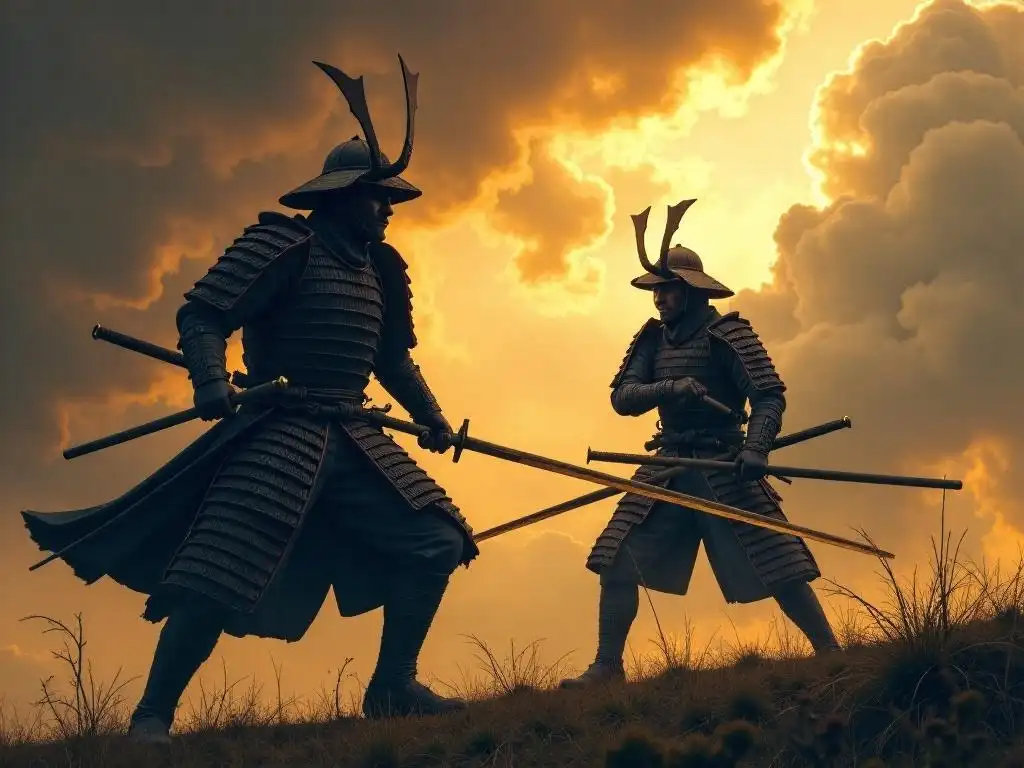
The Sengoku Period (1467-1603), often referred to as the "Warring States" era, was a time of intense social upheaval, political intrigue, and military conflict in Japan. This period set the stage for the Battle of Nagashino, fought in 1575, as powerful daimyōs (feudal lords) vied for control over territories, leading to constant warfare and shifting alliances. The fragmentation of power among these warlords meant that the landscape of Japan was rife with both opportunity and danger.
During this time, the introduction of gunpowder and firearms into Japanese warfare revolutionized military tactics. The arquebus, a matchlock firearm, became a significant weapon that altered the dynamics of battles. Oda Nobunaga, who would play a crucial role in the Battle of Nagashino, recognized the potential of these new weapons and began to incorporate them into his military strategies, contrasting sharply with the more traditional methods favored by his opponents.
The Battle of Nagashino was not merely a conflict over land; it represented a clash of ideologies regarding warfare. The Oda forces, equipped with firearms and innovative tactics, faced the Takeda clan, known for their prowess in cavalry charges and traditional samurai combat. This dichotomy highlighted the transition from classical samurai warfare to a more modern military approach, making the battle a pivotal moment in Japanese history.
Key Figures Involved in the Battle
The Battle of Nagashino was characterized by the involvement of significant historical figures whose contrasting strategies and ideologies shaped the outcome of the conflict. Understanding these key figures provides insight into the strategic analysis of the battle.
Oda Nobunaga: The Innovator
Oda Nobunaga emerged as a dominant force during the Sengoku Period, recognized not only for his military prowess but also for his innovative approach to warfare. His adoption of gunpowder weapons, particularly the arquebus, fundamentally changed how battles were fought. Nobunaga understood the importance of firepower and utilized a three-line formation in battle, allowing his troops to fire in rotation, maximizing the effectiveness of their firearms.
Nobunaga’s strategic mindset extended beyond mere weaponry; he also focused on logistics and troop morale. By securing supply lines and ensuring his soldiers were well-equipped and motivated, he was able to maintain a disciplined and responsive army. His leadership during the Battle of Nagashino exemplified his ability to adapt and leverage new technology in warfare, ultimately leading to a decisive victory over the Takeda forces.
Takeda Katsuyori: The Traditionalist
In stark contrast to Nobunaga stood Takeda Katsuyori, the last leader of the renowned Takeda clan. Katsuyori inherited a legacy of military excellence from his father, Takeda Shingen, but struggled to maintain the same level of effectiveness in battle. His reliance on traditional samurai tactics, particularly the cavalry charge, reflected a commitment to the old ways of warfare.
Katsuyori's strategy at Nagashino was heavily influenced by his predecessors, who had revered the effectiveness of mounted troops. However, this approach proved detrimental in the face of Oda's innovative tactics. The Takeda cavalry, while formidable in open terrain, faced significant challenges against the Oda's fortified positions and firearm tactics. Katsuyori's inability to adapt to the changing landscape of warfare ultimately led to the Takeda clan's defeat at Nagashino, marking a turning point that signified the decline of traditional samurai warfare.
The Battle of Nagashino stands as a testament to the transformative nature of military strategy during Japan's feudal era, with Oda Nobunaga representing innovation and adaptability, while Takeda Katsuyori embodied the challenges of tradition in an evolving battlefield landscape.
The Battle of Nagashino: A Strategic Analysis
Overview of the Battle Strategy
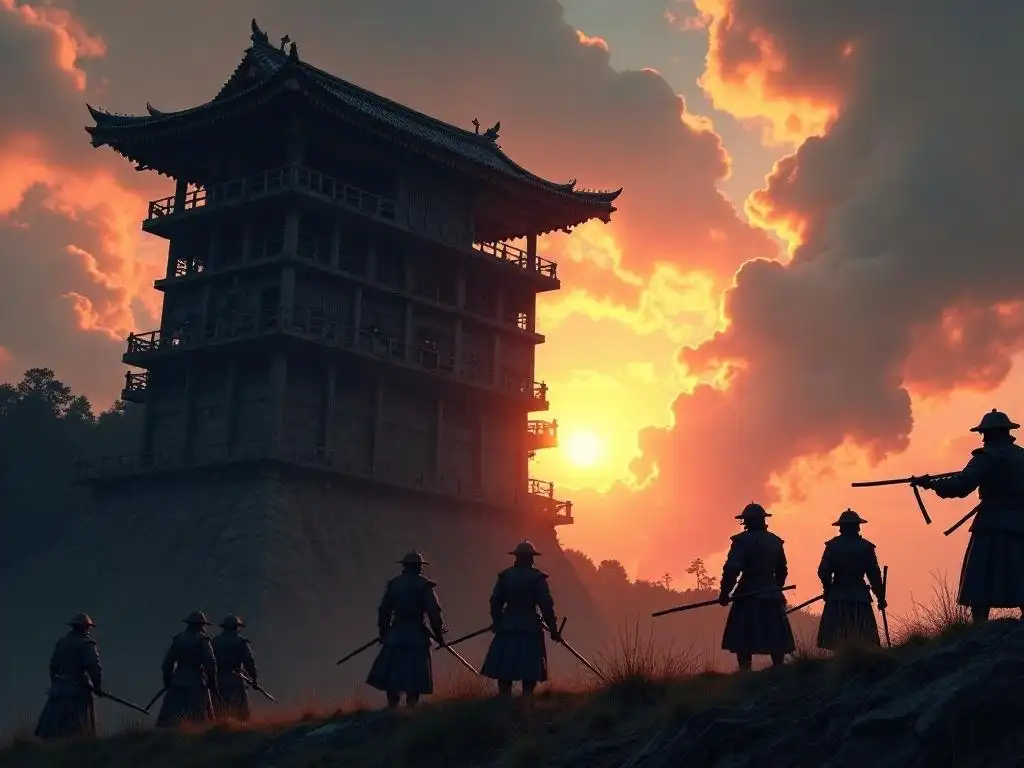
The Battle of Nagashino, fought in 1575, marked a pivotal moment in Japanese military history, showcasing the transition from traditional samurai warfare to a more modern approach fueled by the introduction of gunpowder. This battle was primarily fought between the forces of Oda Nobunaga and the Takeda clan, led by Takeda Katsuyori. Nobunaga's strategy was characterized by the innovative use of firearms and a well-planned defensive position, fundamentally altering the course of warfare in Japan.
Nobunaga's forces were significantly outnumbered, with estimates suggesting that the Takeda army comprised around 15,000 troops compared to Nobunaga's 7,000. However, through meticulous planning and the effective deployment of gunpowder weaponry, Nobunaga turned the battle into a decisive victory. His strategic focus on maximizing the strengths of his troops while exploiting the weaknesses of the enemy played a crucial role in the outcome.
Troop Deployments and Formations
The deployment of troops in the Battle of Nagashino was critical to the success of Oda Nobunaga's strategy. His forces were arranged in a series of fortified positions along the Nagashino river, utilizing the terrain to their advantage. Nobunaga employed a defensive formation that allowed his troops to maintain a stronghold while effectively repelling the aggressive tactics of the Takeda cavalry.
Key Points of Deployment:
- Fortified Positions: Nobunaga's troops were strategically placed behind wooden palisades, providing cover against Takeda's fierce cavalry charges.
- Concentration of Firepower: Nobunaga concentrated his musketeers in the center, allowing for a concentrated volley of gunfire against advancing enemies, disrupting their formations.
- Flanking Units: Cavalry units were positioned strategically to counterattack any flanking maneuvers attempted by the Takeda forces.
This careful planning allowed Nobunaga to maintain control over the battlefield, effectively neutralizing the numerical superiority of the Takeda clan.
Use of Firearms: A Game Changer
The use of firearms, particularly the teppo (Japanese matchlock muskets), was a revolutionary aspect of the Battle of Nagashino. Nobunaga recognized the potential of gunpowder weapons to alter traditional combat dynamics, and he implemented them with remarkable effectiveness.
- Massed Musket Fire: Nobunaga's strategy involved training his troops to fire in coordinated volleys, which maximized the impact of the musket fire and caused significant casualties among the Takeda forces.
- Psychological Impact: The noise and smoke produced by musket fire created panic among the Takeda soldiers, who were unaccustomed to facing such firepower, further contributing to the disorder within their ranks.
- Tactical Rotation: Nobunaga employed a rotating firing technique, allowing musketeers to reload while others fired, ensuring a continuous barrage that overwhelmed the enemy.
This innovative approach to warfare not only secured victory at Nagashino but also heralded the decline of the traditional samurai combat style, emphasizing the growing importance of firearms in Japanese warfare.
Tactical Innovations During the Battle
The Battle of Nagashino was not just a clash of armies but a showcase of tactical innovations that would reshape military strategy in Japan. Nobunaga's ability to adapt to evolving warfare technologies and tactics demonstrated his prowess as a military leader.
The Role of the Teppo (Muskets)
The teppo played an essential role in Nobunaga's strategy during the battle. These firearms were instrumental in leveling the playing field against the Takeda's superior numbers and cavalry advantages.
- Training and Discipline: Nobunaga invested significant time in training his troops to handle the teppo, emphasizing discipline and precision in using these weapons.
- Effective Use of Terrain: Positioned behind barricades and natural cover, Nobunaga's musketeers could fire effectively while minimizing their exposure to enemy attacks.
- Combined Arms Approach: Nobunaga's strategy effectively combined the use of teppo with traditional infantry and cavalry units, allowing for a dynamic and flexible response to battlefield developments.
Defensive Strategies Employed by Oda Nobunaga
Oda Nobunaga's defensive strategies were crucial components of his overall plan at Nagashino. His ability to anticipate enemy tactics and fortify his position gave him a substantial advantage.
- Palisade Construction: The wooden barricades that Nobunaga constructed were critical in protecting his troops from the cavalry charges of the Takeda forces.
- Strategic Retreats: Nobunaga's forces utilized feigned retreats to lure the Takeda cavalry into vulnerable positions where they could be targeted by concentrated musket fire.
- Coordination and Communication: Effective communication among Nobunaga's commanders ensured that troops could adapt swiftly to the evolving dynamics of the battle, maintaining the initiative throughout the conflict.
These defensive strategies not only facilitated a decisive victory at the Battle of Nagashino but also set new standards for military tactics in the feudal era of Japan, showcasing the importance of adaptability and innovation in warfare.
The Outcome of the Battle of Nagashino
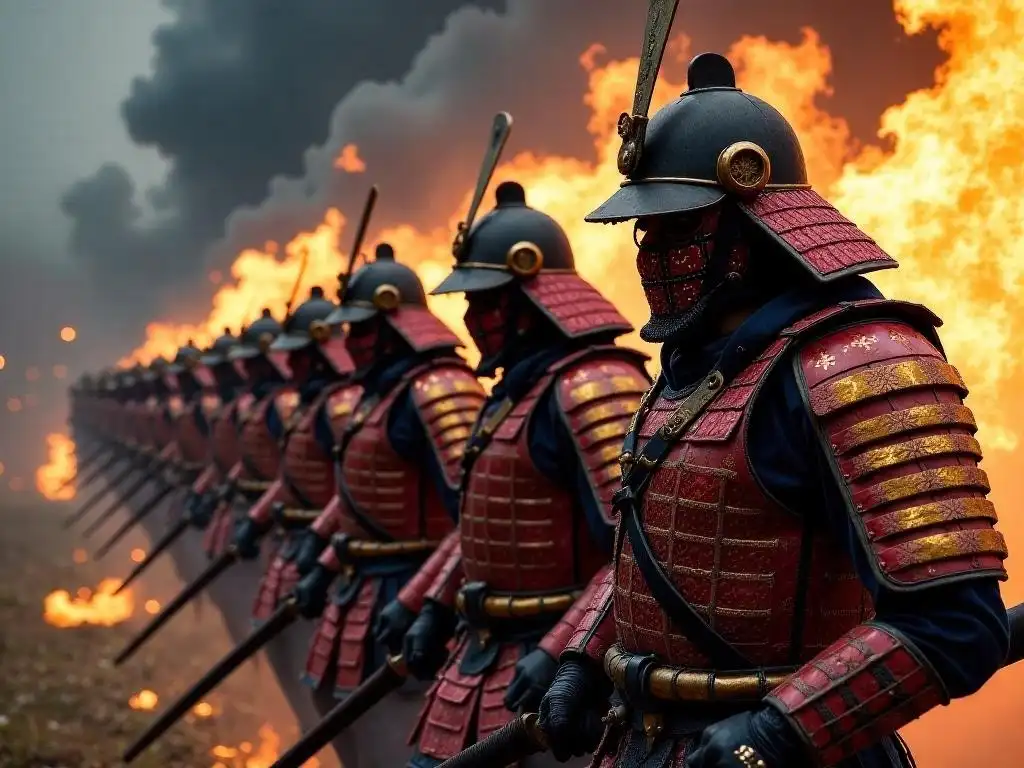
The Battle of Nagashino, fought in June 1575, marked a significant turning point in Japanese military history. This confrontation not only showcased the effectiveness of gunpowder weapons but also redefined the strategies employed by samurai warriors. The outcome of the battle had immediate and long-lasting effects on the nature of warfare in Japan, leading to a decline in traditional tactics and the rise of a new military paradigm.
Immediate Consequences of the Battle
The immediate consequences of the Battle of Nagashino were profound. The victory of Tokugawa Ieyasu and his allies over the Takeda clan had several key implications:
- Loss of Takeda Power: The defeat severely weakened the Takeda clan, which had been one of the most powerful and feared clans in Japan. Their loss of men and resources diminished their influence and territory, leading to a shift in the balance of power in the region.
- Increased Legitimacy for Tokugawa Ieyasu: Ieyasu’s successful use of gunpowder weapons established him as a formidable military leader. This victory solidified his position and set the stage for his eventual rise to shogunate power in 1603.
- Tactical Innovations: The battle highlighted the effectiveness of firearms in combat. The use of the arquebus, a type of early firearm, allowed the Tokugawa forces to inflict significant casualties from a distance, changing the nature of battlefield engagements.
- Shifts in Alliances: The outcome prompted other clans to reconsider their alliances and military strategies. The effectiveness of gunpowder in battle led to an arms race among the samurai, who began to seek out and acquire firearms.
Long-term Effects on Samurai Warfare
The implications of the Battle of Nagashino extended far beyond its immediate aftermath. The long-term effects on samurai warfare can be categorized into two significant trends:
The Decline of Traditional Samurai Tactics
The victory at Nagashino marked the beginning of the decline of traditional samurai tactics, which relied heavily on close combat and personal valor. Key factors contributing to this shift include:
- Shift from Cavalry to Infantry: The Takeda clan was known for its cavalry charges, a hallmark of samurai warfare. However, the success of infantry armed with firearms in Nagashino demonstrated that traditional cavalry tactics were no longer as effective against organized gunfire.
- Changing Battlefield Dynamics: Battles began to favor formations that could maximize the use of firearms. Instead of the one-on-one combat typical of earlier samurai engagements, battles became more about coordinated volleys of gunfire and strategic positioning.
- Emergence of New Command Structures: The rise of gunpowder warfare necessitated changes in command structures within samurai factions. Leaders had to adapt to new tactics that integrated firearms with traditional samurai skills, leading to the evolution of military hierarchies.
The Rise of Gunpowder Warfare in Japan
The Battle of Nagashino is often cited as a critical juncture in the adoption of gunpowder warfare in Japan. Several developments underscore this significant transition:
- Increased Production of Firearms: In the wake of the battle, the demand for firearms surged, prompting local daimyos (feudal lords) to invest in the production and acquisition of guns. This led to the establishment of workshops and trade networks specializing in gun manufacture.
- Training and Integration: As the use of gunpowder became more prevalent, samurai began to receive training in firearm usage. This integration of firearms into samurai training programs altered the skill set required of warriors, blending traditional martial prowess with new techniques.
- Cultural Shifts: The acceptance of gunpowder warfare also led to cultural shifts within the samurai class. The romanticized image of the samurai as a noble warrior engaged in honorable combat began to evolve, reflecting a more pragmatic approach to warfare.
The Battle of Nagashino not only determined the fate of the Takeda clan but also ushered in a new era of warfare in Japan, characterized by the decline of traditional samurai tactics and the ascendancy of gunpowder strategies. The ramifications of this battle would resonate throughout the ensuing conflicts, ultimately shaping the future of Japan’s military landscape.
Cultural and Societal Implications of the Battle
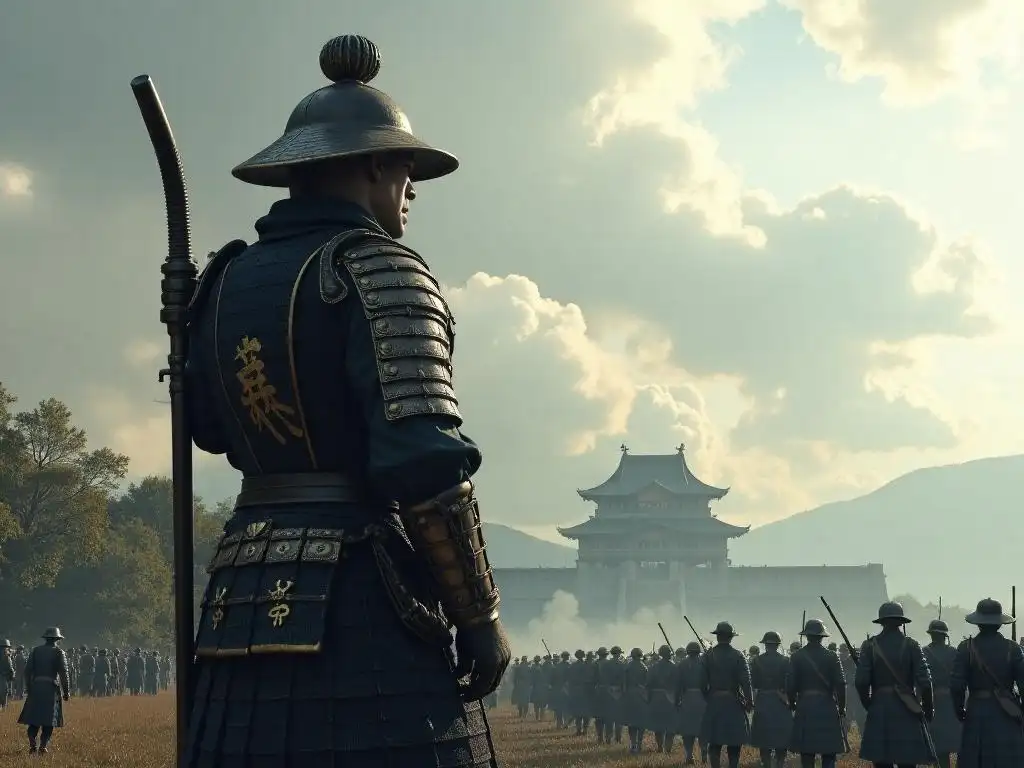
The Battle of Nagashino, fought in 1575, was not only a pivotal military engagement but also a turning point in the cultural and societal framework of feudal Japan. The introduction of gunpowder and its tactical application during this battle heralded numerous changes that would resonate throughout Japanese society, particularly affecting the samurai class and the intricate web of feudal loyalties.
Shifts in the Samurai Class Structure
The outcome of the Battle of Nagashino signified a substantial shift in the samurai class structure. Traditionally, the samurai were esteemed as elite warriors, revered for their martial prowess and adherence to the bushido code. However, the effectiveness of firearms in the battle diminished the samurai's exclusive role as the primary military force.
- Emergence of New Military Roles:
- Infantry vs. Cavalry: The utilization of gunpowder weapons, particularly the arquebus, led to a decline in the effectiveness of cavalry charges that were once the hallmark of samurai warfare. This shift necessitated the development of new military roles within the samurai class.
- Specialization in Gunpowder Tactics: Samurai warriors began to diversify their skills, focusing on marksmanship and the strategic deployment of gunpowder units.
- Restructuring of Feudal Loyalties:
- Shift from Individual Valor to Collective Strategy: With the rise of gunpowder warfare, the emphasis on individual valor diminished. Leaders like Takeda Katsuyori faced challenges in maintaining loyalty among their samurai, as victories increasingly relied on tactical formations over personal bravery.
- Increased Importance of the Daimyo: The role of the daimyo (feudal lords) became more pronounced as they adapted to new military technologies. Their ability to procure and manage gunpowder weapons became critical, leading to a redefinition of power dynamics within the samurai class.
The Impact on Feudal Loyalties and Alliances
The Battle of Nagashino also had significant repercussions for feudal loyalties and alliances among the clans involved. The outcome of the battle not only affected the Takeda clan but also reshaped relationships among various factions across Japan.
- Diminished Influence of the Takeda Clan:
- Loss of Prestige: The defeat at Nagashino marked a decline in the Takeda clan's power and influence. The loss of key battles and the subsequent erosion of their reputation led to wavering loyalties from vassals and allies.
- Realignment of Alliances: Many samurai who had previously supported the Takeda sought new allegiances with the victorious Oda clan, illustrating how military outcomes could swiftly alter the landscape of feudal loyalty.
- Strengthening of the Oda Clan:
- Increased Authority and Control: The success at Nagashino solidified Oda Nobunaga's position as a formidable power. His adept use of gunpowder strategy not only showcased military innovation but also attracted new followers and reinvigorated existing alliances.
- Promotion of Centralized Power: The battle catalyzed a shift towards more centralized control, as Nobunaga's victories inspired other clans to adopt similar strategies, leading to a gradual decline of the fragmented feudal system.
The Battle of Nagashino was a watershed moment in Japanese history, reshaping the samurai class and altering the feudal landscape. The implications of this battle extended far beyond the battlefield, influencing the cultural and societal fabric of Japan as it approached the end of the samurai age.
Conclusion: The Legacy of the Battle of Nagashino
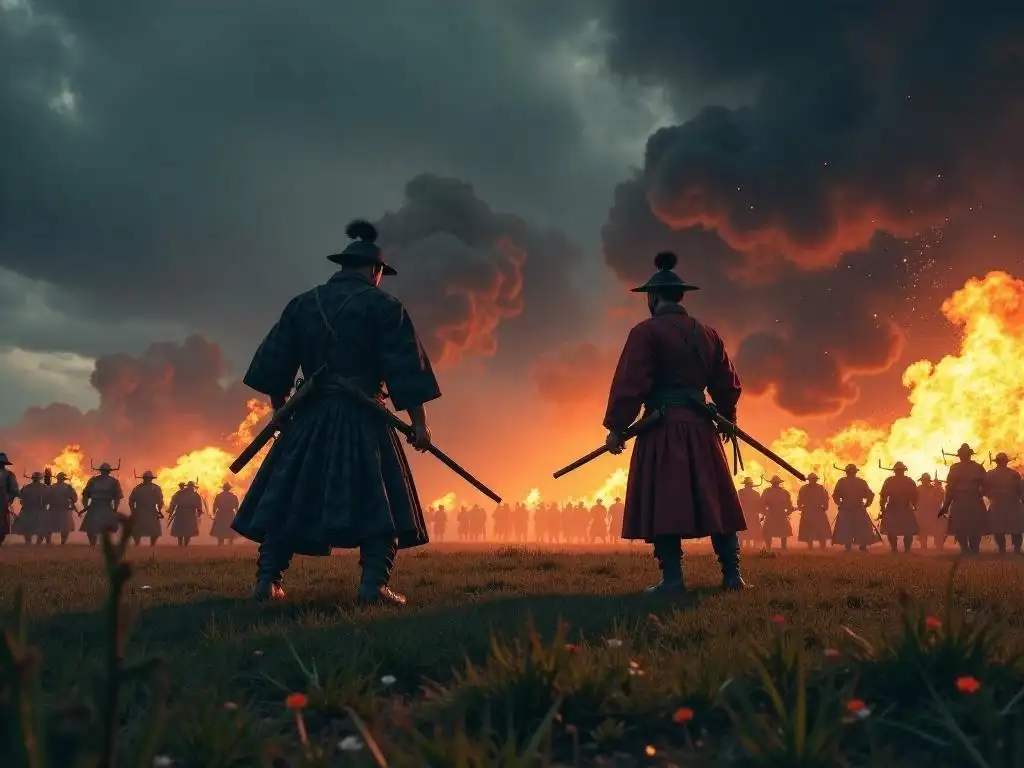
The Battle of Nagashino, fought in 1575, stands as a pivotal moment in Japanese military history. This conflict not only showcased the innovative use of gunpowder by the forces of Oda Nobunaga but also marked a significant shift in the traditional strategies employed by samurai warriors. The legacy of Nagashino is characterized by its strategic innovations and its role in reshaping the samurai era.
Summary of Key Strategies and Their Impact
The strategies employed during the Battle of Nagashino highlight the integration of gunpowder weaponry into Japanese warfare. The following key strategies defined the battle:
- Defensive Formations: Oda Nobunaga's forces established a fortified position on the hill, utilizing a defensive strategy that incorporated wooden palisades. This not only provided cover from enemy assaults but also allowed for a strategic advantage when employing arquebuses (early firearms).
- Massed Firepower: The innovative use of a three-line firing system enabled Nobunaga's troops to unleash a continuous hail of gunfire. As one line of soldiers fired, the next line stepped forward to reload, maintaining pressure on the advancing Takeda cavalry.
- Psychological Warfare: The introduction of gunpowder weapons altered the battlefield dynamics, creating an atmosphere of fear among traditional samurai warriors who were unaccustomed to facing such firepower. This psychological impact contributed significantly to the demoralization of the enemy.
These strategies not only led to a decisive victory for Nobunaga but also demonstrated the effectiveness of gunpowder in battle, fundamentally altering the tactical landscape of Japanese warfare.
The Battle's Role in the Transition of the Samurai Era
The Battle of Nagashino is often viewed as a turning point in the decline of the samurai's traditional combat methods. Several factors contributed to this transition:
- End of Cavalry Dominance: The Takeda clan, renowned for their cavalry tactics, faced devastating losses against the concentrated gunfire of Nobunaga’s troops. This battle highlighted the vulnerability of cavalry units against modern weaponry, leading to a reevaluation of cavalry's role in warfare.
- Rise of Infantry: With the success of gunpowder weapons, there was a notable shift towards infantry-based armies. The effectiveness of foot soldiers armed with firearms diminished the reliance on traditional samurai warriors, heralding the rise of a new military class.
- Change in Warfare Philosophy: The tactical innovations seen in Nagashino encouraged future leaders to adopt more modern approaches to warfare, prioritizing technology and strategy over individual valor. This shift signified a broader transformation in Japanese society and military structure.
The Battle of Nagashino serves as a critical example of how strategic innovations and the introduction of gunpowder weaponry not only influenced the outcome of a single battle but also played a significant role in the broader historical transition away from the age of the samurai. The legacy of this battle continues to resonate in the study of military history and the evolution of warfare in Japan.
Further Reading and Resources on the Battle of Nagashino
Recommended Books and Articles
For those interested in an in-depth understanding of the Battle of Nagashino, several books and articles provide valuable insights into its strategic analysis and historical context. Here are some noteworthy recommendations:
-
"The Samurai: A Military History" by Anthony J. Bryant
This book offers a comprehensive overview of the samurai's role in Japanese history, with specific chapters dedicated to major battles, including Nagashino. It examines the evolution of samurai warfare and the impact of gunpowder on traditional combat strategies.
-
"Nagashino 1575: Samurai vs. Gunpowder" by Stephen Turnbull
A focused account of the battle, this title dives into the tactical innovations employed by Takeda Katsuyori and the defensive strategies of Tokugawa Ieyasu. Turnbull's analysis highlights the significance of artillery and its role in shaping military outcomes.
-
"The Battle of Nagashino: A New Perspective" by Katsuichi Honda
This article presents a fresh take on the battle, integrating primary sources and archaeological findings. It examines the socio-political implications of the battle and how it marked a turning point in the samurai's age.
-
"Feudal Japan: A History" by John W. Hall
While broader in scope, this book contextualizes the Battle of Nagashino within the larger framework of feudal Japan. It provides essential background on the political and military landscape of the time.
Documentaries and Historical Films on Feudal Japan
Visual media can enhance understanding of the Battle of Nagashino by illustrating the cultural and historical nuances of the period. Here are some documentaries and films that focus on feudal Japan and its military history:
-
"Samurai: Behind the Blade"
This documentary explores the samurai class, their code of honor, and the evolution of their warfare tactics. While it does not focus exclusively on Nagashino, it provides context for understanding the samurai's role in battles such as this one.
-
"The Last Samurai"
Although a dramatization set in the 19th century, this film captures the essence of the samurai spirit and the clash between traditional values and modern warfare. It serves as a poignant reflection of the transitions initiated during the Battle of Nagashino.
-
"The Samurai Chronicles"
A documentary series that covers various aspects of samurai history, including significant battles. Episodes detailing the Sengoku period provide critical context for the Battle of Nagashino and its strategic implications.
-
"In Search of History: The Samurai"
This program investigates the lives of samurai warriors, including their training, weaponry, and key battles. The analysis of military strategies provides essential insights into the tactical shifts that occurred during the Battle of Nagashino.
These resources collectively deepen the understanding of the Battle of Nagashino's strategic analysis and its lasting impact on Japanese military history.
Frequently Asked Questions
What was the significance of the Battle of Nagashino?
The Battle of Nagashino (1575) marked a pivotal moment in Japanese history, showcasing the effective use of gunpowder and firearms in warfare, which significantly altered the traditional samurai combat strategies.
How did the strategy employed at Nagashino impact future battles?
The strategy at Nagashino demonstrated the importance of ranged weaponry over traditional melee tactics, influencing future military strategies in Japan and contributing to the decline of the samurai's dominance on the battlefield.
What role did gunpowder play in the outcome of the battle?
Gunpowder revolutionized warfare during the Battle of Nagashino, allowing the Takeda forces, who traditionally relied on cavalry, to be effectively countered by Oda Nobunaga's musketeers, leading to a decisive victory.
Who were the main combatants in the Battle of Nagashino?
The main combatants were the forces of Oda Nobunaga and Tokugawa Ieyasu against the Takeda clan, specifically led by Takeda Katsuyori. Their clash highlighted the shift in power dynamics during the feudal era.
How did the Battle of Nagashino contribute to the end of the samurai's age?
The Battle of Nagashino signified a transition in warfare that diminished the effectiveness of samurai warriors, leading to a gradual evolution of military tactics and the eventual centralization of power in Japan.
Final Reflection: The Enduring Legacy of the Battle of Nagashino
The Battle of Nagashino stands as a pivotal moment in history, illustrating how strategic innovation and the introduction of gunpowder transformed warfare and society in Japan. This battle not only marked the decline of the traditional samurai combat style but also signified a shift in military tactics that resonates in contemporary discussions on strategy and technology. As we reflect on this historical event, it becomes clear that the lessons learned from Nagashino are more relevant than ever in our rapidly changing world.
The impact of the Battle of Nagashino extends beyond its immediate outcomes; it reshaped the cultural and social landscape of Japan. The integration of firearms into warfare challenged the samurai's code and forced a reevaluation of what it meant to be a warrior. This transformation is echoed in the words of historian John W. Hall, who noted, The introduction of firearms changed the nature of warfare and, consequently, the very fabric of Japanese society.
The battle serves as a reminder of how technological advancements can disrupt established norms and lead to profound societal changes.
As we conclude our exploration of the Battle of Nagashino, I invite you to reflect on the broader implications of this historical event. Consider how the strategies employed in Nagashino can inform our own approaches to challenges in life and work. Just as the leaders of the past adapted to new technologies and strategies, we too must remain open to change and innovation. Embrace the lessons of adaptability and foresight, and let them guide you in navigating the complexities of the modern world.
Unleash Your Inner Strategist – Dive Deeper into Feudal Japan!
Thank you for taking the time to explore the fascinating story of the Battle of Nagashino. Your interest in this pivotal moment in history not only enriches your understanding but also fosters a greater appreciation for the complexities of the strategies and technology that shaped the age of the samurai. Now, it's time to take your passion further!
Here are some engaging actions to deepen your exploration:
- Explore related battles and strategies: Investigate other significant events during this period by visiting our dedicated articles—each one revealing unique tactics and tales of bravery.
- Join the conversation: Share your thoughts on the impact of gunpowder in warfare by commenting below or connecting with our community on social media.
- Re-enact the strategies: Gather friends and recreate a strategic battle scenario inspired by Nagashino—who knows what innovative tactics you might discover!
How do you think the introduction of gunpowder influenced traditional samurai tactics? Let's spark some discussion in the comments!