
The Battle of Kurikara: The Birth of the Warrior Spirit in Japan

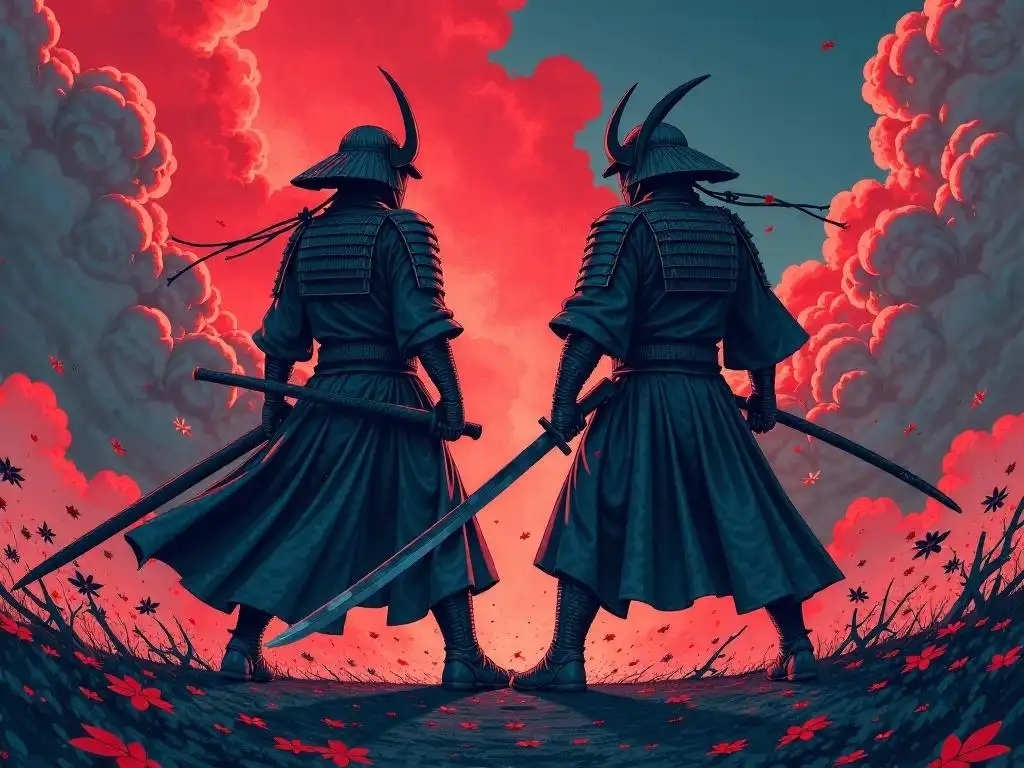
Welcome to Feudal Japan History, where we embark on an extraordinary journey through the rich tapestry of Japan's feudal era. Here, we delve deep into the Warrior Spirit in Japan's history, exploring the fierce battles, cultural nuances, and the indomitable spirit that defined an age.
In our featured article, "The Battle of Kurikara: The Birth of the Warrior Spirit in Japan," prepare to uncover the pivotal moments that shaped not only the warriors of the time but also the very essence of Japanese identity. Join us as we unlock the secrets of this captivating past, inviting you to explore the legacy that continues to resonate today.
The Battle of Kurikara, fought in 1184, stands as a pivotal moment in Japan's feudal history, symbolizing the emergence of a distinct warrior spirit that would define the samurai ethos for centuries to come. This conflict not only marked a significant military engagement between the Minamoto and Taira clans but also encapsulated the essence of loyalty, valor, and the fierce determination that characterized the samurai class.
As we delve into the layers of this battle, we will explore its historical context, the factors leading to the conflict, and the profound impact it had on the evolution of Japan's military culture. This exploration will illuminate how the warrior spirit in Japan's history was not simply a byproduct of warfare but a deeply ingrained aspect of the nation's identity, shaped by the trials and tribulations of its feudal past.
Introduction to the Battle of Kurikara
The Battle of Kurikara was more than just a clash of swords; it was a defining moment that crystallized the values and beliefs of the samurai. As we navigate through this article, we will cover several key aspects surrounding the battle, from the contextual backdrop of the feudal era to the influences that ignited the tensions between rival clans. Through this lens, readers will gain a comprehensive understanding of how the warrior spirit in Japan's history was forged in the crucible of conflict and honor.
Overview of the Historical Context
During the late 12th century, Japan was engulfed in a power struggle between the Minamoto and Taira clans, two influential families vying for supremacy. This period, known as the Genpei War, was marked by shifting alliances, betrayals, and a quest for dominance that would ultimately reshape Japan's political landscape. The Battle of Kurikara emerged amidst these tumultuous conditions, serving as a crucial flashpoint that illustrated the growing militarization of Japanese society and the rise of the samurai class.
- Key Factors Influencing the Era:
- Feudal System: The establishment of a hierarchical society where loyalty to one's lord became paramount.
- Buddhism and Shinto: The intertwining of spiritual beliefs that shaped the samurai's code of conduct.
- Military Innovations: The evolution of warfare tactics and weaponry that influenced battle strategies.
Importance of the Battle in Japan's Feudal Era
The significance of the Battle of Kurikara extends beyond its immediate military outcomes. This battle is often regarded as a crystallization of the warrior spirit, as it showcased the bravery and strategic prowess of the Minamoto forces, particularly that of the legendary warrior Minamoto no Yoshitsune. The victory at Kurikara not only bolstered the Minamoto clan's position in the ongoing conflict but also solidified the ideals of loyalty and honor that would become synonymous with the samurai ethos.
- Long-term Effects:
- The solidification of the Minamoto clan's power leading to the establishment of the Kamakura shogunate.
- The enduring legacy of the warrior spirit that influenced future generations of samurai.
- The cultural narratives and legends that emerged from the battle, contributing to Japan's rich historical tapestry.
The Prelude to War: Causes of the Battle
Understanding the causes of the Battle of Kurikara necessitates an examination of the intricate political landscape of feudal Japan. The conflict was not merely a spontaneous eruption of violence but rather the culmination of longstanding rivalries and aspirations for power.
Political Tensions in Feudal Japan
The political environment of 12th-century Japan was fraught with instability. The Taira clan, having risen to prominence, faced increasing opposition from the Minamoto clan, whose members sought to reclaim their ancestral power and prestige. This struggle for dominance was exacerbated by shifting allegiances among regional lords and the growing discontent among the samurai class, who were eager to assert their influence.
- Contributing Factors:
- The decline of imperial authority leading to a power vacuum.
- Factionalism among the nobility, which fostered rivalries and conflict.
- Economic pressures and land disputes that intensified conflicts between clans.
The Rise of Minamoto no Yoshitsune
Minamoto no Yoshitsune emerged as a key figure during this volatile period. His exceptional military skills and charismatic leadership played a crucial role in uniting disparate samurai forces against the Taira. Yoshitsune's tactical brilliance was instrumental in several key battles leading up to Kurikara, where he would prove himself as a formidable warrior.
- Key Achievements:
- Successful raids against Taira strongholds that weakened their grip on power.
- The ability to inspire loyalty among his followers, a trait that would become emblematic of the samurai spirit.
- His strategic innovations in battle that foreshadowed modern military tactics.
The Role of the Taira Clan in the Conflict
The Taira clan, once the dominant power in Japan, found themselves increasingly threatened by the Minamoto's resurgence. Their attempts to consolidate power and fend off the Minamoto forces led to a series of confrontations that culminated in the Battle of Kurikara. The Taira's reliance on their established military might and political connections contrasted sharply with the rising tide of Minamoto aggression.
- Challenges Faced by the Taira:
- Internal divisions that weakened their strategy and resolve.
- Underestimation of the Minamoto's capabilities and the growing warrior spirit among their ranks.
- The evolving nature of warfare, where traditional tactics became less effective against innovative approaches.
Through these discussions, we will unravel the complex tapestry of events leading to the Battle of Kurikara and its lasting implications for the warrior spirit in Japan's history. The interplay of political dynamics, individual leadership, and clan rivalries all contributed to this defining moment in the feudal era.
The Battle of Kurikara: A Detailed Account
The Battle of Kurikara, fought in 1183, is often regarded as a pivotal moment in Japanese history. It marked a significant turning point during the Genpei War, which was a conflict between the Taira and Minamoto clans. The battle took place in the mountainous region of Kurikara, located in present-day Toyama Prefecture. The Minamoto clan, led by Minamoto no Yoshinaka, faced off against the Taira forces commanded by Taira no Kiyomori's grandson, Taira no Tomomori.
Key Events Leading Up to the Battle
The buildup to the Battle of Kurikara was characterized by a series of conflicts and shifting allegiances. The Genpei War began in earnest after the Taira clan's dominance in the late Heian period, as they sought to consolidate power over the imperial court. Discontent with Taira rule spurred the Minamoto clan to rise against them.
In the years leading up to the battle, Minamoto no Yoshinaka garnered support by appealing to disenfranchised samurai and regional lords, who were frustrated with Taira oppression. The Minamoto clan's victories at battles such as the Battle of Uji further emboldened their cause. By the time the forces converged at Kurikara, the conflict had escalated, and both sides were eager to secure a decisive victory to influence the outcome of the war.
The Strategies Employed by Both Sides
The strategies employed by both the Minamoto and Taira clans were reflective of their respective philosophies and resources. Minamoto no Yoshinaka capitalized on the element of surprise and the rugged terrain of Kurikara. He opted for a bold, aggressive approach, utilizing guerilla tactics that played to the strengths of his troops, who were familiar with the local geography.
In contrast, the Taira forces, despite being initially caught off guard, attempted to regroup and leverage their numerical superiority. They sought to employ a more traditional, organized battle formation, hoping to overwhelm the Minamoto with a frontal assault. The Taira's reliance on their elite cavalry was a crucial aspect of their strategy, as they aimed to exploit their battlefield mobility.
The Crucial Turning Points During the Battle
The Battle of Kurikara was marked by several crucial turning points that determined its outcome. One significant moment occurred early in the battle when Minamoto forces executed a surprise flanking maneuver, catching the Taira off balance. This moment of disarray allowed the Minamoto to gain the upper hand and seize critical positions on the battlefield.
Another pivotal turning point came when the Taira, realizing their tactics were failing, attempted to retreat and regroup. However, Minamoto forces capitalized on this moment, launching a relentless pursuit that decimated the Taira's ranks. The morale of the Taira troops plummeted, leading to chaos and disorganization within their lines.
The Aftermath of Kurikara
The aftermath of the Battle of Kurikara had significant implications for both the samurai class and the broader context of Japanese history. The victory for the Minamoto clan not only bolstered their position in the ongoing Genpei War but also instilled a renewed sense of purpose and identity among the samurai.
Immediate Consequences for the Samurai
In the immediate aftermath, the Minamoto clan's victory at Kurikara resulted in an influx of followers and support from other samurai and local lords. The battle showcased the effectiveness of the Minamoto's tactics and solidified their reputation as formidable warriors. The Taira clan suffered severe losses, leading to a significant decline in their influence and power. The defeat also prompted a reevaluation of military strategies among the remaining Taira forces, who faced increasing pressure from the Minamoto.
Long-term Impact on the Warrior Spirit in Japan History
The Battle of Kurikara played a crucial role in shaping the concept of the "warrior spirit" in Japan. The valor and determination displayed by the Minamoto soldiers, particularly in their tactical ingenuity and willingness to fight against overwhelming odds, became emblematic of the samurai ethos. This battle not only contributed to the Minamoto's eventual victory in the Genpei War but also laid the groundwork for the rise of the samurai class as a dominant force in Japanese society.
The legacy of Kurikara can be seen in the samurai's enduring values of loyalty, honor, and courage, which became central to the warrior identity in Japan. Over time, these ideals were romanticized and mythologized, influencing Japanese culture and literature. The concept of the "warrior spirit" continues to resonate in Japan's cultural consciousness, serving as a testament to the enduring impact of the Battle of Kurikara in shaping the identity of the samurai and the historical narrative of Japan.
The Warrior Spirit in Japan History: Definitions and Characteristics
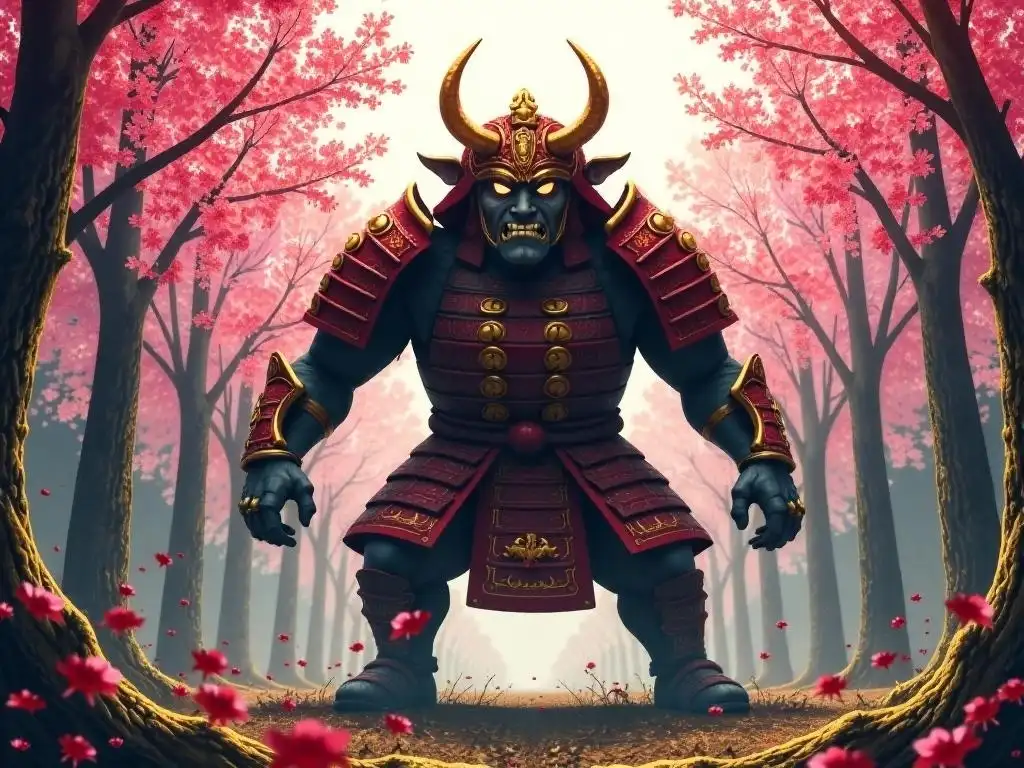
The term "warrior spirit" in Japan history embodies a complex amalgamation of values, beliefs, and behaviors that characterized the samurai class throughout feudal Japan. This spirit is often associated with traits such as loyalty, honor, bravery, and a deep commitment to one's lord and community. It reflects not only the martial prowess of the samurai but also their philosophical and ethical frameworks that guided their actions on and off the battlefield.
At its core, the warrior spirit is about transcending personal desires for the greater good of society and the feudal system. It emphasizes self-discipline, respect for others, and a willingness to face adversity with courage. This spirit was not confined to the battlefield; it permeated daily life, influencing everything from governance and social interactions to art and literature in feudal Japan.
What Constitutes the Warrior Spirit?
The warrior spirit is underpinned by several key characteristics that define the samurai's approach to life and combat:
- Loyalty (Chūgi): A samurai's unwavering loyalty to their lord and clan was paramount. This loyalty often meant sacrificing personal happiness for the welfare of the group.
- Honor (Meiyo): Honor was a guiding principle, dictating that samurai lived and fought according to a strict code, often resulting in ritual suicide (seppuku) to preserve their honor in the face of defeat.
- Courage (Yū): The bravery displayed on the battlefield was expected, but courage also included the strength to uphold one's principles in challenging situations.
- Discipline (Shitsuke): A disciplined lifestyle, encompassing rigorous training and adherence to a code of conduct, was essential for the development of a true warrior.
These characteristics formed a robust framework within which samurai operated, influencing their decisions and actions throughout Japan's tumultuous feudal periods.
Historical Figures Embodying the Warrior Spirit
Throughout Japan's feudal history, several historical figures exemplified the warrior spirit, leaving lasting legacies that continue to inspire.
- Minamoto no Yoshitsune: A legendary figure known for his military genius and bravery in the Genpei War, Yoshitsune's exploits, particularly during the Battle of Kurikara, are celebrated for their embodiment of the samurai spirit.
- Miyamoto Musashi: Renowned as one of Japan's greatest swordsmen, Musashi's philosophy on strategy and his dual-wielding technique symbolize the warrior's relentless pursuit of mastery and discipline.
- Takeda Shingen: Recognized for his strategic acumen and leadership, Shingen's commitment to his retainers and his warrior code highlight the essential values of loyalty and honor.
These figures not only contributed to the military history of Japan but also served as archetypes of the samurai ethos, inspiring future generations to uphold the values associated with the warrior spirit.
Philosophical Underpinnings of the Samurai Ethos
The samurai ethos is deeply intertwined with various philosophical traditions that shaped the warrior spirit in Japan. Key influences include:
- Bushido: Often referred to as the "way of the warrior," Bushido is a moral code encompassing virtues such as honor, loyalty, and martial prowess. It provided a framework for samurai conduct both on and off the battlefield.
- Zen Buddhism: The influence of Zen teachings emphasized mindfulness, discipline, and the acceptance of impermanence, all of which contributed to the samurai's approach to life and combat.
- Confucianism: The emphasis on loyalty, filial piety, and social harmony in Confucian teachings resonated with the samurai's values, reinforcing their sense of duty to their lords and families.
These philosophical underpinnings not only shaped the samurai’s approach to warfare but also influenced their interactions with society, art, and culture, embedding the warrior spirit in the fabric of Japanese identity.
The Cultural Legacy of the Battle of Kurikara
The Battle of Kurikara, fought in 1189, marks a pivotal moment in Japanese history, encapsulating the essence of the warrior spirit and leaving a profound cultural legacy. This battle is not only remembered for its military significance but also as a symbol of the ideals that would shape samurai culture for centuries.
Influence on Japanese Literature and Art
The legacy of Kurikara has been immortalized in various forms of literature and art, reflecting its cultural significance.
- Literature: Epic tales such as "The Tale of the Heike" narrate the events of Kurikara, highlighting the heroism and tragedy of the samurai involved. These narratives often explore themes of loyalty, honor, and the transient nature of life.
- Art: Visual representations of the battle, including woodblock prints and paintings, depict the valor of the samurai and the chaotic beauty of combat. These artworks serve as historical documentation while also reinforcing the romanticized ideals of the warrior spirit.
Through these mediums, the Battle of Kurikara has inspired generations, ensuring that the values embodied by the samurai continue to resonate in Japanese culture.
The Reflection of Kurikara in Modern Japanese Culture
The impact of the Battle of Kurikara extends into modern Japanese culture, where the themes of honor and bravery continue to be celebrated.
- Film and Television: Contemporary portrayals of samurai in films and TV shows often draw inspiration from the events of Kurikara, showcasing the enduring fascination with the samurai ethos.
- Cultural Events: Festivals and reenactments that commemorate the battle serve to educate new generations about the values and history associated with the warrior spirit, fostering a sense of national pride and cultural identity.
- Philosophical Influence: The principles derived from the warrior spirit, such as loyalty and perseverance, resonate within modern Japanese society, influencing personal and professional conduct.
The legacy of Kurikara, therefore, not only highlights a significant historical battle but also underscores the enduring nature of the warrior spirit in shaping Japanese identity across time.
Conclusion: The Enduring Legacy of the Warrior Spirit
The Battle of Kurikara stands as a pivotal moment in Japanese history, marking the emergence of what is often referred to as the "warrior spirit." This term encapsulates the ideals of bravery, loyalty, and honor that became synonymous with the samurai class. The battle not only altered the course of feudal Japan but also instilled a sense of identity and purpose among warriors that persisted through the centuries. The valor displayed by the forces led by Minamoto no Yoshinaka against overwhelming odds became a source of inspiration, fostering a warrior ethos that would define Japanese martial culture.
The legacy of the warrior spirit is evident in various aspects of Japanese society, from literature and art to modern military traditions. The values celebrated during Kurikara—such as sacrifice for one's lord and the pursuit of justice—continue to resonate in contemporary Japan, serving as a reminder of the nation's storied past. As Japan evolved, the essence of the warrior spirit transitioned from the battlefield to cultural expressions, becoming a foundational element of national pride and identity.
How the Battle of Kurikara Shaped Future Generations
The impact of the Battle of Kurikara extended far beyond its immediate military outcomes. It set a precedent for how subsequent generations of samurai would conduct themselves in both warfare and governance. The courage displayed by Yoshinaka's forces became a touchstone for samurai conduct, influencing the bushido code that would later govern the behavior of warriors. This code emphasized virtues such as loyalty, courage, and honor—principles that were embedded in the fabric of Japanese society.
Moreover, the narratives and folklore surrounding the battle contributed to the mythology of the samurai, romanticizing their exploits and embedding the warrior spirit deeply into Japan's cultural consciousness. Stories of bravery and noble sacrifice were passed down through generations, inspiring not only future warriors but also the general populace to uphold these ideals in their everyday lives.
The Relevance of the Warrior Spirit in Contemporary Japan
In modern Japan, the warrior spirit continues to hold significant relevance, influencing various aspects of life. The principles derived from the samurai ethos can be observed in contemporary martial arts, where discipline and respect for one’s opponent remain paramount. Additionally, the warrior spirit manifests in Japan's business culture, where concepts such as loyalty to one's company and dedication to excellence are highly valued.
Furthermore, the warrior spirit has found renewed expression through popular culture, including literature, anime, and film. These mediums often explore themes of honor, sacrifice, and the complexities of the warrior's path, allowing new generations to connect with Japan's feudal past. The enduring fascination with the samurai and their ideals serves as a cultural bridge, linking modern Japan with its historical roots.
Additional Resources for Further Exploration
For those interested in delving deeper into the Battle of Kurikara and the broader context of the warrior spirit in Japanese history, a variety of resources are available. These materials provide insights into the historical, cultural, and military aspects of this pivotal era.
Recommended Books on Feudal Japan and the Warrior Spirit
-
"The Samurai: A Military History" by John M. Manjiro
This comprehensive account details the evolution of the samurai class and their impact on Japanese society.
-
"Bushido: The Soul of Japan" by Inazo Nitobe
A classic exploration of the samurai code, highlighting its principles and their relevance in modern times.
-
"The Tale of the Heike" (translated by Hiroshi Kitagawa and Bruce T. Tsuchida)
A seminal work that chronicles the rise and fall of the Taira and Minamoto clans, offering insights into the warrior ethos during the period.
Documentaries and Films Depicting the Battle of Kurikara
-
"The Last Samurai" (2003)
While not exclusively about Kurikara, this film captures the essence of the samurai spirit and the clash between tradition and modernization in Japan.
-
"Samurai: The Last Warrior" (2003)
This documentary provides a historical overview of the samurai, including key battles and their cultural significance.
-
"The Tale of the Heike" (Anime Adaptation)
This animated series vividly portrays the stories and battles of the Heike clan, offering a dramatic interpretation of events surrounding Kurikara.
By exploring these resources, enthusiasts and scholars alike can gain a deeper understanding of the Battle of Kurikara and the enduring legacy of the warrior spirit in Japan's rich history.
- Introduction to the Battle of Kurikara
- The Prelude to War: Causes of the Battle
- The Battle of Kurikara: A Detailed Account
- The Aftermath of Kurikara
- The Warrior Spirit in Japan History: Definitions and Characteristics
- The Cultural Legacy of the Battle of Kurikara
- Conclusion: The Enduring Legacy of the Warrior Spirit
- Additional Resources for Further Exploration
- What was the significance of the Battle of Kurikara in Japanese history?
- How did the warrior spirit influence Japanese culture?
- Who were the key figures involved in the Battle of Kurikara?
- What were the long-term effects of the warrior spirit on Japanese society?
- How is the warrior spirit depicted in modern Japan?
Frequently Asked Questions
What was the significance of the Battle of Kurikara in Japanese history?
The Battle of Kurikara is often regarded as a pivotal moment that marked the birth of the warrior spirit in Japan, showcasing the determination and valor of samurai during conflicts.
How did the warrior spirit influence Japanese culture?
The warrior spirit fostered values such as honor, loyalty, and courage, which became integral to Japanese culture and were exemplified in various forms of art, literature, and philosophy.
Who were the key figures involved in the Battle of Kurikara?
Key figures included Minamoto no Yoshiie, who played a crucial role in leading the samurai forces, illustrating the leadership and strategic prowess that defined the warrior ethos.
What were the long-term effects of the warrior spirit on Japanese society?
The emergence of the warrior spirit led to the establishment of a samurai class, influencing social hierarchies and shaping Japan's military traditions for centuries to come.
How is the warrior spirit depicted in modern Japan?
Today, the warrior spirit continues to resonate in Japanese martial arts and popular culture, symbolizing values of discipline and perseverance that are celebrated in various aspects of society.
Final Reflection: The Enduring Legacy of the Warrior Spirit in Japan
The Battle of Kurikara stands as a pivotal moment in Japanese history, illustrating the emergence of the warrior spirit that continues to resonate in contemporary society. This battle not only marked a significant military engagement but also symbolized the values of honor, courage, and resilience that define the samurai ethos. Today, as we navigate a world filled with challenges and uncertainties, the lessons from Kurikara remind us of the strength that lies within the human spirit and the importance of standing firm in the face of adversity.
The warrior spirit has transcended time, shaping not only the identity of Japan but also influencing global perspectives on bravery and honor. The values forged in the fires of Kurikara have permeated various aspects of Japanese culture, from literature and art to modern-day martial arts. As noted by historian John W. Hall, The samurai code of honor has become a universal symbol of the struggle for integrity and justice.
This enduring influence showcases how the principles established during the battle continue to inspire individuals to pursue their own paths with determination and integrity.
As we reflect on the lessons of the Battle of Kurikara, let us embrace the call to cultivate our own warrior spirit in our daily lives. Consider how you can embody the values of courage, honor, and resilience in your personal and professional endeavors.
Whether facing challenges in your career or navigating personal struggles, remember that the warrior spirit is not merely a relic of the past; it is a living force that can guide us toward greatness. Take a moment to reflect on your journey and commit to embodying the spirit of the warriors who came before us, ensuring that their legacy continues to thrive in our hearts and actions.
Awaken Your Inner Warrior: Embrace Japan's Legacy!
Thank you for diving into the inspiring tale of the Battle of Kurikara! You've uncovered not just a historical event but a profound testament to the unyielding spirit of the samurai. Now, it’s time to channel that energy into your own journey.
Here are some empowering steps you can take:
- Join a local martial arts class to experience the discipline and skills integral to traditional samurai training.
- Explore Japanese history by visiting museums or historical sites that narrate the stories of these remarkable warriors.
- Share your newfound knowledge with friends or family – initiate a discussion about how the warrior spirit can inspire personal growth in today's world.
What does the warrior spirit signify for you in your everyday life, and how can you begin to embody it starting today?