
The Role of Alliances in Key Battles: The Power of Unity in Feudal Japan

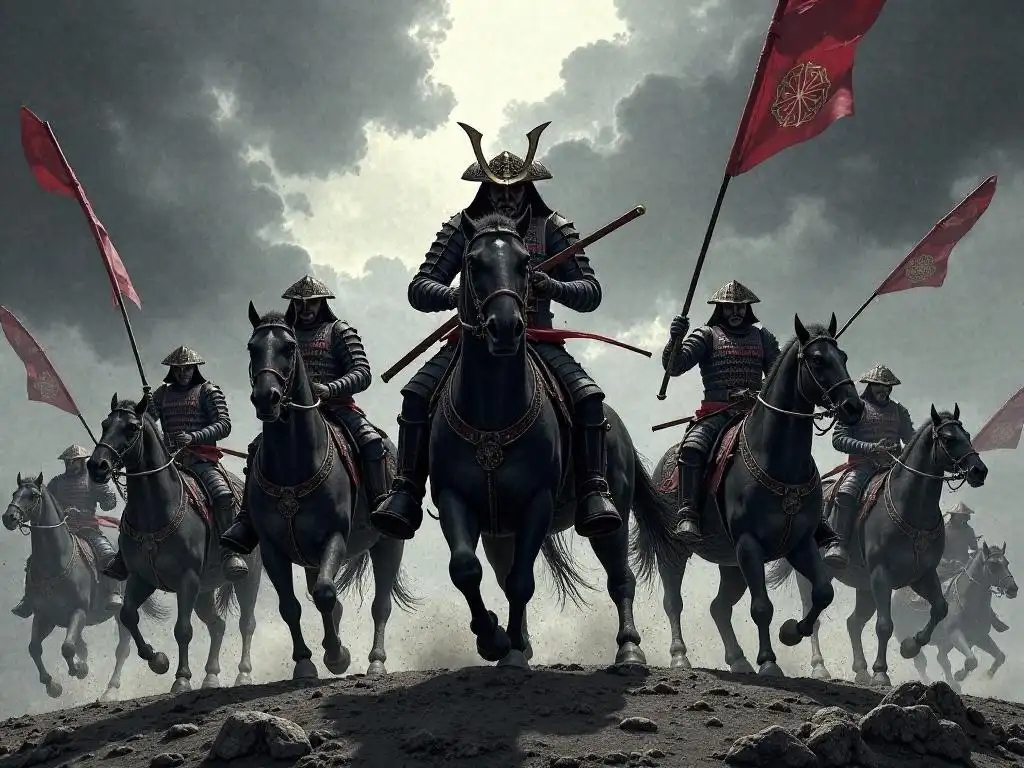
Welcome to Feudal Japan History, where we embark on a captivating journey through the intricate tapestry of Japan's feudal era. Our exploration delves deep into the alliances in feudal Japan battles, revealing how the power of unity shaped the outcomes of pivotal conflicts.
As you navigate through our expertly crafted articles, you'll uncover the fascinating dynamics of military strategy, cultural nuances, and the societal structures that influenced the alliances formed during this tumultuous period. Prepare to ignite your curiosity and delve into the rich historical narratives that await—you won’t want to miss the compelling stories behind the battlefronts of feudal Japan!
Introduction to Alliances in Feudal Japan Battles
In the tumultuous landscape of feudal Japan, alliances played a pivotal role in shaping the outcomes of key battles and the very course of Japanese history. The period, marked by constant warfare and shifting loyalties, saw numerous clans forge strategic partnerships to enhance their military strength, secure resources, and gain territorial advantages. Understanding the alliances in feudal Japan battles is crucial to grasping the intricate dynamics of power that defined this era. Alliances were not merely tactical decisions; they were deeply intertwined with familial ties, political maneuvering, and cultural values, reflecting the complex social fabric of the time.
As we delve deeper into this topic, we will explore how these alliances were formed, the motivations behind them, and their significant impact on major conflicts. Through a comprehensive examination of historical events, we can appreciate the power of unity in the feudal system and the lasting implications of these alliances on Japanese history.
The Historical Context of Feudal Japan Alliances
The feudal era of Japan, spanning from the late 12th century to the mid-19th century, was characterized by a decentralized political structure where local lords, known as daimyōs, wielded significant power. This period was marked by continuous warfare among rival factions, leading to a persistent need for alliances.
The Political Landscape of Feudal Japan
The political landscape of feudal Japan was complex and often volatile. After the Genpei War (1180-1185), the Kamakura shogunate established a new order, but this did not eliminate conflicts among the daimyōs. Political power was fragmented, with each clan vying for supremacy. The lack of a strong central authority compelled many clans to seek alliances for mutual benefit, creating a web of relationships that could shift as quickly as fortunes in battle.
Key factors in the political landscape included:
- Feudal Hierarchy: The power structure was based on land ownership and loyalty, leading to intricate relationships among lords and vassals.
- Constant Warfare: Frequent conflicts, such as the Onin War (1467-1477), necessitated alliances for survival and expansion.
- Diplomatic Marriages: Clans often secured alliances through marriages, strengthening ties and ensuring loyalty.
Major Clans and Their Alliances
Several major clans emerged during the feudal era, each with its unique strategies for forming alliances.
Some notable clans and their alliances include:
- Minamoto Clan: Known for their pivotal role in the Genpei War, they formed alliances with other clans to consolidate power.
- Taira Clan: Their rivalry with the Minamoto led to various alliances and betrayals that shaped the battlefield dynamics.
- Oda Nobunaga: A significant figure in the late 16th century, Nobunaga utilized alliances with lesser clans to dismantle the power of larger rivals.
- Toyotomi Hideyoshi: Following Nobunaga, Hideyoshi further expanded his influence through strategic alliances, leading to the unification of Japan.
Through these alliances, clans not only sought to enhance their military capabilities but also to navigate the treacherous waters of feudal politics. The interplay of cooperation and conflict among these factions laid the groundwork for the historical narrative of feudal Japan, illustrating how unity can be a formidable force in the face of adversity.
Key Battles Where Alliances Played a Crucial Role
Throughout the tumultuous era of feudal Japan, alliances were pivotal in shaping the outcomes of key battles. The intricate web of relationships among clans often determined not just military successes but also the very survival of factions. These alliances were formed out of necessity, shared interests, or common enemies, showcasing the importance of unity in the face of conflict. Below are three significant battles where alliances were not just advantageous but crucial to the outcomes.
The Genpei War: A Clash of Alliances
The Genpei War (1180-1185) was a monumental conflict between the Taira and Minamoto clans, marked by shifting allegiances that significantly influenced its course. The war began when the Minamoto clan sought to avenge earlier grievances against the Taira, leading to a series of battles across Japan. Key to the war's progression were the alliances formed with various regional clans.
Notably, the Minamoto allied with the Hojo clan, which provided them with vital military support and resources. This alliance proved instrumental during the decisive Battle of Dan-no-ura, where the Minamoto's combined forces overcame the Taira, leading to the eventual establishment of the Kamakura shogunate. The Genpei War exemplifies how alliances could turn the tide of battle, highlighting the necessity of unity among factions to achieve victory against a common enemy.
The Battle of Nagashino: Unity Against a Common Foe
The Battle of Nagashino, fought in 1575, is another prime example of the significance of alliances in feudal Japan. This battle took place between the Tokugawa and Takeda clans, where the former allied with the forces of the Oda clan to confront the formidable Takeda army. The Tokugawa and Oda alliance was forged out of a mutual desire to eliminate the aggressive expansion of the Takeda, known for their cavalry tactics.
The battle is particularly notable for the use of firearms by the allied forces, a relatively new technology in Japanese warfare at the time. The Tokugawa and Oda forces effectively coordinated their strategies, utilizing their combined strength to exploit the weaknesses of the Takeda cavalry. The victory at Nagashino not only showcased the power of unity but also marked a shift in military tactics that would influence future engagements. This battle underscores how strategic alliances can lead to innovative approaches in warfare.
The Siege of Osaka: The Final Stand of the Toyotomi Clan
The Siege of Osaka (1614-1615) represents the culmination of the power struggles in feudal Japan, where alliances played a critical role in the conflict between the Tokugawa shogunate and the Toyotomi clan. The Toyotomi, once the ruling power, found themselves isolated as they faced the might of Tokugawa Ieyasu, who had consolidated power through strategic alliances with various clans.
As the siege progressed, the Toyotomi sought alliances with former enemies and lesser clans to bolster their defenses. However, these alliances proved insufficient against the well-coordinated Tokugawa forces, who had consolidated their power through strong, loyal alliances. The siege ended with the fall of Osaka Castle, effectively ending the Toyotomi's resistance and solidifying Tokugawa dominance over Japan. This event illustrates the dire consequences of failing to maintain strong alliances in the face of overwhelming opposition.
The Strategic Importance of Alliances in Feudal Warfare

The strategic landscape of feudal Japan was heavily influenced by the alliances formed between clans, which often dictated the success or failure of military campaigns. Understanding the dynamics of these relationships is crucial to comprehending the complexities of feudal warfare.
Building Strong Alliances: Strategies and Tactics
Building effective alliances in feudal Japan required a combination of diplomacy, shared interests, and mutual benefit. Clans often sought alliances through marriage, trade agreements, or military pacts. For instance, the practice of marriage alliances was common, as it helped to secure loyalty and foster unity between clans. These alliances were carefully crafted, taking into consideration not only the immediate benefits but also the long-term implications.
Moreover, joint military campaigns were used to solidify alliances, allowing clans to share resources and manpower against common foes. The successful execution of these strategies often depended on effective communication and trust between allied leaders, which was vital for coordinating efforts during battles.
The Impact of Betrayals and Broken Alliances
While alliances could be a source of strength, they were also fraught with risks. Betrayals and broken alliances could lead to devastating consequences, as seen in numerous historical contexts. The feudal landscape was replete with instances where clans turned against their allies due to shifting interests or power struggles.
For example, the betrayal of the Takeda clan by the Uesugi clan during the late 16th century highlights how fragile alliances could be. Such betrayals often resulted in significant losses and could lead to the downfall of entire clans. The impact of these broken alliances reverberated through the political landscape, shaping the strategies and decisions of clans moving forward. Ultimately, the precarious nature of alliances in feudal Japan reflects the complex interplay of trust, ambition, and survival in a time of relentless conflict.
The Cultural Significance of Alliances in Feudal Japan
In feudal Japan, alliances played a crucial role not only in military strategy but also in shaping the cultural landscape of the era. The complex web of relationships formed through alliances reflected a broader societal structure that emphasized loyalty, honor, and mutual benefit. These alliances were often formalized through marriage, political agreements, and shared rituals, intertwining familial ties with military objectives, thus reinforcing the importance of unity in both personal and public life.
The allegiance between samurai clans was often governed by the principles of bushido, the samurai code of conduct that emphasized loyalty, honor, and respect. This cultural framework provided a moral compass that guided the actions of samurai and their lords, influencing decisions related to alliances. The significance of these bonds extended beyond mere military collaboration; they represented a commitment to shared values and honor among clans, ultimately shaping the social fabric of feudal Japan.
The Symbolism of Unity in Samurai Culture
Unity among samurai clans was deeply symbolic, representing not just a collective military strength but also a spiritual and philosophical ideal. The concept of unity was often embodied in the imagery and rituals associated with samurai culture. For instance, the act of sharing a cup of sake or performing a kiai (spirit shout) before battle served as a ritualistic reminder of the bonds that held the warriors together.
Moreover, the banners and crests used by samurai clans often depicted symbols of unity and strength, such as the rising sun or intertwined flowers. These motifs were not merely decorative; they conveyed powerful messages about the importance of solidarity in the face of adversity. The samurai's adherence to these cultural symbols fostered a sense of identity and purpose, motivating them to fight not just for themselves but for their allies and the greater cause.
Alliances Beyond the Battlefield: Social and Economic Ties
While military alliances were vital during conflicts, the social and economic dimensions of these relationships were equally important. Alliances often facilitated trade agreements, shared resources, and mutual protection against external threats. For example, a powerful clan might ally with a smaller one, offering military support in exchange for access to resources or trade routes.
These social ties were often reinforced through cultural exchanges, such as festivals, marriages, and shared rituals, which helped to strengthen the bonds between allied clans. As a result, alliances could lead to the establishment of a network of mutual support that benefited all parties involved. This interconnectedness contributed to the stability of feudal Japan, allowing for the flourishing of arts, commerce, and culture.
Lessons Learned from Alliances in Feudal Japan Battles
The alliances formed during the feudal period of Japan provide valuable lessons on the importance of unity, adaptability, and strategic collaboration in the face of conflict. Historical battles illustrate how alliances could significantly influence the outcomes of conflicts, demonstrating that strength often lies in numbers and shared objectives.
The dynamics of these alliances reveal how crucial it is for groups to foster relationships based on trust and mutual benefit. As seen in significant battles, the ability to forge and maintain alliances could determine success or failure on the battlefield, making it a critical aspect of military strategy in feudal Japan.
The Long-lasting Effects of Alliance Strategies
The strategies employed during feudal alliances left a lasting impact on Japan's political landscape. Many of the alliances formed during key battles influenced the rise and fall of clans, shaping the course of history. The repercussions of these alliances extended beyond their immediate context, as they often set the stage for future conflicts or collaborations.
For instance, the relationships established during the Sengoku period, characterized by constant military conflict, laid the groundwork for the eventual unification of Japan under Oda Nobunaga, Toyotomi Hideyoshi, and Tokugawa Ieyasu. These alliances not only affected the political landscape but also influenced cultural and social norms, embedding the importance of unity and collaboration within the collective memory of Japan. The lessons derived from these historical alliances continue to resonate, emphasizing the enduring value of strategic partnerships in overcoming challenges and achieving common goals.
Conclusion: The Enduring Legacy of Alliances in Feudal Japan Battles
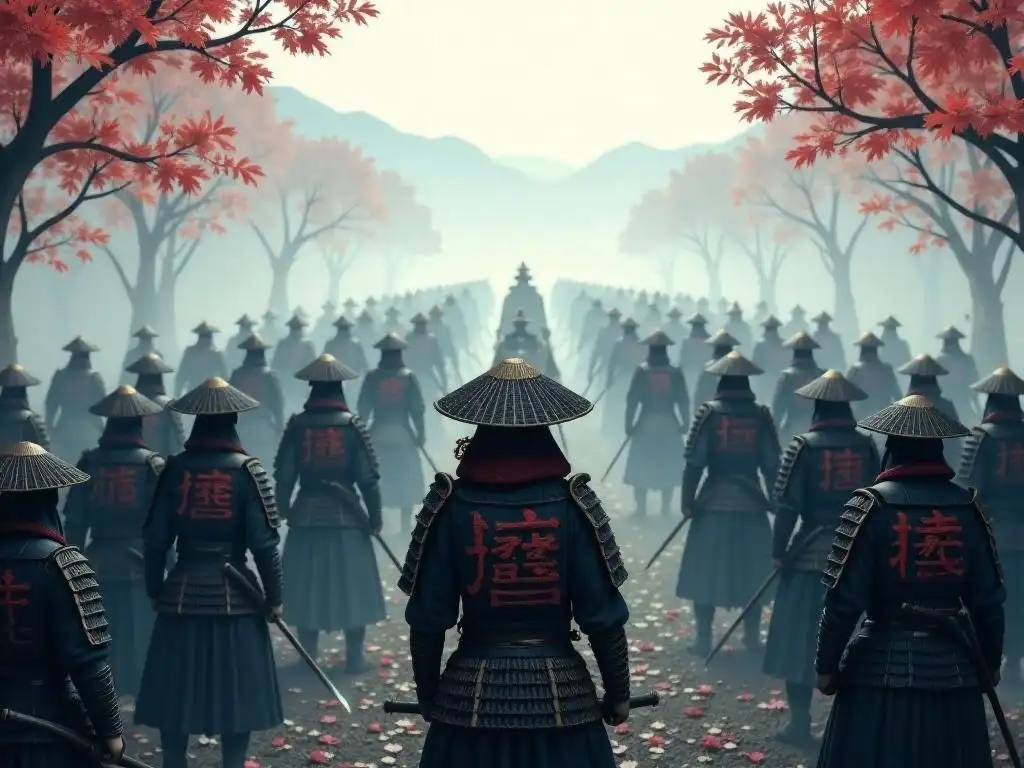
The concept of alliances in feudal Japan battles underscores the intricate web of relationships that shaped the political and military landscape of the era. These alliances were not merely tactical arrangements but were deeply rooted in social, cultural, and familial ties, which added layers of loyalty and shared identity among the warring factions. The effectiveness of these alliances can be observed in numerous key battles, including the pivotal conflicts of the Sengoku period, where coalitions like the Takeda and Uesugi clans fought for supremacy through strategic partnerships.
The enduring legacy of these alliances is evident in how they influenced the course of Japanese history. The victories achieved through united efforts often resulted in the establishment of powerful shogunates and the eventual unification of Japan under leaders like Tokugawa Ieyasu. The lessons learned from these coalitions prompted future generations to understand the importance of diplomacy and mutual support in both military and political endeavors.
Moreover, the impact of these alliances extended beyond the battlefield. They fostered a culture of negotiation and strategic planning that continues to resonate in modern diplomatic relations. The intricate dynamics of feudal alliances in Japan serve as a reminder that unity can lead to triumph, a principle that remains relevant in both historical and contemporary contexts.
References
- Hall, John Whitney. The Cambridge History of Japan: Volume 3, Medieval Japan. Cambridge University Press, 1993.
- Jansen, Marius B. The Making of Modern Japan. Harvard University Press, 2000.
- Turnbull, Stephen. The Samurai Sourcebook. Cassell & Co., 1998.
- McCullough, Helen Craig. A Tale of Flowering Fortunes: Annals of Japanese History 591- 657. Stanford University Press, 1990.
- Screech, Timon. The Western Discovery of Japanese Art. Curzon Press, 1997.
Further Reading
- "The Samurai: A Military History" by Stephen Turnbull - A comprehensive exploration of the samurai and their military strategies, focusing on the role of alliances.
- "Feudal Japan: The History of the Samurai" by Charles River Editors - Offers insights into the feudal system in Japan and the pivotal battles that defined it.
- "The Art of War in Japan" by John D. Clare - An analysis of military strategies, including the significance of alliances in warfare.
- "Sengoku: The Warring States of Japan" by Anthony J. Bryant - A detailed account of the Sengoku period, highlighting key battles and the alliances that shaped them.
- "Warriors of Japan: The Samurai" by John M. Manley - Explores the life and times of the samurai, with a focus on their alliances in battle.
- Introduction to Alliances in Feudal Japan Battles
- The Historical Context of Feudal Japan Alliances
- Key Battles Where Alliances Played a Crucial Role
- The Strategic Importance of Alliances in Feudal Warfare
- The Cultural Significance of Alliances in Feudal Japan
- Lessons Learned from Alliances in Feudal Japan Battles
- Conclusion: The Enduring Legacy of Alliances in Feudal Japan Battles
- References
- Further Reading
- What were the main reasons for forming alliances in feudal Japan battles?
- How did alliances impact the outcomes of battles during the feudal era?
- Were there any famous alliances that significantly influenced feudal Japan's history?
- How did cultural factors influence the formation of alliances in feudal Japan?
- What role did betrayal play in the context of alliances during feudal Japan?
Frequently Asked Questions
What were the main reasons for forming alliances in feudal Japan battles?
Alliances were primarily formed to strengthen military forces, share resources, and increase territorial control during conflicts. Such partnerships were crucial for survival and dominance in the fragmented political landscape.
How did alliances impact the outcomes of battles during the feudal era?
Alliances often determined the balance of power in battles. A unified front could overwhelm opponents, leading to decisive victories and the expansion of territories for the allied forces involved.
Were there any famous alliances that significantly influenced feudal Japan's history?
Yes, notable alliances like the Takeda-Uesugi and the Oda-Tokugawa partnerships played critical roles in shaping the course of battles and the political landscape of feudal Japan.
How did cultural factors influence the formation of alliances in feudal Japan?
Cultural ties, such as shared beliefs and marriage connections, often facilitated the formation of alliances. These personal relationships helped to solidify partnerships beyond mere political gain.
What role did betrayal play in the context of alliances during feudal Japan?
Betrayal was a common theme in feudal Japan, often leading to the collapse of alliances. Such acts could drastically shift power dynamics and lead to significant losses in battles for those who were betrayed.
Final Reflection: The Enduring Power of Unity in Feudal Japan
The exploration of alliances in feudal Japan battles reveals a profound truth about the strength found in unity. In a time marked by conflict and division, the strategic partnerships formed between clans not only shaped the outcomes of key battles but also laid the groundwork for the political landscape of the era. Today, as we navigate a world that often feels fragmented, the lessons drawn from these historical alliances resonate more than ever, reminding us that collaboration can lead to triumph even in the most challenging circumstances.
Collaboration and unity have always been essential to overcoming adversity. The alliances forged during feudal Japan's tumultuous battles serve as a testament to the idea that collective strength can alter the course of history. As we reflect on the impact of these alliances, we can draw parallels to our contemporary society, where cooperation among diverse groups continues to be vital for progress and peace. Alone we can do so little; together we can do so much.
– Helen Keller. This quote encapsulates the essence of what we can learn from the past, emphasizing that the power of unity is not just a historical lesson but a guiding principle for our future.
As you ponder the significance of alliances in feudal Japan, I invite you to consider how you can apply these lessons in your own life. Reflect on the relationships you cultivate and the collaborations you engage in. In a world that often emphasizes individual achievement, remember that true strength lies in working together towards common goals. Let the legacy of feudal Japan inspire you to seek out alliances, embrace diversity, and foster unity in your endeavors, for it is through these connections that we can create a brighter and more harmonious future.
Unleash the Power of Unity: Take Action Today!
Thank you for exploring the world of feudal Japan and recognizing the pivotal role that alliances played in key battles. Your interest in this captivating topic not only enhances your understanding but also fosters a deeper appreciation for the strength found in unity. Now, let’s transform that knowledge into action!
- Join a community forum dedicated to the history of feudal Japan, where you can share your insights and learn from others who are equally passionate about this era.
- Engage in a discussion with friends or fellow history enthusiasts about the significance of alliances, drawing parallels to contemporary collaborations in various fields.
- Create a visual representation of notable alliances in feudal Japan; whether it's a mind map or an infographic, bring this history to life!
Having learned about the importance of unity in historical battles, how do you think modern alliances compare in shaping our world today? Let’s continue the conversation!