
The Aesthetic of Destruction: Artistry in Samurai Weaponry and Armor

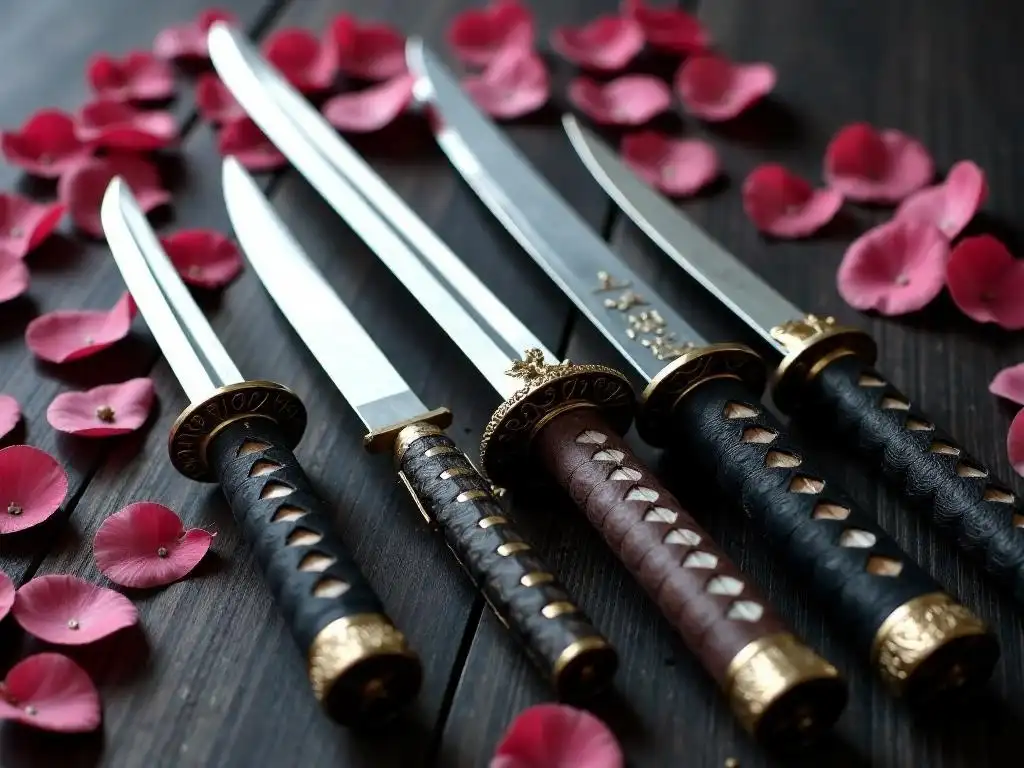
Welcome to Feudal Japan History, where we invite you to embark on a journey through the intriguing complexities of Japan's feudal era. Here, we delve deep into the rich tapestry of historical, cultural, and societal dimensions that shaped this fascinating period. In our featured article, “The Aesthetic of Destruction: Artistry in Samurai Weaponry and Armor,” we unravel the exquisite craftsmanship behind the samurai’s iconic weaponry and armor artistry.
What secrets lie within these formidable creations? Join us as we explore the delicate balance between beauty and brutality, igniting your curiosity and inspiring you to discover more about the legacy of the samurai.
Introduction to Samurai Weaponry and Armor Artistry
In the intricate tapestry of Japan's feudal era, the artistry of samurai weaponry and armor stands out as a remarkable expression of both functionality and beauty. These artifacts were not merely tools of warfare but also representations of cultural values, individual status, and skilled craftsmanship.
The samurai, with their strict codes of honor and discipline, imbued their weapons and armor with deep symbolism and aesthetic considerations that reflected their martial ethos. This article delves into the multifaceted nature of samurai weaponry and armor artistry, exploring how these elements shaped the identities of warriors and the broader military history of feudal Japan.
Overview of Samurai Culture and its Influence on Art
The samurai class, known for their martial prowess and unwavering loyalty to their lords, developed a unique culture that intertwined with the arts. They embraced not only the art of combat but also other forms of artistic expression, such as calligraphy, poetry, and tea ceremonies. This comprehensive cultural framework influenced the design and decoration of weaponry and armor, resulting in pieces that were both deadly and visually captivating.
- Key Characteristics of Samurai Culture:
- Bushido Code: The ethical code governing samurai behavior.
- Martial Training: Rigorous practice and mastery of various weapons.
- Patronage of the Arts: Support for artists and craftsmen, leading to sophisticated designs.
The samurai's appreciation for aesthetics extended to their weapons and armor, which were often adorned with intricate designs, family crests, and symbolic motifs, reflecting their personal values and lineage.
The Importance of Aesthetics in Feudal Japan Military History
In feudal Japan, the significance of aesthetics in military contexts cannot be overstated. The samurai believed that a beautifully crafted weapon or armor not only represented the owner's status but also conveyed a sense of honor and respect. Aesthetics played a pivotal role in the following ways:
- Psychological Impact: Elegant weaponry instilled fear in opponents while boosting the morale of the samurai.
- Cultural Symbolism: Designs often included motifs from nature, mythology, and spiritual beliefs, enhancing the narrative behind each piece.
- Social Status: The quality and artistry of armor and weapons served as indicators of a samurai's rank and wealth.
This deep-rooted connection between aesthetics and warfare underscores the complexity of samurai craftsmanship, where artistry and deadliness existed in harmony.
Historical Context of Samurai Weaponry and Armor
To fully appreciate the artistry behind samurai weaponry and armor, it is essential to understand their historical context. The evolution of these items reflects the changing nature of warfare, societal norms, and technological advancements throughout feudal Japan.
Evolution of Samurai Weapons in Feudal Japan
The development of samurai weapons over the centuries showcases a blend of innovation and tradition. From the early tachi swords to the iconic katana, each weapon was meticulously designed to enhance combat effectiveness while embodying artistic excellence. Key factors influencing this evolution include:
- Technological Advancements: The introduction of advanced metallurgy and forging techniques.
- Combat Strategies: Changes in battlefield tactics necessitated the design of more versatile weaponry.
- Cultural Exchanges: Contact with other civilizations introduced new ideas and styles into Japanese martial arts.
The Role of Armor in Samurai Warfare
Armor was indispensable in samurai warfare, serving both protective and symbolic functions. The do, or cuirass, was often elaborately decorated, reflecting the wearer's status and clan affiliations. The evolution of armor design can be categorized into several key styles, such as:
- O-yoroi: Heavy armor for mounted combat, emphasizing protection.
- Do-maru: Lighter armor allowing for greater mobility.
- Tachi and Kabuto: Distinctive helmets that showcased individual artistry while providing defense.
Each piece of armor was not only functional but also a canvas for artistic expression, often embellished with family crests and intricate patterns.
Key Historical Events Influencing Weaponry Design
Throughout Japan's feudal history, several significant events shaped the design and functionality of samurai weaponry and armor. These include:
- The Genpei War (1180-1185): A pivotal conflict that led to the establishment of the Kamakura shogunate and influenced the evolution of military tactics and equipment.
- The Mongol Invasions (1274 and 1281): These invasions prompted innovations in armor and weaponry to counter new forms of warfare.
- The Sengoku Period (1467-1615): A time of constant warfare that spurred significant advancements in both the craftsmanship and aesthetic qualities of samurai weapons and armor.
Understanding these historical events provides insight into how samurai weaponry and armor artistry were not only shaped by the needs of war but also by the dynamic cultural landscape of feudal Japan.
Elements of Samurai Weaponry Artistry
The artistry involved in samurai weaponry is a multifaceted expression of both form and function, where aesthetics and practicality converge. At the core of this artistry are the materials, techniques, and cultural significances that imbue each weapon with a unique character. Samurai weaponry is not merely functional; it serves as a testament to the skill of the artisan and the values of the samurai class. The profound attention to detail in the design and construction of swords, spears, and other weapons reflects a deep respect for the art of warfare and the spiritual beliefs of the samurai.
The Craftsmanship Behind Katana and Other Swords
The katana, often regarded as the quintessential samurai sword, embodies centuries of refined craftsmanship. This iconic blade is forged using a process that combines high-quality steel, folding techniques, and careful tempering. Artisans known as tōkō spend years mastering the craft, which involves:
- Tamahagane Steel: This high-carbon steel is produced from iron sand, providing the necessary hardness and flexibility for an effective blade.
- Folding Technique: The steel is repeatedly folded and forged, typically over a dozen times, resulting in a blade that is both strong and resilient. This process also creates the distinctive grain patterns known as hada.
- Differential Hardening: By applying clay to the blade before quenching, artisans achieve a hard edge and a soft spine, enhancing both durability and cutting performance.
The katana's curvature and sharpness are not only practical for combat but also enhance its aesthetic appeal, making it a work of art.
Decorative Techniques in Samurai Weaponry
Beyond functionality, samurai weapons are adorned with a variety of decorative techniques that elevate their artistry. Some of the most notable techniques include:
- Inlay and Engraving: Intricate designs and motifs are often inlaid with materials such as gold, silver, or mother-of-pearl. Engraving may depict natural scenes, mythological figures, or clan emblems, each carrying specific meanings.
- Lacquerwork: Many weapons, particularly the hilts and scabbards, are coated in lacquer, which not only provides protection but also allows for elaborate designs and color variations.
- Kozuka and Fuchi: The kozuka (a small blade often housed in the handle) and fuchi (the fittings at the end of the hilt) are often ornately decorated, showcasing the artistic style of the period and the personal tastes of the samurai.
These decorative elements serve to communicate the identity and status of the samurai, making each weapon a unique representation of its owner.
Symbolism and Cultural Significance of Weapons
Samurai weapons are steeped in symbolism and cultural significance. Each weapon tells a story, reflecting the values and ideals of the samurai warrior. The katana, for instance, symbolizes honor, loyalty, and the soul of the samurai. In addition to its practical use in battle, the sword is often seen as a spiritual artifact, believed to contain the spirit of its owner.
Moreover, weaponry played a crucial role in the rituals and customs of the samurai class. The presentation of a sword, for example, was often accompanied by formal ceremonies that underscored its importance. Such practices highlight the deep respect for weaponry in samurai culture, where each piece is not just a tool for war but also a representation of artistry, status, and tradition.
The Aesthetic Features of Samurai Armor
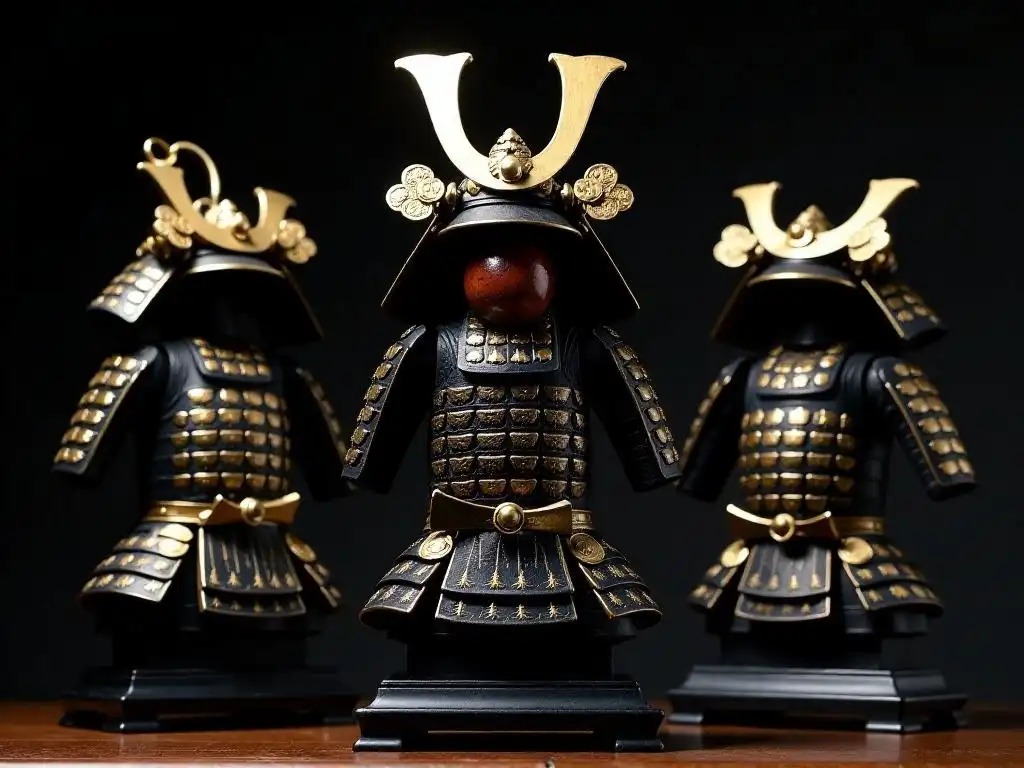
Samurai armor is a striking fusion of functionality and artistry, designed not only to protect but also to showcase the status and identity of the warrior. The aesthetic features of samurai armor are characterized by elaborate designs, intricate craftsmanship, and a variety of materials that reflect both the practical needs of warfare and the cultural values of the time.
Materials Used in Samurai Armor Construction
The construction of samurai armor involved a meticulous selection of materials, each chosen for its specific properties:
- Iron and Steel: The primary materials for armor plates, providing strength and durability while remaining relatively lightweight.
- Leather and Textile: Used for flexibility and comfort, textiles such as silk were often dyed in vibrant colors, adding to the visual appeal of the armor.
- Lacquer: A protective coating that not only enhanced durability but also allowed for intricate designs and color variations.
The combination of these materials resulted in armor that was not only functional but also visually striking.
Design Elements and their Artistic Expressions
The design of samurai armor features a variety of artistic expressions, each element contributing to the overall aesthetic. Notable design elements include:
- Kabuto (Helmet): Often adorned with crests, decorative horns, or intricate carvings, the kabuto serves as both protection and a symbol of the warrior's status.
- Do (Chest Armor): The front and back plates are often beautifully lacquered and painted, with designs that may include clan motifs or symbols of protection.
- Sode (Shoulder Guards): These are not only functional but also often designed with flowing lines and elaborate patterns that enhance the overall silhouette of the armor.
These artistic expressions in armor reflect the individuality of the samurai and the rich traditions of the period.
The Balance Between Functionality and Aesthetics in Armor
In samurai armor, functionality and aesthetics are intricately balanced. While the primary purpose of armor is protection in battle, the visual appeal is equally significant. Artisans aimed to create armor that would not impede movement while still allowing the wearer to display their status and artistry.
- Movement and Comfort: Samurai armor is designed to allow for flexibility and ease of movement, enabling warriors to fight effectively without being hindered by heavy materials.
- Visual Impact: The striking appearance of samurai armor often served to intimidate adversaries while instilling pride in the wearer. The combination of color, design, and craftsmanship created a formidable and beautiful ensemble.
This careful balance exemplifies the samurai ethos, which values both martial skill and artistic expression, making samurai armor a remarkable aspect of Japan's feudal history.
Comparative Analysis of Samurai Weaponry and Armor
The artistry inherent in samurai weaponry and armor is a remarkable blend of functionality and aesthetic appeal. Samurai weapons, such as katana, tanto, and naginata, are not merely tools of war; they represent the philosophical and spiritual beliefs of the samurai. Each piece of weaponry is crafted with meticulous attention to detail, showcasing the skill of the artisans and the cultural values of the time.
In contrast, armor like the do (chest armor), kabuto (helmet), and sode (shoulder guards) was designed to provide maximum protection while allowing for mobility in battle. The use of materials such as iron, leather, and silk, combined with intricate designs, reflects a dual purpose: to safeguard the wearer and to convey status and identity. The decorative elements often include family crests, mythological motifs, and elaborate lacquering techniques, signifying the warrior's allegiance and heritage.
This comparison underscores the unique interplay between artistry and practicality in samurai weaponry and armor, distinguishing them from other military artifacts from different cultures.
Differences Between Samurai and Other Feudal Armors
Samurai armor stands out significantly when compared to the armors of other feudal societies, such as European knights or Mongol warriors. While European armor emphasized heavy metal plates that prioritized maximum protection, samurai armor was designed for agility and ease of movement. The traditional samurai armor, known as "yoroi," featured a layered construction of small, overlapping plates, which allowed for flexibility while still providing adequate defense.
In terms of aesthetics, samurai armor often incorporated vibrant colors and intricate patterns that reflected the samurai's status and clan affiliation. This contrasts sharply with the more utilitarian and often monochromatic designs of European armors. Furthermore, samurai armor was often adorned with personalized insignia and embellishments, which were less common in Western designs, emphasizing individual identity over uniformity.
The differences in design philosophies reveal not only the practical needs dictated by their respective combat styles but also the cultural values that influenced the artistic choices made by armorers in feudal Japan.
Artistic Styles Across Various Samurai Clans
The artistry of samurai weaponry and armor varied significantly across different clans, each with its unique style and influences. For example, the Minamoto clan favored ornate designs that featured delicate engravings and intricate lacquer work, reflecting their noble status and connection to the imperial family. In contrast, the Takeda clan, known for their fierce warriors, often opted for more robust and functional designs that prioritized durability alongside aesthetic appeal.
The colors and motifs chosen by each clan also played a critical role in their identity. Clans often used specific color schemes and patterns that were symbolic of their lineage and values. For instance, the Uesugi clan was recognized for its use of blue, which symbolized loyalty and trustworthiness.
Artistic styles were not static; they evolved over time, influenced by the changing political landscapes, alliances, and even the introduction of new materials and techniques from foreign cultures. This rich tapestry of artistic expression underscores the importance of clan identity in feudal Japan and the role of artistry in samurai weaponry and armor.
The Influence of Geography on Weaponry Design
Geography played a crucial role in shaping the design and functionality of samurai weaponry and armor. The varied landscapes of Japan, from mountainous terrains to coastal regions, influenced the types of engagements that samurai faced and, subsequently, the gear they developed. For example, samurai in mountainous areas often favored lighter weapons and armor that allowed for mobility and quick maneuvers in rugged terrain.
The availability of resources also dictated design choices. Regions with abundant iron could produce stronger and more durable weapons, while those with access to high-quality wood and silk influenced the construction of bows and armor. Additionally, trade routes brought in new materials and techniques, leading to innovations in design. The interaction with neighboring cultures, such as the Chinese and Koreans, also contributed to the evolution of samurai weaponry, incorporating elements that enhanced both aesthetics and functionality.
The geographical context of feudal Japan ultimately shaped the artistry and effectiveness of samurai weaponry and armor, making each piece a reflection of its environment and the challenges faced by its users.
The Legacy of Samurai Weaponry and Armor Artistry
The legacy of samurai weaponry and armor artistry extends beyond the battlefield, influencing various aspects of Japanese culture and art. The craftsmanship involved in these artifacts has been recognized as a high art form, with many pieces now regarded as national treasures. The intricate designs and techniques have inspired generations of artists and craftsmen, ensuring that the spirit of samurai artistry continues to resonate in contemporary Japanese society.
Modern Interpretations and Collectibles
In modern times, the artistry of samurai weaponry and armor has undergone a renaissance, with collectors and enthusiasts seeking authentic pieces. Reproductions of samurai swords and armor are also prevalent, crafted using traditional methods to honor the original artistry. Museums and galleries often showcase these artifacts, highlighting their historical significance and aesthetic value.
Additionally, contemporary artists draw inspiration from samurai designs, incorporating traditional motifs into modern artworks, fashion, and design. This fusion of old and new reflects a growing appreciation for the cultural heritage embodied in samurai craftsmanship, allowing it to thrive in a modern context.
Impact on Contemporary Japanese Art and Culture
The impact of samurai weaponry and armor artistry on contemporary Japanese art and culture is profound. It has inspired various forms of expression, including literature, film, and visual arts. Themes of honor, loyalty, and the warrior spirit found in samurai stories continue to resonate, shaping modern narratives and artistic expressions.
Moreover, the aesthetic principles derived from samurai artistry influence contemporary design, from architecture to graphic arts. The minimalist philosophy and attention to detail rooted in samurai culture have permeated various artistic disciplines, promoting a sense of beauty that values craftsmanship and tradition.
Preservation of Samurai Artistry in Modern Society
Efforts to preserve samurai artistry in modern society include educational programs and workshops aimed at passing down traditional techniques to new generations. Various organizations and museums work to maintain the integrity of samurai craftsmanship, ensuring that the skills of sword-making, armor creation, and related arts are not lost to time.
Cultural festivals and exhibitions also play a vital role in celebrating samurai heritage, allowing the public to engage with and appreciate the artistry of this historical period. These initiatives help foster a deeper understanding of samurai culture, ensuring that the legacy of their artistry remains an integral part of Japan's cultural identity.
The artistry of samurai weaponry and armor is a rich and multifaceted legacy that continues to influence and inspire both traditional and contemporary Japanese culture.
Conclusion: The Enduring Allure of Samurai Weaponry and Armor
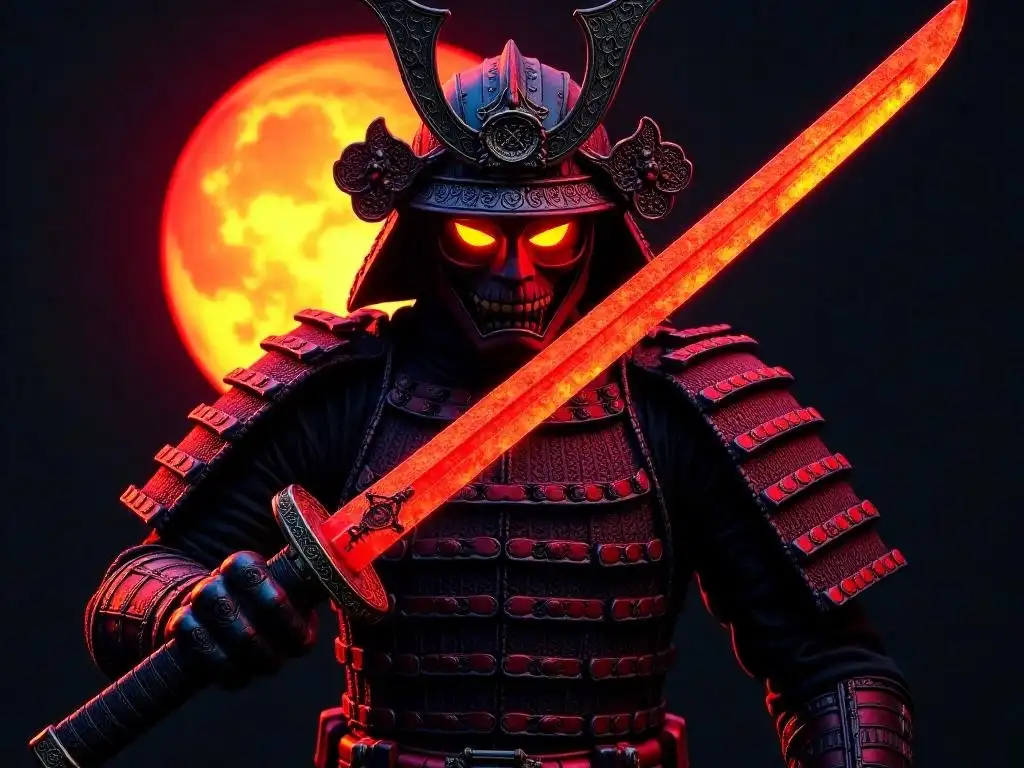
The artistry found in samurai weaponry and armor transcends mere functionality, emerging as a profound expression of cultural identity and historical significance. This intricate craftsmanship, deeply rooted in the samurai ethos, reflects a duality of purpose — serving as tools for combat while simultaneously embodying ideals of beauty, honor, and skill. The allure of these artifacts lies not only in their physical design but also in the stories they tell about the warriors who wielded them and the eras they represent.
Reflection on the Cultural Significance of Samurai Artistry
The samurai's commitment to artistry is evident in the elaborate details of their weaponry and armor. Each piece is a testament to the values of the samurai code, Bushido, which emphasizes virtue, loyalty, and honor. The meticulous craftsmanship of swords, such as the katana, is not merely a technical achievement; it represents the spiritual journey of the swordsmith and the warrior alike.
Moreover, the integration of aesthetics into martial tools speaks to a broader cultural narrative where beauty and function coalesce. Samurai armor, adorned with intricate lacquer work and elaborate motifs, serves as a canvas that tells tales of lineage, status, and personal achievements. Through these artistic endeavors, samurai not only prepared for battle but also engaged in a dialogue between art and warfare, encouraging future generations to appreciate the profound connection between aesthetics and the martial spirit.
The Ongoing Fascination with Samurai Aesthetics in Popular Culture
In contemporary society, the fascination with samurai weaponry and armor has surged, becoming a significant element of popular culture. Films, anime, and video games have perpetuated the image of the samurai as both warrior and artist, often romanticizing their legacy. This portrayal has sparked a renewed interest in the historical context of these artifacts, leading to exhibitions and educational programs focused on samurai culture.
Collectively, these modern interpretations invite audiences to explore the deeper meanings behind samurai artistry, encouraging a new generation to appreciate the craftsmanship involved in creating weapons and armor. As a result, the legacy of samurai weaponry and armor artistry continues to inspire and captivate people worldwide, ensuring that the allure of the samurai persists in the collective imagination, bridging historical narratives with contemporary artistry.
- Introduction to Samurai Weaponry and Armor Artistry
- Historical Context of Samurai Weaponry and Armor
- Elements of Samurai Weaponry Artistry
- The Aesthetic Features of Samurai Armor
- Comparative Analysis of Samurai Weaponry and Armor
- The Legacy of Samurai Weaponry and Armor Artistry
- Conclusion: The Enduring Allure of Samurai Weaponry and Armor
- Reflection on the Cultural Significance of Samurai Artistry
- The Ongoing Fascination with Samurai Aesthetics in Popular Culture
- What is the significance of samurai weaponry and armor artistry in feudal Japan?
- How did the design of samurai armor evolve over time?
- What materials were commonly used in samurai weaponry and armor?
- How did the artistry of samurai armor reflect social status?
- What role did symbolism play in samurai armor and weaponry?
Frequently Asked Questions
What is the significance of samurai weaponry and armor artistry in feudal Japan?
The artistry in samurai weaponry and armor reflects the cultural values and aesthetic principles of the time, showcasing not only functionality but also craftsmanship and beauty.
How did the design of samurai armor evolve over time?
The design of samurai armor evolved to enhance protection, mobility, and aesthetic appeal, influenced by changing battle tactics and available materials throughout different periods of feudal Japan.
What materials were commonly used in samurai weaponry and armor?
Samurai weaponry and armor were typically crafted from materials such as iron, leather, and silk, with each material chosen for its strength, flexibility, and decorative potential.
The intricacy and decoration of samurai armor indicated the wearer’s social status and wealth, with higher-ranking samurai donning more elaborately designed pieces as a sign of their prestige.
What role did symbolism play in samurai armor and weaponry?
Symbolism was crucial in samurai armor and weaponry, with designs often incorporating motifs that represented loyalty, courage, and family heritage, serving both a practical and a cultural purpose.
Final Reflection: The Enduring Legacy of Samurai Weaponry and Armor Artistry
The intricate beauty of samurai weaponry and armor artistry remains profoundly relevant today, as it reflects the delicate balance between functionality and aesthetic appeal. In a world increasingly driven by mass production and uniformity, the craftsmanship of samurai artifacts serves as a poignant reminder of the artistry that can be achieved even in the most utilitarian objects. The samurai's legacy, steeped in honor and discipline, continues to inspire modern artisans and collectors alike, highlighting the timeless nature of their creations.
The influence of samurai weaponry and armor artistry transcends mere historical significance; it permeates our cultural landscape, inspiring contemporary art, design, and even fashion. The intricate designs and symbolism embedded in these artifacts resonate with themes of resilience and beauty amidst chaos. As the renowned artist Yoshitomo Nara once said, "> Art is a way of expressing what we cannot say in words." This notion encapsulates the essence of samurai artistry, where each piece tells a story of its own, inviting us to explore deeper meanings and connections.
As we reflect on the artistry of samurai weaponry and armor, let us embrace the lessons of craftsmanship, dedication, and the pursuit of beauty in our own lives. I invite you to consider how you can incorporate these principles into your daily existence, whether through creative expression, mindful craftsmanship, or simply appreciating the beauty around you. In doing so, we honor the legacy of the samurai and ensure that their artistry continues to inspire generations to come.
Embrace the Beauty of Boldness!
Thank you for diving into the fascinating world of Samurai weaponry and armor! Your interest has unveiled the artistry and significance behind these formidable creations. Now, it's time to take action and deepen your connection to this captivating history.
- Visit a local museum or explore an online exhibition that showcases Samurai artifacts; immerse yourself in their elegance and craftsmanship.
- Join a community group or online forum to discuss and share your insights on Samurai culture; connect with fellow history enthusiasts!
- Consider embarking on a creative project inspired by Samurai aesthetics; let your imagination flourish by interpreting their legacy in a unique way.
What aspect of Samurai artistry resonates with you the most, and how would you express that in your own life?