
Armaments of the Common Soldier: A Study of Peasant Warriors in Feudal Japan

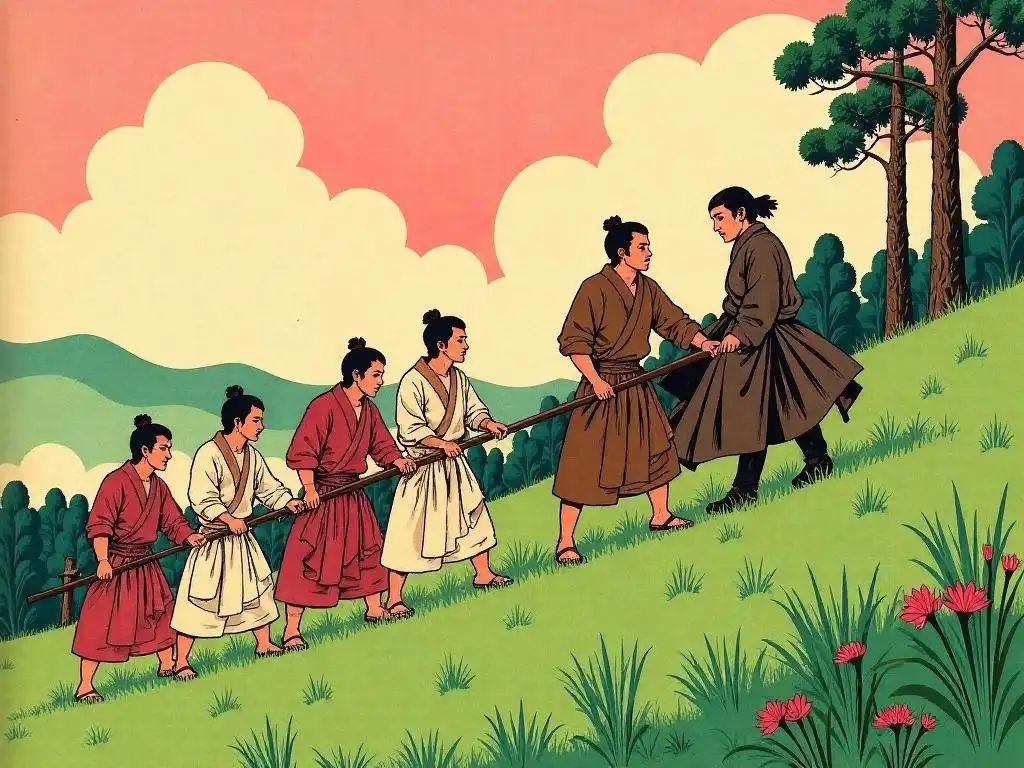
Welcome to Feudal Japan History, where we embark on a captivating journey through the intricate tapestry of Japan's feudal era. Here, we delve into the Armaments of the Common Soldier and uncover the remarkable story of peasant warriors in feudal Japan. These unsung heroes played a pivotal role in shaping the military landscape, and their legacy deserves a closer look. As you explore our expert-driven articles, prepare to be intrigued by the blend of culture, society, and history that defined an era. Ready to uncover the secrets of these resilient fighters? Your adventure begins now!
- Introduction to Peasant Warriors in Feudal Japan
- Historical Background of Peasant Warriors in Feudal Japan
- Armaments Used by Peasant Warriors in Feudal Japan
- Tactics and Strategies Employed by Peasant Warriors
- Comparison of Peasant Warriors and Samurai
- Case Studies of Notable Peasant Warrior Battles
- The Cultural Significance of Peasant Warriors in Feudal Japan
- Conclusion: The Legacy of Peasant Warriors in Feudal Japan
-
Frequently Asked Questions
- What were the primary roles of peasant warriors in feudal Japan?
- How did peasant warriors acquire their weapons and armor?
- What were the social implications of being a peasant warrior?
- How did the armaments of peasant warriors differ from those of samurai?
- What impact did peasant warriors have on the feudal system?
- Final Reflection: The Enduring Legacy of Peasant Warriors in Feudal Japan
- Unveil the Legacy of Peasant Warriors!
Introduction to Peasant Warriors in Feudal Japan
In the intricate tapestry of Feudal Japan, where samurai held the reins of power and prestige, the role of peasant warriors often goes unnoticed. However, these common soldiers, typically drawn from the agrarian class, played a crucial role in the military landscape of the era. This article delves into the armaments and significance of peasant warriors, uncovering their contributions to the conflicts and social dynamics of feudal society. By examining the weaponry and armor utilized by these fighters, we can gain a better understanding of their importance in the broader context of Japan's military history.
Feudal Japan was characterized by a rigid social hierarchy that dictated the roles and responsibilities of its citizens. The structure can be broadly categorized into several classes:
- Emperor: The symbolic figurehead of the nation, though with little political power.
- Shogun: The military leader who wielded actual power and governed the land.
- Daimyo: Feudal lords who controlled vast estates and were responsible for maintaining their own armies.
- Samurai: The warrior class, serving the daimyo and adhering to the bushido code of honor.
- Peasants: The backbone of society, primarily engaged in agriculture, but also serving as soldiers when required.
This hierarchy placed samurai at the top, but the peasant class, despite their lower status, was essential for the sustenance and support of the military. When conflicts arose, peasants were often called upon to defend their land and families, transforming into peasant warriors.
Significance of Peasant Warriors in the Military Context
The emergence of peasant warriors during feudal Japan was a response to the need for manpower in times of conflict. The significance of these fighters can be understood through several key aspects:
- Military Support: Peasant warriors supplemented the ranks of the samurai, especially during large-scale battles. Their involvement allowed for greater numbers, which was crucial in a time when many conflicts hinged on sheer force.
- Local Defense: As residents of the land, peasant warriors had a vested interest in protecting their villages and families. This local engagement often made them fierce defenders, knowledgeable about the terrain and tactics suitable for guerilla warfare.
- Diverse Armament: While samurai were equipped with sophisticated weaponry and armor, peasant warriors utilized more accessible tools—such as farm implements repurposed for combat. This included:
- Bows and arrows: Commonly used for hunting and adapted for warfare.
- Swords: Often simple, but effective in close combat.
- Spears and polearms: Frequently fashioned from agricultural tools, these weapons were practical and could be wielded effectively by those with minimal training.
- Cultural Impact: The existence of peasant warriors contributed to the broader narrative of Japan's military history, showcasing the resilience and adaptability of the agrarian class in the face of adversity.
Through their bravery and resourcefulness, peasant warriors not only defended their homes but also played a vital role in shaping the military strategies of feudal Japan. Understanding their contributions helps illuminate the complexities of a society often viewed through the lens of the samurai alone.
Historical Background of Peasant Warriors in Feudal Japan
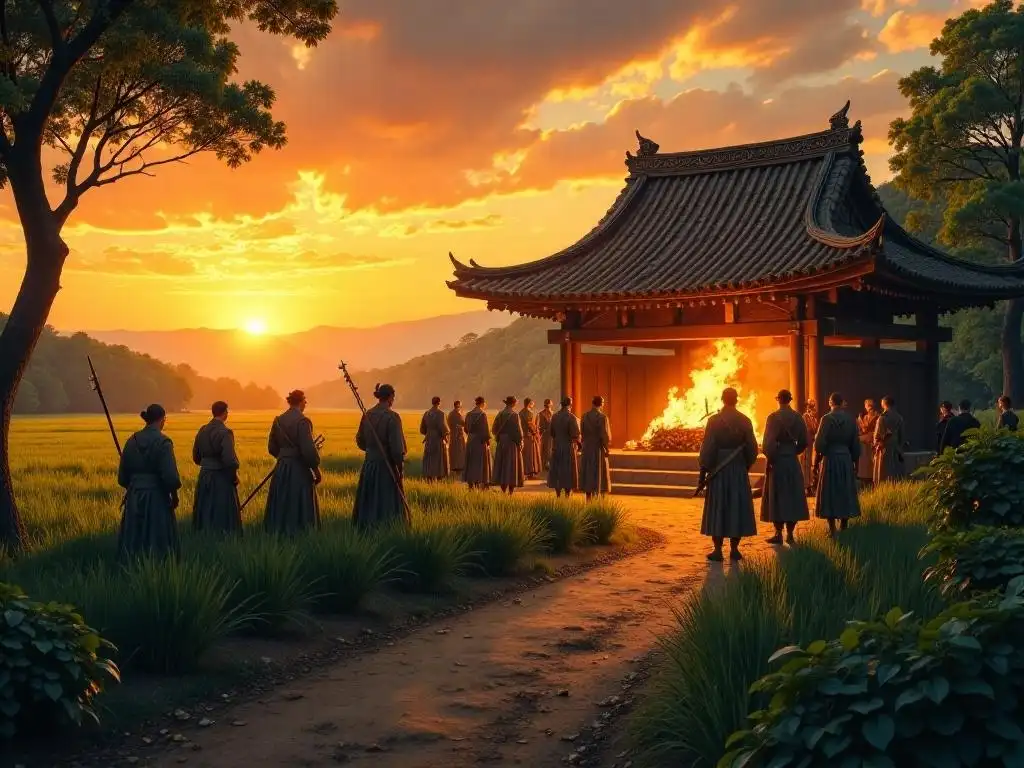
The role of peasant warriors in feudal Japan is a fascinating aspect of the military history of the period. Traditionally, the samurai class was viewed as the primary military force; however, the emergence of peasant warriors marked a significant shift in the dynamics of warfare and social structure. These individuals, often referred to as "ashigaru," played pivotal roles in battles, particularly during times of conflict when local lords (daimyōs) required additional manpower to defend their territories or expand their influence.
Emergence of Peasant Warriors during the Feudal Era
The emergence of peasant warriors can be traced back to the 12th century, during the rise of the samurai class. As the feudal system solidified, the need for a more extensive fighting force became evident. Several factors contributed to this phenomenon:
- Increased Warfare:
- The Genpei War (1180-1185) between the Taira and Minamoto clans not only marked a significant military conflict but also highlighted a new paradigm where common farmers were called upon to fight alongside samurai.
- As Japan transitioned into a period of continuous warfare, the demand for soldiers escalated, leading to the recruitment of peasant men.
- Feudal Obligations:
- Many peasants were bound by feudal contracts that required them to serve their lord in times of war. This obligation meant that a significant portion of the farming population could be mobilized for military service.
- The bushi (warrior class) needed reinforcements during large-scale campaigns, leading to the rise of peasant soldiers who were trained to use weapons and armor in battle.
- Training and Equipment:
- Peasant warriors began to receive military training, learning how to wield simple yet effective weapons such as the yari (spear) and naginata (halberd).
- They often fought in groups and were equipped with basic armor, which allowed them to stand shoulder to shoulder with samurai forces, although they lacked the elaborate armor and weaponry of their noble counterparts.
The evolution of these peasant warriors reflected a broader societal shift in feudal Japan, where social status became less strictly defined by noble birth and more by one’s capacity to contribute to martial endeavors.
Key Historical Events Involving Peasant Soldiers
Several key historical events highlight the involvement of peasant warriors in feudal Japan. These events illustrate their contribution to warfare and the broader implications for Japanese society.
- The Onin War (1467-1477):
- This conflict marked the beginning of the Sengoku period, characterized by widespread civil war. Peasant warriors played critical roles as local lords mobilized their villages to defend against rival factions.
- Many peasants formed militias and were involved in skirmishes, showcasing their importance in the military landscape of the time.
- The Siege of Osaka (1614-1615):
- During this pivotal siege, peasant warriors fought alongside samurai in defense of the Toyotomi clan. This conflict highlighted the integral role of common soldiers in significant military engagements, where their participation could sway the outcome of battles.
- The siege demonstrated how peasant warriors could rally around a cause, indicating their evolving identity as a fighting force.
- The Battle of Sekigahara (1600):
- Often regarded as the decisive battle that established the Tokugawa shogunate, peasant soldiers were instrumental in various factions during this conflict.
- The presence of peasant warriors in such a crucial battle illustrated their growing significance, as they were no longer just support troops but key participants in shaping Japan's political future.
Through these events, peasant warriors not only defended their homelands but also began to forge a unique identity within the Japanese warrior culture. Their contributions during critical moments in feudal Japan's history reflect the complexities of social and military structures during this transformative era.
The study of peasant warriors in feudal Japan reveals a dynamic interplay between social obligation and military necessity, highlighting their role as essential participants in a tumultuous period marked by conflict and change.
Armaments Used by Peasant Warriors in Feudal Japan
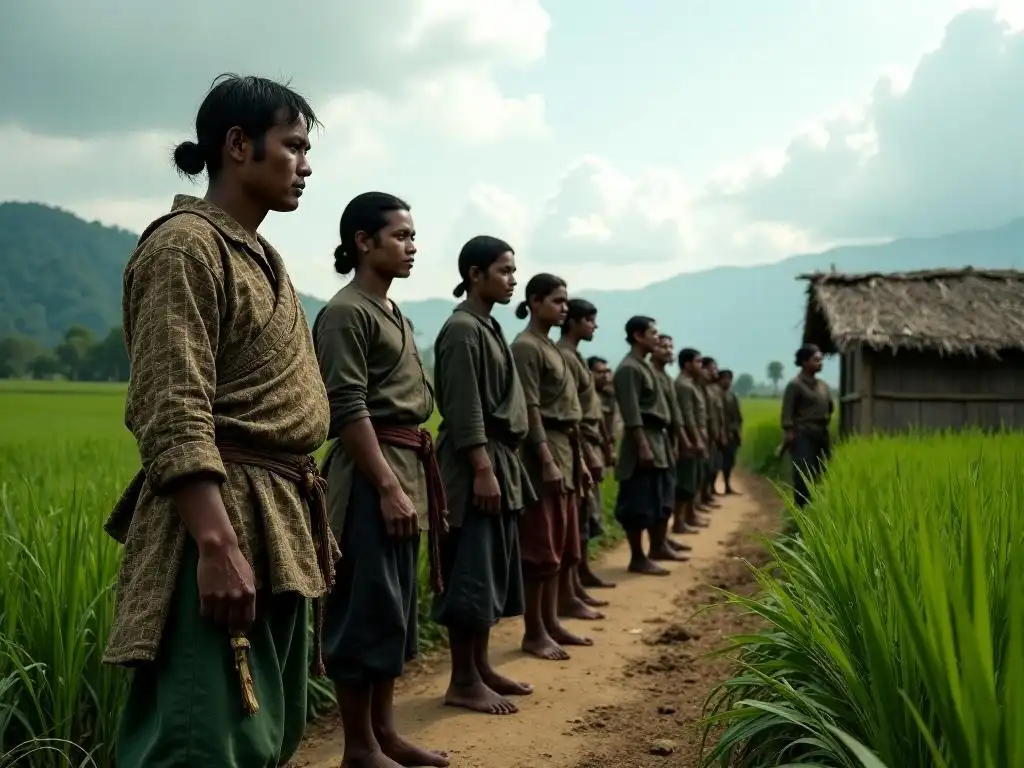
The peasant warriors of feudal Japan, often referred to as ashigaru, played a crucial role in the military structure of the era. While they were primarily farmers, they were also trained to defend their communities and participate in battles when necessary. Their armaments reflected their dual life, combining practicality with traditional warfare techniques.
Types of Weapons Utilized by Peasant Warriors
Peasant warriors utilized a variety of weapons that were accessible and effective for their combat needs. The following sections highlight the most common types of armaments used by these soldiers.
Bows and Arrows: The Primary Projectile Weapon
Bows, specifically the yumi, were a dominant weapon among peasant warriors. The yumi was a long, asymmetrical bow that allowed for greater range and power compared to shorter bows.
- Characteristics of the Yumi:
- Length: Typically between 2.2 to 2.5 meters.
- Material: Made from bamboo, wood, and sometimes leather.
- Draw Weight: Ranged from 20 to 40 pounds, allowing for significant penetrative power.
The arrows, known as ya, were usually made from lightweight materials, enabling peasant warriors to shoot effectively while maintaining mobility. The use of bows allowed these warriors to engage enemies from a distance, maximizing their effectiveness on the battlefield.
Swords and Sabers: The Essentials of Close Combat
In close combat situations, peasant warriors relied on swords and sabers, primarily the tantō and tachi.
- Tantō:
- Type: A small blade, typically about 30 cm in length.
- Use: Effective for quick, close-range encounters.
- Tachi:
- Type: A longer, curved sword, often over 70 cm.
- Use: Designed for slashing and thrusting, ideal for mounted combat.
These weapons were not only practical but also symbolized the warrior status of the peasant fighters. The swords were often passed down through generations, carrying significant cultural value alongside their functional use.
Farming Tools as Weapons: The Dual Purpose of Tools
Many peasant warriors transformed their farming tools into weapons, demonstrating versatility and resourcefulness. Common tools repurposed include:
- Sickles:
- Use: Adapted for slashing attacks, capable of inflicting serious wounds.
- Forks and Hoes:
- Use: Used for thrusting and as makeshift pikes during battle.
This practice of using everyday tools in warfare not only provided the necessary armaments but also showcased the resilience and ingenuity of the peasant fighters. This dual purpose of tools underscores the connection between their agricultural lifestyle and martial responsibilities.
Armor and Protective Gear of Peasant Soldiers
While peasant warriors had limited access to traditional armor, they often improvised with available materials to create protective gear. This section explores the types of armor typically worn by these soldiers.
Materials Used in Peasant Armor Construction
Peasant armor was often constructed from materials that were readily available in their environment. Common materials included:
- Leather:
- Use: Lightweight and flexible, providing basic protection.
- Bamboo:
- Use: Used for constructing lightweight armor plates.
- Cloth:
- Use: Layered for additional padding and protection.
Peasant armor often lacked the sophistication of samurai armor but was effective for their needs, allowing for mobility and some degree of defense against attacks.
Common Armor Types Among Peasant Warriors
The types of armor worn by peasant warriors varied widely based on region and resources. Some common forms included:
- Tatami Armor:
- Description: Made from small, overlapping plates of leather or metal, providing a degree of protection while allowing flexibility.
- Kusazuri:
- Description: A type of skirt armor made from segments of material, protecting the thighs and lower body.
These armors were designed with practicality in mind, allowing peasant warriors to engage in battle while still being able to perform their agricultural duties when not in combat. The evolution of armor among peasant warriors illustrates their adaptation to the harsh realities of feudal warfare.
Tactics and Strategies Employed by Peasant Warriors
The peasant warriors of feudal Japan, often referred to as ashigaru, played a crucial role in the military landscape of their time. Lacking the resources and training of samurai, these common soldiers developed unique tactics and strategies to maximize their effectiveness on the battlefield. Understanding their approaches provides insight into how they contributed to the broader conflicts of feudal Japan.
Guerrilla Warfare: The Advantage of Numbers
Guerrilla warfare emerged as a prominent strategy among peasant warriors, particularly during periods of conflict when they faced stronger, more organized forces. The key aspects of this approach included:
- Hit-and-Run Tactics: Peasant warriors often utilized ambushes, striking quickly and retreating before the enemy could mount a proper defense. This tactic capitalized on their familiarity with the local terrain, allowing them to vanish into forests or fields after an attack.
- Mobility and Flexibility: Unlike the heavily armored samurai, peasant warriors could move swiftly. Their lighter armor and weaponry enabled them to traverse various landscapes, making them adaptable to changing battlefield conditions.
- Use of Terrain: Knowledge of local geography was paramount. Peasant warriors would select battle sites that favored their numbers, such as narrow passes or dense woods, where a smaller force could engage a larger enemy effectively.
- Psychological Warfare: The sheer numbers of peasant warriors could intimidate enemy forces. When organized effectively, they could present a formidable front, relying on the element of surprise and the chaos of sudden attacks to disrupt larger armies.
Through these guerrilla tactics, peasant warriors not only defended their villages but also contributed to larger military campaigns, proving that numbers and strategy could sometimes outweigh superior training and equipment.
Defensive Strategies in Local Conflicts
In addition to offensive maneuvers, peasant warriors developed robust defensive strategies to protect their homes and communities. These strategies included:
- Fortifications and Barricades: Peasant villages often built simple fortifications using available materials like wood and earth. These structures provided defensive advantages, allowing peasants to withstand sieges or attacks by enemy forces.
- Community Defense Systems: The organization of local militias was vital. Villagers would train together, sharing knowledge of weapons and tactics to improve their collective defense. This communal approach fostered a sense of unity and purpose.
- Signal Systems: To coordinate defense efforts, peasant warriors created signaling systems using smoke or drums to alert neighboring villages of impending threats. This early warning system allowed for rapid mobilization of forces to repel attackers.
- Resource Management: Understanding the importance of supplies, peasant warriors would stockpile food and weapons, preparing for prolonged conflicts. This foresight ensured that they could sustain themselves during sieges or extended skirmishes.
Through these defensive strategies, peasant warriors not only safeguarded their immediate surroundings but also contributed to regional stability, allowing for the preservation of their way of life in the tumultuous feudal era.
Comparison of Peasant Warriors and Samurai
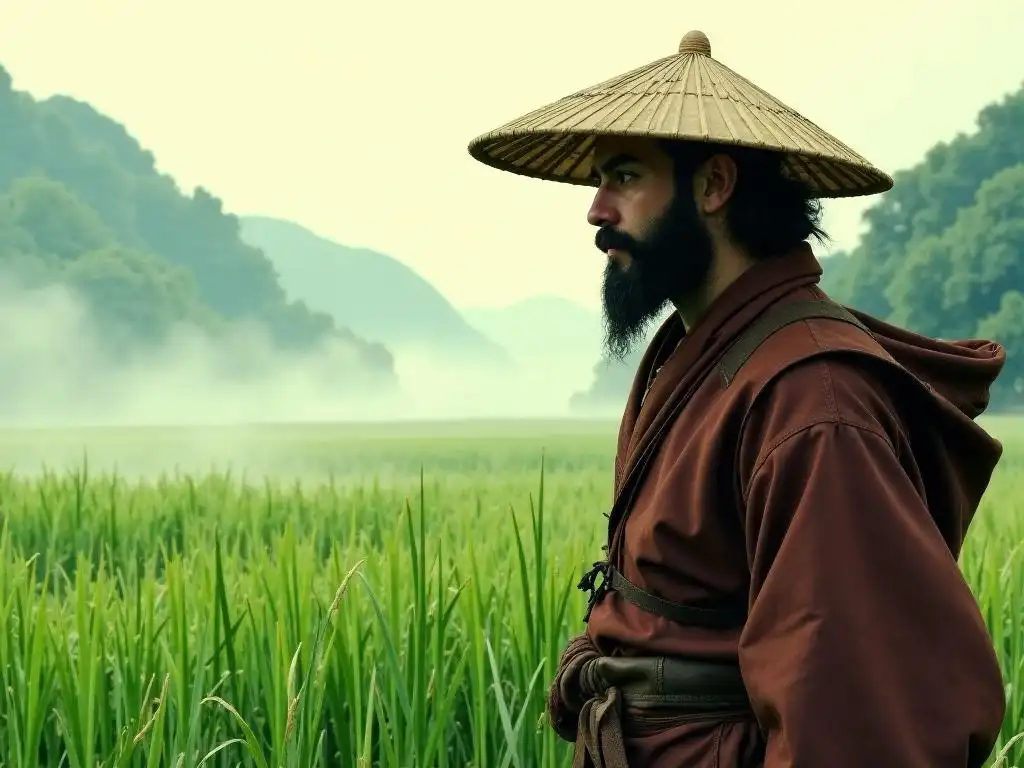
The distinctions between peasant warriors and samurai in feudal Japan are significant, particularly when it comes to armament, training, and social status. Understanding these differences provides insight into the role of peasant warriors in the broader context of Japan’s military history.
Differences in Armament and Armor
Peasant warriors, often referred to as ashigaru, were typically equipped with simpler and more accessible weaponry compared to their samurai counterparts.
- Weapons:
- Spears (Yari): Commonly used by peasant warriors, yarі allowed for effective thrusting and were easier to produce than swords.
- Bows (Yumi): While samurai typically wielded longbows, many peasant warriors utilized shorter, more manageable versions that were suited for their training and physical capabilities.
- Swords (Tanto and Wakizashi): Peasants occasionally carried small blades, but these were not the ornate katana of the samurai. Instead, they often wielded utility knives or simple short swords.
- Armor:
- Material: Peasant warriors usually donned armor made from simpler materials such as leather and iron, focusing on mobility over protection. Their armor was often less elaborate and less effective against the weapons of the time.
- Types: While samurai sported intricate armor (such as the do-maru or haramaki), peasant armor was more utilitarian, often consisting of padded garments reinforced with metal plates, which provided basic protection.
This disparity in armament and armor reflected not only the different roles these two classes played in warfare but also their differing access to resources and training.
Variations in Training and Combat Techniques
The training regimes of peasant warriors and samurai varied significantly, shaping their respective combat techniques.
- Training:
- Peasant Warriors: Training for ashigaru was often informal and conducted within local militias. They learned basic combat techniques through communal drills and were primarily trained to fight as part of a larger unit, emphasizing coordination and mass tactics over individual skill.
- Samurai: The samurai received formal training from a young age in various martial arts, horsemanship, and strategy. They were often educated in the way of the sword (kenjutsu) and had access to specialized schools where they honed their skills.
- Combat Techniques:
- Peasant Warriors: Their engagement in battle typically involved using numbers to overpower the enemy. They often employed tactics such as flanking and ambushes rather than direct confrontation.
- Samurai: Samurai combat techniques emphasized individual skill, discipline, and adherence to bushido, the samurai code of conduct. This included not only martial prowess but also strategies to engage in one-on-one combat, utilizing their superior weaponry and armor.
The variation in training and combat techniques reflected the broader societal roles of each class, with samurai viewed as elite warriors while peasant warriors served as the backbone of the military force.
Social status played a critical role in determining the combat roles of peasant warriors and samurai during feudal Japan.
- Peasant Warriors:
- As members of the lower class, peasant warriors were often conscripted into service during times of war, primarily to support samurai-led armies. Their combat roles were limited and dictated by their social standing. They fought primarily for their lords and had little say in the broader strategic objectives of the conflict.
- Peasant soldiers were often motivated by a sense of duty to their land and community, with their primary goal being to defend their homes.
- Samurai:
- Samurai held a higher social status, which granted them not only prestige but also the privilege of military leadership. They were responsible for making critical decisions on the battlefield and commanding troops, including peasant warriors.
- The samurai's code of honor influenced their approach to combat, often leading them to seek glory and personal achievement, which contrasted sharply with the more utilitarian motivations of peasant warriors.
The social hierarchy of feudal Japan deeply influenced the combat roles of both peasant warriors and samurai, shaping not only their armament and training but also their overall contributions to Japan’s military history. Understanding these differences enhances our comprehension of the complex societal structures that defined the era.
Case Studies of Notable Peasant Warrior Battles
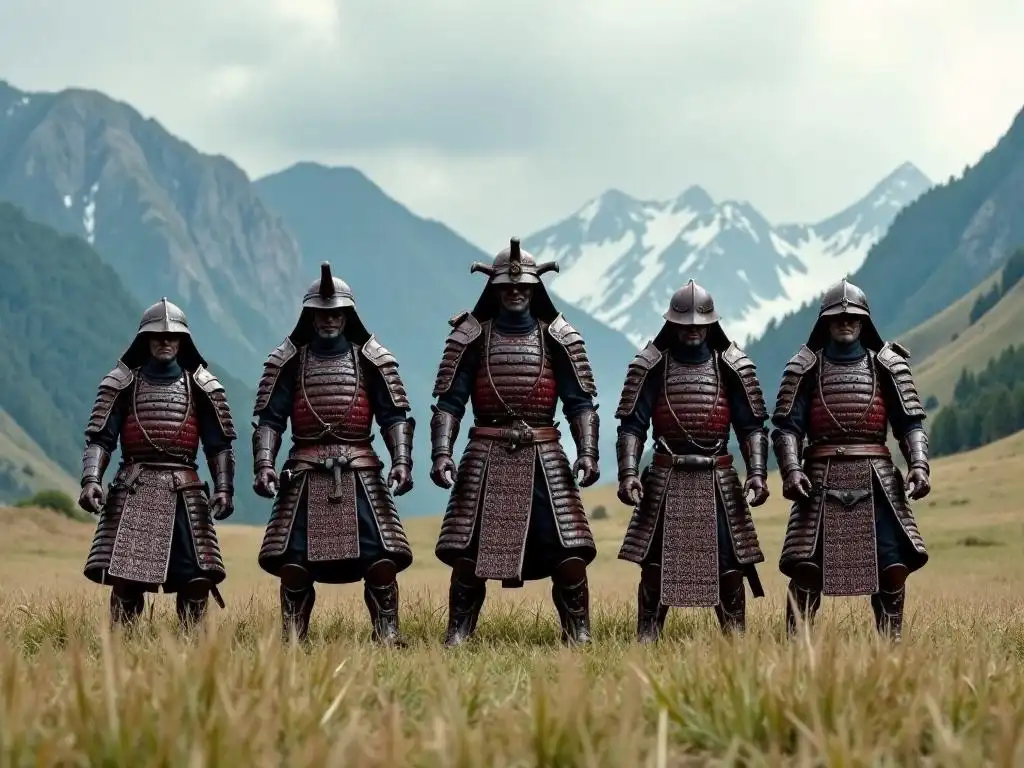
The Battle of Kawanakajima: Peasant Involvement in a Major Conflict
The Battle of Kawanakajima, fought between 1553 and 1564, represents one of the most significant military confrontations during the Sengoku period, where regional lords vied for power. While it is often remembered for the legendary generals, Takeda Shingen and Uesugi Kenshin, the role of peasant warriors in this battle is crucial to understanding the broader military landscape of feudal Japan.
Peasant Recruitment and Mobilization
The feudal system in Japan relied heavily on the mobilization of local populations for warfare. Peasants were not merely passive farmers; they were organized into militia-like units when required. During the Kawanakajima campaigns, both Takeda and Uesugi made extensive use of ashigaru, which were foot soldiers primarily composed of commoners. This mobilization was often facilitated by local leaders who promised protection in exchange for military service.
- Key Factors in Peasant Recruitment:
- Land Ownership: Those who owned land were more likely to be summoned due to their vested interest in defending their territory.
- Social Obligations: Peasants felt a duty to protect their communities, often driven by loyalty to their lords.
- Economic Incentives: Participation in battles could lead to land grants or increased social status.
Tactical Contributions of Peasant Warriors
Peasant warriors played a vital role in the tactical execution of strategies during battles. Their involvement was not just as fodder for the more elite samurai but as integral parts of larger formations. This was particularly evident in battles like Kawanakajima, where:
- Formation and Strategy:
- Peasant warriors often formed the front lines, absorbing initial assaults and holding the enemy in place while samurai executed flanking maneuvers.
- Use of Weaponry:
- Equipped with yari (spears), naginata (polearms), and basic bows, peasant soldiers were trained to utilize their weapons effectively in mass formations.
- Their numbers often compensated for their lack of training compared to samurai.
Despite their lower social status, the peasant warriors at Kawanakajima demonstrated that they could significantly influence the course of battles, highlighting the importance of commoners in the military hierarchy of feudal Japan.
The Role of Peasant Soldiers in the Onin War
The Onin War (1467-1477) marked a turning point in Japanese history, leading to the collapse of the Ashikaga shogunate and the rise of local warlords. During this period, peasant soldiers were crucial in various capacities, reflecting the shifting dynamics of warfare and society in feudal Japan.
Peasant Levies and Local Defense
As the conflict escalated, local lords needed to bolster their forces. Peasants, compelled by both necessity and loyalty, formed levies to defend their lands:
- Local Militias: Peasant militias, often organized by village leaders, became common. These groups were tasked with protecting their communities from rival factions and looters.
- Community Defense: The destruction caused by the war prompted peasants to band together, relying on their knowledge of the terrain to mount defensive strategies.
Impact on Warfare and Society
The Onin War saw a transformation in the role of peasant soldiers:
- Increased Militarization:
- The necessity for defense led to the militarization of peasant society. Villagers trained in basic combat, utilizing farm tools as weapons. This adaptation allowed them to become more formidable in battle.
- Shift in Power Dynamics:
- With the absence of centralized authority, peasant warriors began to assert influence over local politics, often negotiating terms with their lords based on military support.
- The war facilitated a social mobility wherein successful peasant warriors could gain recognition and land, challenging traditional feudal hierarchies.
Conclusion
The Onin War exemplified the evolving role of peasant warriors in feudal Japan. Their active participation in the conflict not only shaped military tactics but also contributed to significant social changes. As the war progressed, the recognition of peasant soldiers as essential components of military forces became increasingly apparent, reshaping the perception of commoners in the broader narrative of Japanese history.
Peasant warriors in feudal Japan were not just passive participants; they were pivotal in altering the landscape of warfare and society during crucial historical events.
The Cultural Significance of Peasant Warriors in Feudal Japan
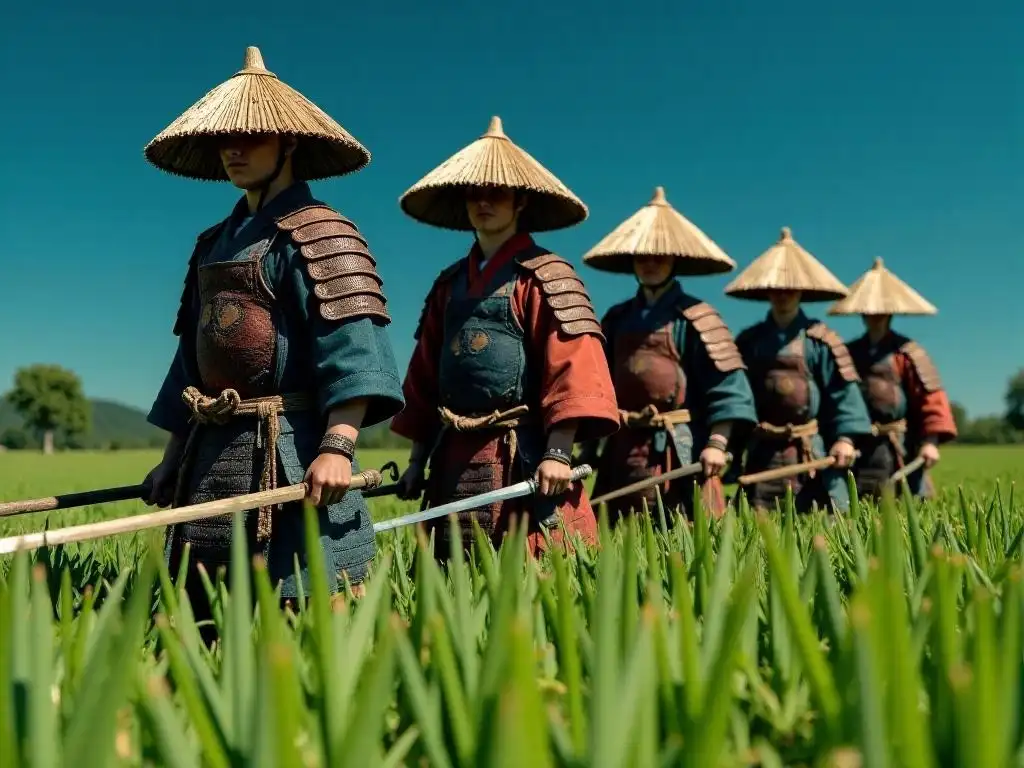
Role of Peasant Warriors in Japanese Folklore and Literature
Peasant warriors, often referred to as "hyakushō", hold a notable place in Japanese folklore and literature, representing the backbone of society during the feudal era. They embody the spirit of resilience and strength, frequently depicted in tales where they rise against overwhelming odds. One of the most prominent examples is found in the "Tale of the Heike", which chronicles the struggles of the Taira and Minamoto clans. In these narratives, while samurai are exalted, peasant warriors are often portrayed as brave and cunning, illustrating their essential role in the socio-political landscape of the time.
In addition to epics, peasant warriors are celebrated in various Noh and Kabuki plays, where their valor and contributions to the defense of their communities are dramatized. These performances often highlight the duality of their existence: living as laborers by day and warriors by night. Such representations not only elevate their status but also serve as a reminder of their sacrifices and the harsh realities of feudal life.
Moreover, the "Sōhei", or warrior monks, often came from peasant backgrounds, further intertwining the martial and spiritual narratives within folklore. These figures are depicted as defenders of Buddhist teachings, showcasing the blend of religious devotion and martial prowess, thus reinforcing the cultural significance of peasant warriors in shaping the identity of ancient Japan.
Influence on Modern Perceptions of Samurai and Peasant Warriors
The historical portrayal of peasant warriors has significantly influenced modern perceptions of both samurai and peasant warriors in Japan and beyond. The romanticization of samurai culture often overshadows the vital contributions of peasant warriors, yet contemporary interpretations are beginning to seek a more balanced view.
In modern media, such as films, anime, and literature, peasant warriors are increasingly portrayed not merely as subordinates to samurai but as integral figures in the broader narrative of Japan's martial heritage. Works like "Seven Samurai," directed by Akira Kurosawa, illustrate this shift, showcasing how peasant warriors band together to protect their village from banditry. This film, among others, emphasizes the camaraderie, loyalty, and communal spirit of peasant warriors, redefining their role in Japanese history.
Furthermore, the resurgence of historical interest in the "Bushi" (warrior class) has prompted scholars and creators alike to reevaluate the dynamics between samurai and peasant warriors. Academic discourse now highlights the essential contributions of these fighters, asserting that without the peasant warriors, the samurai's position and power would have been untenable.
While samurai are often romanticized in modern culture, the recognition of peasant warriors’ valor and significance is steadily gaining prominence, fostering a more nuanced understanding of Japan's feudal military history. This evolving perception not only honors the past but also enriches the narrative of Japan's warrior legacy.
Conclusion: The Legacy of Peasant Warriors in Feudal Japan
Summary of Their Contributions to Military History
The role of peasant warriors in Feudal Japan was pivotal, transcending conventional military narratives that often spotlighted samurai and noble clans. These common soldiers contributed significantly to local conflicts and the broader military landscape of Japan through various means:
- Manpower: Peasant warriors constituted a substantial portion of the fighting force, especially during times of unrest or civil strife. Their ability to mobilize quickly and in large numbers made them indispensable in battles for land and power.
- Guerrilla Tactics: Many peasant warriors employed guerrilla warfare strategies, leveraging their intimate knowledge of the terrain. This allowed them to conduct ambushes and surprise attacks that could shift the tide of battle, even against well-trained samurai forces.
- Defensive Measures: During invasions or conflicts, peasant warriors played crucial roles in defending their villages and lands. They adapted their agricultural tools into weapons, demonstrating resourcefulness and resilience.
- Cultural Impact: The actions of peasant warriors contributed to the evolving social order in Japan. Their participation in conflicts challenged the rigid class structures and led to a gradual recognition of their importance in the feudal system.
Through their contributions, peasant warriors not only shaped military outcomes but also left an indelible mark on the cultural and social fabric of Feudal Japan.
Reflection on the Importance of Understanding Peasant Warriors
Understanding the role of peasant warriors in Feudal Japan is essential for several reasons:
- Broader Historical Perspective: Analyzing the contributions of peasant warriors provides a more nuanced view of Japan's military history. It highlights the diversity of experiences and roles beyond the elite samurai class, ensuring a more inclusive historical narrative.
- Cultural Recognition: Recognizing the significance of peasant warriors encourages appreciation for the broader societal structure of Feudal Japan. It underscores that valor and martial skill were not confined to nobility, but were also present among common folk.
- Lessons from Resilience: The resilience and adaptability of peasant warriors serve as powerful lessons in resourcefulness during times of adversity. Their legacy can inspire contemporary societies facing challenges, reminding us of the strength found in unity and determination.
- Influence on Modern Warfare: The tactics and strategies employed by peasant warriors have influenced modern military strategies, particularly in asymmetrical warfare contexts. Studying their methods can provide insights into contemporary military operations.
The legacy of peasant warriors in Feudal Japan is a testament to their crucial role in shaping the nation’s history. By exploring their contributions and understanding their significance, we gain deeper insights into the complexities of Japan's past and the enduring impact of its warrior culture.
Frequently Asked Questions
What were the primary roles of peasant warriors in feudal Japan?
Peasant warriors, often referred to as samurai, were not only skilled fighters but also served as farmers. They defended their lands and contributed to the military of their lords during conflicts.
How did peasant warriors acquire their weapons and armor?
Typically, peasant warriors would either inherit weapons from family members or purchase them when they could afford it. The quality of their armaments varied significantly based on economic status and local availability.
Being a peasant warrior often elevated an individual's social status within their community. Their role as defenders allowed them to gain respect and sometimes even land, leading to a transformation of social dynamics in feudal Japan.
How did the armaments of peasant warriors differ from those of samurai?
Peasant warriors generally had less sophisticated armaments, relying on simpler weapons and armor due to economic constraints. However, they were still trained to be effective in battle, often using improvised weapons.
What impact did peasant warriors have on the feudal system?
The presence of peasant warriors played a crucial role in maintaining the feudal hierarchy. They ensured the loyalty of the lower classes to their lords and provided a military backbone that was essential for defense and territorial expansion.
Final Reflection: The Enduring Legacy of Peasant Warriors in Feudal Japan
The story of peasant warriors in feudal Japan is not just a historical account; it is a powerful reminder of the resilience and agency of the common individual in shaping society. In an era dominated by samurai and nobility, these warriors emerged as pivotal figures, challenging the status quo and asserting their place in a rigid social hierarchy. Their legacy resonates today, as we continue to witness the struggles of ordinary people who rise to confront injustice and fight for their rights.
The influence of peasant warriors extends far beyond the battlefield; it permeates our cultural narratives and social consciousness. Their courage and determination serve as a testament to the idea that strength is not solely defined by noble birth or martial prowess, but by the spirit of the people. As historian John W. Hall noted, The common soldier, often overlooked, is the backbone of any society, embodying the collective will of the masses.
This perspective invites us to reconsider the roles we assign to individuals based on their social status and to recognize the profound impact that every person can have on history.
As we reflect on the lessons from the lives of these peasant warriors, let us embrace the call to action they represent. Consider how you can channel your own strength and agency in today's world. Whether through advocacy, community engagement, or simply standing up for what is right, each of us has the potential to be a warrior in our own right.
Take a moment to reflect on the struggles that resonate with you and think about how you can contribute to the ongoing fight for justice and equality. The spirit of the peasant warriors lives on in us all; let us honor their legacy by becoming champions for change in our communities.
Unveil the Legacy of Peasant Warriors!
Thank you for exploring the fascinating world of peasant warriors in feudal Japan! You've uncovered the resilience, skills, and strategies that shaped the fate of countless battles and significantly influenced society. Now, it’s time to act on this inspiration!
Here's how you can dive deeper and share your newfound knowledge:
- Join a community discussion: Engage with fellow history enthusiasts on our forum and share insights about the significance of these warriors.
- Explore related articles: Check out our additional posts on the tactics and culture of feudal Japan to broaden your understanding.
- Share this article: Help us spread the word by sharing this article on social media—let others discover the heroics of these remarkable soldiers!
What aspect of the peasant warrior's story do you find most surprising, and how do you think it has influenced today's perceptions of warriors?