
The Impact of Samurai Training on Battle Readiness and Tactics

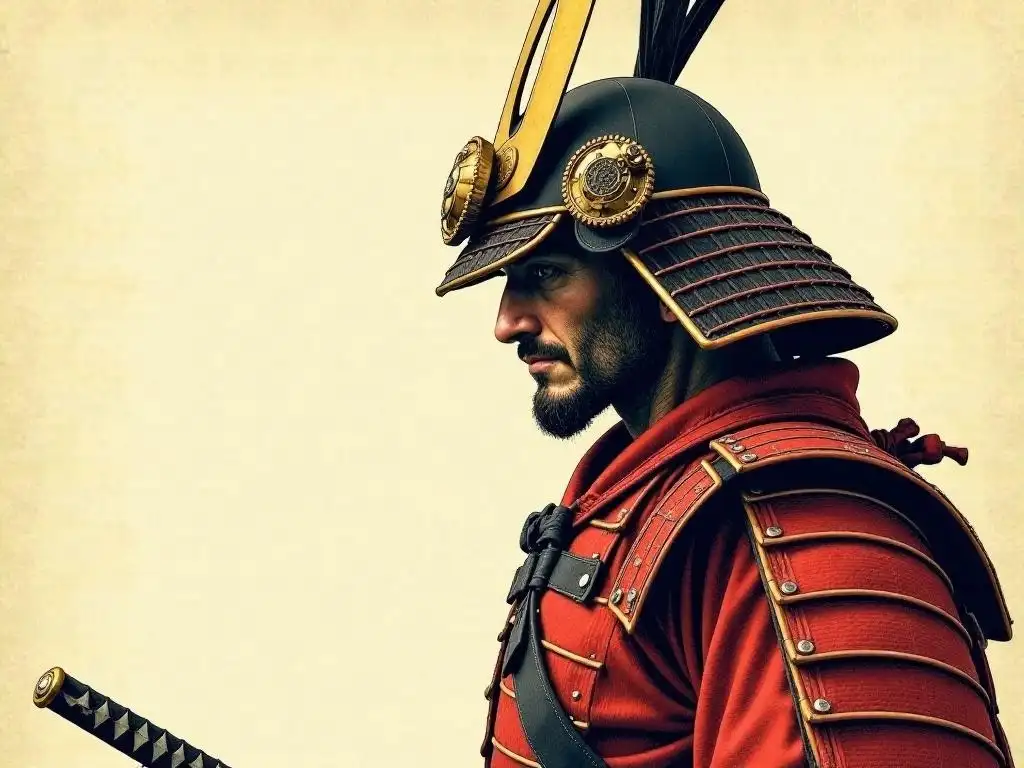
Welcome to Feudal Japan History, where we embark on a captivating journey through the intricate tapestry of Japan's feudal era. Delve into the fascinating world of samurai training and battle tactics, and uncover how these warrior practices shaped military readiness and influenced the outcome of countless conflicts. Are you ready to explore the rigorous disciplines and strategic insights that forged the legendary samurai? Dive in, and let the stories of honor, skill, and strategy ignite your curiosity as we unravel the profound impact of samurai training on the art of war.
Introduction to Samurai Training and Its Importance
The samurai, Japan's revered warrior class, emerged during the feudal era, embodying a unique blend of martial prowess, cultural sophistication, and a strict code of honor known as bushido. At the heart of their formidable reputation lies an intricate and rigorous training regimen that significantly influenced their battle readiness and tactical approaches.
This article delves into the profound impact of samurai training on their effectiveness in warfare, emphasizing how their preparation in combat techniques, mental discipline, and physical conditioning shaped the way they engaged in battle. By exploring these aspects, we can gain a deeper understanding of not just the warriors themselves, but also the broader implications of their training on Japanese military history.
Overview of Samurai Culture and Role in Feudal Japan
The samurai were not merely soldiers; they represented the zenith of the Japanese warrior ethos, deeply intertwined with the political and social fabric of feudal Japan. Originating in the late Heian period (794-1185), this class of warriors served as retainers to noble families, wielding significant power and influence. Their culture was characterized by:
- Bushido: The way of the warrior, emphasizing loyalty, honor, and discipline.
- Martial Arts: Mastery of various combat forms, including kenjutsu (swordsmanship), iaijutsu (quick-draw techniques), and more.
- Cultural Patronage: Many samurai were patrons of the arts, contributing to the cultural landscape of Japan through poetry, tea ceremonies, and calligraphy.
The samurai’s role was pivotal during periods of conflict, as they not only fought in battles but also played crucial parts in the governance and societal structure of their time.
Significance of Battle Readiness in Samurai Training
Battle readiness was paramount for samurai, as their survival and success were often determined by their ability to respond effectively to combat scenarios. Training was not solely about physical skill; it encompassed a holistic approach that included:
- Physical Conditioning: Rigorous exercises to enhance strength, agility, and endurance.
- Mental Fortitude: Psychological training to develop resilience and focus under pressure.
- Tactical Instruction: Learning to adapt to various combat situations and the use of terrain to their advantage.
This comprehensive training enabled samurai to face the uncertainties of battle with confidence and strategic acumen, ensuring they remained formidable opponents on the battlefield.
Historical Context of Samurai Training
To truly understand the impact of samurai training on battle tactics, it is essential to contextualize it within the historical framework of feudal Japan. Over centuries, the methods and philosophies of samurai training evolved, shaped by the changing nature of warfare and societal values.
Evolution of Samurai Training Methods
In the early periods, training was often informal, relying on the experience of older warriors. However, as Japan entered into prolonged conflicts during the Sengoku period (1467-1603), a more structured approach to training emerged, characterized by:
- Formal Dojos: Dedicated training halls where samurai practiced martial arts under experienced instructors.
- Strategic Warfare: Training that emphasized not just individual combat skills but also unit tactics and coordination with other warriors.
- Integration of Weaponry: Instruction in the use of various weapons, including the katana, yari (spear), and naginata (polearm), adapting to the evolving battlefield scenarios.
This progression ensured that samurai were not only skilled in combat but also adept at employing tactics that could turn the tide of battle.
Influence of Zen Buddhism on Samurai Combat Techniques
Zen Buddhism played a significant role in shaping the mindset and techniques of samurai training. The philosophical principles of Zen, which emphasize mindfulness, focus, and clarity of thought, were integrated into martial practices in various ways:
- Meditative Practices: Samurai incorporated meditation into their training to enhance concentration and calmness in the heat of battle.
- Mind-Body Connection: The emphasis on mental discipline fostered a unique synergy between physical movements and mental clarity, allowing for fluid and instinctual combat responses.
- Philosophical Underpinnings: The teachings of Zen encouraged a deeper understanding of impermanence and the nature of life and death, influencing the samurai’s approach to warfare and personal conduct.
Through this fusion of martial training and Zen principles, samurai developed a combat style that was not only effective but also reflective of their philosophical beliefs, further enhancing their readiness for battle and strategic execution.
Key Components of Samurai Training for Battle Readiness
Samurai training was a comprehensive process that encompassed various elements crucial for preparing warriors for the rigors of battle. This training was not merely about physical prowess but also integrated mental conditioning and mastery of specific weapons. The key components of samurai training included physical training and conditioning, mental preparation and tactics, and weapons mastery and proficiency. Each of these components played a vital role in enhancing the samurai’s capability to respond effectively in battle scenarios.
Physical Training and Conditioning
Physical training for samurai was rigorous and multifaceted, designed to develop strength, agility, and endurance. Samurai engaged in various forms of exercises, including:
- Martial Arts Drills: Regular practice of combative techniques helped in honing reflexes and improving coordination.
- Obstacle Courses: These were set up to simulate battlefield conditions, enhancing agility and adaptability.
- Weapon Handling Exercises: Repeated drills with weapons like swords, spears, and bows were essential for building muscle memory and familiarity.
This physical conditioning ensured that samurai could endure the extreme physical demands of battle and maintain effectiveness even in prolonged combat situations. Moreover, the development of a strong physique contributed to their psychological resilience, enabling them to face the stress of warfare.
Mental Preparation and Tactics
Mental preparation was equally crucial in samurai training, focusing on strategic thinking, discipline, and emotional fortitude. Samurai were trained to:
- Analyze Battle Scenarios: They practiced assessing various combat situations and devising strategies based on their observations.
- Develop Patience and Focus: Mindfulness practices, such as meditation, were used to enhance concentration and combat readiness.
- Embrace the Code of Bushido: The samurai code instilled values of honor, loyalty, and courage, which shaped their psychological approach to warfare.
These mental exercises allowed samurai to remain calm under pressure, make quick decisions, and execute tactics effectively during the chaos of battle. The combination of mental acuity and emotional control was pivotal in determining the outcome of many conflicts.
Weapons Mastery and Proficiency
Mastery of weapons was a cornerstone of samurai training, with a strong emphasis on proficiency in various combat tools. Key aspects included:
- Specialized Training: Samurai often focused on specific weapons, allowing them to become experts in techniques unique to each.
- Sparring and Realistic Combat Scenarios: Engaging in mock battles helped develop timing, distance control, and adaptability in using weapons against opponents.
- Understanding Weapon Mechanics: Learning the intricacies of weaponry, including maintenance and repair, ensured that the samurai was always prepared for battle.
This intensive focus on weapons mastery not only enhanced individual combat skills but also informed broader tactical applications during warfare, allowing samurai to exploit their strengths in various scenarios.
Samurai Training Techniques and Their Impact on Battle Tactics
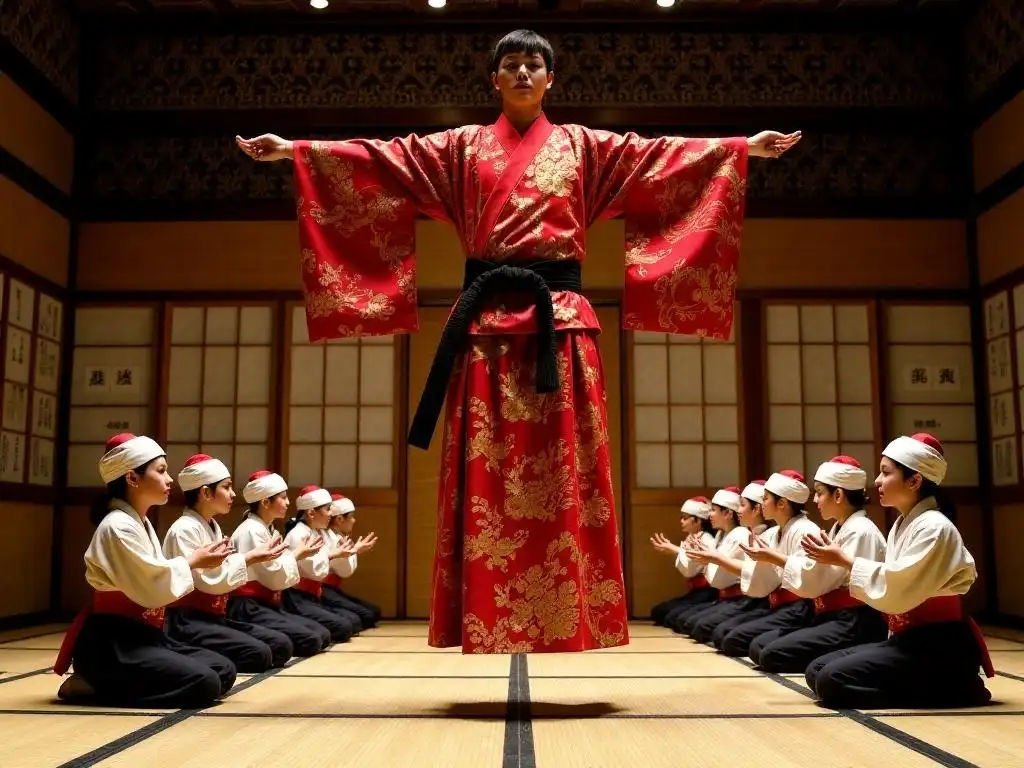
The techniques employed in samurai training significantly influenced their battle tactics, enabling them to engage effectively in combat. Each martial art practiced contributed unique strategies and approaches to warfare.
Kenjutsu: The Art of the Sword
Kenjutsu, the traditional art of swordsmanship, was perhaps the most significant aspect of samurai training. Through rigorous practice, samurai developed:
- Precision and Speed: Techniques emphasized swift, precise strikes that could incapacitate an opponent quickly.
- Tactical Movement: Training included footwork and positioning, allowing samurai to maintain an advantageous stance during combat.
- Mental Focus: The discipline required in kenjutsu fostered a deep sense of concentration, essential for anticipating an opponent's moves.
These elements of kenjutsu not only improved individual combat effectiveness but also shaped tactical approaches in group battles, where coordination and timing could turn the tide of conflict.
Sojutsu: Spear Techniques and Their Tactical Applications
Sojutsu, the art of spear fighting, provided samurai with unique advantages in battle scenarios. Key benefits included:
- Reach and Versatility: The spear allowed warriors to engage opponents from a distance, keeping them safer in combat.
- Formations and Coordination: Samurai trained to fight in formations, utilizing spears to create defensive walls or offensive thrusts, enhancing the collective strength of their unit.
- Adaptability: Sojutsu techniques emphasized fluidity in movement, enabling samurai to transition between offensive and defensive postures seamlessly.
The tactical applications of sojutsu made it a vital component of samurai warfare, allowing for innovative strategies in various combat situations.
Naginatajutsu: Fighting with the Naginata
Naginatajutsu, the art of fighting with the naginata (a polearm with a curved blade), was another critical element in samurai training. It offered distinct tactical advantages such as:
- Versatile Range: The length of the naginata allowed samurai to engage multiple opponents while maintaining distance, which was especially useful in group battles.
- Dynamic Techniques: Training included sweeping and slicing motions that could disrupt an opponent's balance and create openings for attack.
- Combining Techniques: Naginatajutsu incorporated elements from other martial arts, allowing practitioners to adapt tactics based on the flow of battle.
The integration of naginatatajutsu into samurai training provided a strategic edge in combat, enabling samurai to leverage their skills effectively against various threats on the battlefield.
The Role of Discipline in Samurai Training
Discipline is a cornerstone of samurai training, serving as the bedrock upon which their skills, ethos, and tactical prowess are built. From a young age, samurai were immersed in rigorous training regimes that emphasized not just physical skills but also mental fortitude. This discipline was manifest in various aspects of their training:
- Physical Conditioning: Samurai engaged in demanding physical exercises, honing their strength, agility, and endurance. Techniques such as kata, or forms, were practiced repetitively to instill muscle memory and precision in movements.
- Mental Training: The samurai practiced meditation and mindfulness to cultivate focus and clarity in decision-making. This mental discipline allowed them to remain calm under pressure, an essential trait in the chaos of battle.
- Adherence to Ritual: Samurai training often included a strict adherence to rituals, which reinforced self-control and a deep respect for tradition. These rituals were not merely ceremonial; they were integral to building a warrior's character and sense of duty.
This unwavering discipline ensured that samurai were not only skilled fighters but also strategic thinkers capable of executing complex battle plans with precision and confidence.
The Importance of Bushido in Shaping Tactics
Bushido, the way of the warrior, profoundly influenced samurai training and, subsequently, their battle tactics. This ethical code emphasized virtues such as loyalty, honor, and courage, which were pivotal in shaping how samurai approached warfare:
- Loyalty and Honor: The samurai's allegiance to their lord dictated their tactical decisions. They often engaged in battles not merely for personal glory but to uphold their lord's honor, which added a layer of motivation that influenced their tactical choices.
- Courage and Sacrifice: The bushido code encouraged samurai to display bravery in the face of danger. This led to tactics that often involved charging into battle with unyielding resolve, which could inspire troops and demoralize the enemy.
- Strategic Patience: While bushido valorized direct confrontation, it also taught the value of patience and timing. Samurai learned to choose battles wisely, understanding when to engage and when to retreat, which was critical for long-term success in warfare.
The principles of bushido thus helped to forge a unique tactical mindset among samurai, blending moral imperatives with practical battlefield strategies.
How Discipline Influences Decision Making in Battle
The disciplined nature of samurai training had a direct impact on decision-making in the heat of battle. The rigorous training that samurai underwent fostered a set of cognitive and emotional skills essential for effective leadership and tactical execution:
- Quick Reflexes: Continuous practice of combat techniques enabled samurai to react swiftly to changing circumstances on the battlefield, allowing them to exploit openings or defend against attacks almost instinctively.
- Strategic Thinking: The discipline ingrained in samurai training encouraged them to analyze situations critically. Samurai were trained to assess their surroundings and adapt their strategies in real-time, which was crucial during unpredictable encounters.
- Stress Management: The mental conditioning that accompanied physical training helped samurai handle stress and chaos during battles. This ability to maintain composure under pressure was essential for making sound tactical decisions and leading troops effectively.
In essence, the discipline cultivated through samurai training not only prepared them for combat but also equipped them with the necessary skills to make informed and strategic decisions in the midst of battle.
Comparative Analysis of Samurai Training and Western Military Tactics
The training methodologies and tactical approaches of samurai warriors and their Western counterparts reveal both shared philosophies and significant differences. Understanding these nuances provides insight into the effectiveness and evolution of military strategies across cultures.
Similarities in Training Philosophies
Despite cultural differences, there are notable similarities in the training philosophies of samurai and Western military forces:
- Rigorous Physical Training: Both samurai and Western soldiers underwent extensive physical conditioning. This included not only martial skills but also endurance training, which prepared them for the demands of battle.
- Focus on Discipline: Discipline was a critical aspect of both training regimens. Samurai adhered to strict codes of conduct similar to the military drills and protocols observed in Western armies, instilling a sense of order and responsibility.
- Use of Formations: Both groups practiced formations and maneuvers that allowed them to coordinate effectively as units. This emphasis on teamwork and strategy was fundamental to successful military engagements.
These shared philosophies highlight the universal understanding of the importance of preparation and discipline in military effectiveness.
Differences in Tactical Approaches and Outcomes
While there are similarities, significant differences in tactical approaches and outcomes emerged between samurai and Western military tactics:
- Individualism vs. Collective Strategy: Samurai tactics often emphasized individual prowess and the heroics of singular warriors, while Western military strategies increasingly focused on collective tactics and unit cohesion. This difference shaped how battles were fought and won in each culture.
- Flexibility vs. Rigidity: Samurai training allowed for a degree of flexibility in tactics, with a strong emphasis on adapting to the battlefield environment. In contrast, Western tactics often leaned towards rigid formations and strategies that prioritized discipline over adaptability.
- Weaponry and Technology: The types of weapons and technology available to samurai and Western forces also influenced their tactics. While samurai primarily utilized swords and bows, Western armies embraced the use of gunpowder, leading to different approaches in combat scenarios.
These differences reflect the unique historical and cultural contexts that shaped military practices and ultimately influenced the outcomes of battles throughout history.
Case Studies of Notable Samurai Battles Demonstrating Training Impact
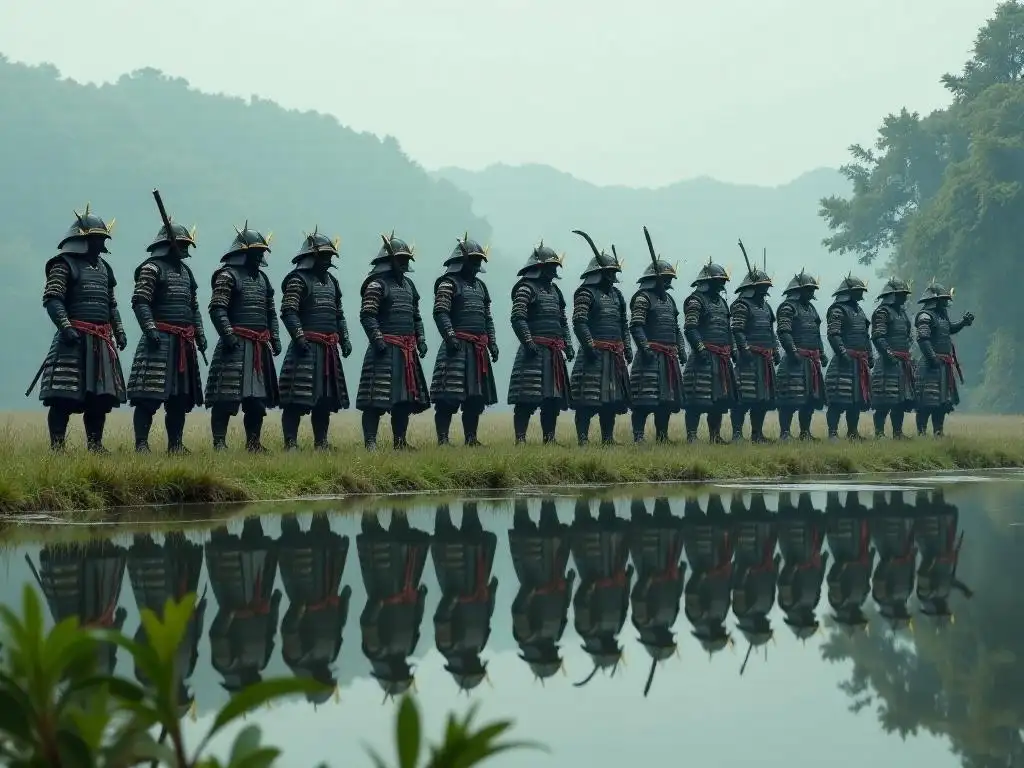
The impact of samurai training on battle readiness and tactics is vividly illustrated through several key historical battles. These case studies reveal how rigorous training, discipline, and strategic understanding shaped the outcomes of conflicts during Japan's feudal era. By analyzing notable battles, we can appreciate the depth of samurai martial training and its influence on military tactics.
The Battle of Sekigahara: Strategy and Training
The Battle of Sekigahara, fought in 1600, is one of the most significant confrontations in Japanese history, marking the end of the Sengoku period and the beginning of the Tokugawa shogunate. The battle showcased the culmination of samurai training and strategic acumen.
Samurai were trained from a young age in various martial arts, including kenjutsu (swordsmanship), iaijutsu (quick-draw techniques), and horsemanship. This extensive training allowed them to execute complex maneuvers and adapt to rapidly changing battlefield conditions.
At Sekigahara, the Tokugawa forces, led by Tokugawa Ieyasu, employed effective battlefield tactics that leveraged their well-trained samurai. They utilized terrain to their advantage, positioning themselves in a way that maximized their strengths while exploiting the weaknesses of the opposing forces. The coordination and discipline instilled through rigorous training were evident as the Tokugawa troops executed flanking maneuvers and maintained formation under pressure.
The outcome of the battle was largely influenced by the strategic decisions made by Ieyasu, who had a clear understanding of the capabilities of his samurai. His ability to predict enemy movements and respond accordingly was a direct result of the tactical training that samurai received, emphasizing the critical link between training and battlefield effectiveness.
The Siege of Osaka: Training Techniques in Action
The Siege of Osaka, which occurred between 1614 and 1615, further illustrates the impact of samurai training on battle tactics. This conflict was characterized by two significant sieges: the first in 1614, which resulted in a temporary truce, and the second in 1615, leading to the fall of Osaka Castle.
During the siege, the Tokugawa forces faced the formidable defenses of the Toyotomi clan, led by Toyotomi Hideyori. Samurai training played a crucial role in the siege's tactics, particularly in the use of siege warfare techniques. Samurai were trained in various forms of combat, including the use of firearms, which had begun to influence battlefield tactics in Japan.
The Tokugawa forces deployed a combination of traditional samurai combat techniques alongside innovative strategies, such as the use of artillery and coordinated attacks on multiple fronts. The disciplined training allowed samurai to work cohesively, executing complex strategies that included night raids and diversionary tactics to weaken the enemy's resolve.
The successful capture of Osaka Castle in 1615 marked the definitive end of the Toyotomi clan's power and established the Tokugawa shogunate's dominance. This battle exemplified how the integration of samurai training with evolving military tactics could yield decisive results in warfare.
Modern Interpretations of Samurai Training and Tactics
As we delve into modern contexts, the principles of samurai training and tactics continue to resonate, influencing various aspects of martial arts and military training today.
Influence on Contemporary Martial Arts
The legacy of samurai training is profoundly evident in contemporary martial arts. Many modern martial arts systems, such as kendo, iaido, and aikido, trace their roots back to the techniques and philosophies developed by samurai.
These martial arts emphasize discipline, respect, and the development of mental fortitude, mirroring the values instilled in samurai training. Each discipline incorporates techniques that prioritize precision, control, and adaptability—traits that were essential for samurai on the battlefield.
Furthermore, the concept of "bushido," or the way of the warrior, continues to be a guiding principle in many martial arts schools. This ethos promotes not only physical prowess but also moral integrity, reflecting the holistic approach of samurai training.
Application of Samurai Principles in Modern Military Training
The principles derived from samurai training have also found their way into contemporary military practices. Modern military organizations often study historical battles, including those involving samurai, to extract lessons on leadership, strategy, and discipline.
Principles such as teamwork, situational awareness, and adaptability are emphasized in modern military training, paralleling the training approaches of samurai. Techniques such as close-quarters combat and strategic maneuvering are influenced by the samurai's emphasis on efficiency and effectiveness in combat.
Additionally, the focus on mental conditioning, resilience, and ethical leadership in military training reflects the samurai's commitment to personal development alongside combat readiness. This blend of historical insights and modern applications underscores the lasting impact of samurai training on contemporary military tactics and philosophies.
The training of samurai not only prepared them for battle but also shaped the tactics they employed, leaving a legacy that continues to influence martial arts and military training today.
Conclusion: The Lasting Legacy of Samurai Training on Battle Tactics
The training regimen of samurai had a profound impact on the nature of warfare in feudal Japan, shaping not only individual fighters but also the tactics employed in battles. The emphasis on discipline, strategy, and adaptability cultivated through rigorous training allowed samurai to excel in various combat scenarios. As a result, the samurai class not only influenced the tactical landscape of their time but also left a lasting legacy that resonates in modern military strategies and martial arts.
The samurai's unique blend of physical prowess, mental discipline, and strategic thinking created a formidable warrior culture. Their training methods emphasized not just the technical skills of swordsmanship but also the psychological aspects of combat, including the importance of morale and leadership. This holistic approach ensured that samurai were not merely skilled fighters, but also capable leaders who could inspire and direct their troops in the heat of battle.
The impact of samurai training extended beyond the battlefield, influencing the broader societal values of honor, loyalty, and courage in Japanese culture. These ideals continue to be revered today, illustrating how the legacy of samurai training has permeated various aspects of Japanese life and military thinking.
Summary of Key Insights
- Rigorous Training Regimen: Samurai training was characterized by a disciplined and comprehensive approach, focusing on physical skills, mental fortitude, and strategic planning.
- Adaptability in Tactics: The ability to rapidly adjust tactics based on battlefield conditions was a crucial outcome of their training, enabling samurai to respond effectively to diverse combat scenarios.
- Psychological Preparedness: Training emphasized mental discipline, fostering resilience and the ability to maintain composure under pressure, which proved vital during conflicts.
- Influence on Modern Tactics: The principles derived from samurai training have influenced contemporary military strategies and martial arts, highlighting the enduring relevance of their methodologies.
- Cultural Legacy: The values instilled through samurai training—such as loyalty, honor, and courage—continue to shape Japanese culture and societal norms.
Future Research Directions in Samurai Military History
As interest in samurai military history continues to grow, there are several potential avenues for future research that could deepen our understanding of their training and tactical innovations:
- Comparative Studies: Investigating the similarities and differences between samurai training and that of other warrior classes from different cultures could provide valuable insights into the evolution of military tactics globally.
- Psychological Aspects of Training: More research could focus on the psychological components of samurai training, particularly how their mental conditioning influenced combat effectiveness and leadership.
- Impact of Geography on Tactics: Exploring how the geographical features of Japan influenced samurai tactics and training methodologies could yield fascinating findings about the relationship between environment and warfare.
- Evolution of Samurai Tactics Over Time: A detailed analysis of how samurai tactics evolved from the early feudal period through to the Edo period could help illustrate the adaptability of samurai training in response to changing warfare dynamics.
- Influence on Modern Military Practices: Examining the ways in which samurai training and tactics have been integrated into modern military doctrines and martial arts could reveal the lasting legacy of this unique warrior class.
By pursuing these research directions, scholars can further illuminate the complexities of samurai military history and its implications for both historical understanding and contemporary military practices.
- Introduction to Samurai Training and Its Importance
- Historical Context of Samurai Training
- Key Components of Samurai Training for Battle Readiness
- Samurai Training Techniques and Their Impact on Battle Tactics
- The Role of Discipline in Samurai Training
- Comparative Analysis of Samurai Training and Western Military Tactics
- Case Studies of Notable Samurai Battles Demonstrating Training Impact
- Modern Interpretations of Samurai Training and Tactics
- Conclusion: The Lasting Legacy of Samurai Training on Battle Tactics
Frequently Asked Questions
What was the primary focus of samurai training?
Samurai training primarily emphasized combat skills, discipline, and strategic thinking to prepare them for battle. Their rigorous training aimed to develop both physical prowess and mental resilience.
How did samurai training influence battle tactics?
The training of samurai significantly shaped their battle tactics, as it incorporated techniques in swordsmanship, archery, and horseback riding. This comprehensive approach allowed them to adapt to various combat situations effectively.
Were there any specific techniques taught during samurai training?
Yes, samurai training included specific techniques such as kenjutsu (sword techniques), sojutsu (spear techniques), and naginatajutsu (halberd techniques), focusing on enhancing their combat effectiveness and battle readiness.
How did cultural aspects affect samurai training?
Cultural elements like Bushido, the way of the warrior, greatly influenced samurai training, instilling values of honor, loyalty, and self-discipline which were crucial for their warrior ethos and effectiveness in battle.
What role did mental training play in a samurai’s preparation?
Mental training was vital, focusing on strategic thinking, calmness under pressure, and decision-making skills, which enabled samurai to remain focused and effective during the chaos of battle.
Final Reflection: The Enduring Legacy of Samurai Training in Battle Tactics
The principles of samurai training and battle tactics remain profoundly relevant in today's world, where discipline, strategy, and mental fortitude are essential for success. The samurai's rigorous training not only prepared them for physical confrontations but also instilled a mindset that transcends the battlefield, influencing modern leadership and personal development. In a time when challenges are multifaceted and often unpredictable, the lessons derived from samurai training resonate more than ever, reminding us that preparation and adaptability are key to overcoming adversity.
The influence of samurai training extends beyond the confines of historical warfare into the fabric of contemporary culture and society. From martial arts to leadership philosophies, the samurai's approach to discipline and strategy continues to inspire individuals seeking to enhance their own battle readiness in various aspects of life. As the renowned martial artist Bruce Lee once said, "> The successful warrior is the average man, with laser-like focus." This highlights how the essence of samurai training can be harnessed by anyone willing to commit to their craft, regardless of the arena in which they operate.
As we reflect on the teachings of the samurai, let us embrace the call to cultivate our own battle readiness, whether in personal challenges or professional endeavors. Consider how the principles of discipline, strategy, and perseverance can be integrated into your daily life. By embodying the spirit of the samurai, we can navigate our own battles with confidence and clarity, ensuring that we are not only prepared for the challenges ahead but also equipped to thrive in an ever-evolving world.
Unleash Your Inner Warrior: Take Action Today!
Thank you for exploring the fascinating world of samurai training and its profound effects on battle readiness and tactics. You have gained valuable insights into a pivotal aspect of Feudal Japan's history. Now, it's time to put that knowledge into action!
- Dive deeper into samurai culture by reading historical accounts or novels that vividly portray their training and way of life.
- Join a local martial arts class to experience the discipline and techniques inspired by traditional samurai training.
- Engage with others on social media using the hashtag #SamuraiReady to connect with fellow history enthusiasts!
What strategies from samurai training do you believe could enhance modern personal development or leadership skills?