
The Use of Artillery in Feudal Japan: Innovations and Limitations

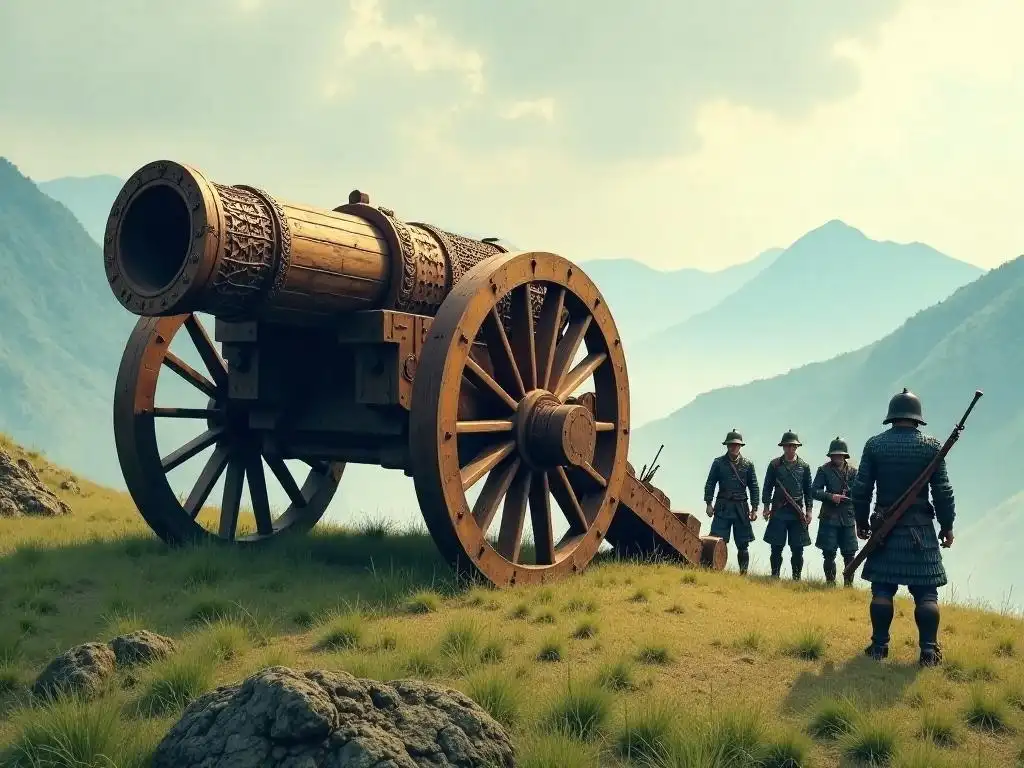
Welcome to Feudal Japan History, where we embark on a fascinating journey through the intricate tapestry of Japan’s feudal era. Delve into the shadows of history as we uncover the artillery innovations in feudal Japan, revealing how these advancements shaped military strategies and influenced societal dynamics. With expert-driven insights and in-depth articles, we invite you to explore the triumphs and limitations of these powerful weapons. Are you ready to discover the explosive secrets that changed the face of warfare in ancient Japan? Let’s dive in!
The feudal era of Japan, spanning from the late 12th century to the early 17th century, was a time marked by profound military evolution. One of the pivotal advancements during this period was the introduction and refinement of artillery, which played a crucial role in altering the dynamics of warfare.
This article delves into the artillery innovations in feudal Japan, examining how these developments transformed battle tactics and the limitations they faced in the context of Japan's unique sociopolitical landscape. From the introduction of gunpowder to the deployment of cannons, we will explore the innovative approaches taken by samurai and military leaders, as well as the impact these innovations had on traditional combat strategies.
Introduction to Artillery Innovations in Feudal Japan
The adoption of artillery in feudal Japan marked a significant departure from traditional warfare that relied heavily on bladed weapons and archery. As Japanese society evolved, so too did its military strategies. The introduction of gunpowder weapons began to shape how battles were fought, leading to a more complex and varied approach to warfare. This section will provide insight into the technological advancements that characterized this era, highlighting the innovations that not only changed the battlefield but also influenced the cultural aspects of Japanese society.
Historical Context of Artillery in Feudal Japan
To fully understand the significance of artillery innovations in feudal Japan, it's essential to consider the historical backdrop against which these developments occurred. The feudal system created a landscape of constant conflict among rival clans, necessitating advancements in military technology. The interplay of political power, economic resources, and cultural exchanges with foreign influences played a critical role in the evolution of artillery.
The Emergence of Gunpowder and Early Artillery
The arrival of gunpowder in Japan can be traced back to the mid-16th century, primarily through contact with Portuguese traders. This new material revolutionized military capabilities, leading to the development of various artillery pieces such as teppo (matchlock guns) and cannons. Initially used primarily for siege warfare, these weapons began to see broader applications on the battlefield. Notably, the first recorded use of cannons in Japan was during the Battle of Nagashino in 1575, where they played a decisive role in the outcome of the conflict.
Key Battles Utilizing Artillery Innovations
Several key battles during the feudal era exemplify the effective use of artillery innovations. One notable example is the Siege of Takamatsu in 1582, where the strategic deployment of cannons helped secure victory. Similarly, the Battle of Sekigahara in 1600 showcased the growing importance of artillery in determining the fate of clans.
As we dive deeper into these battles, we will examine how artillery not only influenced tactical decisions but also reshaped the hierarchy and power dynamics among the samurai, ultimately leading to the establishment of the Tokugawa shogunate and a new era in Japanese history.
Innovations in Artillery Technology
During the feudal era in Japan, artillery technology underwent significant advancements that transformed battlefield strategies. The introduction of firearms, particularly during the late 16th century, marked a pivotal shift in military tactics. The Japanese began to adopt and adapt foreign artillery innovations, particularly from European sources. The development of matchlock guns, known as tanegashima, allowed for more efficient and deadly warfare. These firearms offered greater range and lethality compared to traditional weapons like the bow and arrow.
Furthermore, the use of cannon in sieges became more prevalent. Artillery pieces like the teppō (muskets) and daimyo cannons, which were often cast from bronze, showcased advancements in metallurgy and design. The ability to produce these weapons in larger quantities enabled armies to equip more soldiers with firearms, changing the dynamics of engagements. The innovations did not just stop at the weapons themselves; the methods of loading and firing were also refined, contributing to a more organized and efficient military structure.
The integration of artillery into the broader military strategy of the time was another significant innovation. Commanders began to realize the psychological and physical advantages that artillery provided, from breaking enemy formations to causing chaos among ranks. This realization led to the strategic deployment of artillery units on the battlefield, often positioned behind infantry lines to maximize their effectiveness while minimizing exposure to enemy fire.
Types of Artillery Used in Feudal Japan
The types of artillery used during feudal Japan varied widely, reflecting both domestic innovations and influences from abroad. Below are some of the notable types:
- Muskets (Tanegashima): These matchlock firearms were introduced in the 1540s and became a staple of the samurai arsenal. Their ease of use and relatively quick reload time made them popular among infantry.
- Cannon: Various types of cannons were used, including large siege cannons capable of breaching castle walls. Smaller field cannons were also employed in battles, though they were less common than muskets.
- Bombards: Large, heavy artillery designed to launch stone projectiles over considerable distances. These were particularly effective during sieges.
- Rocket Artillery: Although less common, early forms of rocket technology were developed, utilizing the principles of gunpowder to create explosive projectiles.
The adaptation of these artillery pieces allowed for more dynamic and varied combat scenarios, influencing both siege warfare and open field battles throughout the feudal period.
Notable Innovations in Artillery Construction
Artillery construction in feudal Japan saw remarkable innovations that improved the effectiveness and reliability of weapons. One of the most significant advancements was in the casting techniques used to create cannons and other firearm components. Japanese smiths became adept at casting bronze and iron, producing artillery that could withstand the pressures of firing and deliver considerable firepower.
The development of breech-loading mechanisms allowed for faster reloading times and greater accuracy. Early forms of these mechanisms were experimented with, leading to designs that improved efficiency on the battlefield. Additionally, the refinement of gunpowder mixtures contributed to increased range and explosive power, making artillery a more formidable presence in warfare.
Another notable innovation was the use of mobile artillery units. Unlike static defenses, these units could be relocated on the battlefield, providing commanders with strategic flexibility. This mobility was crucial in responding to enemy movements and maximizing the impact of artillery fire.
Limitations of Artillery in Feudal Japan
Despite the innovations in artillery technology, several limitations hindered its effectiveness in feudal Japan. These constraints stemmed from tactical, societal, and cultural factors that influenced how artillery was utilized in warfare.
Tactical Limitations of Artillery Use
The tactical limitations of artillery use in feudal Japan were primarily influenced by the nature of Japanese warfare and the terrain. First, the accuracy of early artillery pieces was often compromised due to lack of precise targeting systems. Misfires and inconsistent firing ranges could lead to ineffective barrages, causing more harm to friendly forces than to the enemy.
Moreover, the mobility of artillery was constrained by the logistics of transporting heavy cannons and ammunition across varied terrains, such as mountainous regions or dense forests. This limited the ability to reposition artillery units swiftly in response to changing battlefield conditions.
The coordination between infantry and artillery units was another significant tactical challenge. Early on, there was often a lack of established protocols for integrating artillery fire with infantry maneuvers, leading to missed opportunities for effective engagement. Additionally, the reliance on artillery could sometimes detract from traditional samurai combat tactics, which emphasized close-quarters fighting.
Societal and Cultural Constraints
Artillery's role in feudal Japan was also shaped by societal and cultural constraints. The samurai class, which dominated the military hierarchy, held a deep-rooted belief in the honor of hand-to-hand combat. This cultural ethos often led to a reluctance to fully embrace artillery as a primary means of warfare. There was a prevailing view that reliance on firearms diminished the valor associated with traditional samurai combat.
Furthermore, the economic resources required for artillery production and maintenance posed a challenge. While some daimyos could afford to invest in artillery, many smaller clans struggled to equip their forces adequately. The costs associated with training soldiers to use firearms effectively also limited widespread adoption.
Finally, political factors played a role. The feudal system was characterized by fragmented power structures, leading to inconsistencies in artillery adoption and deployment among different clans. This lack of unified strategy often resulted in missed opportunities to leverage artillery innovations effectively on a larger scale.
While artillery innovations in feudal Japan significantly impacted warfare, they were tempered by tactical, societal, and cultural limitations that influenced their overall effectiveness on the battlefield.
Comparison of Artillery to Other Weapons in Feudal Japan
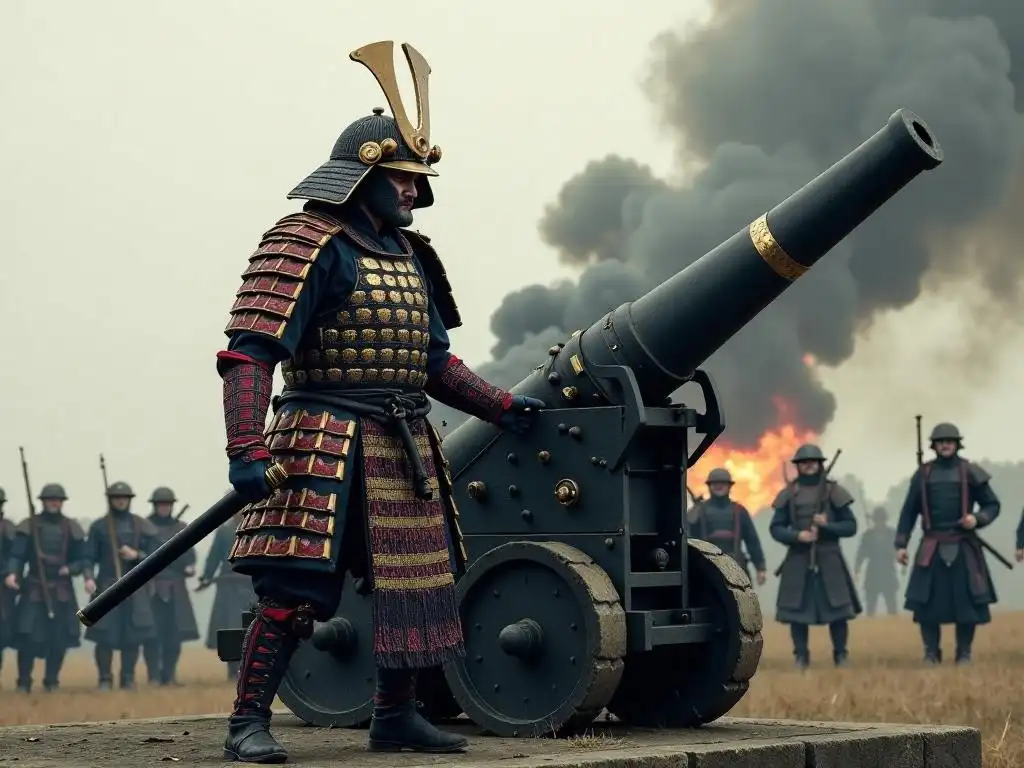
Artillery in feudal Japan represented a significant shift in military technology and tactics compared to traditional weaponry. While samurai were renowned for their mastery of the katana, yari (spear), and naginata, the introduction of gunpowder-based artillery during the late 16th century transformed the battlefield dynamics. Unlike the close-range melee combat favored by samurai warriors, artillery allowed for long-range engagements, enabling armies to inflict damage from a distance.
The primary types of artillery used during this period included hand cannons, large siege weapons like the teppo (matchlock guns), and various forms of bombards. These innovations meant that battles could be waged using different strategies, emphasizing the importance of positioning and range over individual combat skills. The introduction of artillery thus diversified the methods of warfare, forcing traditional samurai to adapt to a changing battlefield where distance and firepower became crucial.
Artillery vs. Traditional Samurai Weapons
When comparing artillery to traditional samurai weapons, it is clear that each served distinct purposes and had unique advantages and limitations. Traditional weapons, like the katana, were designed for close combat, emphasizing skill, speed, and technique. Samurai warriors trained rigorously in these arts, honing their abilities to engage in personal duels and skirmishes effectively.
In contrast, artillery's strengths lay in its capacity for mass destruction and psychological impact. The sound of cannon fire and the sight of explosive projectiles could demoralize enemy troops and alter the course of battle before any hand-to-hand combat commenced. However, artillery also had its limitations; it required skilled operators, was less effective in rough terrain, and had longer reload times.
The integration of artillery into military tactics necessitated a reevaluation of the samurai's role on the battlefield. Rather than solely relying on their individual prowess, samurai began to coordinate their efforts with artillery units, creating a more complex and multifaceted approach to warfare.
The Integration of Artillery with Infantry and Cavalry
The integration of artillery with infantry and cavalry units marked a significant evolution in Japanese military tactics during the feudal era. Artillery pieces, such as the kushiro, were often positioned strategically behind infantry lines, providing covering fire while infantry engaged the enemy. This combination allowed for a more layered defense and attack strategy, where infantry could shield artillery and vice versa.
Cavalry units also adapted to the presence of artillery. While traditionally used for fast, flanking maneuvers, cavalry could now be employed to protect the artillery from enemy attacks or to exploit breaches in enemy lines created by artillery bombardments. This synergy between different military branches created a more cohesive and formidable fighting force.
Moreover, the presence of artillery required commanders to think strategically about battlefield formations. Troops were arranged to maximize the effectiveness of artillery while minimizing their vulnerability. As a result, the battlefield became a space where tactical innovation was essential, leading to new formations and strategies that combined the strengths of infantry, cavalry, and artillery.
Conclusion: The Legacy of Artillery Innovations in Feudal Japan
The innovations in artillery during feudal Japan left a lasting legacy that shaped not only military tactics but also the evolution of warfare in the region. The introduction of gunpowder-based weapons facilitated a shift from traditional samurai combat to more strategic and coordinated military operations.
As warfare evolved, the lessons learned from the integration of artillery continued to influence Japanese military strategy even beyond the feudal era. The emphasis on ranged combat and the coordination between different military branches became foundational elements of Japan's military identity.
Moreover, the psychological impact of artillery on the battlefield highlighted the importance of technological advancement in warfare. The innovations that emerged during this period laid the groundwork for future developments in military technology, ultimately transforming how battles were fought in Japan and across the world. The legacy of artillery innovations in feudal Japan remains a testament to the adaptability and evolution of military practices in response to changing technologies and tactics.
Further Reading and Resources on Feudal Japan's Military History
For those interested in delving deeper into the military history of feudal Japan, particularly focusing on artillery innovations, there are numerous resources available that provide valuable insights and comprehensive analyses. Below is a curated list of recommended readings and resources, ranging from books to online articles and academic journals.
Books
- "The Samurai and the Long Sword" by Stephen Turnbull
- This book explores the evolution of samurai warfare, including the introduction of gunpowder weapons. Turnbull provides a detailed examination of how artillery changed the battlefield dynamics in feudal Japan.
- "Japanese Warfare 1185-1600" by Chris Peers
- Peers offers an in-depth look at the military strategies employed during Japan's feudal era, with specific chapters dedicated to the role of artillery and its impact on traditional samurai tactics.
- "The Rise of the Samurai: Military History of Feudal Japan" by David A. Scott
- This work covers the broader context of samurai warfare and includes discussions on the technological advancements in weaponry, including artillery innovations.
Academic Journals
- "Journal of Asian Studies"
- This peer-reviewed journal frequently publishes articles related to Japanese military history, with a focus on technological advancements and their societal implications. A search through its archives may yield specific studies on artillery in feudal Japan.
- "War in History"
- This journal provides critical analyses of various aspects of military history, including the use of artillery in Japan. Articles often discuss the strategic implications and the transition from traditional to modern warfare.
Online Resources
- The Japan Society for the Promotion of Science (JSPS)
- The JSPS website offers access to research papers and articles related to Japanese history, including military innovations. It serves as a valuable resource for accessing scholarly work on artillery and other military technologies.
- National Diet Library of Japan
- This extensive library provides digital access to historical documents, including military treatises and manuscripts from the feudal era. Researchers can find primary sources on artillery use and the evolution of weaponry during this period.
- Online Archives and Databases
- Websites like JSTOR and Project MUSE host a plethora of articles and papers focusing on various aspects of Japanese history, including military innovations. Utilizing these databases can provide access to critical analyses and discussions regarding artillery.
Documentaries and Multimedia
- "The Samurai: A History" (Documentary Series)
- This documentary series explores the life and warfare of samurai, including the technological advancements in their arsenal. Episodes on the introduction of firearms provide visual insights into the impact of artillery.
- YouTube Channels Focused on History
- Channels like "Kings and Generals" often feature episodes dedicated to Japanese history, including detailed analyses of military tactics and the role of artillery.
By exploring these resources, readers can gain a deeper understanding of the innovations and limitations of artillery in feudal Japan, enriching their knowledge of this fascinating period in military history.
- Introduction to Artillery Innovations in Feudal Japan
- Historical Context of Artillery in Feudal Japan
- Innovations in Artillery Technology
- Limitations of Artillery in Feudal Japan
- Comparison of Artillery to Other Weapons in Feudal Japan
- Conclusion: The Legacy of Artillery Innovations in Feudal Japan
- Further Reading and Resources on Feudal Japan's Military History
- What were the main artillery innovations in feudal Japan?
- How did artillery impact battles in feudal Japan?
- Were there any limitations to the use of artillery in feudal Japan?
- How did the cultural context of feudal Japan influence artillery development?
- What role did foreign influences play in the artillery advancements of feudal Japan?
Frequently Asked Questions
What were the main artillery innovations in feudal Japan?
Feudal Japan saw significant advancements in artillery, such as the introduction of cannon technology and the development of large siege weapons. These innovations changed the dynamics of warfare during this era.
How did artillery impact battles in feudal Japan?
The use of artillery allowed for long-range attacks, enabling armies to engage enemies from a distance. This not only transformed tactics but also influenced defensive strategies in fortifications.
Were there any limitations to the use of artillery in feudal Japan?
Yes, despite its innovations, artillery faced limitations such as mobility issues and the inaccuracy of early cannons. Additionally, the reliance on gunpowder posed challenges in terms of supply and production.
How did the cultural context of feudal Japan influence artillery development?
The cultural emphasis on honor and hand-to-hand combat often led to a reluctance to fully embrace artillery. However, as threats evolved, this perception gradually shifted towards incorporating artillery into warfare.
What role did foreign influences play in the artillery advancements of feudal Japan?
Contact with European powers introduced new technologies and ideas, significantly impacting Japanese artillery innovations. This exchange facilitated the adaptation and improvement of existing weapons, enhancing their effectiveness in battle.
Final Reflection: The Legacy of Artillery Innovations in Feudal Japan
The exploration of artillery innovations in feudal Japan reveals not only the technological advancements of the time but also their profound impact on warfare and society. As we delve into the intricate relationship between these innovations and the feudal system, it becomes clear that the evolution of artillery was a pivotal factor that shaped the course of Japanese history. The ingenuity of these developments speaks volumes about the resilience and adaptability of a society facing both internal strife and external threats.
Clearly, the influence of artillery extends beyond the battlefield and into the cultural and social fabric of Japan. The introduction of gunpowder weaponry transformed traditional combat, altering strategies and power dynamics among the samurai class. This shift not only redefined military engagements but also influenced the very nature of governance and societal structure. As historian John W. Hall aptly noted, The introduction of firearms in Japan was not merely a military revolution; it was a catalyst for profound social change.
The interplay between technology and society during this period continues to resonate, reminding us of the intricate connections between innovation and cultural evolution.
As we reflect on the lessons from feudal Japan's artillery innovations, let us consider how these historical insights can inform our understanding of modern challenges. I invite you to contemplate the ways in which innovation can drive change in your own life and community.
Whether through embracing new technologies or rethinking traditional practices, we can draw inspiration from the past to navigate the complexities of our present and future. The legacy of artillery in feudal Japan serves as a powerful reminder that progress often emerges from the crucible of conflict and creativity, urging us to harness our own innovations for positive transformation.
Unveil the Power of Artillery in Feudal Japan!
Thank you for diving into the fascinating world of artillery during Feudal Japan! You've gained valuable insights into its innovations and limitations, and now it's time to bring this knowledge to life.
Here are some practical steps to deepen your exploration and engage with this captivating subject:
- Join a historical reenactment group to experience the impact of artillery firsthand and understand its critical role in warfare.
- Visit local museums or explore online exhibits that showcase the military advancements and innovations of Feudal Japan.
- Engage with others by sharing your thoughts with fellow history enthusiasts in the comment section below or on social media to spark an enriching discussion!
How do you think the introduction of artillery transformed the landscape of warfare in Feudal Japan? Was it a strategic advantage or a double-edged sword? Let’s connect in the comments!