
The Role of Women in Feudal Japanese Military Tactics

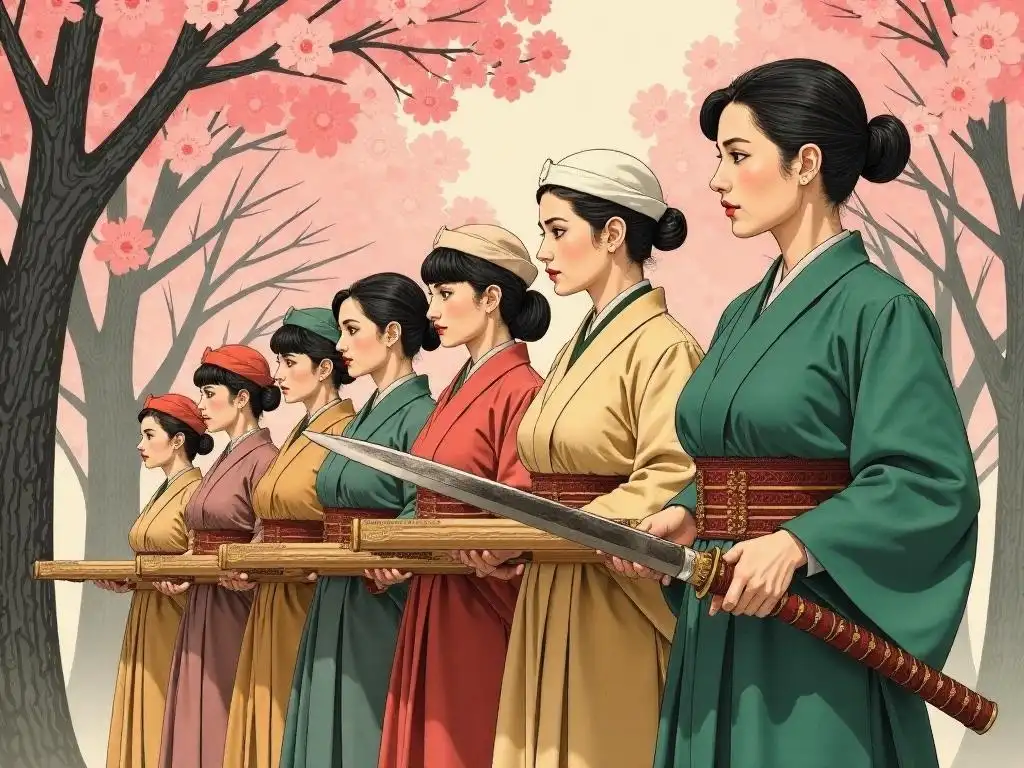
Welcome to Feudal Japan History, where we delve deep into the fascinating tapestry of Japan's feudal era. Here, you'll uncover the untold stories and intricate details that shaped a nation. Our latest article, “The Role of Women in Feudal Japanese Military Tactics,” invites you to explore the powerful yet often overlooked contributions of women in the military sphere. What strategies did they employ?
How did their involvement challenge traditional norms? Prepare to embark on a journey that reveals the strength and resilience of these remarkable figures, and discover how their legacy continues to influence modern perspectives. Dive in and let your curiosity guide you!
Introduction to Women in Feudal Japanese Military
The role of women in feudal Japanese military tactics is often overlooked in mainstream narratives, yet it presents a fascinating aspect of Japan’s complex history. The feudal era, which spanned from the late 12th century to the mid-19th century, was characterized by a highly stratified society where gender roles were sharply defined.
However, women were not merely passive figures in this society; they actively participated in the military sphere and made significant contributions to warfare and strategy. This article delves into the intricate dynamics of women's involvement in feudal Japanese military tactics, revealing their influence and status within the broader context of military history.
Overview of Feudal Japan's Military Structure
Feudal Japan's military structure was primarily dominated by the samurai class, who were the elite warriors of the time. This system was built on a hierarchy of loyalty and service, where land was exchanged for military support. The samurai adhered to a strict code of conduct known as Bushido, which emphasized honor, bravery, and loyalty. Within this militaristic framework, women often held strategic roles, either directly through combat or indirectly through influence within the household.
- Key Components of Feudal Military Structure:
- Samurai Class: The warrior elite responsible for military service.
- Daimyo: Feudal lords who ruled over domains and commanded samurai.
- Peasants and Artisans: Provided support roles, including logistics and equipment manufacturing.
Despite the male-dominated narrative, women played crucial roles, particularly during times of conflict when the samurai were away at war. Their involvement ranged from managing estates and resources to participating in battles and defending their homes.
Importance of Gender Roles in Japanese Society
In feudal Japan, gender roles were deeply entrenched within the fabric of society. Women were primarily expected to manage household affairs and bear children, yet numerous historical instances reveal their agency beyond these confines. The duality of their roles illustrates a complex interplay between traditional expectations and the harsh realities of feudal life.
- Societal Expectations:
- Domestic Sphere: Women were responsible for raising children and maintaining the household.
- Military Involvement: During conflicts, women often took on roles as defenders and strategists.
The perception of women in feudal Japan was not monolithic; societal norms varied significantly across different regions and periods. In times of war, women’s contributions were not only recognized but deemed essential for the survival of their families and communities.
Historical Context of Women in Feudal Japan
Women’s Status During the Feudal Era
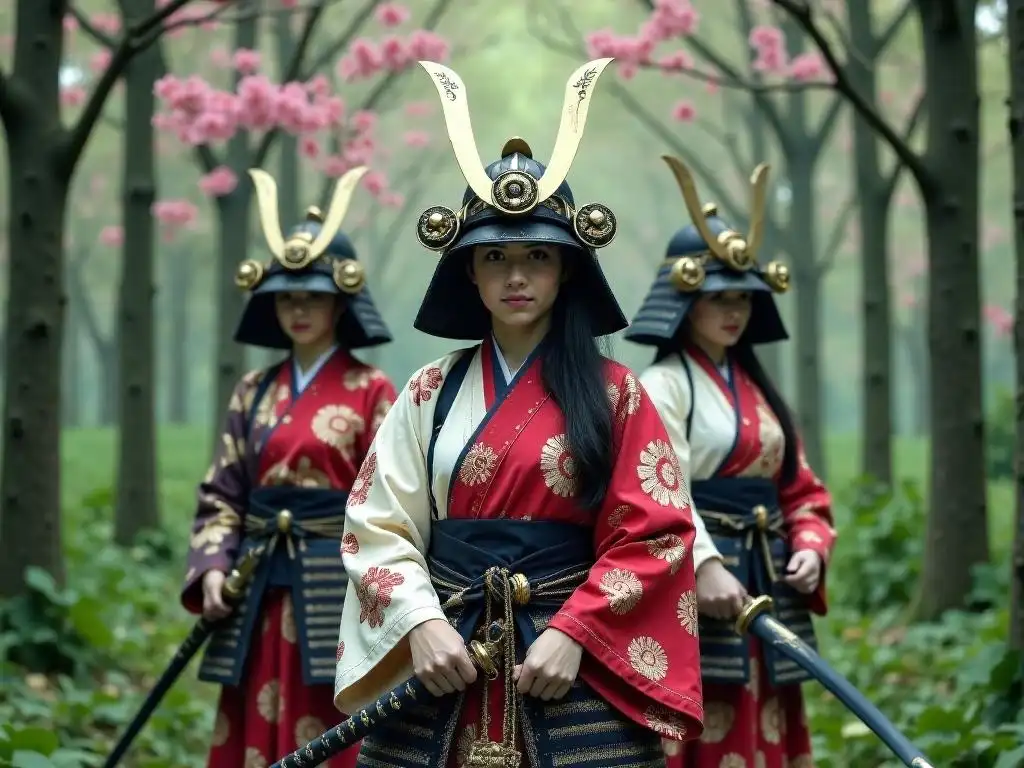
The status of women in feudal Japan was multifaceted, influenced by class, region, and the prevailing socio-political climate. While common women had limited rights and were often subject to the authority of their fathers or husbands, those of higher social standing sometimes enjoyed greater autonomy.
- Key Aspects of Women's Status:
- Marriage Alliances: Women from noble families were often used to forge political alliances.
- Property Rights: Certain women could inherit and manage property, especially in the absence of male heirs.
This nuanced status allowed some women to wield considerable power, particularly within the context of military and political affairs.
Key Historical Figures: Influential Women in Military History
Throughout Japan’s feudal history, several notable women emerged as influential figures in military contexts. These women not only challenged conventional gender roles but also contributed to significant military outcomes.
- Examples of Influential Women:
- Tomoe Gozen: A legendary female warrior known for her prowess on the battlefield during the Genpei War.
- Hojo Masako: The wife of the first shogun, she played a pivotal role in the political landscape of the Kamakura period, influencing military decisions.
These figures exemplify the diverse roles women occupied, transcending traditional expectations and actively shaping the course of military history in feudal Japan. Their stories serve as a testament to the importance of recognizing women's contributions in historical narratives, particularly in contexts where their roles have often been minimized or forgotten.
Women’s Involvement in Military Tactics
Throughout Japan's feudal era, women played a significant yet often overlooked role in military tactics. While historically, the samurai class is predominantly associated with male warriors, women contributed to military strategies in various ways. They participated not only in direct combat but also in support roles that were crucial for the success of military campaigns. This involvement was rooted in the cultural context of the time, where the preservation of family honor and the protection of home and clan often fell to women during times of conflict.
Women in feudal Japan were not merely passive observers; they engaged in activities that encompassed logistics, intelligence gathering, and even battlefield participation. The necessity of their involvement became particularly evident during times of prolonged warfare, where the lines between domestic responsibilities and military obligations blurred. Despite societal constraints, many women adapted and took on roles that directly impacted the outcomes of battles, showcasing their resilience and strategic acumen.
Roles of Women in Samurai Culture
In samurai culture, women were expected to embody the virtues of loyalty, honor, and courage, much like their male counterparts. They often managed household affairs while their husbands were away at war, ensuring that resources were available for the family and the clan. This included organizing supplies, maintaining weaponry, and sometimes training in martial skills themselves.
Prominent women, such as the wives of samurai, were also tasked with defending their homes in the absence of their husbands. Historical accounts depict women engaging in combat to protect their families, wielding weapons such as naginata and katana. Furthermore, women were involved in the ideological and spiritual aspects of warfare, often participating in rituals and prayers for the success of military endeavors, which underscored their integral role in the samurai ethos.
Tactical Contributions of Women in Warfare
The tactical contributions of women during feudal warfare cannot be overstated. They often utilized guerrilla tactics, leveraging their knowledge of the local terrain to launch surprise attacks or to ambush enemy forces. Women were adept at using their surroundings to their advantage, allowing them to conduct effective raids or to gather intelligence.
Moreover, women served as spies and messengers, often going unnoticed in enemy territories. Their ability to blend into civilian life made them valuable assets in gathering crucial information that could turn the tide of battle. Historical records highlight instances where women provided strategic insights based on their observations, thereby influencing the decisions of male commanders and altering the course of military campaigns.
Training and Skills: Women Warriors in Feudal Japan
Training for women who took up arms was rigorous and often mirrored that of their male counterparts. Many women trained in martial arts, particularly in the use of the naginata, a polearm weapon that was favored for its reach and effectiveness in close combat. Various schools and dojos accepted female students, allowing them to hone their skills in swordsmanship and archery.
In addition to physical training, women were educated in military strategy and tactics, making them well-rounded warriors. The importance of discipline and mental fortitude was emphasized, preparing them for the psychological demands of battle. This training cultivated a generation of women warriors who were not only skilled fighters but also strategic thinkers, able to contribute significantly to military tactics during their time.
Case Studies of Women in Japanese Military History
The Tale of Tomoe Gozen: A Legendary Warrior
Tomoe Gozen stands out as a legendary figure in Japanese military history, celebrated for her bravery and martial prowess. A warrior of the late Heian period, she served under Minamoto no Yoshinaka during the Genpei War. Historical accounts describe her as a skilled archer and swordswoman, often leading troops into battle.
Tomoe's most famous engagement came during the battle of Awazu, where she fought valiantly against overwhelming odds. Her exploits have been immortalized in literature, symbolizing the ideal of the female warrior in samurai culture. Tomoe Gozen’s legacy continues to inspire and challenge the traditional narratives surrounding women's roles in military history.
Women in the Siege of Osaka: Historical Examples
The Siege of Osaka in the early 17th century marked a significant conflict in Japan's history, and women played critical roles during this tumultuous period. Historical accounts reveal that women not only supported the troops but actively participated in the defense of Osaka Castle.
Women such as the wives of samurai helped orchestrate the defense strategies and rallied other women to take up arms. They utilized their knowledge of the castle's layout to fortify defenses and manage supplies, demonstrating their tactical importance in a high-stakes military environment. The Siege of Osaka illustrates how women adapted to the demands of warfare, blending domestic roles with military responsibilities during critical moments in history.
Female Commanders and Their Strategies
Throughout Japan's feudal history, several female commanders emerged who demonstrated exceptional strategic capabilities. Figures such as Hojo Masako and Tomoe Gozen not only led troops but also engaged in diplomatic negotiations, showcasing their multifaceted contributions to military leadership.
These women often employed unconventional tactics, leveraging their intimate knowledge of the terrain and the enemy's weaknesses. Their ability to inspire and lead men in battle challenged the gender norms of their time and highlighted the essential roles women played in shaping military outcomes. These commanders exemplify the strategic depth that women brought to the feudal Japanese military landscape, paving the way for future generations to recognize the importance of women's contributions in warfare.
The Impact of Women on Military Strategies
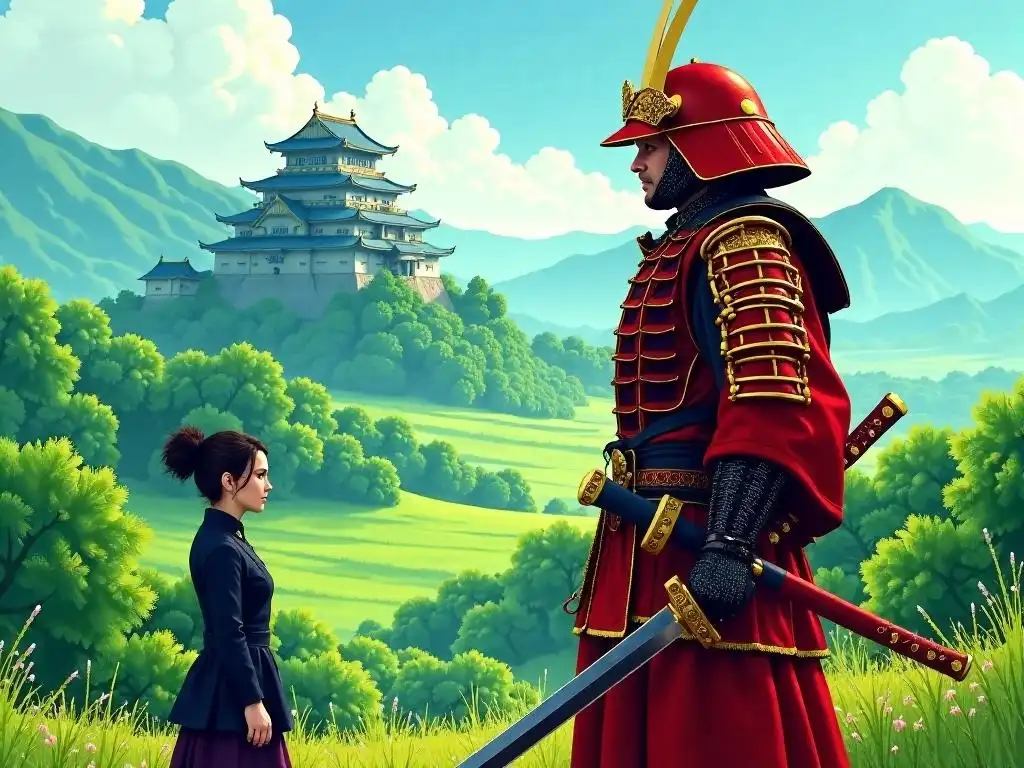
The role of women in feudal Japanese military tactics is often overshadowed by their male counterparts; however, their contributions significantly shaped military strategies during this era. Women were not merely passive observers; they actively participated in various aspects of military life, from managing logistics to engaging in direct combat under certain circumstances. Their unique position allowed them to influence strategic decisions, particularly in the context of family clans where women often held considerable power.
In samurai culture, women, especially those from noble families, were trained in the arts of war, including archery and horseback riding. This training was not only for self-defense but also served to prepare them for scenarios where they might need to defend their homes and families. The integration of women into military strategies emphasized a collaborative approach to warfare, where their roles complemented those of men, leading to a more nuanced understanding of battle tactics.
Analysis of Gender Dynamics in Military Tactics
The gender dynamics in feudal Japan were complex, with societal expectations often dictating the roles women played. While traditional views relegated women to domestic duties, many women defied these norms, particularly during times of conflict. Historical texts reveal instances where women took charge when male warriors were absent or incapacitated. For example, in the Siege of Osaka, women from the Toyotomi clan actively participated in the defense of their castle, demonstrating leadership and tactical acumen.
Moreover, the presence of women in military roles influenced the perception of honor and duty within samurai culture. Women were often seen as the guardians of their family’s honor, and their involvement in battles added a layer of moral responsibility. This shift in perception contributed to broader acceptance of women’s roles in military contexts, even leading to the creation of female warriors known as "Onna-bugeisha." These women exemplified the blending of gender roles and military tactics, highlighting the need for inclusivity in strategic planning.
How Women Influenced Battle Outcomes and Tactics
Women significantly influenced battle outcomes and tactics through their contributions in various capacities. For instance, women managed supply chains, providing essential resources such as food and weaponry, which were crucial for sustaining armies during prolonged conflicts. Their organizational skills and ability to mobilize resources often determined the success of military campaigns.
Additionally, women like Tomoe Gozen, a legendary female warrior, participated directly in battles, showcasing exceptional skill and bravery. Such figures not only inspired their contemporaries but also instilled a sense of fear in their enemies. The strategic use of female warriors in specific battles served to surprise opponents, adding an unpredictable element to military tactics that could turn the tide in favor of their forces.
The legacy of female participation in military tactics also extended to the psychological aspects of warfare. The involvement of women in combat and defense strategies reinforced the notion of loyalty and resilience, motivating male troops to fight harder for their families and clans. This dynamic underlines the profound impact women had on the overall effectiveness of military strategies during feudal Japan.
The Legacy of Women in Feudal Military History
The legacy of women in feudal military history is multifaceted, encompassing their roles as warriors, strategists, and leaders. Despite the patriarchal structure of Japanese society, women's contributions have been increasingly recognized in modern scholarship, shedding light on their vital roles. The existence of female warriors and leaders in historical records challenges the traditional narratives that often exclude women from military history.
Moreover, the integration of women into military tactics laid the groundwork for future generations. The lessons learned from their involvement influenced the evolution of military strategies, emphasizing the importance of collaboration and resource management. Women’s roles in feudal Japan serve as a testament to their resilience and capability, leaving an indelible mark on the nation’s military history.
Conclusion: The Lasting Influence of Women in Feudal Japanese Military Tactics
The exploration of women in feudal Japanese military tactics reveals their substantial contributions and the lasting influence they had on military strategies. By actively participating in battles, managing resources, and challenging societal norms, women played an integral role in shaping the outcomes of conflicts.
Summary of Key Findings
- Women were not only involved in managing logistics but also participated directly in combat.
- The presence of female warriors challenged gender norms and influenced military strategies.
- Historical figures like Tomoe Gozen exemplified the capabilities of women in warfare, impacting battle outcomes.
- The legacy of women in military history is increasingly recognized, highlighting their critical roles in shaping feudal Japan's military landscape.
Reflections on Women’s Contributions to Japanese Military History
Reflecting on the contributions of women in feudal Japanese military history encourages a broader understanding of their roles beyond traditional narratives. Acknowledging their influence affirms the importance of inclusivity in historical discussions, ensuring that the diverse experiences of all participants in military history are recognized and celebrated. The lessons learned from these women continue to resonate, offering insights into the dynamics of gender and warfare that are relevant even today.
Suggested Further Reading on Women in Feudal Japanese Military
For those interested in delving deeper into the significant yet often overlooked role of women in the military tactics of feudal Japan, a variety of resources are available. These readings, documentaries, and films will provide insights into the historical context, the contributions women made during this era, and the evolution of their roles in society and warfare.
Recommended Books and Articles
-
"Warrior Women: The Amazons of Ancient History" by David S. Anderson
This book discusses the legendary Amazon warriors while drawing parallels with women in various cultures, including Japan. It explores historical accounts of female warriors, offering a broader understanding of their roles.
-
"Women and War in Japan: A Historical Overview" by Karen K. Smith
This article provides a detailed examination of women's participation in warfare throughout Japanese history, focusing on the feudal era. It includes case studies of notable figures and the societal impacts of their involvement.
-
"Samurai Women: The Untold Stories of the Female Warriors of Japan" by Akiko Yamaguchi
This book highlights the lives of women who fought alongside men, detailing their contributions to military strategies and battles. It emphasizes their roles as strategists and combatants.
-
"The Role of Women in the Samurai Era" by Hiroshi Tanaka
This academic article explores the various roles women played in samurai households, including their participation in defensive tactics and the training of future generations in martial skills.
-
"Onna-bugeisha: Women Warriors of Japan" by Masako Ishi
This comprehensive study delves into the history of onna-bugeisha, women who were trained in martial arts and fought in battles, revealing their significance in Japanese military history.
Documentaries and Films Featuring Women in Feudal Japan
-
"The Women of the Samurai: Warriors of Japan"
This documentary sheds light on the lives of female samurai, exploring their training, battles, and the cultural perceptions of women in martial roles during feudal Japan.
-
"Lady Samurai: The Story of Tomoe Gozen"
A dramatized retelling of the life of Tomoe Gozen, one of the most famous female warriors in Japanese history. The film illustrates her prowess in battle and her influence in the Genpei War.
-
"Women in the Shadows: The Hidden Lives of Japanese Female Warriors"
This documentary examines the often-ignored stories of women warriors, focusing on their contributions to military strategies and the socio-political environment of feudal Japan.
-
"The Last Samurai"
Although primarily focused on male samurai, this film includes key female characters who influence the narrative, providing a glimpse into the roles women played in the samurai culture.
-
"Samurai Princess"
A fictional film that creatively incorporates elements of female empowerment within a samurai context, showcasing women as both warriors and leaders in feudal Japan.
These resources will enhance your understanding of the multifaceted roles women played in feudal Japanese military tactics and their lasting impact on history.
- Introduction to Women in Feudal Japanese Military
- Overview of Feudal Japan's Military Structure
- Importance of Gender Roles in Japanese Society
- Historical Context of Women in Feudal Japan
- Women’s Involvement in Military Tactics
- Case Studies of Women in Japanese Military History
- The Impact of Women on Military Strategies
- Conclusion: The Lasting Influence of Women in Feudal Japanese Military Tactics
- Suggested Further Reading on Women in Feudal Japanese Military
- What was the role of women in the Feudal Japanese Military?
- Did women participate in combat during feudal Japan?
- How were women viewed in the context of military strategy during feudal Japan?
- Were there any notable female warriors in feudal Japan?
- How did societal norms impact women's participation in the military?
Frequently Asked Questions
What was the role of women in the Feudal Japanese Military?
Women in the Feudal Japanese Military often took on supportive roles, including nursing, logistics, and sometimes even combat, especially in times of crisis when male warriors were unavailable.
Did women participate in combat during feudal Japan?
Yes, some women did participate in combat, particularly those from the samurai class. They were trained in the use of weapons and could defend their homes and families when necessary.
How were women viewed in the context of military strategy during feudal Japan?
Women were often seen as essential contributors to military strategy, especially in defending the home front. Their roles included intelligence gathering and maintaining morale among troops.
Were there any notable female warriors in feudal Japan?
Yes, figures like Tomoe Gozen and Hangaku Gozen are celebrated for their bravery and skill in battle, challenging the traditional views of women's roles in the Feudal Japanese Military.
How did societal norms impact women's participation in the military?
Societal norms often restricted women's roles, but during periods of conflict, these norms shifted, allowing women to take on more active roles in the military due to necessity and changing perceptions of their capabilities.
Final Reflection: The Enduring Legacy of Women in Feudal Japanese Military
The exploration of women's roles in feudal Japanese military tactics underscores a crucial yet often overlooked aspect of history. Today, as we strive for gender equality and recognition of women's contributions in various fields, understanding the impact of women in feudal Japan serves as a powerful reminder of their strength and resilience. The stories of these women challenge the traditional narratives of warfare and leadership, revealing that the influence of women extends far beyond the confines of domestic life.
The historical significance of women in feudal Japanese military tactics continues to resonate in contemporary discussions about gender roles and empowerment. Their involvement not only shaped military strategies but also paved the way for future generations of women to assert their agency in society. As we reflect on this legacy, we are reminded of the words of historian Joan Wallach Scott: Gender is a primary way of signifying relationships of power.
This perspective invites us to recognize the intricate connections between gender and authority, urging us to honor the contributions of women who fought for their place in history.
As we move forward, let us take a moment to reflect on the lessons learned from the past and consider how we can apply them in our lives today. Embrace the spirit of these remarkable women by advocating for equality and recognizing the diverse contributions of all individuals, regardless of gender. By doing so, we not only honor their legacy but also empower ourselves and others to challenge societal norms and create a more inclusive future.
Empower Yourself: Dive Deeper into Feudal Japanese History!
Thank you for exploring the fascinating role of women in feudal Japanese military tactics with us! We hope you've gained valuable insights into how these remarkable figures shaped history. Now, it's time to take that curiosity further and engage with this incredible past.
Here are some actionable steps you can take:
- Discover More: Read further about key female figures in Japanese history, such as the legendary Tomoe Gozen, and be inspired by their remarkable stories.
- Join the Conversation: We encourage you to share your thoughts in the comments section below! What aspects of women’s roles in military history surprised you the most?
- Connect with Others: Look for online forums or social media groups focused on Japanese history where you can engage with fellow enthusiasts and deepen your understanding.
As you reflect on this rich tapestry of history, we invite you to consider: How might the contributions of women in military tactics influence our understanding of leadership in today's world?