
The Use of Animals in Feudal Japanese Warfare: Tactics and Training


Welcome to Feudal Japan History, your gateway to the captivating world of Japan's feudal era! Here, we delve deep into the historical, cultural, and societal intricacies that shaped a nation. Today, we invite you to uncover the fascinating role of animals in Japanese feudal warfare.
From the majestic horses that charged into battle to the strategic use of other animals, our latest article, "The Use of Animals in Feudal Japanese Warfare: Tactics and Training," promises to unveil the often-overlooked aspects of military history that have left an indelible mark on Japan’s past. Prepare to embark on a journey that will not only inform but also intrigue you—let's dive into the extraordinary tactics that defined an era!
-
The Use of Animals in Japanese Feudal Warfare: Tactics and Training
- Introduction to Animals in Japanese Feudal Warfare
- The Role of Animals in the Feudal Era
- Importance of Animal Training in Warfare
- Types of Animals Used in Feudal Japanese Warfare
- Tactics Involving Animals in Feudal Warfare
- Training Practices for War Animals
- Historical Examples of Animals in Japanese Warfare
- Advantages of Using Animals in Feudal Warfare
- Challenges and Limitations of Animal Warfare
- Conclusion: Legacy of Animals in Japanese Feudal Warfare
- Further Reading on Animals in Japanese Military History
-
Frequently Asked Questions
- What types of animals were commonly used in feudal Japanese warfare?
- How were horses trained for battle in feudal Japan?
- What role did dogs play in feudal Japanese military strategy?
- Were there any specific breeds of animals favored in feudal warfare?
- How did the use of animals impact the outcomes of battles?
- Final Reflection: The Enduring Legacy of Animals in Japanese Feudal Warfare
- Unveil the Power of Animals in Feudal Warfare!
The Use of Animals in Japanese Feudal Warfare: Tactics and Training
Introduction to Animals in Japanese Feudal Warfare
The feudal era in Japan, spanning from the 12th to the 19th century, was a time marked by significant military engagements, elaborate strategies, and the intricate interplay of various social classes. Among the many elements that contributed to the effectiveness of warfare during this period, animals played a crucial role.
From the steadfast steeds of samurai warriors to the keen-eyed dogs that aided in reconnaissance, the incorporation of animals into military tactics was not only practical but also deeply intertwined with the cultural fabric of feudal Japan. Understanding the use of animals in Japanese feudal warfare offers insights into the broader societal values and the tactical innovations that shaped the battlefield.
The Role of Animals in the Feudal Era
In the context of feudal Japanese warfare, animals were more than mere companions; they were integral components of military strategy.
- Logistical Support: Animals facilitated the movement of troops and supplies, allowing armies to traverse difficult terrains.
- Psychological Warfare: The presence of imposing creatures like elephants could instill fear in the enemy, serving as a psychological tool.
- Combat Assistance: Certain animals were trained for specific tasks, enhancing the overall combat effectiveness of military units.
The multifaceted roles that animals played underscore their importance in the military hierarchy of the time.
Importance of Animal Training in Warfare
Training animals for warfare was an art in itself, requiring a deep understanding of animal behavior and psychology.
- Specialized Skills: Different animals were trained for specific roles, such as scouting or carrying messages, which necessitated tailored training regimens.
- Bonding and Trust: Establishing a strong bond between the warrior and their animal was vital, as trust played a key role in high-stakes environments.
- Tactical Flexibility: Well-trained animals allowed for greater adaptability in tactics, enabling commanders to modify their strategies based on the capabilities of their mounts and companions.
The commitment to training animals highlights the strategic foresight of military leaders in feudal Japan.
Types of Animals Used in Feudal Japanese Warfare
The diversity of animals employed in feudal Japanese warfare reflects the innovative approaches of military strategists of the period.
Horses: The Backbone of Samurai Cavalry
Horses were undoubtedly the most significant animals used in feudal Japanese warfare.
- Mobility and Speed: Samurai cavalry relied on horses for rapid movement across the battlefield, allowing for flanking maneuvers and quick retreats.
- Tactical Advantages: The use of horses enabled the samurai to adopt hit-and-run tactics, essential in the often-chaotic feudal conflicts.
- Symbol of Status: Beyond their practical usage, horses were also symbols of prestige and nobility among samurai warriors, further embedding them into the cultural identity of the era.
Dogs: Guardians and Scouts
Dogs served a variety of roles in feudal warfare, showcasing their adaptability and utility.
- Scouting and Surveillance: Trained dogs were used to scout enemy positions, allowing for earlier detection of threats.
- Guardianship: Their loyalty made them excellent guardians, protecting camps and supplies from intruders.
- Communication: Some breeds were trained to carry messages between units, enhancing communication on the battlefield.
Elephants and Other Large Animals: Rare but Significant
While less common, larger animals like elephants were sometimes employed in feudal warfare, albeit in limited contexts.
- Psychological Impact: The sight of an elephant in battle could be intimidating, providing a significant psychological advantage.
- Logistical Use: Elephants were also utilized for carrying heavy loads and supplies, especially in larger campaigns.
- Cultural Significance: Their use, though rare, reflected the broader cultural exchanges occurring in Asia during the feudal period, illustrating the interconnectedness of military practices.
By examining the roles and training of these animals, we gain a deeper understanding of the complexities of warfare in feudal Japan and the innovative tactics that defined this remarkable era.
Tactics Involving Animals in Feudal Warfare
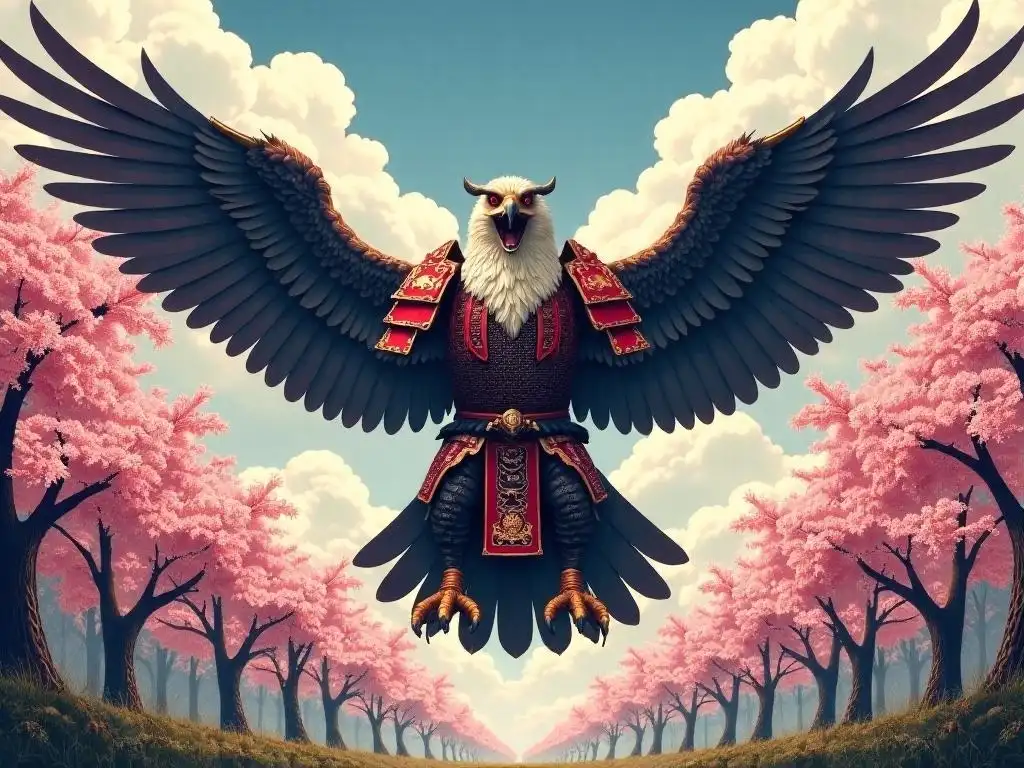
The use of animals in Japanese feudal warfare was integral to various tactical approaches that enhanced battlefield effectiveness. Animals, particularly horses and dogs, were not merely tools but became vital components of military strategy. Their roles extended beyond mere transportation; they contributed to mobility, communication, and even psychological warfare. The tactical versatility brought by these animals allowed commanders to adapt to different combat scenarios, often tipping the scales in favor of those who effectively utilized them.
Mounted Combat: Utilizing Horses for Mobility
Horses were the backbone of mounted combat in feudal Japan. Samurai warriors relied on their steeds for rapid movement across the battlefield, allowing for flanking maneuvers and quick retreats when necessary. The breed of horse typically used was the native Japanese horse, known for its agility and endurance. Mounted samurai could execute swift charges, using the speed and power of their horses to break enemy lines.
Additionally, horses served as a means of communication between units. Couriers on horseback could relay vital information swiftly, ensuring that commanders remained informed about the evolving dynamics of the battle. The psychological impact of cavalry charges, often seen as a show of force, further exemplified the strategic importance of horses in warfare.
Canine Units: The Use of Dogs in Battle Strategy
Dogs played a more specialized role in feudal warfare, serving as loyal companions and effective tools for various tactical operations. Different breeds were trained for specific purposes, such as hunting, guarding, and even attacking. In many cases, dogs were employed for reconnaissance, sniffing out enemy positions and alerting their handlers to approaching threats.
In addition to scouting, some dogs were trained to carry messages across enemy lines or to assist in the capture of fleeing foes. Their keen senses made them excellent assets on the battlefield, allowing soldiers to maximize their situational awareness. The presence of dogs also served as a morale booster for troops, reinforcing the bonds between man and animal in the heat of battle.
Specialized Roles: Animals in Support and Logistics
Beyond direct combat roles, animals contributed significantly to logistical operations during feudal warfare. Pack animals such as mules and oxen were essential for transporting supplies, weaponry, and provisions. This logistical support enabled armies to sustain prolonged campaigns without compromising their operational effectiveness.
In addition to transporting goods, animals were also employed in the construction of fortifications and camps. Elephants, though less common, were sometimes utilized in siege warfare to breach enemy walls. The multifaceted roles of these animals underscored their importance in supporting military endeavors, ensuring that armies were well-equipped and capable of enduring the rigors of sustained conflict.
Training Practices for War Animals
The training of animals for warfare was a meticulous process that emphasized discipline, obedience, and the development of specific skills tailored to their roles in battle. This training was essential in ensuring that animals could function effectively alongside their human counterparts in the chaos of combat.
Training Techniques for Horses in Feudal Japan
Training techniques for horses in feudal Japan involved a combination of gentle handling and rigorous exercises. Young horses were often broken in through methods that established trust between the animal and its rider. This relationship was crucial for effective mounted combat, as a well-trained horse needed to respond to subtle cues from its rider during fast-paced maneuvers.
Training sessions included exposure to various stimuli, such as the sounds of battle and the presence of other animals. Riders practiced mounted drills to enhance coordination and communication, ensuring that both horse and rider could work as a cohesive unit on the battlefield. This foundational training was vital for horses to perform under the stress of actual combat situations.
The Conditioning of Dogs for Military Use
Dogs used in military settings underwent a rigorous conditioning regimen that included socialization, obedience training, and exposure to simulated combat scenarios. Handlers focused on building strong bonds with their dogs to facilitate effective communication during battle. Training often emphasized the dog's natural instincts, utilizing their keen senses for tasks like tracking and alerting to danger.
Specialized training for specific breeds was common, as each type of dog brought unique strengths to the battlefield. For instance, hunting breeds were trained to pursue and retrieve game, while guardian breeds were conditioned to protect their handlers and engage intruders. This tailored training ensured that each dog could fulfill its designated role effectively.
Integration of Animals and Soldiers: A Cohesive Unit
The success of animals in feudal warfare hinged on the seamless integration of animals and soldiers into a cohesive unit. This integration involved rigorous training that emphasized teamwork, mutual respect, and understanding between human and animal partners. Soldiers learned to read their animals' behaviors and respond appropriately, while animals were conditioned to trust and follow their handlers' commands.
In battle, this synergy allowed for quick decision-making and effective responses to dynamic situations. For example, a samurai could rely on their horse for sudden maneuvers while simultaneously utilizing trained dogs for scouting ahead. The bond formed through extensive training fostered a sense of loyalty and cooperation, turning these animals into invaluable allies on the battlefield.
The use of animals in Japanese feudal warfare was a multifaceted approach that combined tactical ingenuity with rigorous training practices, ultimately shaping the outcomes of many historical battles.
Historical Examples of Animals in Japanese Warfare
The use of animals in Japanese feudal warfare spans centuries, showcasing the significant role they played in military strategies. From horses to dogs, animals were not merely companions; they were integral to the success of numerous battles. Historical records highlight various instances where animals contributed to combat effectiveness, logistics, and even psychological warfare.
Notable Battles Featuring Animals
Several key battles during Japan's feudal era stand out for their notable use of animals. For instance, the Battle of Nagashino in 1575 is renowned for the effective deployment of cavalry, where horses were crucial for mobility and impact. Another significant example is the Siege of Osaka (1614-1615), where not only horses but also specially trained dogs played a role in reconnaissance and communication among troops.
Case Study: The Use of Horses in the Battle of Nagashino
In the Battle of Nagashino, the Oda and Tokugawa forces faced off against the Takeda cavalry, known for their highly mobile and disciplined horsemen. The Oda-Tokugawa alliance countered this threat with a strategy that utilized arquebusiers (musketeers) positioned behind wooden palisades. While the infantry dominated with firearms, the horses served as both mounts for the soldiers and a tool for quick flanking maneuvers. The successful integration of horses in this battle highlighted their dual role in direct combat and as a means of facilitating rapid troop movement across the battlefield.
The Role of Dogs in the Siege of Osaka
During the Siege of Osaka, dogs were employed primarily for their keen sense of smell and ability to detect enemy movements. These animals helped in scouting missions, providing early warnings of approaching forces. Additionally, some dogs were trained to carry messages between units, ensuring communication lines remained intact during the chaos of battle. Their ability to navigate through difficult terrain made them invaluable, particularly in the dense urban environment of Osaka. The presence of dogs not only boosted troop morale but also instilled fear in the enemy, who were often unprepared for the unexpected role these animals played.
Advantages of Using Animals in Feudal Warfare
Animals provided several tactical advantages in feudal Japanese warfare, which contributed significantly to the effectiveness of military campaigns. Their use was not merely traditional but rooted in strategic necessity.
Enhanced Mobility and Speed
One of the most prominent advantages of using animals, especially horses, was the enhanced mobility they offered. Cavalry units could cover large distances quickly, allowing for rapid assaults and retreats. This speed was crucial in feudal battles, where the ability to reposition forces could turn the tide of conflict. Additionally, the use of pack animals facilitated transportation of supplies and equipment, ensuring that troops remained well-equipped during extended campaigns.
Psychological Impact on the Enemy
The presence of animals on the battlefield often had a psychological impact on opposing forces. The sight of a well-trained cavalry unit or the sound of barking dogs could induce fear and uncertainty among enemies. Horses, with their imposing size and speed, could intimidate foot soldiers, causing panic and potentially leading to breaks in enemy lines. This psychological tactic was a fundamental aspect of warfare, where morale could be as crucial as physical might.
Versatility in Various Combat Scenarios
Animals also demonstrated remarkable versatility in different combat scenarios. Horses were used for direct combat, reconnaissance, and even as a means of transportation for leaders and generals. Dogs were employed for various tasks including guarding camps, assisting in hunting operations, and even participating in skirmishes. This adaptability allowed armies to leverage their animal companions in multiple ways, making them indispensable assets in the feudal Japanese military arsenal.
Challenges and Limitations of Animal Warfare

The use of animals in Japanese feudal warfare presented several challenges and limitations that commanders had to navigate. Despite their advantages, such as mobility and the ability to instill fear in the enemy, animals also posed significant risks and complications.
One of the primary challenges was the training and management of these animals. Horses, for instance, required extensive training to respond effectively to commands during the chaos of battle. Any lapse in training, whether due to a lack of experience or inadequate handling, could lead to disastrous outcomes. Additionally, the unpredictability of animals under stress could hinder a well-planned assault.
Logistical issues also played a crucial role. Maintaining a stable supply of food and care for war animals was essential, especially during prolonged campaigns. In regions where resources were scarce, the sustainability of animal units could be compromised, leading to diminished effectiveness on the battlefield.
Another significant limitation was the susceptibility of animals to injury and fatigue. Animals could become exhausted, injured, or even killed in battle, which could significantly reduce a unit's combat capability. As a consequence, commanders had to consider the welfare of their animals and balance their deployment with the risk of losing valuable resources.
The Risks of Using Animals in Battle
Using animals in battle came with inherent risks that could affect the overall outcome of military engagements. One of the most pressing concerns was the possibility of animals becoming uncontrollable in the heat of battle. Fear or panic could lead them to flee or behave unpredictably, potentially endangering both soldiers and fellow cavalry units.
Additionally, the presence of loud noises, such as clashing weapons and battle cries, could frighten animals, diminishing their effectiveness. For example, a horse that becomes spooked may refuse to charge or could throw its rider, resulting in chaos during crucial moments of an engagement. This unpredictability could turn a tactical advantage into a liability.
Moreover, animals were also vulnerable targets on the battlefield. If an enemy recognized the strategic importance of mounted warriors, they might focus their attacks on the animals first, effectively crippling the cavalry's capacity to perform. Thus, the loss of a few key animals could lead to a cascade of failures across the entire unit.
Ethical Considerations in Animal Training
The ethical implications surrounding the training of animals for warfare cannot be overlooked. In feudal Japan, the treatment of animals varied widely, with some warriors emphasizing humane practices while others resorted to harsh training methods. The need for obedience and skill often conflicted with the welfare of the animal, raising moral questions about the extent to which animals should be subjected to rigorous training.
Moreover, the bond between humans and animals was complex. While animals were often seen as tools for war, they were also companions and symbols of loyalty. Ethical considerations included not only the training methods used but also the treatment of animals in the aftermath of battle. Warriors had to reconcile their role as caretakers with their responsibilities as combatants, leading to a nuanced understanding of the human-animal relationship in warfare.
Environmental Factors Affecting Animal Performance
Environmental conditions played a significant role in the effectiveness of animals during warfare. Factors such as terrain, weather, and climate directly influenced how well animals could perform. For instance, muddy or uneven terrain could hinder the movement of horses, making it difficult for cavalry to charge effectively or maneuver in battle.
Weather conditions also had a substantial impact. Extreme heat could lead to dehydration and fatigue, while cold weather might affect an animal's stamina and willingness to engage. Additionally, the availability of nearby resources, such as food and water for the animals, was crucial during extended campaigns. Commanders needed to consider these environmental factors when planning their strategies, as they could significantly shape the outcomes of military operations.
Conclusion: Legacy of Animals in Japanese Feudal Warfare
The use of animals in Japanese feudal warfare left a lasting legacy that shaped military tactics and strategies. The intricate relationship between humans and animals during this period not only influenced battlefield outcomes but also contributed to the cultural fabric of society.
The training and deployment of animals reflected a deep understanding of their capabilities and limitations, leading to innovations in combat tactics that are still studied today. The experience gained in utilizing animals for warfare informed future generations about the importance of adaptability and resource management in military engagements.
The Enduring Influence on Modern Military Tactics
The influence of animal warfare during feudal Japan can still be seen in modern military tactics. While technology has replaced animals in many capacities, the principles of utilizing various elements to enhance mobility and effectiveness remain relevant. Some military organizations continue to employ animals, such as dogs for reconnaissance and search operations, reflecting the enduring legacy of the human-animal bond in combat.
Moreover, the strategic insights gleaned from historical engagements involving animals have contributed to evolving doctrines in military training and operations. Understanding the psychological impact of animal presence on both allies and enemies continues to inform modern warfare strategies.
Reflection on the Human-Animal Bond in Combat
The relationship between humans and animals in the context of warfare offers profound insights into loyalty, trust, and companionship. In feudal Japan, animals were not merely tools of war; they represented a partnership that transcended the battlefield. This bond fostered a sense of responsibility among warriors towards their animals, emphasizing the need for care and ethical treatment.
Reflecting on this relationship invites contemporary society to consider the ethical implications of using animals in various roles. The lessons learned from the past encourage a deeper appreciation for the contributions of animals in human endeavors, particularly in contexts as intense as warfare. As we examine the legacy of animals in Japanese feudal warfare, we recognize the intricate connections that bind humans and animals, shaping our approach to both history and modern practices.
Further Reading on Animals in Japanese Military History
To gain a deeper understanding of the integral role that animals played in Japanese feudal warfare, several resources can provide valuable insights. These works encompass a range of perspectives, from historical analyses to cultural interpretations, ensuring a comprehensive exploration of the subject matter. Below are some recommended books, articles, and online resources that delve into the topic of animals in Japanese military history.
Recommended Books and Articles
-
"The Samurai and the Sacred: The Role of Animals in Japanese Culture" by Ian James
This book explores the spiritual and practical significance of animals in samurai culture, detailing how they influenced warfare tactics and societal norms during the feudal era.
-
"Warriors of the Rising Sun: A History of the Samurai" by James A. A. McCarthy
McCarthy's work includes discussions on the use of horses in battle, providing context on how cavalry units impacted military strategies and outcomes.
-
"Animals in Ancient Japan" by Yuki Takahashi
This article examines the historical documentation of animals in various capacities within Japanese society, with a focus on their roles in warfare.
-
"The Horse in Japanese History" by Akira Saito
Saito's research highlights the evolution of horse breeding and training in Japan, emphasizing its relevance to military effectiveness and tactics during the feudal period.
-
"The Role of Dogs in Japanese Warfare" by Haruto Tanaka
This article presents a detailed analysis of how dogs were utilized in various military contexts, including reconnaissance and as companions to soldiers.
Online Resources for In-Depth Exploration
-
The National Diet Library of Japan
An extensive digital archive offering access to historical documents, manuscripts, and articles related to Japanese military history, including the use of animals in warfare.
-
The Japan Times Archives
A rich repository of articles and essays covering various aspects of Japanese history, including features on the role animals played in feudal conflicts.
-
H-Net Reviews
This online platform provides scholarly reviews and discussions on numerous topics, including the impact of animals in military strategies throughout Japanese history.
-
Japan Society’s "Military History" Section
This resource includes educational materials and articles focusing on various elements of Japan's military past, with specific references to animals in warfare.
These resources will not only enhance your understanding of the tactical use of animals during Japan's feudal era but also offer broader insights into their cultural significance in Japanese history.
Frequently Asked Questions
What types of animals were commonly used in feudal Japanese warfare?
In feudal Japan, horses were the primary animals used for cavalry tactics, while dogs and birds (like falcons) played roles in messenger tasks and hunting.
How were horses trained for battle in feudal Japan?
Training involved extensive groundwork and desensitization to the sounds of battle. Horses were taught to respond to commands and adapt to the chaotic environment of warfare.
What role did dogs play in feudal Japanese military strategy?
Dogs were used for tracking and as guard animals. Their keen senses helped in detecting enemies and providing additional security to the troops.
Were there any specific breeds of animals favored in feudal warfare?
Yes, the Japanese native horse, known as the Kiso, was favored for its endurance and agility, while certain breeds of dogs, like the Shikoku, were valued for their loyalty and protective instincts.
How did the use of animals impact the outcomes of battles?
The effective use of animals contributed to mobility, communication, and logistical support, enhancing the overall tactics and strategies employed by samurai during conflicts.
Final Reflection: The Enduring Legacy of Animals in Japanese Feudal Warfare
The intricate relationship between humans and animals in feudal Japanese warfare remains profoundly relevant today, as it highlights the strategic importance of animals in shaping military tactics and outcomes. The lessons learned from the past reveal not only the ingenuity of ancient warriors but also the deep bond between humans and animals that transcends time. As we reflect on this historical narrative, we recognize that understanding these connections can enrich our perspective on both warfare and the role of animals in our lives.
The influence of animals in Japanese feudal warfare continues to resonate within our cultural and social landscape, reminding us of the vital roles that non-human companions play in our endeavors. From the majestic horses that charged into battle to the loyal dogs that served as sentinels, these animals were not mere tools; they were integral partners in the pursuit of honor and victory. The bond between man and beast is one of mutual respect and shared purpose.
This enduring connection invites us to appreciate the significance of animals in our own lives, whether in companionship, work, or even in the arts of war.
As we conclude this exploration of animals in Japanese feudal warfare, I invite you to reflect on the lessons of cooperation, loyalty, and respect that these relationships embody. Consider how you can apply these principles in your own life, whether through fostering connections with animals or recognizing the importance of teamwork in your endeavors. The legacy of these remarkable creatures is not just a relic of the past; it is a call to honor the bonds we share with all living beings and to carry forward the wisdom they impart.
Unveil the Power of Animals in Feudal Warfare!
Thank you for diving into the fascinating world of animals in feudal Japanese warfare! Your interest in this unique aspect of history helps illuminate the incredible tactics and training that shaped the battlefield. Now, let’s take your exploration further with some actionable steps.
- Join a discussion in our Feudal Japan History community forum to share your thoughts on the animal tactics that intrigued you the most.
- Explore additional resources on our website to discover more about the role of animals in warfare across various cultures.
- Unleash your own unique insights by writing an article for us about any surprising animal behavior you have encountered in relation to warfare!
What aspect of animal training in feudal Japan do you find most intriguing, and how do you think it influenced the strategies of that era?