
Siege Warfare in Feudal Japan: Techniques and Lessons Learned

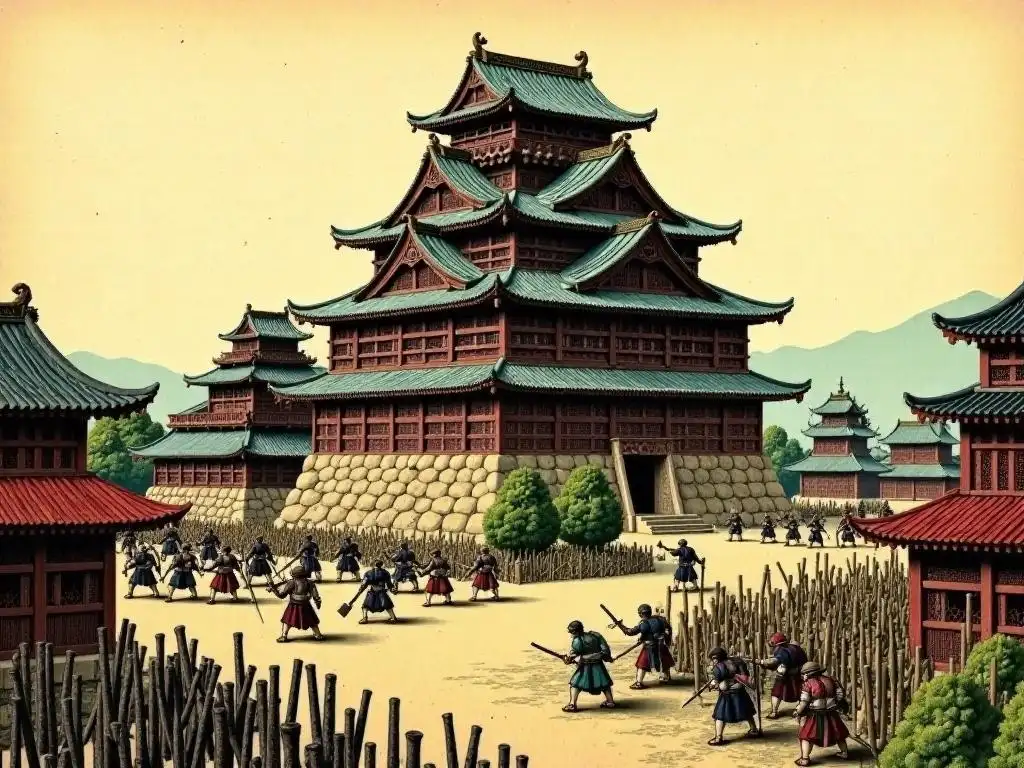
Welcome to Feudal Japan History, where we embark on a fascinating journey through the intricate layers of Japan's feudal era. Here, you'll uncover the rich tapestry of historical, cultural, and societal aspects that shaped this remarkable period. In our featured article, "Siege Warfare in Feudal Japan: Techniques and Lessons Learned," we delve deep into the strategic minds of samurai and warlords, revealing the innovative tactics that defined warfare in this era.
Prepare to be captivated as we explore the art of feudal Japan siege warfare techniques, sparking your curiosity about the battles that forged a nation. Dive in and discover the lessons that echo through time!
- Introduction to Feudal Japan Siege Warfare Techniques
- Historical Context of Siege Warfare in Feudal Japan
- Techniques of Siege Warfare in Feudal Japan
- Notable Siege Battles in Feudal Japan
- Lessons Learned from Feudal Japan Siege Warfare Techniques
- Comparisons with Other Cultures’ Siege Warfare Techniques
- Conclusion: The Legacy of Siege Warfare in Feudal Japan
-
Frequently Asked Questions
- What were the primary siege warfare techniques used in feudal Japan?
- How did terrain influence siege tactics in feudal Japan?
- What lessons were learned from historical sieges in feudal Japan?
- Were there any notable sieges that changed the course of feudal Japan history?
- How did cultural factors affect siege warfare in feudal Japan?
- Final Reflection: The Enduring Legacy of Feudal Japan's Siege Warfare Techniques
- Unlock the Secrets of Siege Warfare Today!
Introduction to Feudal Japan Siege Warfare Techniques
The history of feudal Japan is rich with tales of valor, strategy, and the art of warfare. Among the various military tactics employed during this era, siege warfare stands out as a crucial aspect of military operations that shaped the outcomes of numerous conflicts.
Understanding the feudal Japan siege warfare techniques not only provides insight into the military strategies of the time but also highlights the cultural and societal implications of warfare in a society governed by powerful clans and samurai warriors. This article will delve into the intricacies of siege warfare, exploring the techniques employed by Japanese forces and the lessons learned throughout these tumultuous periods.
Overview of Siege Warfare in Feudal Japan
Siege warfare in feudal Japan was characterized by a unique blend of strategy, technology, and the social dynamics of the time. The primary goal of a siege was to capture fortified locations, often castles or walled towns, which were critical for controlling territories. Notable elements of siege warfare included:
- Fortifications: Castles were often designed with multiple layers of defense, including moats, high walls, and watchtowers, making them formidable obstacles.
- Siege Engines: Techniques such as the use of battering rams, siege towers, and catapults were employed to breach defenses, reflecting the technological advancements of the period.
- Psychological Warfare: Psychological tactics played a significant role, with strategies aimed at demoralizing the enemy or convincing them to surrender without a fight.
Throughout different periods of feudal Japan, various clans adapted their siege techniques to meet the evolving challenges of warfare, influenced by both internal conflicts and external threats.
Importance of Siege Warfare in Japanese Military History
Siege warfare was pivotal in shaping the military landscape of feudal Japan. Its significance can be observed through several lenses:
- Power Dynamics: Successful sieges often determined the balance of power between clans, leading to shifts in territorial control and influence. For instance, the Siege of Osaka (1614-1615) was a critical conflict that marked the end of the Toyotomi clan's power.
- Cultural Reflection: The tactics and strategies employed during sieges reflected broader cultural values, such as honor, loyalty, and the samurai code of conduct (Bushido). These elements underscored the importance of warfare in the societal structure of feudal Japan.
- Lessons Learned: Each siege provided valuable lessons that influenced future military strategies, including the integration of psychological tactics, the importance of intelligence gathering, and the development of more sophisticated siege technologies.
In understanding the complexities of siege warfare in feudal Japan, we can appreciate how these tactics not only shaped military history but also provided essential insights into the culture and society of the time.
Historical Context of Siege Warfare in Feudal Japan

The Rise of Feudalism in Japan
The emergence of feudalism in Japan during the late Heian period (794-1185) set the stage for the development of complex military strategies, including siege warfare. The decentralization of power led to the formation of regional warlords, known as daimyō, who controlled land and governed their territories with military might. This shift in power dynamics was influenced by factors such as rising social unrest, economic instability, and the need for protection against external threats.
As the samurai class rose to prominence, they became the primary military force in these feudal domains. Their loyalty was often bound to their lords through a system of vassalage, which emphasized honor and duty. This loyalty was crucial during sieges, where the samurai's commitment could determine the outcome of protracted conflicts.
The feudal system also fostered the development of fortified structures, such as castles, which became pivotal in siege warfare. These fortifications were designed to withstand attacks and protect the inhabitants, serving as strategic strongholds during conflicts. The design of these castles evolved significantly, incorporating features like thick stone walls, moats, and elevated positions for better defense.
Key Historical Events Involving Siege Warfare
Several significant events mark the history of siege warfare in feudal Japan, showcasing the evolution of tactics and the impact of military innovations. Here are some of the most notable sieges:
- Siege of Fukuyama (1189): This siege involved Minamoto no Yoshitsune's forces as they attacked the castle of Fukuyama, held by the rival clan. Yoshitsune's use of surprise attacks and psychological warfare demonstrated the importance of strategy in siege tactics.
- Siege of Osaka (1614-1615): One of the most famous sieges in Japanese history, the Siege of Osaka was the culmination of the conflict between the Tokugawa shogunate and the Toyotomi clan. The Tokugawa employed a combination of artillery and naval blockades, showcasing advancements in siege technology. This siege ultimately led to the fall of the Toyotomi clan and solidified Tokugawa control over Japan.
- Siege of Takamatsu (1582): During the Sengoku period, the siege of Takamatsu highlighted the use of starvation tactics. The besieging forces, led by the warlord Toyotomi Hideyoshi, surrounded the castle and cut off supply routes, forcing the defenders to surrender after months of deprivation.
- Siege of Hachiman (1584): This siege exemplified the use of proxy warfare, where alliances played a crucial role. The conflict erupted between the forces of Toyotomi Hideyoshi and the Hojo clan, with Hideyoshi employing a mix of deception and alliances to weaken the defenses before launching a full-scale assault.
These historical events not only illustrate the tactical evolution of siege warfare in feudal Japan but also highlight the interplay of political power, military strategy, and cultural factors that shaped the feudal landscape. Understanding these events provides valuable lessons on the significance of preparation, intelligence, and adaptability in siege warfare, principles that remain relevant in military strategy today.
Techniques of Siege Warfare in Feudal Japan
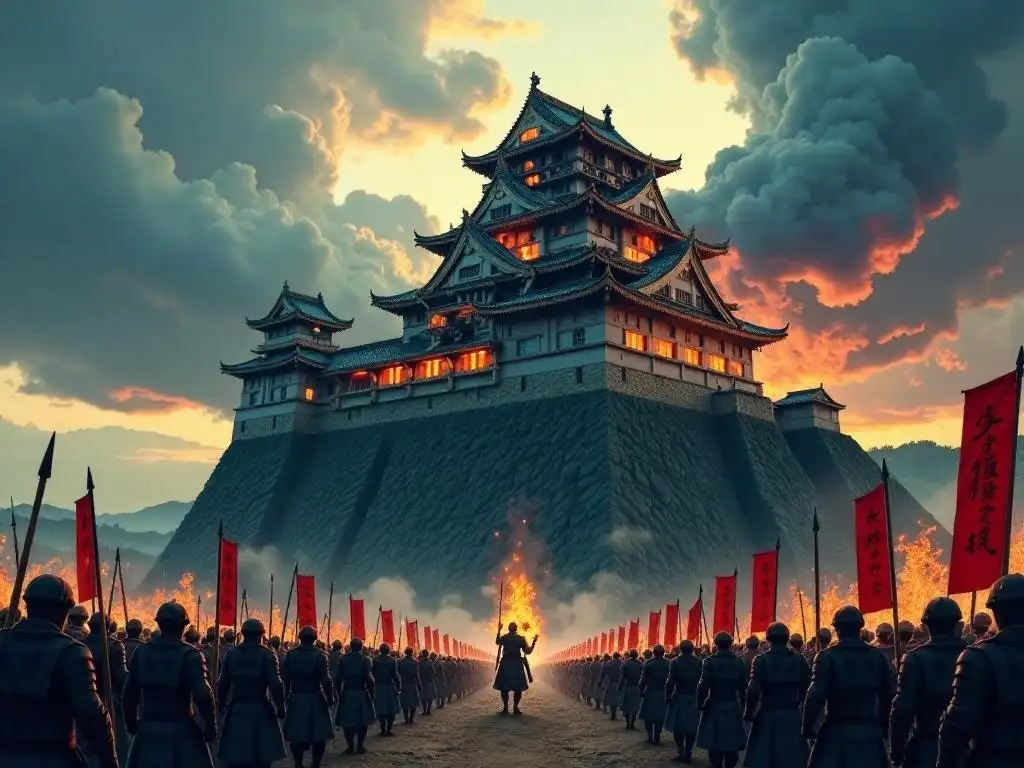
The feudal era in Japan was marked by numerous conflicts, many of which were characterized by intricate and evolving siege warfare techniques. Understanding these methods provides insight into the military strategies that defined the period. The technological advancements and tactical approaches employed during sieges had profound effects on the outcomes of battles, influencing the power dynamics within feudal Japan.
Siege Engines and Their Development
The development of siege engines was crucial in the evolution of siege warfare in feudal Japan. These engines were not only a testament to the engineering skills of the period but also played a significant role in determining the effectiveness of siege campaigns.
Types of Siege Engines Used in Feudal Japan
Several types of siege engines were utilized throughout feudal Japan, each designed for specific purposes:
- Tachi (Catapults): These large wooden structures were used to hurl projectiles, such as stones or flaming objects, over castle walls. The tachi was often constructed on-site due to its massive size.
- Hōkō (Battering Rams): A pivotal tool in siege warfare, the battering ram was used to break through gates or walls. Typically made of heavy timber, it was often reinforced with metal to increase its effectiveness.
- Kōkō (Siege Towers): These towering structures allowed attackers to scale the walls of a fortress. Equipped with a ramp or ladder, they enabled soldiers to breach defenses while providing cover from defenders above.
- Naginata (Fire Arrows): While not a siege engine per se, these flaming arrows were crucial in psychological warfare, causing chaos and fear among the defenders during an assault.
Innovations in Japanese Siege Technology
The dynamic nature of warfare led to significant innovations in siege technology during the feudal era. Key developments included:
- Improved Materials: The use of resilient woods such as hinoki and sugi made siege engines more durable, enhancing their longevity during prolonged sieges.
- Modular Construction: Siege engines began to adopt a modular design, allowing for easier transportation and assembly on-site. This flexibility was vital for rapid deployment during campaigns.
- Incorporation of Iron: The strategic use of iron in the reinforcement of siege engines and projectiles allowed for greater lethality and efficiency, marking a shift in effective siege tactics.
Tactical Approaches to Siege Warfare
Beyond the physical tools, the tactics employed during sieges played a significant role in determining their success. Japanese commanders developed multifaceted approaches that combined direct assault with cunning strategies.
Encirclement and Starvation Tactics
One of the primary tactics in siege warfare was the encirclement of enemy strongholds. This approach involved:
- Blockading Supply Routes: By cutting off access to food and resources, besieging forces could weaken their adversaries over time. This tactic was especially effective against castles that relied on supply lines for sustenance.
- Psychological Pressure: Prolonged sieges created a sense of despair among defenders. The knowledge that help was unlikely to arrive could lead to surrender without a direct assault.
- Gradual Erosion of Morale: The psychological impact of starvation and isolation was a powerful tool. Historical accounts illustrate how defenders, facing dwindling supplies and increasing desperation, often capitulated before a full-blown assault.
Use of Deception and Psychological Warfare
Deception played a crucial role in the tactics of siege warfare, bolstering the effectiveness of direct combat:
- Fake Retreats: Conducting a feigned withdrawal could lure defenders out of their stronghold, creating opportunities for surprise attacks or ambushes.
- Misinformation: Spreading rumors of reinforcements for the besieging army could instill fear and doubt within the defending ranks, leading them to make rash decisions.
- Use of Noise and Light: Creating distractions, such as loud noises or the use of torches at night, could confuse and disorient defenders, making them vulnerable to assault.
The techniques of siege warfare in feudal Japan were characterized by a blend of innovative technology and sophisticated tactical maneuvers. The interplay of siege engines, encirclement strategies, and psychological tactics not only shaped the course of individual battles but also influenced the broader military landscape of feudal Japan. Understanding these elements provides valuable lessons on the complexities of warfare during this pivotal historical period.
Notable Siege Battles in Feudal Japan

The Siege of Osaka (1614-1615)
Overview of the Siege
The Siege of Osaka represents one of the most significant military confrontations during the later years of the Sengoku period. Spanning from 1614 to 1615, this conflict was primarily between the Tokugawa shogunate and the forces loyal to Toyotomi Hideyori, the last descendant of the Toyotomi clan. The siege unfolded in two main phases: the Winter Siege and the Summer Siege.
The Tokugawa forces, led by Tokugawa Ieyasu, sought to eliminate the Toyotomi threat once and for all. The siege was characterized by intense fighting, with the defenders utilizing the massive Osaka Castle as a fortified stronghold. The castle itself was a marvel of engineering, featuring thick walls, moats, and strategic defensive positions that made it a formidable obstacle for the attackers.
Techniques Employed by Both Sides
Both the Tokugawa and Toyotomi forces employed a range of siege warfare techniques during the Siege of Osaka, demonstrating the evolving nature of military tactics in feudal Japan.
- Siege Weapons: The Tokugawa employed heavy artillery, including teppo (firearms) and hōkō (cannon), to breach the castle walls. These weapons were crucial in softening the defenses and causing significant casualties among the defenders.
- Blockades: The Tokugawa forces implemented a blockade to cut off supplies to the castle, starving the defenders and diminishing their morale over time. This tactic proved effective in the Winter Siege, leading to a gradual weakening of the Toyotomi forces.
- Counterattacks: The defenders attempted several counterattacks, utilizing surprise assaults during the night and exploiting the Tokugawa's vulnerabilities. This included the use of guerrilla tactics and ambushes to disrupt the siege efforts.
- Psychological Warfare: Both sides engaged in psychological tactics, including the use of false information and feigned retreats, to confuse and demoralize their opponents.
The Siege of Takamatsu (1582)
Strategic Importance of the Siege
The Siege of Takamatsu was a pivotal conflict during the late Sengoku period, occurring in 1582 when the forces of Toyotomi Hideyoshi besieged the Takamatsu Castle, held by the Uesugi clan. The castle's strategic location made it a vital stronghold for controlling the western regions of Japan.
Hideyoshi aimed to consolidate his power after the defeat of rival clans and saw the capture of Takamatsu as essential for securing his dominance. The siege lasted for approximately 11 months, during which Hideyoshi’s forces employed various innovative tactics that would later influence siege warfare in feudal Japan.
Lessons Learned from the Tactics Used
The Siege of Takamatsu offered several critical lessons in siege warfare techniques that resonated throughout the feudal era.
- Use of Deception: Hideyoshi utilized deception as a key tactic. By creating the illusion of a larger army and using false flags, he was able to intimidate the defenders and lower their morale. This highlighted the importance of psychological tactics in siege scenarios.
- Supply Management: The siege emphasized the significance of controlling supply lines. Hideyoshi effectively cut off resources to the castle, leading to starvation among the defenders. This underscored the necessity of logistics in warfare, illustrating that a prolonged siege often hinges on the besieged's access to food and supplies.
- Adaptation of Technology: The siege also showcased the evolving use of firearms and siege engines. The introduction of gunpowder weaponry played a crucial role in breaching the castle's defenses, setting a precedent for future conflicts.
- Coalition Building: The siege demonstrated the value of forming alliances. Hideyoshi’s ability to garner support from local clans and incorporate their forces into his strategy proved vital in overcoming the Uesugi defenses.
The notable siege battles of feudal Japan, particularly the Siege of Osaka and the Siege of Takamatsu, reveal the complexity and evolution of siege warfare techniques during this tumultuous period. The lessons learned from these engagements continue to resonate within the study of military history and tactics.
Lessons Learned from Feudal Japan Siege Warfare Techniques
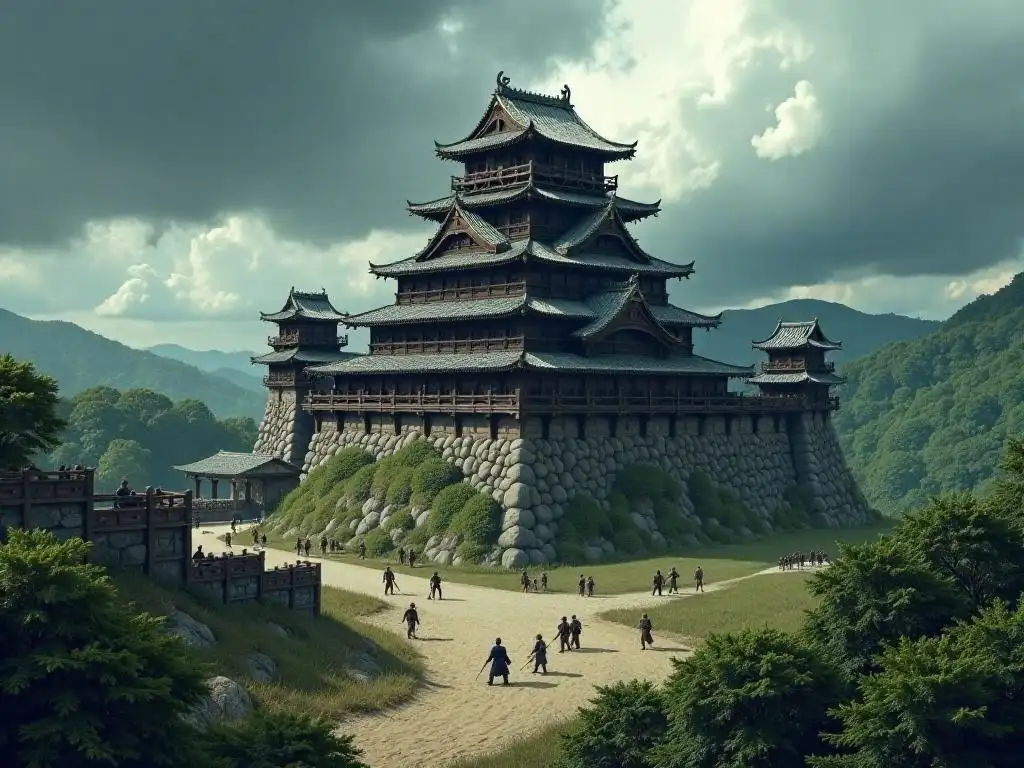
The siege warfare techniques employed during Japan’s feudal era provide valuable insights into the military strategies of the time. These methods were not only a reflection of the technological advancements but also of the social and political dynamics that shaped the conflicts of the period. Understanding these lessons helps to appreciate how siege warfare evolved and adapted over time in response to various challenges.
Adaptation and Evolution of Siege Tactics
Throughout the feudal period, siege warfare in Japan underwent significant changes influenced by both internal and external factors. The introduction of gunpowder and firearms in the late 16th century transformed traditional siege tactics. The following key adaptations highlight this evolution:
- Use of Fortifications: Early in the feudal era, castles were primarily built with wooden structures, which were vulnerable to fire. As conflicts escalated, stone fortifications became the norm, enhancing durability and defense capabilities.
- Incorporation of Firearms: The arrival of matchlock guns (tanegashima) prompted defenders to rethink their strategies. For instance, during the Siege of Takeda, defenders utilized gunfire to deter attackers, showing a shift towards active resistance rather than passive defense.
- Psychological Warfare: Leaders began to understand the importance of morale. Tactics such as displaying severed heads or using psychological intimidation through noise and deception became prevalent to demoralize the enemy.
- Combined Arms Approach: The integration of infantry, archers, and cavalry in siege operations marked a significant tactical advancement. This combination allowed for more flexible and dynamic responses during prolonged sieges.
Influence of Terrain in Siege Warfare
The geographical features of Japan played a crucial role in shaping siege strategies. The mountainous landscape, dense forests, and numerous rivers influenced both the attack and defense in significant ways.
- Natural Barriers: Many castles were strategically positioned on hills or near rivers, making them difficult to besiege. The terrain often provided a natural defense, compelling attackers to devise elaborate strategies to overcome these obstacles.
- Siege Craft Adaptation: The deployment of siege engines, such as catapults and later, cannons, required careful consideration of the terrain. For example, in the Takeda campaigns, the use of portable siege towers was essential for overcoming the elevation advantage of defenders.
- Logistics and Supply Lines: Control over the surrounding terrain was critical for maintaining supply lines. The inability to secure food and resources often led to the failure of prolonged sieges. For instance, the Siege of Osaka highlighted how terrain control affected resource distribution, ultimately impacting the siege's outcome.
The Role of Intelligence and Reconnaissance
Effective intelligence and reconnaissance were paramount in the success of siege operations. The ability to gather information about the enemy's strengths, weaknesses, and movements often determined the fate of sieges.
- Information Gathering: Scouts and spies played vital roles in gathering information about enemy fortifications and troop movements. The successful siege of Fushimi Castle in 1600 was largely attributed to the careful reconnaissance that revealed the castle’s vulnerabilities.
- Deception and Misdirection: Misinformation was frequently employed to manipulate enemy perceptions. By feigning attacks or spreading false intelligence, commanders could create openings for successful assaults.
- Adaptability through Intelligence: Continuous observation allowed besieging forces to adapt their tactics dynamically. For example, shifts in the enemy’s supply routes or morale could lead to immediate tactical changes, ensuring a more effective siege approach.
The lessons learned from feudal Japan siege warfare techniques illustrate a complex interplay of adaptation, environmental influence, and intelligence operations. These elements not only shaped military strategies of the time but also laid the groundwork for future developments in warfare. The study of these strategies offers a deeper understanding of Japan's rich military history and its lasting impact on modern military tactics.
Comparisons with Other Cultures’ Siege Warfare Techniques
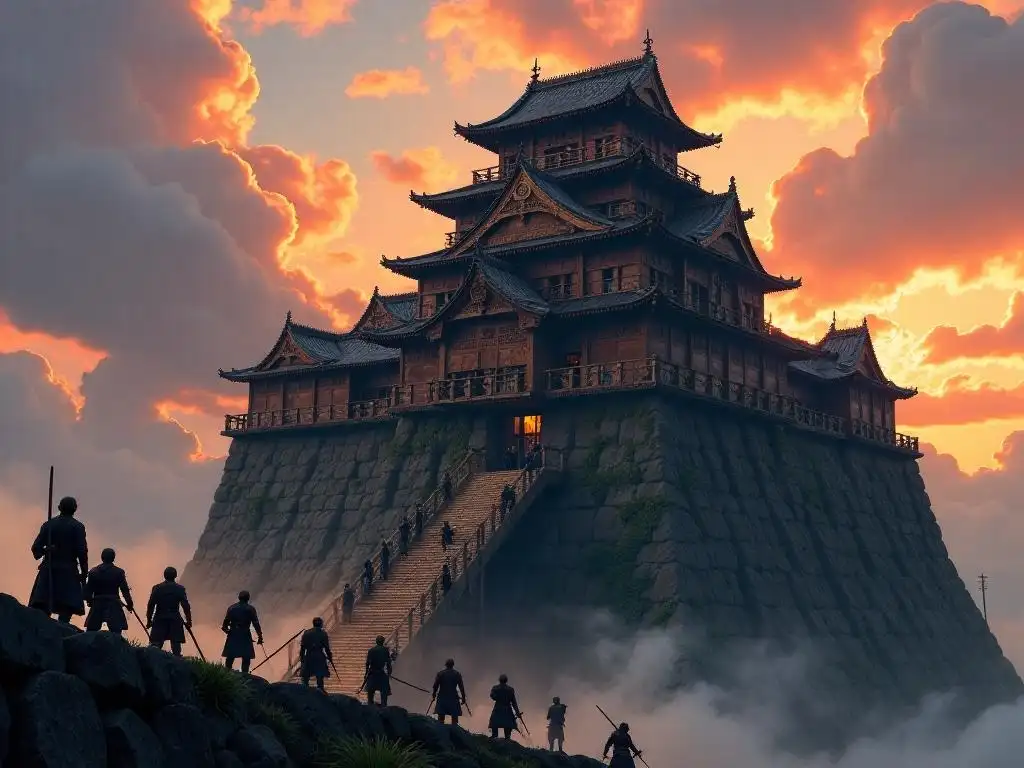
The study of siege warfare techniques reveals intriguing similarities and differences across cultures. In feudal Japan, siege warfare was shaped by geographical, cultural, and technological factors, which can be compared to methods adopted in Europe and China. Understanding these comparisons provides valuable insights into the evolution of military strategies and their effectiveness in various contexts.
Similarities and Differences with European Siege Tactics
The siege tactics of feudal Japan share both similarities and differences with those of medieval Europe.
Similarities:
- Use of Fortifications:
- Both cultures emphasized the construction and use of fortified structures. Japanese castles, similar to European castles, included moats, walls, and towers designed to withstand prolonged assaults.
- Siege Engines:
- The deployment of siege engines such as catapults and trebuchets was common in both regions. Japanese forces utilized stone-throwing devices, while Europeans favored more advanced designs like the trebuchet for its greater range and power.
- Psychological Warfare:
- Both cultures employed psychological tactics to demoralize the enemy. This included displays of strength, such as mock assaults or feigned retreats, aimed at causing uncertainty and fear among defenders.
Differences:
- Terrain Adaptation:
- Japanese siege tactics were heavily influenced by the terrain, which often included mountainous regions and dense forests. This led to unique strategies, including the use of stealth and surprise attacks, contrasting with the more direct approaches often employed in European sieges.
- Duration of Sieges:
- Sieges in Europe tended to last longer, often extending for months or even years due to the availability of resources and reinforcements. In contrast, Japanese sieges were typically shorter, with a focus on swift assaults to minimize losses and maintain morale.
- Cultural Factors:
- The samurai code of conduct (Bushido) emphasized honor and direct combat, which sometimes conflicted with the more pragmatic European approaches that prioritized victory over valor. This cultural aspect influenced the methods of engagement during sieges in feudal Japan.
Insights from Chinese Siege Warfare Techniques
Chinese siege warfare techniques have also left a significant mark on the strategies employed in feudal Japan. The interactions between these two cultures, particularly during periods of trade and conflict, facilitated the exchange of military knowledge.
Key Insights:
- Use of Gunpowder:
- The introduction of gunpowder-based weapons in China, such as fire arrows and bombards, eventually influenced Japanese siege tactics. The adaptation of these technologies marked a turning point in how sieges were conducted, offering new methods to breach defenses.
- Siege Ladders and Towers:
- Both cultures utilized siege ladders and towers to scale fortifications. However, the Chinese approach often included more advanced designs, such as multi-story siege towers that allowed troops to attack from a height, which Japanese forces later adapted.
- Strategic Withdrawal:
- Chinese military philosophy often emphasized retreat as a strategic option, allowing for regrouping and re-evaluation of tactics. This idea contrasts with the Japanese emphasis on honor, which sometimes led to stubborn resistance even in the face of overwhelming odds.
- Coordinated Assaults:
- Chinese tactics frequently involved coordinated assaults on multiple fronts, a strategy that Japanese commanders began to adopt in their own sieges. This approach increased the chances of breaching defenses by overwhelming the enemy.
The comparison of feudal Japan’s siege warfare techniques with those of Europe and China highlights a rich tapestry of military innovation and adaptation. By understanding these techniques and their cultural contexts, we gain a deeper insight into the complexities of warfare during this era.
Conclusion: The Legacy of Siege Warfare in Feudal Japan
The legacy of siege warfare in feudal Japan is a testament to the ingenuity and resourcefulness of Japanese military leaders and their troops. The techniques developed during this era not only influenced subsequent military strategies but also shaped the sociopolitical landscape of the time. The meticulous planning and execution of siege operations reflected the broader themes of power, loyalty, and the shifting dynamics of feudal society.
Throughout the various conflicts, from the Genpei War to the Onin War, the strategies and tactics employed during sieges provided critical lessons about the importance of logistics, troop morale, and the psychological aspects of warfare. These lessons would resonate through the ages, informing the conduct of future military engagements in Japan and beyond.
Lasting Impact on Japanese Military Strategy
The siege warfare techniques developed during feudal Japan left an indelible mark on Japanese military strategy. Key features of these techniques included:
- Use of Fortifications: Castles became central to Japanese military strategy, serving as strongholds that were difficult to breach. The architectural innovations of these fortifications allowed for effective defense against sieges.
- Psychological Warfare: The deployment of psychological tactics, such as misinformation and intimidation, played a crucial role. Commanders often aimed to lower enemy morale before engaging in direct confrontation, which could lead to faster victories without prolonged conflict.
- Logistical Considerations: The importance of supply lines and resource management became apparent during sieges. Commanders learned to prioritize the maintenance of provisions for their troops while cutting off enemy supplies to weaken their resolve.
- Diplomatic Maneuvering: Sieges often involved alliances and negotiations, showcasing the need for diplomacy alongside military might. This aspect became essential in forming strategic partnerships that could alter the outcome of conflicts.
The adaptation and evolution of these strategies were pivotal in shaping Japan's military history, influencing the conduct of warfare not only in the feudal era but also in subsequent periods, including the Sengoku period.
Reflections on Feudal Japan Siege Warfare Techniques in Modern Context
The techniques of feudal Japan siege warfare continue to offer valuable insights for modern military strategists and historians. While the technological landscape has drastically changed, the fundamental principles of siege warfare remain relevant.
- Adaptation of Strategies: Modern military operations often echo the tactics used in feudal Japan, such as the use of fortified positions and the psychological aspects of warfare. Understanding historical techniques can provide contemporary commanders with frameworks for developing effective strategies in urban combat scenarios.
- Cultural Lessons: The cultural significance of siege warfare in Japan, including the samurai code of honor and loyalty, informs not only military ethics but also the broader societal values that influence contemporary military conduct.
- Training and Simulation: Historical siege techniques are utilized in military training programs to simulate real-world scenarios, helping to prepare new generations of soldiers for complex operational environments.
The study of feudal Japan siege warfare techniques reveals much about the past and provides essential lessons that endure in modern military strategy. By reflecting on these historical practices, we can appreciate their lasting impact and the continuous evolution of warfare across centuries.
Frequently Asked Questions
What were the primary siege warfare techniques used in feudal Japan?
The primary siege warfare techniques included catapulting projectiles, constructing wooden fortifications, and utilizing fire arrows to breach enemy defenses.
How did terrain influence siege tactics in feudal Japan?
The terrain played a crucial role in determining siege tactics; for example, mountainous regions required different strategies than flat plains, affecting both attack and defense.
What lessons were learned from historical sieges in feudal Japan?
Historical sieges taught commanders the importance of intelligence gathering, the need for resource management, and the effectiveness of psychological warfare against opponents.
Were there any notable sieges that changed the course of feudal Japan history?
Yes, the Siege of Osaka (1614-1615) is one such event that significantly altered the power dynamics, leading to the consolidation of the Tokugawa shogunate.
How did cultural factors affect siege warfare in feudal Japan?
Cultural factors, including samurai honor, influenced siege strategies, as well as the role of religion in motivating troops and justifying actions taken during conflicts.
Final Reflection: The Enduring Legacy of Feudal Japan's Siege Warfare Techniques
The intricate strategies and techniques of siege warfare in feudal Japan remain profoundly relevant today, as they reveal not only the tactical ingenuity of the past but also the timeless principles of resilience and adaptability in the face of adversity. In an era where conflict continues to shape our world, understanding the methods employed by samurai and warlords offers invaluable insights into the art of strategy and the importance of preparation. The lessons learned from these historical practices resonate in modern military and conflict resolution strategies, reminding us that the essence of warfare transcends time.
The impact of feudal Japan's siege warfare techniques extends beyond the battlefield; it has woven itself into the cultural and social fabric of Japan and beyond. These techniques have influenced not only military tactics but also the way societies approach conflict and negotiation. The stories of legendary figures like Takeda Shingen and Uesugi Kenshin serve as powerful reminders of the complexities of honor, strategy, and the human spirit in warfare. In the midst of chaos, there is also opportunity.
This quote encapsulates the essence of siege warfare, where every challenge presents a chance for innovation and growth.
As we reflect on these historical lessons, let us consider how we can apply the principles of feudal Japan's siege warfare techniques in our own lives. Embrace the challenges you face as opportunities for growth, and remember that resilience and strategic thinking can lead to triumph even in the most daunting circumstances. Whether in personal struggles or professional endeavors, the spirit of adaptability and foresight exemplified by the samurai can inspire us to navigate our own sieges with courage and creativity.
Unlock the Secrets of Siege Warfare Today!
Thank you for joining us on this journey through the fascinating world of siege warfare in feudal Japan. We hope you’ve gained valuable insights into the techniques and strategies that shaped this remarkable period in history. Now, let’s take this knowledge further!
Here are a few actionable steps you can take right now:
- Dive deeper into the subject! Explore our extensive library of articles on feudal Japan and discover more about the influential figures, significant battles, and innovative tactics of the time.
- Join the conversation on our forum! Share your thoughts on siege tactics or pose questions to fellow history enthusiasts and experts.
- Challenge yourself: Try to recreate a famous siege technique in a game or simulation, and see how contemporary strategies measure up.
What aspect of siege warfare intrigues you the most, and how might it relate to modern strategies? We invite you to share your thoughts with us!