
The Role of Festivals and Rituals in Preparing for Battle

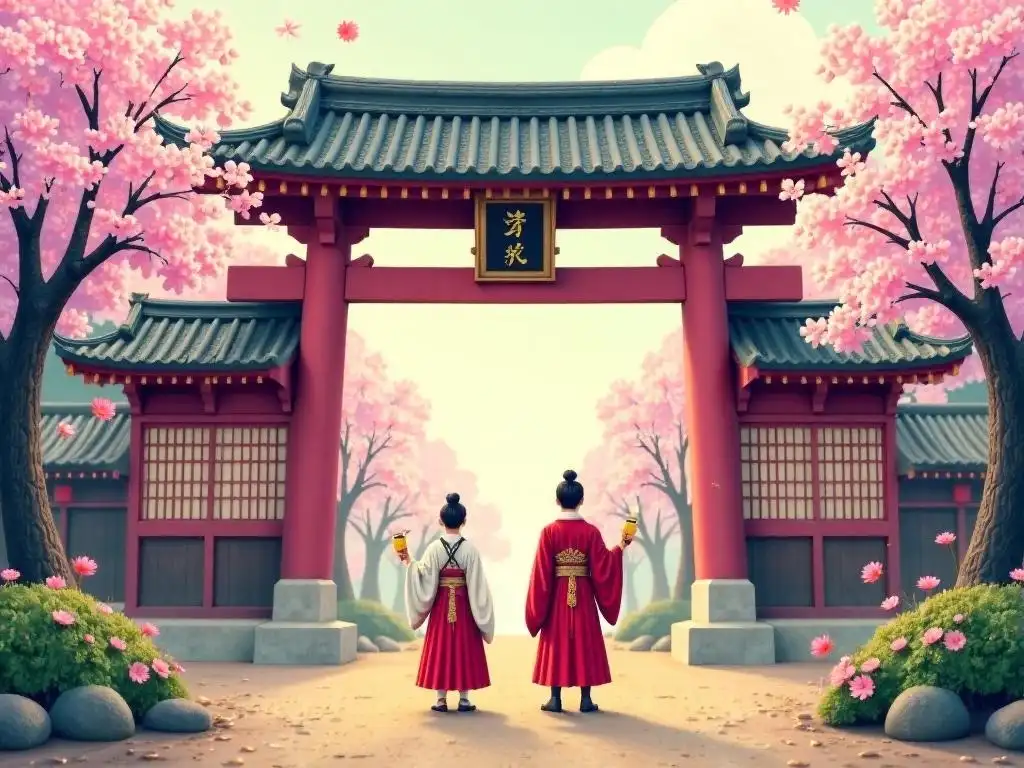
Welcome to Feudal Japan History, where we embark on a captivating journey through the intricate tapestry of Japan's feudal era. Dive deep into the vibrant world of Japanese feudal era festivals, where the intersection of culture and warfare reveals the unique rituals that shaped the battlefield preparations. Have you ever wondered how these splendid celebrations intertwined with military strategy? Prepare to be intrigued as we uncover the profound significance of festivals and rituals in this fascinating period, inviting you to explore the rich narratives that await in our in-depth articles. Your adventure through history starts here!
Festivals and rituals played a significant role in the Japanese feudal era, serving as pivotal elements that intertwined cultural practices with the military ethos of the time. Emphasizing spiritual, social, and psychological dimensions, these celebrations were not only community gatherings but also critical precursors to the battlefield. As samurai warriors prepared for confrontations, festivals provided them with moments of reflection, camaraderie, and spiritual fortification. This article delves into the multifaceted connections between Japanese feudal era festivals and military preparedness, exploring how these vibrant celebrations influenced the mindset and tactics of warriors during an age defined by conflict and honor.
Introduction to Japanese Feudal Era Festivals
Overview of the Japanese Feudal Era
The Japanese feudal era, spanning from the 12th to the 19th century, was characterized by a decentralized political structure dominated by powerful feudal lords, known as daimyōs, and their vassals, the samurai. This period was marked by constant warfare, territorial disputes, and the evolution of a distinct warrior culture. Festivals, or matsuri, emerged as essential societal events that celebrated agricultural cycles, honored deities, and reinforced community bonds. Embedded within these festivals were elements that prepared samurai for the rigors of battle, making them crucial to understanding the interplay between culture and military strategy.
Importance of Festivals in Japanese Culture
Festivals in Japan were not merely festive occasions; they encapsulated centuries of tradition, spirituality, and community engagement. Each festival often honored specific deities or marked seasonal changes, showcasing unique rituals, performances, and offerings. These events fostered a sense of identity and continuity within communities, allowing people to connect with their heritage.
Moreover, festivals served as a platform for the samurai to display their prowess, reinforcing their status within society and highlighting their role as protectors of their lands. The vibrant atmosphere of these celebrations contributed to the psychological and social fabric essential for maintaining morale both in peacetime and before battle.
The Connection Between Festivals and Military Preparedness
Historical Context: Festivals as Pre-Battle Rituals
Throughout the feudal era, certain festivals were specifically designed to coincide with military campaigns. These gatherings often included rituals meant to invoke divine favor and ensure success in battle. For instance, the Kagura dance, performed at shrines, was believed to appease the gods and bless the warriors with strength and courage. Additionally, historical accounts reveal that lords would organize large public festivals to boost troop morale and reinforce loyalty among samurai. The ceremonial aspect of these events often mirrored the strategic preparations necessary for imminent warfare, blending the sacred and the martial into a cohesive framework for readiness.
Psychological Impact of Festivals on Samurai Warriors
The psychological effects of participating in festivals cannot be underestimated. Engaging in communal celebrations allowed samurai to bond with their peers, fostering a sense of unity and purpose. The rituals performed during festivals, such as purification ceremonies and offerings, served to mentally prepare warriors for the challenges ahead.
Moreover, these events acted as a reminder of their cultural values, including honor, loyalty, and sacrifice. As samurai transitioned from festive revelry to the somber reality of battle, the emotional and spiritual uplift provided by such gatherings played a crucial role in shaping their mindset, ultimately influencing their performance on the battlefield.
Major Festivals During the Japanese Feudal Era
The Japanese feudal era was marked by a rich tapestry of festivals, known as matsuri, that played a crucial role in the lives of samurai and their clans. These festivals were not merely social gatherings; they were deeply intertwined with the cultural and military fabric of the time.
Matsuri often coincided with seasonal changes, agricultural cycles, and significant historical events, serving as both a celebration of community and a preparation for the challenges ahead, including warfare. The rituals performed during these festivals were believed to invoke the protection of deities and ensure success in battle, thus highlighting the dual nature of celebration and seriousness in their observance.
The Matsuri: Celebrations of the Seasons
Matsuri, derived from the word "matsuri" meaning "to serve," often revolved around seasonal changes, harvests, and fertility. During these celebrations, communities came together to honor their local deities and express gratitude for bountiful harvests. The festivals featured vibrant parades, traditional dances, and offerings to gods, which were integral to the social fabric of feudal Japan.
For warriors, these celebrations were significant because they provided an opportunity to showcase their martial prowess. Elaborate floats, or yamaboko, were paraded through towns, often embellished with symbols of strength and protection. This not only fostered a sense of community but also served as a display of readiness and unity among samurai, reinforcing their role as protectors of the realm. The participation of warriors in these festivities was a way to prepare mentally and spiritually for the battles that lay ahead.
The Role of Shinto Rituals in Battle Preparation
Shinto, the indigenous spirituality of Japan, played a pivotal role in the festivals of the Japanese feudal era. Rituals rooted in Shinto beliefs were crucial in preparing warriors for battle. These rituals often included purification ceremonies, offerings, and prayers to the kami (deities) for protection and success.
Before heading into battle, samurai would partake in ceremonies that involved cleansing themselves in rivers or with salt, symbolizing the removal of impurities. This purification was essential not only for spiritual readiness but also for instilling a sense of discipline and focus among the warriors. The connection to Shinto beliefs reinforced the idea that success in battle was not solely dependent on physical skill but also on divine favor.
Notable Festivals and Their Military Significance
Several festivals in the Japanese feudal era held particular military significance, influencing both the morale of troops and the outcomes of battles. One such festival is the Aoi Matsuri, celebrated in Kyoto, which marked the beginning of the planting season. The rituals performed during this time were believed to invoke the blessings of the gods for a successful harvest and protection in warfare.
Another important festival was the Gion Matsuri, which involved a series of events aimed at appeasing the kami to ward off illness and misfortune. The festival’s elaborate processions and ceremonial offerings served as a reminder of the samurai's duty to protect their people. Such festivals not only fostered community spirit but also reinforced the notion that warriors were fighting not just for land but for the preservation of their culture and the well-being of their society.
Rituals and Ceremonies in Pre-Battle Preparation
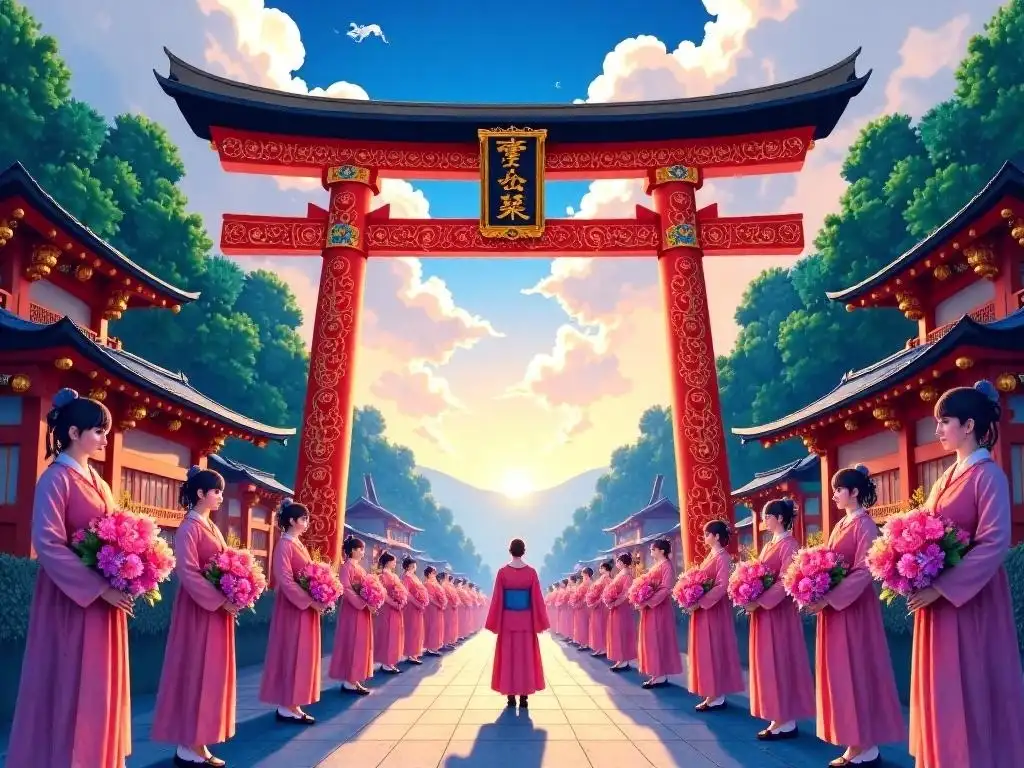
In the context of preparing for battle, various rituals and ceremonies were critical in enhancing the spiritual readiness of samurai. These practices were not merely superstitious but were deeply rooted in the belief that the outcome of warfare could be influenced by divine intervention.
The Significance of Purification Rituals
Purification rituals were fundamental in the samurai's pre-battle preparations. These rituals often involved the use of water or salt to cleanse both the body and spirit. The act of purification was believed to remove negative energies and impurities that could hinder a warrior's performance in battle.
Such rites were typically conducted by a shrine priest, who would chant prayers and perform specific movements to invoke the blessings of the kami. The mental clarity and focus that resulted from these rituals were seen as essential components of a samurai's readiness, allowing them to engage in combat with a clear mind and pure heart.
Offerings to Deities: Seeking Favor in Battle
Offerings to the kami were a common practice among samurai before embarking on military campaigns. These offerings varied from food and sake to symbolic items like swords and armor, representing the warriors' dedication and respect for the divine.
By presenting these offerings, samurai sought to ensure the favor of the deities in their upcoming battles. It was believed that by appeasing the kami, they would gain not only protection but also luck and strength in combat. This relationship between the samurai and the divine underscored the importance of spirituality in the martial world of feudal Japan.
The Role of Music and Dance in Military Festivals
Music and dance were integral to the festivals and rituals associated with battle preparation. Traditional instruments such as taiko drums, flutes, and shamisen would resonate through the air, creating a vibrant atmosphere that energized the participants.
The performances often included martial dances that depicted combat techniques, serving both as entertainment and as a means of training. Engaging in these artistic expressions allowed warriors to bond with one another, fostering camaraderie and boosting morale before facing the challenges of battle. The rhythmic beats of the drums and the movements of the dancers were believed to invoke the spirits of ancestors, further enhancing the connection between the past and present battles faced by the samurai.
Case Studies of Festivals Impacting Battle Outcomes
Throughout the Japanese feudal era, various festivals played a crucial role in shaping the morale and preparedness of warriors. These events were not merely social gatherings; they often served as significant rituals that influenced battle outcomes. By examining specific case studies, we can see how festivals were intricately linked to the ethos of warfare and the psychological state of samurai.
The Battle of Okehazama: Festival Influence
The Battle of Okehazama, fought in 1560, is a prime example of how a festival could impact the dynamics of warfare. Leading up to this pivotal battle, the Oda clan faced a larger force commanded by Imagawa Yoshimoto. In a strategic twist, Oda Nobunaga used the timing of the local festival to his advantage. The festival festivities distracted Imagawa’s forces, as many were preoccupied with the celebrations and had lowered their guard.
Nobunaga capitalized on this opportunity by launching a surprise attack. The psychological effect of the festival, which created a sense of complacency among the enemy, allowed Nobunaga’s smaller army to achieve a remarkable victory. This battle demonstrated the significance of festivals not only as cultural events but also as tactical elements that could alter the course of history.
The Takayama Festival and Its Role in Samurai Morale
The Takayama Festival, held annually in Gifu Prefecture, is another significant event that highlights the interplay between festivals and samurai morale. This festival, with its vibrant parades and elaborate floats, was more than just a celebration; it was a source of inspiration for the warriors preparing for battle.
During the feudal era, samurai attended the Takayama Festival to seek blessings from the local deities. The rituals performed during the festival were believed to enhance their courage and fortitude. For instance, the ceremonial offerings made to the kami (spirits) were thought to ensure divine protection in the face of conflict. The camaraderie fostered during the festivities helped reinforce loyalty among samurai, creating a united front when faced with the challenges of war.
The Evolution of Festivals and Rituals in Warfare
As Japan transitioned through different historical phases, so too did the nature of festivals and rituals associated with warfare. These changes reflect broader shifts in societal values, military strategies, and the role of spirituality in the lives of samurai.
Changes in Festival Practices Over the Feudal Era
Throughout the feudal era, festival practices evolved significantly. Initially, many festivals were deeply rooted in Shinto beliefs, emphasizing purification and the seeking of favor from the kami. As the samurai class gained prominence, the focus of these festivals began to shift towards showcasing martial prowess and celebrating victories.
For example, the introduction of the Kenka Matsuri, or “fighting festivals,” allowed warriors to demonstrate their skills in mock battles as part of the celebrations. These events served both as entertainment and as a means of preparing for actual combat, reinforcing the martial culture that defined the samurai ethos.
The Decline of Traditional Festivals in Modern Japan
With the advent of modernization and the Meiji Restoration in the late 19th century, traditional festivals tied to warfare began to decline. The new government sought to modernize the military and diminish the feudal system, leading to a transformation of cultural practices. Many festivals that once held significant military connotations were either altered or abandoned altogether.
Today, while some festivals remain celebrated, their original meanings have been diluted. The focus has shifted towards cultural preservation rather than martial preparation. However, remnants of these historical practices can still be seen in modern celebrations, reflecting the enduring legacy of the samurai and their connection to the festivals of their time.
The evolution of festivals and rituals in Japan not only illustrates the changing landscape of warfare but also highlights the profound relationship between culture and combat throughout the Japanese feudal era.
Conclusion: Lasting Legacy of Festivals in Japanese Military History
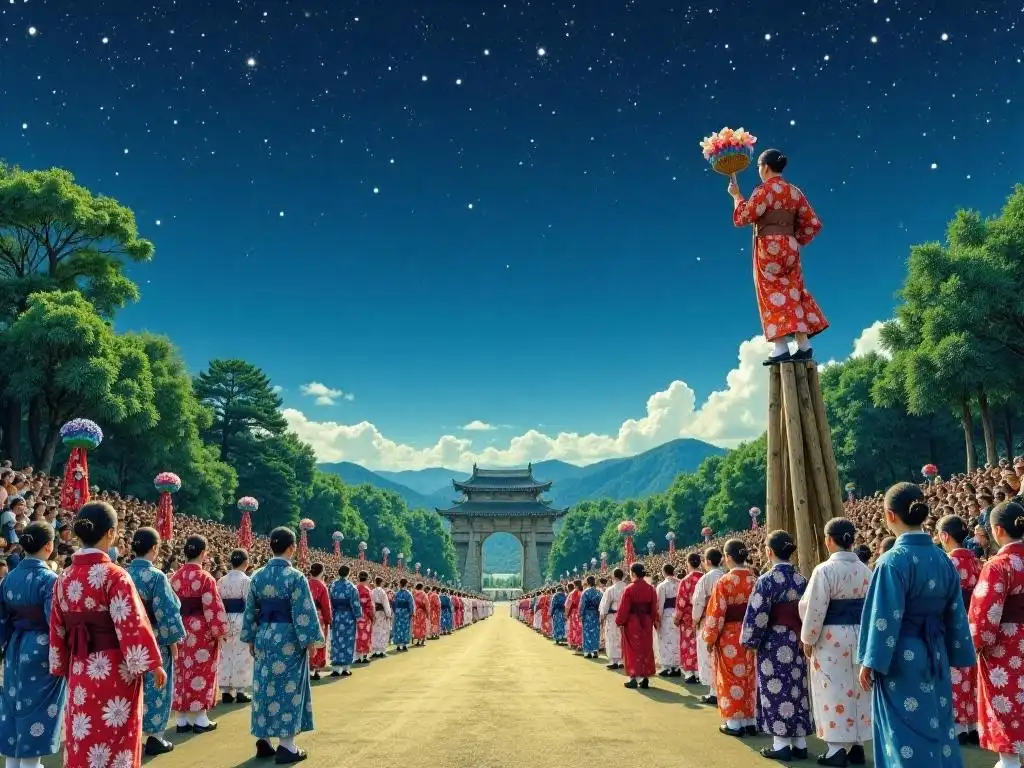
The festivals and rituals of the Japanese feudal era played a pivotal role in shaping the military landscape of the time. These events were not merely celebratory; they served as a crucial foundation for instilling discipline, unity, and morale among warriors. The intricate rituals, often steeped in Shinto beliefs, reinforced the spiritual connection between the samurai and their ancestors, fostering a sense of purpose and devotion to their lords and clans.
Moreover, the festivals allowed for the strategic display of power and resources, showcasing the might of a clan to both allies and adversaries. The vibrant parades, elaborate costumes, and martial displays during these festivals conveyed strength and readiness for battle, effectively influencing the psychological dynamics of warfare. The legacy of these festivals continues to resonate in modern Japan, where traditional events still reflect the historical significance of community, honor, and martial prowess.
Reflections on the Role of Festivals in Shaping Warrior Culture
Festivals during the Japanese feudal era were integral in cultivating a unique warrior culture. They served as opportunities for samurai to reaffirm their loyalty to their lords and to each other, reinforcing the bonds that were essential for cohesive military action. The rituals associated with these festivals often included prayers for victory and protection, which not only instilled hope but also established a communal identity among the warriors.
The participation in these events often required rigorous training and preparation, further embedding the values of discipline and resilience within the samurai ethos. As warriors dressed in ceremonial armor and participated in mock battles, they honed their skills while simultaneously celebrating their cultural heritage. This blend of martial practice and cultural expression significantly shaped the character of the samurai, embedding the principles of honor, bravery, and sacrifice within their daily lives.
Future Research Directions on Japanese Feudal Era Festivals
The study of Japanese feudal era festivals presents a rich avenue for future research, particularly in understanding their multifaceted roles beyond mere celebrations. Scholars could explore the specific rituals and their variations across different regions and clans, analyzing how geographical and cultural contexts influenced festival practices.
Additionally, interdisciplinary approaches that incorporate anthropology, sociology, and religious studies can yield deeper insights into the social functions of these festivals. Investigating the impact of festivals on the political dynamics of feudal Japan, particularly their role in alliances and conflicts, could also provide valuable perspectives on the interplay between culture and military strategy.
Moreover, examining contemporary interpretations and adaptations of these historical festivals could reveal how modern Japanese society continues to engage with its feudal past, ensuring that the legacy of these cultural events remains relevant. By expanding the scope of research, we can better appreciate the complexities of Japanese feudal era festivals and their enduring significance in historical and cultural narratives.
- Introduction to Japanese Feudal Era Festivals
- The Connection Between Festivals and Military Preparedness
- Major Festivals During the Japanese Feudal Era
- Rituals and Ceremonies in Pre-Battle Preparation
- Case Studies of Festivals Impacting Battle Outcomes
- The Evolution of Festivals and Rituals in Warfare
- Conclusion: Lasting Legacy of Festivals in Japanese Military History
- Reflections on the Role of Festivals in Shaping Warrior Culture
- Future Research Directions on Japanese Feudal Era Festivals
- What was the significance of festivals during the Japanese feudal era?
- How did festivals influence societal structure in feudal Japan?
- Were there specific festivals dedicated to warriors?
- How did the cultural aspects of festivals evolve over time in feudal Japan?
- What role did rituals play in the context of battle preparations?
Frequently Asked Questions
What was the significance of festivals during the Japanese feudal era?
Festivals played a crucial role in strengthening community bonds and preparing warriors for battle. They often included rituals that invoked the blessings of deities for victory and protection.
How did festivals influence societal structure in feudal Japan?
Festivals reflected the hierarchical nature of society, where different classes participated in specific ways. They reinforced loyalties and established social order through shared cultural practices.
Were there specific festivals dedicated to warriors?
Yes, several festivals were dedicated to warriors, focusing on martial prowess. Events like the Danjiri Matsuri showcased the strength and skill of samurai, preparing them both physically and spiritually for combat.
How did the cultural aspects of festivals evolve over time in feudal Japan?
Cultural aspects of festivals evolved by incorporating local traditions and Buddhist influences, leading to a unique blend of Shinto beliefs and regional customs that shaped the Japanese feudal era.
What role did rituals play in the context of battle preparations?
Rituals were essential for psychological readiness, helping warriors to focus and find courage before battle. They often involved offerings to gods and ancestors, reinforcing the spiritual connection of the warriors.
Final Reflection: The Enduring Spirit of Japanese Feudal Era Festivals
The intricate relationship between festivals and rituals during the Japanese feudal era remains profoundly relevant today, as these cultural practices not only shaped the warriors of the past but also continue to influence modern society. The vibrant celebrations that once prepared samurai for battle are a testament to the power of community and tradition in fostering resilience and unity. In an age where individualism often overshadows collective identity, the lessons embedded in these historical practices remind us of the strength found in shared experiences.
The impact of these festivals extends beyond mere historical significance; they resonate within our contemporary cultural landscape, reminding us of the importance of ritual in our lives. The communal gatherings, elaborate ceremonies, and spiritual preparations that characterized these events were not just about the battles fought on the field; they were about forging bonds, honoring ancestors, and instilling a sense of purpose. As the historian John W. Hall once noted, Rituals are the threads that weave the fabric of society, connecting us to our past and guiding our future.
This observation highlights how the essence of these festivals continues to influence our social interactions and cultural expressions today.
As we reflect on the role of festivals and rituals in preparing for battle, let us consider how we can incorporate the spirit of these traditions into our own lives. I invite you to explore the significance of community in your personal journey, to honor your own rituals, and to recognize the power of shared experiences in overcoming challenges. By embracing the lessons of the past, we can cultivate a deeper connection to our heritage and foster a sense of unity that transcends time, inspiring us to face our own battles with courage and resolve.
Unleash the Spirit of Feudal Japan!
Thank you for joining us on this exploration of the festivals and rituals that shaped the battlegrounds of feudal Japan. You’ve unearthed the profound connections between culture and combat, and now it's time to take that knowledge further.
Embrace the essence of feudal Japan and deepen your understanding by taking these specific steps:
- Dive deeper: Explore our collection of articles on the unique festivals and rituals that influenced samurai culture.
- Join our community: Share your insights and thoughts in the comments below or connect with fellow history enthusiasts on our forums.
- Engage your curiosity: Visit a local museum or attend a cultural event that showcases Japanese history to see how these traditions continue to thrive today.
In what ways do you think these rituals and festivals continue to influence modern martial arts and cultural practices around the world?