
The Historical Impact of Key Battles on Japanese Military Tactics

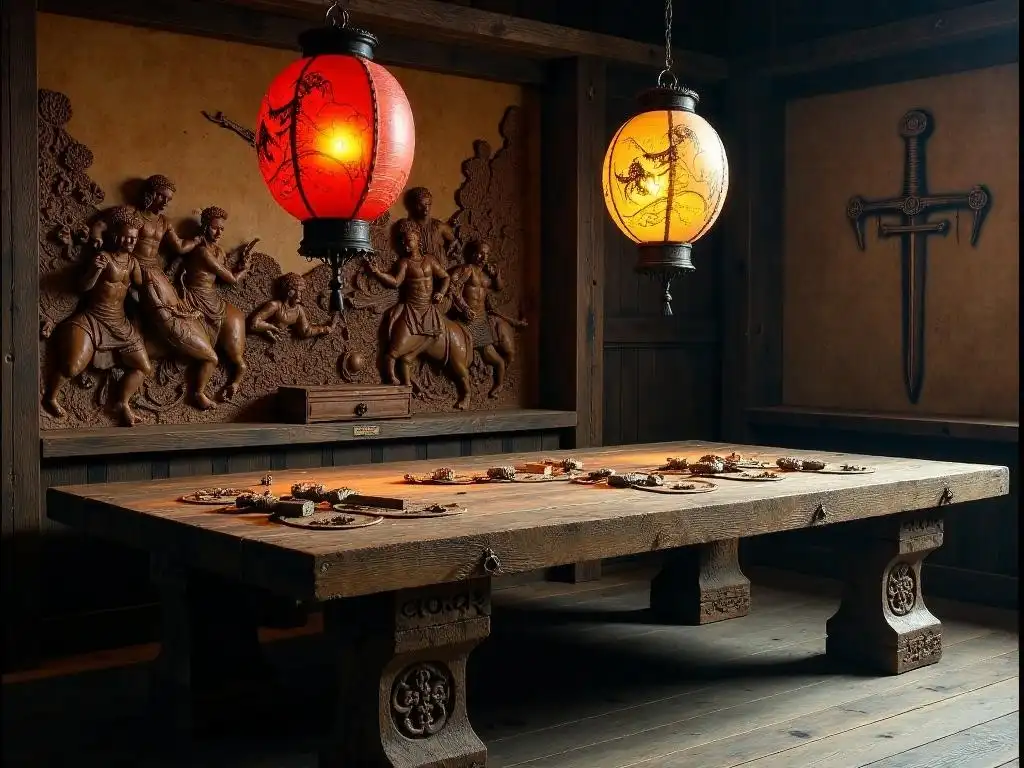
Welcome to Feudal Japan History, where we invite you to embark on an intriguing journey through the shadows of Japan’s feudal era. Here, history comes alive as we delve into the complex interplay of culture, society, and the art of war. In our featured article, "The Historical Impact of Key Battles on Japanese Military Tactics," we unravel the fascinating evolution of military strategies that shaped a nation. Prepare to discover the strategic brilliance and tactical innovations that defined Japan’s martial landscape. Join us as we explore the intricate tapestry of Japan’s past, and uncover the secrets that lie within!
Introduction to Japanese Military Tactics History
The history of Japanese military tactics is a rich tapestry woven through centuries of conflict, innovation, and adaptation. From the early feudal wars to the unification of Japan, battles played a pivotal role in shaping not only the strategies employed but also the cultural and societal norms surrounding warfare.
This article delves into the profound impact of key battles on the evolution of military tactics in Japan, highlighting how historical events influenced the methods and philosophies of combat that defined the nation's feudal era. Understanding these battles provides insight into the complexities of Japanese military history and the legacy that continues to resonate in modern military thought.
Overview of Feudal Japan Military Strategies
Feudal Japan was characterized by a decentralized political structure where power was held by local lords, or daimyōs, who commanded private armies of samurai. Military strategies during this period were heavily influenced by the geography of Japan, the feudal system, and the social hierarchy. Key aspects include:
- Use of Cavalry and Infantry: The samurai were primarily mounted warriors, but battles often involved coordinated efforts between infantry and cavalry units.
- Terrain Utilization: Commanders frequently leveraged Japan’s varied landscapes, employing tactics that maximized their advantages in hills, rivers, and forests.
- Psychological Warfare: The reputation and honor of samurai played a crucial role, with tactics often aimed at demoralizing the enemy before physical engagement.
This strategic framework laid the foundation for the innovative tactics that would evolve through the centuries.
Importance of Key Battles in Shaping Tactics
Significant battles throughout Japan’s feudal history provided critical learning opportunities that influenced military tactics. Each conflict not only showcased the capabilities and limitations of the forces involved but also prompted tactical innovations in response to the enemy's strategies. Key battles served as crucial turning points that dictated the direction of future military engagements and the development of combat techniques. Understanding these pivotal moments is essential for grasping the evolution of Japanese military tactics.
Major Battles that Influenced Japanese Military Tactics
The Battle of Dan-no-Ura (1185)
The Battle of Dan-no-Ura marked the culmination of the Genpei War, a conflict between the Taira and Minamoto clans. Fought in 1185, this naval battle utilized innovative strategies that combined maritime and land tactics. The Minamoto's victory not only ended Taira dominance but also established the precedent for naval warfare in Japan, influencing future military engagements.
The Battle of Nagashino (1575)
A significant clash during the Sengoku period, the Battle of Nagashino is renowned for the effective use of firearms by the Tokugawa forces against the cavalry charge of the Takeda clan. This battle demonstrated the shift from traditional samurai warfare to more modern tactics, showcasing the importance of gunpowder weaponry and the strategic deployment of soldiers in defensive formations.
The Battle of Sekigahara (1600)
Often regarded as the decisive battle that established the Tokugawa shogunate, Sekigahara was pivotal in shaping the political landscape of Japan. The tactics employed during this battle, including the use of espionage and alliances, illustrated the evolving nature of warfare in Japan. The strategies developed and tested here laid the groundwork for the military doctrines that would govern Japan for over two centuries.
Evolution of Japanese Military Tactics Throughout the Feudal Era
The evolution of Japanese military tactics during the feudal era can be traced through a series of significant battles and changes in warfare philosophy. Initially characterized by individual combat between samurai, tactics gradually evolved to incorporate coordinated maneuvers and strategic planning. The rise of powerful clans such as the Minamoto and Taira during the Heian period laid the groundwork for more organized warfare.
As Japan transitioned into the Kamakura and Muromachi periods, battles like the Genpei War showcased the effectiveness of larger, more organized forces. The development of cavalry tactics became prominent, with samurai employing mounted archers for rapid assaults and retreats. The introduction of firearms in the 16th century during the Sengoku period marked a pivotal shift. The Battle of Nagashino in 1575 exemplified this change, where Oda Nobunaga effectively utilized gunpowder weapons to implement a new tactic that combined infantry and firearms, radically altering the battlefield dynamics.
By the late feudal period, the consolidation of power under the Tokugawa shogunate led to a decline in large-scale battles. However, the emphasis on discipline, training, and strategic formations continued to influence Japanese military tactics, ultimately contributing to the modern military framework in Japan.
Transition from Individual Samurai Tactics to Unified Strategies
The transition from individual samurai tactics to unified strategies was a significant development in the history of Japanese military tactics. Early samurai combat emphasized personal honor and skill, with individuals often engaging in duels to settle disputes. However, as warfare intensified and clans sought to expand their territories, a shift toward collective strategies became essential.
During the late Heian to early Kamakura period, battles began to involve larger formations of warriors. The use of coordinated groups allowed for more effective battlefield maneuvers. For instance, the Genpei War illustrated how clan leaders would strategize around their entire forces, deploying units for flanking maneuvers and ambushes rather than relying solely on individual prowess.
As the Sengoku period unfolded, the need for unified strategies became even more pronounced. Battles like the one at Sekigahara in 1600 demonstrated how alliances and coordinated tactics could decisively influence the outcome of conflicts. Leaders began to emphasize the importance of communication and command structures, leading to the development of more sophisticated battlefield strategies that would define Japanese military doctrine for centuries.
Influence of Chinese Military Philosophy on Japanese Tactics
Chinese military philosophy significantly influenced the development of Japanese military tactics throughout the feudal era. The introduction of texts such as Sun Tzu's "The Art of War" and other strategic doctrines provided Japanese leaders with valuable insights into battlefield strategy, logistics, and the psychological aspects of warfare.
Japanese warlords and strategists adopted these principles, integrating them into their own military practices. Chinese concepts of deception, terrain utilization, and the importance of morale became foundational elements in the tactical planning of battles. For example, the idea of using terrain to one’s advantage was evident in battles such as the Battle of Kawanakajima, where commanders utilized the mountainous landscape to enhance their strategic positions.
Moreover, the emphasis on flexibility and adaptability in Chinese military thought resonated with Japanese leaders, leading to a more dynamic approach to warfare. The blending of Chinese philosophy with indigenous practices created a unique military culture that allowed Japan to respond effectively to both internal and external threats throughout its feudal history.
The Role of Geography and Terrain in Japanese Military Tactics
The geography and terrain of Japan played a crucial role in shaping military tactics throughout the feudal era. With its mountainous landscapes, dense forests, and numerous islands, Japan’s environment dictated how battles were fought and strategies were developed.
The natural barriers presented by mountains and rivers often influenced the locations of battles, with commanders taking advantage of high ground for defensive positions. The unpredictable weather patterns also necessitated the development of flexible tactics, as leaders had to adapt their strategies based on seasonal changes and terrain conditions.
Additionally, the isolation of specific regions fostered distinct military practices tailored to local environments. Understanding the terrain allowed samurai to employ guerrilla tactics and ambush strategies effectively, leading to innovative battlefield approaches that capitalized on Japan’s diverse landscape.
How Japan's Landscape Shaped Combat Strategies
Japan's unique landscape significantly influenced its combat strategies, as the islands' topography presented both challenges and opportunities for military engagement. The mountainous regions, for instance, were often utilized for defensive fortifications, where samurai could leverage high ground to maximize their advantage over attackers.
The dense forests, prevalent in many areas, offered cover and concealment for ambush tactics. Commanders learned to navigate these environments effectively, using the natural features to surprise their foes. For example, during the battles of the Sengoku period, forces often employed hit-and-run tactics, leveraging the cover of forests to strike unexpectedly and retreat before a counterattack could be mounted.
Additionally, the significance of coastal regions in Japan led to the development of naval tactics. Battles at sea required different strategies, with leaders needing to account for tides and weather conditions. The combination of land and naval warfare further diversified Japanese military tactics, as commanders adapted their approaches based on the complexities of their surroundings.
Regional Variations in Military Tactics Across Japan
The regional variations in military tactics across Japan during the feudal era were shaped by local customs, environmental factors, and the influence of prominent clan leaders. Different regions developed distinct methods of warfare that reflected their unique circumstances and resources.
In the northern regions, such as the Tohoku area, tactics often relied on the use of heavy infantry, supported by local terrain features that favored defensive strategies. The cold climate also influenced the types of armor and weapons used, as warriors adapted to the harsher conditions.
Conversely, in the warmer southern regions like Kyushu, cavalry units played a more prominent role due to the open landscapes that facilitated rapid movement. The famous Takeda clan, for instance, was known for its effective use of cavalry charges, which became a hallmark of their military tactics.
These regional differences highlight the adaptability of Japanese military tactics, as leaders tailored their strategies to suit their local environments and the prevailing socio-political contexts. This diversity in tactics not only enriched Japan's military history but also contributed to the overall resilience and effectiveness of its feudal armies.
Cultural Influences on Japanese Military Tactics
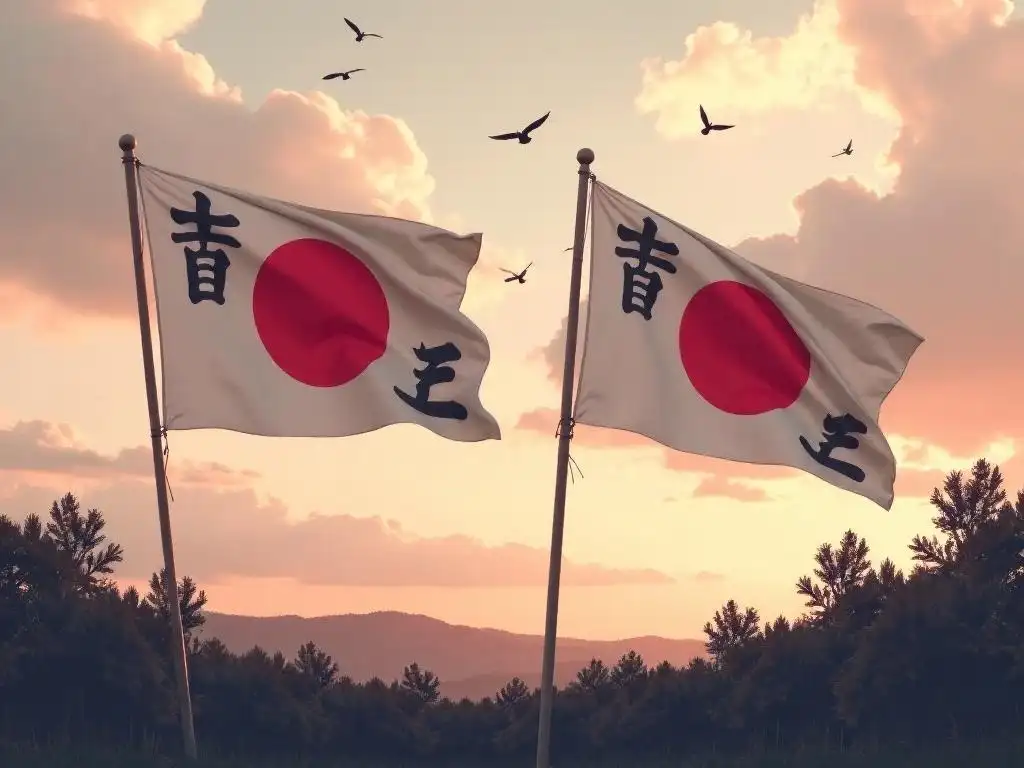
The evolution of Japanese military tactics has been significantly shaped by various cultural influences throughout history. These influences encompass not only the philosophical underpinnings of warfare but also the social structures and ethical codes that governed the behavior of warriors. In particular, the samurai class, with its distinctive values and beliefs, played a crucial role in defining the tactical approach to warfare. The interplay between cultural practices and military strategies created a unique battlefield ethos that persists in some form even in contemporary military thought.
The Samurai Code: Bushido and Its Tactical Implications
Bushido, often referred to as the "Way of the Warrior," is a code of conduct that guided the samurai in feudal Japan. This ethical framework emphasized virtues such as loyalty, honor, courage, and self-discipline. The principles of Bushido had profound implications for military tactics, influencing both the individual samurai and the broader strategies employed in battle.
- Loyalty and Unity: The samurai's unwavering loyalty to their lord fostered a sense of unity among troops, which was crucial during engagements. This cohesion allowed for coordinated attacks and defensive maneuvers, as warriors were willing to risk their lives for their comrades and their leaders.
- Honor in Combat: The emphasis on personal honor led to a focus on individual valor during battles. Samurai sought to engage in one-on-one combat, often resulting in tactical formations that allowed for such encounters, distinguishing their approach from other military traditions that emphasized mass troop engagements.
- Discipline and Training: Rigorous training in martial arts and strategic thinking underpinned the samurai's tactical effectiveness. The ability to adapt quickly to changing battlefield conditions was a hallmark of samurai tactics, which often involved guerrilla warfare techniques and ambush strategies.
The Impact of Zen Buddhism on Warfare and Strategy
Zen Buddhism also played a pivotal role in shaping Japanese military tactics, particularly during the Kamakura and Muromachi periods. The philosophical tenets of Zen contributed to a distinct approach to warfare characterized by mental discipline and clarity.
- Mindfulness and Concentration: Zen teachings promoted a state of mindfulness, allowing samurai to maintain focus during the chaos of battle. This heightened awareness often translated into more effective decision-making and tactical execution.
- Emphasis on Simplicity: Zen aesthetics favored simplicity, which influenced military strategy by encouraging straightforward tactics that prioritized efficiency and effectiveness. Complex maneuvers were often eschewed in favor of direct approaches that leveraged the strengths of the warriors involved.
- Detachment and Acceptance of Death: The Zen principle of accepting death as a part of life instilled a unique fearlessness in samurai warriors. This mentality led to bold tactical decisions, such as engaging in risky maneuvers that might be perceived as reckless by other military cultures.
Conclusion: Lasting Legacy of Historical Battles on Modern Japanese Military Tactics
The historical battles fought in feudal Japan have left an indelible mark on the military tactics employed in contemporary Japan. Understanding this legacy involves examining how past engagements and cultural influences continue to shape military doctrine and strategy.
Reflection on the Evolution of Japanese Military Doctrine
The evolution of Japanese military doctrine reflects a synthesis of various historical experiences, cultural influences, and tactical innovations. Key battles such as the Genpei War and the Battle of Sekigahara not only shaped the political landscape of Japan but also influenced military tactics that emphasized mobility, adaptability, and the effective use of terrain. This evolution has led to a military doctrine that respects its historical roots while adapting to modern warfare's demands.
Continuing Influence of Historical Battles in Contemporary Military Strategy
Even in contemporary times, lessons drawn from historical battles remain relevant in the training and doctrine of the Japan Self-Defense Forces. Modern military strategies still incorporate principles derived from the samurai ethos, emphasizing unit cohesion, strategic adaptability, and the importance of ethical conduct in military operations. The influence of historical battles continues to manifest in training programs, military exercises, and strategic planning, ensuring that the legacy of Japan’s feudal military tactics endures in the modern era.
Further Reading on Japanese Military Tactics History
To gain a comprehensive understanding of Japanese military tactics history, exploring various resources can be invaluable. These materials provide insights into the evolution of tactics used throughout Japan's feudal era, detailing the intricacies of battles, strategies, and the influences of culture and leadership on military practices.
Recommended Books and Articles for In-Depth Study
-
"Samurai Warfare: The Book of the Samurai" by Stephen Turnbull
This book delves into the unique strategies and tactics employed by the samurai, offering a thorough exploration of their combat styles, weaponry, and the philosophical underpinnings of warfare in feudal Japan.
-
"The Art of War in Japan: The Samurai Tradition" by Edward J. Drea
Drea's work provides an analysis of the influences of Sun Tzu's teachings on Japanese military strategy and how these principles were adapted by samurai leaders during key historical periods.
-
"A History of Japanese Military Thought" by David A. Graff
This book outlines the development of military thought in Japan, focusing on how historical battles have shaped military tactics over the centuries.
-
"The Samurai: A Military History" by John M. McCulloh
McCulloh examines the military structures and strategies of the samurai, discussing their role in pivotal battles and the evolution of Japanese warfare.
-
Articles in "The Journal of Japanese Studies"
This academic journal frequently publishes articles related to military history, including studies on specific battles and their tactical implications.
Notable Online Resources for Continued Learning
-
The National Diet Library of Japan
The library's digital archives provide access to a range of historical documents and texts related to Japanese military history, allowing for deep exploration of various battles and tactics.
-
The Samurai Archives
An online resource dedicated to the study of samurai history, this website features articles, timelines, and discussions about military tactics used by samurai in significant battles.
-
The Japan Times - Military History Section
This news outlet offers articles that often touch upon historical military events and their impact on modern Japanese society, providing context for the development of military tactics.
-
YouTube Channels like "History of Japan"
Various educational channels provide documentaries and analyses on Japanese battles and military strategies, making complex topics accessible through engaging visual content.
-
Podcasts such as "The History of Japan Podcast"
This series offers episodes focusing on various aspects of Japanese history, including military tactics and significant battles, providing an auditory learning experience.
By utilizing these recommended books and online resources, readers can enhance their understanding of the historical impact of key battles on Japanese military tactics and the broader context of military history in Japan.
- Introduction to Japanese Military Tactics History
- Major Battles that Influenced Japanese Military Tactics
- Evolution of Japanese Military Tactics Throughout the Feudal Era
- The Role of Geography and Terrain in Japanese Military Tactics
- Cultural Influences on Japanese Military Tactics
- Conclusion: Lasting Legacy of Historical Battles on Modern Japanese Military Tactics
- Further Reading on Japanese Military Tactics History
- What were the main influences on Japanese military tactics during the feudal era?
- How did key battles affect the evolution of military strategies in Japan?
- What role did the samurai play in shaping military tactics during feudal Japan?
- Can you provide examples of specific battles that changed Japanese military tactics?
- How does the history of Japanese military tactics relate to modern warfare?
Frequently Asked Questions
What were the main influences on Japanese military tactics during the feudal era?
Japanese military tactics were heavily influenced by political power struggles, cultural practices, and the rise of the samurai class. Key battles often shaped strategic developments and adaptations in warfare.
How did key battles affect the evolution of military strategies in Japan?
Key battles served as turning points, prompting the adoption of new tactics and technologies. The outcomes often dictated regional power dynamics, leading to innovations in combat strategies and troop formations.
What role did the samurai play in shaping military tactics during feudal Japan?
The samurai were central to Japanese military tactics, embodying the principles of Bushido and influencing both training methods and combat strategies. Their social status also impacted the organization of armies and warfare.
Can you provide examples of specific battles that changed Japanese military tactics?
Battles such as the Battle of Yawata and the Siege of Osaka were pivotal in shifting military tactics, showcasing new weapons and strategic formations that influenced future conflicts.
How does the history of Japanese military tactics relate to modern warfare?
The evolution of Japanese military tactics during the feudal era laid the groundwork for contemporary military strategies in Japan. Many principles from that time can still be seen in modern tactical approaches and training methodologies.
Final Reflection: The Enduring Legacy of Japanese Military Tactics
The exploration of key battles in Japanese military history reveals a profound connection between past strategies and their relevance in contemporary military thought. As we analyze the evolution of Japanese military tactics, it becomes clear that the lessons learned from historical conflicts continue to shape modern warfare and strategic planning. The intricate dance of adaptation and innovation in response to the challenges of each era underscores the timeless nature of military strategy.
The influence of these historical battles extends beyond the battlefield, permeating cultural narratives and national identity. The way Japan has embraced its military past reflects a broader understanding of resilience and adaptability, qualities that resonate deeply in today's fast-paced world. As Sun Tzu famously stated, In the midst of chaos, there is also opportunity.
This quote encapsulates the essence of how Japanese military tactics have evolved, turning challenges into strategic advantages that still inform military doctrine today.
As we reflect on the historical impact of these battles, I invite you to consider how the principles derived from Japanese military tactics can be applied in your own life. What lessons can you draw from the past to navigate your personal challenges? Embrace the spirit of adaptability and strategic thinking, allowing the wisdom of history to guide your decisions and actions. In doing so, you not only honor the legacy of those who fought before you but also empower yourself to forge a path of resilience and success in your own journey.
Unleash Your Curiosity: Dive Deeper into Japan's Military History!
Thank you for joining us on this journey through the pivotal battles that shaped Japanese military tactics. We hope you gained valuable insights into how history has influenced present-day strategies. Now it's time to take your newfound knowledge a step further!
Here are some actionable steps to continue your exploration:
- Delve deeper into one of the battles mentioned by reading historical accounts or analyses to uncover lesser-known details.
- Join our online community by sharing your thoughts and experiences related to Japanese military history—every voice adds to the conversation!
- Explore our resources section for documentaries, podcasts, and books that bring these battles to life in vivid detail.
What tactics do you believe would be most effective if applied in today's global context? Share your thoughts in the comments below!