
Unique Tactical Innovations of the Tokugawa Period

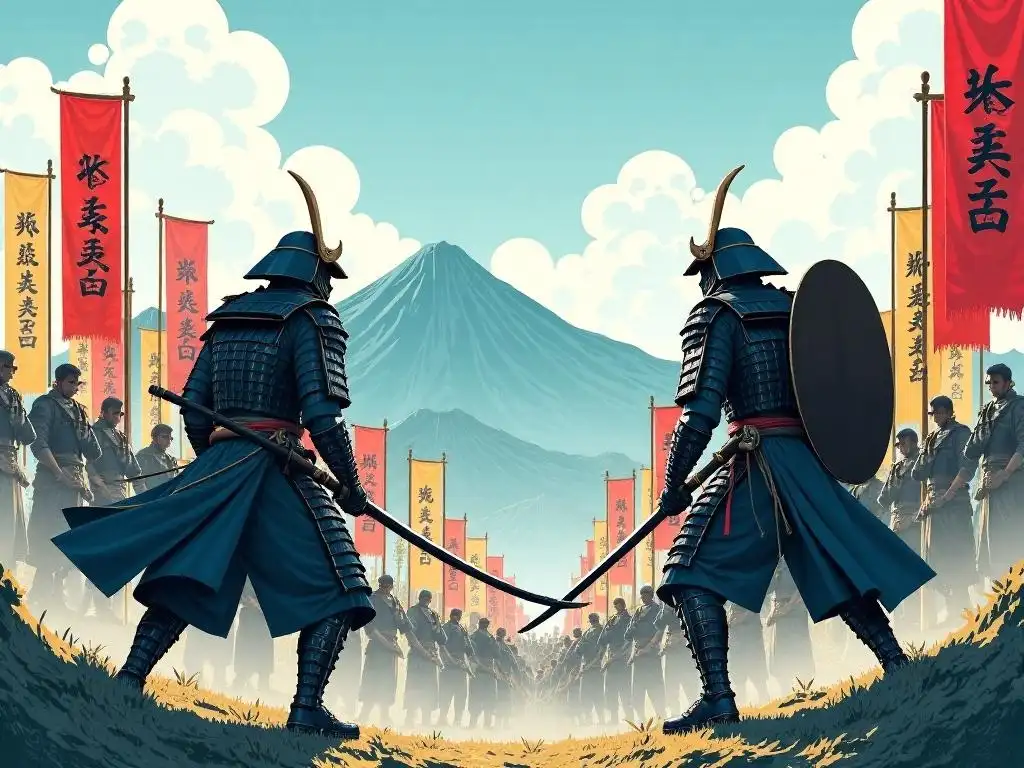
Welcome to Feudal Japan History, where we embark on a fascinating journey through the intricate tapestry of Japan’s feudal era. Here, we delve into the nuanced military strategies that defined the Tokugawa period, a time marked by unique tactical innovations that shaped the course of history. As you explore our in-depth article, "Unique Tactical Innovations of the Tokugawa Period," prepare to uncover the secrets behind these remarkable military maneuvers and their lasting impact on Japanese society. Join us as we unravel the complexities of this pivotal era, igniting your curiosity and inspiring a deeper understanding of feudal Japan.
Introduction to the Tokugawa Period Military Tactics
The Tokugawa period, spanning from 1603 to 1868, marked a significant transformation in Japan’s military landscape. This era, characterized by the rule of the Tokugawa shogunate, not only witnessed the end of the Sengoku period's incessant warfare but also the emergence of unique military tactics that prioritized stability and control over territorial expansion.
Understanding the military strategies employed during this time is crucial for comprehending the broader societal and cultural shifts within feudal Japan. The innovations in tactics during the Tokugawa period reflect a blend of traditional samurai values and practical needs of governance, establishing a foundation that would influence Japan for centuries to come.
Overview of the Tokugawa Period (1603-1868)
The Tokugawa period, also known as the Edo period, was initiated by Tokugawa Ieyasu after his victory at the Battle of Sekigahara in 1600. This era was marked by the unification of Japan under a centralized feudal system, which brought about a prolonged peace known as the Pax Tokugawa. During these years, Japan experienced significant developments in various fields, including culture, economy, and military organization.
The shogunate implemented a strict social hierarchy and managed the daimyō (feudal lords) through a system of alternate attendance (sankin-kōtai), which required lords to spend time in Edo (present-day Tokyo) and maintain a residence there. This not only served to control the daimyō but also stabilized the realm, allowing for the innovative military strategies to evolve in response to changing political dynamics.
Importance of Military Tactics in Feudal Japan
Military tactics were crucial in feudal Japan, shaping the outcomes of battles and the fates of rulers. The shifting nature of warfare necessitated that samurai adapt their strategies to ensure survival and dominance. Tactics encompassed not only battlefield maneuvers but also psychological warfare, intelligence gathering, and alliances.
During the Tokugawa period, as the frequency of conflicts decreased, the focus of military tactics shifted towards maintaining order and suppressing potential uprisings rather than aggressive conquest. This transition is pivotal in understanding how military practices evolved from the chaotic warfare of the Sengoku period to the structured and disciplined approach of the Tokugawa era.
Key Characteristics of Tokugawa Period Military Tactics
Shift from Warfare to Stability
The Tokugawa period is distinguished by a marked shift from the warfare-centric mindset of the previous centuries to one that emphasized stability and governance. With the establishment of peace, military tactics began to adapt to this new reality. The focus turned to maintaining order within Japan's borders rather than engaging in external conflicts.
This change is reflected in the training of samurai, as they transitioned from warriors to administrators, taking on roles that required them to manage lands and peasant populations. The tactical innovations of this period were thus designed to ensure internal security and prevent the resurgence of civil strife.
Influence of Bushido on Military Strategy
The code of Bushido, or "the way of the warrior," deeply influenced the military strategy during the Tokugawa period. This ethical code emphasized loyalty, honor, and discipline, shaping the samurai's approach to both warfare and governance. Tactical decisions were often guided by the principles of Bushido, promoting a sense of duty and moral conduct even in the absence of conflict.
This influence led to a more restrained approach to military engagements, valuing strategic cunning and psychological tactics over sheer brute force. The samurai were trained not only in combat but also in the arts of diplomacy and negotiation, which became essential skills in the politically charged environment of the Tokugawa shogunate.
Centralization of Power and its Impact on Tactics
The centralization of power under the Tokugawa shogunate had profound implications for military tactics. By consolidating authority, the shogunate was able to implement a standardized military structure that reduced the autonomy of individual daimyō. This centralization not only facilitated the development of a more organized and efficient military force but also allowed for the strategic deployment of troops to quell dissent and maintain public order.
The shogunate's control over military resources and personnel enabled it to innovate new tactics that prioritized surveillance and intelligence, ensuring that potential threats could be neutralized before they escalated into larger conflicts. As a result, the Tokugawa period's military tactics were characterized by a blend of traditional samurai warfare techniques and modern strategic principles aimed at preserving the shogunate's power and stability.
Unique Tactical Innovations in the Tokugawa Era
The Tokugawa period, spanning from 1603 to 1868, marked a significant transformation in Japanese military tactics, influenced by the need for stability after centuries of conflict. This era saw strategic innovations that would shape the nature of warfare in Japan, reflecting a shift from aggressive expansion to maintaining peace and order within the nation. The unique tactical innovations of this period centered around the integration of new technologies, the reformation of traditional strategies, and the adaptation of warfare to fit the peaceful governance established by the Tokugawa shogunate.
Development of Gunpowder Weapons
The introduction and advancement of gunpowder weapons during the Tokugawa period represented a pivotal evolution in military tactics. While gunpowder was known and utilized during the Sengoku period, its refinement and widespread adoption became more pronounced in the Tokugawa era. This period saw the proliferation of matchlock firearms, known as "tanegashima," which became a staple in samurai arsenals.
- Mass Production: The Tokugawa shogunate encouraged the production of firearms, leading to improved manufacturing techniques and the establishment of specialized workshops. This accessibility changed the dynamics of battlefield engagement, allowing even lower-ranking samurai to wield firearms effectively.
- Tactical Integration: Military leaders began to integrate gunpowder weapons into their strategies, combining them with traditional samurai tactics. This meant that formations evolved to accommodate firearms, emphasizing the need for discipline and coordination among troops.
- Impact on Cavalry: The development of gunpowder weapons also affected cavalry tactics. Cavalry units, once dominant on the battlefield, had to adapt to new methods of engagement where infantry armed with firearms could effectively counter mounted charges.
Use of Fortifications and Defensive Structures
The Tokugawa period was marked by a strong emphasis on defensive warfare, leading to the development and enhancement of fortifications across Japan. The strategic importance of these structures cannot be overstated, as they played a crucial role in maintaining the shogunate's power and deterring potential invasions.
- Castle Construction: The era saw the construction of impressive castles, such as Himeji Castle and Nagoya Castle, which were not only military strongholds but also symbols of power. These castles featured advanced architectural designs, including thick stone walls, moats, and complex layouts that made them difficult to assault.
- Defensive Strategies: The focus on defense led to the evolution of tactics that prioritized holding ground over aggressive offense. Troops were trained to defend these strongholds, utilizing the natural terrain and fortifications to their advantage.
- Siege Warfare: With fortified positions becoming prevalent, siege tactics also evolved. Armies developed specialized strategies to besiege castles, including the use of artillery and coordinated assaults that aimed to exploit weaknesses in the defensive structures.
Naval Tactics and Maritime Innovations
During the Tokugawa period, maritime strategies gained prominence due to Japan's geographical layout and the need for trade security. The evolution of naval tactics and innovations had a lasting impact on Japan's military capabilities.
- Ship Design and Construction: The Tokugawa shogunate invested in shipbuilding, leading to the creation of larger and more durable vessels. Innovations in ship design allowed for improved maneuverability and capacity for carrying troops and supplies.
- Naval Engagements: The period also saw the development of naval tactics that emphasized the importance of controlling sea routes. This was particularly significant in the context of trade and the shogunate’s efforts to manage foreign influence.
- Defense Against Piracy: With increased maritime activity came the necessity to combat piracy. The Tokugawa shogunate implemented naval patrols and fortified coastal defenses to protect trade routes and ensure the safety of merchant vessels.
Comparison of Tokugawa Period Military Tactics with Previous Eras
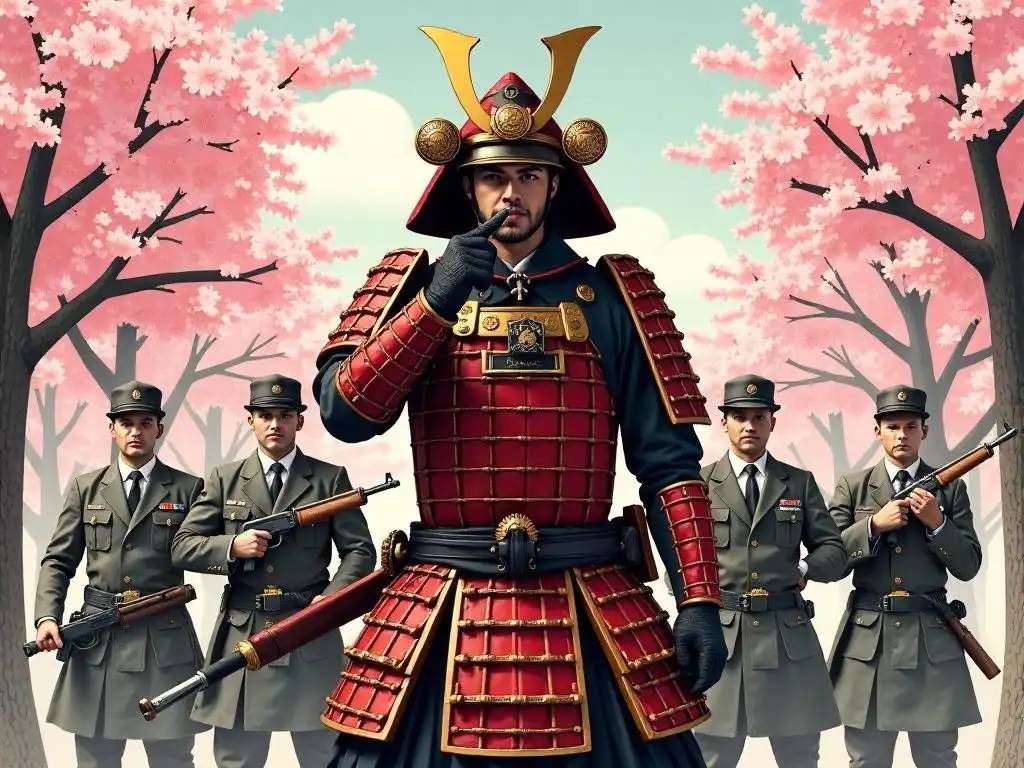
The military tactics of the Tokugawa period can be starkly contrasted with those of previous eras, particularly the Sengoku period, which was characterized by constant warfare and territorial expansion. The emergence of a centralized government under the Tokugawa shogunate fundamentally altered the landscape of military strategy.
Feudal Warfare: Sengoku Period vs. Tokugawa Period
The Sengoku period (1467-1603) was a time of relentless conflict among feudal lords (daimyō), leading to the development of aggressive military tactics focused on conquest. In contrast, the Tokugawa period prioritized stability and control.
- From Conquest to Control: While Sengoku-era warfare revolved around the idea of territorial expansion, the Tokugawa period emphasized maintaining peace. Battles became less frequent, and the focus shifted to managing internal power dynamics rather than waging wars of expansion.
- Role of Samurai: During the Sengoku period, samurai were primarily warriors engaged in battle. In the Tokugawa period, many samurai transitioned into bureaucratic roles, reflecting the shift in the social and military structure towards governance and administration.
Evolution of Samurai Tactics and Strategy
The samurai class underwent significant changes in their approach to warfare during the Tokugawa period. This evolution was shaped by the need to adapt to a more peaceful society where traditional combat methods were less frequently employed.
- Training and Discipline: With fewer battles to fight, samurai training focused on discipline, strategy, and the use of firearms. The adaptation of military training to include gunpowder weaponry demonstrated a shift in tactical preparation.
- Emphasis on Leadership: The role of samurai evolved from individual warriors to leaders and strategists. This change necessitated a deeper understanding of logistics, troop management, and the importance of morale.
Technological Advancements and Their Influence on Tactics
The technological advancements during the Tokugawa period had a profound impact on military tactics, particularly in how battles were fought and won.
- Firearms and Artillery: The continued improvement of gunpowder weapons and artillery changed the face of warfare. Tactics began to incorporate the use of cannons and rifles, leading to new formations and strategies that prioritized ranged attacks.
- Communication Innovations: The development of better communication methods allowed for more coordinated military operations. The use of signals and messengers became crucial for maintaining command and control during engagements.
- Impact on Warfare Philosophy: The integration of technology into military tactics influenced the overall philosophy of warfare, shifting from brute force to calculated strategies that utilized available resources effectively.
The Tokugawa period's unique military tactics were influenced by technological advancements, strategic fortifications, and an emphasis on defensive warfare, contrasting sharply with the aggressive tactics of previous eras. These innovations not only shaped the military landscape of Japan but also laid the groundwork for the future of Japanese warfare.
Case Studies of Notable Battles During the Tokugawa Period
The Tokugawa period, spanning from 1603 to 1868, was marked by significant military innovations that shaped not only the battlefield tactics of the time but also the political landscape of Japan. This section explores key battles that exemplified these tactical shifts and their broader implications.
The Battle of Sekigahara: A Turning Point
The Battle of Sekigahara, fought on October 21, 1600, is often regarded as the most pivotal battle in Japanese history. This engagement saw Tokugawa Ieyasu's forces face off against a coalition of daimyo (feudal lords) opposed to his rise to power. The battle was characterized by Ieyasu's strategic use of terrain and intelligence.
- Tactical Innovations: Ieyasu implemented a strategy of deception by spreading misinformation about troop movements, which misled his opponents. He also utilized the concept of "kisho-tenketsu," which translates to "the right place at the right time," allowing him to position his forces advantageously on the battlefield.
- Outcome: The decisive victory at Sekigahara solidified Tokugawa Ieyasu's power, leading to the establishment of the Tokugawa shogunate. This battle not only altered the course of Japanese history but also set a precedent for the use of intelligence and deception in military tactics.
Naval Engagements: The Battle of Fukuda
While the land battles during the Tokugawa period are often highlighted, naval engagements also played a crucial role in maintaining power and trade. The Battle of Fukuda in 1600 is a significant example of naval strategy during this era.
- Context: The battle arose from the need to control maritime routes and protect trade interests, especially against the backdrop of rising European influences.
- Tactical Approach: Tokugawa forces employed faster, more maneuverable ships, utilizing innovative ship designs that emphasized speed and agility over sheer size. This tactical shift allowed them to engage effectively and gain the upper hand against larger enemy vessels.
- Impact: The victory at Fukuda not only secured Tokugawa's control over maritime routes but also demonstrated the importance of naval power in securing trade and influencing regional politics.
Internal Conflicts and Their Tactical Responses
The Tokugawa period was not without its internal strife, and various uprisings required adaptive military responses. These internal conflicts often showcased the tactical flexibility of the Tokugawa military.
- Examples of Uprisings: The Shimabara Rebellion (1637-1638) is one major uprising that required a tactical response from the shogunate forces. The rebellion was fueled by socio-economic discontent and religious persecution.
- Tactical Innovations: The Tokugawa forces utilized combined arms tactics, integrating infantry, cavalry, and artillery to counter the insurgent forces. They also adapted siege tactics to encircle and besiege rebel strongholds effectively.
- Consequences: The suppression of these uprisings reinforced the shogunate's authority and highlighted the need for a well-coordinated military response to domestic challenges.
Cultural and Societal Impact of Tokugawa Military Tactics
The military tactics developed during the Tokugawa period not only influenced warfare but also had profound cultural and societal impacts that shaped Japan's historical trajectory.
Role of the Samurai Class in Society
The samurai class was central to the military tactics of the Tokugawa period, serving as both warriors and administrators.
- Social Stratification: The samurai were positioned at the top of the social hierarchy, reflecting the feudal structure. Their role extended beyond the battlefield; they were also responsible for governance and upholding the law.
- Cultural Influence: The samurai's code of conduct, known as bushido, emphasized loyalty, honor, and martial prowess. This cultural ethos influenced societal values and became a defining characteristic of Japanese identity.
Influence on Modern Japanese Military Doctrine
The military innovations of the Tokugawa period laid the groundwork for modern Japanese military strategy.
- Strategic Framework: The emphasis on discipline, organization, and the integration of various military branches influenced the development of Japan's modern military forces. The logistical strategies employed during the Tokugawa period informed later military campaigns in the Meiji Restoration and beyond.
- Legacy of Adaptation: The ability to adapt tactics based on the socio-political landscape is a principle that remains relevant in modern military doctrine.
Cultural Legacy of Tokugawa Military Innovations
The tactical innovations of the Tokugawa period left an indelible mark on Japanese culture, influencing various aspects of life beyond the battlefield.
- Art and Literature: The era's military tactics inspired numerous works of art and literature, reflecting the values and experiences of the samurai. This cultural output has continued to resonate in modern Japanese media.
- Martial Arts: The techniques developed during this period also contributed to the evolution of traditional Japanese martial arts, which emphasize strategy, discipline, and respect.
- Historical Commemoration: Today, the legacy of Tokugawa military tactics is commemorated in historical reenactments and cultural festivals, keeping the memory of this transformative period alive in contemporary society.
Conclusion: The Lasting Legacy of Tokugawa Period Military Tactics
The Tokugawa period, spanning from 1603 to 1868, is often recognized for its profound impact on Japan's military structure and tactics. The innovations developed during this era not only shaped the battlefield strategies of the time but also laid the groundwork for future military engagements in Japan. The use of firearms, the establishment of a disciplined samurai class, and the strategic integration of fortifications exemplified the Tokugawa shogunate's approach to warfare.
One of the most significant legacies of Tokugawa military tactics is the emphasis on discipline and training. The samurai were not merely warriors; they were trained in various arts of warfare, including strategy, psychology, and the use of weaponry. This holistic approach to military education influenced later generations and has been acknowledged in modern Japanese military thought. Furthermore, the importance of a unified command structure and the principles of logistics and resource management developed during the Tokugawa period remain relevant in contemporary military strategies across the globe.
Reflections on Tactical Innovations and Modern Implications
The tactical innovations of the Tokugawa period continue to offer insights into modern military strategies. For instance, the effective use of firearms and the development of infantry tactics during this era reflect a transition from traditional samurai combat to more integrated military formations. This shift towards combined arms strategies is a concept that resonates within contemporary military operations, emphasizing the importance of coordinating various military units to achieve strategic objectives.
Moreover, the Tokugawa emphasis on intelligence gathering and psychological warfare can be seen in modern military campaigns. The strategic use of misinformation and the manipulation of enemy perceptions are tactics that have evolved but are rooted in the principles established during this period. As military theorists study historical conflicts, the lessons learned from the Tokugawa period serve as a reminder of the importance of adaptability and innovation in warfare.
The Importance of Understanding Tokugawa Military History in Today's Context
Understanding the military history of the Tokugawa period is crucial for several reasons. Firstly, it provides a historical context for Japan's development as a modern nation-state. The transformations in military tactics during this era were instrumental in shaping Japan's national identity and its approach to warfare in the subsequent Meiji Restoration.
Secondly, studying Tokugawa military tactics allows contemporary military leaders and historians to appreciate the evolution of strategy and warfare. The challenges faced by the Tokugawa shogunate, including internal strife and foreign threats, are reflective of the complexities encountered in modern military operations. By analyzing these historical tactics, modern military professionals can draw parallels and apply lessons learned to current conflicts.
Lastly, the cultural and societal implications of Tokugawa military tactics extend beyond the battlefield. The samurai ethos, which emphasized loyalty, honor, and discipline, continues to influence Japanese culture and societal values today. Recognizing the historical significance of these concepts in military history fosters a deeper understanding of Japan's cultural heritage and its implications for contemporary society.
- Introduction to the Tokugawa Period Military Tactics
- Key Characteristics of Tokugawa Period Military Tactics
- Unique Tactical Innovations in the Tokugawa Era
- Comparison of Tokugawa Period Military Tactics with Previous Eras
- Case Studies of Notable Battles During the Tokugawa Period
- Cultural and Societal Impact of Tokugawa Military Tactics
- Conclusion: The Lasting Legacy of Tokugawa Period Military Tactics
- Reflections on Tactical Innovations and Modern Implications
- The Importance of Understanding Tokugawa Military History in Today's Context
- What were the main military tactics used during the Tokugawa period?
- How did the geography of Japan influence military tactics in this period?
- What role did training play in the effectiveness of military tactics during the Tokugawa period?
- How did the Tokugawa shogunate influence the evolution of military tactics?
- What innovations in equipment were introduced during the Tokugawa period?
Frequently Asked Questions
What were the main military tactics used during the Tokugawa period?
The Tokugawa period saw the use of strategic formations and gunpowder weapons, which revolutionized combat. Siege tactics and defensive strategies were also emphasized due to the era’s peaceful stability.
How did the geography of Japan influence military tactics in this period?
Japan's rugged terrain and island nature necessitated the development of flexible tactics that utilized natural barriers. This led to guerrilla warfare and fortification strategies tailored to local landscapes.
What role did training play in the effectiveness of military tactics during the Tokugawa period?
Extensive training programs were established, focusing on discipline and skill development. This emphasis on military training ensured that samurai were well-prepared for combat scenarios.
How did the Tokugawa shogunate influence the evolution of military tactics?
The Tokugawa shogunate prioritized stability and peace, leading to a shift from constant warfare to defensive strategies. This period saw the integration of political diplomacy alongside traditional military tactics.
What innovations in equipment were introduced during the Tokugawa period?
Innovations included the widespread use of matchlock firearms and improved armor designs. These advancements influenced battle strategies and transformed the way samurai engaged in combat.
Final Reflection: The Enduring Legacy of Tokugawa Period Military Tactics
The unique military tactics developed during the Tokugawa period not only shaped the course of Japanese history but also resonate with contemporary strategic thinking. As we delve into the intricacies of these tactical innovations, it becomes evident that their principles of adaptability, discipline, and strategic foresight remain relevant in today's complex geopolitical landscape. The Tokugawa period serves as a testament to how historical military strategies can inform modern practices, reminding us that the lessons of the past are invaluable in navigating the challenges of the present.
The influence of Tokugawa military tactics extends beyond the battlefield; it has permeated cultural narratives and social structures in Japan. The meticulous planning and execution of these strategies reflect a broader ethos of resilience and innovation that continues to inspire leaders and strategists worldwide. In the midst of chaos, there is also opportunity.
This quote encapsulates the essence of the Tokugawa period, where tactical ingenuity transformed potential conflicts into opportunities for stability and growth, shaping a nation that would thrive for centuries.
As we reflect on the unique tactical innovations of the Tokugawa period, I invite you to consider how these lessons can be applied in your own life. What strategies can you adopt to navigate your personal or professional challenges? Embrace the spirit of adaptability and foresight that characterized this remarkable era. By integrating these timeless principles into your daily decision-making, you can cultivate resilience and innovation in your own journey, ensuring that the legacy of the Tokugawa period continues to inspire future generations.
Unleash the Power of Tokugawa Innovations!
Thank you for diving into the fascinating world of the Tokugawa Period with us! We hope you’ve uncovered some inspiring insights into the unique tactical innovations that shaped feudal Japan. Now, it's time to take that knowledge and transform it into action!
Here are some powerful steps you can take:
- Explore further: Dive into related topics by checking out our previous articles on military strategies and their impact on modern warfare.
- Share the knowledge: Discuss what you’ve learned with friends or on social media; ignite conversations about how history influences present-day tactics!
- Join our community: Become a part of our Feudal Japan History forum to engage with fellow enthusiasts and share your thoughts on these innovations.
What innovation from the Tokugawa Period inspires you the most, and how do you think it could apply to today's world? **We would love to hear your thoughts in the comments below! **