
Tactical Retreats: When and How Feudal Japan’s Warriors Fell Back


Welcome to Feudal Japan History, where we invite you to journey through the captivating world of Japan’s feudal era. Here, we delve deep into the intricate tapestry of historical, cultural, and societal elements that defined this remarkable period. In our featured article, “Tactical Retreats: When and How Feudal Japan’s Warriors Fell Back,” we unravel the strategic mindsets of samurai and their nuanced approaches to warfare.
What drives a warrior to retreat, and what can we learn from these pivotal moments? Prepare to ignite your curiosity as you explore the complex tactics that shaped battles and legacies in feudal Japan. Your adventure into the past begins now!
- Introduction to Tactical Retreats in Feudal Japan
- Historical Context of Feudal Japan Warrior Tactics
- Reasons for Tactical Retreats in Feudal Japan
- Methods of Tactical Retreats Employed by Feudal Japan Warriors
- Case Studies of Notable Tactical Retreats in Feudal Japan
- The Impact of Tactical Retreats on Feudal Japan's Warfare
- Conclusion: The Legacy of Tactical Retreats in Feudal Japan Warrior Tactics
- Additional Resources for Further Exploration
- Frequently Asked Questions
- Final Reflection: The Enduring Legacy of Feudal Japan's Warrior Tactics
- Embrace Strategy: Learn From the Masters of Retreat!
Introduction to Tactical Retreats in Feudal Japan
In examining the intricate tapestry of Feudal Japan's military history, the concept of tactical retreats emerges as a critical element that shaped the strategies and outcomes of numerous conflicts. Unlike a mere act of fleeing, a tactical retreat is a calculated maneuver designed to preserve forces, regroup, and reassess the battlefield dynamics.
This nuanced approach to warfare is deeply embedded in the practices of Japan's samurai and military leaders, who often faced overwhelming odds or shifting circumstances on the battlefield. By understanding the principles and execution of these retreats, we can gain valuable insights into the broader spectrum of warrior tactics during this era.
The feudal period in Japan, which spanned from the 12th to the 19th century, was characterized by a complex interplay of loyalty, honor, and martial skill. Warriors not only fought valiantly but also employed a range of tactical maneuvers, including retreats, to navigate the challenges of warfare effectively. This article delves into the historical context of tactical retreats, exploring when and how these strategies were employed by Feudal Japan's warriors, while also highlighting their significance in the broader narrative of military tactics throughout this storied era.
Understanding the Concept of Tactical Retreats
Tactical retreats in Feudal Japan were not mere signs of defeat; rather, they represented strategic decisions made by commanders to adapt to evolving battlefield conditions. This section will explore:
- Definition and Purpose:
- A tactical retreat serves to:
- Preserve a fighting force for future engagements.
- Reorganize and regroup troops.
- Lure enemies into vulnerable positions or traps.
- A tactical retreat serves to:
- Historical Examples:
- Notable instances where tactical retreats were employed include:
- The retreat of the Minamoto clan during the Genpei War, which allowed them to regroup and launch counter-offensives.
- The strategic withdrawals during the Sengoku period, which were pivotal for various daimyōs in preserving their assets and troops.
- Notable instances where tactical retreats were employed include:
- Philosophical Underpinnings:
- The samurai code of bushido emphasized honor, but it also acknowledged the wisdom of retreating when necessary to avoid unnecessary losses.
Importance of Feudal Japan Warrior Tactics
The tactics employed by warriors in Feudal Japan extend beyond the mere execution of battle maneuvers; they encapsulate a rich cultural narrative that underscores their significance in military history. Here are some key points to consider:
- Strategic Flexibility:
- The ability to adapt tactics, including retreats, showcases the strategic flexibility of samurai leaders. This adaptability was vital in the face of changing technologies and warfare styles throughout the feudal era.
- Cultural Significance:
- The practice of tactical retreats also reflects broader cultural themes within Feudal Japan, such as:
- The balance between honor and pragmatism.
- The influence of Confucian principles on military thought, emphasizing the necessity of preserving life and resources.
- The practice of tactical retreats also reflects broader cultural themes within Feudal Japan, such as:
- Legacy and Influence:
- The lessons learned from tactical retreats in Feudal Japan have influenced modern military strategies and continue to inform the study of warrior tactics across various cultures and historical contexts.
Through a comprehensive exploration of these elements, this article seeks to illuminate the importance of tactical retreats within the broader framework of Feudal Japan's warrior tactics, enriching our understanding of this fascinating period in military history.
Historical Context of Feudal Japan Warrior Tactics
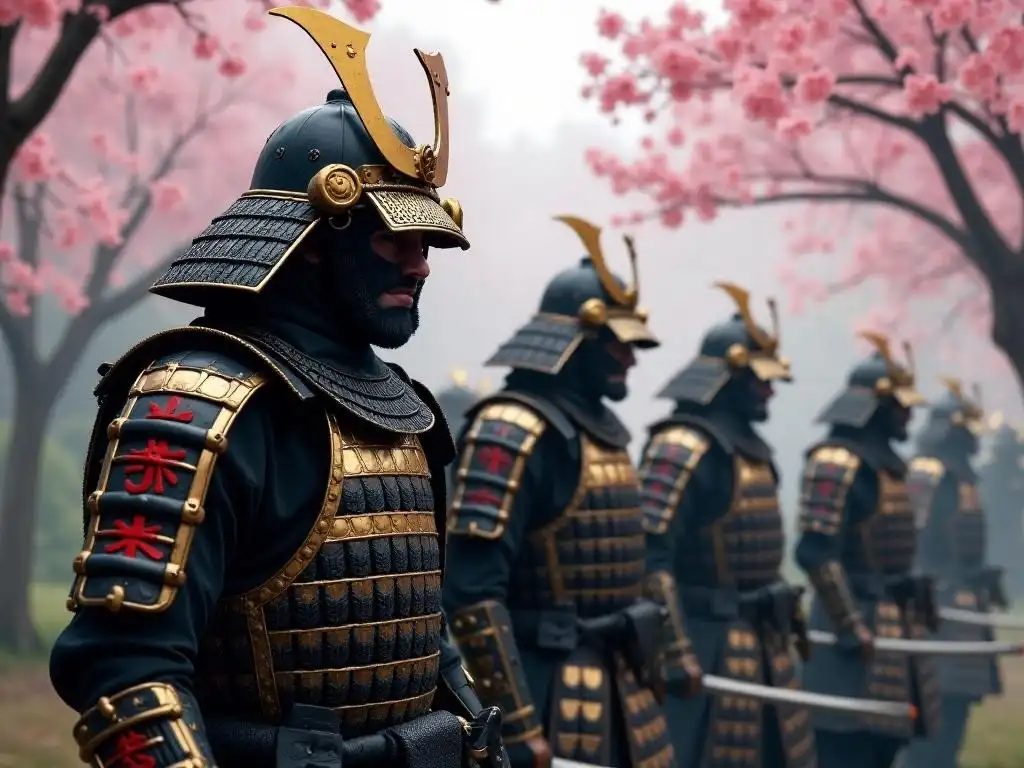
Feudal Japan was a period characterized by a complex military hierarchy and a culture deeply rooted in warfare. The time frame, typically recognized from the late 12th century to the 19th century, saw the rise of the samurai class, who became not only warriors but also significant political figures. Understanding the historical context of feudal Japan’s warrior tactics—especially tactical retreats—provides insight into how military strategies evolved under the pressures of warfare and shifting allegiances.
The military structure was largely influenced by the bushi (warrior) class, which was composed of samurai who served various feudal lords or daimyōs. Each daimyō maintained their own armies, which often consisted of foot soldiers, archers, and cavalry units. The samurai were trained in a variety of martial skills and adhered to a code of conduct known as bushidō, emphasizing honor, loyalty, and skill in battle.
Tactical retreats, a crucial aspect of feudal Japan warrior tactics, were not seen as acts of cowardice but rather as calculated maneuvers to preserve the lives of troops and regroup for future engagements. This understanding of retreat as a strategic option was shaped by both the geography of Japan, with its mountainous terrains and narrow passes, and the political landscape, where maintaining power often required a careful balance of military action and diplomacy.
Overview of Feudal Japan's Military Structure
Feudal Japan's military structure was hierarchical and multifaceted, reflecting the social and political dynamics of the time. At the top of this structure were the shōgun—the military rulers who held the ultimate power over the land. Below them were the daimyōs, feudal lords who controlled vast territories and commanded their own armies of samurai.
- Shōgun: The supreme military leader, often seen as the de facto ruler of Japan.
- Daimyōs: Regional lords who pledged loyalty to the shōgun and governed their own provinces.
- Samurai: The warrior class, trained in various martial arts, including swordsmanship, archery, and horseback riding. They served the daimyōs and adhered to strict codes of conduct.
- Ashigaru: Foot soldiers who supported the samurai, often composed of lower classes. They played crucial roles in battles and were sometimes equipped with firearms.
The military tactics employed during battles were heavily influenced by this structure. Samurai were trained not only in combat but also in strategy and the art of war. The importance of tactical retreats was recognized across various levels of this military hierarchy, as it allowed for the preservation of forces for future engagements.
Key Battles That Highlighted Tactical Retreats
Several notable battles during the feudal era exemplified the use of tactical retreats, showcasing the strategic thinking of Japan's warriors. Here are a few key examples:
- The Battle of Kawanakajima (1561):
- Fought between Takeda Shingen and Uesugi Kenshin, this battle illustrated the significance of retreating strategically. After engaging in fierce combat, both sides experienced significant losses. Shingen recognized the need to withdraw to regroup and reassess his strategy, ultimately leading to future victories.
- The Siege of Osaka (1614-1615):
- During this protracted conflict, the forces of Tokugawa Ieyasu besieged the Toyotomi clan's stronghold. The Toyotomi forces executed several tactical retreats to avoid encirclement, preserving their strength for counterattacks. This battle demonstrated the importance of falling back in the face of overwhelming odds while maintaining the possibility of future resistance.
- The Battle of Nagashino (1575):
- The use of firearms by Tokugawa Ieyasu's forces marked a turning point in this battle. As the Takeda forces charged, Ieyasu's troops employed a retreating tactic, drawing the enemy into a vulnerable position before launching a counterattack. This maneuver showcased how a tactical retreat could be transformed into a decisive advantage.
The tactical retreats of feudal Japan's warriors were not merely acts of withdrawal; they were essential components of military strategy that allowed for regrouping, re-strategizing, and ultimately achieving long-term goals. Understanding these tactics provides a deeper appreciation of the complexities of feudal Japan's military history and the nuanced nature of warfare during this period.
Reasons for Tactical Retreats in Feudal Japan
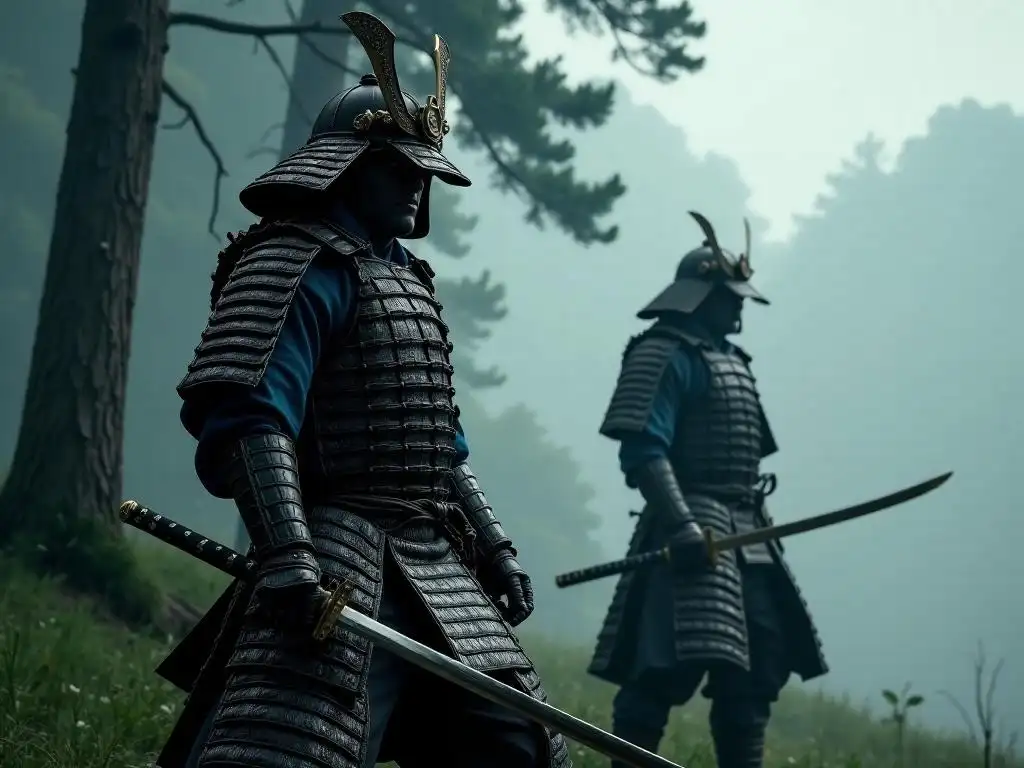
In the complex landscape of feudal Japan, warriors were often faced with the critical decision of retreating from battle. Tactical retreats were not a sign of weakness but rather a calculated maneuver in the face of overwhelming odds or unfavorable conditions. Understanding the reasons behind these retreats provides valuable insights into the military strategies employed by samurai and their commanders.
Assessing the Battlefield Conditions
One of the primary reasons for a tactical retreat in feudal Japan was the assessment of battlefield conditions. Warriors needed to evaluate multiple factors before determining whether to continue fighting or fall back. Key elements included:
- Terrain: The geography of the battlefield could dramatically impact troop movements. For instance, if a samurai unit found itself in an open field against a more numerically superior enemy, retreating to a more defensible position—such as a forest or elevated ground—was often prudent.
- Weather: Adverse weather conditions could turn the tide of battle. Rain or fog could obscure vision and hinder mobility, prompting a retreat to regroup and reassess.
- Supply Lines: The availability of resources—such as food, water, and ammunition—was essential for sustaining a military engagement. If a unit's supplies were running low or cut off, a retreat might be necessary to avoid encirclement and ensure survival.
The careful assessment of these conditions was crucial for commanders who aimed to preserve their forces for future engagements.
Strategic Advantages of Falling Back
Falling back strategically allowed warriors to regroup and leverage their strengths in subsequent confrontations. Some notable strategic advantages included:
- Avoiding Annihilation: By retreating, commanders could prevent total loss of their forces. This was particularly important in feudal Japan, where the loss of a clan's warriors could lead to a significant power shift.
- Consolidation of Forces: A tactical retreat enabled warriors to consolidate their remaining troops, allowing for more effective organization and planning. This was especially relevant in the context of clan warfare, where maintaining a cohesive fighting unit was vital.
- Guerilla Tactics: Retreating to familiar territory often allowed samurai to engage in guerilla warfare tactics. They could utilize ambushes and surprise attacks against pursuing enemies, leveraging their knowledge of the land to their advantage.
- Psychological Warfare: A well-executed retreat could also serve as a psychological tactic, misleading the enemy into underestimating the resilience of the retreating forces. This could lead to overconfidence among adversaries, making them vulnerable to counterattacks.
Psychological Factors Influencing Retreats
The decision to retreat was not solely based on physical conditions; psychological factors played a significant role as well. Understanding these dynamics is essential for grasping the broader context of feudal Japan warrior tactics:
- Morale: The morale of troops could fluctuate dramatically during battle. If a unit began to waver or demonstrate signs of fear, a retreat might be necessary to avoid complete collapse. Leaders needed to gauge the psychological state of their men and act accordingly.
- Leadership Decisions: The presence and decisions of commanding officers heavily influenced the willingness of warriors to retreat. Charismatic leaders who inspired loyalty could motivate their troops to retreat in an organized manner rather than a chaotic rout.
- Cultural Perceptions: The samurai code of honor, known as Bushido, influenced perceptions of retreat. While retreating could be seen as dishonorable, the strategic necessity for survival was often weighed against these cultural norms. Commanders had to balance the expectations of their warriors with the realities of warfare.
Through examining these psychological factors, one can better understand the complexities surrounding tactical retreats in feudal Japan. Ultimately, the decision to fall back was a multifaceted one, shaped by a combination of battlefield assessments, strategic advantages, and the psychological state of the forces involved.
Methods of Tactical Retreats Employed by Feudal Japan Warriors
The practice of tactical retreats was a critical aspect of military strategy in feudal Japan. Understanding the methods employed by warriors during these retreats sheds light on their overall battlefield tactics and their ability to adapt to challenging circumstances. Feudal Japan warriors, particularly samurai, were trained not only for combat but also for strategic withdrawals that could preserve their forces for future engagements. These methods can be categorized based on discipline, terrain utilization, and communication strategies.
The Role of Discipline in Retreat Strategies
Discipline was paramount in executing a successful tactical retreat. Samurai were trained to maintain composure under pressure, adhering to their codes of conduct, such as Bushido. This moral framework emphasized honor and the importance of strategic thinking over chaotic flight. Key elements of discipline in retreat strategies included:
- Formation Maintenance: Warriors were trained to retreat in organized formations rather than scattering. This minimized losses and maintained a fighting order for potential counterattacks.
- Controlled Movement: Samurai practiced controlled withdrawal techniques, ensuring they moved at a pace that allowed for regrouping and counteroffensive maneuvers if necessary.
- Psychological Resilience: The mental toughness instilled in samurai allowed them to face the stigma of retreat without losing morale, which was crucial for maintaining unit cohesion.
A famous instance demonstrating disciplined retreat is the Battle of Kawanakajima (1561), where Takeda Shingen's forces executed a well-coordinated withdrawal under pressure, preserving their strength for future battles.
Use of Terrain for Effective Withdrawals
Terrain played a significant role in the success of tactical retreats. Feudal Japan's diverse landscape offered both challenges and advantages to withdrawing forces. Warriors adeptly utilized the following aspects:
- Natural Barriers: Rivers, mountains, and forests were strategically used as shields during retreats. For example, the Japanese Alps provided cover for retreating troops, allowing them to evade pursuers effectively.
- High Ground Advantage: Samurai often retreated to elevated positions, where they could launch defensive actions against pursuing enemies, leveraging their superior vantage point.
- Urban Environments: In battles near settlements, warriors could utilize the built environment to create defensive perimeters, slowing down enemy advances during retreats.
The Siege of Osaka (1614-1615) illustrates this tactic well, where defenders used the city's layout to conduct retreat strategies that maximized their defensive capabilities.
Coordination and Communication During Retreats
Successful tactical retreats in feudal Japan relied heavily on coordination and communication among the ranks. Effective communication ensured that all units understood their roles and the overall strategy. Key aspects included:
- Signal Systems: Samurai employed various signaling methods, such as flags or drum beats, to communicate retreat orders quickly. This was especially important during chaotic battle scenarios.
- Leadership Roles: Commanders played a critical role in coordinating retreats. Their ability to make swift decisions and relay orders was vital in maintaining order during the withdrawal process.
- Unit Integration: Different samurai clans often had to coordinate their retreats. Understanding each unit's strengths and weaknesses allowed for smoother transitions during withdrawals, as demonstrated in the Battle of Nagashino (1575), where coordinated retreats among allied forces were crucial for survival.
The methods of tactical retreats employed by feudal Japan warriors were multi-faceted, relying on discipline, terrain knowledge, and effective communication. These strategies not only preserved lives but also ensured that warriors could regroup and prepare for future battles, showcasing their resilience and tactical prowess in the face of adversity.
Case Studies of Notable Tactical Retreats in Feudal Japan
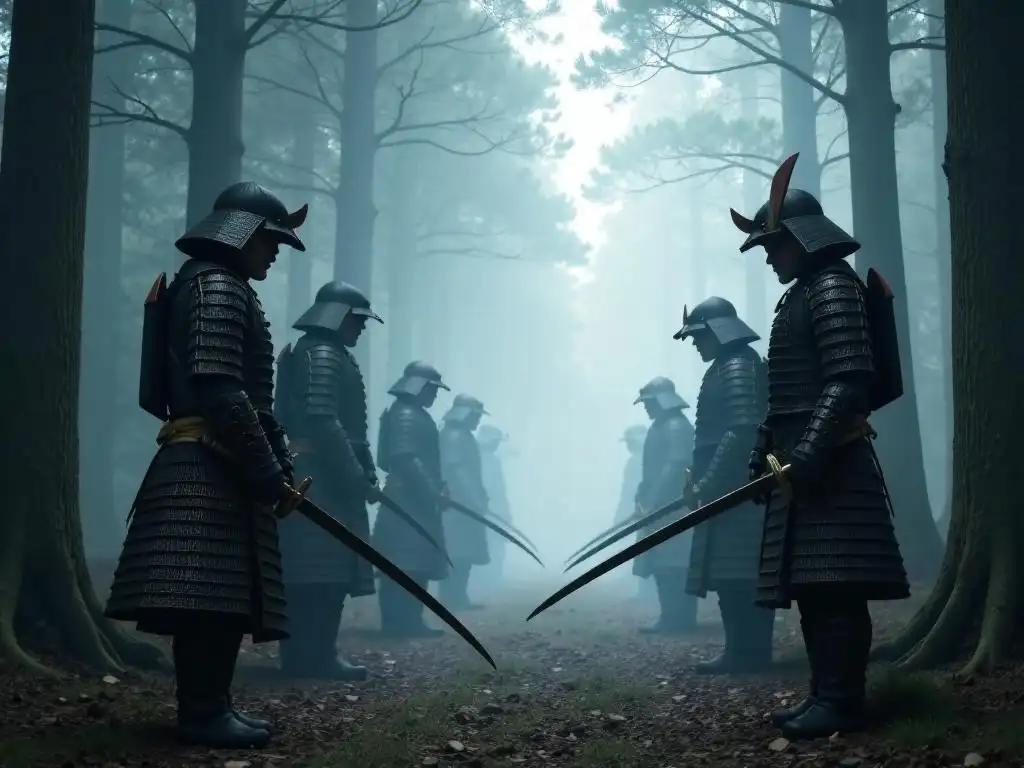
Tactical retreats in feudal Japan were not merely acts of desperation; they were strategic decisions that reflected the complex nature of warfare during this period. Understanding these retreats offers insight into the mindset of feudal Japan's warriors and their approach to battle. Here, we explore three significant examples that exemplify the intricate tactics employed by these warriors.
The Battle of Yashima: A Strategic Withdrawal
The Battle of Yashima (1185) serves as a classic example of a tactical retreat executed with precision. This engagement was part of the Genpei War, where the Minamoto clan faced the Taira clan. The Taira were initially successful, but as their forces became overstretched, they found themselves in a precarious position.
- Strategic Decisions: Under the command of Taira no Tomomori, the Taira clan recognized the need to withdraw strategically. Their forces retreated to their ships, allowing them to regroup and maintain their naval strength.
- Execution of the Retreat: This retreat was not chaotic; it involved a coordinated effort to maintain morale among the troops. The Taira warriors utilized their knowledge of the terrain and the sea to their advantage, ensuring that their withdrawal was orderly.
- Outcome: Although the Taira ultimately lost the war, the Battle of Yashima demonstrated that retreats could preserve a fighting force for future engagements. The strategic withdrawal allowed the Taira to fight another day, a critical aspect of feudal Japan warrior tactics.
The Retreat of the Takeda Clan: Lessons Learned
The Takeda clan, renowned for their cavalry tactics, faced a pivotal moment during the Battle of Nagashino in 1575. Despite being known for their aggressive combat style, the Takeda were forced to retreat, providing valuable lessons in the importance of adaptability in battle.
- Reasons for Retreat: The Takeda faced the combined forces of Oda Nobunaga and Tokugawa Ieyasu, who employed innovative tactics, including the use of firearms. The failure of the Takeda's traditional cavalry charges against fortified positions highlighted the need for tactical reassessment.
- Adapting to Change: As the battle turned against them, the Takeda leaders recognized that continuing the assault would lead to significant losses. They executed a planned retreat, focusing on regrouping and protecting their remaining forces.
- Long-term Impact: This retreat allowed the Takeda to preserve their strength and reconsider their strategies for future encounters. It illustrated that understanding when to withdraw is as critical as knowing when to advance, a core principle of feudal Japan warrior tactics.
The Siege of Osaka: Tactical Retreats Under Pressure
The Siege of Osaka (1614-1615) is another profound example of tactical retreats under intense pressure. This siege marked the decline of the Toyotomi clan and showcased the strategic considerations of feudal warfare.
- Context and Challenges: As Tokugawa Ieyasu sought to eliminate the last vestiges of the Toyotomi power, the siege was characterized by intense fighting. The defenders, led by Toyotomi Hideyori, faced overwhelming odds, forcing them into precarious situations.
- Tactical Decisions: During the siege, Hideyori and his generals made the crucial decision to conduct a tactical retreat at various points, relocating their forces within the castle. This maneuver aimed to maintain a defensive position while conserving their fighting strength.
- Aftermath: Although ultimately unsuccessful, the tactical retreats during the Siege of Osaka allowed for temporary reprieves and showcased the complexity of feudal warfare. The ability to adapt under pressure was essential, illustrating the resilience of the warriors involved.
These case studies highlight that tactical retreats in feudal Japan were often calculated moves rather than signs of defeat. Each instance illustrates the nuanced understanding of battlefield dynamics that characterized feudal Japan warrior tactics, reinforcing the idea that sometimes, retreating strategically can lead to future victories.
The Impact of Tactical Retreats on Feudal Japan's Warfare
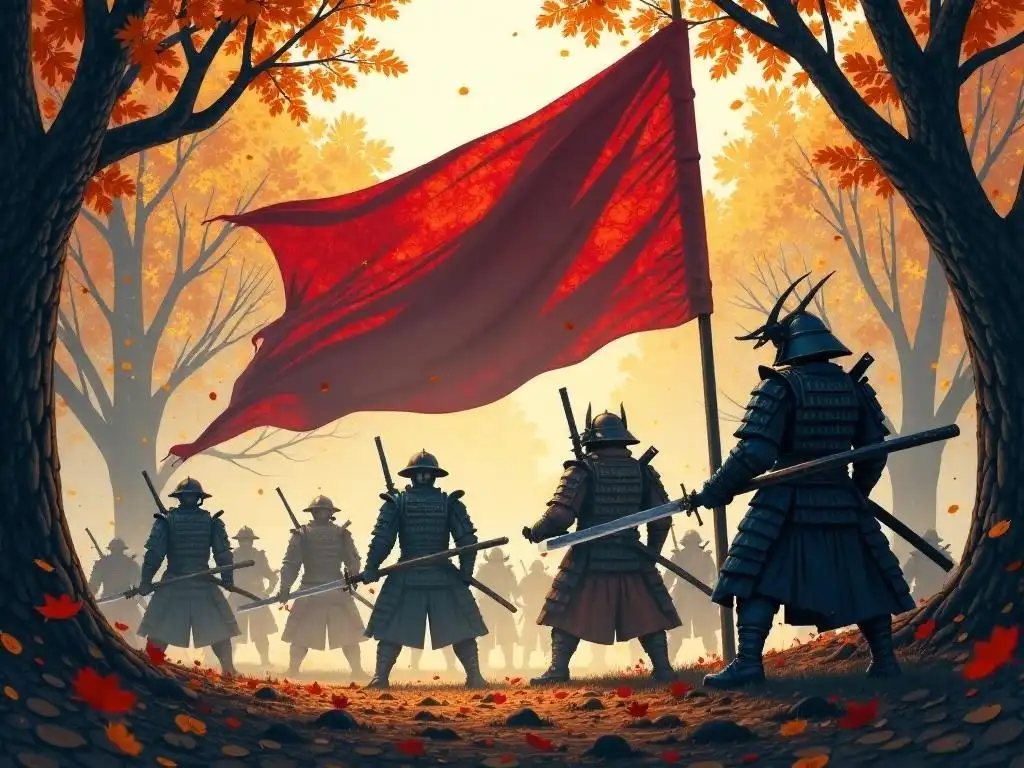
Tactical retreats were a fundamental aspect of warfare in feudal Japan, influencing not only the immediate outcomes of battles but also shaping long-term military strategies and cultural norms. Unlike the Western notion of retreat as a sign of defeat, in Japan, it was often seen as a tactical maneuver, a calculated decision made by experienced commanders to preserve their forces for future engagements. This approach directly impacted the battlefield dynamics and the efficacy of the samurai as warriors.
Shaping Future Military Strategies
The practice of tactical retreats forced feudal Japanese warlords to innovate their military strategies. Historical instances, such as the Battle of Kawanakajima between Takeda Shingen and Uesugi Kenshin, highlight how retreats were employed to lure the enemy into traps or to regroup forces for a more advantageous engagement. This battlefield maneuvering led to the development of specific tactics, including:
- Feigning Retreat: Warriors would simulate a withdrawal to bait the enemy into pursuing them, only to turn and counterattack.
- Strategic Withdrawal: Commanders often chose to retreat to fortified positions, allowing them to regroup and reinforce their troops.
- Use of Terrain: Knowledge of the local geography became crucial; warriors would retreat to high ground or difficult terrain that could impede enemy advancement.
These strategies not only preserved the lives of the samurai but also maintained the integrity of their clans, which was vital in a period marked by constant conflict and shifting allegiances.
Influence on Samurai Culture and Honor
The samurai code of Bushido emphasized honor and bravery, yet the acceptance of tactical retreats introduced a nuanced understanding of honor in warfare. Rather than viewing a retreat as cowardice, samurai learned to regard it as a wise choice for survival and future triumph. This cultural shift led to various implications:
- Re-evaluation of Courage: The notion of courage expanded to include the wisdom of knowing when to fight and when to withdraw. This was particularly evident in the writings of samurai leaders who articulated the importance of strategic retreats in their memoirs and teachings.
- Emphasis on Loyalty and Leadership: Samurai were taught to trust their leaders' decisions regarding retreat, reinforcing loyalty and discipline within ranks. A well-executed retreat could enhance a leader's reputation rather than diminish it.
- Creation of Legacy: Notable figures like Yamamoto Tsunetomo, in his work "Hagakure," discussed the philosophical aspects of retreating, further integrating this tactic into the samurai ethos.
The acceptance of tactical retreats significantly shaped the samurai's identity, merging the concepts of honor and strategy in ways that would resonate throughout the ages.
Long-term Effects on Feudal Japan’s Political Landscape
The implications of tactical retreats were not limited to the battlefield; they also had profound effects on the political dynamics of feudal Japan. As warlords navigated the complexities of power, their approach to retreats influenced alliances and territorial control:
- Alliance Formation: Successful retreats helped maintain the strength of a clan, allowing for future alliances with other warlords. This practice was crucial in a fragmented political landscape where shifting allegiances were common.
- Territorial Preservation: By prioritizing the preservation of forces, clans could protect their domains from being overrun, maintaining regional stability and authority.
- Shift in Power Dynamics: The ability to retreat effectively could determine the rise or fall of powerful clans. For instance, the Hojo clan utilized strategic retreats during conflicts, enabling them to remain influential even after setbacks in battle.
Ultimately, the tactical retreats employed by feudal Japan's warriors were not merely battlefield maneuvers; they were pivotal in shaping the military, cultural, and political contours of the era. Understanding these retreats offers insights into the complex interplay of honor, strategy, and power that defined feudal Japan.
Conclusion: The Legacy of Tactical Retreats in Feudal Japan Warrior Tactics
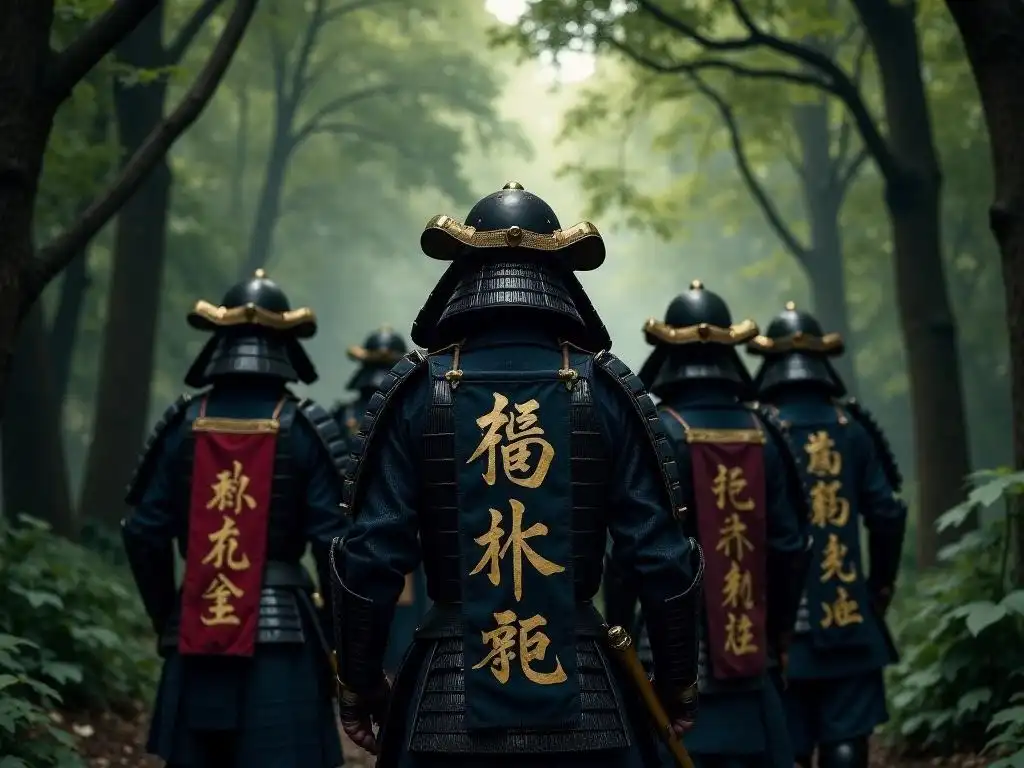
The feudal era of Japan is characterized by its intricate military strategies, where the concept of tactical retreats played a pivotal role in shaping the outcomes of numerous conflicts. Understanding the legacy of these retreats provides insight into the evolving nature of Feudal Japan warrior tactics. Rather than viewing retreat as a sign of weakness, these warriors recognized it as a strategic maneuver that could lead to future victories.
Reflection on the Evolution of Military Strategies
Throughout the feudal period, the evolution of military strategies in Japan was heavily influenced by the need for adaptability in the face of changing battle conditions. Tactical retreats were often employed to regroup, reassess, and launch counterattacks. Notable examples include:
- The Battle of Kawanakajima (1561): Here, Takeda Shingen and Uesugi Kenshin faced off in a protracted struggle. Shingen, recognizing a disadvantage, executed a tactical retreat to preserve his forces for a more favorable engagement.
- The Siege of Osaka (1614-1615): Tokugawa Ieyasu’s forces employed strategic withdrawals to lure the enemy into vulnerable positions, ultimately leading to decisive victories.
These instances underscore how tactical retreats were integrated into broader military strategies, allowing warriors to maintain their strength and morale. The ability to retreat effectively not only preserved lives but also safeguarded the honor of the clan, reinforcing the idea that a well-timed withdrawal could be just as honorable as a glorious victory.
Final Thoughts on the Importance of Tactical Withdrawals
Tactical withdrawals in Feudal Japan were essential for warriors to navigate the complexities of warfare. They emphasized the importance of strategic planning, foresight, and discipline. By understanding when to retreat, warriors could conserve their forces, gather intelligence, and prepare for future engagements.
The significance of these tactics extends beyond mere battlefield maneuvers; they encapsulated the philosophical underpinnings of bushido, the way of the warrior. The respect for life, both their own and that of their adversaries, informed these decisions, reflecting a profound understanding of the art of war.
The legacy of tactical retreats in feudal Japan reveals a nuanced aspect of military history that continues to inform contemporary military strategies. The lessons learned from these historical retreats serve as a reminder of the value of adaptability, foresight, and the strategic use of withdrawal in the face of adversity. As we reflect on the intricate tapestry of Feudal Japan warrior tactics, it becomes clear that retreats were not merely acts of desperation but critical components of a warrior’s arsenal.
Additional Resources for Further Exploration
Recommended Books on Feudal Japan Warrior Tactics
For those interested in delving deeper into the tactical maneuvers and strategies employed by warriors during Japan's feudal era, a selection of comprehensive literature is invaluable. Here are some recommended titles:
-
"Samurai Warfare" by Stephen Turnbull
This book offers an in-depth examination of the military strategies and tactics used by samurai throughout the feudal period. Turnbull’s analysis includes detailed illustrations and battlefield accounts that provide context to the warriors' tactical retreats.
-
"The Book of Five Rings" by Miyamoto Musashi
Written by the legendary swordsman Miyamoto Musashi, this classic text not only discusses combat techniques but also delves into the philosophy of warfare, including the importance of strategic retreats in battle.
-
"Warriors of Japan: The Role of the Samurai in the History of Japan" by John Man
This book presents a narrative of the samurai's role in Japan’s history, touching on various tactics, including retreats, and the cultural implications of these strategies in feudal society.
-
"The Art of War" by Sun Tzu (translated by Ralph D. Sawyer)
While not exclusively about Japan, this ancient Chinese text has influenced Japanese military tactics significantly. Its principles on strategy, including the importance of retreat, are applicable to understanding feudal Japan's warrior tactics.
Online Archives and Historical Documents
Exploring online archives can provide access to primary sources and historical documents that shed light on feudal Japan's military tactics. Here are some valuable resources:
-
National Diet Library Digital Collections
This extensive archive includes historical texts, manuscripts, and military documents from Japan's feudal era. It serves as a treasure trove for researchers interested in the tactical decisions made by warriors during their battles.
-
Japan Center for Asian Historical Records (JACAR)
JACAR offers a comprehensive database of historical documents, including military records from the Edo period. These records often detail specific encounters, including instances of tactical retreats.
-
The Internet Archive
A vast repository of digitized texts where one can find historical accounts and analyses related to feudal Japan’s military strategies. Searching for terms like "samurai tactics" or "Japanese battle history" can yield insightful results.
Relevant Documentaries and Films on Feudal Japan Military History
Visual media can be a powerful tool for understanding the complexities of feudal Japan’s military tactics. Here are some noteworthy documentaries and films:
-
"The Samurai" (Documentary)
This documentary provides an overview of the samurai's role in feudal Japan, discussing their tactics, including the strategic retreats they employed during various conflicts. It features expert commentary and reenactments that bring the historical context to life.
-
"The Last Samurai" (Film)
While a dramatized account, this film captures the essence of samurai culture and warfare during the transition from feudalism to modernization. It highlights tactical retreats and the warriors' philosophy in combat, framed within a historical narrative.
-
"The Age of the Samurai: Battle for Japan" (Netflix Series)
This docuseries offers a detailed look at the power struggles in feudal Japan, showcasing various battles and the tactics used, including retreats. It combines expert interviews with dramatic reenactments to illustrate the era vividly.
-
"14 Blades" (Film)
This action film, while fictional, draws on historical elements of Chinese and Japanese martial traditions. It depicts various aspects of battlefield tactics, including strategic withdrawals, providing an entertaining yet insightful perspective on warrior tactics in a historical context.
By exploring these resources, one can gain a more nuanced understanding of feudal Japan warrior tactics, particularly the strategic retreats that were integral to their military practices.
Frequently Asked Questions
What were the primary warrior tactics used in Feudal Japan?
Feudal Japan's warrior tactics included a combination of strategic formations, ambushes, and retreats that allowed samurai to adapt to various battle scenarios and terrain.
Why were tactical retreats significant in battles?
Tactical retreats were crucial as they allowed warriors to preserve their forces, regroup, and reassess their strategies, often turning a potential defeat into a future victory.
How did terrain influence warrior tactics in Feudal Japan?
The terrain played a vital role in shaping warrior tactics; samurai utilized natural landscapes for ambushes and defensive positions, enhancing their advantages during conflicts.
What role did training play in developing these tactics?
Training was essential for samurai to master their combat skills and understand various tactical maneuvers, ensuring they could effectively execute strategies in diverse situations.
How did cultural beliefs affect warrior tactics in Feudal Japan?
Cultural beliefs, such as the samurai code of honor (Bushido), influenced warriors to prioritize honor and loyalty in their tactics, sometimes leading to the acceptance of tactical retreats as a strategic necessity.
Final Reflection: The Enduring Legacy of Feudal Japan's Warrior Tactics
The strategic retreats of feudal Japan's warriors reveal a profound understanding of warfare that remains relevant today. In an era where the battlefield dynamics have evolved, the principles of tactical retreats underscore the importance of adaptability and strategic foresight. These historical insights remind us that sometimes, stepping back is not a sign of weakness but rather a calculated move towards victory.
Cultural narratives surrounding feudal Japan often romanticize the image of the samurai as fearless warriors, yet their ability to retreat strategically speaks volumes about their wisdom and discipline. The lessons learned from these tactics continue to resonate in modern military strategies and even in personal conflict resolution. As Sun Tzu wisely stated, In the midst of chaos, there is also opportunity.
This perspective encourages us to view setbacks not as failures but as opportunities for regrouping and reassessing our strategies in various aspects of life.
As you reflect on the lessons from feudal Japan's warrior tactics, consider how you can apply these principles in your own journey. Embrace the idea that a tactical retreat can pave the way for a stronger comeback. Whether in personal challenges, professional endeavors, or interpersonal relationships, remember that sometimes the most courageous decision is to pause, reflect, and plan your next move with intention. Let the wisdom of the past guide you toward a future where resilience and strategy lead the way.
Embrace Strategy: Learn From the Masters of Retreat!
Thank you for diving into the fascinating world of feudal Japan’s warriors! You’ve uncovered the art of tactical retreats and the strategic thinking behind them. Now, it's time to take your newfound knowledge and put it into action!
Here are a few steps you can take to deepen your understanding and share this captivating history:
- Join a discussion group or online community focused on feudal Japan to exchange insights and strategies inspired by these historical figures.
- Create and share a blog post or social media update about the lessons learned from tactical retreats in feudal Japan. Your unique perspective could spark engaging conversations!
- Explore further: Read additional resources on military strategy or biographies of influential leaders to broaden your grasp of these complex tactics.
How can the lessons from feudal Japan’s strategies inspire your own approach to challenges today?