
Tactics of the Warring States: Lessons from the Sengoku Era

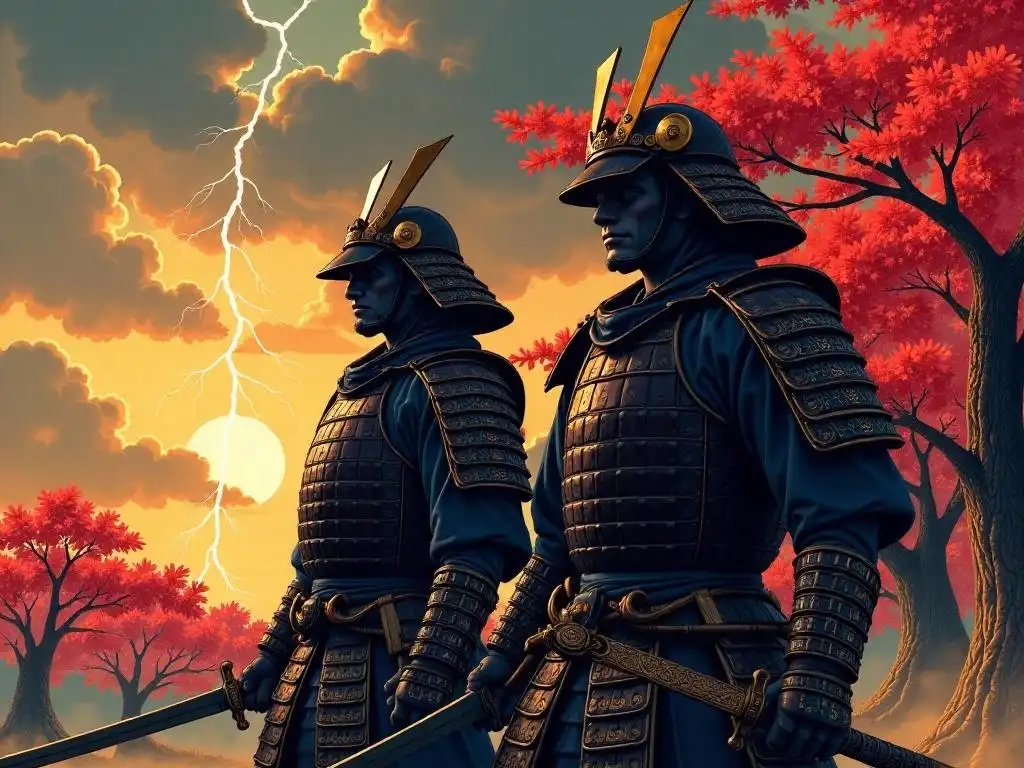
Welcome to Feudal Japan History, where we embark on a captivating journey through the intricate tapestry of Japan’s feudal era. Here, we delve into the military tactics of the Sengoku Era, a period marked by chaos and innovation on the battlefield. What strategies did the great warlords employ to secure their power, and how do these lessons resonate today? Prepare to uncover the secrets of this tumultuous time as you explore our expert-driven articles, each designed to ignite your curiosity and deepen your understanding of Japan's rich history. Let the adventure begin!
Introduction to the Sengoku Era Military Tactics
The Sengoku Era (1467-1615) was a tumultuous period in Japanese history characterized by persistent civil wars, political intrigue, and the rise and fall of powerful clans. This era, often referred to as the "Warring States" period, not only reshaped the political landscape of Japan but also revolutionized military strategies and tactics.
During these chaotic times, military leaders faced a myriad of challenges, forcing them to innovate and adapt their approaches to warfare. Understanding the military tactics of the Sengoku Era is crucial for comprehending the broader historical narrative of Japan, as these strategies laid the groundwork for the unified state that followed under the Tokugawa shogunate.
As we delve into the Sengoku Era military tactics, we will explore the social dynamics, technological advancements, and strategic decisions that defined this era. By analyzing the key features of military engagements during this time, we can extract valuable lessons that continue to resonate today.
Overview of the Sengoku Era
The Sengoku Era emerged in the wake of the Onin War, a conflict that ignited a power struggle among Japan's feudal lords, known as daimyōs. This period was marked by:
- Fragmentation of Power: Japan was divided into numerous territories controlled by competing clans.
- Constant Warfare: Battles were fought over land, resources, and influence, leading to shifting alliances and betrayals.
- Rise of Notable Figures: Leaders such as Oda Nobunaga, Toyotomi Hideyoshi, and Tokugawa Ieyasu became key players in the quest for unification, each employing distinct military tactics.
The intricacies of warfare during the Sengoku Era not only influenced military history but also had a profound impact on Japanese culture and society, shaping the values and norms that emerged in subsequent periods.
Importance of Military Tactics in Feudal Japan
Military tactics during the Sengoku Era were of paramount importance for several reasons:
- Survival and Dominance: In a landscape rife with conflict, effective tactics determined the survival of clans and their capacity to expand their influence.
- Psychological Warfare: Leaders employed psychological strategies to intimidate opponents, often emphasizing reputation and fear.
- Technological Advancements: The introduction of firearms, particularly the matchlock gun, transformed traditional strategies, necessitating new approaches to troop formation and engagement.
These elements underscore the vital role that military tactics played in not only the outcomes of battles but also in the broader sociopolitical dynamics of feudal Japan.
Key Features of Sengoku Era Military Tactics
Adaptation to Terrain and Environment
One of the most striking characteristics of Sengoku Era military tactics was the ability to adapt strategies based on the terrain and environment. Leaders understood that:
- Geographical Advantages: Utilizing hills, rivers, and forests could provide defensive benefits and ambush opportunities.
- Seasonal Considerations: Weather patterns influenced troop movements and supply lines, necessitating flexibility in planning.
This adaptability allowed commanders to maximize their strengths while exploiting the weaknesses of their adversaries.
Use of Infantry, Cavalry, and Archers
The composition of forces during the Sengoku Era was highly strategic:
- Infantry: Foot soldiers formed the backbone of many armies, often equipped with spears (yari) and swords (katana).
- Cavalry: Mounted troops were used for rapid assaults and flanking maneuvers, striking fear into the enemy ranks.
- Archers: Skilled marksmen provided ranged support, crucial for softening enemy formations before a full assault.
The effective coordination of these units was essential for achieving victory on the battlefield.
The Role of Fortifications and Castles
Fortifications, particularly castles, played a critical role in the military strategies of the Sengoku Era:
- Strategic Locations: Castles were often built on elevated terrain or near vital resources, serving as both defensive structures and administrative centers.
- Psychological Impact: The presence of a well-defended castle could deter potential attacks, while also serving as a symbol of power and stability.
Understanding the role of these fortifications provides insight into the broader military landscape of feudal Japan, illustrating how physical structures influenced warfare dynamics.
In the following sections, we will delve deeper into these aspects, offering a comprehensive exploration of the military tactics that defined the Sengoku Era and their lasting impact on Japanese history.
Notable Military Leaders and Their Tactics
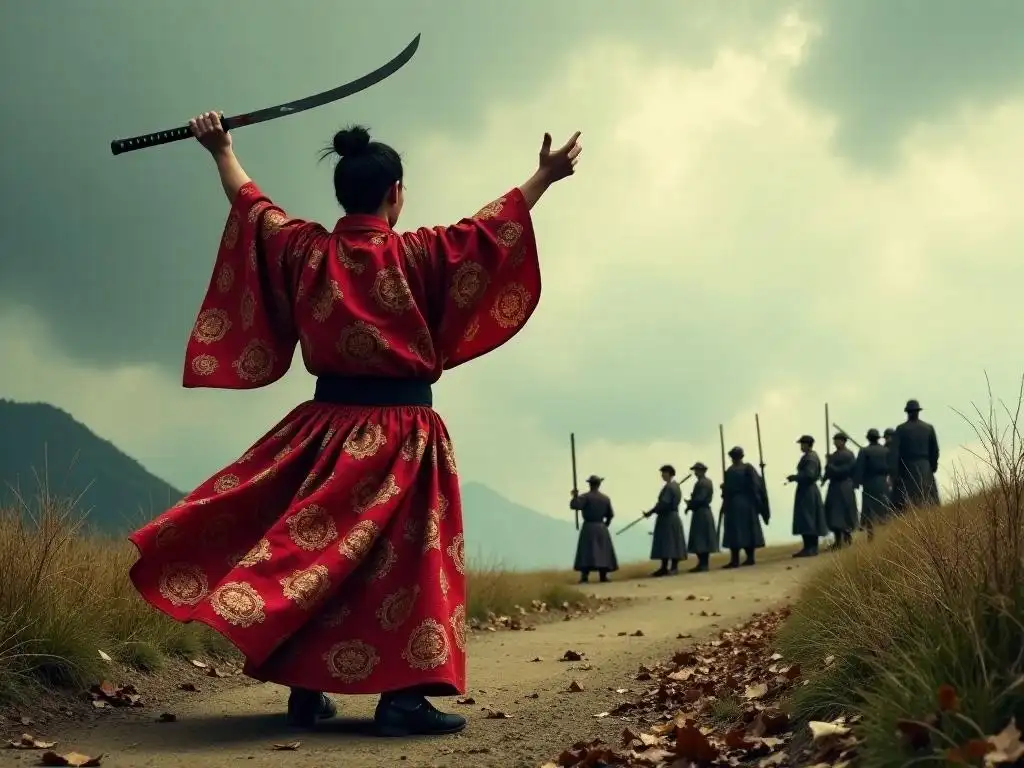
The Sengoku Era, a tumultuous period in Japanese history from the mid-15th to the early 17th century, was marked by the rise of powerful daimyo (feudal lords) and their fierce competition for dominance. This era produced several military leaders whose innovative tactics and strategies reshaped the landscape of warfare in Japan. Their approaches not only influenced their immediate battles but also laid the groundwork for the future of military strategy in the region. Below, we explore the key figures and their distinctive tactics.
Oda Nobunaga: Innovative Strategies
Oda Nobunaga is often regarded as one of the most significant figures in the unification of Japan during the Sengoku Era. His innovative strategies fundamentally transformed the nature of warfare. Nobunaga's use of firearms, particularly matchlock guns, was revolutionary. He recognized the importance of infantry armed with these weapons, leading to the famous use of a three-line formation at the Battle of Nagashino in 1575, where his troops effectively decimated an opposing cavalry charge.
Nobunaga also employed psychological warfare to great effect. He was known for his swift and brutal tactics, which instilled fear in his enemies. His strategy often revolved around rapid, decisive engagements, allowing him to capitalize on the element of surprise. Nobunaga's ability to adapt to changing circumstances on the battlefield, combined with his innovative use of technology and intelligence, made him a formidable military leader.
Toyotomi Hideyoshi: Unifying Tactics
Toyotomi Hideyoshi, a former farmer who rose to power under Nobunaga, is noted for his remarkable ability to unify Japan after Nobunaga's death. His tactics emphasized diplomacy alongside military force. Hideyoshi effectively utilized alliances and marriages to expand his influence, often negotiating terms that would lead to a peaceful resolution rather than outright conflict.
In battle, Hideyoshi was adept at siege warfare, exemplified during the Siege of Takamatsu in 1582. He employed a strategy of encirclement and attrition, cutting off supplies to force the enemy into submission. Hideyoshi's tactics also included the use of large, well-coordinated armies that combined infantry and cavalry effectively. His emphasis on discipline and training among his troops ensured that they were prepared for the rigors of battle, which was crucial for maintaining control over a unified Japan.
Tokugawa Ieyasu: Defensive Warfare
Tokugawa Ieyasu, the founder of the Tokugawa shogunate, focused on defensive warfare and strategic patience. After his victory at the Battle of Sekigahara in 1600, he established a long period of peace known as the Edo period. Ieyasu's tactics were characterized by meticulous planning and a deep understanding of the political landscape. He prioritized consolidating power through alliances and fostering loyalty among his vassals.
In battle, Ieyasu favored defensive positions, often choosing to engage in warfare only when the odds were in his favor. His approach at Sekigahara illustrates this, as he effectively utilized terrain to his advantage and coordinated his forces to outmaneuver a larger enemy. Ieyasu's emphasis on stability and governance over outright conquest laid the foundation for Japan's peaceful and prosperous era that followed.
Major Battles and Their Tactical Lessons
The battles of the Sengoku Era serve as vital lessons in military strategy, showcasing the effectiveness of various tactics employed by the leaders of the time. Each engagement not only reflected the tactical acumen of the generals involved but also contributed to the evolution of warfare in Japan.
The Battle of Okehazama: Surprise and Speed
The Battle of Okehazama (1560) is a classic example of the importance of surprise in military tactics. Oda Nobunaga faced a much larger army led by Imagawa Yoshimoto. Rather than retreating or fortifying his position, Nobunaga opted for a daring night march to surprise the enemy. His forces launched a sudden attack, capitalizing on the element of surprise at a moment when Imagawa's troops were complacent and celebrating their apparent victory.
This battle highlights the effectiveness of mobility and timing in warfare. Nobunaga's ability to execute a rapid assault in the face of overwhelming odds not only secured a pivotal victory but also demonstrated how strategic planning could turn the tide of a battle. The lessons learned from Okehazama emphasize the value of speed and the unexpected in military engagements.
The Battle of Sekigahara: Strategic Alliances
The Battle of Sekigahara (1600) was one of the most consequential battles in Japanese history, marking the end of the Sengoku Era and the beginning of the Tokugawa shogunate. Ieyasu's success at Sekigahara was largely due to his ability to forge strategic alliances and exploit the weaknesses of his opponents. He carefully cultivated relationships with various factions, ensuring that he had both military and political support.
The tactical lesson from Sekigahara underscores the importance of alliances and information in warfare. Ieyasu's mastery of diplomacy allowed him to secure the loyalty of key figures, which ultimately tipped the balance in his favor. The battle serves as a reminder of the multifaceted nature of warfare, where political maneuvering can be just as critical as battlefield tactics.
The Siege of Osaka: Importance of Logistics
The Siege of Osaka (1614-1615) represents a critical moment in the consolidation of Tokugawa power. During the siege, Tokugawa Ieyasu faced the formidable forces of Toyotomi Hideyori. The siege highlighted the importance of logistics in warfare, as Ieyasu's forces were able to cut off supplies and reinforcements to the defenders, gradually wearing them down.
Ieyasu's careful planning and management of resources underscored how logistics can be a decisive factor in the outcome of a conflict. The siege also demonstrated the significance of morale and the psychological aspects of warfare, as prolonged deprivation can lead to despair among defenders. This battle serves as a crucial reminder that successful military campaigns require not only tactical expertise but also a deep understanding of logistics and resource management.
Evolution of Military Tactics During the Sengoku Era
The Sengoku Era, spanning from the mid-15th century to the early 17th century, is marked by a turbulent period of constant military conflict among various feudal lords in Japan. During this time, military tactics underwent significant evolution, moving from traditional strategies rooted in earlier periods to more sophisticated and organized methods of warfare. This transformation was driven by the necessity to adapt to the rapidly changing battlefield dynamics, the rise of powerful clans, and the competition for territorial dominance.
Transition from Traditional to Modern Warfare
Initially, warfare in Japan was dominated by traditional tactics, which included the use of cavalry and infantry formations based on honor and personal combat. However, as the Sengoku Era progressed, commanders began to adopt more advanced strategies that emphasized coordination and discipline among troops. The introduction of firearms, particularly matchlock guns (tanegashima), revolutionized battle tactics, allowing for the establishment of gun lines and the integration of infantry units with ranged capabilities. This shift marked a departure from the reliance on samurai duels and individual prowess, leading to formations that prioritized massed firepower and combined arms tactics.
Influence of European Military Tactics
During the latter part of the Sengoku Era, contact with European traders and missionaries introduced new military concepts and techniques. European tactics, particularly those of the Portuguese and Spanish, emphasized formations, fortifications, and the use of gunpowder. Japanese warlords, such as Oda Nobunaga, recognized the potential of these tactics and incorporated them into their strategies. This blending of Eastern and Western methodologies not only enhanced the effectiveness of Japanese armies but also laid the groundwork for future military reforms in the Edo period.
Technological Advancements in Warfare
Technological advancements played a crucial role in shaping the military landscape of the Sengoku Era. The introduction of firearms was perhaps the most significant change, altering the way battles were fought. Additionally, the development of more effective siege weapons and fortifications reflected a growing understanding of the importance of defensive strategies. The use of castles became prevalent, serving both as military strongholds and symbols of power. Innovations in logistics, supply lines, and communication further supported the capabilities of warlords, enabling them to sustain prolonged campaigns and execute complex maneuvers.
Cultural and Societal Impacts of Military Tactics
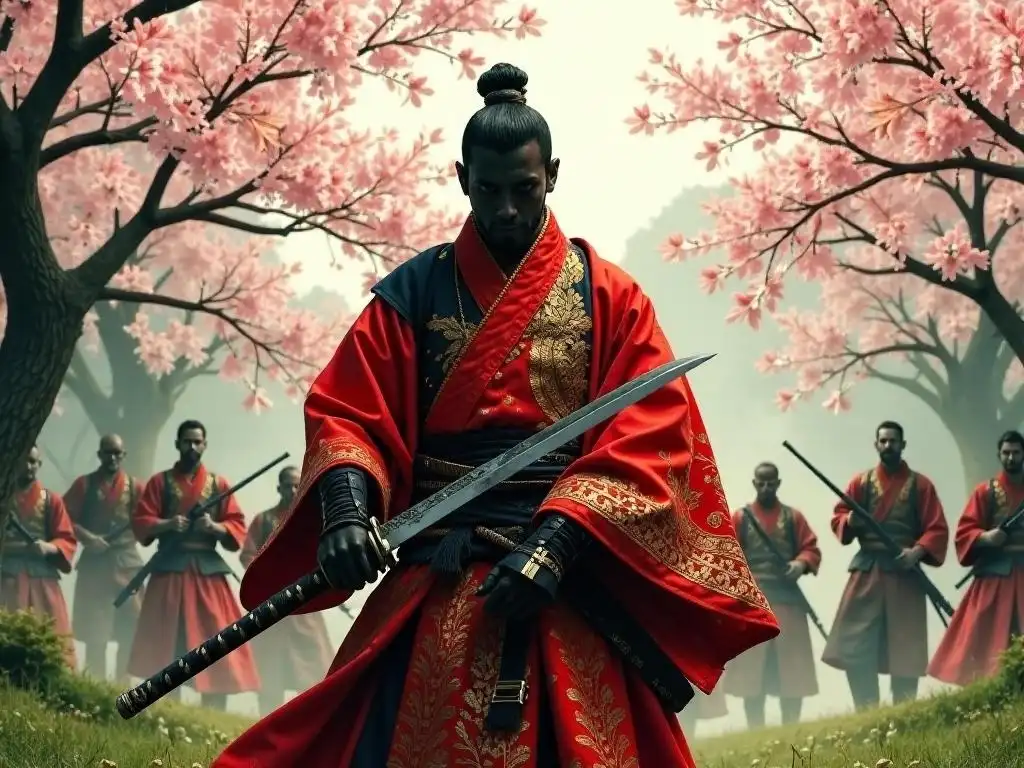
The evolution of military tactics during the Sengoku Era had profound cultural and societal implications that extended beyond the battlefield. The nature of warfare influenced not only the structure of feudal society but also the identity of the Japanese people.
The Samurai Code and Its Influence on Tactics
The samurai code, known as Bushido, played a pivotal role in shaping military tactics throughout the Sengoku Era. This code emphasized values such as loyalty, honor, and courage, which were reflected in the tactics employed by samurai warriors. As traditional tactics began to blend with newer strategies, the principles of Bushido remained influential, dictating how battles were fought and how warriors conducted themselves in combat. The samurai's commitment to their lords and the ethical considerations of warfare informed decisions on both the tactical and strategic levels.
The Role of Warfare in Feudal Society
Warfare was not only a means of territorial expansion but also a fundamental aspect of feudal society. The constant state of conflict necessitated a hierarchical structure where loyalty and service were exchanged for protection and land. This relationship between lords and vassals was reinforced by military obligations, as samurai were expected to lead troops into battle and defend their territories. Warfare thus became intertwined with social status, political power, and land ownership, shaping the dynamics of feudal Japan.
Impact on Japanese Culture and Identity
The military tactics of the Sengoku Era left an indelible mark on Japanese culture and identity. The glorification of samurai warriors and their exploits in battle fostered a sense of national pride and unity. Moreover, the stories and legends that emerged from this tumultuous period contributed to the development of Japanese literature, theater, and art. The cultural narratives surrounding the Sengoku Era continue to resonate in contemporary Japanese society, reflecting the enduring legacy of military tactics and the values they represented.
Conclusion: Lasting Lessons from Sengoku Era Military Tactics
The Sengoku Era, a period marked by relentless warfare and political intrigue, offers valuable insights into military strategies that continue to resonate today. The tactics employed by samurai leaders during this tumultuous time were not only inventive but also adaptable, often reflecting the changing dynamics of battle. Key lessons from this era include the importance of flexibility in strategy, the effective use of terrain, and the value of deception in warfare. These principles can be seen reflected in modern military doctrines, underscoring the enduring relevance of Sengoku tactics.
Moreover, the Sengoku Era also highlights the significance of morale and leadership in battle. The samurai understood that a well-motivated troop could turn the tide of war, a lesson that remains crucial in contemporary military operations. As we analyze the strategies of this historical period, it becomes evident that the essence of military tactics transcends time, providing a framework that can be adapted to modern conflicts.
Relevance of Sengoku Tactics in Modern Military Doctrine
The tactics of the Sengoku Era have left a lasting imprint on modern military doctrine, particularly in the realms of strategic planning and execution. Contemporary military leaders can glean several key principles from this historical period:
- Adaptation and Innovation: The Sengoku samurai often adapted their tactics to the unique circumstances of each battle. This adaptability is crucial in today’s fast-paced military environments, where flexibility can determine success or failure.
- Terrain Utilization: Understanding and leveraging the terrain was a hallmark of Sengoku warfare. Modern military strategies continue to prioritize geographical advantages, such as high ground and natural barriers, to gain superiority over adversaries.
- Psychological Warfare: The use of deception, feints, and misinformation was prevalent during the Sengoku period. This approach is mirrored in modern tactics, where psychological operations are employed to manipulate enemy perceptions and actions.
By studying these tactics, military professionals can enhance their operational effectiveness, ensuring that historical lessons inform current and future strategies.
Final Thoughts on the Legacy of the Sengoku Era
The legacy of the Sengoku Era extends far beyond the battlefield; it encompasses the cultural and philosophical development of Japan. The samurai's code of honor, known as Bushido, fostered values such as loyalty, courage, and discipline, which not only shaped military conduct but also influenced Japanese society as a whole. As we reflect on this era, it becomes clear that the military tactics employed during the Sengoku period were intertwined with broader societal values, leaving a profound impact on Japan’s historical trajectory.
In an era where technological advancements continue to reshape warfare, the core principles of Sengoku tactics remind us of the enduring nature of strategic thinking. The lessons learned during this time can inspire contemporary military leaders to navigate the complexities of modern conflicts while upholding the ethical standards that govern warfare.
References and Further Reading on Sengoku Era Military Tactics
To deepen your understanding of the Sengoku Era and its military tactics, consider exploring the following resources:
Suggested Books and Articles
-
"Samurai Warfare: The Book of Five Rings" by Miyamoto Musashi
This classic text provides insights into the mindset and strategies of samurai warfare, authored by one of the era's most renowned swordsmen.
-
"The Samurai: A Military History" by Stephen Turnbull
This comprehensive volume covers the evolution of samurai warfare, detailing the tactics and developments throughout the Sengoku Era.
-
"Sengoku: The Warring States of Japan" by Tomo Akimoto
An in-depth exploration of the political and military landscape during the Sengoku period, emphasizing key battles and leaders.
Online Resources for Deeper Understanding
- The Samurai Archives: A comprehensive online repository featuring articles, maps, and images related to samurai history and tactics.
- Sengoku Jidai (Warring States) Resources: A dedicated website offering a wealth of information, including timelines, biographies, and analyses of key battles during the Sengoku Era.
- Podcasts on Japanese History: Several podcasts delve into the Sengoku Era, featuring expert interviews and discussions that provide a rich auditory experience of this historical period.
By engaging with these resources, readers can gain a nuanced understanding of the Sengoku Era's military tactics and their relevance in historical and modern contexts.
- Introduction to the Sengoku Era Military Tactics
- Overview of the Sengoku Era
- Importance of Military Tactics in Feudal Japan
- Key Features of Sengoku Era Military Tactics
- Notable Military Leaders and Their Tactics
- Major Battles and Their Tactical Lessons
- Evolution of Military Tactics During the Sengoku Era
- Cultural and Societal Impacts of Military Tactics
- Conclusion: Lasting Lessons from Sengoku Era Military Tactics
- References and Further Reading on Sengoku Era Military Tactics
Frequently Asked Questions
What was the Sengoku Era?
The Sengoku Era, also known as the Warring States period, was a time of political upheaval and military conflict in Japan, lasting from the late 15th century to the early 17th century.
How did military tactics evolve during the Sengoku Era?
Military tactics during the Sengoku Era saw significant developments, including the use of gunpowder, the introduction of new formations, and a focus on strategic alliances among clans.
What role did castles play in Sengoku Era military tactics?
Castles were crucial in Sengoku military tactics, serving as defensive strongholds and bases for launching campaigns. They provided a strategic advantage in controlling territory and resources.
Which famous leaders emerged during the Sengoku Era?
Key figures like Oda Nobunaga, Toyotomi Hideyoshi, and Tokugawa Ieyasu were instrumental in shaping military tactics and political landscapes during the Sengoku Era.
What can modern military strategists learn from the Sengoku Era?
Modern strategists can learn about the importance of flexibility, the value of intelligence in warfare, and the necessity of forming alliances to achieve military objectives, all exemplified in the Sengoku Era.
Final Reflection: Lessons from the Sengoku Era that Resonate Today
The Sengoku Era military tactics we explored throughout this article are not merely relics of the past; they are powerful strategies that continue to hold relevance in our modern world. In an age where competition is fierce and the stakes are high, understanding the art of war—both on the battlefield and in the boardroom—can provide invaluable insights. The lessons learned from the cunning maneuvers of samurai leaders remind us that adaptability, strategic foresight, and psychological warfare are as crucial today as they were centuries ago.
The influence of the Sengoku Era extends beyond historical interest; it has shaped cultural narratives and strategic thinking in contemporary society. As we navigate our own conflicts, whether personal or professional, the principles of deception, alliance-building, and resource management from this tumultuous period serve as a guide. In war, the way is to avoid what is strong and to strike at what is weak.
This wisdom from Sun Tzu encapsulates the essence of Sengoku tactics and illustrates how these age-old strategies can be applied to modern challenges, fostering resilience and innovation in our approaches to conflict.
As we reflect on these lessons, I invite you to consider how the tactics of the Sengoku Era can inspire your own journey. Whether you are facing a competitive challenge, a personal struggle, or a collaborative project, think about how strategic thinking and adaptability can lead you to success. Embrace the spirit of the samurai, and let the insights gained from this era empower you to navigate your own battles with courage and wisdom. The past is not just a history lesson; it is a treasure trove of strategies waiting to be applied in our lives today.
Unleash Your Inner Strategist: Apply Sengoku Tactics Today!
Thank you for immersing yourself in the riveting lessons from the Sengoku Era! We hope you found valuable insights into the strategic maneuvers that shaped Japan's history. Now, it's time to take that knowledge and put it into action.
Here are a few steps to inspire your strategic thinking:
- Embrace the Art of War: **Identify a situation in your life where you can apply a tactical approach. ** Whether it's a personal project or a team challenge, outline a plan to tackle it using the strategies you've learned.
- Join the Discussion: **Engage with others who share your interest! ** Discuss how historical tactics can influence modern challenges through social media or community forums.
- Explore Further: **Dive deeper into Japanese history by researching specific figures from the Sengoku period. ** Consider picking up an engaging book or documentary that captures your interest!
What strategy from the Sengoku period could you see transforming your approach to a current challenge? Share your thoughts below!