
Understanding the Role of the Katana in Samurai Combat Strategy

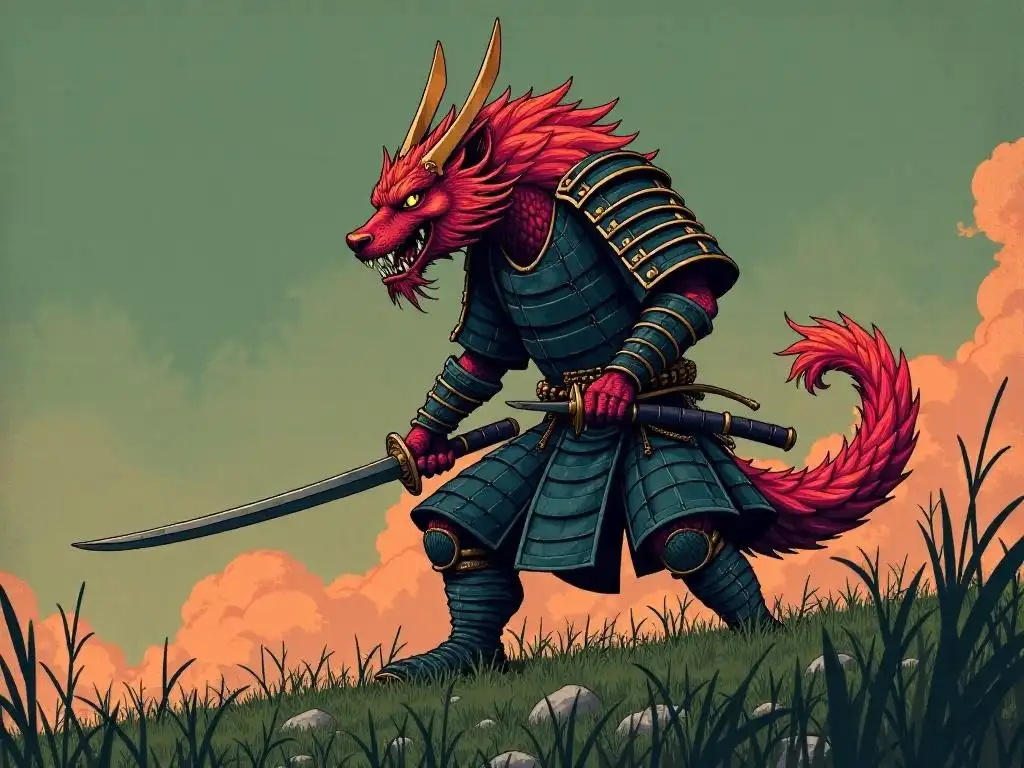
Welcome to Feudal Japan History, where we invite you to journey through the captivating tapestry of Japan's feudal era. Prepare to delve into the intriguing world of the katana, the revered sword that shaped the strategies and honor of the samurai. In our featured article, Understanding the Role of the Katana in Samurai Combat Strategy, you'll uncover how this iconic weapon was not just a tool of warfare, but a symbol of the samurai's ethos and tactical brilliance.
Join us as we unravel the complexities of military history and explore the profound impact of the katana on Japan's rich cultural heritage. Your adventure into the heart of feudal Japan begins here—don’t miss out!
The katana, an iconic symbol of the samurai, is much more than a mere weapon; it embodies the essence of Japanese martial philosophy and cultural significance during the feudal era. This article delves into the intricate relationship between the katana and samurai combat strategy, providing an in-depth exploration of how this remarkable sword shaped the battlefield and influenced the samurai's approach to warfare.
By understanding the katana's historical context, its defining characteristics, and its evolution throughout feudal Japan, we can appreciate its pivotal role in both individual combat and broader military tactics. Join us as we unravel the layers of significance behind the katana and its indelible mark on samurai society.
Introduction to the Katana in Samurai Combat
The katana, with its distinctive curved blade and exceptional craftsmanship, was not just a weapon; it was the embodiment of the samurai's spirit and honor. Used primarily during the feudal period of Japan, the katana played a crucial role in the samurai's combat strategy. Its design allowed for swift, precise movements, making it an ideal choice for close-quarters combat. Understanding the katana in the context of samurai combat involves examining its historical significance, craftsmanship, and cultural status within the samurai class.
The Historical Significance of the Katana
The katana became the predominant weapon of the samurai during the Kamakura period (1185-1333), reflecting a shift in warfare tactics and the need for more efficient weapons. The sword was not just a tool for killing; it was a symbol of the samurai's status, loyalty, and adherence to the code of bushido. The katana's role in battles, rituals, and as a family heirloom illustrates its multifaceted importance in Japanese society.
Defining the Katana: Characteristics and Features
The katana is characterized by several distinct features that set it apart from other swords. Typically, it has a blade length of about 60-80 cm, a curved shape, and a single edge, allowing for powerful slashing motions. The unique forging process, which involves folding steel multiple times, creates a strong yet flexible blade. Additionally, the tsuka (handle) is often wrapped in tsuka-ito (cord) for a secure grip, ensuring that the samurai could wield it effectively in combat.
The Evolution of the Katana in Feudal Japan
The katana underwent significant changes throughout Japan's feudal history, influenced by various factors, including warfare tactics, technological advancements, and societal values.
Craftsmanship and Techniques in Katana Making
Katana making is an art form that has been refined over centuries. The traditional techniques involve a meticulous process of forging, folding, and tempering steel to create a blade that is not only functional but also aesthetically pleasing. The craftsmanship is often passed down through generations, with master swordsmiths employing techniques that date back to the Heian period (794-1185). Each katana is unique, often inscribed with the maker’s signature, which adds to its historical value.
The Cultural Importance of the Katana in Samurai Society
Beyond its role as a weapon, the katana holds deep cultural significance in samurai society. It represents honor, loyalty, and the samurai's commitment to their lord and family. The sword was often involved in various rituals, including the practice of seppuku (ritual suicide), where a samurai would use their katana to restore honor in the face of defeat. Additionally, the katana is celebrated in art and literature, further entrenching its status as a symbol of the samurai ethos.
Through this exploration, we will uncover the profound impact the katana has had on samurai combat strategy and its lasting legacy in Japanese culture.
The Katana's Role in Samurai Combat Strategy
The katana serves as much more than just a weapon; it is a central element of the samurai's combat strategy. Its design and cultural significance profoundly influenced how samurai approached battle. The katana's unique curvature, length, and weight allowed for swift, precise strikes, making it an ideal weapon for the close-quarters combat typical of feudal Japan. Samurai were trained to wield their katana not only for physical effectiveness but also to embody their values of honor and discipline in combat.
Additionally, the katana's craftsmanship reflects the samurai's dedication to martial excellence. Each sword was a work of art, representing the smith's skill and the warrior's personal journey. This connection between the weapon and the warrior added an emotional layer to its use in battle, where the katana became an extension of the samurai's will and spirit. In this way, the katana encapsulated the essence of samurai identity, blending functionality with deeper cultural significance.
The Katana as a Symbol of Status and Honor
In the hierarchical society of feudal Japan, the katana was a powerful symbol of status and honor. For samurai, possessing a katana was not merely about having a weapon; it was a mark of their noble status and a visual representation of their dedication to the samurai code, known as Bushido. This code emphasized virtues such as loyalty, courage, and honor, and the katana became a physical manifestation of these principles.
The act of wearing a katana, often paired with a shorter sword known as a wakizashi, illustrated a samurai's social standing and readiness for battle. Samurai were known to carry their swords with them at all times, reflecting their commitment to their role as warriors. Moreover, the katana was often passed down through generations, becoming a family heirloom that carried the legacy and honor of the lineage.
Tactical Advantages of the Katana in Battle
The design and engineering of the katana provided several tactical advantages in battle.
- Cutting Power: The katana's sharp edge and unique curvature allowed for powerful, slicing attacks, capable of cutting through armor and flesh with ease. This made it a preferred weapon in situations where speed and precision were paramount.
- Speed and Agility: The katana's relatively light weight and balance facilitated rapid movements and swift strikes. Samurai trained extensively in footwork and positioning, allowing them to capitalize on these advantages during combat.
- Versatility: The katana was not only effective for slashing; it could also be utilized for thrusting and defensive maneuvers. This versatility allowed samurai to adapt their fighting style to various combat scenarios, whether facing multiple opponents or engaging in one-on-one duels.
- Psychological Edge: The katana's reputation as a lethal weapon instilled fear in opponents. The presence of a skilled samurai wielding a katana could deter conflict before it began, showcasing the weapon's role in both combat and psychological warfare.
Combat Techniques and Styles Utilizing the Katana
The katana was central to various combat techniques and martial arts developed during the feudal era. These styles focused on maximizing the weapon's effectiveness while integrating the samurai's principles of honor and discipline.
Kenjutsu: The Art of Swordsmanship
Kenjutsu, the traditional art of swordsmanship, is perhaps the most recognized technique involving the katana. This martial art emphasizes precise strikes, defensive maneuvers, and the strategic use of footwork. Training in kenjutsu involved rigorous practice, where samurai learned to execute powerful cuts, parries, and counter-attacks.
The principles of timing and distance were crucial in kenjutsu, as a samurai needed to gauge their opponent's movements while maintaining their own balance and readiness. Various schools of kenjutsu emerged, each with its own techniques and philosophies, but the underlying goal remained the same: to master the katana as both a weapon of war and a tool of personal growth.
The Role of Iaijutsu in Samurai Combat
Iaijutsu, the technique of drawing and cutting with the katana in a single motion, was another essential combat style for samurai. This technique emphasized speed and efficiency, allowing warriors to respond quickly to threats. Iaijutsu practitioners trained to draw their katana from its sheath and deliver a lethal strike before their opponent had the chance to react.
The practice of iaijutsu highlighted the importance of mental focus and situational awareness. Samurai trained not only in the physical aspects of the technique but also in the mental discipline required to maintain composure in the heat of battle. This style of combat underscored the samurai's belief in the harmony of mind and body, reflecting the philosophical underpinnings of their martial practice and the integral role of the katana in their combat strategy.
Comparison of the Katana with Other Samurai Weapons
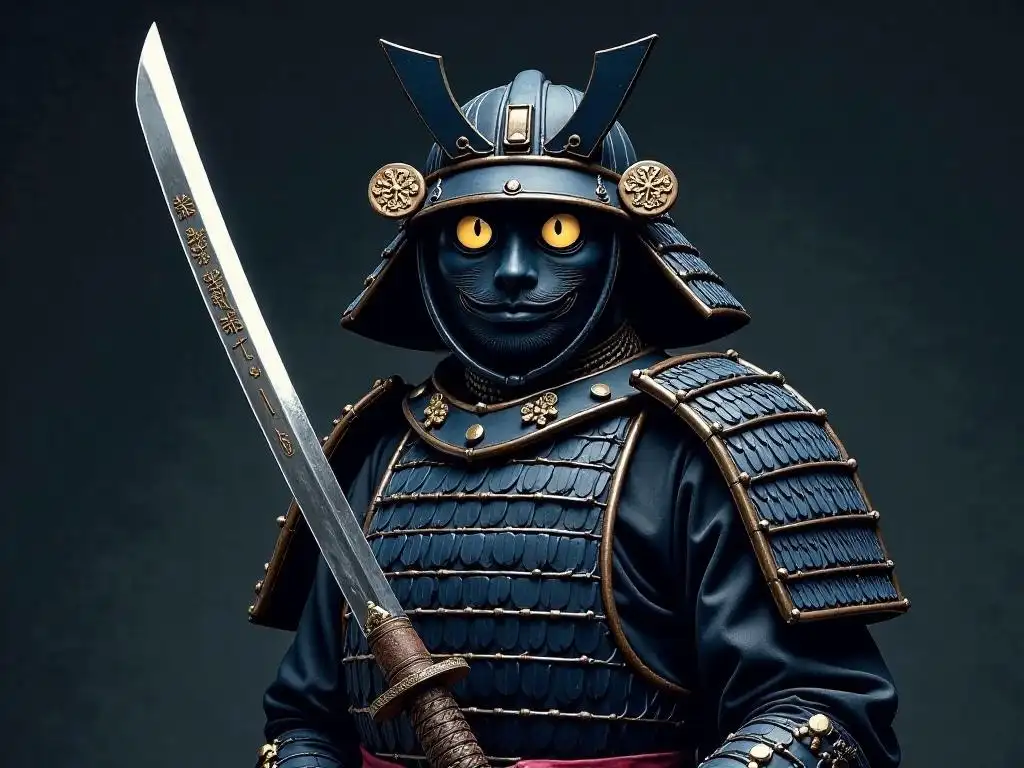
The katana, often regarded as the quintessential samurai weapon, holds a unique place in the arsenal of feudal Japan. Understanding its role requires contextualizing it alongside other weapons of the era, such as the tachi and the tanto. Each weapon possesses distinct characteristics and purposes, which influenced samurai combat strategies and overall effectiveness in battle.
The Katana vs. The Tachi: Understanding Differences
The tachi, a predecessor to the katana, dates back to the 8th century and was primarily designed for cavalry use. It features a longer blade and a more pronounced curve, making it effective for slashing attacks while riding on horseback. The tachi's design emphasizes reach and cutting power, which suited the mobile nature of mounted combat.
In contrast, the katana emerged during the late Kamakura period (1185-1333) and reflects a shift towards infantry combat. The katana is typically shorter, with a more gradual curve, which allows for quicker draw and thrusting motions. This adaptability makes it well-suited for close-quarter battles, a common scenario as samurai transitioned to ground warfare during the Sengoku period (1467-1603).
The differences between these two weapons extend beyond their physical characteristics:
- Length and Design: The tachi is longer and more curved, while the katana is shorter with a less pronounced curve.
- Combat Style: The tachi favors slashing attacks from horseback, whereas the katana excels in quick draws and thrusts in foot combat.
- Cultural Significance: The tachi often symbolizes the samurai's noble status, while the katana embodies the warrior's spirit and discipline.
The Katana vs. The Tanto: A Study of Functionality
The tanto, a small dagger or knife, serves a distinctly different purpose compared to the katana. Measuring around 20-30 cm in length, the tanto is designed for close-quarters combat and utility tasks, such as cutting or stabbing in confined spaces. While the katana is primarily used as a primary weapon in battle, the tanto complements the samurai's arsenal by providing versatility.
In terms of functionality, the tanto has unique advantages:
- Concealability: Its smaller size makes the tanto easily concealable, allowing samurai to carry it discreetly, especially for self-defense situations or surprise attacks.
- Utility: Beyond combat, the tanto serves practical purposes, such as performing everyday tasks and rituals, illustrating the samurai's multifaceted life.
- Cultural Significance: The tanto is often associated with ritual suicide (seppuku), representing honor and self-discipline, while the katana symbolizes the samurai's code and martial prowess.
Psychological Aspects of the Katana in Combat
The katana's significance extends beyond its physical form; it also plays an essential role in the psychological landscape of samurai combat. The weapon influences not only the tactics employed but also the morale and mindset of the warriors wielding it.
The Katana's Influence on Samurai Morale
The katana is not just a weapon; it embodies the spirit and identity of the samurai. This deep-rooted connection fosters a sense of pride and honor among warriors. The act of drawing the katana is both a physical and psychological ritual, often signifying the readiness to engage in battle. The emotional weight carried by the katana can elevate a samurai's morale, enhancing their performance in combat.
Moreover, the katana serves as a powerful symbol of loyalty, discipline, and the warrior code (bushido). Samurai believe the katana is an extension of their soul, thus instilling a sense of responsibility to wield it honorably. This psychological bond can lead to increased confidence and determination during combat.
The Symbolic Power of the Katana in Battle
The katana's symbolic power is evident not only in its physical presence but also in the cultural narratives surrounding it. The weapon is often portrayed in literature, art, and folklore as a tool of justice and righteousness. This portrayal amplifies its status, making it a revered object within the samurai tradition.
In battle, the katana signifies the warrior's commitment to uphold their values and protect their clan. Its mere display can intimidate foes and bolster the resolve of allies. The katana's design, often adorned with intricate craftsmanship and unique blade patterns, further enhances its allure, making it a focal point of samurai identity.
The psychological impact of the katana in combat extends to the idea of fate and destiny. Many samurai believed that their katana chose them, reinforcing the notion that their skills and honor were intrinsically linked to the weapon. This belief system adds another layer of complexity to the katana's role, solidifying its status as more than just a tool for combat but a significant element of the samurai's life and legacy.
The Legacy of the Katana in Modern Martial Arts
The katana, revered as a symbol of the samurai, continues to exert a profound influence on modern martial arts. Its unique design, characterized by a curved, single-edged blade, has inspired various schools and disciplines, leading to the development of practices that honor traditional techniques while adapting to contemporary needs.
In modern martial arts, the katana is often a focal point in disciplines like Kendo, Iaido, and Kenjutsu. Practitioners study the art of the sword not only as a weapon but also as a medium for cultivating discipline, focus, and respect for tradition. The principles of movement, timing, and distance established in samurai combat are evident in these practices, ensuring that the essence of the katana remains alive.
The katana's legacy is also seen in the emphasis on mental clarity and strategic thinking within martial arts. Modern practitioners are encouraged to embody the samurai spirit, which includes virtues such as honor, loyalty, and perseverance. This connection to the past enriches the learning experience, providing a sense of continuity between the ancient warriors and today's martial artists.
How Traditional Kenjutsu Influences Contemporary Practices
Kenjutsu, the classical art of swordsmanship practiced by samurai, has significantly shaped contemporary martial arts. The techniques developed over centuries have been preserved and adapted, ensuring that the effectiveness of the katana remains relevant.
- Forms and Techniques: Many modern martial arts, such as Kendo and Iaido, incorporate kata (forms) derived from traditional kenjutsu. These kata serve as a means to practice and internalize fundamental movements, allowing practitioners to refine their skills.
- Philosophy and Mindset: The mental discipline cultivated in kenjutsu transcends mere physical training. Modern martial artists often adopt the philosophical underpinnings of kenjutsu, emphasizing the importance of mindfulness, respect for opponents, and the pursuit of mastery.
- Competitive Elements: While kenjutsu was primarily a battlefield art, contemporary adaptations often include competitive formats. Kendo, for example, has evolved into a popular sport that retains the spirit of kenjutsu while promoting physical fitness and camaraderie among practitioners.
Through these influences, traditional kenjutsu remains a vital force in shaping the techniques and philosophies of modern martial arts.
The Katana in Popular Culture: Movies and Literature
The katana has transcended its historical roots to become an iconic symbol in popular culture, especially in movies and literature. Its portrayal often emphasizes themes of honor, conflict, and the warrior ethos, resonating with audiences worldwide.
- Film Representations: Movies such as "Seven Samurai," "The Last Samurai," and "Kill Bill" showcase the katana not only as a weapon but also as a representation of the samurai’s honor and duty. These films often romanticize the samurai code, illustrating the katana's dual role as a tool for both protection and destruction.
- Literary Depictions: In literature, the katana is frequently featured in stories that explore the complexities of the samurai lifestyle. Novels like "Musashi" by Eiji Yoshikawa delve into the life of the legendary swordsman Miyamoto Musashi, highlighting the katana’s significance as both a weapon and a means of self-discovery.
- Cultural Impact: The katana's influence extends beyond Japan, inspiring martial arts fans and enthusiasts across the globe. Its representation in video games and anime further solidifies its place as a cultural icon, perpetuating the fascination with samurai and their legendary blades.
Through these various mediums, the katana continues to shape perceptions of samurai culture and combat, ensuring its legacy endures in the collective imagination.
Conclusion: The Enduring Legacy of the Katana in Samurai Combat
The katana remains a powerful emblem of samurai combat, representing not only martial prowess but also the cultural and historical values of Japan. Its significance extends beyond the battlefield, influencing modern martial practices, popular culture, and the ongoing fascination with the samurai ethos.
Reflections on the Katana's Role in Japanese History
The katana played a pivotal role in the development of Japanese society, particularly during the feudal era. As the weapon of choice for samurai, it symbolized their status and responsibilities. The craftsmanship involved in katana-making also reflects the cultural advancements of the time, showcasing the artistry and dedication of skilled blacksmiths.
Moreover, the katana's evolution throughout history mirrors the changes in warfare and society. From its origins in the Kamakura period to its prominence in the Edo period, the katana adapted to the needs of samurai, further embedding itself into the fabric of Japanese identity.
Final Thoughts on the Impact of the Katana on Modern Perspectives of Samurai Combat
In contemporary discussions about samurai combat, the katana serves as both a historical artifact and a source of inspiration. Its enduring legacy prompts a reevaluation of martial practices and philosophies, inviting modern practitioners to explore deeper meanings associated with the samurai way.
The katana's impact on modern perspectives of combat is profound. It encourages a blend of physical training with mental and spiritual development, fostering a holistic approach to martial arts that honors tradition while embracing contemporary values. As the fascination with the samurai continues, so too will the legacy of the katana, reminding us of the profound connections between history, culture, and the martial spirit.
- Introduction to the Katana in Samurai Combat
- The Evolution of the Katana in Feudal Japan
- The Katana's Role in Samurai Combat Strategy
- Combat Techniques and Styles Utilizing the Katana
- Comparison of the Katana with Other Samurai Weapons
- Psychological Aspects of the Katana in Combat
- The Legacy of the Katana in Modern Martial Arts
- Conclusion: The Enduring Legacy of the Katana in Samurai Combat
- What is the significance of the Katana in Samurai combat?
- How did the Katana influence combat strategies during the feudal era?
- What are the key features of a Katana that make it effective in combat?
- How did the training of Samurai include the use of the Katana?
- What is the cultural importance of the Katana beyond combat?
Frequently Asked Questions
What is the significance of the Katana in Samurai combat?
The Katana is a symbol of the Samurai's honor and skill. It represents not just a weapon but also the philosophy and discipline of the Samurai warrior.
How did the Katana influence combat strategies during the feudal era?
The Katana allowed for quick draws and swift strikes, which were essential in battlefield tactics. Its design facilitated quick transitions between offense and defense during combat.
What are the key features of a Katana that make it effective in combat?
The Katana is known for its curved blade, sharp edge, and length, which enhance its cutting power and allow for precision in close-quarters fighting.
How did the training of Samurai include the use of the Katana?
Samurai underwent rigorous training that emphasized technique, timing, and mental focus. Mastery of the Katana was central to their martial education.
What is the cultural importance of the Katana beyond combat?
Beyond combat, the Katana is revered as a cultural artifact in Japan, symbolizing artistry, craftsmanship, and the spiritual connection between the Samurai and their weapon.
Final Reflection: The Timeless Legacy of the Katana in Samurai Combat
The katana is not just a weapon; it embodies the spirit of the samurai, intertwining skill, honor, and strategy. In today's world, where the principles of discipline and focus are often overshadowed by the chaos of modern life, the katana serves as a powerful symbol of resilience and mastery. As we navigate our own battles, whether personal or professional, the lessons learned from the samurai's approach to combat strategy remain profoundly relevant, reminding us that true strength lies in both technique and mindset.
Culture and society continue to be shaped by the enduring legacy of the katana. From films to literature, the image of the samurai and their iconic weapon evokes a sense of respect and admiration for the values they upheld. The katana represents not only a physical tool but also a philosophy of life that emphasizes precision, respect, and the pursuit of excellence. The sword is the soul of the samurai,
a phrase that encapsulates the deep connection between the warrior and their weapon, serves as a reminder of the importance of purpose in our own lives.
As you reflect on the insights shared in this article, I invite you to consider how the principles of the katana can be applied to your own journey. Embrace the spirit of the samurai by cultivating discipline, honing your skills, and approaching challenges with a strategic mindset. Let the katana inspire you to carve your own path, embodying the values of honor and resilience in every aspect of your life. The legacy of the samurai is not just a story of the past; it is a call to action for the future.
Unveil the Power of the Katana in Your Own Journey!
Thank you for diving into the intricate world of the katana and its pivotal role in samurai combat strategy! By exploring this fascinating topic, you've gained valuable insights into a symbol of strength, discipline, and artistry. Now, it’s time to take these lessons to heart and transform your understanding into action.
Here’s how you can deepen your experience further:
- Practice mindfulness in your daily life: Embrace a strategy that mirrors the focus and discipline of a samurai while tackling everyday challenges.
- Join a martial arts class or workshop: Discover the art of combat through techniques inspired by samurai traditions, allowing you to connect with the spirit of the katana firsthand.
- Share your newfound knowledge: Discuss the significance of the katana with friends or engage with online communities interested in historical weaponry or combat strategies.
Which samurai principle will you integrate into your life to sharpen your focus and resilience? Let’s discuss in the comments below!