
Cavalry vs. Infantry: Tactical Dynamics in Feudal Japanese Battles

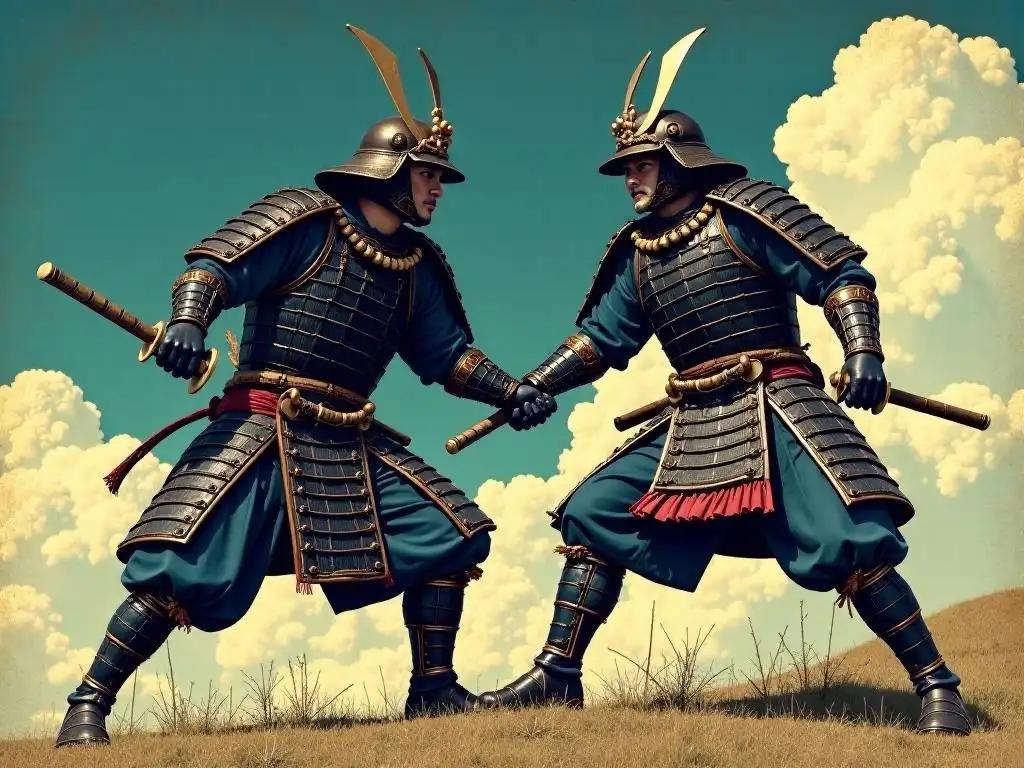
Welcome to Feudal Japan History, where we invite you to embark on a fascinating journey through the intricate tapestry of Japan’s feudal era. As you delve into our latest article, “Cavalry vs. Infantry: Tactical Dynamics in Feudal Japanese Battles,” you’ll uncover the strategic brilliance behind Japanese feudal warfare tactics that shaped the nation’s military landscape. Prepare to be captivated by the clash of cultures, the art of battle, and the profound impact these tactics had on society.
Are you ready to explore how the strength of cavalry measures up against the steadfastness of infantry? Join us as we unravel the complexities of this thrilling historical narrative!
- Introduction to Japanese Feudal Warfare Tactics
- Historical Context of Cavalry and Infantry in Feudal Japan
- Cavalry Tactics in Feudal Japanese Battles
- Infantry Tactics in Feudal Japanese Warfare
- Comparison of Cavalry and Infantry Roles in Japanese Feudal Warfare
- The Interplay Between Cavalry and Infantry
- The Impact of Terrain on Cavalry and Infantry Tactics
- Conclusion: The Legacy of Cavalry and Infantry in Japanese Feudal Warfare
- References and Further Reading on Japanese Feudal Warfare Tactics
- Frequently Asked Questions
- Final Reflection: The Enduring Legacy of Japanese Feudal Warfare Tactics
- Unleash Your Knowledge: Dive Deeper into Feudal Japanese Warfare!
Introduction to Japanese Feudal Warfare Tactics
The feudal era of Japan, spanning from the late 12th century to the early 17th century, was marked by a complex tapestry of warfare strategies influenced by social hierarchies, cultural beliefs, and the evolving landscape of battle. Understanding Japanese feudal warfare tactics requires a deep dive into the interplay between cavalry and infantry, two pivotal forces that shaped the outcomes of numerous conflicts.
This article will explore the tactical dynamics between these two military branches, examining their roles, strengths, and the strategies employed during battles. By analyzing historical instances and battlefield maneuvers, we aim to provide a comprehensive overview of how these tactics evolved and influenced Japan's military history.
Overview of Feudal Japan's Military Strategies
Feudal Japan's military strategies were deeply rooted in the socio-political context of the time. The samurai class, a warrior elite, played a crucial role in shaping these strategies, as their code of conduct, known as Bushido, emphasized honor, loyalty, and martial skill. Key elements of military strategies in this era included:
- Siege Warfare: Fortifications were essential in defending territories. Siege tactics involved isolating the enemy, cutting off supplies, and employing psychological warfare to demoralize defenders.
- Ambush Tactics: Utilizing the terrain to surprise opponents was a common strategy. Hidden troops could launch sudden attacks, exploiting the enemy's vulnerabilities.
- Flanking Maneuvers: Both cavalry and infantry were trained to outmaneuver opponents. Cavalry units often executed flanking attacks to disrupt enemy formations.
- Predictive Strategies: Commanders studied the movements and behaviors of their rivals, allowing them to anticipate actions and counteract effectively.
These strategies evolved over time, influenced by the introduction of new technologies and shifting political alliances, ultimately culminating in a distinctive approach to warfare that defined the period.
Importance of Cavalry and Infantry in Battles
The roles of cavalry and infantry in feudal Japanese battles were not only distinct but also complementary, each playing a critical part in the tactical success of military engagements. Understanding their importance involves examining the strengths and limitations of each force:
- Cavalry:
- Mobility: Cavalry units, often mounted on horses, provided rapid movement across the battlefield. This allowed for swift attacks and retreats, enabling commanders to adapt to changing situations.
- Shock Tactics: Armed with bows and spears, cavalry could charge into enemy lines, creating chaos and breaking formations.
- Reconnaissance: Their speed made cavalry ideal for scouting enemy positions and gathering intelligence.
- Infantry:
- Strength in Numbers: Infantry units typically comprised a larger portion of the fighting force, allowing for sustained engagements and the ability to hold strategic positions.
- Versatile Combatants: Infantry soldiers employed a variety of weapons, including polearms and swords, adapting to different combat scenarios.
- Defensive Capabilities: Formations such as the Yari (spear) wall allowed infantry to defend against cavalry charges and maintain control over territory.
The interplay between cavalry and infantry tactics in feudal Japan not only dictated the outcomes of battles but also influenced the political landscape, shaping the rise and fall of clans throughout the era. Understanding these dynamics is crucial for grasping the broader narratives of Japanese military history.
Historical Context of Cavalry and Infantry in Feudal Japan
The dynamics of Japanese feudal warfare were profoundly shaped by the historical context surrounding cavalry and infantry units. During the feudal era, which spanned from the late 12th century until the 19th century, Japan experienced significant social, political, and military transformations that influenced the development of its military tactics.
Evolution of Military Units in Japanese Feudal Warfare
The evolution of military units in Japan can be traced back to the Heian period (794-1185), where the notion of samurai as a distinct class began to take shape. Initially, warfare was characterized by small-scale skirmishes, often fought by local warriors on foot. However, as the need for more organized military campaigns grew, so did the sophistication of military units.
- Early Samurai Warfare:
- Samurai were primarily infantry, skilled in the use of the katana and yari (spear).
- Battles were often fought in dense woodlands or mountainous terrain, which favored foot soldiers.
- Rise of Cavalry:
- By the Kamakura period (1185-1333), the use of horses became more prominent, and cavalry units began to emerge.
- Samurai on horseback utilized tachi (long swords) and engaged in hit-and-run tactics, leveraging their mobility.
- Mongol Invasions (1274 and 1281):
- The Mongol invasions highlighted the need for effective cavalry units to counter fast-moving adversaries.
- This period saw the integration of more mounted troops, resulting in a hybrid approach that combined infantry and cavalry tactics.
- Muromachi Period Changes:
- During the Muromachi period (1336-1573), the emergence of large-scale battles led to the establishment of more structured military units.
- Cavalry became essential for flanking maneuvers, reconnaissance, and rapid assaults, while infantry held the line in defensive formations.
Key Battles Highlighting Cavalry and Infantry Roles
Several key battles in Japanese feudal history illustrate the tactical dynamics between cavalry and infantry.
- Battle of Kawanakajima (1561):
- Fought between Takeda Shingen and Uesugi Kenshin, this battle is a prime example of tactical maneuvering.
- Cavalry Tactics: Takeda’s cavalry, known for their speed and ferocity, executed flanking maneuvers to disrupt Uesugi's formations.
- Infantry Role: The Uesugi infantry maintained strong defensive positions, effectively countering the cavalry charges with disciplined formations.
- Battle of Nagashino (1575):
- This battle marked a significant shift in Japanese warfare, showcasing the effective use of firearms.
- Cavalry Engagement: The Takeda cavalry attempted to charge the defensive positions held by Oda Nobunaga’s forces.
- Infantry Tactics: Nobunaga's infantry, equipped with matchlock guns, repelled the cavalry charges with coordinated volleys, demonstrating the growing importance of infantry in the face of evolving battlefield technology.
- Siege of Osaka (1614-1615):
- The siege highlighted the integration of both cavalry and infantry in urban warfare.
- Cavalry Utilization: The Tokugawa forces used cavalry for reconnaissance and rapid assaults against the besieged fortifications.
- Infantry Strength: The defenders relied heavily on fortified positions, showcasing the effectiveness of infantry in a siege scenario.
The interplay between cavalry and infantry in Japanese feudal warfare was a dynamic and evolving aspect of military strategy. The historical context and evolution of military units shaped how battles were fought, with each unit type adapting to the changing landscape of warfare. Understanding these tactics provides insight into the broader narrative of Japan's feudal history and the complexities of its military engagements.
Cavalry Tactics in Feudal Japanese Battles
Composition and Training of Cavalry Forces
The cavalry in feudal Japan was a vital military component, primarily composed of samurai warriors who were highly trained in mounted combat. The structure of cavalry forces varied significantly depending on the era and the clan's resources. Typically, a cavalry unit consisted of:
- Samurai Horsemen: The core of the cavalry, samurai were elite warriors trained from a young age in the arts of war, horsemanship, and swordsmanship. They often rode specially trained horses, which were smaller and more agile than the larger steeds used in other cultures.
- Support Troops: These included foot soldiers who accompanied the cavalry, providing logistical support and assisting in various tactical maneuvers.
Training for cavalry forces emphasized both individual and group skills. Cavalrymen engaged in rigorous drills that included:
- Mounted Archery: The ability to shoot arrows while galloping was a crucial skill, allowing cavalry to engage enemies from a distance.
- Melee Combat: Samurai practiced various techniques for fighting with swords while on horseback, focusing on balance, speed, and precision.
- Formation Drills: Cavalry units trained to operate in formations that maximized their mobility and effectiveness during battle, adapting to the terrain and enemy tactics.
Advantages of Cavalry in Japanese Warfare
Cavalry units offered several strategic advantages in feudal Japanese warfare, influencing the outcomes of numerous battles. Some key advantages included:
- Mobility and Speed: Cavalry could move quickly across the battlefield, allowing for rapid flanking maneuvers and the ability to exploit weaknesses in enemy formations.
- Psychological Impact: The sight of a charging cavalry unit could instill fear in the opposing ranks, leading to hesitation or panic among enemy foot soldiers.
- Versatility: Cavalry were not limited to direct engagement; they could also perform reconnaissance missions, disrupt supply lines, and carry out hit-and-run attacks.
- Archery from Horseback: The combination of speed and ranged attacks allowed cavalry to harass enemy formations before engaging in close combat, contributing to a tactical advantage.
Notable Cavalry Leaders and Their Strategies
Throughout the feudal era, several notable leaders emerged who demonstrated exceptional skill in cavalry tactics. Their strategies significantly shaped the course of Japanese warfare:
- Minamoto no Yoshitsune: Renowned for his innovative tactics during the Genpei War, Yoshitsune effectively utilized cavalry in hit-and-run strategies and rapid assaults, leading to decisive victories against the Taira clan.
- Takeda Shingen: Known as the "Tiger of Kai," Takeda was a master of cavalry tactics. He organized his forces into highly mobile units and implemented the famous "Tenshōkōken" tactics, where cavalry charged in waves to overwhelm opponents.
- Uesugi Kenshin: A formidable strategist, Kenshin leveraged his cavalry in defensive and offensive maneuvers. His ability to adapt to battlefield conditions and utilize terrain effectively made him a prominent figure in numerous engagements against Takeda Shingen.
The tactical dynamics in feudal Japanese battles clearly illustrate the pivotal role that cavalry played in shaping military outcomes, with leaders who mastered these tactics leaving a lasting legacy in Japan's military history.
Infantry Tactics in Feudal Japanese Warfare
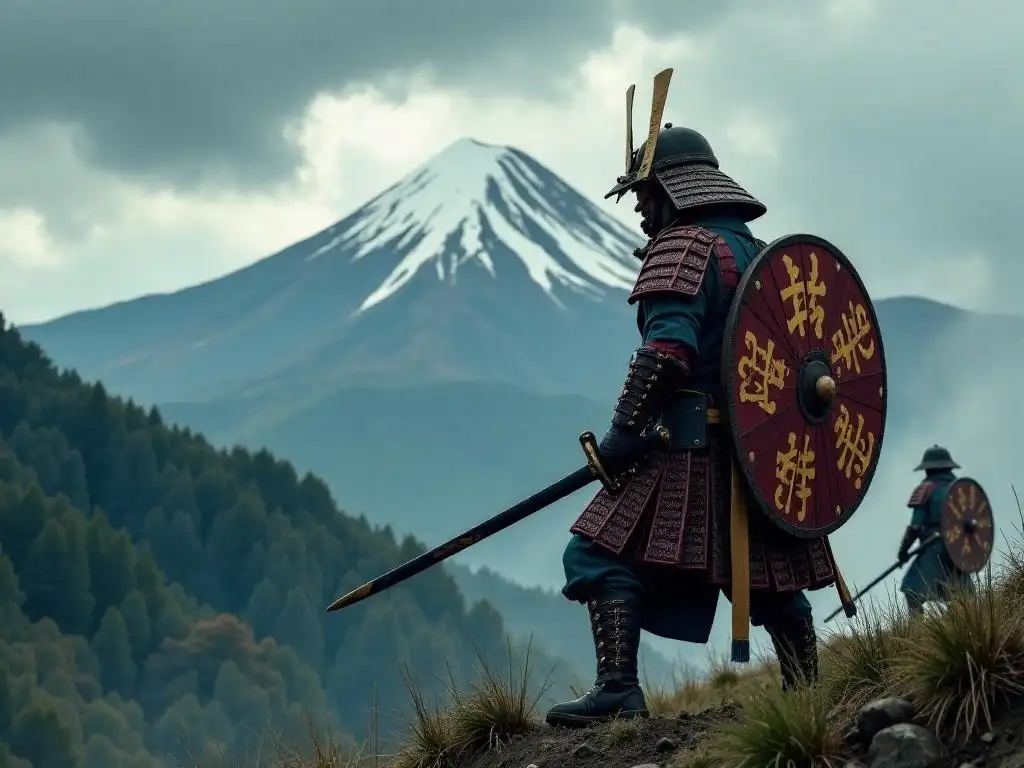
Structure and Formation of Infantry Units
In feudal Japan, infantry units were the backbone of the military, playing a crucial role in various battles throughout the era. The typical composition of an infantry unit comprised ashigaru (light infantry) and bushi (warriors). The ashigaru were often conscripted foot soldiers equipped with basic weapons such as spears, swords, and bows, while the bushi were the trained samurai, skilled in martial arts and equipped with more sophisticated armor and weaponry.
The formation of infantry units was highly strategic and varied depending on the terrain and enemy forces. Common formations included:
- Kōgeki-tai (Attack Formation): This formation was employed to enhance offensive capabilities, with soldiers arranged in a tight formation to maximize their striking power.
- Shiki-tai (Defense Formation): Used primarily for defensive strategies, this formation allowed soldiers to create a fortified line, making it difficult for cavalry or enemy infantry to penetrate.
- Yari-tai (Spear Formation): A formation where soldiers wielding spears were placed at the forefront, creating a formidable barrier against advancing foes.
The effectiveness of these formations was often tested in skirmishes and larger battles, showcasing the adaptability of infantry tactics in response to changing battlefield conditions.
Strengths of Infantry in Battle Scenarios
Infantry units possessed several advantages in the context of Japanese feudal warfare tactics, making them indispensable during conflicts. Key strengths included:
- Mobility: Unlike cavalry, infantry could maneuver quickly across various terrains, including dense forests and mountainous regions. This mobility allowed them to engage in guerrilla tactics, ambushes, and rapid retreats when necessary.
- Versatility in Combat: Infantry soldiers were often trained in multiple forms of combat, including archery, spear-fighting, and swordsmanship. This versatility enabled them to adapt their tactics based on the circumstances of the battle.
- Effective Use of Terrain: Infantry units could leverage the landscape to their advantage. For instance, they could position themselves on higher ground to fire arrows or throw spears at approaching enemies, utilizing natural barriers for protection.
- Psychological Warfare: The sheer number of infantry could be intimidating to opposing forces. Large formations of ashigaru and bushi marching into battle often created a psychological impact that could demoralize enemy troops before the fight even began.
Influential Infantry Commanders and Their Tactics
Throughout the feudal era, several commanders emerged who significantly influenced infantry tactics in Japanese warfare. Notable figures include:
- Takeda Shingen: Known for his innovative use of infantry formations, Shingen implemented strategies that combined mobility with powerful offensive tactics. His famous "Four Seasons" formation allowed for flexible responses to enemy movements.
- Uesugi Kenshin: A master strategist, Kenshin was famous for his ability to outmaneuver larger enemy forces. His use of terrain and surprise attacks exemplified effective infantry tactics, allowing his troops to engage in decisive combat despite being outnumbered.
- Oda Nobunaga: A pivotal figure in unifying Japan, Nobunaga revolutionized the use of infantry by incorporating firearms into his tactics. His emphasis on discipline and coordinated attacks led to significant victories, changing the face of Japanese warfare.
These commanders not only shaped the tactics of their respective armies but also set precedents that would influence future generations of military leaders in Japan. Their strategies reflect the complex dynamics of infantry warfare during the feudal period, highlighting the importance of leadership and tactical flexibility in achieving victory.
Comparison of Cavalry and Infantry Roles in Japanese Feudal Warfare
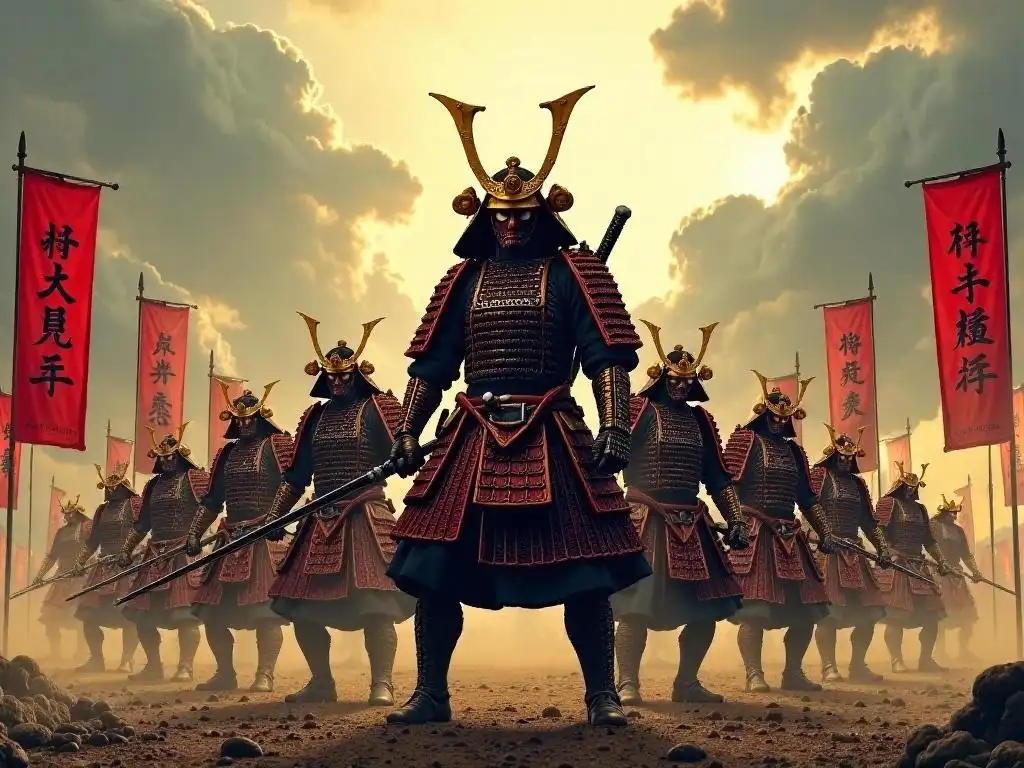
In the context of Japanese feudal warfare, both cavalry and infantry played pivotal roles in determining the outcomes of battles. Understanding their distinct functions and tactical applications is essential for comprehending the larger picture of military strategy during this era.
Cavalry units, typically composed of mounted samurai, were revered for their speed, mobility, and striking power. Their ability to maneuver quickly allowed them to exploit weaknesses in enemy formations, disrupt supply lines, and engage in flanking maneuvers. Conversely, infantry units, often made up of foot soldiers wielding spears, swords, and bows, were crucial for holding positions, forming defensive lines, and engaging in sustained combat.
Tactical Dynamics: When to Utilize Cavalry vs. Infantry
The decision to deploy cavalry or infantry was heavily influenced by the nature of the battlefield, the enemy's tactics, and the specific objectives of a campaign. Here are key considerations for each unit type:
- Cavalry Utilization:
- Mobility and Speed: Cavalry excelled in open terrain where they could maneuver freely. For example, during the Battle of Kawanakajima, Takeda Shingen's cavalry used their speed to execute rapid flanking maneuvers against Uesugi Kenshin's forces.
- Shock Tactics: The psychological impact of a cavalry charge could instill fear in enemy troops. The famous charge at the Battle of Nagashino demonstrates this, where the Takeda cavalry faced the defensive formations of Oda Nobunaga.
- Infantry Utilization:
- Defensive Stability: Infantry units were essential for holding strategic positions, particularly in fortified areas. The use of spears and shields allowed them to create formidable defensive lines, as seen in the Siege of Osaka.
- Sustained Engagement: In prolonged battles, infantry could maintain combat effectiveness through the use of formations such as the ikko-ikki, allowing for coordinated attacks and defense.
Understanding these dynamics allowed commanders to craft strategies that maximized their strengths while mitigating weaknesses.
Case Studies: Successful Use of Cavalry and Infantry in Battles
Examining specific battles reveals how both unit types were effectively utilized:
- Battle of Kawanakajima (1561)
- Cavalry: Takeda Shingen's cavalry executed flanking maneuvers that targeted Uesugi Kenshin's formations. Their speed was crucial in attacking the enemy's rear, showcasing the effectiveness of cavalry in exploiting terrain advantages.
- Infantry: Uesugi Kenshin's infantry held firm against the initial cavalry charges, demonstrating the importance of disciplined foot soldiers in sustaining a line against mobile forces.
- Battle of Nagashino (1575)
- Cavalry: The Takeda cavalry attempted to charge Oda Nobunaga’s fortified positions but were met with a well-prepared defense that included firearms. This battle illustrated the limitations of cavalry when faced with a strong infantry-centric strategy.
- Infantry: Nobunaga’s infantry utilized firearms effectively, leading to the decimation of the cavalry charge. This battle marked a shift in tactics, emphasizing the growing importance of infantry and ranged weaponry in Japanese feudal warfare.
- Siege of Osaka (1614-1615)
- Cavalry: The Tokugawa forces employed cavalry to flank the defensive positions of the Toyotomi, but the entrenched infantry made significant resistance.
- Infantry: The siege highlighted the effectiveness of infantry in a defensive role, as they utilized fortifications and terrain to withstand assaults, proving critical in the eventual outcome of the siege.
Analysis of Tactical Outcomes Based on Unit Composition
The composition of forces significantly influenced the outcomes of battles in Japanese feudal warfare. Here are some key insights:
| Battle | Cavalry Composition | Infantry Composition | Tactical Outcome |
|---|---|---|---|
| Kawanakajima | High | Moderate | Tactical advantage for Takeda due to mobility |
| Nagashino | Moderate | High | Oda’s infantry dominance due to firearms |
| Siege of Osaka | Low | High | Defensive success for Toyotomi forces |
- Cavalry Dominance: Battles where cavalry was predominant often relied on open terrain, allowing for rapid maneuvers and psychological impact.
- Infantry Resilience: In scenarios where infantry made up a larger portion of the forces, the ability to hold ground and sustain engagements became paramount, especially with the integration of ranged weaponry.
The interplay between cavalry and infantry in Japanese feudal warfare underscores the complexity of military tactics during this period. Commanders who adeptly balanced these units could harness their strengths to achieve tactical superiority on the battlefield.
The Interplay Between Cavalry and Infantry
The dynamics between cavalry and infantry in Japanese feudal warfare were complex and nuanced, often determining the outcome of battles. While cavalry units, known as "uma", were prized for their mobility and speed, infantry, or "ashigaru", formed the backbone of the samurai armies. Understanding how these two forces interacted is crucial to grasping the intricacies of Japanese feudal warfare tactics.
Coordinating Tactics for Maximum Effectiveness
In feudal Japan, successful military strategy relied heavily on the coordination of cavalry and infantry. Effective communication and strategic positioning were essential for maximizing the strengths of both units.
- Flanking Maneuvers:
- Cavalry would often be deployed on the flanks of the infantry to disrupt enemy formations and create openings for an infantry advance.
- This tactic allowed for a combined assault, where the cavalry could engage the enemy from the sides while the infantry pressed forward from the front.
- Support Roles:
- Infantry units provided essential support for cavalry by holding the line and absorbing enemy charges.
- In many battles, infantry would create defensive formations, such as the "kikkō" (hexagonal formation), allowing cavalry to maneuver around them.
- Flexible Deployment:
- Commanders would often adjust their formations based on the terrain and the enemy's tactics, showcasing the adaptability required in Japanese feudal warfare.
- For instance, in forested areas, infantry could leverage their numbers and training, while cavalry could be used for quick strikes in open fields.
- Psychological Warfare:
- The sight of a well-coordinated charge by both cavalry and infantry could have a profound psychological impact on the enemy, often leading to disarray and retreat.
- This was particularly effective when both forces struck simultaneously, overwhelming the opponent with sheer force and agility.
Historical Examples of Combined Arms in Feudal Battles
Several historical battles in feudal Japan illustrate the successful integration of cavalry and infantry, showcasing the tactical dynamics at play.
- Battle of Nagashino (1575):
- This battle is a prime example of effective combined arms tactics. Tokugawa Ieyasu used a combination of infantry armed with matchlocks and cavalry to great effect against the Takeda cavalry charges.
- The infantry formed a defensive position while the cavalry flanked the enemy, leading to a decisive victory.
- Battle of Sekigahara (1600):
- A significant turning point in Japanese history, the Battle of Sekigahara saw both infantry and cavalry playing crucial roles.
- The Eastern Army, led by Tokugawa Ieyasu, used their cavalry to exploit weaknesses in the enemy’s formations while the infantry held the line, demonstrating a well-orchestrated effort that led to a pivotal victory.
- Siege of Osaka (1614-1615):
- During the Siege of Osaka, a combination of siege tactics and field battles showcased the interplay between the two forces.
- Ieyasu’s troops employed infantry in the siege and used cavalry for rapid engagements, effectively controlling the battlefield dynamics.
Through these examples, it becomes evident that the coordination of cavalry and infantry was not merely a tactical preference but a fundamental aspect of Japanese feudal warfare tactics that shaped the outcomes of many historical conflicts.
The Impact of Terrain on Cavalry and Infantry Tactics
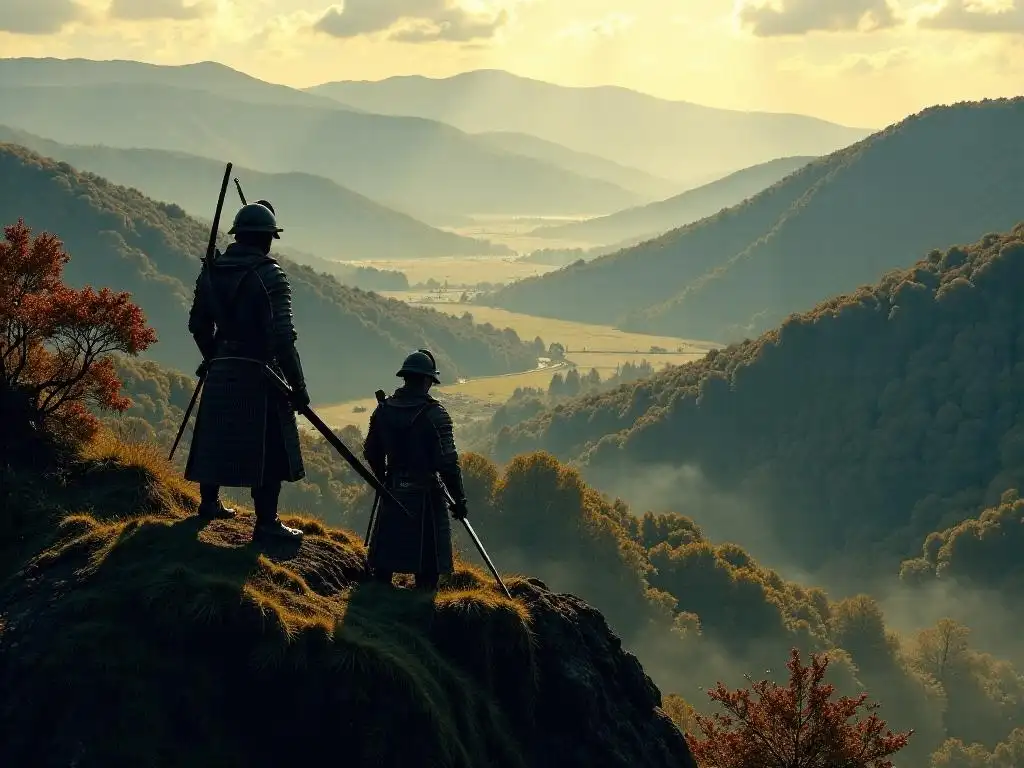
The interplay between terrain and military tactics is a fundamental aspect of Japanese feudal warfare tactics. The diverse geography of Japan, characterized by mountains, forests, plains, and rivers, significantly influenced the effectiveness of cavalry and infantry forces. Understanding how terrain shaped battle strategies provides insights into the successes and failures of various historical conflicts during this era.
When engaging in battle, commanders had to consider several factors influenced by the terrain:
- Mobility: Cavalry units thrived in open spaces, allowing them to maneuver quickly and execute flanking maneuvers. Conversely, dense forests or mountainous regions often restricted cavalry movement, forcing commanders to rely more heavily on infantry.
- Visibility: Open fields provided clear lines of sight, advantageous for both reconnaissance and artillery placement. In contrast, uneven terrain could obscure troop movements and limit strategic planning.
- Logistics: The ability to supply troops and transport resources was highly dependent on the terrain. Valleys might facilitate easier movement of supplies, while rugged areas could hinder logistical support.
How Geography Influenced Battle Strategies
The geographical features of Japan played a crucial role in shaping military tactics during the feudal era. Various regions presented unique challenges and opportunities that commanders had to navigate effectively.
- Mountainous Regions:
- Mountains often served as natural fortifications, where infantry could establish defensive positions. For instance, during the Genpei War (1180-1185), the Minamoto and Taira clans engaged in several battles in mountainous areas, leading to tactical advantages for the defending forces.
- Example: The Battle of Ichi-no-Tani showcased the effectiveness of infantry utilizing high ground to repel cavalry charges.
- Plains and Open Fields:
- In the plains, cavalry units could exploit their speed and mobility. Notable battles, such as those during the Sengoku period, highlighted the importance of cavalry flanking maneuvers in open terrain.
- Example: The Battle of Nagashino in 1575 saw the Tokugawa forces effectively use cavalry against the Takeda, demonstrating the tactical advantage provided by the open battlefield.
- Forests and Wetlands:
- Forested areas often favored ambush tactics used by infantry, allowing them to hide and strike unexpectedly. The terrain dictated the use of guerrilla warfare, particularly by smaller factions or local militias.
- Example: The Battle of Kawanakajima in the 1560s illustrated how terrain could be utilized for stealth and surprise, with both Takeda Shingen and Uesugi Kenshin employing infantry in wooded areas to gain the upper hand.
Case Studies of Terrain-Driven Tactical Decisions
Throughout Japan’s feudal history, specific battles exemplified how terrain influenced tactical decisions and outcomes.
- The Battle of Okehazama (1560):
- Oda Nobunaga's forces, vastly outnumbered, utilized the surrounding terrain to launch a surprise attack on Imagawa Yoshimoto's camp. The dense foliage and rain provided cover, allowing Nobunaga to exploit the element of surprise.
- The Siege of Osaka (1614-1615):
- During this extended siege, Tokugawa Ieyasu's forces had to navigate the urban terrain of Osaka, which had both fortifications and dense structures. This led to the use of siege tactics rather than open combat, showcasing how urban geography shaped military strategies.
- The Battle of Hachiman (1580):
- The terrain played a critical role as the defending forces utilized the mountainous landscape to create defensive positions, compelling the attacking forces to adapt their tactics and rely primarily on infantry to besiege the stronghold.
The impact of terrain on cavalry and infantry tactics during feudal Japan cannot be overstated. Understanding how geography influenced battle strategies not only highlights the adaptability of commanders but also reveals the intricate relationship between environment and warfare in shaping historical outcomes.
Conclusion: The Legacy of Cavalry and Infantry in Japanese Feudal Warfare
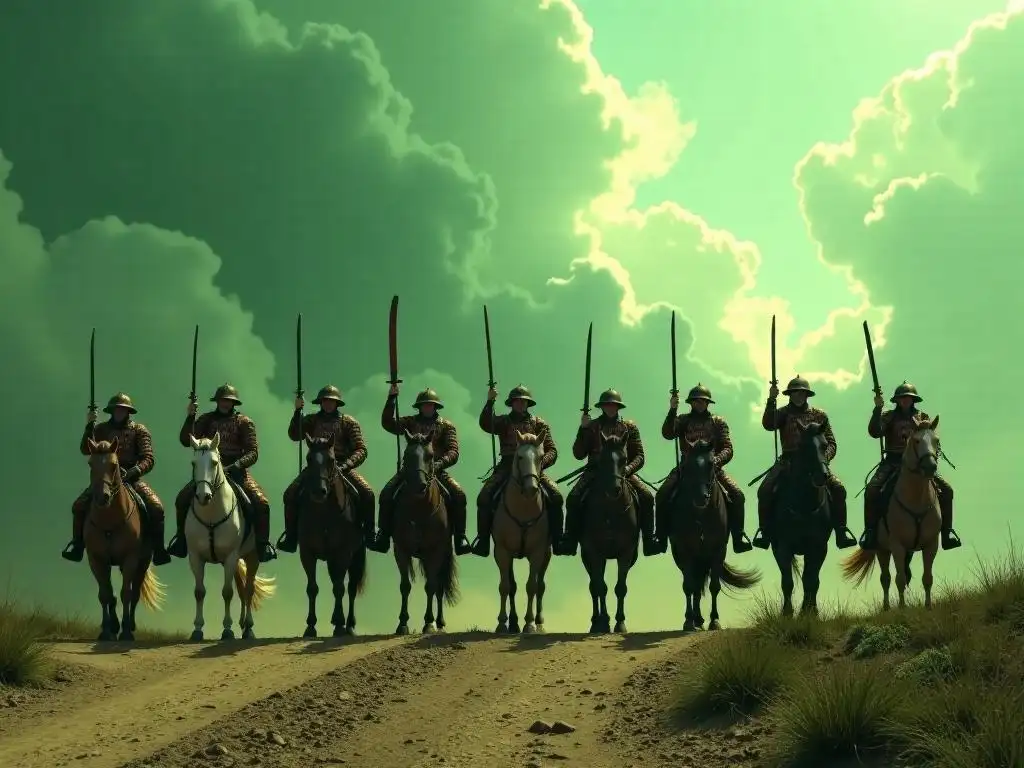
The legacy of cavalry and infantry in Japanese feudal warfare is profound, shaping not only military tactics of the time but also influencing future generations of combat strategies. The intricate interplay between these two forces defined the outcomes of many significant battles and showcased the adaptability of Japanese commanders. The tactical dynamics observed in feudal Japan, particularly the strategic deployment of cavalry for mobility and infantry for fortified defense, laid the groundwork for a nuanced understanding of warfare that persists in modern military doctrines.
Lasting Influence on Modern Military Tactics
The tactics developed during the Japanese feudal era have transcended time, leaving a lasting imprint on contemporary military strategies. Here are several ways in which these ancient practices have influenced modern warfare:
- Combined Arms Approach: The effective integration of cavalry and infantry in feudal Japan has evolved into the modern concept of combined arms operations, where different military branches work together to maximize combat effectiveness.
- Mobility and Maneuver Warfare: The emphasis on cavalry's mobility has inspired modern military strategies that prioritize speed and flexibility on the battlefield. This principle is reflected in the use of rapid deployment forces and mechanized infantry.
- Fortification and Defensive Strategies: The fortified positions utilized by infantry during feudal times echo in modern defenses, where strategic positioning and the use of terrain remain critical in combat planning.
| Tactical Element | Feudal Japan | Modern Comparison |
|---|---|---|
| Mobility | Cavalry units for rapid movement | Armored and mechanized units |
| Defensive Positions | Use of castles and fortified sites | Bunkers and strongholds |
| Coordination | Combined tactical maneuvers | Joint operations across branches |
The lessons learned from the experiences of feudal Japanese commanders continue to resonate, reminding military strategists of the importance of adapting tactics to the evolving nature of warfare.
Reflection on the Evolution of Japanese Warfare Strategies
The evolution of Japanese warfare strategies during the feudal period marked a significant transformation in the way battles were fought. Initially dominated by large infantry formations, the integration of cavalry units altered the tactical landscape.
- Shift in Tactics: The early reliance on infantry was gradually supplanted by a more sophisticated understanding of battlefield dynamics, where cavalry played a critical role in flanking maneuvers and pursuing routed enemies. This shift showcased a tactical evolution that prioritized versatility and adaptability.
- Cultural Influences: The samurai code, or Bushido, emphasized honor and loyalty, which influenced tactical decisions and the organization of forces. This cultural backdrop provided a unique context in which military strategies developed, focusing not just on victory but also on the ethical conduct of warfare.
- Technological Advancements: The introduction of new weaponry, such as the longbow and later firearms, also altered the tactical landscape. The ability to engage from a distance reshaped the roles of both cavalry and infantry, prompting innovative strategies that would define the later stages of Japanese warfare.
The tactical dynamics between cavalry and infantry in feudal Japan are not merely historical footnotes but are essential to understanding the evolution of military strategy. The practices established during this era continue to inform and influence modern military tactics, illustrating the enduring legacy of Japanese feudal warfare.
References and Further Reading on Japanese Feudal Warfare Tactics
Suggested Books and Articles for In-Depth Understanding
To gain a deeper understanding of Japanese feudal warfare tactics, the following books and articles are highly recommended:
- "Samurai Warfare: The Warrior's Art of War" by Stephen Turnbull
- This book provides an insightful look into the tactics employed by samurai during feudal Japan, exploring both cavalry and infantry strategies in detail. Turnbull's expertise sheds light on the evolution of these tactics over time.
- "The Book of Five Rings" by Miyamoto Musashi
- A classic text on strategy and martial arts, Musashi’s philosophical approach to combat offers timeless principles that influenced Japanese warfare tactics. His experiences as a samurai provide a unique perspective on the tactical dynamics of the era.
- "Warriors of Japan: To 1877" by David A. Sela
- This comprehensive resource covers the historical context of Japanese warriors, detailing the various military strategies, including the integration of cavalry and infantry within different battle scenarios.
- "The Samurai: A Military History" by Stephen Turnbull
- This book focuses on the military history of the samurai, detailing their role in warfare and the tactical choices they faced. Turnbull analyzes key battles and the strategies employed by both infantry and cavalry units.
- "Feudal Japan: The Age of the Samurai" by David H. S. Houghton
- Houghton’s work examines the socio-political framework of feudal Japan, including military tactics. The book provides context on how these tactics were influenced by the culture and societal structure of the time.
Online Resources for Enthusiasts of Feudal Japan History
For those who prefer digital resources, the following online platforms offer extensive information on Japanese feudal warfare tactics:
-
The Samurai Archives
A comprehensive resource that includes articles, timelines, and forums dedicated to samurai history and warfare tactics. You can explore various aspects of Japanese military history and engage with other enthusiasts.
-
The Japan Society
This organization provides a wealth of resources regarding Japanese culture and history, including articles focused on military tactics during the feudal era. Their database includes academic papers and publications that delve into the subject matter.
-
YouTube Channels: "History of Japan" and "The Great War"
These channels often produce documentary-style videos that cover various aspects of Japanese history, including battles and military strategies. They provide visual representations that can enhance the understanding of tactical dynamics.
-
Online Journals such as "The Journal of Japanese Studies"
This peer-reviewed journal features scholarly articles that cover a range of topics related to Japan, including military tactics and feudal warfare. Accessing specific articles can yield insights into current academic discussions on the subject.
-
Podcasts: "Japanese History" and "The History of Japan"
These podcasts offer engaging discussions on various historical topics, including military tactics during the feudal era. Listening to these can provide a different perspective on the complexities of Japanese warfare.
By exploring these resources, readers can deepen their knowledge of Japanese feudal warfare tactics and appreciate the intricate dynamics that shaped battles during this pivotal period in history.
Frequently Asked Questions
What were the main types of soldiers in feudal Japan?
In feudal Japan, the two primary types of soldiers were cavalry and infantry. Cavalry units typically engaged in fast, mobile attacks, while infantry provided stability and defensive capabilities on the battlefield.
How did terrain influence Japanese feudal warfare tactics?
Terrain played a crucial role in shaping warfare tactics. For instance, mountainous regions favored infantry formations, while open fields allowed cavalry to execute their speed and mobility effectively.
What role did samurai play in the feudal warfare of Japan?
The samurai were elite warriors who embodied the Bushido code. They were instrumental in both cavalry and infantry roles, often leading charges and engaging in duels to exemplify their honor and combat prowess.
How did Japanese feudal warfare tactics evolve over time?
Over time, tactics evolved to incorporate new weapons and strategies, such as the use of archers and gunpowder in later periods. The shift from feudal loyalties to more centralized military organizations also transformed battle dynamics.
What was the significance of cavalry in feudal Japanese battles?
Cavalry was significant for its mobility and ability to flank enemy positions, offering a tactical advantage in many battles. The effectiveness of cavalry units often dictated the outcome of conflicts during the feudal era.
Final Reflection: The Enduring Legacy of Japanese Feudal Warfare Tactics
The tactical dynamics of cavalry and infantry in feudal Japan remain profoundly relevant today, as they exemplify the intricate balance of strategy and adaptability in warfare. Understanding these historical tactics not only enriches our knowledge of Japan's past but also sheds light on the evolution of military strategies that continue to influence modern combat. The lessons learned from the battlefield are timeless, reminding us that the art of war is as much about the mind as it is about the might.
Cavalry and infantry tactics shaped the very fabric of Japanese society, influencing everything from governance to cultural identity. The interplay between these forces highlights the importance of adaptability and strategic foresight in overcoming challenges. As Sun Tzu wisely stated, In the midst of chaos, there is also opportunity.
This quote resonates deeply as we reflect on how the tactical decisions made in feudal Japan have left an indelible mark on military thought and practice, inspiring generations to rethink their approaches to conflict and resolution.
As we conclude this exploration of Japanese feudal warfare tactics, I invite you to reflect on how these historical lessons can be applied to our contemporary lives. Consider the balance of strategy and adaptability in your own challenges, whether in personal endeavors or professional pursuits. Embrace the spirit of the samurai, who understood that true strength lies not only in the sword but also in the wisdom to navigate the complexities of life. Let us carry forward the lessons of the past, applying them to forge a path toward a more strategic and thoughtful future.
Unleash Your Knowledge: Dive Deeper into Feudal Japanese Warfare!
Thank you for taking the time to explore the fascinating dynamics between cavalry and infantry in feudal Japanese battles! Understanding these tactics not only enriches your historical knowledge but also allows you to appreciate the art of warfare during this captivating era.
Now that you've gained insights into these military strategies, here are some exciting next steps you can take:
- Explore More: Delve into our in-depth articles on notable battles featuring cavalry and infantry to experience their tactical application firsthand.
- Join the Conversation: Share your thoughts and interpretations with fellow history enthusiasts in the comments section below or on our social media platforms!
- Try Your Hand: Write a short piece or create a visual representation of a battle scenario using both cavalry and infantry tactics. Get creative, and we might feature your work!
What aspect of feudal military strategy intrigues you the most, and how do you think these tactics have shaped modern warfare?