
The Role of Scouts in Feudal Japanese Military Operations

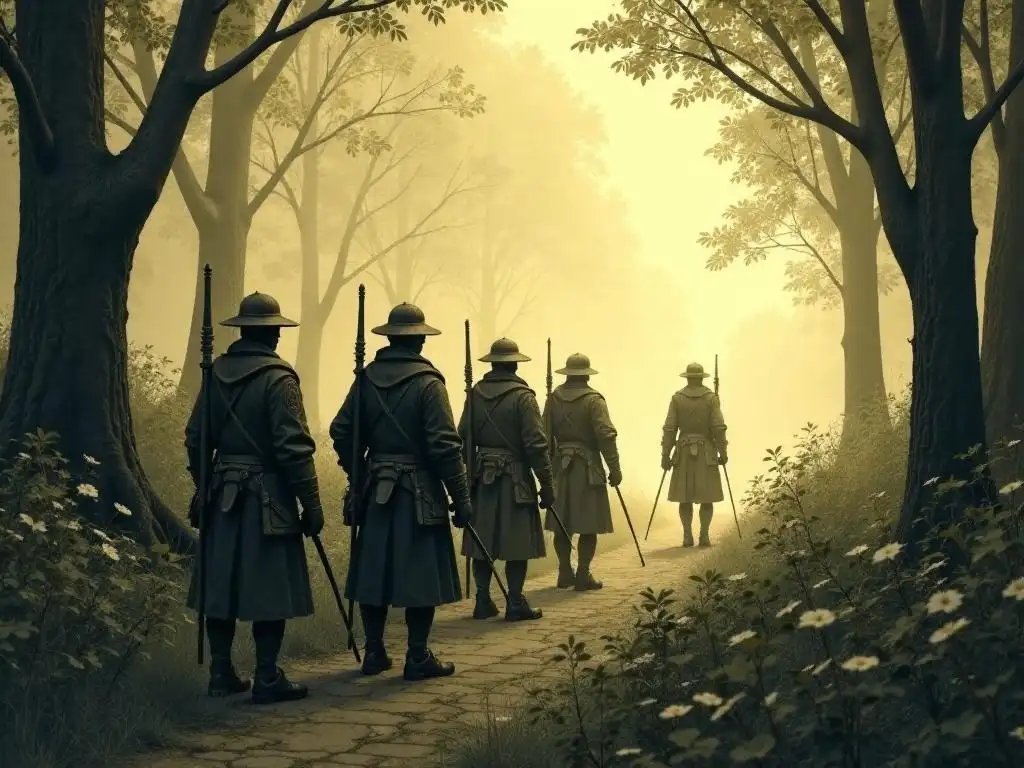
Welcome to Feudal Japan History, where we embark on a captivating journey through the intricate tapestry of Japan's feudal era. Here, we delve deep into the historical, cultural, and societal facets that shaped this remarkable period. Prepare to uncover the lesser-known yet pivotal role of scouts in feudal Japanese military operations—a topic that holds the key to understanding the strategies and tactics of a bygone era.
As you navigate through our expert-driven articles, let your curiosity lead you to explore how these unsung heroes influenced the course of battles and the fate of clans. Join us as we unveil the mysteries of feudal Japan, one article at a time!
Introduction to Scouts in Feudal Japan Military History
The role of scouts in feudal Japan was pivotal to the success of military operations during a time when warfare was characterized by strategy, deception, and intricate battlefield maneuvers. Scouts, known as kenshi or sōhei, were essential for gathering intelligence, assessing enemy positions, and providing crucial information that could turn the tide of battle. This article delves into the intricate world of scouts within the broader context of Japan's feudal military history, exploring their functions, significance, and contributions to the art of war.
Overview of Feudal Japan's Military Structure
Feudal Japan's military structure was complex and hierarchical, deeply influenced by the samurai class and the feudal lords, or daimyōs. The military organization can be broken down as follows:
- Shōgun: The supreme military leader who commanded the samurai and held ultimate power.
- Daimyōs: Regional lords who controlled vast territories and maintained their own armies.
- Samurai: The warrior class, bound by the code of bushido, responsible for leading troops into battle.
- Ashigaru: Foot soldiers, often conscripted peasants, who supported the samurai in combat.
In this structure, scouts played a vital role by bridging the gap between the commanding officers and the battlefield, ensuring that strategic decisions were informed by accurate and timely intelligence.
Importance of Intelligence in Feudal Japan Warfare
Intelligence gathering was crucial for successful military campaigns in feudal Japan. The effectiveness of a feudal lord's army often hinged on their knowledge of the enemy's movements, strengths, and weaknesses. Scouts were tasked with:
- Reconnaissance: Conducting missions to collect information about enemy formations and terrain.
- Surveillance: Monitoring the movements of rival factions to anticipate their strategies.
- Communication: Relaying vital information back to commanders to inform tactical decisions.
This emphasis on intelligence underscored the notion that knowledge was a critical weapon in warfare, often making the difference between victory and defeat.
Historical Context of Scouts in Feudal Japan
The Evolution of Military Tactics in Feudal Japan
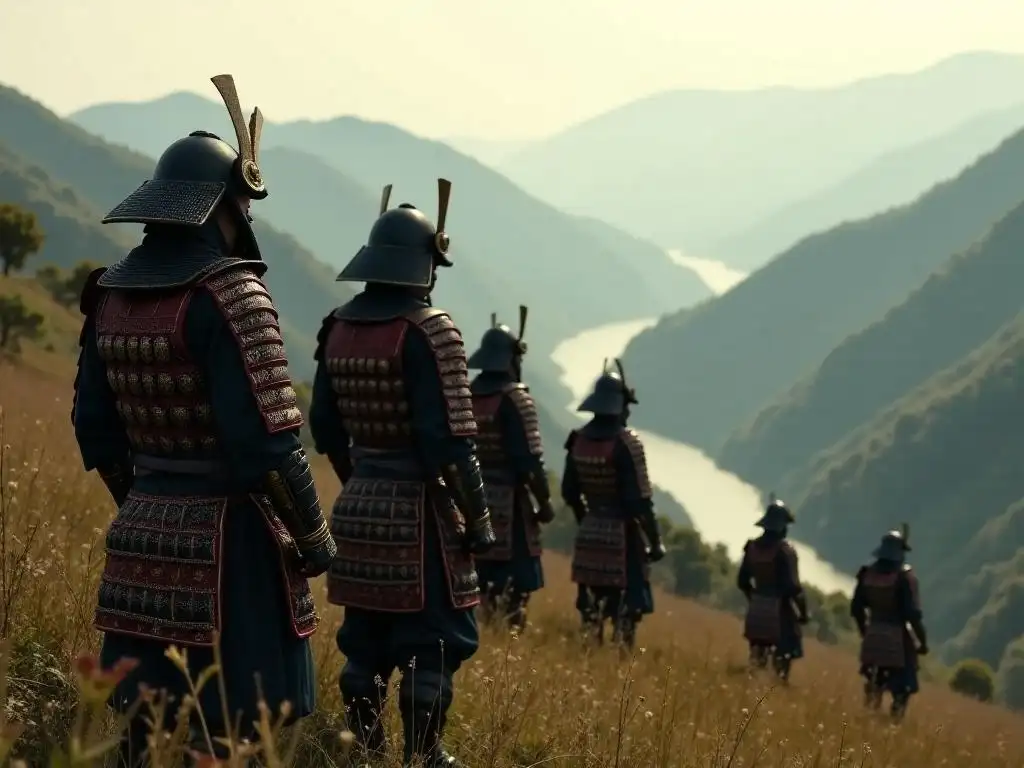
The evolution of military tactics in feudal Japan saw a shift from traditional open-field battles to more nuanced approaches that included the use of scouts. As warfare progressed, commanders increasingly recognized the importance of information warfare—understanding the terrain, the enemy's capabilities, and the logistics of troop movements. This transition led to the development of specialized scout units that could operate covertly and provide strategic insights.
Key Historical Figures Utilizing Scouts
Several key figures in feudal Japan capitalized on the use of scouts to enhance their military strategies:
- Oda Nobunaga: Known for unifying Japan in the late 16th century, Nobunaga employed scouts to gather intelligence on enemy positions, which played a crucial role in his victories.
- Toyotomi Hideyoshi: A master tactician, Hideyoshi utilized scouts to secure critical information during his campaigns, allowing him to outmaneuver opposing forces.
- Tokugawa Ieyasu: The founder of the Tokugawa shogunate, Ieyasu relied on scouts for reconnaissance to consolidate power and maintain stability across Japan.
These historical figures exemplify how the integration of scouting into military strategy was a defining element of feudal Japan's military history, shaping the outcomes of battles and the future of the nation.
Types of Scouts in Feudal Japan
In feudal Japan, scouts played a crucial role in military operations, providing vital intelligence that could determine the outcome of battles. These scouts were classified into various types, each specializing in different tasks to support their lords and armies effectively. Understanding these classifications helps illuminate the sophisticated military strategies employed during this era.
Reconnaissance Scouts: Gathering Information on Enemy Movements
Reconnaissance scouts were primarily tasked with observing and reporting on enemy movements. Their role was critical in gathering intelligence about troop strengths, formations, and plans. These scouts would often venture deep into enemy territory, using stealth and camouflage to avoid detection. They relied on various methods to collect information, including:
- Visual Observation: Scouts would position themselves in strategic locations to observe enemy camps, patrols, and supply routes.
- Listening Posts: By staying quiet and concealed, they could eavesdrop on enemy conversations, gaining insights into morale and intentions.
- Local Informants: Scouts often interacted with local villagers or travelers who could provide crucial information about the enemy's recent movements or activities.
The information gathered by reconnaissance scouts allowed commanders to make informed decisions regarding battle strategies, ambushes, and troop deployments.
Special Operations Scouts: Sabotage and Covert Missions
Special operations scouts were elite soldiers trained to perform covert missions that went beyond mere reconnaissance. Their responsibilities included sabotage, intelligence gathering, and psychological warfare. These scouts were skilled in executing surprise attacks on enemy supply lines or communication routes, thereby disrupting their operations. Key aspects of their role included:
- Infiltration: They would sneak into enemy camps at night to sabotage equipment or create confusion among enemy troops.
- Assassination: Sometimes tasked with eliminating key enemy figures, special operations scouts utilized stealth to approach their targets undetected.
- Psychological Warfare: By spreading disinformation or creating chaos behind enemy lines, these scouts aimed to demoralize opposing forces.
The effectiveness of special operations scouts often hinged on their training in stealth and their ability to think quickly in high-pressure situations.
Local Scouts: Utilizing Knowledge of Terrain and Local Populations
Local scouts were invaluable for their intimate knowledge of the geography and cultural dynamics of specific regions. These scouts typically hailed from the local area and understood the terrain's advantages and disadvantages, which could be crucial for planning military maneuvers. Their expertise included:
- Terrain Familiarization: They were adept at identifying natural features beneficial for ambushes or defensive positions.
- Cultural Insights: Local scouts understood the customs and behaviors of nearby populations, enabling them to leverage local support or avoid conflicts.
- Resource Identification: Knowledge of local resources, such as water sources or forage areas, allowed armies to sustain themselves during campaigns.
By utilizing local scouts, military leaders could navigate unfamiliar territories more effectively and enhance their strategic planning.
Training and Skills of Scouts in Feudal Japan
Scouts in feudal Japan underwent rigorous training to develop the skills necessary for their demanding roles. Their training emphasized physical fitness, tactical acumen, and effective communication. Each aspect of their training was designed to prepare them for the unique challenges they would face in the field.
Physical Training and Endurance
Physical training was a cornerstone of a scout's preparation. Scouts needed to possess exceptional endurance and agility to traverse challenging terrains quickly and quietly. Key components of their physical training included:
- Long-Distance Running: Scouts often engaged in running drills to build stamina, allowing them to cover vast distances in enemy territory.
- Climbing and Traversing: Training included climbing techniques for scaling hills or trees, and navigating through rugged landscapes without detection.
- Combat Readiness: Scouts were also trained in basic combat techniques, enabling them to defend themselves if discovered or engaged by enemy forces.
This rigorous physical training ensured that scouts could operate effectively in diverse environments and conditions.
Tactical Skills: Stealth and Surveillance Techniques
Tactical skills were essential for scouts to execute their missions successfully. They were trained in various techniques to enhance their stealth and surveillance capabilities, including:
- Camouflage Techniques: Scouts learned how to blend into their surroundings using natural materials, reducing the likelihood of detection.
- Silent Movement: Training emphasized moving quietly, including techniques for walking on soft ground and avoiding noise when navigating through underbrush.
- Observation Techniques: Scouts developed keen observational skills, allowing them to notice subtle signs of enemy activity and changes in the environment.
These skills were critical for gathering accurate intelligence while remaining undetected.
Communication Skills: Signaling and Reporting
Effective communication was vital for scouts to relay the information they gathered back to their commanders. Training in communication skills focused on:
- Signaling Techniques: Scouts utilized various forms of signaling, including visual signals (flags or smoke) and auditory signals (drums or whistles) to convey messages over distances.
- Report Writing: Some scouts were trained to write concise reports that summarized their findings, which were crucial for decision-making.
- Interpreting Signals: Scouts also learned to interpret signals from other scouts or units, ensuring coordinated actions during operations.
These communication skills facilitated efficient information sharing, enhancing the overall effectiveness of military operations.
The Role of Scouts in Major Battles

In feudal Japan, scouts played a critical role in military operations, serving as the eyes and ears of armies during significant conflicts. Their primary responsibility was to gather intelligence on enemy movements, terrain, and potential resources, which could significantly influence tactical decisions. The effectiveness of scouting could determine the success of a military campaign, as accurate information allowed commanders to strategize and deploy their forces effectively.
Scouts were typically skilled in stealth and navigation, often trained in various martial arts and survival techniques. They utilized their knowledge of local geography to traverse difficult terrains, ensuring they could report back vital information without being detected. Major battles in feudal Japan often hinged on the intelligence provided by these scouts, showcasing their importance in the broader context of military history.
Case Study: The Battle of Sekigahara
The Battle of Sekigahara, fought in 1600, was a pivotal moment in Japanese history that led to the establishment of the Tokugawa shogunate. Scouts played an invaluable role in this conflict, as both the Tokugawa and the Western Army (loyal to Toyotomi Hideyoshi's legacy) relied heavily on reconnaissance to gauge enemy positions and troop movements.
Tokugawa Ieyasu's scouts provided crucial information about the enemy's formations and strategies. They infiltrated the opposing camp, observing troop sizes and morale, which allowed Ieyasu to adjust his plans accordingly. The intelligence gathered not only informed his battle tactics but also played a role in psychological warfare, as Ieyasu's forces executed maneuvers that misled the enemy about their true capabilities. Ultimately, the strategic use of scouts contributed to Tokugawa's decisive victory.
Case Study: The Siege of Osaka
The Siege of Osaka, which occurred in the early 1610s, provides another compelling example of the importance of scouts in feudal Japan. During this conflict, Tokugawa forces sought to eliminate the remaining power of the Toyotomi clan. Scouts were deployed to gather intelligence on the fortifications of Osaka Castle and the movements of Toyotomi defenders.
The effectiveness of scout intelligence in this siege was evident in the Tokugawa's ability to plan their siege tactics meticulously. Information on supply routes, troop morale, and the castle's defenses allowed them to exploit weaknesses in the Toyotomi's strategy. Furthermore, scouts were crucial in coordinating attacks and retreating forces, ensuring that the Tokugawa army could maintain pressure while minimizing casualties. The eventual fall of Osaka Castle solidified the Tokugawa shogunate's power, underscoring the pivotal role that scouts played in shaping military outcomes.
Impact of Scout Intelligence on Battle Outcomes
The intelligence gathered by scouts significantly influenced the outcomes of various battles in feudal Japan. Accurate reconnaissance provided commanders with insights into enemy strategies, strengths, and weaknesses, allowing them to make informed decisions.
For instance, battles such as Sekigahara and the Siege of Osaka demonstrated how effective scouting could lead to tactical advantages that ultimately shifted the balance of power. Conversely, a lack of accurate intelligence could result in disastrous outcomes. The reliance on scouts to gather real-time information made them essential to military operations, highlighting their importance in the broader narrative of feudal Japanese military history.
Challenges Faced by Scouts in Feudal Japan
Despite their critical role, scouts in feudal Japan faced numerous challenges that could hamper their effectiveness. These challenges ranged from environmental factors to the inherent risks associated with reconnaissance missions.
Environmental Challenges: Terrain and Weather Conditions
Scouts often had to navigate diverse and challenging terrains, from mountainous regions to dense forests and rice paddies. The landscape could significantly impact their ability to gather intelligence and move stealthily. Additionally, weather conditions such as rain, snow, and fog could hinder visibility and complicate reconnaissance efforts.
The scouts needed to possess in-depth knowledge of the local geography to avoid detection and ensure successful missions. This knowledge was essential not only for navigating the terrain but also for understanding how environmental factors could affect both their own forces and those of the enemy.
Risks of Discovery and Counterintelligence
The act of scouting inherently carried the risk of discovery by enemy forces. If scouts were captured, they could reveal critical information about their own troop movements and strategies, jeopardizing the entire mission. Consequently, engaging in reconnaissance required a delicate balance of stealth and assertiveness.
Moreover, counterintelligence efforts by opposing forces could complicate scouting missions. Enemies often employed their scouts to mislead or ambush reconnaissance units, creating a tense atmosphere where every encounter could lead to disaster. The constant threat of being outmaneuvered or misled placed immense pressure on scouts and their commanders alike.
The Mental Toll of Reconnaissance Missions
The psychological strain of reconnaissance missions was another significant challenge that scouts faced. The demands of operating behind enemy lines, the fear of capture, and the responsibility of delivering accurate intelligence could weigh heavily on these individuals.
Scouts were often isolated, working alone or in small teams, which could exacerbate feelings of anxiety and stress. The mental toll of these missions could lead to fatigue and diminished performance, which in turn could impact the outcomes of military operations. Despite these challenges, scouts remained dedicated to their duty, recognizing the critical role they played in shaping the course of battles and the future of feudal Japan.
Conclusion
The role of scouts in feudal Japanese military operations was not merely supportive; it was a cornerstone of tactical success and strategic planning. Their ability to gather intelligence, assess enemy movements, and provide timely reports significantly influenced the outcomes of numerous battles. From the early samurai clans to the more structured military organizations of the later periods, scouts were integral to the effectiveness of military campaigns. Their contributions laid the groundwork for understanding battlefield dynamics and the importance of intelligence in warfare.
Summary of the Significance of Scouts in Feudal Japan Military History
Scouts were crucial in shaping the military strategies of feudal Japan. Their primary responsibilities included:
- Reconnaissance: Scouts were tasked with traversing enemy territory to gather vital information regarding troop movements, fortifications, and supply lines.
- Communication: They acted as couriers, relaying messages between commanders and troops, ensuring that strategic decisions were enacted swiftly.
- Psychological Warfare: The mere presence of scouts could instill fear in enemy ranks, as they were often associated with surprise attacks and ambushes.
- Terrain Navigation: Scouts were knowledgeable about the local geography, enabling their armies to exploit terrain advantages, which was essential for victory in battles.
The effectiveness of feudal Japanese armies can often be traced back to the quality of their scouting. Historical accounts from battles, such as the famous Siege of Odawara (1590), highlight how scouts played pivotal roles in the planning and execution of military operations. Their insights helped commanders make informed decisions that were critical to achieving victory.
The Legacy of Scouts in Modern Military Tactics
The principles established by scouts in feudal Japan have echoes in contemporary military strategies worldwide. Modern military operations still emphasize the importance of reconnaissance and intelligence gathering, which are crucial for effective decision-making in combat scenarios. Key aspects of this legacy include:
- Advanced Reconnaissance Techniques: Today's armies utilize technology such as drones and satellite imagery, yet the foundational concept of gathering intelligence remains unchanged.
- Special Operations Forces: Modern equivalents to the scouts of feudal Japan can be found in special operations units, who are trained for stealth, reconnaissance, and direct action missions.
- Emphasis on Terrain Familiarity: Just as scouts in feudal Japan needed to understand their environment, modern military training still prioritizes knowledge of the operational landscape.
The legacy of scouts is a testament to their enduring significance in military history. Their contributions not only shaped the outcomes of battles in feudal Japan but also laid the groundwork for modern military doctrine, highlighting the timeless importance of intelligence and reconnaissance in warfare.
- Introduction to Scouts in Feudal Japan Military History
- Overview of Feudal Japan's Military Structure
- Importance of Intelligence in Feudal Japan Warfare
- Historical Context of Scouts in Feudal Japan
- Types of Scouts in Feudal Japan
- Training and Skills of Scouts in Feudal Japan
- The Role of Scouts in Major Battles
- Challenges Faced by Scouts in Feudal Japan
- Conclusion
- What was the role of scouts in feudal Japan's military operations?
- How did scouts contribute to military strategies in feudal Japan?
- Were scouts officially recognized in the feudal Japanese military hierarchy?
- What skills were essential for scouts in feudal Japan?
- How did the use of scouts evolve throughout feudal Japan's history?
Frequently Asked Questions
What was the role of scouts in feudal Japan's military operations?
Scouts played a crucial role in gathering intelligence about enemy positions and movements, which was vital for strategic planning in battles.
How did scouts contribute to military strategies in feudal Japan?
By providing timely information on terrain and enemy forces, scouts enabled commanders to make informed decisions, enhancing their chances of victory.
Were scouts officially recognized in the feudal Japanese military hierarchy?
Yes, scouts were often regarded as important personnel within military ranks, although their status could vary depending on the daimyō or lord they served.
What skills were essential for scouts in feudal Japan?
Scouts required skills in stealth, navigation, and observation, as well as an understanding of local geography to effectively carry out their missions.
How did the use of scouts evolve throughout feudal Japan's history?
As military tactics became more sophisticated, the role of scouts also evolved, incorporating new techniques and technologies to improve intelligence gathering and communication.
Final Reflection: The Enduring Legacy of Scouts in Feudal Japan's Military History
The role of scouts in feudal Japan's military operations remains a critical yet often overlooked aspect of military history. As we delve into the intricacies of how these skilled individuals shaped the outcomes of battles and influenced strategic decisions, it becomes evident that their contributions were not merely ancillary but foundational. Understanding the significance of scouts in feudal Japan allows us to appreciate the complexities of warfare and the subtleties of intelligence gathering that resonate even in contemporary military practices.
The impact of scouts transcends the historical context, echoing through the cultural and social landscapes of Japan and beyond. Their ability to gather intelligence, assess enemy movements, and relay crucial information was instrumental in shaping the tactics of samurai warfare. This legacy continues to inspire modern military strategies and highlights the importance of reconnaissance in any conflict. In war, the first casualty is truth,
a reminder that the information gathered by scouts often determines the fate of nations and the course of history.
As we reflect on the lessons learned from the role of scouts in feudal Japan, I invite you to consider how the principles of observation, adaptability, and strategic foresight can be applied in your own life. Whether in personal challenges or professional endeavors, the ability to assess situations from multiple angles and gather insights can lead to more informed decisions. Embrace the spirit of the scout, and let it guide you toward a future where knowledge and awareness pave the way for success.
Unveil the Secrets of Feudal Japan's Scouts!
Thank you for diving into our exploration of the pivotal role scouts played in feudal Japanese military operations. You've uncovered the fascinating insights of strategy and stealth that were vital to the success of the samurai and their clans. Now, let’s put that newfound knowledge into action!
Here are some steps you can take to further your journey into the rich tapestry of feudal Japan:
- Explore more! Check out our in-depth articles on samurai tactics and military strategies to deepen your understanding.
- Engage with fellow history enthusiasts! Share your thoughts on social media or in our comments section to spark discussions about scouting techniques.
- Join our growing community! Subscribe to our newsletter for exclusive content and updates on future explorations of feudal Japan.
What aspect of feudal Japan's military tactics intrigues you the most? We would love to hear your thoughts!