
The Role of Honor in Samurai Combat Decisions

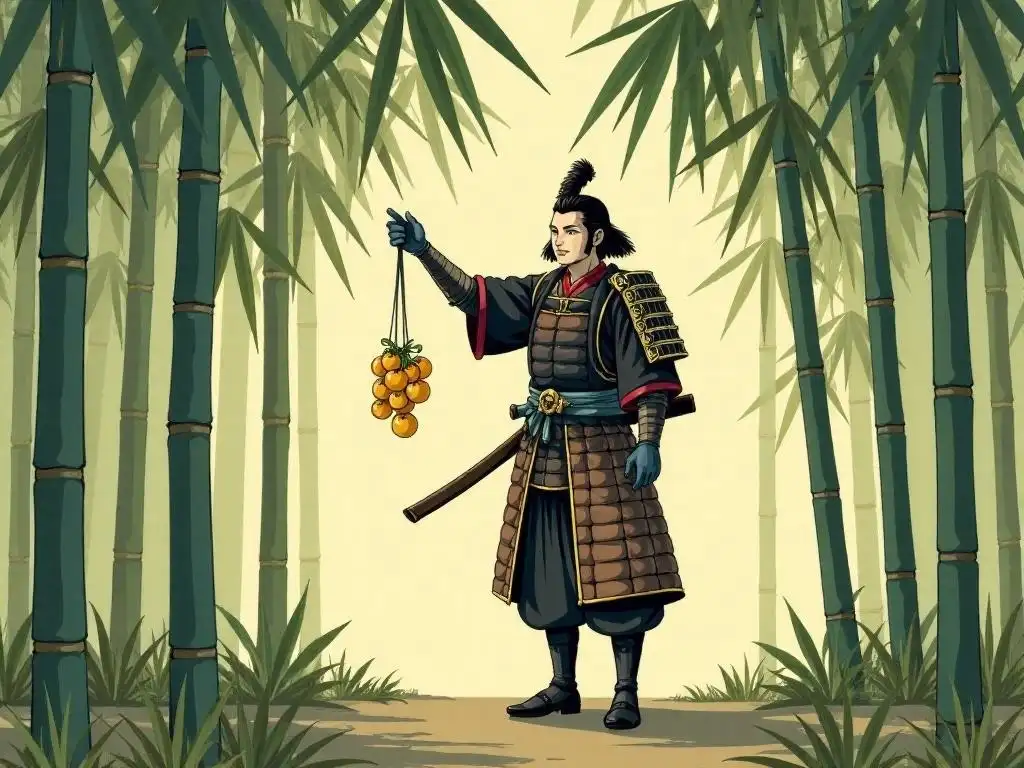
Welcome to Feudal Japan History, where we embark on a captivating journey through the intricate tapestry of Japan's feudal era. Delve into the fascinating world of samurai honor combat decisions, where every choice was a reflection of deep-rooted values and codes of conduct. What drove these elite warriors to make such profound decisions in the heat of battle? Join us as we unravel the significance of honor in the samurai's life and discover how it shaped the very fabric of their society. Prepare to explore the layers of history that define this remarkable period—your adventure begins here!
Introduction to Samurai Honor in Combat
The concept of honor is deeply embedded in the fabric of samurai culture, influencing every aspect of their lives, especially in combat. Samurai honor, or "bushido," is not merely a code of conduct; it is a guiding principle that governs their decisions on and off the battlefield. Understanding the role of honor in samurai combat decisions provides insight into the ethical dilemmas they faced, the strategies they employed, and the legacy they left behind. This exploration reveals how the notion of honor shaped the outcomes of battles and the very essence of samurai identity.
Overview of Samurai Culture and Values
The samurai, Japan's warrior class, emerged during the Heian period (794-1185) and became prominent in the subsequent feudal era. Their culture was defined by a unique set of values that emphasized loyalty, bravery, and honor. Key aspects of samurai culture include:
- Loyalty: Devotion to one's lord and clan was paramount.
- Courage: Facing danger without fear was a hallmark of a true warrior.
- Discipline: Rigorous training and adherence to the bushido code were essential.
These values not only dictated personal behavior but also influenced group dynamics and strategic decisions in combat situations.
Definition of Honor in the Context of Samurai Combat
Honor in the context of samurai combat extends beyond personal integrity; it encompasses the reputation of the samurai's clan and the expectations of society. It involves:
- Personal Honor: Upholding one's reputation and integrity during battle.
- Clan Honor: Maintaining the dignity and status of one's family or lord.
- Social Expectations: Adhering to the cultural norms regarding bravery and conduct in warfare.
Samurai were often faced with complex choices where personal survival might conflict with their duty to uphold honor, leading to critical decisions that could change the course of battles.
Historical Context of Samurai Honor
The Evolution of Samurai Honor Through Feudal Japan
The concept of honor evolved significantly throughout Japan's feudal history. Initially, samurai honor was closely tied to martial prowess and battlefield success. However, as Japan transitioned through various periods, including the Kamakura, Muromachi, and Edo periods, the definition of honor expanded to include:
- Cultural Refinement: The rise of Zen Buddhism and the arts led to a more philosophical interpretation of honor.
- Political Alliances: Shifts in power dynamics influenced how honor was perceived, often requiring samurai to navigate complex political landscapes.
This evolution reflects the adaptability of the samurai in response to changing societal norms and pressures.
Key Historical Events Influencing Samurai Combat Decisions
Several key historical events significantly impacted the way honor influenced samurai combat decisions:
- The Genpei War (1180-1185): This conflict marked the rise of the samurai class and solidified the importance of honor in combat.
- The Mongol Invasions (1274 and 1281): Samurai faced an external threat that tested their values and concepts of honor on a grand scale.
- The Sengoku Period (1467-1603): A time of constant warfare, where samurai had to balance personal honor against political necessity.
These events not only tested samurai honor but also shaped the future of combat strategies and the very nature of samurai identity in Japan.
The Philosophical Foundations of Samurai Honor
The concept of honor in samurai culture is deeply rooted in philosophical principles that shaped their worldview and ethical conduct. Samurai honor was not merely a personal attribute but a societal norm that dictated behavior, loyalty, and duty. This philosophical foundation can be traced back to several key influences, including Confucianism, Buddhism, and Shinto beliefs, which collectively emphasized virtues such as loyalty, integrity, and respect.
In samurai society, honor was perceived as an extension of one’s identity and lineage, meaning that an individual's actions reflected not just on themselves but also on their family and clan. A samurai's honor was intertwined with their reputation, and maintaining this honor often dictated their decisions in combat and social conduct. Failure to uphold one’s honor could lead to disgrace, not only for the individual but for their entire family.
Moreover, the philosophical underpinnings of samurai honor fostered a culture where self-sacrifice and bravery were celebrated. The concept of dying honorably in battle was often seen as the ultimate expression of loyalty and courage. This belief system created a unique framework within which samurai operated, driving them to prioritize honor in their combat decisions over personal survival or material gain.
Bushido: The Way of the Warrior
At the heart of samurai honor lies the code of Bushido, which translates to "the way of the warrior." This ethical code encapsulated the values and principles that samurai were expected to live by. Bushido emphasized virtues such as loyalty, honor, courage, benevolence, and respect, serving as a moral compass for samurai in their personal and professional lives.
Bushido dictated that samurai should act with honor in all circumstances, including combat. This meant that when faced with a choice in battle, a samurai would often consider their honor as a primary factor. Engaging in a fight was not merely about victory or defeat; it was about how one fought and the conduct displayed during combat. A samurai would rather face death than dishonor themselves or their lord.
The teachings of Bushido were not uniformly codified; rather, they evolved over time, influenced by various schools of thought and the changing dynamics of Japanese society. However, the core principles remained intact, shaping the identity of the samurai and the societal expectations placed upon them. In essence, Bushido was more than a code; it was a way of life that guided samurai in their combat decisions and interactions with others.
The Relationship Between Honor and Duty in Samurai Society
In samurai society, honor and duty were inextricably linked. Duty, often to one’s lord or clan, was considered paramount and was a significant driver of a samurai’s actions. This sense of duty was grounded in a belief that a samurai must place the needs of their lord above their own desires. Upholding one’s duty in the face of danger was not only expected but celebrated as a hallmark of true honor.
This relationship manifested in various ways, particularly during times of conflict. Samurai were often faced with dilemmas that pitted their personal safety against their sense of duty. For example, a samurai might choose to charge into battle despite overwhelming odds to fulfill their obligation to protect their lord or clan, demonstrating that honor was often seen as a higher calling than individual self-preservation.
Furthermore, the expectation to uphold honor and duty extended to the family and clan. A samurai’s actions could lead to the elevation or degradation of their family’s status. Thus, decisions made in the heat of battle were often influenced by the desire to maintain familial honor, further complicating the relationship between personal choices and societal expectations.
Honor as a Decision-Making Factor in Combat
Honor played a crucial role in shaping the decision-making process of samurai during combat. When faced with adversaries, samurai would weigh their actions against the principles of honor and the repercussions of their choices. This often resulted in decisions that prioritized honorable conduct over tactical advantage.
For instance, samurai were expected to engage in combat with respect for their opponents, often adhering to the principles of fairness and chivalry. This meant avoiding underhanded tactics such as ambushes or attacks on unarmed foes, as these actions could be seen as dishonorable. Instead, samurai would often challenge their opponents to a fair duel, emphasizing the importance of honor even in the face of potential defeat.
Moreover, the concept of seppuku, or ritual suicide, further illustrates how honor influenced combat decisions. If a samurai faced inevitable defeat or dishonor, they might choose to take their own life rather than suffer the disgrace of capture or failure. This act was seen as a final assertion of their honor and a way to preserve their family’s reputation.
How Honor Influences Combat Choices
When engaged in battle, samurai would often make decisions based on the prevailing codes of honor, which could override instinctual or strategic responses. Honor dictated that they maintain composure and dignity even in the face of overwhelming odds or personal danger. This influence was evident in several key aspects of combat choices:
- Engagement Rules: Samurai adhered to strict codes regarding when and how to engage an opponent. They often preferred direct confrontation rather than employing deceptive tactics, as the latter could tarnish their honor.
- Retreat and Surrender: A samurai's decision to retreat or surrender was fraught with implications. While strategic retreats could be justified, outright surrender was often viewed as dishonorable, leading to the belief that death in battle was preferable.
- Fighting for a Cause: Samurai frequently fought for causes they deemed honorable, such as protecting their lord or defending their homeland. This idealistic view of combat influenced their willingness to engage in battles, even when the odds were against them.
The intertwining of honor with combat decisions created a unique and often dangerous dynamic for samurai, where their very identity was on the line with every choice made on the battlefield.
Case Studies: Notable Battles Reflecting Samurai Honor
Throughout Japan's feudal history, numerous battles illustrate the profound influence of honor on samurai combat decisions. Here are a few notable examples:
- The Battle of Sekigahara (1600): This pivotal battle marked the end of the Warring States period. Samurai from various clans fought not only for territorial control but also to uphold their honor and loyalty to their lords. The decision made by some samurai to switch sides mid-battle was both a tactical maneuver and a matter of honor, as they sought to align with the winning side to preserve their reputation.
- The Siege of Osaka (1614-1615): During this conflict, many samurai chose to engage in combat despite overwhelming forces. The honor associated with defending their clan's interests was a driving force behind their decisions, leading to fierce resistance even when defeat was imminent.
- The 47 Ronin (1701-1703): This famous incident exemplifies the extreme lengths to which samurai would go to uphold their honor. After their lord was wronged and forced to commit seppuku, the 47 ronin avenged his death, fully aware that their actions would lead to their own executions. Their commitment to honor over life itself remains a poignant example of samurai ethos.
These case studies exemplify how the principles of honor shaped the decisions and actions of samurai in combat, highlighting the intricate relationship between honor and the samurai's role as warriors in feudal Japan.
The Impact of Honor on Tactical Decisions
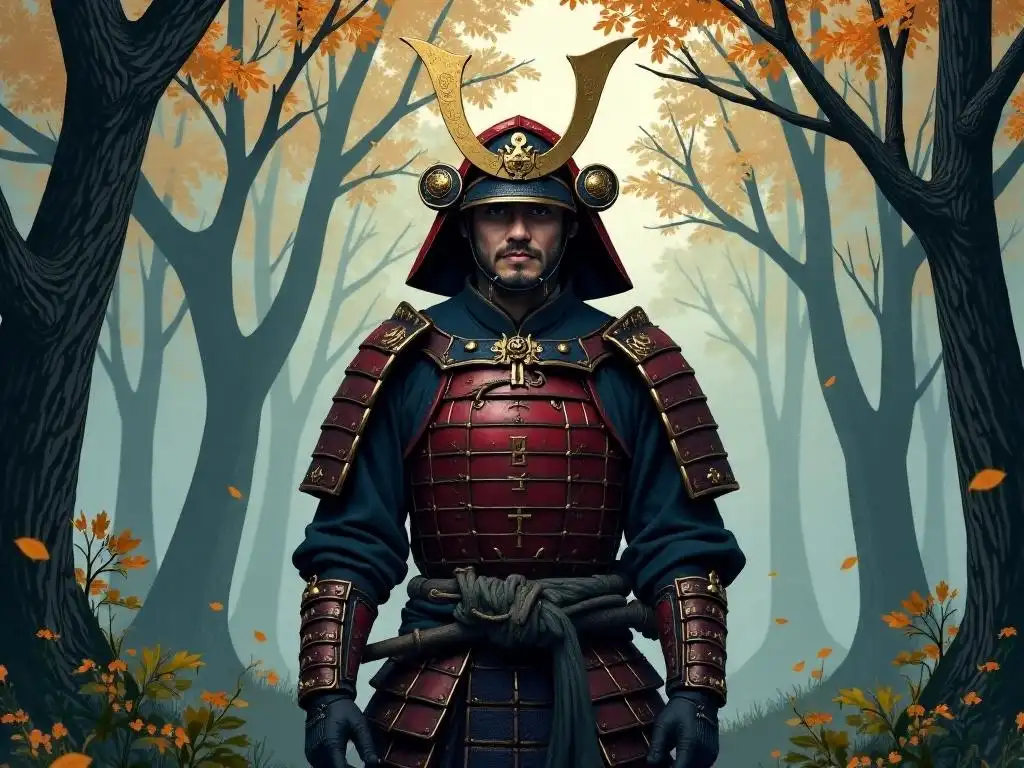
In the realm of samurai combat, honor was not merely a concept; it was a guiding principle that significantly influenced tactical decisions on the battlefield. Samurai warriors were bound by a code known as Bushido, which emphasized virtues such as loyalty, courage, and honor. This code dictated that a samurai's actions reflect their integrity and the reputation of their clan. As a result, tactical decisions were often made with an acute awareness of how those actions would be perceived by peers and enemies alike.
When faced with a combat scenario, samurai would weigh their options against the backdrop of their honor. For instance, engaging in a surprise attack or employing deceitful tactics could be viewed as dishonorable. Thus, many samurai preferred to confront their enemies directly, adhering to a more honorable form of combat, even at the risk of tactical disadvantage. This intense focus on honor often led to scenarios where decisions were made not solely based on military strategy, but also on the potential impact on one's reputation.
Moreover, the emphasis on honor fostered a culture of bravery and loyalty that could inspire troops. A commander who upheld the values of honor could rally their men to fight fiercely, knowing that their actions were in line with their moral code. Consequently, the impact of honor on tactical decisions extended beyond individual choices, affecting the morale and cohesion of entire units on the battlefield.
The Role of Honor in Strategic Planning
Honor was a pivotal factor in the strategic planning of military campaigns during Japan's feudal era. Samurai leaders were acutely aware that their strategic decisions would be scrutinized by both their peers and their followers. As a result, they often devised plans that not only aimed for victory but also adhered to the principles of honor and integrity. This meant that strategies were sometimes constrained by the need to operate within the framework of Bushido.
For example, a samurai lord may choose to engage in open battle rather than ambush tactics, even if the latter could have ensured a higher chance of victory. This preference for honorable engagement was rooted in a desire to maintain the respect of allies and enemies alike. The strategic planning phase thus became a balancing act between achieving military goals and preserving honor.
Additionally, the notion of honor influenced alliances and rivalries. Samurai were more likely to forge alliances with those who shared similar values of honor, leading to strategic partnerships that could enhance their military effectiveness. Conversely, betrayal or dishonorable actions could lead to swift retribution, impacting long-term strategic outcomes.
Honor versus Practicality: Balancing Factors in Combat
The interplay between honor and practicality in samurai combat decisions often created complex dilemmas for warriors. While honor dictated a path of integrity and loyalty, practicality demanded that decisions be made with a clear focus on achieving victory. Samurai faced constant challenges in reconciling these two forces, leading to a spectrum of outcomes during combat.
In many instances, samurai had to assess the battlefield environment and the likelihood of success before making a decision. For instance, a samurai might recognize that a tactical retreat could be the most pragmatic choice to preserve their forces and regroup for a more favorable engagement. However, doing so could be perceived as cowardice, risking their honor and reputation. This tension necessitated a careful evaluation of circumstances, where the samurai had to ask themselves whether the preservation of honor was worth the potential loss of life or strategic advantage.
Furthermore, this balancing act extended to the realm of personal honor. Individual samurai often faced choices that could either enhance their standing within their clan or lead to disgrace. As such, many warriors opted to act in alignment with their personal honor, even when it conflicted with more pragmatic military strategies. This often resulted in decisions that prioritized individual reputation over collective military effectiveness, illustrating the profound impact of honor on samurai combat decisions.
Consequences of Honor-Driven Decisions
The decisions driven by the principles of honor had significant consequences on the battlefield, influencing the outcomes of battles and the fates of warriors. These consequences could manifest in both positive and negative ways, shaping the legacy of the samurai and their clans.
Positive Outcomes: Honor Leading to Victory
In some cases, adhering to the principles of honor could lead to remarkable victories. Samurai who displayed unwavering bravery and loyalty often inspired their comrades to fight with greater tenacity. This collective spirit, fueled by a commitment to honor, could turn the tide in crucial battles. For example, during the Battle of Nagashino in 1575, the Tokugawa forces, led by Tokugawa Ieyasu, displayed a sense of honor by standing their ground against overwhelming odds. Their commitment to fight honorably, coupled with effective tactics, ultimately contributed to their victory over the Takeda clan.
Moreover, the reputation gained from honorable conduct could enhance a samurai's standing within their clan and among allies, making them more formidable in future engagements. The legacy of honor often translated into long-term strategic advantages, as allies were more likely to rally around a leader known for integrity and valor.
Negative Outcomes: The Dangers of Upholding Honor in Combat
Conversely, the unwavering commitment to honor could lead to disastrous outcomes. In the heat of battle, samurai who prioritized their personal or clan honor over effective strategy often faced severe consequences. A striking example of this is the Tensho Iga War, where the samurai forces engaged in a prolonged and costly conflict due to their refusal to employ more pragmatic warfare tactics that could have led to a quicker resolution.
In addition, the pressure to uphold honor could lead to reckless decisions, such as refusing to retreat or regroup when faced with insurmountable odds. This adherence to honor, while noble, sometimes resulted in unnecessary losses and could diminish the overall strength of a clan. The legacy of such decisions often included not only the loss of life but also a tarnished reputation if perceived as foolish or reckless by peers.
Ultimately, the consequences of honor-driven decisions in samurai combat were multifaceted, impacting both the immediate battlefield outcomes and the broader historical narrative of feudal Japan. The delicate balance between honor and practicality continues to be a subject of study and reflection in understanding the complex dynamics of samurai warfare.
Modern Interpretations and Legacy of Samurai Honor
The concept of honor in samurai culture has transcended time, influencing not only historical perspectives but also contemporary interpretations. Modern interpretations of samurai honor focus on its multifaceted nature, encompassing values such as loyalty, courage, and respect. In the context of combat, this honor is often romanticized in literature and film, leading to a nuanced understanding of how these principles guided samurai decisions on and off the battlefield. The legacy of samurai honor continues to be celebrated in various forms, from martial arts training to popular culture, where it serves as a powerful symbol of discipline and ethical conduct.
The Influence of Samurai Honor on Contemporary Martial Arts
Contemporary martial arts are deeply rooted in the philosophies that governed samurai conduct. Many martial arts practitioners emphasize the importance of honor in their training, mirroring the samurai's commitment to discipline, respect, and ethical behavior. Schools such as Kendo, Aikido, and Iaido incorporate these values into their curricula, teaching students not only combat techniques but also the moral implications of their actions. This influence manifests in practices such as:
- Etiquette and Rituals: Rituals before and after practice, such as bowing, reflect samurai traditions and instill a sense of respect for opponents and the art itself.
- Philosophical Teachings: Many dojos integrate teachings from bushido, the samurai code, into their training to foster a holistic understanding of martial arts.
- Competitive Spirit: The emphasis on honor encourages practitioners to engage in fair competition, prioritizing respect over mere victory.
This enduring legacy underscores how samurai principles continue to shape modern martial arts, promoting a blend of physical skill and ethical responsibility.
Honor in Modern Japanese Culture: Reflections of the Samurai Ethos
In modern Japanese culture, the ethos of samurai honor is reflected in various societal norms and practices. Concepts such as "ganbaru" (doing one's best) and "shame" play significant roles in personal and professional conduct, echoing the samurai's commitment to honor and duty. These reflections can be observed in several aspects, including:
- Work Ethic: The dedication to one's job and the pursuit of excellence can be traced back to samurai values, where loyalty to one's lord and duty were paramount.
- Social Behavior: Interpersonal relationships often emphasize respect and humility, mirroring the samurai's adherence to hierarchy and honor codes.
- Cultural Celebrations: Festivals and ceremonies often highlight samurai history, celebrating their contributions to Japanese identity and values.
This connection between samurai honor and contemporary culture illustrates how deeply ingrained these principles are in the Japanese psyche, influencing behaviors and societal expectations.
Conclusion: The Enduring Legacy of Samurai Honor in Combat Decisions
The legacy of samurai honor remains a pivotal aspect of understanding both historical and modern contexts of combat decisions. The principles that guided samurai warriors in battle continue to resonate today, shaping perceptions of honor and ethics in conflict situations. As we analyze the impact of samurai honor on military history, it becomes evident that these values have left an indelible mark on the way combat is perceived and executed.
Summary of Key Points on Samurai Honor and Combat
- Historical Significance: Samurai honor was crucial in guiding combat decisions, emphasizing loyalty and duty.
- Influence on Martial Arts: Contemporary martial arts incorporate samurai values, focusing on ethical conduct alongside technical skills.
- Cultural Reflections: Modern Japanese culture still embodies samurai principles, influencing behavior and societal norms.
These key points highlight the multifaceted nature of samurai honor and its continuing relevance in discussions about combat and military history.
Final Thoughts on the Importance of Honor in Military History
The importance of honor in military history cannot be overstated. Honor shapes not only the conduct of individuals in combat but also influences the broader narratives surrounding warfare and conflict. The samurai's unwavering commitment to honor serves as a model for understanding ethical decision-making in military contexts, underscoring the idea that combat is not merely a physical struggle but a profound moral engagement. As we explore the complexities of military history, the legacy of samurai honor remains a vital component, reminding us of the human dimensions that underpin the art of war.
- Introduction to Samurai Honor in Combat
- Historical Context of Samurai Honor
- The Philosophical Foundations of Samurai Honor
- Honor as a Decision-Making Factor in Combat
- The Impact of Honor on Tactical Decisions
- Consequences of Honor-Driven Decisions
- Modern Interpretations and Legacy of Samurai Honor
- Conclusion: The Enduring Legacy of Samurai Honor in Combat Decisions
Frequently Asked Questions
What is the significance of honor in samurai culture?
Honor was a fundamental principle in samurai culture, dictating their actions in both life and combat. It shaped their decisions and interactions, ensuring they acted with integrity and respect.
How did samurai honor influence their combat decisions?
Samurai made combat decisions based on their code of honor, known as Bushido. This code emphasized bravery, loyalty, and self-discipline, often leading them to choose honorable battles over strategic retreats.
What were the consequences of dishonor for a samurai?
Dishonor could lead to severe repercussions, including loss of status or even death through seppuku (ritual suicide). Maintaining honor was vital for a samurai's reputation and legacy.
How did samurai honor impact their relationships with other warriors?
Samurai honor fostered a sense of respect and trust among warriors. It dictated their interactions, ensuring that oaths and alliances were upheld, and that betrayals were met with severe consequences.
Were there any exceptions to the rules of honor in combat?
While the code of honor was strict, exceptions could occur in situations of survival or defense. However, even in these cases, samurai were expected to act with integrity and minimize dishonorable actions.
Final Reflection: The Enduring Legacy of Samurai Honor in Combat Decisions
The concept of honor remains a pivotal force in shaping combat decisions, not just in the historical context of the samurai but also in today's world. The samurai's unwavering commitment to their code of honor illustrates how deeply personal values can influence choices in the heat of battle. This timeless principle resonates with modern society, where ethical dilemmas often arise, reminding us that our decisions are not merely tactical but also moral.
Culture and society continue to be influenced by the ideals of samurai honor, serving as a guiding light in times of conflict. The lessons learned from the samurai's approach to combat decisions extend beyond the battlefield, permeating various aspects of life, including leadership, integrity, and personal responsibility. As the philosopher Yamamoto Tsunetomo once said, The way of the samurai is found in death.
This profound statement encapsulates the samurai's understanding of honor, emphasizing that true valor lies in the willingness to uphold one's principles, even at the cost of one's life.
As you reflect on the role of honor in your own life, consider how these timeless lessons can guide your decisions. Embrace the spirit of the samurai by cultivating a strong sense of integrity and purpose in your actions. Whether in personal relationships, professional endeavors, or community involvement, let the principles of samurai honor inspire you to make choices that align with your values. In doing so, you not only honor the legacy of the samurai but also contribute to a world where honor and integrity prevail.
Embrace the Spirit of Honor in Your Own Choices!
Thank you for exploring the deep connection between honor and decision-making in the world of the samurai. You have gained valuable insights into how their core values shaped their actions, and now you can reflect on how these lessons can inform your own life choices.
Now, let’s take that inspiration and put it into action:
- Reflect on your values: Take a moment to write down three principles that guide your decisions. Consider how these can influence your daily actions.
- Share your insights with friends or family: Engage in a discussion about what honor means to you and how it can impact your interactions and choices.
- Explore the legacy of samurai values: Read books or watch documentaries about samurai culture to deepen your understanding of their ethos.
What will your next step be to embody the spirit of honor in your life?