
The Role of Tactics in the Rise and Fall of Feudal Clans


Welcome to Feudal Japan History, where we invite you to embark on a fascinating journey through the intricate tapestry of Japan's feudal era. Here, you'll uncover the strategic brilliance and cunning tactics that defined the rise and fall of powerful clans. Our featured article, The Role of Tactics in the Rise and Fall of Feudal Clans, delves deep into the military maneuvers that shaped a nation.
Are you ready to explore the pivotal moments that changed the course of history? Let your curiosity lead you into the heart of feudal Japan, where each article is a doorway to uncovering the profound impact of tactics on a society rich in culture and conflict.
Tactics played a pivotal role in shaping the fates of feudal clans in Japan, influencing both their rise to power and subsequent decline. During the feudal era, which spanned several centuries, Japan's political landscape was dominated by a multitude of clans vying for control and influence. Military strategies, battlefield innovations, and leadership decisions were crucial in determining the outcomes of conflicts that ultimately defined the course of Japanese history. This article delves into the intricate relationship between tactical approaches and the fortunes of these clans, revealing how specific strategies could lead to monumental victories or catastrophic defeats.
Introduction to Tactics in Feudal Japan
The concept of tactics in feudal Japan is deeply intertwined with the broader socio-political context of the time. As clans engaged in power struggles, their ability to adapt and innovate militarily became a defining characteristic of their success. Understanding these tactics provides insight into not only the battles fought but also the cultural and societal values that influenced them.
Understanding the Historical Context of Feudal Japan
Feudal Japan, beginning in the early 12th century and lasting until the 19th century, was marked by a decentralized political structure where power was held by regional warlords known as daimyo. This era was characterized by:
- Constant Warfare: Clans frequently engaged in battles to expand their territories, leading to the development of diverse military strategies.
- The Samurai Class: The samurai, as the warrior class, were bound by a code of honor (Bushido) that influenced their tactical choices and battlefield conduct.
- Geographical Challenges: Japan's varied terrain, including mountains and rivers, required clans to adapt their tactics to the environment.
These elements contributed to a complex tapestry of military engagement, where tactics could mean the difference between victory and defeat.
Importance of Military Tactics in Japanese Clans
Military tactics were not merely about the execution of battle plans; they encompassed a range of factors that determined a clan's operational effectiveness:
- Resource Management: Efficient use of manpower, weaponry, and supplies was vital for sustaining prolonged conflicts.
- Psychological Warfare: Clans often employed tactics that aimed to intimidate opponents or demoralize them before a fight even began.
- Adaptation and Flexibility: The ability to swiftly adapt tactics in response to changing battlefield conditions was crucial in maintaining a competitive edge.
Overall, the strategic decisions made by clan leaders had lasting impacts on their legacy and the historical narrative of feudal Japan.
Key Tactical Innovations in Feudal Japan
The feudal era witnessed significant advancements in military tactics that transformed the nature of warfare. These innovations not only influenced battles but also shaped the political landscape of the time.
Evolution of Warfare Tactics During the Feudal Era
Over the centuries, warfare tactics in Japan evolved dramatically, influenced by technological advancements and changing political dynamics:
- Archery and Cavalry: Early battles prominently featured archery and cavalry maneuvers, with skilled archers playing a crucial role in engagements.
- Siege Warfare: As clans fortified their castles, siege tactics became essential, leading to the development of specialized strategies for breaching defenses.
- Formation Changes: The introduction of new formations, such as the “kibagata” (square formation), allowed clans to maximize their combat effectiveness against larger forces.
These evolutions illustrate how tactical ingenuity was vital for survival and dominance in a turbulent era.
Notable Tactical Leaders and Their Strategies
Throughout feudal Japan, several leaders emerged whose tactical brilliance had profound effects on their clans and the broader historical context:
- Minamoto no Yoshitsune: Renowned for his innovative strategies during the Genpei War, he utilized speed and surprise to defeat the Taira clan.
- Oda Nobunaga: A key figure in unifying Japan, Nobunaga introduced firearms into Japanese warfare, revolutionizing traditional battle tactics.
- Tokugawa Ieyasu: His strategic prowess at the Battle of Sekigahara led to the establishment of the Tokugawa shogunate, marking the beginning of a long period of peace.
These leaders exemplify how tactical mastery not only shaped individual battles but also altered the course of history in feudal Japan.
The Impact of Terrain on Tactical Decisions
The terrain in feudal Japan played a crucial role in shaping military tactics and strategies employed by various clans. Japan's diverse geography, characterized by mountains, forests, rivers, and coastal areas, necessitated adaptable tactics that took advantage of these features. Clans had to consider not only the battlefield's physical characteristics but also how these elements could be used to their strategic advantage.
For instance, mountainous regions often limited the effectiveness of large cavalry units, forcing commanders to rely more on infantry. In contrast, open plains allowed for rapid movement and the deployment of cavalry, which could outmaneuver enemy forces. Thus, the tactical decisions made by feudal leaders were heavily influenced by the landscape, as they sought to maximize their strengths while exploiting the weaknesses of their opponents.
How Geography Influenced Battles in Feudal Japan
Geography significantly influenced the outcomes of numerous battles throughout feudal Japan. The strategic positioning of castles and fortifications was often determined by the surrounding terrain, as these locations provided defensive advantages. For example, the Takeda clan frequently utilized the mountainous regions of Kai Province to their advantage, launching surprise attacks from elevated positions.
Furthermore, rivers and wetlands played a pivotal role in determining troop movements and logistics. Battles such as the Battle of Okehazama in 1560 illustrate how terrain can dictate the flow of combat. Oda Nobunaga's forces, though outnumbered, leveraged the element of surprise by advancing through difficult terrain, ultimately leading to a decisive victory against the Imagawa clan.
Case Studies: Significant Battles and Their Tactical Approaches
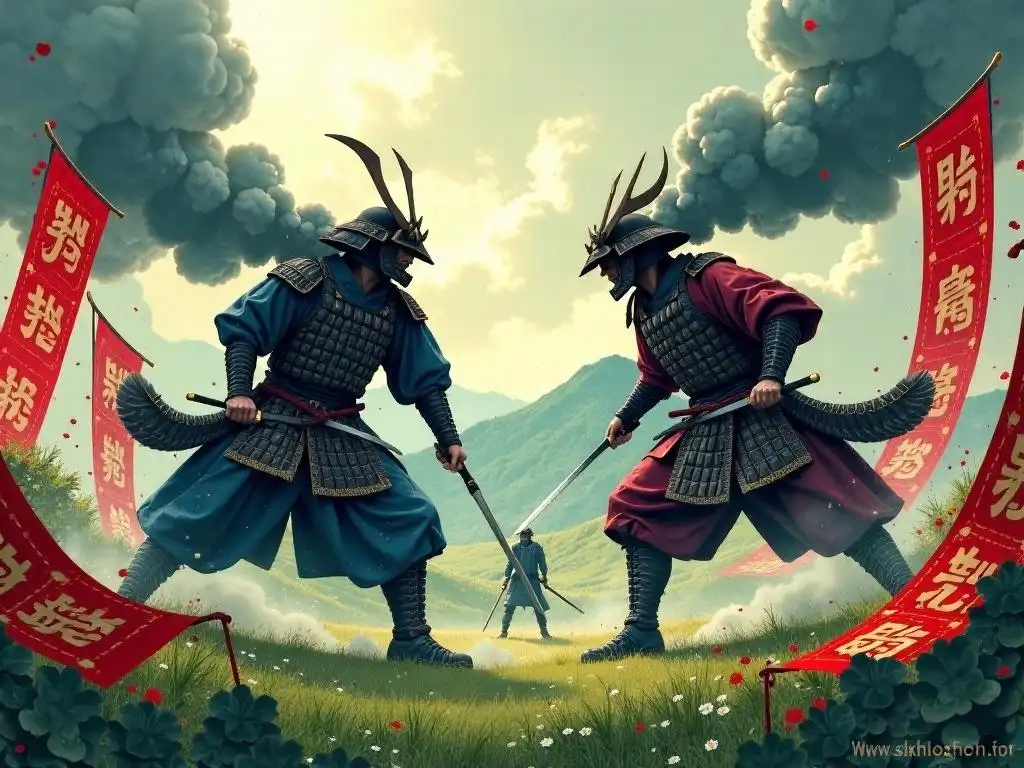
Examining specific battles from feudal Japan reveals how tactics were shaped by the terrain and the unique circumstances of each conflict.
- Battle of Sekigahara (1600): This pivotal battle was influenced by the geography of the Sekigahara plain. Tokugawa Ieyasu capitalized on his knowledge of the terrain to establish advantageous positions and outmaneuver his enemies. The terrain allowed him to effectively deploy his forces, leading to a decisive victory that established the Tokugawa shogunate.
- Battle of Nagashino (1575): The Takeda clan’s cavalry charges were rendered ineffective due to the use of defensive earthworks by Oda Nobunaga. Positioned on a hill, Nobunaga’s infantry utilized matchlocks, demonstrating how terrain can negate traditional tactics and lead to innovative combat strategies.
- Siege of Osaka (1614-1615): The use of fortifications and the surrounding terrain played a significant role in the strategies employed by both sides. Toyotomi Hideyori's forces relied on the defensive capabilities of Osaka Castle, while Tokugawa Ieyasu’s army used superior artillery and siege tactics to overcome these defenses.
The Role of Infantry and Cavalry Tactics
The composition and tactics of infantry and cavalry were crucial to the military effectiveness of feudal clans. Each branch of the military had distinct roles, strengths, and weaknesses that shaped their deployment on the battlefield. Understanding these differences is essential to grasping the tactical landscape of feudal Japan.
The Composition of Feudal Armies in Japan
Feudal armies in Japan typically consisted of a mix of infantry and cavalry units, each serving different purposes. Infantry, often made up of ashigaru (foot soldiers), formed the backbone of the army. These soldiers were usually equipped with spears (yari) and later, firearms (tanegashima). Their ability to hold defensive positions and engage in close combat was pivotal in many battles.
Cavalry units, composed of samurai and mounted warriors, were employed for their mobility and shock tactics. They were used primarily for flanking maneuvers, rapid assaults, and pursuing fleeing enemies. The horse archers, in particular, played a significant role in early battles, providing ranged support before the advent of firearms.
Comparing Infantry vs. Cavalry Tactics in Feudal Conflicts
The tactical approaches of infantry and cavalry differed significantly, reflecting their roles on the battlefield. Infantry tactics often focused on formation and discipline, with soldiers arranged in ranks to maximize their effectiveness in melee combat. The use of shields and the phalanx-like formations were common in defending against cavalry charges.
On the other hand, cavalry tactics emphasized speed and maneuverability. Cavalry units would often engage in hit-and-run tactics, utilizing their ability to strike quickly and retreat before the enemy could mount a counterattack. The contrasting tactics of these two branches highlight the need for commanders to understand when to employ each effectively, adapting their strategies based on the battlefield conditions and the enemy’s composition.
The interplay between terrain, troop composition, and tactical decisions was central to the rise and fall of feudal clans in Japan. The successful adaptation of these elements often determined the outcome of critical conflicts and the fate of powerful clans.
Psychological Aspects of Tactics in Feudal Japan

The psychological dimension of warfare in feudal Japan played a pivotal role in shaping battle outcomes and the fates of clans. Understanding the mental state of soldiers, leaders, and even the enemy was crucial for formulating effective tactics. This psychological warfare was not only about physical combat but also about instilling fear, confidence, and uncertainty in opponents. The strategic use of psychological aspects contributed to victories and, conversely, to the ruin of clans that failed to recognize its importance.
The Influence of Morale on Tactical Success
Morale was a decisive factor in the effectiveness of military tactics in feudal Japan. High morale could motivate soldiers to perform beyond their capabilities, while low morale could lead to disarray and defeat. Clans often employed various methods to bolster the spirits of their warriors. These included:
- Rituals and Ceremonies: Pre-battle rituals to invoke the favor of deities or ancestors could reinforce a sense of purpose and unity among troops.
- Leadership and Charisma: Charismatic leaders who inspired loyalty could enhance morale significantly. The presence of a respected commander often encouraged soldiers to fight valiantly.
- Reputation and Fear: The fear of a rival clan’s reputation for brutality could demoralize opponents before the battle even began, potentially leading to their surrender.
In key battles, such as the Battle of Nagashino in 1575, the morale of troops played a critical role in the outcome, as the well-prepared Tokugawa forces effectively utilized firearms, while the Takeda clan faced demoralization amidst heavy losses.
Deception and Psychological Warfare in Feudal Battles
Deception was a common tactic employed in feudal Japan, rooted in the understanding of psychological warfare. Clans often resorted to cunning strategies to mislead their enemies, aiming to create confusion and fear. Some notable methods included:
- False Retreats: Clans would feign withdrawal to lure enemies into a vulnerable position, only to counterattack when they were off-guard.
- Misinformation Campaigns: Spreading rumors about troop strengths or the intentions of a clan could undermine the enemy's confidence or alter their strategy.
- Ambushes: By concealing forces in strategic locations, clans could surprise unwitting opponents, exploiting the psychological shock of an unexpected attack.
The effectiveness of these tactics is exemplified by the famous strategist Sun Tzu's principles, which were echoed in the tactics used by samurai leaders, emphasizing that the mind is a battlefield as much as the physical terrain.
The Decline of Clans Due to Tactical Failures
Despite moments of triumph, many feudal clans ultimately faced decline due to critical tactical errors. These failures often stemmed from a lack of adaptability to changing circumstances on the battlefield or an underestimation of opponents. Understanding these downfalls provides valuable insights into the importance of tactical evolution.
Analyzing Key Battles that Led to Clan Downfalls
Several battles in feudal Japan serve as poignant examples of how tactical failures led to the decline of powerful clans:
- The Battle of Kurikara (1184): The Taira clan's overconfidence and failure to adapt to the Minamoto’s guerilla tactics resulted in a devastating defeat, marking a significant shift in power.
- The Battle of Kawanakajima (1561): The repeated confrontations between Takeda Shingen and Uesugi Kenshin demonstrated how miscalculations and poorly executed strategies could lead to stalemate and eventual clan weakening.
- The Siege of Osaka (1614-1615): The Tokugawa clan’s inability to effectively besiege the fortified position of the Toyotomi clan showcased the consequences of underestimating an enemy's fortifications and resolve.
These battles illustrate that even the most formidable clans were not immune to the repercussions of tactical missteps, often leading to their downfall.
Lessons Learned from Tactical Mistakes in Feudal Japan
The lessons learned from tactical failures in feudal Japan are manifold and continue to resonate beyond the historical context. Key takeaways include:
- Adaptability is Crucial: Clans that failed to adapt their tactics to evolving warfare technology, such as the introduction of firearms, often faced dire consequences. Flexibility in strategy was essential for survival.
- Understanding the Enemy: Thorough intelligence gathering and psychological insight into the enemy's mindset could provide a decisive advantage, emphasizing the need for comprehensive reconnaissance.
- Morale Management: Maintaining high morale among troops proved to be as important as physical preparation. Leaders must prioritize the psychological state of their forces to ensure readiness and resilience in battle.
By analyzing these tactical mistakes, modern military strategists and historians can glean insights that inform contemporary practices, highlighting the enduring relevance of historical lessons in warfare.
Conclusion: The Legacy of Tactical Warfare in Feudal Japan
The intricate tapestry of tactical warfare during Japan’s feudal era has left an indelible mark on both military history and the cultural psyche of the nation. The strategies employed by various clans, from the cunning ambushes of the Takeda to the disciplined formations of the Uesugi, shaped not only the outcomes of battles but also the very structure of Japanese society. As we reflect on the rise and fall of these clans, it becomes evident that tactics were not merely a set of techniques; they were a manifestation of political power, cultural values, and social organization.
The legacy of these tactics extends beyond the battlefield, influencing the way Japanese society developed in the centuries that followed. The principles of loyalty, honor, and strategic foresight that were integral to feudal warfare are still echoed in contemporary Japanese culture and military doctrine. Understanding the tactical innovations of this period provides a richer context for the evolution of Japan's national identity and its approach to conflict resolution.
Lasting Influences on Modern Military Strategies
The tactics in feudal Japan have resonated through time, providing valuable lessons that continue to inform modern military strategies. For instance, the use of terrain and environmental advantages, a hallmark of feudal warfare, is still a critical consideration in contemporary military planning. The emphasis on mobility and adaptability, as epitomized by the swift cavalry charges of the Mongol invasions, has influenced modern warfare strategies that prioritize rapid response and flexibility.
Moreover, the psychological aspects of warfare, including deception and the manipulation of enemy perceptions, remain relevant. The famous "kōdan" or "battlefield speeches" used by samurai leaders to inspire troops and demoralize opponents can be seen as precursors to modern psychological warfare techniques. The legacy of these tactical maneuvers is evident in military academies around the world, where historical case studies from feudal Japan are analyzed to extract lessons applicable to current military operations.
Reflections on the Importance of Tactics in Historical Context
Tactics in feudal Japan reveal much about the broader historical context of the era. The development of clan-based military strategies was influenced by the unique socio-political landscape of Japan, where local power dynamics and the constant threat of rival clans dictated the need for innovative approaches to warfare. The rise of the samurai class, with its emphasis on martial prowess and strategic thinking, reflects a society that valued not only strength but also intelligence and cunning.
Furthermore, the evolution of tactics over time can be seen as a response to changing technologies and external influences. The introduction of firearms in the late 16th century, for example, necessitated a reevaluation of traditional melee tactics, leading to the emergence of new formations and battle strategies. This adaptability highlights the importance of tactics as a reflection of broader historical forces, including trade, diplomacy, and cultural exchange.
The study of tactics in feudal Japan is not merely an examination of military movements; it is a window into the intricate relationships between power, culture, and society. The lessons learned from this period continue to resonate, reminding us of the enduring significance of strategic thought in shaping history.
- Introduction to Tactics in Feudal Japan
- Key Tactical Innovations in Feudal Japan
- The Impact of Terrain on Tactical Decisions
- How Geography Influenced Battles in Feudal Japan
- Case Studies: Significant Battles and Their Tactical Approaches
- The Role of Infantry and Cavalry Tactics
- The Composition of Feudal Armies in Japan
- Comparing Infantry vs. Cavalry Tactics in Feudal Conflicts
- Psychological Aspects of Tactics in Feudal Japan
- The Decline of Clans Due to Tactical Failures
- Conclusion: The Legacy of Tactical Warfare in Feudal Japan
Frequently Asked Questions
What were the primary tactics used by feudal clans in Japan?
Feudal clans in Japan employed military strategies such as ambushes, guerrilla warfare, and siege tactics to gain an advantage over their rivals. These tactics were essential for survival and dominance during conflicts.
How did the geography of Japan influence military tactics?
The geography of Japan, with its mountainous terrain and islands, significantly shaped tactics. Clans often utilized natural barriers for defense and strategic positioning to launch surprise attacks, adapting their strategies to the landscape.
What role did samurai play in the tactics of feudal Japan?
Samurai were the elite warriors of feudal Japan, trained in various combat techniques and strategic thinking. Their skills were pivotal in executing complex battle tactics and maintaining the honor of their clans during conflicts.
How did alliances affect tactics in feudal Japan?
Alliances between clans often led to combined military tactics, where clans shared resources and strategies. These collaborations could change the tide of battles, creating a more formidable force against common enemies.
What were the consequences of failed tactics for feudal clans?
Failed tactics could result in devastating losses, leading to the downfall of clans. A lack of strategic planning often resulted in territorial loss, diminished resources, and ultimately, the collapse of a clan's power.
Final Reflection: The Enduring Legacy of Tactics in Feudal Japan
The intricate dance of tactics in feudal Japan not only shaped the rise and fall of clans but also resonates profoundly in our contemporary world. The strategies employed by these clans serve as a reminder of the power of calculated decision-making and adaptability in the face of adversity. In an era where rapid change is the norm, understanding these historical tactics can illuminate our own paths and choices.
Culture and society are often reflections of the strategies that govern them. The tactics employed by feudal clans were not merely military maneuvers; they were deeply intertwined with social structures, alliances, and the very essence of power dynamics. As we navigate our complex modern society, we can draw parallels to the wisdom of the past. In the midst of chaos, there is also opportunity.
– Sun Tzu. This quote encapsulates the essence of tactical thinking, urging us to find opportunities in our challenges, just as the clans did in their quests for dominance.
As you reflect on the lessons from the feudal era, consider how you can incorporate tactical thinking into your own life. What strategies can you employ to navigate your personal and professional challenges? Embrace the spirit of adaptability and foresight that defined the clans of feudal Japan, and let their legacy inspire you to forge your own path in a world that demands resilience and strategic insight.
Unleash Your Understanding of Feudal Tactics!
Thank you for diving deep into the fascinating world of feudal tactics and their impact on the rise and fall of clans! Your interest is crucial in uncovering the layers of history that shaped Japan. Now, it’s time to take action and further your exploration!
- Explore deeper: Read more about specific feudal clans and their tactical decisions on our website.
- Start a discussion: Join our community forum to share your thoughts and insights with fellow history enthusiasts.
- Share your knowledge: Post about this article on social media and invite your friends to discuss the role of strategy in historical power dynamics.
How do you think the tactics employed by feudal clans can inform modern strategic decision-making? Share your thoughts below!