
Analyzing the Tactics of the Siege of Osaka

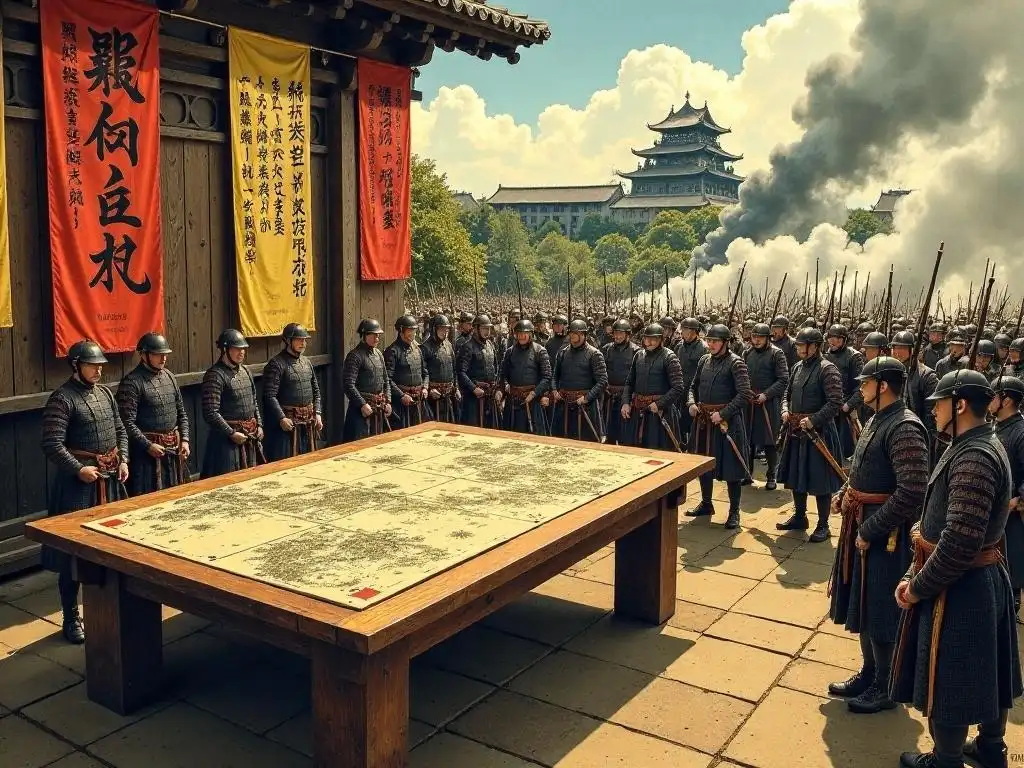
Welcome to Feudal Japan History, your gateway to an enthralling journey through the rich tapestry of Japan’s feudal era. Here, we dive deep into the tactics of the Siege of Osaka, unraveling the military strategies that defined this pivotal moment in history. What drove the samurai to their limits? What lessons can be drawn from their cunning maneuvers? Join us as we peel back the layers of this fascinating chapter, enticing you to explore the intricate interplay of culture and conflict that shaped a nation. Your adventure into the heart of military history begins now!
- Introduction to the Siege of Osaka Tactics Analysis
- Historical Context of the Siege of Osaka
- Strategic Objectives of the Siege of Osaka
- Major Tactics Employed During the Siege
- Analysis of the Siege of Osaka Tactics
- Comparison with Other Feudal Era Sieges
- Conclusion of the Siege of Osaka Tactics Analysis
- Further Reading on Siege Tactics in Feudal Japan
- Frequently Asked Questions
- Final Reflection: The Enduring Legacy of Siege of Osaka Tactics
- Unleash Your Inner Strategist: Dive Deeper into the Siege of Osaka!
Introduction to the Siege of Osaka Tactics Analysis
The Siege of Osaka, which unfolded between 1614 and 1615, serves as a pivotal moment in Japan's feudal history, marking the end of the era of the warring states and the establishment of the Tokugawa shogunate's dominance. This article aims to provide an in-depth analysis of the tactics employed during this monumental conflict, delving into the strategies and maneuvers that defined the siege.
Understanding the tactical elements of the Siege of Osaka not only illuminates the military innovations of the time but also offers a glimpse into the broader socio-political landscape of feudal Japan. By dissecting these tactics, we can gain valuable insights into the effectiveness and the implications of military strategies that shaped the course of Japanese history.
Overview of the Siege of Osaka
The Siege of Osaka was primarily characterized by two major confrontations: the Winter Siege and the Summer Siege. These battles were fought between the forces of Tokugawa Ieyasu, the shogun, and the loyalist troops led by Toyotomi Hideyori, the last heir of the Toyotomi clan. The siege was not merely a battle for territory; it was a clash of ideologies, where the Tokugawa sought to consolidate their power and eliminate any threats to their rule.
The Winter Siege began in November 1614, with Tokugawa's forces surrounding Osaka Castle. The castle, a formidable fortress, was equipped with advanced defenses, including moats and thick walls. Despite these defenses, Tokugawa's strategy relied heavily on overwhelming force and siege warfare techniques, such as blockade and artillery bombardment. The Summer Siege, which commenced in June 1615, escalated the conflict, leading to a decisive confrontation that ultimately resulted in the fall of Osaka Castle and the demise of the Toyotomi clan.
Importance of Tactical Analysis in Military History
Analyzing the tactics employed during the Siege of Osaka is crucial for several reasons. First, it provides a detailed understanding of military strategy during a transformative period in Japanese history. The siege serves as an exemplary case study in siege warfare, showcasing the use of artillery, troop movements, and resource management.
Moreover, tactical analysis allows historians and military enthusiasts to appreciate the ingenuity and adaptability of feudal Japanese commanders. By examining the decisions made and the outcomes of various maneuvers, we can discern patterns and principles that influenced later military engagements both in Japan and globally.
In a broader context, understanding these tactics contributes to the study of military history as a whole. It highlights how historical conflicts reflect the cultural and societal values of their time, offering lessons that resonate even in contemporary military strategies. Ultimately, the analysis of the Siege of Osaka tactics is not just an academic exercise; it enriches our comprehension of how battles are fought and won, shaping the trajectory of nations.
Historical Context of the Siege of Osaka
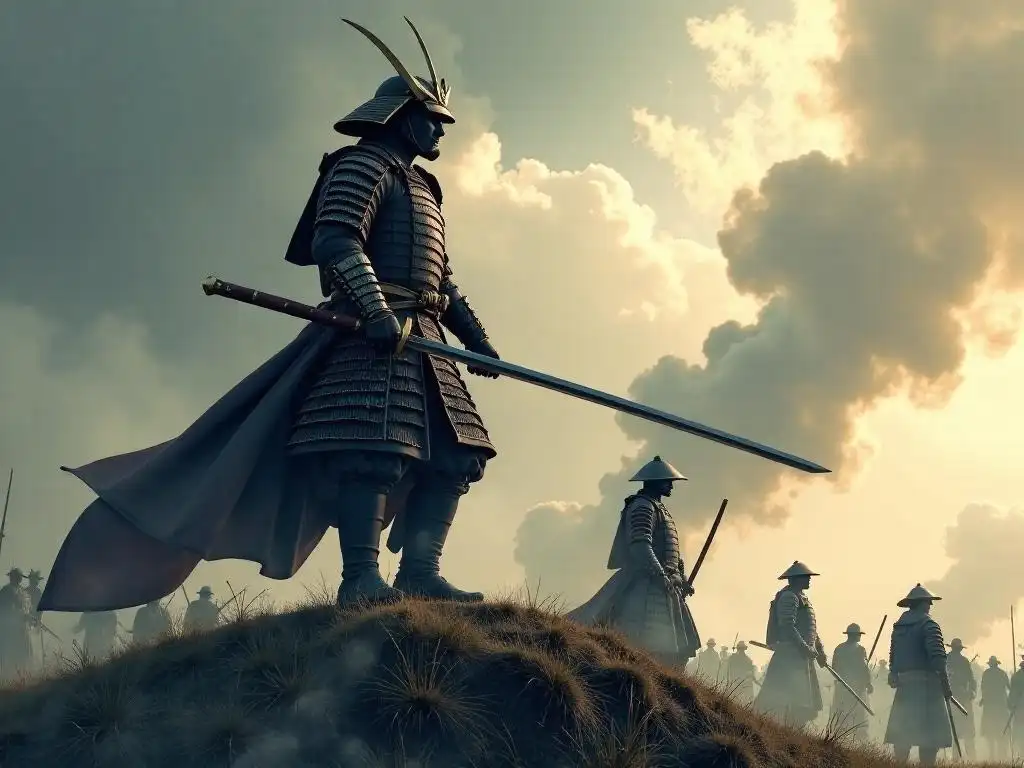
The Siege of Osaka, which took place during the early 17th century, represents a pivotal moment in the transition of Japan from a fragmented feudal society to a more unified state under the Tokugawa shogunate. Understanding the historical context of this siege is essential for a comprehensive analysis of the tactics employed during the conflict.
Background of the Osaka Campaign
The Osaka Campaign, comprising two significant sieges in 1614 and 1615, was primarily driven by the power struggle between the Tokugawa shogunate and the Toyotomi clan. Following the death of Toyotomi Hideyoshi in 1598, Japan was plunged into a succession crisis. Hideyoshi's son, Toyotomi Hideyori, became the rightful heir; however, his youth and inexperience made him a target for rivals.
The Tokugawa clan, led by Tokugawa Ieyasu, sought to consolidate power and eliminate any threats to their rule. The first siege in 1614 was largely a preemptive measure, as Ieyasu aimed to suppress growing dissent and ambition from the Toyotomi faction. The Tokugawa shogunate had already established itself as the dominant force in Japan after the decisive Battle of Sekigahara in 1600, where Ieyasu defeated Eastern and Western alliances seeking to control the realm.
In 1615, the second siege unfolded, marked by intense military confrontations and strategic maneuvers. The siege's backdrop involved shifting alliances, military preparations, and ideological battles, as the Tokugawa aimed to assert their authority over the entire nation.
Key Figures Involved in the Siege of Osaka
The Siege of Osaka featured several key figures whose actions and decisions significantly influenced the course of the campaign.
- Tokugawa Ieyasu: The founder of the Tokugawa shogunate, Ieyasu was a master tactician and strategist. His determination to eliminate the Toyotomi threat was central to the siege's objectives.
- Toyotomi Hideyori: As the heir to the Toyotomi legacy, Hideyori embodied the resistance against the Tokugawa. His leadership during the siege was crucial, although he ultimately faced overwhelming odds.
- Nishio Tadaoki: A prominent Tokugawa general, Tadaoki played a vital role in the siege's military operations and was instrumental in executing Ieyasu's strategies.
The interactions and rivalries among these figures shaped the tactical decisions and outcomes of the siege. Their legacies continue to be studied for insights into feudal Japanese warfare and governance.
Timeline of Events Leading to the Siege
The timeline of events leading to the Siege of Osaka reflects the intricate political and military landscape of early 17th-century Japan. Below is a summary of the key milestones that set the stage for the conflict:
- 1598: Death of Toyotomi Hideyoshi. The power vacuum leads to political instability and factional disputes.
- 1600: Battle of Sekigahara. Tokugawa Ieyasu defeats rival clans, establishing a foothold for the Tokugawa shogunate.
- 1614: First Siege of Osaka. Ieyasu attempts to suppress the Toyotomi clan, resulting in a temporary cessation of hostilities after a failed assault.
- 1615 (Spring): Military preparations intensify as both sides gather forces. Ieyasu reinforces his positions and seeks to solidify alliances.
- 1615 (Summer): The Second Siege of Osaka begins in earnest. Ieyasu launches a comprehensive offensive against the Toyotomi stronghold.
This timeline encapsulates the tension and urgency that characterized the lead-up to one of the most significant military confrontations in Japan's history. Understanding these events is crucial for analyzing the tactics employed during the siege and their lasting impact on Japan's feudal era.
Strategic Objectives of the Siege of Osaka
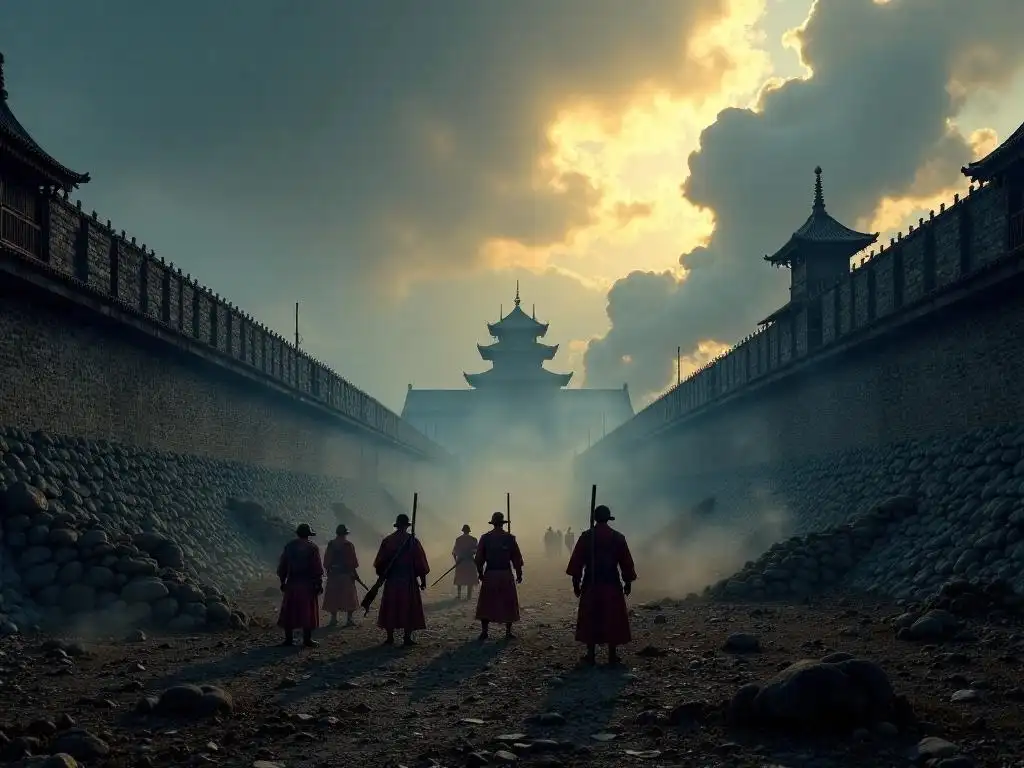
The Siege of Osaka, which transpired during the winter of 1614-1615, was a pivotal conflict in Japan's feudal history. It fundamentally reshaped the power dynamics of the period, with the Tokugawa shogunate seeking to consolidate its control over Japan. Understanding the strategic objectives of both sides provides crucial insight into the tactics employed during this significant siege.
Goals of the Tokugawa Forces
The Tokugawa forces, led by Tokugawa Ieyasu, had several specific goals during the Siege of Osaka:
- Elimination of the Toyotomi Threat: The most pressing objective was to neutralize the Toyotomi clan, which represented a significant threat to Tokugawa power. The Toyotomi legacy, particularly through Toyotomi Hideyori, the young heir, posed a potential rallying point for opposition against Tokugawa rule.
- Consolidation of Power: By decisively defeating the Toyotomi, Ieyasu aimed to consolidate his authority over Japan. This was essential for establishing the Tokugawa shogunate's long-term stability and legitimacy as the ruling power.
- Control of Osaka: Capturing Osaka Castle was vital not only for military reasons but also for its symbolic significance. Osaka was a major economic hub, and controlling it would ensure the Tokugawa shogunate's dominance over commerce and trade in the region.
- Securing Alliances: The siege provided an opportunity for Tokugawa to solidify alliances with other samurai clans. Demonstrating military strength would encourage other clans to either support Tokugawa or remain neutral, reducing the risk of coalition opposition.
- Preventing Future Rebellions: The Tokugawa shogunate sought to send a clear message to other potential rebels. A swift and decisive victory at Osaka would deter any thoughts of insurrection from rival clans and solidify the shogunate's position as the unassailable ruler of Japan.
Defensive Strategies of the Toyotomi Clan
In contrast, the Toyotomi clan implemented several defensive strategies to protect Osaka Castle and their claim to power:
- Fortification of Osaka Castle: The Toyotomi bolstered the defenses of Osaka Castle, enhancing its walls and fortifications to withstand a prolonged siege. This included the addition of defensive structures and increased troop presence to repel the Tokugawa forces.
- Mobilizing Support: Understanding their precarious position, the Toyotomi sought to rally support from allied clans and loyalists. They aimed to create a united front against the Tokugawa by leveraging the legacy of Toyotomi Hideyoshi, the clan's founder.
- Guerrilla Tactics: The Toyotomi forces utilized guerrilla tactics, employing hit-and-run strategies to harass Tokugawa supply lines. This aimed to weaken the morale and resources of the besieging army, forcing them into a protracted conflict.
- Psychological Warfare: The Toyotomi clan engaged in psychological warfare, attempting to inspire loyalty among the populace of Osaka and instill fear in the Tokugawa soldiers. Propaganda efforts emphasized the righteousness of their cause and the dangers of Tokugawa rule.
- Strategic Retreats: When faced with overwhelming odds, the Toyotomi forces sometimes opted for strategic retreats, preserving their strength for future encounters. This was crucial in maintaining a semblance of resistance against the superior numbers of the Tokugawa.
The Siege of Osaka was not just a military confrontation but also a clash of ideologies and strategies. The complexities of both sides’ tactics reveal the intricate nature of feudal warfare in Japan, highlighting how the outcomes of such conflicts were shaped by a combination of military prowess, psychological tactics, and strategic planning.
Major Tactics Employed During the Siege
The Siege of Osaka, which unfolded in two primary phases (1614 and 1615), showcased a complex interplay of military strategies and battlefield tactics that were emblematic of the feudal era in Japan. Critical to understanding the outcomes of this pivotal conflict are the major tactics employed by both the Tokugawa shogunate and the forces loyal to Toyotomi Hideyori.
Siege Warfare Techniques and Their Applications
Siege warfare in the context of the Siege of Osaka involved a variety of techniques that were innovative for the time. Here are some of the key methods utilized:
- Blockade and Encirclement:
- The Tokugawa forces effectively surrounded the city of Osaka, cutting off supply lines and reinforcements. This tactic aimed to starve the defenders and compel them to surrender.
- Encirclement also allowed the Tokugawa troops to control the movement of goods and people, thus isolating Hideyori’s forces.
- Trench Warfare:
- The use of trenches became a prominent feature during the siege. The Tokugawa army dug extensive trenches to shield their troops from enemy fire while providing a platform for launching assaults against the castle.
- This tactic not only protected soldiers but also facilitated the movement of troops closer to the castle walls without detection.
- Assault on Defensive Structures:
- Direct assaults on the castle walls were conducted using ladders and siege towers, aiming to breach the fortifications. The Tokugawa forces had to overcome formidable defenses, including barricades and moats.
- Coordinated attacks involving infantry and cavalry were essential in maintaining pressure on the defenders.
Use of Artillery in the Siege of Osaka
Artillery played a transformative role during the Siege of Osaka, marking a significant evolution in military technology and tactics of the period.
- Introduction of Cannons:
- The Tokugawa shogunate employed cannons effectively to target the castle walls and fortifications. The use of large-caliber guns was pivotal in breaching the defenses of Osaka Castle.
- Cannons were positioned strategically to maximize their impact, allowing for sustained bombardment that weakened the morale of the defenders.
- Siege Mortars:
- In addition to traditional cannons, siege mortars were utilized to lob explosive shells over the walls, targeting troop concentrations and supply depots within the castle.
- This indirect fire capability created chaos and destruction among the besieged forces, undermining their ability to mount an effective defense.
- Artillery Positioning:
- The positioning of artillery was crucial to the success of the siege. Tokugawa forces established artillery batteries on elevated ground, which provided a tactical advantage in terms of range and visibility.
- This strategic placement allowed for more accurate targeting of the castle's fortifications and defended structures.
Psychological Warfare Tactics
The psychological aspects of warfare were equally important during the Siege of Osaka, influencing both the morale of the defenders and the strategies of the besieging forces.
- Intimidation and Propaganda:
- The Tokugawa shogunate employed intimidation tactics, including the display of captured soldiers and the execution of those who resisted. Such actions were intended to demoralize the defenders and dissuade potential supporters of Hideyori.
- Propaganda efforts were also made to portray the inevitability of Tokugawa victory, aiming to sow doubt and fear among the defenders.
- Disruption of Communication:
- By disrupting communications between the castle and potential allies, the Tokugawa forces created a sense of isolation for Hideyori’s troops. This tactic not only demoralized the defenders but also hindered their ability to coordinate defenses and seek assistance.
- Psychological Impact of Bombardment:
- The relentless bombardment from artillery created an atmosphere of fear and hopelessness within the castle. As the siege progressed, the psychological toll of constant attacks contributed to the eventual surrender of Hideyori’s forces.
The Siege of Osaka was marked by a blend of siege tactics, innovative use of artillery, and effective psychological warfare, each contributing to the broader narrative of military strategies during Japan's feudal era. This comprehensive analysis not only highlights the tactical ingenuity of the Tokugawa shogunate but also illustrates the critical dynamics of warfare in this historical context.
Analysis of the Siege of Osaka Tactics
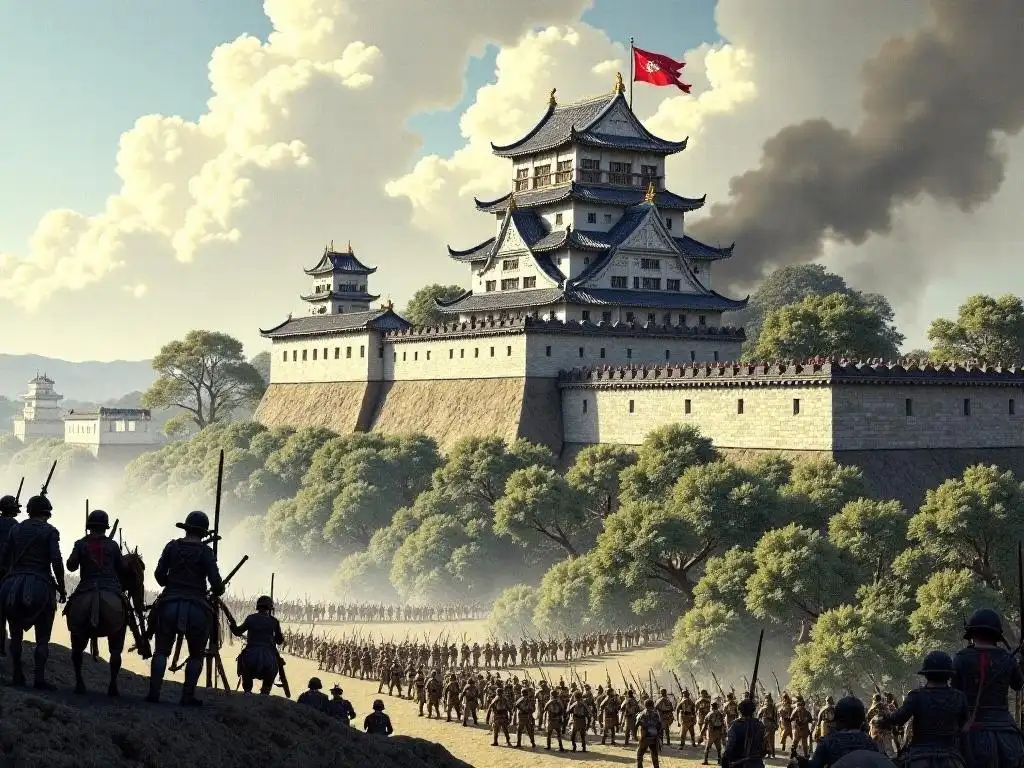
Evaluating the Effectiveness of Tokugawa Strategies
The Siege of Osaka, fought in the early 17th century, was a crucial conflict that showcased the military prowess of Tokugawa Ieyasu and his strategies. Analyzing these tactics reveals the effectiveness of the Tokugawa approach in overcoming the formidable defenses of Toyotomi Hideyori.
- Preparation and Intelligence Gathering:
- Prior to the siege, Tokugawa forces meticulously gathered intelligence on the fortifications of Osaka Castle. This included assessing the layout of the castle and the number of defenders, which allowed for precise planning of their assault tactics.
- Siege Techniques:
- The Tokugawa army employed an array of siege techniques, including:
- Artillery Barrage: They utilized cannons to bombard the castle walls, effectively weakening defenses over time.
- Encirclement: Tokugawa's forces established a blockade, cutting off supplies and reinforcements to the castle, which demoralized the defenders.
- The Tokugawa army employed an array of siege techniques, including:
- Psychological Warfare:
- Tokugawa also engaged in psychological tactics, such as spreading rumors and using propaganda to lower the morale of the Toyotomi forces. This approach played a significant role in undermining the resolve of the defenders.
- Adaptability:
- The ability of the Tokugawa forces to adapt their strategies based on the evolving situation during the siege proved essential. For instance, as the defenders employed fire tactics, Tokugawa adjusted their strategy to minimize vulnerability.
The effectiveness of Tokugawa strategies during the Siege of Osaka lay in their thorough preparation, innovative siege techniques, psychological warfare, and adaptability to changing circumstances.
Shortcomings of the Toyotomi Defense Tactics
While the Toyotomi forces displayed considerable resistance during the Siege of Osaka, several shortcomings in their defense tactics ultimately contributed to their downfall.
- Overreliance on Fortifications:
- The Toyotomi relied heavily on the strength of Osaka Castle's walls, underestimating the capabilities of Tokugawa artillery. This overconfidence led to a lack of contingency planning for a prolonged siege.
- Supply Chain Vulnerabilities:
- The siege revealed significant weaknesses in the Toyotomi supply chain. The defenders failed to secure alternative sources of food and resources, which were crucial for sustaining a prolonged defense.
- Internal Disunity:
- The Toyotomi forces were not a monolithic unit; internal divisions and differing loyalties weakened their overall effectiveness. This disunity hampered coordinated defense efforts against the Tokugawa siege tactics.
- Failure to Innovate:
- Unlike the Tokugawa, who adapted their tactics throughout the siege, the Toyotomi forces were slow to innovate. Their strategies remained relatively static, which made it easier for Tokugawa to anticipate their moves.
The shortcomings of Toyotomi defense tactics—including overreliance on fortifications, supply chain vulnerabilities, internal disunity, and failure to innovate—played a crucial role in their defeat during the Siege of Osaka.
Lessons Learned from the Siege of Osaka
The Siege of Osaka provides valuable insights into military strategy and tactics that extend beyond the specific historical context of feudal Japan.
- Importance of Intelligence:
- Effective intelligence gathering is crucial in military operations. Understanding the enemy's strengths and weaknesses can inform more strategic decision-making.
- Flexibility in Tactics:
- The ability to adapt tactics in response to changing battlefield conditions is vital for success. Static strategies can lead to vulnerabilities that opponents can exploit.
- Psychological Warfare:
- Psychological aspects of warfare should not be underestimated. Morale can significantly impact the effectiveness of a defending force, and strategies that target the enemy's mindset can be as important as physical confrontations.
- Logistical Planning:
- A robust supply chain and resource management plan are foundational elements of a successful defense. Failure to secure resources can quickly turn the tide of a siege.
- Unity of Command:
- Ensuring unity and cohesion among troops is essential for an effective defense. Internal divisions can lead to confusion and a lack of coordinated effort against the enemy.
By examining these lessons from the Siege of Osaka, modern military strategists can draw parallels and apply these insights to contemporary military operations and planning.
Comparison with Other Feudal Era Sieges
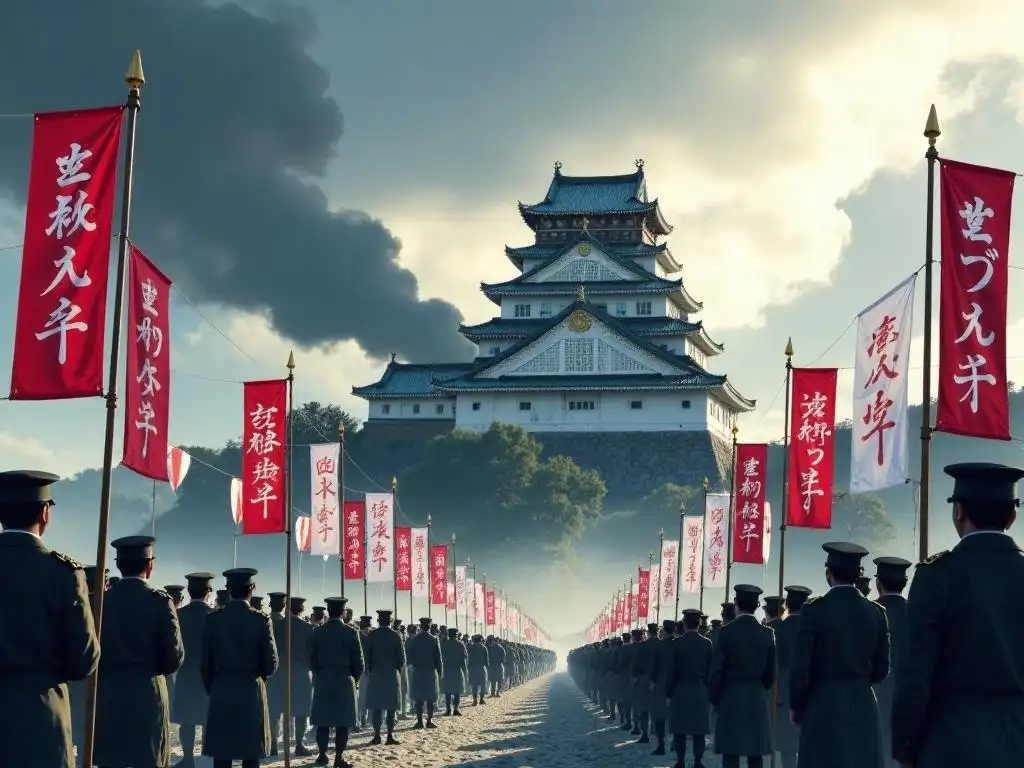
The Siege of Osaka, particularly during its two major phases in 1614 and 1615, stands as a pivotal moment in Japan's military history. When comparing its tactics to other notable sieges of the feudal era, distinct similarities and differences emerge that highlight the evolution of warfare in Japan.
Similarities in Tactics with the Siege of Takamatsu
The Siege of Takamatsu (1582) and the Siege of Osaka share several tactical approaches that reflect the military strategies prevalent during the late Sengoku period.
- Use of Fortifications: Both sieges showcased the importance of well-constructed fortifications. At Takamatsu, the castle was built on an island, making it strategically defensible. Similarly, Osaka Castle's design integrated natural barriers and reinforced walls, enabling defenders to withstand prolonged assaults.
- Blockade Strategies: In both sieges, the besieging forces employed effective blockades to cut off supplies. At Takamatsu, Toyotomi Hideyoshi's forces surrounded the castle, limiting food and reinforcements. During the Siege of Osaka, Tokugawa Ieyasu's troops similarly aimed to starve out the defenders by controlling the surrounding area.
- Psychological Warfare: The psychological aspect of warfare played a crucial role in both sieges. At Takamatsu, Hideyoshi's forces utilized deception and misinformation to weaken the morale of the defenders. In Osaka, Ieyasu's forces attempted to capitalize on the political divisions within the Toyotomi clan to erode their resolve.
Despite these similarities, the tactical execution at Osaka was uniquely adapted to the larger scale and political context of the early 17th century.
Differences Between the Siege of Osaka and the Siege of Nagashino
While the Siege of Osaka and the Siege of Nagashino (1575) both represent critical moments in Japanese military history, their tactics diverged significantly due to differing contexts and technological advancements.
- Nature of Forces: The Siege of Nagashino is notable for the introduction of firearms in significant numbers. Takeda Katsuyori's cavalry charges were met with the effective use of matchlock rifles by Oda Nobunaga's forces, marking a tactical shift towards gunpowder warfare. In contrast, the Siege of Osaka primarily utilized traditional samurai warfare, with a focus on close combat and siege engines, although firearms were present.
- Scale and Duration: The Siege of Nagashino was relatively short-lived, lasting only a few days, while the Siege of Osaka unfolded over several months. This extended duration allowed for more complex strategies at Osaka, including the construction of extensive siege works and the mobilization of larger troop contingents.
- Political Implications: The political ramifications of each siege also influenced their tactical approaches. The Siege of Nagashino was part of a broader campaign to unify Japan under the Oda clan, while the Siege of Osaka represented a last stand for the Toyotomi clan against the ascendant Tokugawa shogunate. Consequently, the stakes were much higher in Osaka, leading to more desperate and innovative tactics from the defenders.
While the Siege of Osaka shares tactical elements with other feudal-era sieges, its unique context and circumstances led to distinct military strategies that reflect the complexities of Japan's shifting political landscape during this period.
Conclusion of the Siege of Osaka Tactics Analysis
The Siege of Osaka, particularly the battles fought in the early 17th century, remains a pivotal moment in Japanese military history. This conflict showcased a variety of tactics that were not only innovative for their time but also laid the groundwork for future military engagements in Japan. By analyzing these tactics, we gain insights into the strategic thinking and execution that characterized the period, revealing how the outcomes shaped the trajectory of Japan’s feudal warfare.
Summary of Key Findings
-
Siege Preparations and Logistics
The meticulous planning and execution of logistics played a crucial role in the siege. The Tokugawa forces, under the command of Ieyasu Tokugawa, effectively utilized supply lines and built extensive fortifications around Osaka Castle to hinder the defenders' movements. This attention to detail allowed them to maintain a steady flow of resources necessary for a prolonged engagement.
-
Psychological Warfare
One notable tactic employed was psychological warfare. The Tokugawa forces not only sought to conquer physically but also aimed to demoralize the defenders. By leveraging propaganda and showcasing their strength, they instilled fear among the defenders, which ultimately contributed to the castle's fall.
-
Use of Artillery
The introduction and effective use of artillery marked a significant evolution in siege tactics. Tokugawa's forces deployed cannons and firearms strategically, which allowed them to breach the castle walls, demonstrating a shift from traditional samurai combat to more modern warfare techniques.
-
Alliance Dynamics
The Siege of Osaka also highlighted the importance of alliances. The Tokugawa shogunate's ability to secure allegiances with other daimyos enabled a more formidable force against the Toyotomi loyalists. This aspect of tactical coordination among various feudal lords illustrated the complex political landscape that influenced military strategies.
-
Adaptation of Samurai Tactics
Traditional samurai combat tactics were adapted to the context of the siege. The Tokugawa forces combined these techniques with newly developed strategies that emphasized mobility and surprise, allowing them to outmaneuver the defenders effectively.
The Impact of Siege Tactics on Future Japanese Warfare
The tactics employed during the Siege of Osaka had lasting effects on Japanese warfare, influencing both military strategy and political dynamics in subsequent conflicts.
-
Shift Towards Modernization
The effective use of firearms and artillery during the siege marked a turning point that encouraged the adoption of modern military technologies in Japan. Future engagements would increasingly incorporate these innovations, leading to a more structured approach to warfare.
-
Strategic Alliances
The importance of forming strategic alliances, as demonstrated during the siege, became a common practice in Japanese warfare thereafter. Future military leaders recognized that consolidating power through partnerships could significantly enhance their chances of success on the battlefield.
-
Psychological Operations
The psychological tactics employed during the siege set a precedent for future conflicts. The understanding of morale and psychological warfare would become a critical component of military strategy, affecting how battles were fought and won.
-
Legacy of Siege Warfare
The lessons learned from the Siege of Osaka informed the development of siege warfare in Japan. Subsequent sieges adopted similar tactics, refined through the experiences of the Tokugawa campaign, leading to more effective and efficient military operations.
The analysis of the Siege of Osaka’s tactics provides a comprehensive understanding of the conflict's intricacies and its significance in shaping the future of Japanese military strategy. The innovative approaches and lessons learned during this siege served not only to conclude the conflict but also to transform the nature of warfare in Japan for years to come.
Further Reading on Siege Tactics in Feudal Japan
Suggested Books and Articles
For those interested in delving deeper into the tactics employed during the Siege of Osaka and feudal Japan's military strategies, several comprehensive resources are available. Below is a curated list of recommended readings:
-
"The Samurai: A Military History" by Stephen Turnbull
This book provides an extensive overview of the samurai's role in Japanese warfare, highlighting their tactical evolution over the centuries, including during the Siege of Osaka.
-
"The Siege of Osaka: The Last Samurai War" by David J. McCullough
A focused account that examines the events leading to the siege, the battle tactics implemented, and the strategic significance of the conflict within the broader context of Japanese history.
-
"War in Japan: 1467-1615" by John W. Dower
This work discusses the military conflicts in Japan during a crucial period of transition, providing insights into siege warfare tactics and the influence of the samurai class.
-
"Japanese Warfare: 1600-1868" by Andrew Gordon
An analysis of the evolution of military tactics, including siege warfare in Japan, with a particular focus on the Tokugawa era and its implications for future conflicts.
-
"Samurai Battles: The Art of War in Feudal Japan" by Michael A. K. Tanaka
This book details various battles and sieges throughout Japanese history, offering tactical breakdowns and assessments of the methodologies used by samurai leaders.
Resources for Military History Enthusiasts
To further enhance your understanding of the Siege of Osaka and feudal Japan's military strategies, consider exploring the following resources:
-
Online Military History Forums
Participating in forums such as the Society for Military History or The History Forum can provide valuable insights from enthusiasts and experts alike, fostering discussions related to siege tactics and strategies.
-
Documentaries and Lectures
Platforms like YouTube and academic websites often host documentaries and lectures focused on Japanese military history. Look for content that specifically addresses the Siege of Osaka and its tactical elements.
-
Academic Journals
Journals such as the Journal of Japanese Studies and The Journal of Military History frequently publish articles on historical battles and military strategies, providing peer-reviewed insights into the tactics used during the Siege of Osaka.
-
Museums and Historical Sites
Visiting museums dedicated to Japanese history or specific battlefields can offer a tangible connection to the past. Institutions like the Osaka Castle Museum provide exhibits that explain the tactics and technology used during the siege.
-
Military History Podcasts
Listen to podcasts focusing on Japanese history or military tactics. Many episodes delve into specific battles, including the Siege of Osaka, providing expert commentary and analysis.
By exploring these resources, enthusiasts can gain a richer understanding of the complexities of siege warfare in feudal Japan, particularly the strategic innovations that characterized the Siege of Osaka.
Frequently Asked Questions
What was the Siege of Osaka?
The Siege of Osaka refers to two significant battles in the early 17th century, where Tokugawa forces attacked the Toyotomi clan stronghold in Osaka. This event marked the end of the Sengoku period and solidified the Tokugawa shogunate's power.
What were the key tactics used during the Siege of Osaka?
The Tokugawa forces employed siege warfare tactics, including cutting off supply lines and using artillery to breach defenses. They also focused on psychological warfare to demoralize the defenders.
How did the Siege of Osaka impact Japan's feudal system?
The Siege of Osaka significantly altered Japan's feudal structure by eliminating the Toyotomi clan, which led to the centralization of power under the Tokugawa shogunate, thereby establishing a more unified political landscape.
What cultural aspects were influenced by the Siege of Osaka?
The Siege of Osaka influenced various cultural expressions, including literature, theater, and art, portraying themes of loyalty, honor, and the consequences of political strife in feudal Japan.
Where can I find more in-depth analysis of the Siege of Osaka?
For a comprehensive exploration of the Siege of Osaka tactics analysis, visit the "Feudal Japan History" website, which offers expert-driven, in-depth articles that cover historical, cultural, and societal aspects of Japan’s feudal era.
Final Reflection: The Enduring Legacy of Siege of Osaka Tactics
The Siege of Osaka stands as a pivotal moment in Japanese history, showcasing the intricate tactics and strategies that defined warfare during the late 16th century. Today, as we navigate a world rife with conflict and competition, the lessons drawn from these historical tactics resonate more than ever. The complexities of siege warfare remind us that strategy is not merely about brute force; it is about understanding one's environment, the psychology of the opponent, and the importance of adaptability in the face of adversity.
The influence of the Siege of Osaka extends beyond the battlefield, shaping cultural narratives and national identity in Japan. This event serves as a reminder of the delicate balance between power and vulnerability. The tactics employed during the siege, from fortifications to psychological warfare, continue to inspire military strategists and historians alike. As Sun Tzu famously stated, In the midst of chaos, there is also opportunity.
This quote encapsulates the essence of the Siege of Osaka, where both sides sought to exploit weaknesses while fortifying their own positions, a timeless lesson applicable in various aspects of life.
As we reflect on the Siege of Osaka and its tactical intricacies, I invite you to consider how these historical lessons can be applied to your own life. What strategies can you adopt to navigate your personal challenges or conflicts? Whether in professional settings, interpersonal relationships, or self-development, the principles of adaptability, foresight, and strategic thinking can empower you to overcome obstacles and seize opportunities. Embrace the spirit of the Siege of Osaka, and let it inspire you to approach your own battles with wisdom and resilience.
Unleash Your Inner Strategist: Dive Deeper into the Siege of Osaka!
Thank you for taking the time to explore the intricate tactics of the Siege of Osaka! We hope you gained valuable insights into the art of war during this dynamic period in feudal Japan. Now, it's time to step beyond the pages and embrace the action.
Here are some powerful ways to expand your understanding and engage with this rich history:
- Join a discussion forum on feudal warfare: Connect with fellow history enthusiasts and share your insights or questions about the Siege of Osaka.
- Create a visual timeline of key events leading up to the siege: This creative exercise will deepen your understanding and may reveal intriguing connections.
- Explore further by reading biographies of significant figures involved in the siege to gain a more personal perspective on their strategies and motivations.
What aspect of the siege do you find most compelling, and how might it influence our understanding of modern strategic practices?