
Samurai Strategies: How the Warrior Class Shaped Japanese Military Tactics

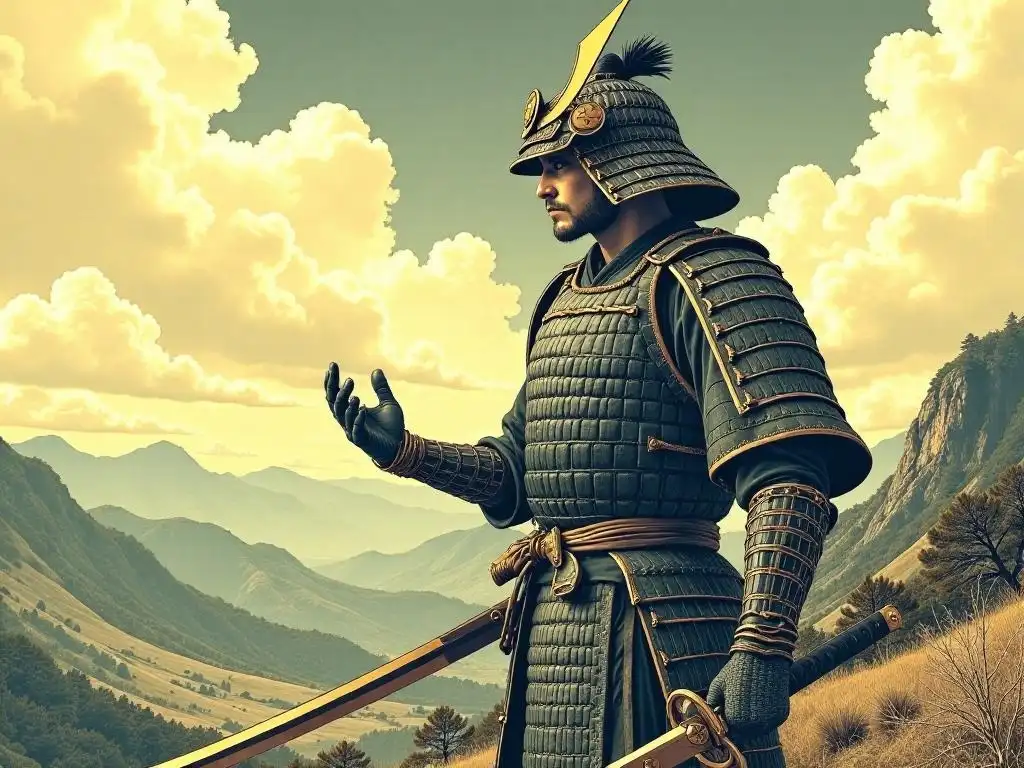
Welcome to Feudal Japan History, where we delve into the rich tapestry of Japan's feudal era, unearthing the fascinating interplay of culture and warfare. Here, you'll embark on a journey through time as we explore Samurai military tactics history—a pivotal aspect that not only defined the warrior class but also shaped the very foundations of Japanese military strategies. Prepare to be captivated by the intricate maneuvers and philosophies that guided these legendary warriors, igniting your curiosity and inviting you to uncover the secrets behind their enduring legacy. Dive in, and let the saga of the samurai unfold before you!
- Introduction to Samurai Military Tactics History
- The Evolution of Samurai Military Tactics
- Key Elements of Samurai Military Tactics
- Significant Battles and Their Tactical Innovations
- Comparison of Samurai Tactics with Other Feudal Warriors
- Cultural Influences on Samurai Military Strategies
- Conclusion: The Lasting Legacy of Samurai Military Tactics
- References and Further Reading on Samurai Military Tactics History
-
Frequently Asked Questions
- What were the key Samurai military tactics used during feudal Japan?
- How did the Samurai class influence Japanese military history?
- What role did strategic alliances play in Samurai warfare?
- How did the cultural aspects of Samurai life affect their tactics?
- What are some notable battles that highlight Samurai military tactics?
- Final Reflection: The Enduring Legacy of Samurai Military Tactics
- Unleash Your Inner Warrior: Take Action Today!
Introduction to Samurai Military Tactics History
The history of samurai military tactics is an intricate tapestry woven through the fabric of Japan's feudal era, reflecting the evolution of a warrior class that not only defined combat strategies but also influenced the very essence of Japanese culture and society. From the late 12th century to the 19th century, samurai played a pivotal role in shaping military engagements, honing their skills in both battlefield strategy and personal combat.
The complexities of their tactics were not merely confined to the art of war; they were deeply intertwined with the values of honor, loyalty, and discipline that governed the samurai way of life.
In this article, we will delve into the nuanced strategies employed by the samurai, exploring how their unique perspectives and experiences led to the development of military tactics that have left a lasting legacy. Understanding this history is not only vital for appreciating the samurai's role in military affairs but also for recognizing their impact on Japanese identity and governance throughout the centuries.
Overview of the Samurai Class in Japan
The samurai class emerged during the Heian period (794-1185), evolving from noble warriors serving provincial lords to a distinct social class characterized by their martial skills, ethical code, and governance. Initially, samurai were employed as bodyguards and military aides, but as power dynamics shifted during the Kamakura period (1185-1333), they became the backbone of feudal Japan's military structure.
- Social Hierarchy: The samurai occupied a privileged position within the rigid social hierarchy of feudal Japan. Below the emperor and the nobility, they wielded significant influence over local governance and military affairs.
- Bushido Code: Central to the samurai identity was the Bushido code, a set of ethical principles emphasizing loyalty, honor, and martial prowess. This code not only guided their conduct in battle but also dictated their interactions with society.
The samurai’s commitment to their craft and ethical principles directly influenced their military tactics, which were characterized by a blend of strategic planning, psychological warfare, and individual valor.
Importance of Military Tactics in Feudal Japan
Military tactics in feudal Japan were crucial for the survival and dominance of the samurai class. As the political landscape evolved, so did the nature of warfare, necessitating innovative strategies and adaptations.
- Adaptation to Terrain: Samurai tactics often involved adapting to the diverse Japanese landscape, utilizing natural barriers, and exploiting the terrain to gain tactical advantages. The understanding of geography played a critical role in planning ambushes and defensive positions.
- Psychological Warfare: The samurai also employed psychological tactics to intimidate their opponents. Fearsome battlefield appearances and the use of banners and heraldry were common practices to demoralize enemy troops before engagements commenced.
The significance of these military tactics extended beyond mere battlefield victories; they shaped the socio-political dynamics of the time and influenced the governance of Japan during the feudal era. As we explore the various strategies and their development, we will uncover how the warrior class not only fought battles but also shaped the very course of Japanese history.
The Evolution of Samurai Military Tactics
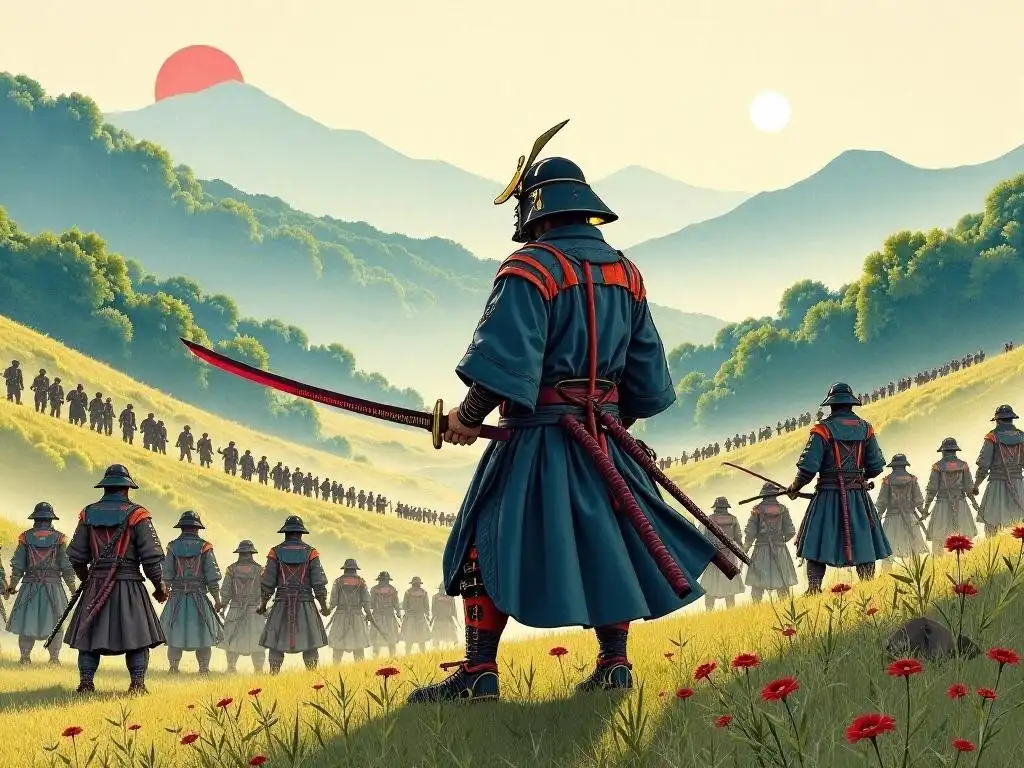
The evolution of samurai military tactics is a fascinating journey that reflects the complex interplay of cultural influences, technological advancements, and changing socio-political landscapes in Japan. From their roots as warriors of the Heian period to the sophisticated strategies employed in the Sengoku period, samurai tactics have continually adapted to meet the demands of warfare and the realities of their time.
Early Samurai Tactics: From the Heian Period to the Kamakura Period
The origins of samurai military tactics can be traced back to the Heian period (794-1185), where the early samurai were primarily mounted archers. Their combat style was heavily influenced by the need for mobility and speed, as battles often took place in open fields.
- Key Characteristics:
- Mounted Archery: Samurai relied on the use of bows while riding on horseback, allowing them to strike quickly and retreat effectively.
- Hit-and-Run Tactics: Early engagements were characterized by skirmishes that emphasized mobility over direct confrontation.
As Japan transitioned into the Kamakura period (1185-1333), the samurai began to adopt more structured military tactics due to the rise of feudalism and the need for defending territories.
- Emergence of Infantry: While mounted archers remained vital, the introduction of foot soldiers changed the dynamics of battle.
- Phalanx Formation: Samurai started to utilize formations that allowed them to present a united front, particularly during larger conflicts like the Genpei War.
The Influence of Chinese Warfare on Samurai Strategies
The samurai were not isolated in their development; they were influenced significantly by Chinese military thought and strategies. The introduction of texts such as Sun Tzu's The Art of War provided a new lens through which the samurai viewed warfare.
- Adoption of Strategic Principles:
- Deception and Surprise: The samurai learned the value of misdirection and surprise attacks, which became integral to their tactics.
- Terrain Utilization: Understanding the importance of terrain became paramount, leading to strategies that leveraged Japan's varied landscapes for ambushes and defensive positions.
Chinese tactics also inspired the samurai to formalize their combat training and develop a code of conduct, making warfare not only a physical confrontation but also a moral one.
Development of Unique Japanese Tactics
As the samurai class solidified its power during the Muromachi period (1336-1573) and beyond, unique Japanese military tactics began to emerge, setting them apart from their contemporaries.
- Kumamoto Tactics: This involved the use of fortifications and strategic retreats, exemplified by the samurai's ability to draw enemies into traps.
- Naginata and Katana: The evolution of weaponry, particularly the naginata and katana, allowed for diverse combat styles that emphasized both slashing and thrusting techniques.
- Siege Warfare: The samurai excelled in siege tactics, utilizing both psychological warfare and effective logistical strategies to starve out or demoralize fortified opponents.
The culmination of these tactics during the Sengoku period (1467-1603) showcased the samurai's adaptability and ingenuity, leading to a rich legacy that would influence both Japan's historical military practices and its cultural identity.
The history of samurai military tactics is a testament to their capacity for evolution and adaptation, drawing from various influences while developing distinct strategies that would shape the course of Japanese warfare for centuries to come.
Key Elements of Samurai Military Tactics
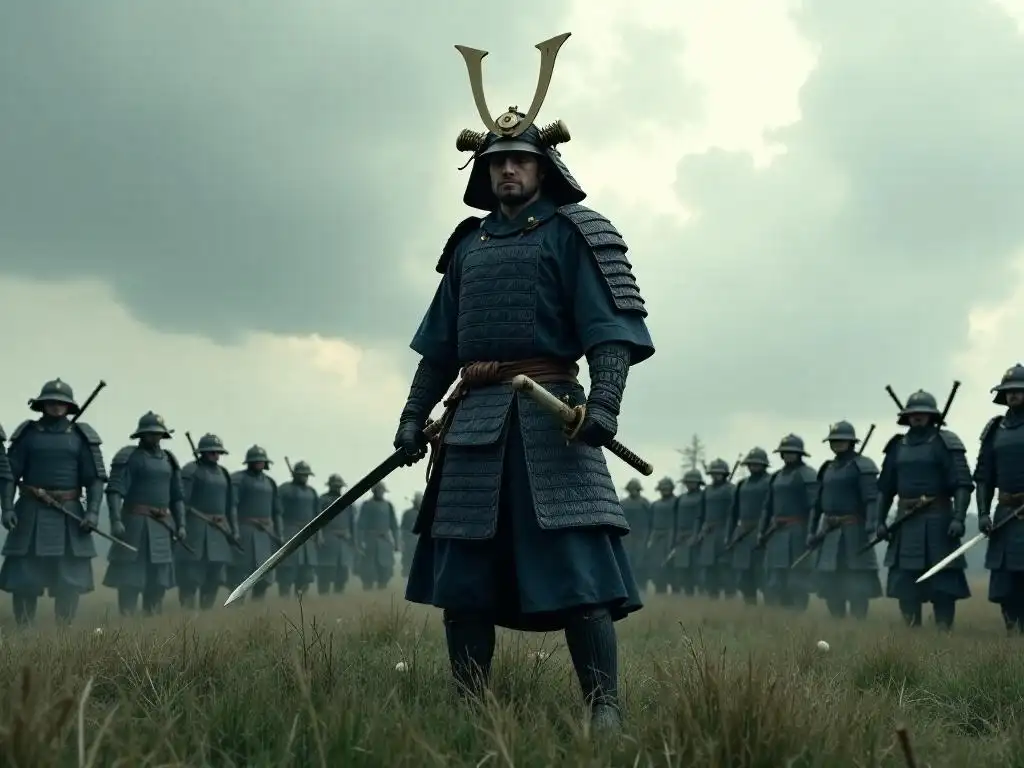
The military tactics employed by the samurai were deeply intertwined with their cultural values, social structure, and the historical context of feudal Japan. Understanding these key elements provides insight into how the samurai not only fought but also shaped the broader military strategies of their time.
The Role of Honor and Bushido in Samurai Warfare
At the core of samurai military tactics was the concept of Bushido, or "the way of the warrior." This ethical code emphasized virtues such as honor, loyalty, and courage, which were paramount in the samurai’s approach to warfare. The implications of Bushido were significant:
- Honor in Combat: Samurai believed that engaging in battle was not merely a tactical decision but a moral obligation. Losing a battle could mean the loss of honor, compelling samurai to fight with utmost fervor.
- Seppuku: This ritual suicide was a means to restore honor after defeat. The threat of seppuku influenced samurai decisions on the battlefield, often pushing them to take risks in order to maintain their dignity.
- Loyalty and Service: Samurai served their lords (daimyos) with unwavering loyalty. This loyalty shaped their military strategies, as they were often willing to sacrifice their lives for their lord's cause, enhancing their resolve in combat.
The integration of Bushido into military tactics meant that samurai were not just soldiers but committed warriors, willing to face overwhelming odds to uphold their principles.
Weaponry and Armor: Tools of the Samurai
The effectiveness of samurai military tactics was significantly influenced by their choice of weaponry and armor. The unique design and craftsmanship of samurai tools played a crucial role in their battlefield success:
- Katana: The iconic curved sword, known for its sharpness and cutting ability, was a symbol of the samurai’s status. The technique known as Iaijutsu allowed for quick draws and strikes, enabling samurai to respond rapidly in combat. The katana's design facilitated swift movements and precise attacks, making it a cornerstone of samurai military tactics.
- Bows and Arrows: Samurai archers were skilled in using the yumi (longbow), which allowed them to engage enemies from a distance. The importance of archery in early samurai warfare cannot be understated, as it provided a tactical advantage before close combat ensued.
- Armor (Yoroi): Samurai armor was engineered for mobility and protection. The layered construction (often using iron and leather) allowed for flexibility while maintaining defense against enemy strikes. The design of the armor also reflected the social status of the samurai, with more elaborate styles reserved for higher-ranking individuals.
The combination of these weapons and armor not only defined the samurai's individual combat style but also influenced larger battlefield tactics, such as ambushes and flanking maneuvers.
Formation Strategies: The Use of Troops and Cavalry
Samurai military tactics were characterized by strategic formations that maximized the strengths of their troops and cavalry. The organization of soldiers into effective formations was crucial for both offense and defense:
- Ashigaru and Samurai Cohesion: The integration of ashigaru (foot soldiers) with samurai warriors created a diverse fighting force. The samurai often led these troops, utilizing their experience to execute complex maneuvers and adapt to battlefield conditions.
- Cavalry Charges: Samurai cavalry was renowned for its speed and mobility. The use of horses allowed for rapid flanking and surprise attacks, which were critical in many battles. Samurai cavalry units often employed tactics that involved charging at enemy flanks or encircling opponents.
- Tactical Formations: Samurai generals often employed specific formations such as the kisho (a flexible line formation) and the hōgeki (a concentrated attack formation) to respond to different battlefield scenarios. These formations enabled a mix of offensive and defensive strategies, allowing samurai to exploit weaknesses in enemy lines effectively.
The combination of these tactics, along with the samurai's training and adherence to their ethical code, created a formidable military force capable of adapting to the evolving landscape of warfare in feudal Japan.
The interplay of honor, weaponry, and tactical formations formed the bedrock of samurai military tactics, allowing them to shape the course of Japanese military history profoundly.
Significant Battles and Their Tactical Innovations
The Genpei War: A Turning Point in Samurai Tactics
The Genpei War (1180-1185) was a pivotal conflict that marked the transition from the Heian period to the Kamakura period in Japan. This war was fought between the Taira and Minamoto clans, showcasing an evolution in samurai military tactics that would shape future warfare in Japan.
- Use of Terrain: The Genpei War highlighted the strategic use of terrain. For instance, the Battle of Dan-no-ura saw the Minamoto clan leverage naval capabilities, engaging the Taira in a decisive maritime confrontation. The Minamoto's understanding of coastal geography allowed them to outmaneuver their opponents effectively.
- Cavalry Charges: The war also emphasized the effectiveness of cavalry. Samurai began to adopt tactics that involved rapid cavalry charges, which were crucial in breaking enemy lines. The Minamoto forces, utilizing their celebrated horsemen, executed flanking maneuvers that disrupted the Taira’s formations.
- Psychological Warfare: The Genpei War introduced psychological elements into combat. The use of surprise attacks and nighttime raids became common, with Minamoto no Yoshitsune famously employing deception tactics to instill fear and confusion among Taira troops.
The Battle of Nagashino: Gunpowder and Cavalry Tactics
The Battle of Nagashino (1575) represented a significant shift in samurai military tactics, notably through the integration of gunpowder weaponry. This battle was fought between the forces of Tokugawa Ieyasu and the Takeda clan and is often cited as a turning point in Japanese warfare.
- Introduction of Firearms: The battle marked the first large-scale use of arquebuses (matchlock guns) in Japan. Tokugawa's forces deployed these firearms in a systematic manner, using a staggered formation that allowed for continuous firing while other soldiers reloaded. This innovation drastically changed the dynamics of battlefield engagements.
- Defensive Strategies: Tokugawa Ieyasu's tactics involved constructing wooden barricades and using elevated positions to protect his forces from cavalry charges. This defensive setup effectively neutralized the Takeda's renowned cavalry tactics, which had relied on speed and shock.
- Combined Arms Approach: The battle also showcased a combined arms strategy, integrating infantry, cavalry, and artillery. The coordination between different units allowed for a more versatile and adaptable approach to warfare, setting a precedent for future military campaigns in Japan.
The Siege of Osaka: Lasting Effects on Military Strategies
The Siege of Osaka (1614-1615) was a critical confrontation during the early Edo period, emphasizing the transformation of samurai military tactics in response to evolving political and military landscapes.
- Fortification Techniques: The siege revealed advancements in fortification strategies, with the defenders employing extensive earthworks and wooden palisades to create formidable defenses. The Tokugawa forces had to adapt their tactics, utilizing siege artillery to breach these defenses effectively.
- Cohesion and Logistics: The Siege of Osaka underscored the importance of logistics and supply lines in warfare. The Tokugawa shogunate demonstrated the ability to maintain supply routes over long distances, ensuring their forces were well-equipped and capable of sustained combat.
- Intelligence and Espionage: The siege also highlighted the growing significance of intelligence-gathering and espionage. Both sides employed spies to gather information about troop movements and fortifications, illustrating a shift towards more sophisticated military planning that would influence future conflicts.
These battles exemplify how samurai military tactics evolved throughout Japan's feudal era, illustrating a blend of traditional strategies with innovative approaches that would shape the future of warfare in the region. The samurai military tactics history is marked by these significant confrontations, which laid the groundwork for modern military thought in Japan.
Comparison of Samurai Tactics with Other Feudal Warriors
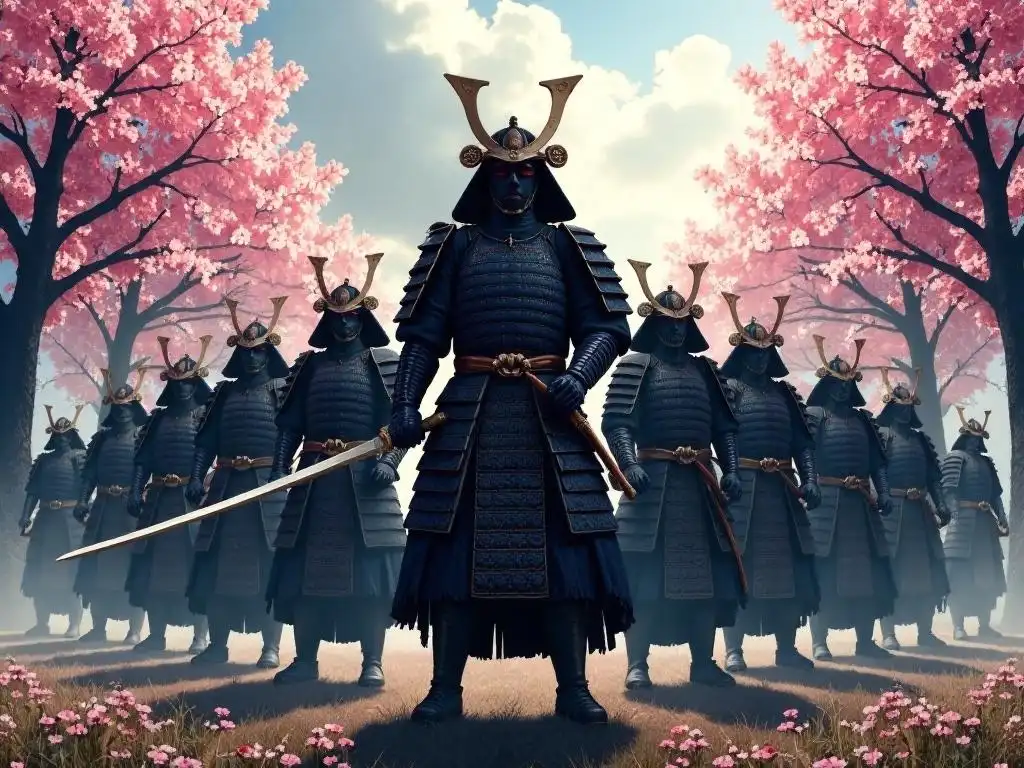
The samurai, as Japan's elite warrior class, developed unique military tactics that were influenced by their cultural values and the specific conditions of warfare in Japan. When comparing samurai tactics with those of other feudal warriors, such as the European knights and the ashigaru, as well as analyzing insights from the Mongol invasions, we can see both distinctive characteristics and commonalities in their approaches to battle.
Samurai vs. European Knights: A Tactical Analysis
The tactical approaches of samurai and European knights present a fascinating study in contrasts and similarities.
- Armor and Mobility:
- Samurai: Clad in lightweight armor, samurai prioritized mobility, allowing them to maneuver swiftly on the battlefield. Their armor was designed to facilitate agility while providing adequate protection.
- Knights: In contrast, European knights wore heavy plate armor that, while offering superior protection, limited their mobility. This often resulted in a more static form of combat, focused on heavily armored charges.
- Combat Style:
- Samurai Tactics: The samurai emphasized speed, precision, and the use of the katana. Their combat often involved quick, decisive strikes and a focus on individual skill. The concept of "bushido" (the way of the warrior) informed their methods, emphasizing honor and martial prowess.
- Knightly Warfare: European knights engaged in mounted charges and the use of lances, often forming tightly packed formations. Their tactics revolved around heavy cavalry charges and the use of long-range projectiles, such as crossbows and arrows.
- Battlefield Strategy:
- Samurai: Samurai often fought in smaller, more agile units, allowing for flexibility in tactics. Their strategies included ambushes and surprise attacks, taking advantage of the terrain.
- Knights: Knights typically fought in large formations, with less emphasis on terrain advantage. Their strategies were often more formalized, involving set-piece battles.
The Relationship between Samurai and Ashigaru in Battle
The relationship between samurai and ashigaru (foot soldiers) was crucial in shaping Japanese military tactics.
- Role Differentiation:
- Samurai: As the elite warrior class, samurai were responsible for leadership and direct combat. They wielded katanas and often engaged in personal duels.
- Ashigaru: These foot soldiers provided essential support, typically armed with spears (yari) and arquebuses. Their role was to form the bulk of the army, engaging in mass formations to support samurai in battle.
- Tactical Coordination:
- Combined Forces: Samurai tactics often involved coordinating attacks between samurai and ashigaru. The samurai would lead charges, while the ashigaru provided ranged support or held the line against enemy forces.
- Strategic Deployment: The use of ashigaru allowed samurai to execute more complex formations, such as the "kisho" (rapid attack) and "naginata" formations, where spears and polearms were used to keep enemies at bay.
- Impact on Battle Outcomes:
- The effectiveness of samurai-led forces often hinged on the morale and training of ashigaru. Well-trained ashigaru could significantly enhance the tactical flexibility of a samurai army, allowing them to adapt to various combat scenarios.
Insights from Mongol Invasions: Adaptation of Samurai Tactics
The Mongol invasions of Japan in the late 13th century forced samurai to adapt their military tactics significantly.
- Initial Challenges:
- The samurai were initially unprepared for the tactics employed by the Mongols, including their use of mounted archers and psychological warfare. The Mongol strategy of hit-and-run tactics challenged the traditional samurai approach.
- Tactical Adaptation:
- Incorporation of New Techniques: In response to the Mongol threat, samurai began to adopt strategies that emphasized mobility and ranged attacks. They learned to utilize the terrain to their advantage and to engage in more fluid combat maneuvers, countering the Mongol cavalry tactics.
- Formation Changes: The samurai also adapted their formations, adopting more flexible units that could respond to the rapid movements of the Mongol forces. They began to integrate ashigaru more effectively, creating a more cohesive fighting force.
- Cultural Impact:
- The experience gained from the Mongol invasions led to a transformation in samurai military tactics, emphasizing versatility and adaptability. This shift not only influenced subsequent battles but also contributed to the evolution of the samurai's role within Japanese society.
The examination of samurai military tactics in comparison to other feudal warriors reveals a complex interplay of cultural values, battlefield innovation, and strategic adaptation. The samurai's unique approach to warfare, shaped by their relationship with ashigaru and the lessons learned from external threats like the Mongols, played a crucial role in the development of Japanese military history.
Cultural Influences on Samurai Military Strategies
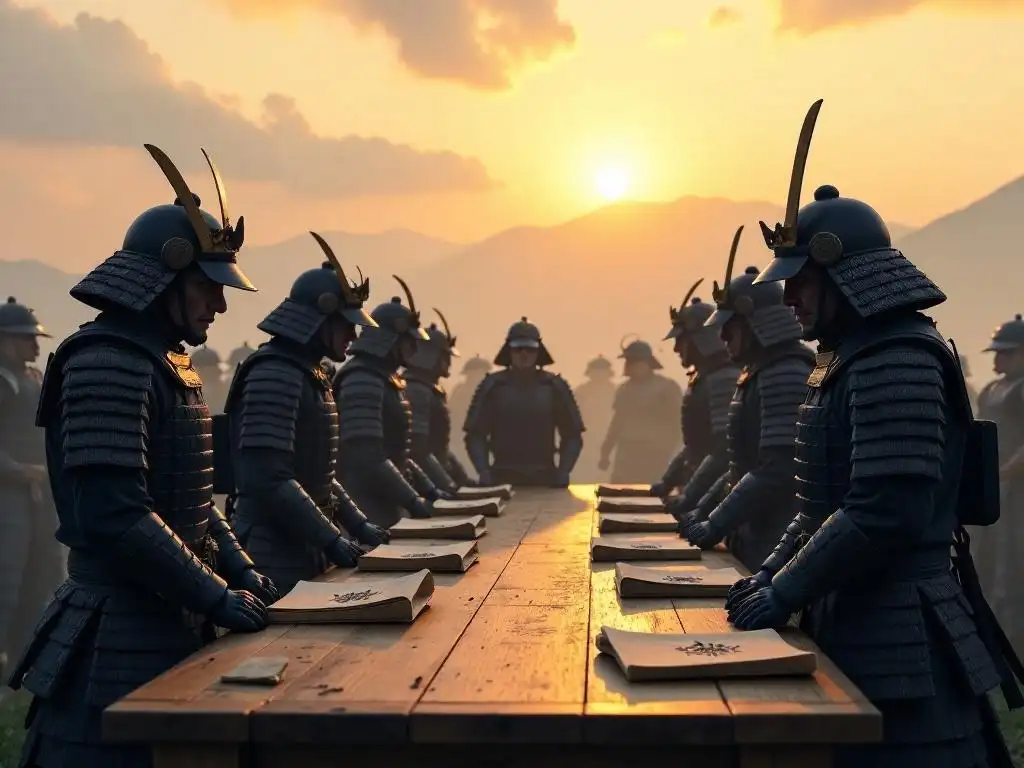
The Impact of Zen Buddhism on Samurai Warfare
Zen Buddhism played a crucial role in shaping the military strategies of the samurai during Japan's feudal era. The principles of Zen significantly influenced not only the mindset of the samurai but also their approach to warfare. Central to Zen philosophy is the idea of mindfulness and being present in the moment, which translated into a heightened state of awareness on the battlefield.
- Mindfulness in Combat: Samurai were taught to cultivate a calm and focused mind, allowing them to react swiftly to dynamic combat situations. This mental discipline was vital for maintaining composure under pressure, leading to more effective decision-making during battles.
- Meditative Practices: Regular meditation helped samurai warriors to develop mental clarity and emotional resilience. The practice of meditation, such as Zazen (seated meditation), enabled them to enter a state of ‘no-mind’ (mushin), free from distractions and emotions, enhancing their combat effectiveness.
- Swordsmanship and Zen: The art of swordsmanship (kenjutsu) was deeply intertwined with Zen teachings. Techniques focused on fluid movement and precision, often reflecting Zen aesthetic principles. This connection fostered a philosophy of engagement that emphasized efficiency and elegance over brute force.
The integration of Zen Buddhism into samurai warfare not only influenced tactical decisions but also contributed to the broader cultural identity of the samurai class, reinforcing their role as both warriors and spiritual practitioners.
Art and Literature: How Culture Shaped Military Tactics
The cultural landscape of feudal Japan, characterized by its art and literature, significantly impacted samurai military tactics. Various forms of artistic expression provided insights into the values, strategies, and philosophies that underpinned samurai warfare.
- Noh and Kabuki Theatre: These traditional forms of Japanese drama often depicted themes of honor, loyalty, and the valor of samurai. As a result, they reinforced the ideals that guided samurai conduct in battle, emphasizing the importance of strategic thinking and psychological warfare.
- Literary Works: Texts like "The Book of Five Rings" by Miyamoto Musashi and "The Art of War" by Sun Tzu were studied by samurai to refine their tactical acumen. These works offered strategies that transcended mere physical combat, exploring concepts such as deception, timing, and the use of terrain.
- Calligraphy and Poetry: The samurai's engagement with calligraphy and poetry cultivated a sense of discipline and aesthetics, which translated into their martial practices. The meditative quality of these arts contributed to a samurai's ability to maintain focus and clarity during combat.
Through these artistic avenues, the samurai were not only warriors but also learned individuals who understood the deeper implications of their actions on and off the battlefield. This intersection of culture and military tactics created a unique martial ethos that defined samurai identity.
The Role of Religion in Samurai Combat Ethics
Religion, particularly Shintoism and Buddhism, played a pivotal role in shaping the ethical framework within which samurai operated. These belief systems influenced their conduct in battle and their interactions with others, establishing a code of ethics that governed samurai behavior.
- Shinto Beliefs: The native spirituality of Shinto emphasized the importance of honor, loyalty, and the connection to ancestors. Samurai viewed their martial prowess as a means to honor their family and protect their land, thus imbuing their military actions with spiritual significance.
- Buddhist Teachings: Buddhism contributed to the samurai's understanding of life and death, advocating for detachment from worldly concerns. This perspective allowed samurai to face death with equanimity, often leading to a more fearless approach in combat. The notion of impermanence (anicca) encouraged them to act decisively without hesitation.
- Bushido Code: The synthesis of these religious influences culminated in the development of Bushido, the way of the warrior. This ethical code laid out principles such as righteousness, courage, and benevolence, guiding samurai conduct on and off the battlefield. Adherence to Bushido not only shaped their military tactics but also established their legacy as noble warriors.
The interplay between religion and samurai warfare fostered a complex ethical landscape that influenced military strategies and contributed to the samurai's enduring legacy in Japanese history.
Conclusion: The Lasting Legacy of Samurai Military Tactics
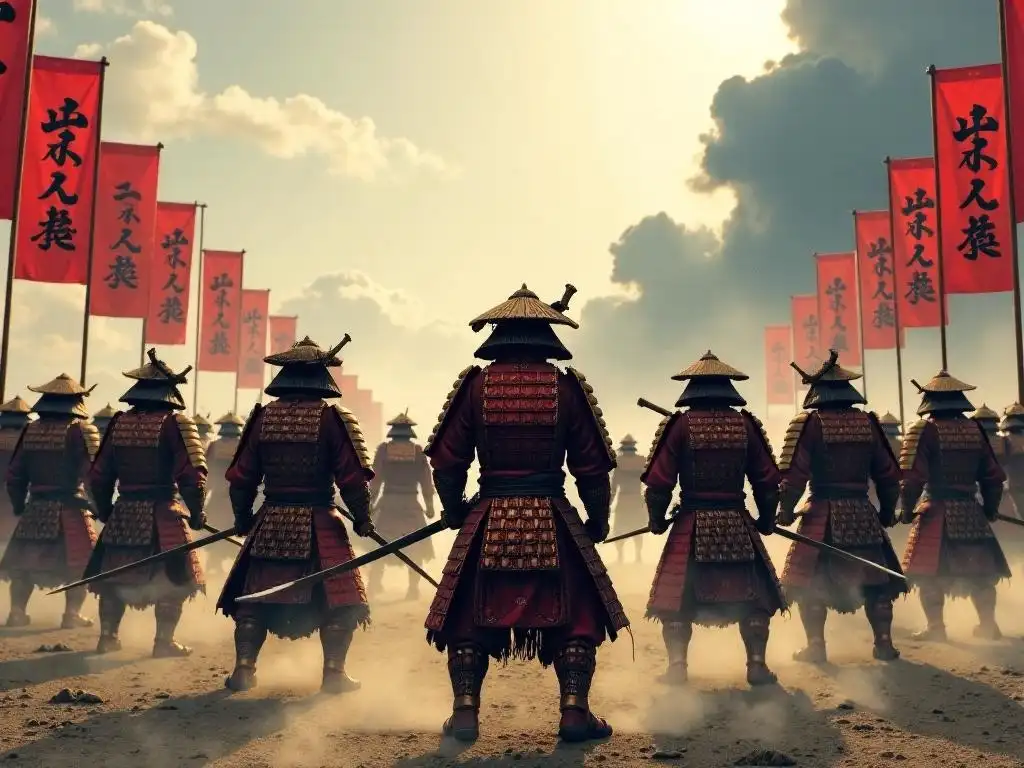
The influence of samurai military tactics extends far beyond the feudal era of Japan, leaving a profound legacy that continues to impact military practices and cultural identity. The strategic innovations and battlefield philosophies developed by the samurai have not only shaped Japan's historical military engagements but have also informed contemporary military thought and practice.
Influence on Modern Japanese Military Practices
In modern Japan, the principles derived from samurai military tactics can be observed within the Self-Defense Forces and their operational strategies. The samurai emphasized values such as discipline, loyalty, and honor, which remain integral to the military ethos today. Key elements of samurai tactics, such as the importance of situational awareness, adaptability, and strategic planning, are mirrored in current military training programs.
Moreover, the samurai's use of psychological warfare and intelligence gathering has influenced modern military operations. For instance, the samurai would often employ ruses and deceptive maneuvers to outsmart their opponents. This emphasis on cunning has trickled down into contemporary military strategy, where psychological operations and information warfare play crucial roles.
| Samurai Tactics | Modern Adaptations |
|---|---|
| Deceptive maneuvers | Psychological operations |
| High situational awareness | Intelligence gathering |
| Adaptability in combat | Flexibility in strategy |
| Emphasis on honor | Military ethics and conduct |
Furthermore, training regimens inspired by traditional martial arts, such as Kendo and Iaido, remain prevalent among modern Japanese soldiers. These disciplines not only focus on physical skills but also stress mental fortitude and the samurai spirit, ensuring that the legacy of the samurai continues to inform and inspire current military practices.
Reflection on the Samurai's Role in Shaping Military History
The samurai class has played a pivotal role in shaping Japanese military history, acting as both warriors and leaders throughout centuries of conflict. Their unique approach to warfare, characterized by a blend of martial prowess and philosophical depth, has left an indelible mark on how military operations were conducted across Japan's feudal landscape.
The samurai's tactical innovations, such as the use of cavalry charges and coordinated archery units, transformed battlefield dynamics and established new norms for engagement. Their ability to adapt to changing circumstances and leverage terrain for tactical advantage demonstrated a level of strategic thinking that was ahead of its time.
The samurai were not just warriors; they were strategists who understood the art of war in its many forms.
- [Historical Expert]
The legacy of samurai military tactics is also evident in the narratives and legends that have emerged around their exploits. The tales of legendary battles and heroic figures have permeated Japanese culture, reinforcing the ideals of bravery and strategic intelligence. This cultural heritage continues to inspire contemporary narratives in literature, film, and art, ensuring that the samurai's influence endures in the collective memory of Japan.
The samurai's military tactics and philosophies have significantly influenced both historical and modern military practices, underscoring their critical role in shaping Japan's military history. As we reflect on their enduring legacy, it becomes clear that the principles and strategies developed during the feudal era remain relevant, guiding contemporary military thought and practice.
References and Further Reading on Samurai Military Tactics History
Recommended Books and Articles
To gain a deeper understanding of Samurai military tactics history, several key texts provide valuable insights into the strategies, philosophies, and societal influences that shaped the samurai class and their military practices. Here are some notable works:
- "Hagakure: The Book of the Samurai" by Yamamoto Tsunetomo
- This classic text offers a profound look into the samurai code of conduct, emphasizing the importance of honor and loyalty, alongside military strategies employed by samurai warriors.
- "The Samurai: A Military History" by Stephen Turnbull
- Turnbull delves into the evolution of samurai warfare, detailing significant battles, tactics, and the impact of the samurai on Japanese military history.
- "Samurai Warfare" by Thomas D. Conlan
- This work provides an in-depth analysis of samurai tactics, exploring the techniques of battlefield formations, weapon usage, and psychological warfare.
- "Bushido: The Soul of Japan" by Inazo Nitobe
- Nitobe explores the ethical framework of the samurai, which influenced their approach to warfare and military strategy, alongside their cultural significance in Japan.
- "The Book of Five Rings" by Miyamoto Musashi
- Written by one of Japan’s most famous swordsmen, this text not only outlines Musashi's personal philosophy but also provides insights into combat strategy and tactics that were pivotal during the feudal era.
Online Resources for Deeper Exploration
For those looking to deepen their understanding of Samurai military tactics history through digital platforms, a variety of online resources are available:
-
The Samurai Archives
This website features an extensive collection of articles, primary sources, and historical analyses focused on the samurai and their military tactics.
-
The Japanese Historical Society
Offering a plethora of scholarly articles and research papers, this site is a great resource for academic discussions on samurai warfare and tactics.
-
YouTube Documentaries
Channels such as "Korean History" and "History Time" often release documentaries focusing on samurai warfare, providing visual insights into battle tactics and historical contexts.
-
Podcasts
Shows like "The History of Japan" or "Samurai and the Shogun" feature episodes dedicated to samurai tactics, discussing influential battles and strategies from expert historians.
-
Online Courses
Platforms like Coursera and edX offer courses on Japanese history, including modules specifically about the samurai era, providing structured learning on the topic.
These resources collectively enhance the understanding of how the samurai shaped military tactics throughout Japan’s feudal history, offering both scholarly insights and engaging narratives.
Frequently Asked Questions
What were the key Samurai military tactics used during feudal Japan?
Samurai utilized a variety of strategies including archery, cavalry charges, and swordsmanship. These tactics evolved over time to adapt to different battlefield scenarios.
How did the Samurai class influence Japanese military history?
The Samurai class played a crucial role in shaping Japan's military history by introducing advanced combat techniques and establishing a code of conduct known as Bushido, which emphasized honor and loyalty.
What role did strategic alliances play in Samurai warfare?
Strategic alliances were vital for Samurai as they allowed for combined forces against common enemies, enhancing their military strength and resources during conflicts.
How did the cultural aspects of Samurai life affect their tactics?
The cultural aspects, such as the Bushido code and Zen Buddhism, influenced Samurai tactics by fostering a mindset of discipline and focus, which were essential on the battlefield.
What are some notable battles that highlight Samurai military tactics?
Battles like the Battle of Sekigahara and the Genpei War showcase the effectiveness of Samurai military tactics and their impact on the outcome of conflicts, illustrating their strategic prowess.
Final Reflection: The Enduring Legacy of Samurai Military Tactics
The intricate strategies and philosophies of the samurai continue to resonate in today's military and cultural landscapes. The samurai's unique approach to warfare—rooted in discipline, honor, and adaptability—reminds us that effective tactics are not merely about brute strength but also about the wisdom of strategy and the spirit of the warrior. As we navigate a world that often feels chaotic and unpredictable, the lessons from samurai military tactics history offer timeless insights into leadership and resilience.
The influence of samurai tactics extends far beyond the battlefield; it has permeated various aspects of Japanese culture and even global military practices. The samurai's emphasis on strategy, ethics, and the psychological elements of warfare has shaped modern military doctrines and inspired countless leaders. As Sun Tzu famously stated, In the midst of chaos, there is also opportunity.
This perspective encourages us to find clarity and purpose in challenging times, reflecting the samurai's ability to thrive under pressure.
As we contemplate the teachings of the samurai, I invite you to reflect on how these principles can be applied in your own life. Consider the values of discipline, adaptability, and honor in your personal and professional endeavors. Embrace the warrior spirit within you, and let it guide you through your challenges. By integrating these lessons into our daily lives, we can cultivate a mindset that not only honors the legacy of the samurai but also empowers us to forge our own paths in an ever-evolving world.
Unleash Your Inner Warrior: Take Action Today!
Thank you for exploring the world of Samurai strategies with us! We hope you found valuable insights into how this esteemed warrior class transformed Japanese military tactics. Now, it’s time to put this knowledge into action and connect more deeply with this fascinating history.
Here are some steps you can take to further explore and engage:
- Dive Deeper: Read more about iconic Samurai battles and figures. Discover additional resources on our website to uncover the rich tales of these legendary warriors.
- Join the Discussion: Share your thoughts! Engage with our community by commenting on this article or sharing your favorite Samurai tactics on social media.
- Experience History: Attend a local historical reenactment or workshop. Look for events in your area that allow you to experience Samurai culture firsthand.
Which aspect of Samurai tactics resonates most with you, and how do you see it influencing modern strategies?